
Visiting Lava Tubes Safely: Essential Gear and Exploration Tips for Beginners

Welcome!
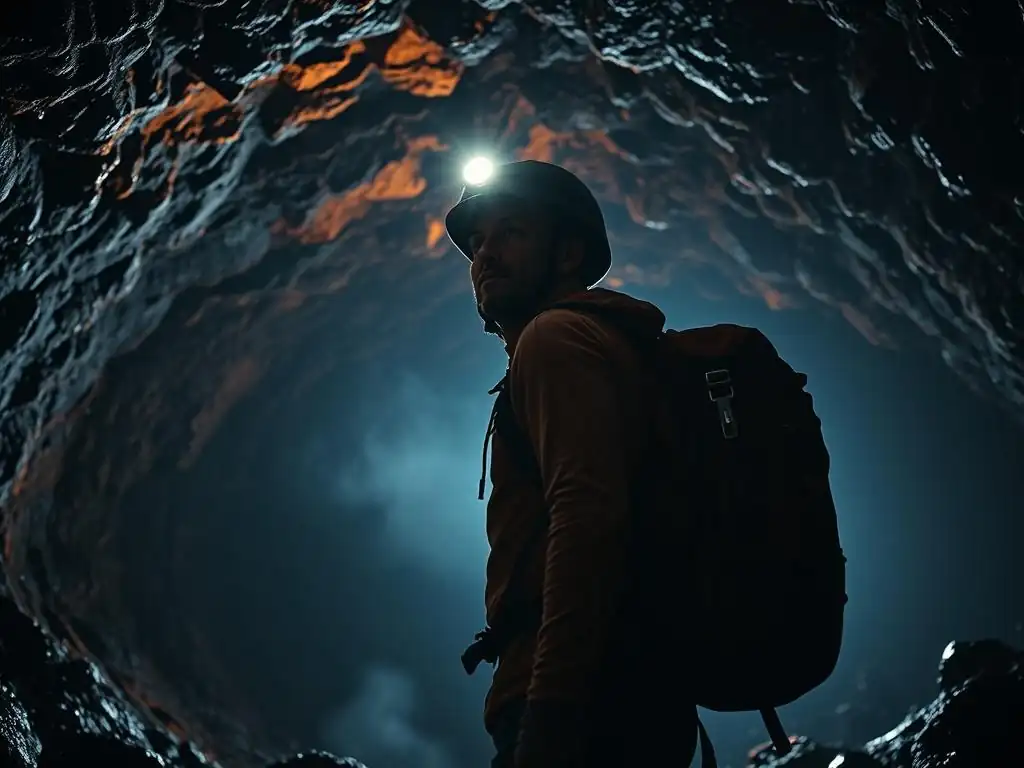
Dare to venture beneath the surface? At Volcano Explorers, we plunge into the heart of the Earth's fiery secrets. Before you even think about stepping into the mesmerizing world of subterranean volcanic landscapes, you need to know the essentials. Prepare yourself to discover how to explore lava tubes safely, uncovering the hidden wonders within these dark and fascinating formations. What dangers lurk below, and what treasures await? Let's begin your subterranean adventure...
- Exploring Ape Cave Safely: Essential Gear and Exploration Tips for Beginners
- Introduction to Ape Cave Exploration for Novices
-
Essential Gear for Safe Ape Cave Exploration
- Headlamps and Lighting: Illuminating Your Underground Journey
- Protective Headwear: Choosing the Right Helmet for Ape Cave Caving
- Durable Clothing: Protecting Yourself from Abrasions and Temperature Changes
- Sturdy Footwear: Selecting Boots for Traction and Stability in Ape Cave
- Backpack Essentials: Water, Snacks, and First-Aid Supplies
- Pre-Exploration Safety Checklist: Preparing for Your Ape Cave Adventure
-
Navigating Ape Cave: Exploration Tips for Beginners
- Staying on Marked Paths and Avoiding Sensitive Areas
- Maintaining a Sense of Direction and Preventing Getting Lost
- Communicating Effectively with Your Exploration Group
- Recognizing and Avoiding Potential Hazards: Water Flow, Uneven Terrain
- Minimizing Your Impact: Leave No Trace Principles in Ape Cave
- Post-Exploration Procedures: Ensuring Continued Safety and Preservation
- Understanding Ape Cave Dangers and Mitigation Strategies
- Responsible Ape Cave Exploration: Protecting This Unique Environment
- Conclusion: Enjoying Ape Cave Exploration Responsibly and Safely
-
Frequently Asked Questions
- How are lava tubes formed, and what makes them unique geological features?
- What essential safety gear should I bring when exploring a lava tube?
- What are some potential hazards to be aware of when venturing into lava tubes?
- Are there specific regulations or permits required to explore certain lava tubes?
- What are some tips for responsible lava tube exploration to minimize environmental impact?
- Final Reflection: Embracing the Subterranean World
- Unearth Your Inner Explorer: Start Your Lava Tube Adventure!
Exploring Ape Cave Safely: Essential Gear and Exploration Tips for Beginners
Introduction to Ape Cave Exploration for Novices
What is Ape Cave and Why Explore It?
Ape Cave, located in Gifford Pinchot National Forest in Washington State, is the longest continuous lava tube in the continental United States. Stretching 13,042 feet (nearly 2.5 miles), it presents a unique opportunity to explore the fascinating geological processes behind volcanic landscapes. Formed approximately 1,900 years ago during the eruption of Mount St. Helens, Ape Cave offers a relatively accessible and awe-inspiring introduction to lava tube exploration for beginners.
Unlike typical caves formed by water erosion, lava tubes are created by flowing lava. As the surface of a lava flow cools and solidifies, the molten lava continues to flow beneath, eventually draining out and leaving behind a tunnel-like cave.
Exploring Ape Cave allows you to witness these geological formations firsthand, observe unique cave features like lava columns and flow lines, and experience the subterranean world created by volcanic activity. It's a chance to step back in time and walk through the pathways carved by ancient rivers of fire.
Understanding the Risks and Rewards of Ape Cave Caving
Exploring Ape Cave, while accessible to beginners, is not without its risks. The cave environment presents challenges such as uneven and rocky terrain, low light conditions, potential for falls, and exposure to naturally occurring radon gas. Temperatures inside the cave remain consistently cool, around 42 degrees Fahrenheit (5.5 degrees Celsius), year-round, requiring proper thermal protection. However, the rewards of exploring Ape Cave are immense.
It offers a thrilling adventure into a subterranean world unlike any other, providing a tangible connection to volcanic forces that shaped the Pacific Northwest landscape. Successfully navigating the cave instills a sense of accomplishment and fosters a deeper appreciation for geological wonders. Furthermore, Ape Cave serves as an outdoor classroom, offering educational opportunities about volcanology, cave ecology, and responsible environmental stewardship. By understanding both the risks and rewards, beginners can prepare adequately and approach Ape Cave exploration with respect and caution, maximizing safety and enjoyment.
Essential Gear for Safe Ape Cave Exploration
Headlamps and Lighting: Illuminating Your Underground Journey
Adequate lighting is paramount for safe lava tube exploration, and in Ape Cave, this means relying on robust headlamps. Forget handheld flashlights; headlamps keep your hands free for navigating the uneven terrain. Each person in your group should have their own headlamp, and it's wise to carry a backup light source as well, such as a small, secondary LED flashlight.
Opt for headlamps with a high lumen output – at least 200 lumens is recommended for navigating Ape Cave's darker sections. Look for models with adjustable brightness settings to conserve battery life when brighter light isn't necessary. Battery life is crucial; ensure your headlamp batteries are fresh before entering the cave, and consider bringing extra batteries or a portable power bank for longer explorations.
Reliability is key. Choose reputable brands known for durable and water-resistant headlamps designed for outdoor activities. Proper lighting isn't just about seeing where you're going; it's about spotting potential hazards like slippery rocks, changes in elevation, and overhead obstacles, significantly reducing the risk of accidents within the cave.
Protective Headwear: Choosing the Right Helmet for Ape Cave Caving
While Ape Cave is relatively spacious in many sections, low ceilings and potential rockfalls are real hazards. A helmet is not optional – it is essential protective gear for exploring Ape Cave. A climbing helmet or a caving helmet is ideal, offering robust impact protection.
These helmets are designed to meet safety standards, typically constructed from a hard outer shell with an energy-absorbing inner liner. Avoid using bicycle helmets or construction hard hats, as they may not provide adequate protection against the specific hazards of a cave environment. Ensure the helmet fits snugly and comfortably, with adjustable straps to secure it properly to your head.
A properly fitted helmet stays in place during movement and provides maximum protection in case of a fall or impact from falling rocks. Many caving helmets also come equipped with headlamp attachment points, further enhancing safety and convenience by securely positioning your light source. Investing in a quality helmet is a small price to pay for crucial head protection in the potentially hazardous environment of Ape Cave.
Durable Clothing: Protecting Yourself from Abrasions and Temperature Changes
The interior of Ape Cave maintains a consistent temperature of around 42°F (5.5°C), regardless of the outside weather. Layering is key to staying comfortable and protected. Start with a moisture-wicking base layer, like thermal underwear made of synthetic materials or merino wool, to keep sweat away from your skin and prevent chilling. Add an insulating middle layer, such as a fleece jacket or a lightweight down jacket, for warmth.
The outer layer should be durable and abrasion-resistant, like hiking pants and a sturdy jacket. Avoid cotton clothing, as it absorbs moisture and loses its insulating properties when wet, increasing the risk of hypothermia. Knees and elbows are particularly vulnerable to scrapes and abrasions when navigating the rocky cave floor.
Consider wearing knee pads and elbow pads, especially if you plan to spend time crawling or scrambling through tighter sections. Gloves are also highly recommended to protect your hands from sharp rocks and the cold cave walls. Durable work gloves or lightweight hiking gloves will provide adequate protection and grip.
Sturdy Footwear: Selecting Boots for Traction and Stability in Ape Cave
Appropriate footwear is critical for safe navigation within Ape Cave. The cave floor is uneven, rocky, and can be slippery in places. Sturdy hiking boots with ankle support are essential. Look for boots with aggressive lug soles that provide excellent traction on loose rocks and uneven surfaces.
Avoid wearing sneakers, sandals, or other casual footwear, as they lack the necessary support, traction, and protection for cave exploration. Ensure your boots are properly broken in before your Ape Cave adventure to prevent blisters and discomfort. Waterproof or water-resistant boots are beneficial, as there can be damp sections within the cave, and you may encounter small puddles or trickling water.
Good ankle support is crucial to prevent ankle sprains on the uneven terrain. Consider wearing wool or synthetic hiking socks to keep your feet warm and dry, and to provide additional cushioning within your boots. Proper footwear is the foundation for safe and comfortable movement within Ape Cave, minimizing the risk of slips, trips, and ankle injuries.
Backpack Essentials: Water, Snacks, and First-Aid Supplies
A small to medium-sized backpack is essential for carrying vital supplies into Ape Cave. Water is paramount, even though the cave is cool. Dehydration can still occur, especially with exertion. Bring at least 2 liters of water per person, more if you plan a longer exploration.
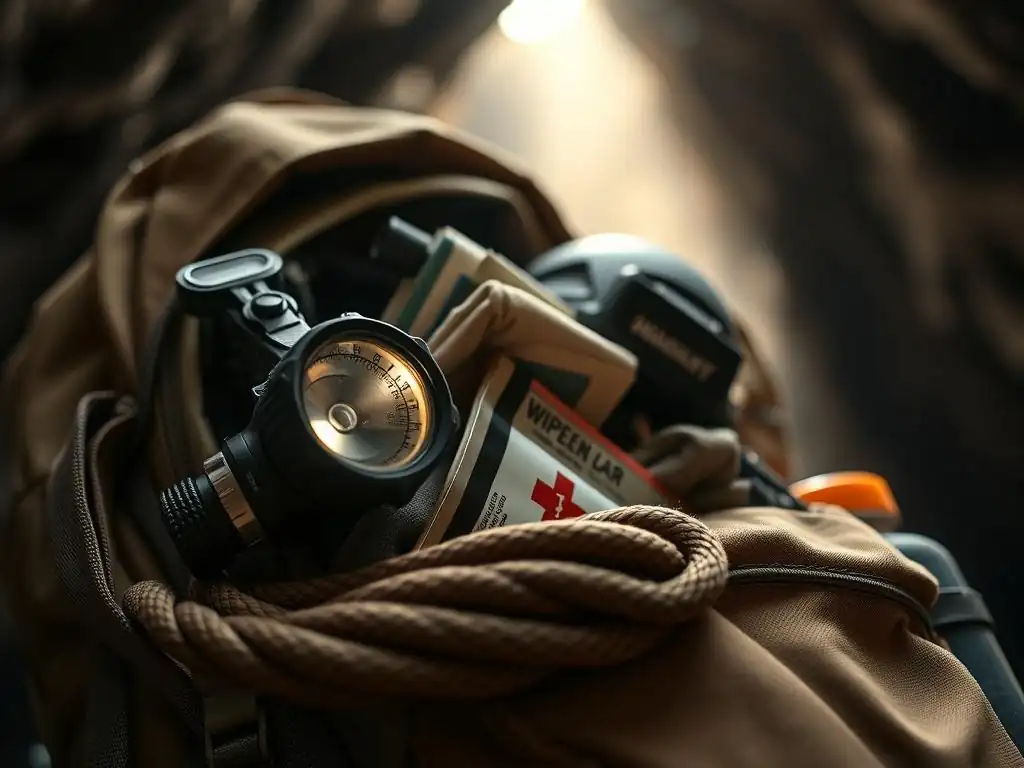
Pack high-energy snacks like energy bars, trail mix, nuts, and fruit to maintain your energy levels throughout your cave adventure. A basic first-aid kit is a must-have in your backpack. It should include bandages, antiseptic wipes, pain relievers, blister treatment, and any personal medications. A map of Ape Cave, even if you plan to stay on marked trails, can be helpful for orientation.
A whistle can be a valuable safety tool for signaling for help in an emergency. A small multi-tool or knife can be useful for minor gear repairs or first-aid situations. Finally, a small trash bag is essential for practicing Leave No Trace principles and packing out everything you pack in, ensuring the preservation of Ape Cave's natural environment.
Pre-Exploration Safety Checklist: Preparing for Your Ape Cave Adventure
Checking Weather Conditions and Ape Cave Accessibility
Before heading to Ape Cave, always check the weather forecast for the Gifford Pinchot National Forest area. Heavy rain or snowmelt can impact conditions both outside and potentially inside the cave. While Ape Cave is generally open year-round, accessibility can be affected by snow at higher elevations during winter and early spring. Check the US Forest Service Gifford Pinchot National Forest website or call the Mount St. Helens National Volcanic Monument visitor center for current conditions and any temporary closures.
Road conditions leading to Ape Cave, particularly Forest Road 83, can be affected by weather, especially during winter. Ensure your vehicle is appropriate for potentially snowy or icy conditions, and check road reports before you travel. Knowing the weather forecast helps you prepare appropriately with clothing and gear, and checking for accessibility ensures that Ape Cave is open and safely reachable on your planned day of exploration.
Notifying Someone of Your Exploration Plans and Expected Return
Prior to entering Ape Cave, it is crucial to inform someone who is not going with you about your exploration plans. Tell them where you are going (Ape Cave, Gifford Pinchot National Forest), which section of the cave you plan to explore (Upper or Lower Cave), and your estimated time of return. Provide them with contact information for the US Forest Service or local emergency services in case they need to contact authorities if you are overdue.
This simple step is a critical safety precaution. If an accident occurs inside the cave, or if you become lost or delayed, someone outside will be aware of your plans and can initiate a search and rescue if necessary.
Agree on a specific time to check in with your contact person after your exploration. If you are delayed for any reason, make sure to communicate this to your contact if possible, or upon exiting the cave.
Understanding Ape Cave Geology and Potential Hazards
Familiarizing yourself with the basic geology of Ape Cave and lava tubes in general enhances your understanding and appreciation of the environment, but more importantly, helps you recognize potential hazards. Understanding that Ape Cave is formed from solidified lava flows helps you anticipate the type of terrain you will encounter – uneven, rocky, and potentially unstable in places. Learn about common lava tube features like lava columns, benches, and breakdown (collapsed sections of the ceiling). Knowing that radon gas is naturally present in lava tubes is crucial for understanding the importance of ventilation and minimizing exposure time.
Be aware that while ceiling collapses are infrequent, they are a potential hazard. Observe the cave ceiling for signs of instability, such as loose rocks or cracks. Understanding the geological processes that formed Ape Cave and the potential hazards associated with lava tube environments empowers you to explore more safely and responsibly.
Assessing Your Physical Fitness for Ape Cave Caving
Exploring Ape Cave, even the relatively easier Lower Cave, requires a moderate level of physical fitness. You will be walking and potentially scrambling over uneven and rocky terrain, sometimes in low light and confined spaces. Assess your own physical condition and that of your group honestly before embarking on a cave exploration. If you have any pre-existing medical conditions, such as heart problems, respiratory issues, or mobility limitations, consult your doctor before exploring Ape Cave.
Be prepared for walking for several hours, potentially carrying a backpack, and navigating obstacles. If you are not accustomed to hiking or walking on uneven surfaces, consider doing some preparatory hikes to build your stamina and leg strength. Ape Cave is not strenuous mountaineering, but it is not a casual stroll either. Being physically prepared will make your exploration safer, more enjoyable, and reduce the risk of fatigue-related accidents.
Staying on Marked Paths and Avoiding Sensitive Areas
Ape Cave has designated trails, particularly in the more frequently visited Lower Cave. For beginners, staying on these marked paths is highly recommended. These trails are designed to guide you through the most accessible and safest sections of the cave while minimizing impact on sensitive areas. Avoid venturing off-trail or into unmarked side passages, especially if you are new to cave exploration.
These areas may be less stable, more hazardous, and potentially contain fragile cave formations or sensitive ecosystems. Respect any signs or barriers indicating restricted areas. These may be in place to protect delicate cave features, bat roosting sites, or areas undergoing restoration. Staying on marked paths ensures your safety, minimizes your impact on the cave environment, and helps preserve Ape Cave for future generations of explorers.
Maintaining a Sense of Direction and Preventing Getting Lost
While Ape Cave is linear and generally follows a single main passage, it's still possible to become disoriented in the low light conditions. Pay attention to your surroundings and landmarks as you progress through the cave. Regularly check your location relative to the cave map, if you have one.
If you are exploring with a group, stay together and maintain visual or verbal contact. Designate a leader and a sweep (the last person in the group) to help keep everyone together. Periodically look back in the direction you came from to familiarize yourself with the return route.
In the Lower Cave, colored markings on the walls help with navigation. If you do become disoriented or unsure of your location, stop, gather your group, and retrace your steps to a known point. Staying aware of your direction and surroundings is crucial for preventing getting lost and ensuring a safe return from your Ape Cave exploration.
Communicating Effectively with Your Exploration Group
Clear and consistent communication within your exploration group is essential for safety and enjoyment in Ape Cave. Establish hand signals or verbal cues for common situations, such as "stop," "wait," "hazard ahead," or "are you okay?". In the often echoing environment of the cave, speak clearly and ensure everyone in your group can hear you. If you are moving through a section with potential hazards, such as uneven footing or low ceilings, verbally alert others in your group to these obstacles.
Check in with each other regularly to ensure everyone is feeling well and comfortable. If someone in your group is experiencing fatigue, discomfort, or anxiety, address it promptly and adjust your exploration plan accordingly. Effective communication fosters teamwork, enhances safety, and ensures that everyone in the group has a positive and secure experience exploring Ape Cave.
Recognizing and Avoiding Potential Hazards: Water Flow, Uneven Terrain
Ape Cave, like any natural cave, presents inherent hazards. Be constantly aware of your surroundings and proactively identify and avoid potential risks. Be mindful of water flow, especially after periods of rain or snowmelt. Slippery rocks and damp surfaces are more common near water trickles or puddles. Test your footing before placing your full weight on potentially slippery rocks. Uneven terrain is a constant feature of Ape Cave.
Watch for changes in elevation, loose rocks, and holes in the cave floor. Take your time and move deliberately, especially when navigating challenging sections. Be aware of low ceilings and overhead obstacles. Duck or crouch to avoid bumping your head, even if you are wearing a helmet. Communicate any hazards you spot to others in your group. Vigilance and careful movement are key to minimizing the risk of slips, trips, falls, and other injuries within Ape Cave.
Minimizing Your Impact: Leave No Trace Principles in Ape Cave
Ape Cave is a fragile natural environment. Practicing Leave No Trace principles is crucial for preserving its beauty and ecological integrity. Pack out everything you pack in, including trash, food wrappers, and human waste (if necessary, use a WAG bag and pack it out). Do not leave anything behind in the cave. Stay on designated trails and avoid touching cave formations.
Even seemingly innocuous contact can damage delicate cave features or disrupt cave ecosystems. Do not disturb or harass any wildlife you may encounter in the cave, such as bats or insects. Minimize noise levels within the cave to avoid disturbing wildlife and to enhance the natural cave experience for yourself and others. Respect the cultural and historical significance of Ape Cave and its surrounding area. By adhering to Leave No Trace principles, you contribute to the long-term preservation of Ape Cave and its unique environment.
Post-Exploration Procedures: Ensuring Continued Safety and Preservation
Cleaning Your Gear and Preventing the Spread of Invasive Species
After your Ape Cave exploration, take the time to clean your gear thoroughly. This is crucial for preventing the spread of invasive species and cave diseases, such as White-Nose Syndrome in bats (though not currently a known issue in Ape Cave, preventative measures are always wise). Brush off any dirt, mud, or debris from your boots, clothing, helmet, and backpack. Wash your boots and any gear that came into contact with cave surfaces with soap and water.
Consider using a disinfectant solution, especially if you have explored other caves recently. Allow your gear to dry completely before storing it. Cleaning your gear is a simple but vital step in protecting cave ecosystems and preventing the unintentional introduction of harmful organisms to Ape Cave or other caves you may visit in the future.
Reporting Any Hazards or Unusual Findings to the US Forest Service
During your Ape Cave exploration, if you observe any new hazards, such as rockfalls, unstable sections of the cave, excessive water flow, or significant trail damage, report these findings to the US Forest Service. Similarly, if you encounter anything unusual, such as signs of vandalism, injured wildlife, or artifacts of potential historical or cultural significance, report these observations as well. You can report your findings to the Mount St. Helens National Volcanic Monument visitor center or contact the Gifford Pinchot National Forest directly.
Reporting hazards helps ensure the safety of future visitors and allows the Forest Service to address any maintenance or safety issues promptly. Reporting unusual findings contributes to the ongoing monitoring and management of Ape Cave and its resources.
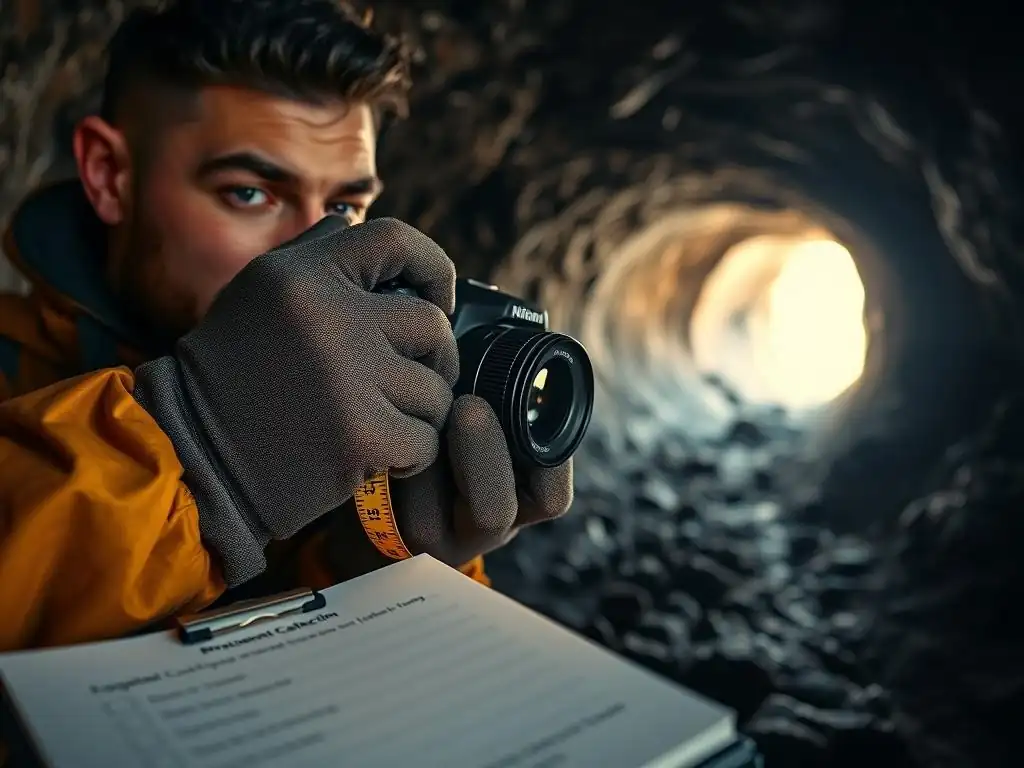
Share your Ape Cave experience with others, but do so responsibly. Encourage responsible exploration and emphasize the importance of safety, Leave No Trace principles, and respecting the cave environment. When sharing photos or stories online, consider including information about cave conservation and responsible visitation.
Support organizations and initiatives dedicated to Ape Cave conservation and education, such as the US Forest Service and volunteer groups that work to maintain and protect the cave. By sharing your experience responsibly and promoting conservation, you can help ensure that Ape Cave remains a natural wonder accessible and enjoyable for generations to come. Educating others about responsible cave exploration is a vital part of protecting these unique and fragile environments.
Understanding Ape Cave Dangers and Mitigation Strategies
Radon Gas Exposure: Prevention and Safety Measures
Radon is a naturally occurring, odorless, and colorless radioactive gas that can accumulate in caves, including lava tubes like Ape Cave. Prolonged exposure to high levels of radon can increase the risk of lung cancer. While radon levels in Ape Cave are generally considered low to moderate and safe for typical visitor durations, minimizing exposure is always prudent. Ventilation within Ape Cave helps to disperse radon gas.
The natural airflow through the cave, particularly near entrances, reduces radon concentrations. Limit your exploration time in Ape Cave to a reasonable duration, especially if you are sensitive to radon or concerned about exposure. Ensure good ventilation by not blocking cave entrances or restricting airflow. While specialized radon detectors are not typically necessary for recreational Ape Cave visits, being aware of radon and taking simple precautions like limiting exposure time is a responsible approach to cave exploration.
Ceiling Collapses and Rockfalls: Identifying and Avoiding Unstable Areas
Ceiling collapses and rockfalls are inherent risks in any cave environment, including Ape Cave. While large-scale collapses are rare, smaller rockfalls can occur. Wear a helmet at all times to protect your head from falling rocks. Observe the cave ceiling carefully, especially in areas with fractured or loose-looking rock.
Avoid lingering under areas that appear unstable or show signs of recent rockfall. Be particularly cautious during periods of freeze-thaw cycles or after heavy rainfall, as these conditions can increase the likelihood of rockfalls. If you hear cracking or popping sounds from the cave ceiling, move away from the area quickly and cautiously. Staying aware of your surroundings and taking precautions to avoid potentially unstable areas can significantly reduce the risk of injury from ceiling collapses or rockfalls.
Limited Visibility: Staying with Your Group and Using Lighting Effectively
The darkness within Ape Cave presents a significant challenge to navigation and safety. Limited visibility can increase the risk of trips, falls, and getting lost. Always stay with your group and maintain visual or verbal contact. Do not wander off alone, especially if you are a beginner. Ensure everyone in your group has a reliable headlamp and knows how to use it effectively.
Use your headlamp to scan the trail ahead, identify obstacles, and assess the terrain. Avoid shining your light directly into the eyes of others in your group. If your light source fails, stop, stay calm, and signal for help from your group members. Effective use of lighting and staying together as a group are crucial for navigating the low-visibility environment of Ape Cave safely and preventing accidents or getting lost.
Hypothermia: Dressing Appropriately and Monitoring for Symptoms
The constant cool temperature of Ape Cave, around 42°F (5.5°C), combined with potential dampness, creates a risk of hypothermia, especially for extended explorations or if you are not dressed appropriately. Dress in layers, including a moisture-wicking base layer, an insulating middle layer, and a durable outer layer. Avoid cotton clothing, which loses its insulation when wet. Wear a hat and gloves to minimize heat loss from your head and hands.
Stay dry and avoid getting wet from puddles or condensation. Monitor yourself and your group members for signs of hypothermia, such as shivering, confusion, slurred speech, and fatigue. If someone shows signs of hypothermia, seek warmer shelter immediately, replace wet clothing with dry layers if possible, and provide warm drinks and food. Dressing appropriately and being vigilant for hypothermia symptoms are essential for staying warm and safe during Ape Cave exploration.
Responsible Ape Cave Exploration: Protecting This Unique Environment
Avoiding Disturbance to Cave Ecosystems and Wildlife
Ape Cave, despite its seemingly barren appearance, supports a delicate ecosystem and may be home to cave-adapted wildlife, such as bats, insects, and other invertebrates. Avoid disturbing or touching any cave formations, which can take thousands of years to form and are sensitive to human contact. Do not introduce any foreign materials into the cave, including food scraps, trash, or markings. Minimize noise levels within the cave to avoid disturbing any wildlife that may be present.
Respect any bat roosting areas or closures designed to protect bat populations. Stay on designated trails to minimize impact on cave ecosystems. By being mindful of your impact and avoiding disturbances, you help protect the fragile cave ecosystem of Ape Cave and ensure its continued health and biodiversity.
Respecting Cultural and Historical Significance of Ape Cave
Ape Cave and the surrounding area hold cultural and historical significance for indigenous peoples and later settlers. Treat Ape Cave with respect as a natural and potentially culturally significant site. Do not remove or disturb any artifacts or objects of potential historical or cultural value.
Be aware of and respect any cultural sensitivities associated with the area. Learn about the history of Ape Cave and its surrounding landscape to deepen your appreciation for its cultural context. Respecting the cultural and historical significance of Ape Cave enriches your exploration experience and acknowledges the long-standing connection between humans and this unique natural wonder.
Supporting Ape Cave Conservation Efforts and Organizations
Support Ape Cave conservation efforts and organizations dedicated to protecting this unique resource. Volunteer your time for cave cleanup or restoration projects if opportunities are available. Donate to organizations that support Ape Cave conservation and education. Educate yourself and others about responsible cave exploration and the importance of cave conservation.
Follow Leave No Trace principles and encourage others to do the same. By actively supporting conservation efforts, you contribute to the long-term protection of Ape Cave and ensure that it remains a valuable natural and educational resource for future generations. Responsible exploration goes beyond individual actions; it includes actively supporting the ongoing stewardship of these fragile environments.
Conclusion: Enjoying Ape Cave Exploration Responsibly and Safely
Exploring Ape Cave offers an unforgettable adventure into the subterranean world of a lava tube, providing a unique glimpse into volcanic geology and the beauty of natural caves. By preparing properly with essential gear, understanding potential hazards, and following responsible exploration practices, beginners can experience the wonders of Ape Cave safely and enjoyably.
Remember that respecting the cave environment, minimizing your impact, and prioritizing safety are paramount to ensuring both your well-being and the preservation of this remarkable natural wonder for future explorers. Embrace the adventure, explore responsibly, and marvel at the geological forces that created Ape Cave, leaving only footprints and taking only memories.
Frequently Asked Questions
How are lava tubes formed, and what makes them unique geological features?
Lava tubes are formed when the surface of a lava flow cools and hardens, creating a crust while molten lava continues to flow beneath. This creates a tunnel-like structure that can be incredibly long and complex, offering a unique glimpse into past volcanic activity.
What essential safety gear should I bring when exploring a lava tube?
Essential safety gear includes a reliable headlamp with extra batteries, sturdy hiking boots with ankle support, and a helmet to protect against falling debris. You should also bring water, snacks, and a first-aid kit for minor injuries.
What are some potential hazards to be aware of when venturing into lava tubes?
Hazards include uneven and slippery terrain, low ceilings, potential rockfalls, and limited visibility. It's also important to be aware of potential wildlife that may inhabit the tubes, such as bats.
Are there specific regulations or permits required to explore certain lava tubes?
Yes, many lava tubes are located in protected areas like national parks or monuments, which often require permits for exploration. Always check with the local authorities or park service to understand the regulations and obtain necessary permissions before entering.
What are some tips for responsible lava tube exploration to minimize environmental impact?
Stay on established paths to avoid disturbing fragile ecosystems. Pack out all trash and avoid touching or removing any geological formations. Respect the environment and leave no trace of your visit to preserve the lava tube's integrity.
Final Reflection: Embracing the Subterranean World
The allure of the unknown, the primal draw to explore the earth's hidden spaces, is powerfully embodied in the experience of visiting lava tubes. This journey into the heart of the planet, once a realm of molten fury, now offers a unique window into geological history and a profound connection with nature's raw power. Understanding how to explore these spaces safely and responsibly is not just about personal protection; it's about preserving these fragile environments for future generations.
The impact of responsible exploration extends beyond the individual adventurer. It's about fostering a deeper appreciation for the delicate balance of these subterranean ecosystems and promoting a culture of conservation. We must remember that these spaces, formed by volcanic activity, are finite and vulnerable. We do not inherit the earth from our ancestors; we borrow it from our children.
This Native American proverb reminds us of our responsibility to protect these natural wonders, ensuring they remain accessible and pristine for those who come after us.
Now, as you stand at the threshold of your own lava tube adventure, I invite you to reflect on the knowledge you've gained. Consider the essential gear, the safety precautions, and the respect for the environment that are paramount to a fulfilling and responsible experience. Go forth, explore with curiosity and caution, and become an ambassador for these extraordinary subterranean worlds. Let your journey be a testament to the power of knowledge and the importance of preserving the earth's hidden treasures.
Unearth Your Inner Explorer: Start Your Lava Tube Adventure!
Thanks for reading about safe lava tube exploration! We hope you're now better prepared to navigate these incredible underground landscapes. Now, it's time to plan your adventure!
Here's what you can do next:
- Start gathering your essential gear. Check the article's gear checklist to ensure you have everything for a safe and successful trip.
- Share this article with a friend. Exploring with a buddy enhances safety and makes the experience even more enjoyable.
- Think about how you'll document your trip and share your experience on social media.
What's the first piece of gear you'll acquire? Share your plans in the comments below!