
Australia's Outback Underground: Lava Tubes in the Land Down Under

Welcome to Volcano Explorers!
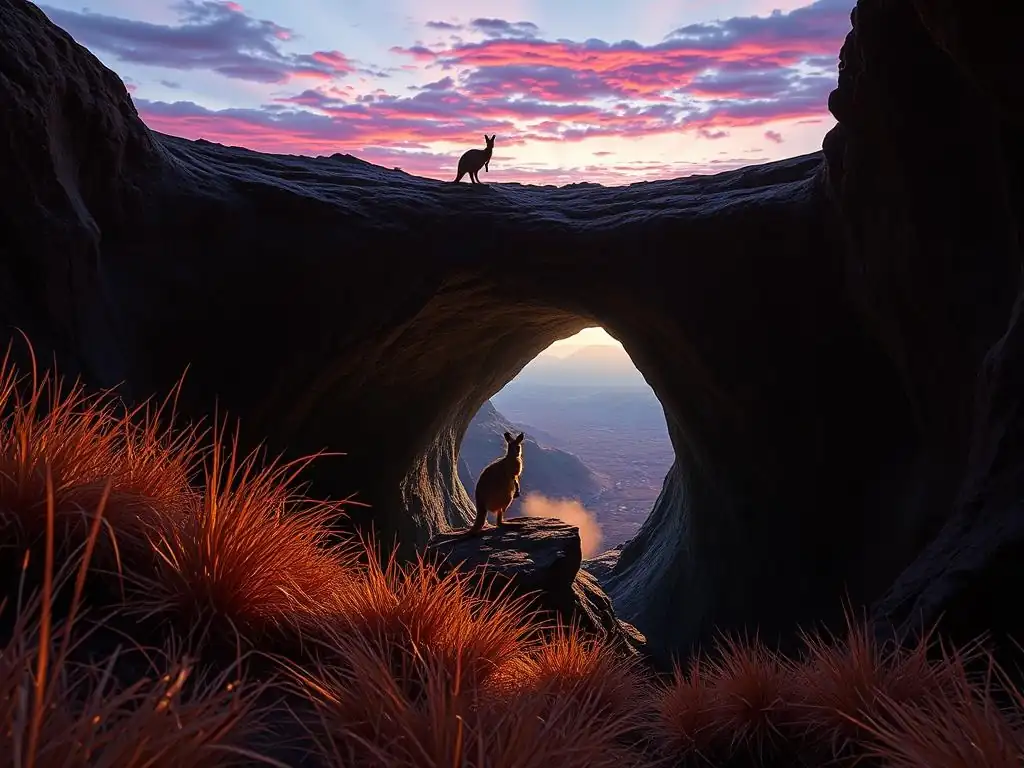
Prepare to be astonished. Did you know that beneath the sun-baked Australian outback lies a hidden world shaped by fiery forces? Journey with us to uncover the secrets of Lava Tubes in Australia, a fascinating network of subterranean passages sculpted by ancient volcanic flows. What mysteries do these dark, cool tunnels hold, and what can they tell us about the volcanic history of the Land Down Under? Dive in and explore!
- Exploring Lava Tubes in Australia: A Volcanic Underground Adventure
- What are Lava Tubes and How Do They Form in the Australian Outback?
- Notable Lava Tube Systems in Australia
- The Flora and Fauna of Australian Lava Tubes
- Exploring Australian Lava Tubes: Tips for Volcano Enthusiasts
- The Cultural Significance of Lava Tubes to Indigenous Australians
- The Future of Australian Lava Tube Research and Conservation
- Comparing Australian Lava Tubes to Other Global Examples
-
Frequently Asked Questions
- What are lava tubes and where can they typically be found?
- Does Australia have any lava tubes, and if so, where are they located?
- How are lava tubes formed in the Australian outback?
- Why are lava tubes in Australia considered significant?
- What dangers might be associated with exploring lava tubes in Australia?
- Final Reflection: Echoes of Ancient Fire
- Unearth Your Next Adventure!
Exploring Lava Tubes in Australia: A Volcanic Underground Adventure
Australia, a land renowned for its sun-drenched landscapes and vibrant coral reefs, harbors a hidden world beneath its arid surface – a network of ancient lava tubes. These subterranean wonders, sculpted by fiery volcanic activity millennia ago, offer a unique window into the continent's geological past and present an exciting adventure for intrepid explorers.
Venturing into these cool, dark caverns is akin to stepping back in time, tracing the paths of molten rivers that once flowed beneath the Australian outback. Exploring lava tubes in Australia provides an unparalleled opportunity to witness the raw power of volcanic forces and discover ecosystems thriving in unexpected darkness.
What are Lava Tubes and How Do They Form in the Australian Outback?
Lava tubes are natural conduits formed by flowing lava during volcanic eruptions. Imagine a river of molten rock coursing across the landscape. As the surface of this lava flow cools and solidifies, it insulates the still-molten lava flowing beneath.
This process creates a crust, and as the eruption subsides and the lava drains away, it leaves behind a hollow, tunnel-like cave – a lava tube. In the Australian Outback, characterized by ancient volcanic provinces, these formations are particularly significant, providing tangible evidence of past volcanic events that shaped the continent millions of years ago. The arid climate has also played a role in preserving these delicate underground environments, making Australian lava tubes a treasure trove for geological and biological study.
The Science Behind Lava Tube Formation: A Volcanologist's Perspective
From a volcanologist's viewpoint, the formation of lava tubes is a fascinating interplay of fluid dynamics, thermodynamics, and volcanic eruption styles. Basaltic lava, with its relatively low viscosity, is particularly conducive to lava tube formation. The surface of a basaltic lava flow cools quickly in contact with the air, forming a solid crust.
This crust acts as an insulator, retaining heat and allowing the lava beneath to remain molten and continue flowing for considerable distances. Factors such as the effusion rate of lava, the slope of the terrain, and the cooling rate all contribute to the size and complexity of lava tube systems. Volcanologists study the morphology of lava tubes – their shape, dimensions, and internal features – to understand the dynamics of past lava flows and gain insights into the volcanic processes that shaped the Australian landscape over geological timescales.
Australian Lava Tubes: Unique Geological Features
Australian lava tubes possess unique geological features that differentiate them from their counterparts around the globe. Many are found within ancient volcanic provinces, some dating back millions of years, showcasing the long-term geological stability of the Australian continent. The weathering and erosion processes over these vast periods have sculpted the surrounding landscape, often leaving the more resistant lava tubes as prominent features in otherwise flat or undulating terrain.
Furthermore, the mineral composition of the Australian volcanic rocks, often rich in iron oxides, can impart distinctive colors and patterns to the lava tube walls. The arid and semi-arid climates in many Australian lava tube regions also contribute to their preservation, limiting the chemical weathering that can degrade lava tubes in wetter environments. This combination of age, geology, and climate makes Australian lava tubes exceptional sites for studying volcanic processes and the evolution of underground landscapes over immense time scales.
Notable Lava Tube Systems in Australia
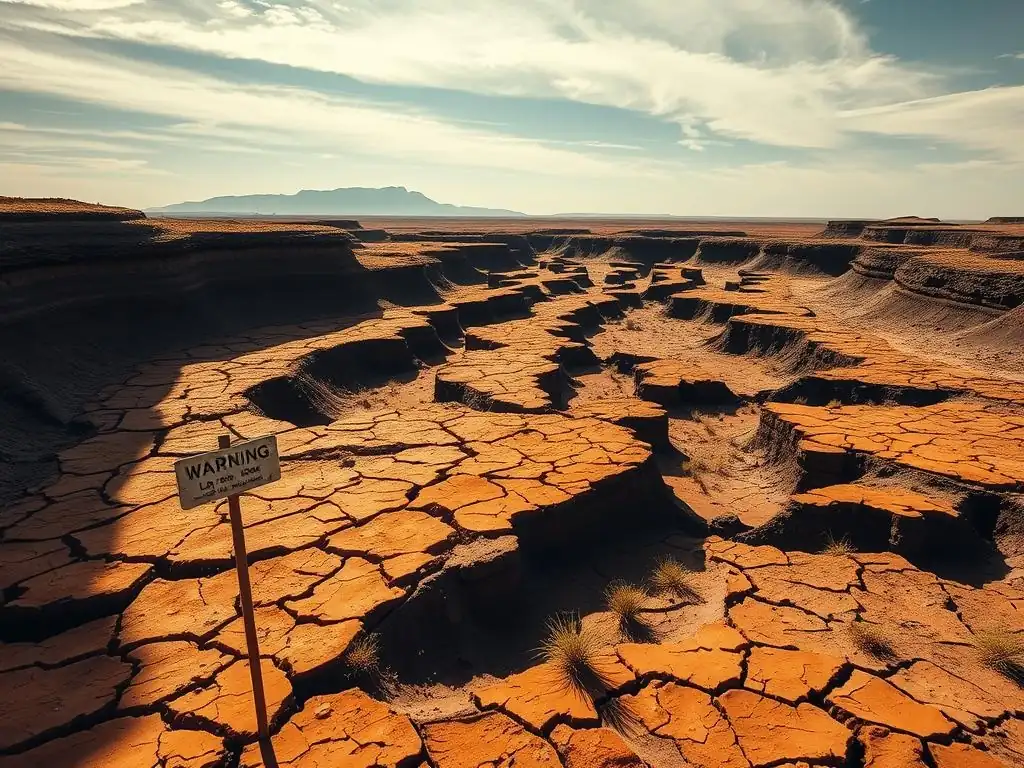
Australia boasts several notable lava tube systems, each with its own unique characteristics and geological significance. These underground networks are scattered across various states, primarily within regions with a history of volcanic activity. From Queensland to Victoria and beyond, these lava tubes offer diverse opportunities for exploration and scientific study, revealing different facets of Australia's volcanic past.
Undara Lava Tubes: Queensland's Ancient Volcanic Caves
The Undara Lava Tubes, located in Queensland's Gulf Savannah region, are perhaps the most famous and extensively studied lava tubes in Australia. Part of the Undara Volcanic National Park, these tubes are remnants of a massive basalt lava flow from the McBride Volcanic Province, estimated to be around 190,000 years old. The Undara system is remarkable for its length and the preservation of its intricate tunnel network.
Some sections of the tubes are remarkably large, reaching up to 20 meters wide and 10 meters high. The name "Undara" itself comes from an Aboriginal word meaning "long way," aptly describing the extensive nature of these volcanic caves. The relatively young geological age of Undara, in comparison to some other Australian volcanic features, provides valuable insights into recent volcanic processes in the continent's geological history.
Undara Experience: Exploring the Undara Lava Tube National Park
The Undara Experience offers guided tours that allow visitors to safely explore sections of the Undara Lava Tube National Park. These tours are conducted by knowledgeable guides who provide insights into the geology, ecology, and cultural history of the area. Visitors can descend into well-lit sections of the tubes, marveling at the scale of the underground passages and learning about the formation processes.
The Undara Experience also emphasizes the conservation of this fragile environment and works closely with the local Indigenous communities, particularly the Atkun-Kunjen people, who have a long-standing connection to the land. Accommodation options are available within the park, allowing for a multi-day immersive experience in this unique volcanic landscape. Annually, the Undara Experience welcomes thousands of visitors, contributing significantly to ecotourism in North Queensland and raising awareness about the geological and cultural significance of Australian lava tubes.
Bayliss Cave: Australia's Largest Known Cave
Bayliss Cave, situated in Chillagoe-Mungana Caves National Park, also in Queensland, is recognized as Australia's largest known cave by volume. While technically a karst cave system formed in limestone rather than volcanic rock, its sheer size and complexity warrant mention when discussing significant Australian cave systems. Though not a lava tube, Bayliss Cave exemplifies the impressive scale of underground formations found in Australia.
Its vast chambers and intricate passages, sculpted by dissolving limestone over millions of years, provide a stark contrast to the volcanic origins of lava tubes, yet both types of caves contribute to the rich tapestry of Australia's subterranean landscapes. The cave system is still being explored and mapped, with ongoing discoveries adding to our understanding of its extent and geological history. Bayliss Cave serves as a reminder that Australia's underground world is diverse and holds many more secrets waiting to be uncovered.
The Flora and Fauna of Australian Lava Tubes
Australian lava tubes, despite their dark and seemingly barren interiors, support surprisingly diverse ecosystems. These subterranean environments, while lacking sunlight, provide stable temperature and humidity conditions, offering refuge for a range of specialized flora and fauna adapted to cave life. The unique conditions within lava tubes create isolated habitats, fostering the evolution of endemic species and providing valuable insights into ecological adaptation and resilience.
Unique Ecosystems: Life Inside Australia's Lava Tubes
The ecosystems within Australian lava tubes are characterized by a lack of sunlight and primary producers, leading to food webs based on organic matter washed or blown into the caves, or brought in by cave-dwelling animals. These ecosystems are often described as 'oligotrophic', meaning they are nutrient-poor. Despite this, a variety of organisms thrive, including bacteria, fungi, invertebrates like spiders, millipedes, and cave crickets, and vertebrates such as bats.
The stability of the cave environment, with relatively constant temperature and humidity, contrasts sharply with the fluctuating conditions on the surface, making lava tubes refugia, particularly in arid and semi-arid regions of Australia. Studying these unique ecosystems helps scientists understand the principles of life in extreme environments and the delicate balance of subterranean food webs.
Cave-Dwelling Creatures: Adapting to the Darkness
Life within Australian lava tubes has driven fascinating adaptations in cave-dwelling creatures. Many species exhibit troglomorphism, a suite of adaptations to cave life including loss of pigmentation (resulting in pale or white coloration), reduced or absent eyes, and elongated appendages with enhanced sensory capabilities. Cave crickets, for example, often have extremely long antennae to navigate in the dark.
Certain spider species have evolved to hunt in the absence of light, relying on vibrations and other sensory cues. Microbats, while not strictly cave-dwelling, often utilize lava tubes as roosting sites, further contributing to the nutrient input into the cave ecosystem through their guano. These adaptations showcase the power of natural selection in shaping organisms to thrive in even the most challenging environments, and Australian lava tubes provide a natural laboratory for studying evolutionary processes in isolation.
Microbats in Australian Lava Tubes: Case Study
Microbats are a prominent feature of many Australian lava tube ecosystems, particularly in the Undara Lava Tubes. Several species, including the Common Bent-wing Bat ( Miniopterus schreibersii) and various Hipposideros species, utilize these caves as maternity roosts and daytime refuges. A study in the Undara region found that lava tubes can support colonies of thousands of bats, especially during breeding season.
Bat guano, accumulated on the cave floor, becomes a significant energy source for the cave ecosystem, supporting a community of invertebrates and fungi that decompose the guano and make nutrients available to other cave inhabitants. The presence of microbats highlights the interconnectedness of surface and subterranean ecosystems, as these flying mammals forage outside the caves but rely on the stable cave environment for shelter and breeding. Conservation efforts in lava tube regions often focus on protecting bat roosting sites, recognizing their keystone role in these unique underground ecosystems.
Exploring Australian Lava Tubes: Tips for Volcano Enthusiasts
For volcano enthusiasts eager to explore Australian lava tubes, careful planning and preparation are essential. These subterranean environments, while fascinating, can also be challenging and potentially hazardous if approached without proper precautions. Respect for the environment and safety should be paramount when venturing into these natural wonders.
Safety First: Essential Precautions for Lava Tube Exploration
Safety should be the top priority when exploring lava tubes in Australia. Firstly, always inform someone of your plans, including your intended route and expected return time. Never explore lava tubes alone; always go with a group or a knowledgeable guide. Wear sturdy, closed-toe shoes with good ankle support, as the terrain inside lava tubes can be uneven and slippery. A helmet is crucial to protect your head from low ceilings and potential rockfalls.
Carry multiple sources of light, such as headlamps and flashlights, with fresh batteries. Be aware of potential hazards such as unstable rocks, deep pits, and sudden changes in elevation within the tubes. If exploring unguided, stick to marked trails and avoid venturing into areas that appear unstable or unsafe. In case of emergency, know how to contact help and carry a first-aid kit.
What to Bring: Gear Recommendations for Cave Exploration in Australia
Appropriate gear is essential for a safe and enjoyable lava tube exploration experience in Australia. Beyond safety equipment like helmets and sturdy footwear, consider clothing layers, as cave temperatures can be significantly cooler and more humid than the surface environment. Long pants and long-sleeved shirts are advisable to protect against scrapes and insect bites. Bring plenty of water to stay hydrated, especially in arid regions.
A small backpack is useful for carrying water, snacks, extra batteries, and a first-aid kit. If you plan to take photographs, a camera with good low-light performance is recommended. Avoid bringing unnecessary valuables into the caves, and ensure all gear is securely packed to prevent loss or damage. For longer or more challenging explorations, consider bringing ropes, maps, and compass, and ensure you are proficient in their use.
Protecting These Fragile Environments: Responsible Cave Exploration
Responsible exploration is crucial to protect the fragile environments of Australian lava tubes. Remember that these caves are delicate ecosystems and geological formations that can be easily damaged. Stay on marked trails and avoid touching cave walls or formations, as skin oils can inhibit the growth of cave formations and disturb cave-dwelling organisms. Do not collect any rocks, minerals, or biological specimens from the caves. Pack out all trash and leave no trace of your visit.
Be mindful of noise levels within the caves, as excessive noise can disturb cave fauna, particularly bats. If you encounter wildlife, observe from a distance and do not disturb or feed animals. Support tour operators and park services that promote responsible and sustainable cave tourism. By practicing Leave No Trace principles and respecting the cave environment, you contribute to the long-term preservation of these remarkable natural wonders for future generations.
The Cultural Significance of Lava Tubes to Indigenous Australians
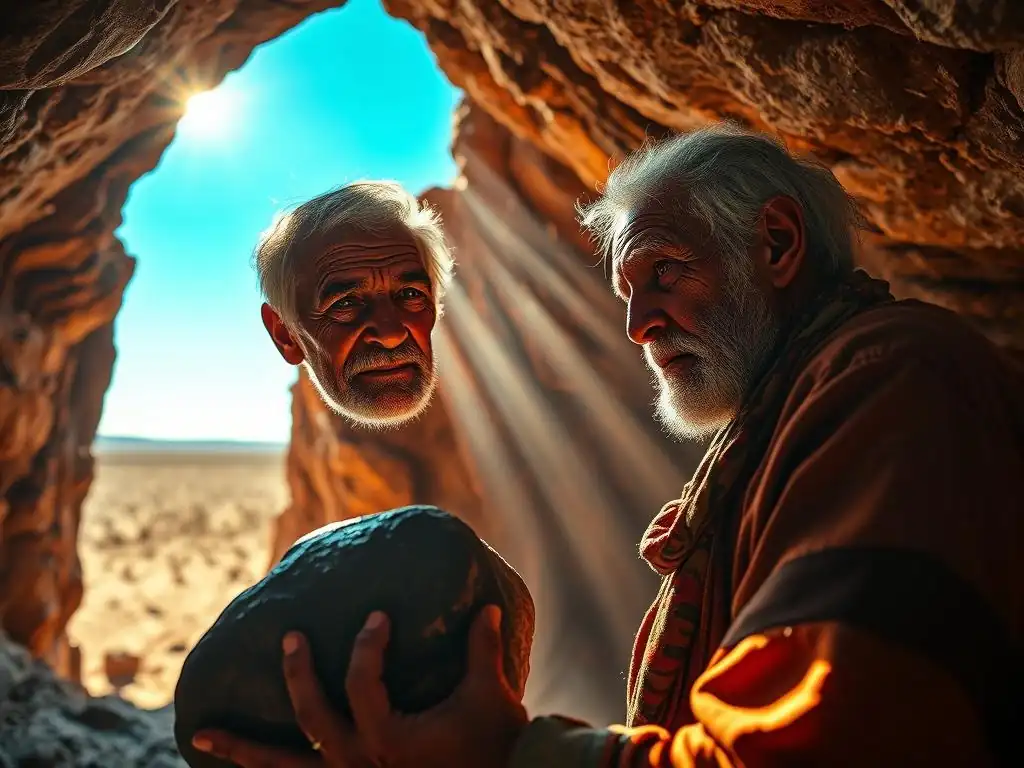
Lava tubes in Australia hold deep cultural significance for Indigenous Australians, whose connection to the land stretches back tens of thousands of years. These underground formations are often interwoven with Dreamtime stories, ancestral narratives, and traditional ecological knowledge, reflecting a profound spiritual and practical relationship with the landscape. Understanding the cultural significance of lava tubes adds another layer of appreciation to their exploration and conservation.
Aboriginal Dreamtime Stories and Lava Tube Legends
For many Aboriginal groups across Australia, caves, including lava tubes, are integral parts of the Dreamtime, the foundational period of creation and law. Dreamtime stories often depict caves as places of spiritual power, ancestral pathways, or the dwellings of important creator beings. Some lava tubes may be associated with specific Dreamtime narratives, explaining their formation or significance in the landscape.
These stories are passed down through generations, maintaining cultural knowledge and reinforcing the spiritual connection between Indigenous people and the land. Respecting these cultural narratives is crucial when exploring lava tubes in Australia, acknowledging the deep history and spiritual significance these sites hold for Aboriginal communities.
The Gugu Badhun People and Their Connection to Undara Lava Tubes
The Gugu Badhun people are the Traditional Owners of the land encompassing the Undara Lava Tubes in Queensland. Their connection to Undara extends back millennia, and the lava tubes hold significant cultural importance. For the Gugu Badhun, Undara is not just a geological feature but a living cultural landscape imbued with ancestral meaning.
Traditional stories and practices are associated with the lava tubes, and the Gugu Badhun people have a deep understanding of the ecology and sustainable use of the area. The Undara Experience works in partnership with the Gugu Badhun Aboriginal Corporation, ensuring that cultural heritage is respected and that Indigenous perspectives are integrated into tourism and conservation management. This collaborative approach highlights the importance of recognizing and valuing Indigenous knowledge in the management and interpretation of natural and cultural heritage sites like the Undara Lava Tubes.
The Future of Australian Lava Tube Research and Conservation
The future of Australian lava tubes hinges on ongoing research and effective conservation efforts. These unique geological and biological environments face various threats, and understanding these challenges is crucial for developing strategies to ensure their long-term preservation. Continued scientific investigation and collaborative conservation initiatives are essential to unlock the remaining secrets of Australian lava tubes and protect them for future generations.
Threats to Lava Tubes: Challenges and Conservation Efforts
Australian lava tubes face several threats, including habitat disturbance from tourism, vandalism, and inappropriate land management practices in surrounding areas. Unregulated or irresponsible tourism can lead to damage to fragile cave formations, disturbance of cave fauna, and introduction of pollutants. Vandalism, such as graffiti and removal of cave formations, is also a concern in some areas. Land clearing and agricultural activities on the surface can alter water flow patterns and introduce sediments and pollutants into cave systems.
Conservation efforts focus on sustainable tourism management, including controlled access, guided tours, and visitor education. Park management agencies implement regulations to protect lava tubes within national parks and reserves. Community engagement and collaboration with Traditional Owners are also vital for effective conservation, ensuring that cultural and ecological values are considered in management decisions.
Ongoing Research: Unveiling the Secrets of Australia's Volcanic Caves
Ongoing research continues to unveil the secrets of Australian lava tubes, spanning diverse fields from geology and biology to archaeology and climate science. Geological research focuses on mapping and dating lava tube systems, understanding their formation processes in detail, and reconstructing past volcanic activity. Biological research explores the unique ecosystems within lava tubes, documenting cave fauna, studying adaptations to cave life, and investigating subterranean food webs.
Archaeological investigations may reveal evidence of past human use of lava tubes, providing insights into Indigenous history and land use practices. Paleoclimate research utilizes cave formations like speleothems (stalactites and stalagmites) found in some lava tubes to reconstruct past climate conditions, providing valuable data for understanding long-term climate change. This multidisciplinary research underscores the scientific value of Australian lava tubes and the importance of continued investigation to unlock their full potential for knowledge and discovery.
Comparing Australian Lava Tubes to Other Global Examples
Australian lava tubes, while unique, are part of a global phenomenon, with similar formations found in volcanic regions around the world. Comparing Australian lava tubes to examples from other countries, such as Hawaii and Iceland, highlights both similarities and differences, enriching our understanding of lava tube formation and their significance in diverse geological and environmental contexts.
Lava Tubes in Australia vs. Hawaii: A Geological Comparison
Comparing lava tubes in Australia and Hawaii reveals interesting geological contrasts. Hawaiian lava tubes are typically formed in relatively young volcanic terrains, often associated with active shield volcanoes like Kilauea and Mauna Loa.
The volcanic rocks in Hawaii are predominantly basaltic, similar to many Australian lava tube regions, but the Hawaiian islands are actively growing due to ongoing volcanic activity. Australian lava tubes, on the other hand, are often found in much older volcanic provinces, some dating back millions of years, representing ancient volcanic landscapes that have been shaped by erosion and weathering over vast timescales.
While both regions feature basaltic lava tubes, the age and geological context differ significantly, leading to variations in tube morphology, surrounding landscape, and associated ecosystems. Hawaiian lava tubes are often more actively forming and may exhibit features related to recent lava flows, while Australian lava tubes provide a window into older, more stabilized volcanic systems.
Lava Tube Length in Australia and Its Global Counterparts
While Australia boasts impressive lava tube systems like Undara, they are generally shorter in length compared to some of the longest lava tubes found globally. Kazumura Cave in Hawaii, for instance, is one of the longest lava tubes in the world, exceeding 65 kilometers in mapped length. By comparison, the Undara Lava Tubes, while extensive, are significantly shorter, with individual tubes reaching lengths of several kilometers.
Lava tubes in Iceland, another volcanically active region, also include long systems, though often shorter than Kazumura. The length of a lava tube is influenced by various factors, including the volume and duration of lava flow, the slope of the terrain, and the viscosity of the lava.
While Australian lava tubes may not be the longest globally, they are significant within the Australian context and offer unique opportunities for studying lava tube formation in ancient volcanic landscapes. Further exploration and mapping efforts may yet reveal longer lava tube systems within Australia, adding to our understanding of their global distribution and characteristics.
Frequently Asked Questions
What are lava tubes and where can they typically be found?
Lava tubes are natural tunnels formed by flowing lava. They are typically found in volcanic regions where basaltic lava flows are common, such as Hawaii, Iceland, and even parts of Australia.
Does Australia have any lava tubes, and if so, where are they located?
Yes, Australia has lava tubes! Specifically, they can be found in areas like Undara Volcanic National Park in Queensland, known for its extensive and well-preserved tube systems.
How are lava tubes formed in the Australian outback?
Lava tubes form when the surface of a lava flow cools and hardens, creating a crust. Molten lava continues to flow beneath this crust, eventually emptying out and leaving behind a hollow, tunnel-like structure.
Why are lava tubes in Australia considered significant?
The lava tubes in Australia are significant due to their size, preservation, and unique ecosystems. They offer valuable insights into past volcanic activity and provide habitat for specialized species.
What dangers might be associated with exploring lava tubes in Australia?
Dangers include unstable ground, potential for cave-ins, and the presence of wildlife. It's crucial to explore with experienced guides and appropriate safety equipment.
Final Reflection: Echoes of Ancient Fire
The exploration of Australia's lava tubes, as we've seen, is more than just a geological survey; it's a journey into the heart of the Earth's fiery past. These subterranean landscapes, sculpted by ancient volcanic activity, offer a tangible connection to a time when the Australian continent was a vastly different place. Their preservation and continued study are crucial for understanding not only the geological history of the region but also the potential for unique ecosystems to thrive in these hidden environments.
The enduring allure of these lava tubes lies in their ability to transport us beyond the familiar. They remind us that even in the seemingly barren landscapes of the Outback, life finds a way, and history is etched deep within the earth. The cultural significance of these sites to Indigenous Australians, who have known and utilized these spaces for millennia, further underscores their importance. Look deep into nature, and then you will understand everything better.
- Albert Einstein. This quote resonates deeply when considering the intricate ecosystems and geological narratives held within these underground realms.
As we conclude this exploration of Australia's lava tubes, I invite you to consider your own connection to the natural world. What hidden wonders lie beneath your feet, waiting to be discovered? Let the story of these volcanic formations inspire you to seek out the unseen, to appreciate the power of nature, and to become a steward of the Earth's precious and often overlooked treasures. The journey of discovery never truly ends; it simply evolves, leading us to new depths of understanding and appreciation for the planet we call home.
Unearth Your Next Adventure!
Thank you for exploring the fascinating world of Australia's Outback lava tubes with us! Now that you've discovered these hidden geological wonders, it's time to consider your own adventure. What's next?
- Plan Your Own Exploration: Research opportunities to responsibly explore similar geological formations near you. Look into guided tours or necessary permits.
- Share your favorite fact from the article on social media using #VolcanoExplorers. Inspire others to learn about these amazing underground landscapes.
- Have you explored a lava tube before? Share your experience in the comments below and inspire fellow readers!