
The Unseen Erosion Crisis: Climate Change and the Degradation of Geothermal Areas

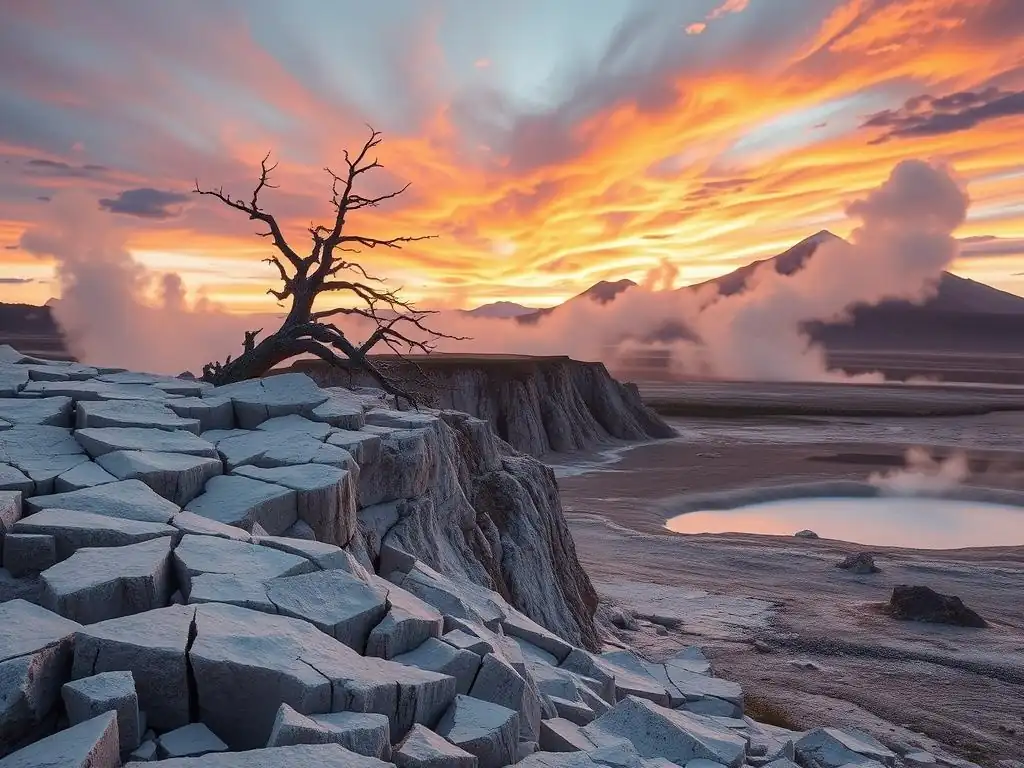
Welcome to Volcano Explorers!
Ever wondered how climate change is silently reshaping the very landscapes forged by fire? Prepare to uncover the surprising connection between our changing world and the unseen erosion crisis threatening geothermal areas around the globe. Delve into the heart of this critical issue and discover what's at stake, starting with our feature article: "The Unseen Erosion Crisis: Climate Change and the Degradation of Geothermal Areas." Get ready to explore!
- Introduction: Climate Change Impacts on Geothermal Landscapes
- Understanding Geothermal Areas: A Unique Volcanic Ecosystem
- The Erosion Crisis: A Threat to Geothermal Environments
- Climate Change as a Driver of Geothermal Area Erosion
- Case Studies: Geothermal Areas Under Threat
- The Impact of Geothermal Erosion on Ecosystems and Communities
- Mitigation and Management Strategies for Geothermal Erosion
- The Future of Geothermal Areas: Adapting to Climate Change and Erosion
- Conclusion: Protecting Geothermal Areas in a Changing Climate
-
Frequently Asked Questions
- What is the main connection between climate change and geothermal areas, according to VolcanoExplorers.org?
- How does increased rainfall, due to climate change, contribute to erosion in geothermal areas?
- What are some examples of "geothermal features" that are vulnerable to erosion?
- Does VolcanoExplorers.org offer any advice on how to mitigate the erosion of geothermal areas?
- How does the degradation of geothermal areas impact local communities, as described on VolcanoExplorers.org?
- Final Reflection: Preserving Earth's Hidden Heat
- Champion Geothermal Conservation: Protect Our Earth's Natural Wonders!
Introduction: Climate Change Impacts on Geothermal Landscapes
Geothermal areas, with their steaming vents, vibrant hot springs, and unique ecosystems, are often perceived as robust and unchanging features of volcanic landscapes. However, these dynamic environments are increasingly vulnerable to a silent crisis: accelerated erosion driven by climate change. While erosion is a natural geological process, the rapid pace of climate change is intensifying its effects, threatening the integrity of these delicate geothermal areas worldwide. This article delves into the complex relationship between climate change and erosion in geothermal regions, exploring the mechanisms, consequences, and potential mitigation strategies for this often-overlooked environmental challenge.
Understanding Geothermal Areas: A Unique Volcanic Ecosystem
Geothermal areas are surface manifestations of subsurface volcanic activity, characterized by elevated heat flow and the discharge of steam and hot water. These regions are not merely geological curiosities; they are unique ecosystems supporting specialized life forms and holding significant cultural and economic value. To understand the erosion crisis in these zones, it's crucial to appreciate their formation, characteristics, and ecological importance.
The Formation and Characteristics of Geothermal Zones
Geothermal areas are typically found in volcanically active regions where magma bodies lie relatively close to the Earth's surface. Rainwater and snowmelt percolate through fractured rocks, are heated by the magma, and then rise back to the surface as steam, hot water, or mud. This process creates a diverse array of geothermal features, including geysers, fumaroles, hot springs, and mud pools.
The chemical composition of the water and steam varies depending on the geological context, often containing dissolved minerals like silica, sulfur, and various metals. The ground in geothermal areas is often hydrothermally altered, meaning the original rocks have been chemically changed by the hot, mineral-rich fluids, making them potentially weaker and more susceptible to erosion than surrounding unaltered terrain. The constant hydrothermal activity also leads to unique soil compositions, often characterized by lower organic matter and altered mineralogy compared to typical soils.
The Biodiversity and Ecological Significance of Geothermal Regions
Despite the harsh conditions of high temperatures and often acidic or alkaline environments, geothermal areas are hotspots of biodiversity. They host unique microbial communities, including extremophiles – organisms that thrive in extreme conditions. These microbes are often the base of the food web in these ecosystems, supporting specialized plants and invertebrates adapted to the geothermal environment.
For instance, certain species of thermophilic algae and bacteria form colorful mats in hot springs, while unique insects and spiders are found nowhere else but in geothermal areas. These ecosystems are also important for scientific research, offering insights into the origins of life and the potential for life in extreme environments beyond Earth. Furthermore, some geothermal areas are culturally significant to indigenous populations, holding spiritual or traditional medicinal value, and often support tourism and recreation.
The Erosion Crisis: A Threat to Geothermal Environments
Erosion, the process of wearing away and transporting soil and rock particles, is a natural phenomenon. However, in geothermal areas, this natural process is being amplified by climate change, leading to an erosion crisis with potentially severe consequences. Understanding the nuances of erosion in these specific environments is vital for effective conservation efforts.
Defining Erosion in the Context of Geothermal Activity
In geothermal areas, erosion is not just about the physical removal of soil and rock. It also encompasses the degradation of unique geothermal features and the alteration of hydrothermal flow paths. The fragile, hydrothermally altered ground is particularly vulnerable.
Erosion can manifest as the widening of gullies and stream channels, the collapse of steam vents and mud pools, and the increased sediment load in geothermal streams and rivers. This erosion can directly damage or destroy geothermal features, impacting their aesthetic appeal, scientific value, and ecological function. Moreover, erosion can indirectly affect geothermal activity by altering surface permeability and drainage patterns, potentially leading to changes in hydrothermal discharge and the overall stability of the geothermal system.
Natural Erosion Processes vs. Accelerated Erosion Due to Climate Change
Natural erosion in geothermal areas is primarily driven by rainfall, wind, and freeze-thaw cycles, acting over geological timescales. However, climate change is significantly accelerating these natural processes. Increased frequency and intensity of rainfall events lead to more runoff and surface erosion.
Rising temperatures contribute to soil moisture loss in some areas, making soils more erodible, and can also lead to changes in vegetation cover, which further impacts soil stability. Extreme weather events, such as intense storms and floods, which are becoming more frequent due to climate change, can cause catastrophic erosion in vulnerable geothermal landscapes. The scale and rate of erosion under climate change exceed natural background rates, posing a significant threat to the long-term integrity of these sensitive environments.
Climate Change as a Driver of Geothermal Area Erosion
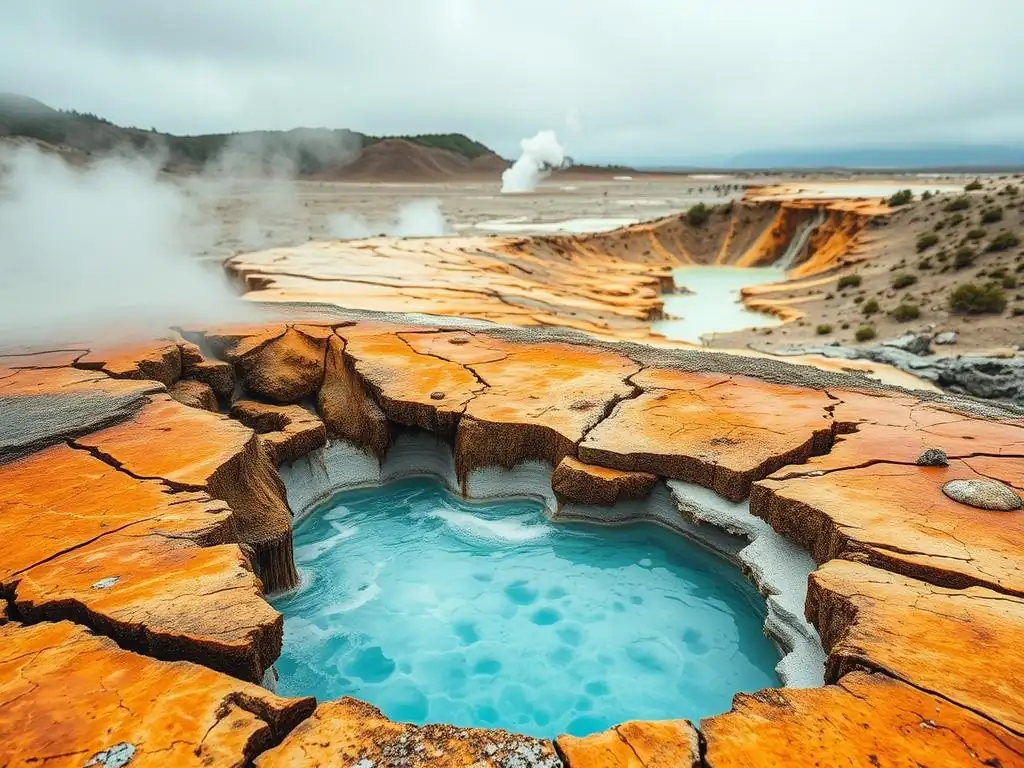
Climate change acts as a powerful amplifier of erosion in geothermal areas through multiple interconnected mechanisms. Changes in precipitation patterns, temperature regimes, and the frequency of extreme weather events all contribute to increased erosion rates, jeopardizing the delicate balance of these unique landscapes.
Increased Rainfall and Runoff: Exacerbating Erosion Rates
Many regions are experiencing shifts in precipitation patterns due to climate change, with some areas facing increased rainfall intensity and frequency. In geothermal areas, this translates to greater surface runoff. The altered and often sparsely vegetated terrain typical of these zones offers less resistance to flowing water.
Increased runoff volume and velocity lead to enhanced soil detachment and transport, resulting in accelerated sheet and rill erosion. For example, studies in Iceland, a volcanically active country with extensive geothermal areas, have shown a direct correlation between increased rainfall intensity and sediment yield from glacial rivers, which often drain geothermal regions. This heightened erosion can widen existing channels, incise new gullies, and destabilize slopes, directly impacting geothermal features and surrounding ecosystems.
Rising Temperatures and Vegetation Changes: Impact on Soil Stability
Rising global temperatures have complex effects on geothermal area erosion. In some regions, increased temperatures can lead to greater evapotranspiration, resulting in drier soils and reduced vegetation cover. Sparse vegetation offers less protection against raindrop impact and runoff, leaving the soil surface more vulnerable to erosion.
Furthermore, changes in plant species composition due to climate change can also affect soil stability. For instance, the loss of deep-rooted native vegetation and its replacement with shallow-rooted or invasive species can reduce the soil's ability to bind together, increasing its susceptibility to erosion. Conversely, in some high-altitude geothermal areas, increased temperatures may lead to thawing permafrost, further destabilizing slopes and increasing the risk of landslides and erosion.
Extreme Weather Events: The Role of Floods and Landslides
Climate change is projected to increase the frequency and intensity of extreme weather events, including heavy rainfall events, heatwaves, and droughts. In geothermal areas, these events can trigger catastrophic erosion. Intense rainfall can lead to flash floods, rapidly eroding stream banks and channels, and causing significant sediment deposition downstream.
Heatwaves can exacerbate drought conditions, further stressing vegetation and making soils more prone to wind and water erosion. Landslides, often triggered by heavy rainfall or seismic activity common in volcanic regions, can be particularly destructive, causing massive soil and rock displacement and dramatically altering geothermal landscapes. The increased frequency of these extreme events under climate change means geothermal areas are facing a heightened risk of rapid and irreversible erosion damage.
Case Studies: Geothermal Areas Under Threat
The threat of climate change-driven erosion in geothermal areas is not just theoretical; it is a reality being observed and documented in various locations around the world. Examining specific case studies highlights the diverse challenges and potential solutions in different geothermal environments.
Yellowstone National Park, USA: Erosion Challenges and Impacts
Yellowstone National Park, home to over 10,000 geothermal features, is facing increasing erosion challenges. Studies have indicated that changes in precipitation patterns, including more intense rainfall events, are contributing to increased erosion in certain geothermal basins. For example, observations in the Midway Geyser Basin have shown increased runoff and sediment transport in the Firehole River, impacting delicate sinter terraces and potentially altering hydrothermal flow paths.
Furthermore, visitor foot traffic and infrastructure development in some areas exacerbate natural erosion, creating pathways for water to channelize and erode sensitive geothermal grounds. The National Park Service is actively monitoring erosion rates and implementing management strategies such as trail maintenance and restoration projects to mitigate these impacts and protect Yellowstone's iconic geothermal features.
Taupo Volcanic Zone, New Zealand: Mitigation Strategies and Results
The Taupo Volcanic Zone in New Zealand, a highly active geothermal region, provides a contrasting case study focused on proactive mitigation. Recognizing the vulnerability of geothermal areas to erosion, particularly in areas with intensive land use (such as agriculture and forestry), New Zealand has implemented specific guidelines and regulations for land management in and around geothermal zones. These strategies include riparian planting along geothermal streams to stabilize banks, contouring land to reduce runoff, and controlling grazing pressure to maintain vegetation cover.
Long-term monitoring programs in the Taupo Volcanic Zone have demonstrated the effectiveness of these mitigation strategies in reducing erosion rates and protecting water quality in geothermal catchments. This case study highlights the importance of integrated land management approaches and proactive planning in minimizing the impacts of erosion on geothermal environments.
The Impact of Geothermal Erosion on Ecosystems and Communities
Erosion in geothermal areas has far-reaching consequences, impacting not only the physical landscape but also the delicate ecosystems they support and the communities that depend on them. The repercussions can be ecological, hydrological, and socioeconomic.
Loss of Geothermal Features and Biodiversity
The most direct impact of erosion is the physical degradation and loss of unique geothermal features. Hot springs can become sediment-filled pools, geysers can cease to erupt due to altered plumbing systems, and delicate sinter terraces can be eroded and collapse. This loss of geothermal features directly impacts the specialized biodiversity that relies on these habitats.
Extremophile microbial communities, adapted to specific temperature and chemical conditions, are particularly vulnerable to habitat alteration. The loss of these unique ecosystems can have cascading effects on the food web and reduce the overall ecological value of geothermal regions. Furthermore, the aesthetic value of these landscapes, often prized for tourism and recreation, is diminished as geothermal features degrade.
Water Quality Degradation and Contamination Risks
Erosion in geothermal areas can significantly degrade water quality. Increased sediment runoff into geothermal streams and rivers can elevate turbidity, reducing light penetration and impacting aquatic life. Erosion can also release pollutants into waterways.
Hydrothermally altered ground often contains naturally elevated levels of heavy metals and arsenic. Erosion can mobilize these substances, leading to increased concentrations in surface and groundwater, posing risks to both aquatic ecosystems and human health, especially if these water sources are used for drinking or irrigation. In some geothermal areas, erosion can also alter hydrothermal fluid flow paths, potentially leading to the dilution or contamination of valuable geothermal resources.
Socioeconomic Consequences for Local Populations
The degradation of geothermal areas due to erosion can have significant socioeconomic consequences for local populations. Many communities rely on geothermal areas for tourism revenue. The loss of iconic geothermal features or the degradation of the landscape can negatively impact tourism, reducing local income and employment opportunities.
In some regions, geothermal resources are used for direct heating, agriculture, or even power generation. Erosion-induced changes in geothermal activity or water quality can threaten these resources and the livelihoods that depend on them. For indigenous communities with cultural or spiritual connections to geothermal areas, erosion can represent a loss of cultural heritage and traditional practices.
Mitigation and Management Strategies for Geothermal Erosion
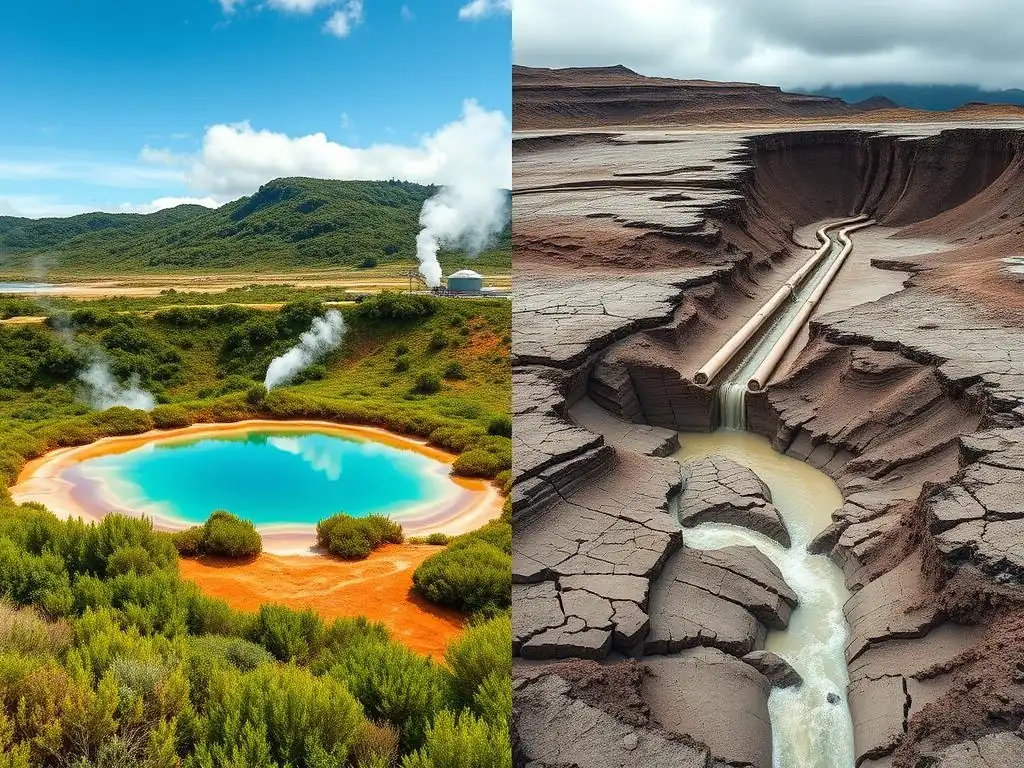
Addressing the erosion crisis in geothermal areas requires a multi-faceted approach encompassing sustainable land management practices, engineering solutions, and robust monitoring and early warning systems. Effective mitigation strategies are crucial for preserving these valuable landscapes for future generations.
Sustainable Land Management Practices in Geothermal Zones
Sustainable land management is paramount for minimizing erosion in geothermal areas. This includes implementing best management practices in surrounding land uses, such as forestry, agriculture, and grazing. Maintaining or restoring natural vegetation cover is crucial, as plants play a vital role in stabilizing soils and reducing runoff. Reforestation or revegetation with native species adapted to geothermal conditions can significantly reduce erosion rates.
Controlling grazing intensity and implementing rotational grazing systems can prevent overgrazing and maintain vegetation cover in grazing lands within or adjacent to geothermal zones. Minimizing soil disturbance from activities such as road construction, logging, and mining is also essential. Careful planning and implementation of infrastructure projects in geothermal areas can minimize their erosive impact.
Engineering Solutions for Erosion Control
In areas where erosion is severe or where natural processes are insufficient, engineering solutions may be necessary to stabilize slopes and control runoff. These solutions can range from bioengineering techniques to more conventional engineering approaches. Bioengineering methods, such as using vegetation to reinforce stream banks and slopes, are often preferred in geothermal areas as they are more environmentally friendly and aesthetically compatible with the natural landscape. Constructing check dams in gullies and small channels can reduce water flow velocity and trap sediment.
Terracing slopes can reduce slope length and gradient, minimizing runoff and erosion. In some cases, more robust engineering solutions, such as retaining walls or gabions, may be necessary to stabilize highly erodible areas. However, these should be implemented carefully to minimize visual impact and potential disruption to geothermal systems.
The Role of Monitoring and Early Warning Systems
Effective monitoring and early warning systems are crucial for proactive management of erosion in geothermal areas. Regular monitoring of erosion rates, sediment loads in streams, and the condition of geothermal features can provide early warnings of accelerating erosion and allow for timely intervention. Remote sensing techniques, such as satellite imagery and drone surveys, can be valuable tools for monitoring large geothermal areas and detecting changes in vegetation cover and erosion patterns.
Establishing real-time monitoring networks for rainfall, streamflow, and soil moisture can provide critical data for predicting and responding to erosion events, particularly during extreme weather. Developing early warning systems for landslides and flash floods in vulnerable geothermal areas can help protect both infrastructure and ecosystems from catastrophic erosion damage.
The Future of Geothermal Areas: Adapting to Climate Change and Erosion
The future of geothermal areas is inextricably linked to our ability to understand and adapt to the challenges posed by climate change and accelerated erosion. Predicting future erosion scenarios, integrating climate considerations into resource management, and fostering collaboration are crucial steps towards ensuring the long-term sustainability of these unique environments.
Predicting Future Erosion Scenarios Under Different Climate Models
Predicting future erosion scenarios in geothermal areas requires integrating climate models with hydrological and erosion models. Climate models can provide projections of future changes in temperature, precipitation, and extreme weather events at regional scales. These projections can then be used to drive hydrological models to estimate changes in runoff and streamflow in geothermal catchments.
Erosion models, incorporating factors such as soil type, vegetation cover, and slope, can be used to assess the potential for increased erosion under different climate scenarios. By combining these modeling approaches, researchers can develop spatially explicit predictions of future erosion risk in geothermal areas, identifying the most vulnerable locations and informing targeted mitigation strategies. However, uncertainty in climate projections and erosion modeling needs to be carefully considered when interpreting these scenarios.
Integrating Climate Change Considerations into Geothermal Resource Management
Climate change considerations must be fully integrated into the management of geothermal resources and protected areas. This includes incorporating climate change projections into land-use planning and infrastructure development decisions in and around geothermal areas. Vulnerability assessments should be conducted to identify geothermal features and ecosystems that are most at risk from climate change-driven erosion.
Management plans should be updated to incorporate adaptive management strategies that can respond to changing climate conditions and erosion rates. This may include adjusting grazing regimes, modifying forestry practices, or implementing proactive erosion control measures. Promoting climate-resilient vegetation communities in geothermal areas and surrounding landscapes is also a key adaptation strategy.
The Importance of Collaboration and Community Involvement
Effective conservation and management of geothermal areas in the face of climate change and erosion require strong collaboration among scientists, land managers, policymakers, and local communities. Sharing knowledge, data, and best practices is crucial for developing and implementing effective mitigation and adaptation strategies. Engaging local communities in monitoring, restoration, and management efforts can foster a sense of ownership and ensure the long-term success of conservation initiatives.
Community-based monitoring programs, citizen science projects, and educational outreach programs can raise awareness about the importance of geothermal areas and the threats they face. Collaborative partnerships between researchers, government agencies, and local stakeholders are essential for securing the future of these unique and valuable landscapes in a changing climate.
Conclusion: Protecting Geothermal Areas in a Changing Climate
The unseen erosion crisis driven by climate change poses a significant and growing threat to geothermal areas worldwide. These unique ecosystems, valuable for their biodiversity, scientific interest, and cultural significance, are increasingly vulnerable to accelerated erosion due to changing precipitation patterns, rising temperatures, and more frequent extreme weather events. Addressing this challenge requires a concerted and proactive approach, focusing on research, conservation, and sustainable practices.
Call to Action: Research, Conservation, and Sustainable Practices
Protecting geothermal areas in a changing climate demands a call to action on multiple fronts. Increased research is needed to better understand the complex interactions between climate change, erosion, and geothermal systems, and to develop more accurate predictive models. Prioritizing conservation efforts is essential, focusing on implementing sustainable land management practices, deploying targeted erosion control measures, and establishing robust monitoring and early warning systems.
Promoting sustainable practices in land use and resource management around geothermal areas is crucial for minimizing human-induced erosion and building resilience to climate change. Only through collaborative action, informed by science and guided by a commitment to sustainability, can we ensure the long-term preservation of these remarkable and vital volcanic landscapes for future generations.
Frequently Asked Questions
What is the main connection between climate change and geothermal areas, according to VolcanoExplorers.org?
The website highlights that climate change exacerbates erosion in geothermal areas. This leads to the degradation of these unique ecosystems and the loss of their geothermal resources.
How does increased rainfall, due to climate change, contribute to erosion in geothermal areas?
Increased rainfall causes greater runoff, which accelerates soil erosion and destabilizes the ground. This process damages the fragile formations and geothermal features.
What are some examples of "geothermal features" that are vulnerable to erosion?
Vulnerable features include hot springs, geysers, and fumaroles. Erosion can damage or destroy these features, impacting both their scientific value and touristic appeal.
Does VolcanoExplorers.org offer any advice on how to mitigate the erosion of geothermal areas?
While specific advice is limited, the site emphasizes the need for sustainable land management and climate change mitigation. Protecting vegetation cover is crucial to reduce erosion risk.
How does the degradation of geothermal areas impact local communities, as described on VolcanoExplorers.org?
The loss of geothermal resources can negatively affect communities reliant on them for energy, tourism, or other purposes. Erosion can also lead to landslides and other hazards, endangering lives and property.
The stark reality of climate change accelerating geothermal area erosion is not a distant threat; it's a present danger reshaping landscapes and threatening unique ecosystems. The evidence presented throughout this article underscores the urgent need to recognize and address this often-overlooked consequence of global warming. Ignoring this erosion crisis will only exacerbate the damage to these vital geothermal resources and the biodiversity they support.
The subtle yet pervasive impact of climate change on geothermal areas demands our attention. Understanding the intricate connection between rising temperatures, altered precipitation patterns, and increased erosion is crucial for effective conservation strategies. We are facing a planetary emergency. The climate crisis is real and it is happening now. The consequences of inaction will be catastrophic.
- António Guterres. This quote serves as a potent reminder that our collective responsibility extends to protecting even the most seemingly remote and resilient environments.
Let us not stand idly by as these geothermal wonders crumble before our eyes. Consider the knowledge you've gained from this article and reflect on your own role in mitigating climate change. What small changes can you implement in your daily life to reduce your carbon footprint? What actions can you take to advocate for policies that protect our planet's precious resources? The future of these geothermal areas, and indeed the future of our planet, depends on our collective commitment to action.
Champion Geothermal Conservation: Protect Our Earth's Natural Wonders!
Thank you for learning about the critical link between climate change and the erosion of our planet's precious geothermal areas. You've gained valuable insights into this often-overlooked crisis, and now it's time to act. Here's how you can help safeguard these unique landscapes:
- Become a Geothermal Guardian: Support organizations dedicated to geothermal research and conservation. Even a small donation can significantly impact the protection of these fragile ecosystems.:
- Spread the word: Share this article on social media and discuss the impact of climate change on geothermal areas with your friends and family.
- Explore responsibly: If you visit a geothermal area, practice responsible tourism; stay on marked trails and respect the environment. Photograph the area's beauty and, if appropriate, document and report any erosion you observe to local researchers.
What action will you take today to support geothermal conservation? Let us know in the comments below!