
The Shifting Sands: How Climate Change Alters Sediment Flows Around Volcanoes

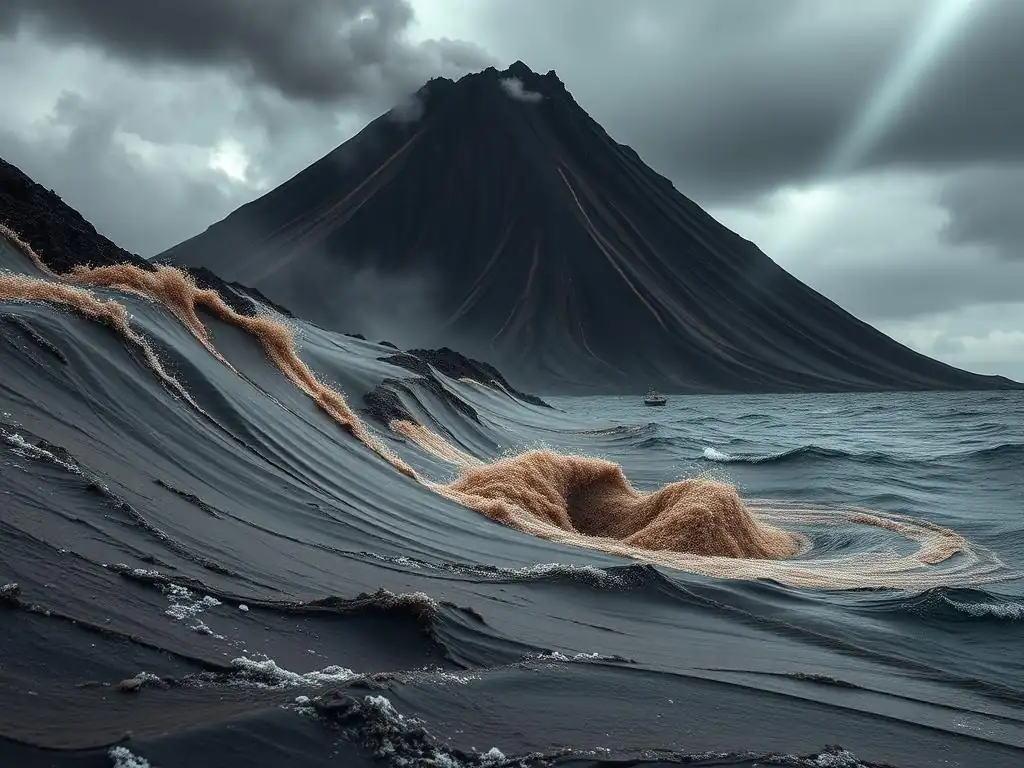
Welcome to Volcano Explorers, where we uncover the secrets of Earth's fiery giants. Ever wondered how the delicate balance of our planet's climate can drastically alter the landscapes surrounding these magnificent, yet volatile, mountains? Dive into our latest exploration, "The Shifting Sands," and discover the surprising impact of Climate Change on Volcano Sediment Impact, revealing a complex interplay between global warming and the very ground beneath our feet. What unseen forces are at play? Begin your journey and find out!
- Introduction: Climate Change and the Accelerated Erosion of Volcanic Landscapes
- Volcano Landscapes: A Natural Sediment Source
- Climate Change Impacts on Volcanic Sediment Flows: A Disruptive Force
- Case Studies: Climate Change Impact on Volcanic Sediment Dynamics
- The Future of Volcanic Landscapes: Adapting to Climate Change
- Conclusion: Understanding and Managing the Changing Volcanic Landscape
-
Frequently Asked Questions
- How does climate change affect sediment flows around volcanoes?
- What is the "Climate Change Volcano Sediment Impact" and why is it important?
- What types of volcanic hazards are exacerbated by climate-change-induced sediment flows?
- How do volcanologists study the impact of climate change on volcanic sediment flows?
- Are there any mitigation strategies for reducing the risks associated with climate-change-altered sediment flows around volcanoes?
- Final Reflection: The Unfolding Legacy of Volcanic Landscapes
- Unearth Your Role: Be a Volcano Guardian!
Introduction: Climate Change and the Accelerated Erosion of Volcanic Landscapes
Volcanoes, majestic formations sculpted by Earth's inner heat, are dynamic landscapes constantly shaped by erosion. These natural processes, crucial in shaping volcanic terrains over millennia, are now being significantly accelerated and altered by the pervasive effects of climate change. From increased rainfall intensity to glacial melt and shifts in vegetation patterns, climate change is acting as a disruptive force, dramatically modifying sediment flows around volcanoes and impacting the stability and evolution of these iconic landforms. Understanding these changes is critical for hazard assessment and for communities living in proximity to these potentially volatile environments.
The intricate relationship between climate and volcanic landscapes is becoming increasingly apparent. Changes in global weather patterns and temperature are not merely subtle shifts; they are fundamental alterations to the environmental forces that govern erosion and sediment transport on and around volcanoes.
This article will delve into the multifaceted ways in which climate change is influencing sediment flows, exploring the mechanisms at play, examining real-world case studies, and discussing the crucial strategies for adaptation and mitigation in these evolving volcanic landscapes. The focus will be on the profound and often overlooked impact of climate change on volcanic sediment dynamics, a critical component of understanding the future of these geological wonders.
Volcano Landscapes: A Natural Sediment Source
Volcanic Material: The Building Blocks of Sediment
Volcanic landscapes are inherently rich sources of sediment due to the very nature of their formation and composition. Volcanic eruptions deposit a wide array of materials, from fine ash and dust to larger fragments of rock like pumice and lava clasts. These freshly erupted materials are inherently unstable and readily available for erosion.
For example, a single explosive eruption can deposit cubic kilometers of ash, a fine-grained material that is easily mobilized by wind and water. The volcanic rocks themselves, often fractured and weakened by thermal stress and alteration processes, are also more susceptible to weathering and breakdown compared to many other rock types.
The mineralogy of volcanic rocks further contributes to sediment production. Minerals like volcanic glass and certain types of feldspars are relatively easily weathered chemically, breaking down into smaller particles and releasing soluble components. This weathering process is accelerated by the presence of water and temperature fluctuations, conditions that are increasingly influenced by climate change. Therefore, the inherent properties of volcanic materials combined with the dynamic environmental conditions around volcanoes make them prolific sediment producers, a characteristic that is now being amplified by the changing climate.
Traditional Sediment Transport Mechanisms Around Volcanoes
Sediment transport around volcanoes is a complex interplay of various natural forces, primarily driven by gravity and water. Rainfall is a major agent, triggering surface runoff that erodes loose volcanic material and carries it downslope. Steep volcanic slopes, often exceeding 30 degrees, exacerbate this process, allowing for rapid and significant sediment transport even during moderate rainfall events. Rivers and streams originating on volcanoes act as efficient conduits, channeling sediment away from the volcanic edifice and depositing it in surrounding valleys and plains.
In colder, glaciated volcanic regions, glaciers play a crucial role in sediment transport. Glacial ice erodes underlying volcanic rock through abrasion and plucking, creating vast quantities of sediment known as glacial till. Meltwater streams emerging from glaciers are heavily laden with this sediment, transporting it away from the ice margins. Furthermore, volcanic eruptions interacting with glaciers can trigger catastrophic lahars – volcanic mudflows – which are among the most potent sediment transport mechanisms on Earth. These natural processes have shaped volcanic landscapes for millennia, establishing a baseline against which the impacts of climate change are now being measured.
Climate Change Impacts on Volcanic Sediment Flows: A Disruptive Force
Increased Rainfall Intensity and Volcanic Sediment Runoff
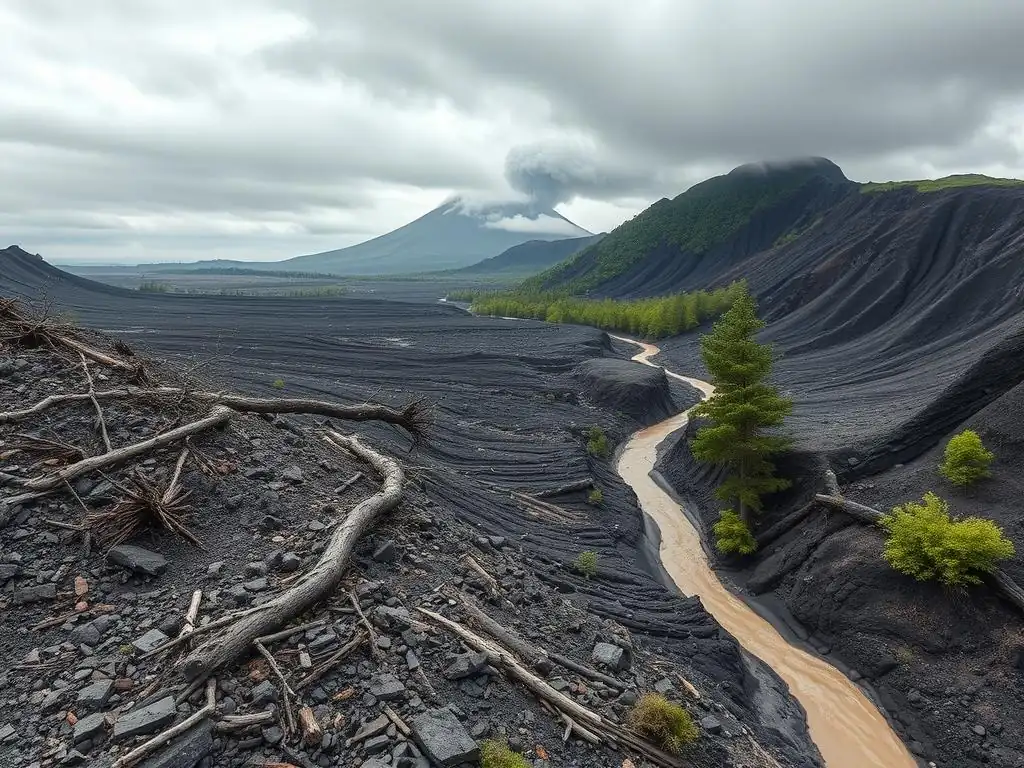
Climate change is demonstrably increasing the intensity and frequency of extreme rainfall events in many regions globally. This intensification directly translates to heightened surface runoff on volcanic slopes, leading to accelerated erosion and sediment mobilization. Studies in mountainous regions have shown a direct correlation between increased rainfall intensity and sediment yield from watersheds. For example, in some volcanic areas, a 10% increase in rainfall intensity can lead to a 20% or greater increase in soil erosion rates. This is particularly concerning for recently erupted volcanic deposits, which are unconsolidated and highly vulnerable to erosion.
The increased runoff not only erodes more material but also enhances the capacity of rivers and streams to transport larger volumes of sediment, including coarser particles like gravel and cobbles. This can lead to changes in river morphology, increased riverbed incision, and greater sediment deposition in downstream areas. For communities situated downstream from volcanoes, this translates to a heightened risk of flooding and sedimentation hazards, particularly during periods of intense rainfall, further exacerbated by the changing climate.
Glacial Melt and Volcanic Sediment Mobilization
Many volcanoes are located in glaciated regions, and these glaciers are undergoing rapid and unprecedented melting due to rising global temperatures. This glacial meltwater significantly increases the volume of water flowing through volcanic drainage systems, leading to enhanced sediment transport capacity. Meltwater streams are often overloaded with sediment eroded from both glacial ice and the underlying volcanic terrain. The increased water discharge can also destabilize hillslopes, triggering landslides and debris flows that further contribute to sediment mobilization.
The retreat of glaciers also exposes previously ice-covered volcanic slopes, which are often highly unstable and prone to rapid erosion. These newly deglaciated areas represent fresh sources of sediment that are readily available for transport. Moreover, glacial melt can increase the frequency and magnitude of glacial lake outburst floods (GLOFs), which are sudden releases of large volumes of water and sediment from moraine-dammed lakes. GLOFs are particularly hazardous in volcanic regions, as they can transform into devastating lahars if they incorporate volcanic debris along their flow paths, posing significant risks to downstream communities and infrastructure.
Changes in Vegetation Cover and Volcanic Slope Stability
Climate change is altering vegetation patterns globally, and these changes have significant implications for volcanic slope stability and sediment dynamics. Changes in temperature and precipitation regimes can lead to shifts in plant species distribution, reduced vegetation density, and increased vegetation stress. Vegetation plays a crucial role in stabilizing slopes by binding soil particles with their roots and intercepting rainfall, reducing surface runoff and erosion. A decrease in vegetation cover, whether due to climate-induced changes or other factors like wildfires exacerbated by climate change, can significantly increase soil erosion rates and slope instability.
In volcanic areas, the establishment of vegetation on newly erupted deposits is a critical factor in long-term landscape stability. However, climate change can hinder this process by creating harsher environmental conditions, such as prolonged droughts or more frequent extreme weather events that can damage young vegetation. Reduced vegetation cover not only increases surface erosion but also makes slopes more susceptible to landslides and debris flows, further amplifying the impact of climate change on volcanic sediment flows and overall landscape evolution.
Case Studies: Climate Change Impact on Volcanic Sediment Dynamics
Case Study 1: Mount Rainier, USA - Increased Lahar Risk
Mount Rainier, a massive stratovolcano in Washington State, USA, is heavily glaciated and poses a significant lahar risk to surrounding communities, including the densely populated Puyallup River valley. Climate change is exacerbating this risk through accelerated glacial melt. Studies indicate that glaciers on Mount Rainier have significantly retreated over the past century, and this trend is projected to continue and accelerate with ongoing warming. This glacial meltwater is increasing the volume of water available to trigger lahars, particularly during intense rainfall events or volcanic eruptions.
Furthermore, the increased meltwater can destabilize the volcanic edifice itself, potentially leading to larger landslides that could initiate even more massive lahars. The Osceola Mudflow, a prehistoric lahar from Mount Rainier, traveled all the way to Puget Sound, demonstrating the immense potential scale of these events. With climate change intensifying rainfall and accelerating glacial melt, the frequency and magnitude of lahar events at Mount Rainier are projected to increase, posing a growing threat to downstream communities and infrastructure. Monitoring sediment flows and lahar pathways is becoming increasingly critical in this climate-changed landscape.
Case Study 2: Eyjafjallajökull, Iceland - Glacial Melt and Volcanic Debris Flows
The 2010 eruption of Eyjafjallajökull volcano in Iceland famously disrupted air travel across Europe. However, the eruption also highlighted the significant role of glacial melt in volcanic hazards. Eyjafjallajökull is capped by an ice cap, and the eruption occurred beneath this ice. The heat from the eruption rapidly melted large volumes of glacial ice, generating substantial meltwater that mixed with volcanic ash and debris to form powerful jökulhlaups (glacial outburst floods) and debris flows. These flows caused significant damage to infrastructure and farmland in the vicinity of the volcano.
Climate change is leading to rapid glacial retreat in Iceland, including on Eyjafjallajökull. While glacial retreat might initially reduce the immediate risk of jökulhlaups during future eruptions at Eyjafjallajökull, it also exposes unstable volcanic slopes and increases the potential for debris flows triggered by rainfall or snowmelt. The increased frequency of intense rainfall events associated with climate change in Iceland further amplifies this risk. Therefore, while the nature of hazards may evolve with glacial retreat, the overall sediment-related hazard from Eyjafjallajökull and other Icelandic volcanoes in a changing climate remains significant and requires careful monitoring and adaptation strategies.
The Future of Volcanic Landscapes: Adapting to Climate Change
Monitoring and Modeling Sediment Flows Around Volcanoes
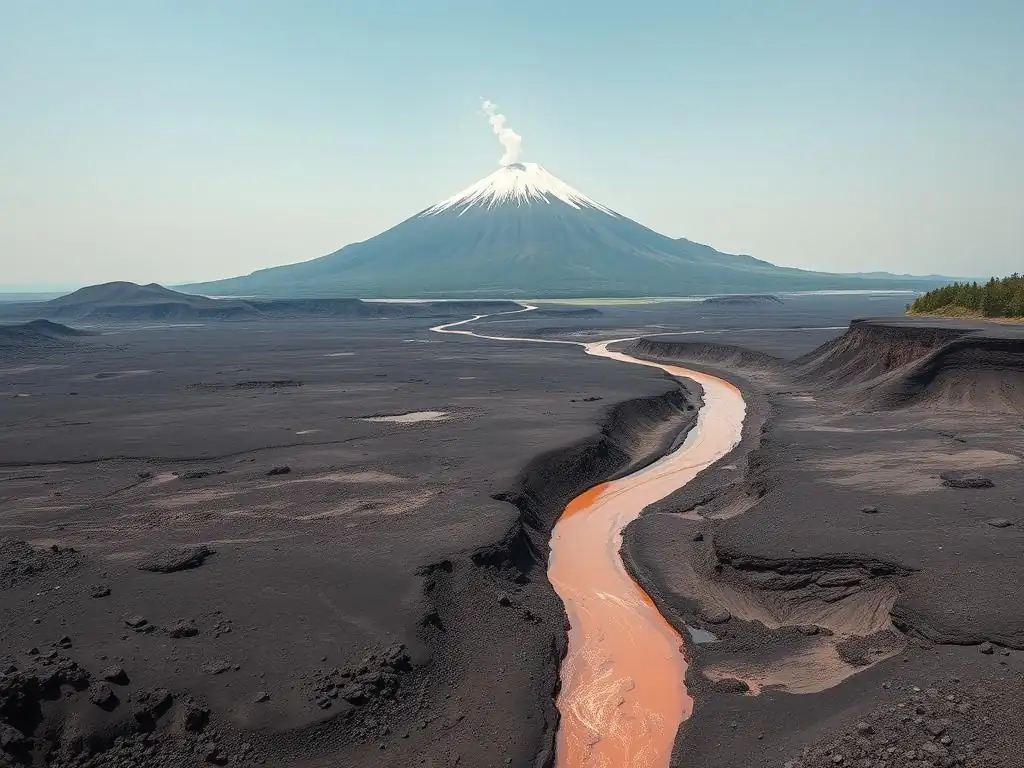
Effective adaptation to the changing sediment dynamics in volcanic landscapes requires robust monitoring and predictive capabilities. Real-time monitoring of rainfall, streamflow, and sediment transport is crucial for detecting changes and providing early warnings of potential hazards. This includes deploying networks of rain gauges, stream gauges, and sediment sensors in volcanic catchments. Remote sensing techniques, such as satellite imagery and LiDAR, can also be used to monitor changes in glacier volume, snow cover, and land surface elevation, providing valuable data for assessing sediment sources and transport pathways.
Numerical models play an increasingly important role in understanding and predicting sediment flows around volcanoes in a changing climate. These models can simulate the complex interactions between climate, hydrology, erosion, and sediment transport, allowing for scenario analysis and hazard assessments under different climate change projections. By integrating monitoring data with sophisticated models, scientists can improve their ability to forecast changes in sediment yields, lahar frequency, and debris flow hazards, providing essential information for risk management and mitigation planning.
Mitigation Strategies: Reducing the Impact of Climate Change on Volcanic Sediment
Mitigation strategies to reduce the impact of climate change on volcanic sediment flows need to address both the source of the problem – climate change itself – and the immediate consequences in volcanic landscapes. Globally, reducing greenhouse gas emissions is paramount to mitigating climate change and its cascading effects on volcanic environments. Locally, various engineering and nature-based solutions can be implemented to manage sediment flows and reduce hazards.
Engineering solutions might include constructing sediment retention basins, debris flow barriers, and channel modifications to control sediment transport pathways. However, these engineered structures can be costly and may have limited effectiveness in extreme events. Nature-based solutions, such as reforestation and vegetation management, can enhance slope stability, reduce surface runoff, and promote infiltration, offering more sustainable and environmentally friendly approaches to mitigating sediment-related hazards in volcanic landscapes. A combination of both engineering and nature-based strategies, tailored to specific volcanic settings and hazard types, is often the most effective approach.
Climate Change Adaptation for Communities Near Volcanoes: Building Resilience
For communities living near volcanoes, adapting to the changing sediment-related hazards driven by climate change is essential for building resilience. This involves a multi-faceted approach encompassing land-use planning, infrastructure improvements, early warning systems, and community education. Land-use planning should consider hazard zones and restrict development in high-risk areas prone to lahars, debris flows, and flooding. Critical infrastructure, such as bridges and roads, may need to be reinforced or relocated to minimize vulnerability to sediment-related hazards.
Investing in robust early warning systems is crucial for providing timely alerts to communities at risk, allowing for evacuation and minimizing casualties. Community education and preparedness programs are equally important for raising awareness about volcanic hazards, promoting understanding of early warning signals, and ensuring that communities are prepared to respond effectively during an event. Building resilience requires ongoing collaboration between scientists, emergency managers, and local communities to adapt to the evolving challenges posed by climate change in volcanic landscapes and ensure the safety and well-being of those living in these dynamic environments.
Conclusion: Understanding and Managing the Changing Volcanic Landscape
Climate change is undeniably reshaping volcanic landscapes by significantly altering sediment flows. Increased rainfall intensity, glacial melt, and changes in vegetation cover are all contributing to accelerated erosion, increased sediment mobilization, and heightened risks from lahars, debris flows, and flooding. Understanding these complex interactions is crucial for effective hazard assessment and mitigation. Through enhanced monitoring, advanced modeling, strategic mitigation measures, and community-based adaptation strategies, we can strive to manage the changing volcanic landscape and build resilience in the face of climate change, ensuring the safety and sustainability of communities living in these dynamic and awe-inspiring environments.
Frequently Asked Questions
How does climate change affect sediment flows around volcanoes?
Climate change intensifies extreme weather events, like heavy rainfall, which can lead to increased erosion and sediment runoff from volcanic slopes. This can significantly alter the landscape and increase the risk of lahars.
What is the "Climate Change Volcano Sediment Impact" and why is it important?
It refers to the interconnected effects of climate change on volcanic landscapes, primarily through changes in precipitation patterns and sediment transport. Understanding this impact is crucial for hazard assessment and mitigation.
What types of volcanic hazards are exacerbated by climate-change-induced sediment flows?
Lahars (mudflows and debris flows) are the most immediate threat. Increased sediment availability due to climate change can make these events more frequent and destructive.
How do volcanologists study the impact of climate change on volcanic sediment flows?
Researchers use a combination of remote sensing, field studies, and modeling to analyze changes in sediment deposition and erosion rates. Historical data on precipitation and eruption patterns are also crucial.
Are there any mitigation strategies for reducing the risks associated with climate-change-altered sediment flows around volcanoes?
Yes, strategies include improved monitoring systems, early warning systems, and land management practices to stabilize slopes and control runoff. Reforestation efforts can also help.
Final Reflection: The Unfolding Legacy of Volcanic Landscapes
The intricate dance between climate change and volcanic activity, as explored throughout this article, reveals a stark reality: our planet's dynamic systems are inextricably linked. The shifting sands, literally and figuratively, around volcanoes are not isolated events but rather potent indicators of a global transformation already underway, demanding our immediate attention and understanding.
The impact of altered sediment flows extends far beyond the immediate vicinity of volcanoes, influencing coastal ecosystems, water resources, and the very fabric of communities that depend on these landscapes. Witnessing these changes firsthand, even through research and data, underscores the profound responsibility we have to protect these vulnerable environments. We are living in a time of unprecedented change, and the consequences of our actions will reverberate for generations to come.
This quote serves as a constant reminder that the choices we make today will shape the volcanic landscapes, and the lives connected to them, of tomorrow.
As we conclude this exploration of the "Climate Change Volcano Sediment Impact," I urge you to consider your own role in this unfolding narrative. How can you contribute to a more sustainable future, one that acknowledges and mitigates the impacts of climate change on these vital geological systems? Let us all strive to be informed, engaged, and proactive stewards of our planet, ensuring that the shifting sands lead not to devastation, but to a renewed commitment to environmental stewardship and resilience.
Unearth Your Role: Be a Volcano Guardian!
Thank you for exploring how climate change impacts the delicate balance of sediment flows around volcanoes. We hope this article illuminated the far-reaching consequences of a changing world on these magnificent landforms. Now, let's translate knowledge into action!
Here's how you can contribute to understanding and mitigating these effects:
- Become a citizen scientist by reporting any unusual sediment changes you observe near volcanic regions. Document your findings with photos and share them on social media using #VolcanoWatchers to help researchers build a comprehensive dataset.
- Share this article to raise awareness about the hidden impacts of climate change on volcanic landscapes. Let's spark conversations and inspire others to learn more!
- Join the Volcano Explorers' community forum to share your insights or questions about volcanic sediment flows. Engage in thoughtful discussions and connect with fellow enthusiasts.
What small lifestyle change will you make this week to reduce your carbon footprint and protect these vital volcanic ecosystems?