
Volcanic Ash CleanUp Funds: Budgeting for the Inevitable Aftermath

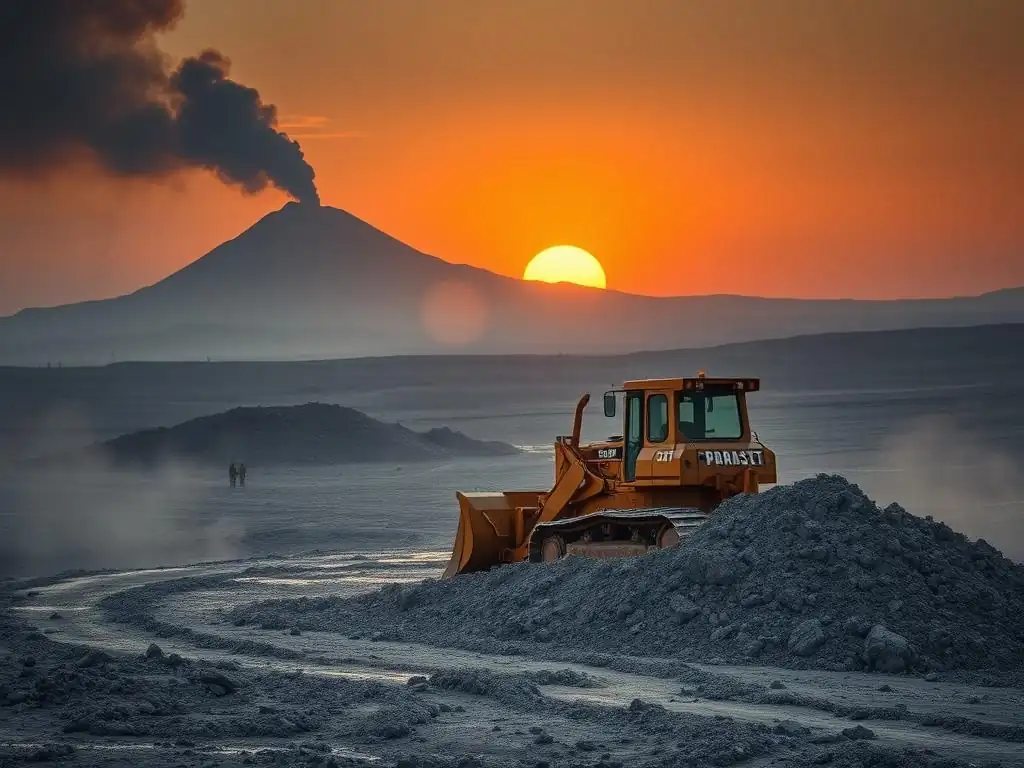
Welcome to Volcano Explorers, where the Earth's fiery heart beats strong! Ever wondered what happens after the eruption? Dive into our latest article and discover the often-overlooked reality of volcanic ash cleanup funding. It's a crucial aspect of living with volcanoes, and the details might surprise you. Ready to uncover the financial realities of nature's fury?
- Understanding the Financial Impact of Volcanic Ashfall
- Planning for Volcanic Ash Cleanup Funding: A Comprehensive Guide
- Sources of Volcanic Ash Cleanup Funding: Exploring Options
- Creating a Volcanic Ash Cleanup Budget: A Step-by-Step Approach
- Managing Volcanic Ash Cleanup Funds Effectively
- Long-Term Financial Planning for Volcanic Ash Events
- Case Studies: Successful Volcanic Ash Cleanup Funding Strategies
-
Frequently Asked Questions
- How can communities secure funding for volcanic ash cleanup after an eruption?
- What types of expenses can volcanic ash cleanup funding cover?
- What are the initial steps a community should take to apply for volcanic ash cleanup funding?
- How does the severity of the volcanic eruption affect the amount of cleanup funding a community can receive?
- Are there long-term funding options available for communities repeatedly affected by volcanic ash?
- Final Reflection: Embracing Preparedness in the Face of Volcanic Fury
- Safeguard Your Future: Start Your Ashfall Emergency Fund Today!
Understanding the Financial Impact of Volcanic Ashfall
The Economic Consequences of Volcanic Ash Deposits
Volcanic ash, despite its fine texture, is a highly abrasive and corrosive material that poses significant economic challenges to communities and regions affected by volcanic eruptions. The immediate aftermath of ashfall includes widespread disruptions to infrastructure, agriculture, and daily life, all translating into substantial financial burdens. Transportation networks, including roads, airports, and railways, can be severely impacted.
For instance, the 2010 eruption of Eyjafjallajökull in Iceland, while producing relatively minor ashfall in Iceland itself, caused the cancellation of over 100,000 flights across Europe, resulting in billions of dollars in losses for airlines and related industries. Domestically, even moderate ashfall can necessitate extensive and costly cleanup of runways and aircraft, as seen in numerous eruptions in Alaska and the Pacific Northwest.
Beyond transportation, ash contamination of water supplies requires immediate and often expensive treatment to ensure public health. Agricultural sectors face crop damage and livestock health issues, leading to reduced yields and economic losses for farmers.
Furthermore, the long-term economic impacts of volcanic ash deposits can be considerable. Buildings and infrastructure require ongoing cleaning and maintenance due to the abrasive nature of ash, which can accelerate wear and tear on materials. Businesses face operational disruptions, reduced productivity, and potential loss of customers due to ash-related closures and access limitations.
In regions heavily reliant on tourism, volcanic ash can deter visitors for extended periods, impacting local economies significantly. For example, after the 1991 eruption of Mount Pinatubo in the Philippines, ashfall not only caused immediate damage but also contributed to long-term economic hardship in surrounding communities, requiring years of recovery and investment in infrastructure rehabilitation. The cumulative effect of these direct and indirect costs underscores the critical need for proactive financial planning for volcanic ash cleanup.
Assessing the Potential for Volcanic Ash Damage in Your Region
Understanding the specific risks of volcanic ash damage in your region is the first step towards effective financial planning. This involves evaluating several key factors, starting with the proximity to active or potentially active volcanoes. Geological surveys and volcano monitoring agencies, such as the USGS Volcano Hazards Program in the United States or GNS Science in New Zealand, provide valuable information on volcanic hazards assessments for specific areas.
These assessments often include volcanic hazard maps that delineate zones of varying ashfall risk based on historical eruption patterns and prevailing wind directions. Living within a few tens of kilometers of a volcano classified as having a high or very high threat level significantly increases your potential exposure to substantial ashfall.
Beyond proximity, consider the prevailing wind patterns in your region. Wind direction strongly influences the dispersal of volcanic ash, often carrying it hundreds or even thousands of kilometers downwind from the eruption source. Historical records of past eruptions in your area can provide insights into typical ashfall distribution.
For instance, communities east of Mount St. Helens in Washington State experienced significant ashfall during the 1980 eruption due to eastward wind dispersal. Furthermore, the type of volcano and the style of potential eruptions are crucial. Explosive eruptions, such as those from stratovolcanoes like Mount Rainier or Mount Vesuvius, tend to produce larger volumes of ash and wider dispersal compared to effusive eruptions.
Finally, understanding the vulnerability of local infrastructure and buildings is important. Areas with older buildings or those not designed to withstand ash loads may face greater damage. Assessing these factors collectively allows for a more accurate estimation of potential volcanic ash damage and the associated financial implications for your specific location.
Planning for Volcanic Ash Cleanup Funding: A Comprehensive Guide
Establishing a Volcanic Ash Cleanup Fund: Key Considerations
Establishing a dedicated volcanic ash cleanup fund is a proactive and responsible step for individuals, households, businesses, and communities in volcanic hazard zones. Several key considerations should guide the creation of such a fund. Firstly, determine the scope and purpose of the fund. Will it primarily cover immediate ash removal from your property, or will it also encompass broader costs like temporary relocation, damage repairs, or business interruption? Clearly defining the fund's objectives will help in setting realistic financial goals.
Secondly, consider the time horizon for the fund. Volcanic eruptions can be infrequent but impactful events. A long-term savings approach, perhaps integrated with existing emergency funds, is generally more sustainable than relying solely on short-term accumulation. Regular contributions, even small amounts, over time can build a substantial reserve.
Thirdly, explore different savings vehicles for your volcanic ash cleanup fund. A dedicated savings account, separate from everyday expenses, can provide easy access to funds when needed. For businesses or community organizations, a designated reserve account within their financial structure may be appropriate. Consider the accessibility and liquidity of the chosen savings method. In the aftermath of a volcanic eruption, quick access to funds is crucial for initiating cleanup efforts promptly.
Fourthly, establish clear guidelines for fund usage. Documenting eligible expenses, approval processes, and disbursement procedures ensures transparency and accountability in fund management. This is particularly important for community-based funds. Finally, regularly review and adjust your fund based on changes in your financial situation, updated volcanic hazard assessments, and lessons learned from other ashfall events. Proactive planning and consistent management are essential for ensuring the effectiveness of a volcanic ash cleanup fund when it is needed most.
Determining Adequate Funding Levels for Ash Removal
Determining adequate funding levels for volcanic ash removal is a crucial but often challenging aspect of financial preparedness. A realistic estimate should consider several key factors. Start by assessing the potential volume of ashfall in your area based on historical data and volcanic hazard assessments. For example, areas closer to a volcano downwind could experience ashfall depths ranging from a few centimeters to tens of centimeters or even more in severe eruptions.
Consider a scenario of, for instance, 10 cm of ash accumulation on your property. Then, estimate the surface area requiring cleanup. This includes roofs, driveways, sidewalks, yards, and potentially agricultural land for farmers. A typical residential roof might be 150 square meters, while a driveway could be 50 square meters.
Next, research the costs associated with ash removal services in your region. Labor costs for manual ash removal vary geographically, but you might anticipate expenses of \$30-\$50 per hour per worker. For larger properties or commercial buildings, specialized equipment like industrial vacuums, loaders, or street sweepers may be necessary, incurring rental or service fees. Consider the disposal costs of volcanic ash.
Landfill fees or special disposal requirements may apply, adding to the overall expense. For a moderate-sized house with 10 cm of ash, professional roof cleaning alone could cost between \$500 and \$1500, depending on roof size and complexity. Driveway and yard cleanup could add another \$300-\$800.
Furthermore, factor in the costs of personal protective equipment (PPE) like respirators and eye protection for anyone involved in cleanup, and potential repairs to gutters, downspouts, or damaged structures. A contingency buffer of 10-20% should be added to account for unforeseen expenses or variations in actual ashfall volume and cleanup complexity. Regularly revisiting and adjusting these estimates based on updated information and local cost fluctuations is advisable to maintain an adequate ash cleanup fund.
Sources of Volcanic Ash Cleanup Funding: Exploring Options
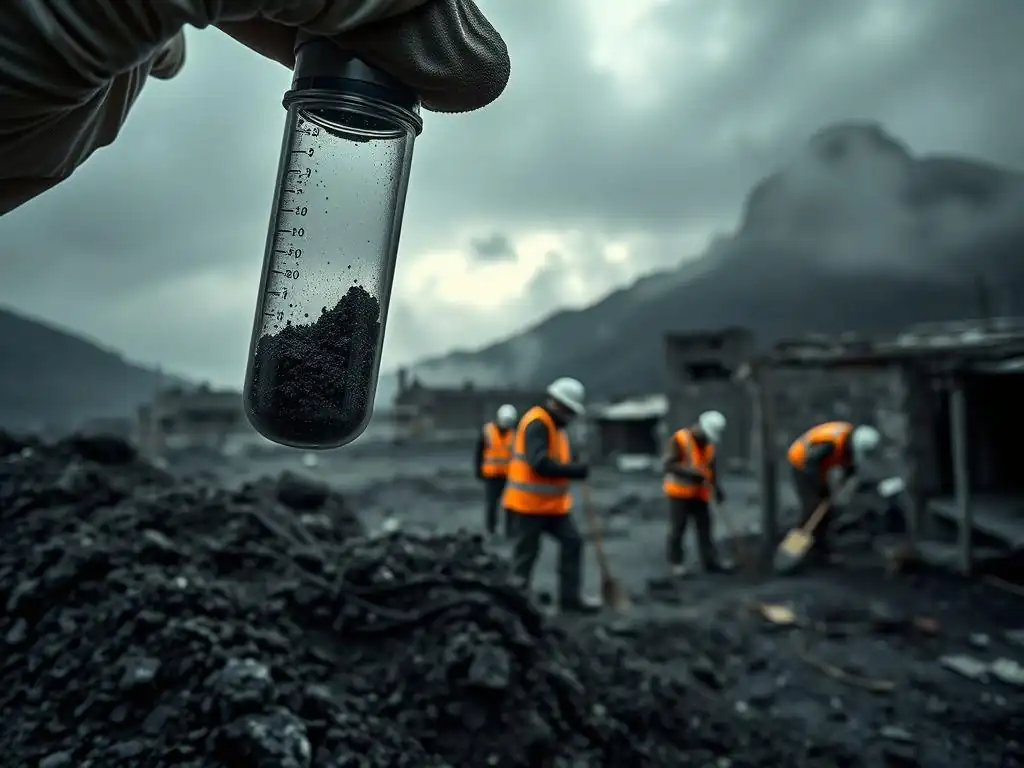
Personal Savings and Emergency Funds for Volcanic Events
Personal savings and emergency funds are often the most readily accessible and immediately available sources of volcanic ash cleanup funding. Individuals and families should prioritize building an emergency fund that can cover unexpected expenses, including those related to natural disasters like volcanic ashfall. Financial advisors generally recommend having 3-6 months of living expenses saved in an easily accessible account.
A portion of this emergency fund can be specifically earmarked or considered available for volcanic ash cleanup costs if you live in a volcanic hazard zone. The advantage of using personal savings is the speed and flexibility of access. You can withdraw funds immediately without needing to apply for loans or wait for insurance claims processing.
However, relying solely on personal savings may not be sufficient for all ash cleanup scenarios, especially for significant ashfall events or extensive property damage. The cost of cleanup could quickly deplete emergency funds, particularly if there are other concurrent disaster-related expenses or loss of income.
Therefore, while personal savings are a crucial first line of defense, they should ideally be complemented by other funding sources, such as insurance coverage or government assistance programs, to ensure comprehensive financial preparedness for volcanic ash events. Regularly assessing your savings capacity and the potential scale of ash cleanup costs will help determine the appropriate balance between personal savings and other funding options.
Insurance Coverage for Volcanic Ash Damage: What You Need to Know
Insurance coverage plays a vital role in mitigating the financial impact of volcanic ash damage. However, understanding the specifics of your insurance policies regarding volcanic events is crucial, as coverage varies depending on the type of insurance and policy terms. Homeowners insurance and vehicle insurance are the most relevant types for volcanic ash damage.
Understanding Homeowners Insurance and Volcanic Ash Claims
Homeowners insurance policies typically cover damage caused by volcanic eruption, including volcanic ash. This coverage usually extends to direct physical damage to the structure of your home, such as roof collapse due to ash load, damage to exterior walls, and damage to interior elements if ash enters the house. However, policies vary, and it's essential to carefully review your specific policy wording.
Some policies may have exclusions or limitations related to volcanic events, or they might differentiate between direct damage from eruption and secondary effects like ashfall. For example, damage caused by earth movement from a volcanic eruption might be covered differently than ash damage. It's important to document damage thoroughly with photographs and videos and to file claims promptly after an ashfall event.
Engage with your insurance provider to understand the claims process and required documentation. Keep in mind that standard homeowners insurance usually does not cover damage from "earth movement" which can be associated with volcanic activity and may require a separate earthquake or earth movement policy, though ashfall damage itself is often covered under the volcanic eruption clause.
Vehicle Insurance and Volcanic Ash Damage Coverage
Vehicle insurance coverage for volcanic ash damage generally falls under the comprehensive coverage portion of your policy. Comprehensive coverage protects your vehicle from damage caused by events other than collisions, such as natural disasters, including volcanic eruptions and subsequent ashfall. Volcanic ash can cause significant damage to vehicles, including scratching and etching paint, damaging windshields and windows, clogging air filters, and corroding engine components.
Comprehensive insurance should cover repairs or replacement of damaged parts due to ash. As with homeowners insurance, it's crucial to review your vehicle insurance policy to confirm comprehensive coverage and understand any deductibles or exclusions. Document vehicle damage with photos and videos and file a claim with your insurer as soon as possible after ashfall.
Avoid driving your vehicle in heavy ashfall if possible, as this can exacerbate damage and potentially void coverage if deemed negligent. Regularly cleaning ash from your vehicle and changing air filters after ashfall events are essential preventative measures, even if insurance covers major repairs.
Government Assistance Programs for Volcanic Disaster Relief
Government assistance programs, particularly at the federal, state, and local levels, can provide crucial financial aid for volcanic disaster relief, including volcanic ash cleanup. These programs are typically activated after a major disaster declaration and offer various forms of assistance to affected individuals, families, and communities.
Applying for Federal Emergency Management Agency (FEMA) Aid
The Federal Emergency Management Agency (FEMA) is the primary federal agency responsible for disaster response and recovery. Following a major volcanic eruption and subsequent ashfall event, FEMA may declare a disaster, making federal aid available to affected areas. FEMA assistance can include Individual Assistance, which provides financial aid to individuals and households for housing repairs, temporary housing, medical expenses, and other disaster-related needs, including potentially some ash cleanup expenses under "other needs assistance."
Public Assistance is also available to state and local governments and certain private non-profit organizations for debris removal, infrastructure repair, and emergency protective measures. Applying for FEMA aid typically involves registering online or by phone after a disaster declaration. The application process requires documentation of damage and losses.
FEMA may conduct inspections to verify damage and assess eligibility for assistance. It's important to understand the specific types of assistance available for volcanic ash events, as FEMA programs and eligibility criteria can vary depending on the disaster declaration.
State and Local Government Resources for Ash Cleanup
In addition to federal aid, state and local governments often have their own disaster relief programs and resources that can support volcanic ash cleanup efforts. State emergency management agencies typically coordinate state-level disaster response and may offer financial assistance, grants, or low-interest loans for affected residents and businesses. Local governments, such as city or county emergency management offices, may also provide direct assistance, coordinate volunteer cleanup efforts, or establish local disaster relief funds. These local resources can be particularly valuable for immediate post-eruption needs and for addressing gaps in federal or insurance coverage.
Check with your state and local emergency management agencies or government websites to identify available programs and application procedures. Community organizations and non-profits within your region may also offer local disaster relief and support services. Building relationships with these local entities before a volcanic event can be beneficial for accessing assistance quickly when needed.
Community-Based Funding Initiatives for Post-Eruption Recovery
Community-based funding initiatives can play a significant role in supplementing individual and government resources for volcanic ash cleanup and post-eruption recovery. These initiatives leverage the collective resources and support within a community to address shared needs and facilitate faster recovery.
Crowdfunding for Volcanic Ash Removal Projects
Crowdfunding platforms like GoFundMe or Kickstarter can be effective tools for raising funds for volcanic ash removal projects, particularly for individuals, families, or small community groups facing significant cleanup burdens. Crowdfunding allows individuals to share their stories and needs with a wider online audience and solicit donations from friends, family, and compassionate strangers globally.
For example, after the 2018 eruption of Volcán de Fuego in Guatemala, numerous crowdfunding campaigns were launched to support affected communities with ash cleanup, housing, and other essential needs. Successful crowdfunding campaigns typically involve clear and compelling storytelling, visual documentation of the situation, and transparent communication about how funds will be used.
They can be particularly effective for addressing immediate needs and for supporting vulnerable populations who may lack access to other funding sources. However, crowdfunding may not be a sustainable long-term solution for large-scale community-wide cleanup efforts, and it requires proactive effort in campaign creation and promotion.
Local Fundraising and Volunteer Efforts
Local fundraising and volunteer efforts are invaluable for post-eruption recovery, fostering community resilience and providing direct, hands-on assistance with volcanic ash cleanup. Local fundraising events, such as community bake sales, car washes, or benefit concerts, can generate funds to support ash removal projects or assist affected residents. Local businesses can contribute by donating a portion of their sales or providing in-kind support like equipment or supplies.
Volunteer efforts, coordinated through community organizations, churches, or local government agencies, can provide crucial labor for ash removal from homes, public spaces, and critical infrastructure. For example, after eruptions of Mount Ruapehu in New Zealand, community volunteer groups mobilized to assist with ash cleanup in nearby towns.
Volunteer coordination requires effective organization, safety protocols for volunteers working in ashfall environments, and clear communication about tasks and priorities. Local fundraising and volunteerism build social cohesion and empower communities to take collective action in the face of volcanic ash challenges.
Creating a Volcanic Ash Cleanup Budget: A Step-by-Step Approach
Identifying Potential Cleanup Costs: A Detailed Breakdown
Creating a detailed volcanic ash cleanup budget is essential for effective financial planning. This process involves identifying all potential cost categories and estimating expenses for each. A comprehensive breakdown ensures no significant costs are overlooked.
Estimating Costs for Ash Removal from Roofs and Gutters
Roof and gutter cleanup is often a priority after ashfall to prevent structural damage and water drainage issues. Estimating these costs requires considering roof size, pitch, material, and accessibility. For a standard 150 square meter residential roof, professional cleaning could range from \$500 to \$1500, depending on complexity and local labor rates. Gutter cleaning, often charged separately, might add another \$100-\$300.
DIY roof cleanup can reduce labor costs but requires safety equipment like harnesses and respirators, which can cost \$100-\$200. Equipment rental, such as roof blowers or vacuums, could be \$50-\$100 per day. Consider that steeper roofs or those requiring specialized access (e.g., multi-story buildings) will increase labor costs. Factor in potential repair costs for damaged roof tiles or gutters, which could range from a few hundred to several thousand dollars depending on the extent of damage.
Calculating Expenses for Clearing Roads and Driveways
Clearing roads and driveways is crucial for accessibility and safety after ashfall. For a typical residential driveway (50 square meters), manual shoveling might take several hours of labor. Hiring help at \$30-\$50 per hour could cost \$150-\$400. Equipment rental, like a snow blower adapted for ash (if appropriate), could be \$50-\$100 per day.
For longer driveways or larger properties, professional services using loaders or sweepers may be necessary, costing \$300-\$1000 or more depending on the scale. Consider the cost of disposal for removed ash, which may involve landfill fees or special disposal requirements, potentially adding \$50-\$200 depending on volume. For communities, road clearing costs can be significantly higher, involving heavy equipment rental, fuel, and labor for municipal crews or contractors. A small town might spend tens of thousands of dollars to clear main roads after a moderate ashfall event.
Factoring in Costs for Air Filtration and Respiratory Protection
Airborne volcanic ash poses respiratory health risks, necessitating air filtration and respiratory protection measures. High-efficiency particulate air (HEPA) filters for home HVAC systems or portable air purifiers can improve indoor air quality. HEPA filters for HVAC systems cost \$20-\$50 each and may need replacement more frequently after ashfall.
Portable HEPA air purifiers range from \$100 to \$500 or more, depending on room size coverage. Respirators (N95 or P100 masks) are essential for outdoor cleanup and protection during ashfall. Disposable respirators cost \$1-\$3 each, and a supply for a household for several days could cost \$50-\$150.
Reusable respirators with replaceable filters are more expensive initially (\$30-\$100) but can be more cost-effective long-term. Consider the cost of professional air duct cleaning after ashfall, which can range from \$300 to \$800 or more, depending on the size of the system. For businesses, costs for providing respirators to employees and upgrading workplace air filtration systems should be included in the budget.
Developing a Realistic Timeline for Ash Cleanup Operations
Developing a realistic timeline for ash cleanup operations is crucial for budget planning and resource allocation. The timeline depends on several factors, including the volume of ashfall, the scale of the affected area, available resources, and community capacity. Immediate cleanup tasks, such as clearing critical access routes and ensuring essential services, should be prioritized within the first 24-72 hours after ashfall.
Roof and gutter cleaning, while important, might be phased in over the first week to prevent roof collapse from prolonged ash load, but should be addressed relatively quickly. Cleanup of roads, driveways, and public spaces can extend over several days to weeks, depending on the extent of ashfall and available equipment and personnel. Interior cleaning and air filtration improvements can be ongoing for several weeks to months as residual ash settles and is resuspended.
A phased approach to cleanup, with clear timelines for each phase, is often most effective. Phase 1 (0-3 days) focuses on emergency access, critical infrastructure, and vulnerable populations. Phase 2 (days 3-7) addresses roof and gutter cleaning, priority public spaces, and initial residential cleanup. Phase 3 (weeks 2-4) involves comprehensive residential and commercial cleanup, secondary road clearing, and long-term mitigation measures.
Phase 4 (months 1-3 and beyond) includes final cleanup, infrastructure repairs, and ongoing monitoring for residual ash issues. Realistic timelines should account for potential delays due to weather, resource limitations, or unforeseen challenges. Contingency time buffers should be incorporated into the timeline, and the plan should be flexible enough to adapt to changing circumstances and evolving needs during the cleanup process. Community-wide cleanup timelines require coordination and communication among various stakeholders, including government agencies, community organizations, and residents.
Prioritizing Cleanup Tasks Based on Urgency and Risk
Prioritizing cleanup tasks based on urgency and risk is essential for efficient resource allocation and maximizing the effectiveness of ash cleanup efforts. The highest priority tasks are those that address immediate safety hazards and protect critical infrastructure. Clearing access routes for emergency services (fire, police, ambulance) and essential infrastructure (hospitals, power plants, water treatment facilities) is paramount.
Removing heavy ash loads from roofs to prevent structural collapse is another critical priority, especially for buildings with flat or low-pitched roofs. Addressing potential health hazards, such as airborne ash and contaminated water supplies, should also be prioritized. Distributing respirators and providing guidance on respiratory protection are immediate needs.
Medium priority tasks include clearing roads and driveways for general access, cleaning public spaces like schools and community centers, and removing ash from gutters to prevent water damage. Residential cleanup, while important, can often be phased in after addressing higher priority tasks, focusing initially on vulnerable households (elderly, disabled, low-income). Lower priority tasks might include aesthetic cleanup in less critical areas, long-term ash removal from parks or agricultural land, and infrastructure repairs that do not pose immediate safety risks.
Prioritization should be dynamic and adaptable, based on ongoing assessments of risk and evolving needs. Regular communication with the community about cleanup priorities and progress is essential for managing expectations and ensuring effective resource allocation. A clear prioritization framework, developed in advance of potential volcanic events, helps ensure that cleanup efforts are focused on the most critical needs and risks.
Managing Volcanic Ash Cleanup Funds Effectively
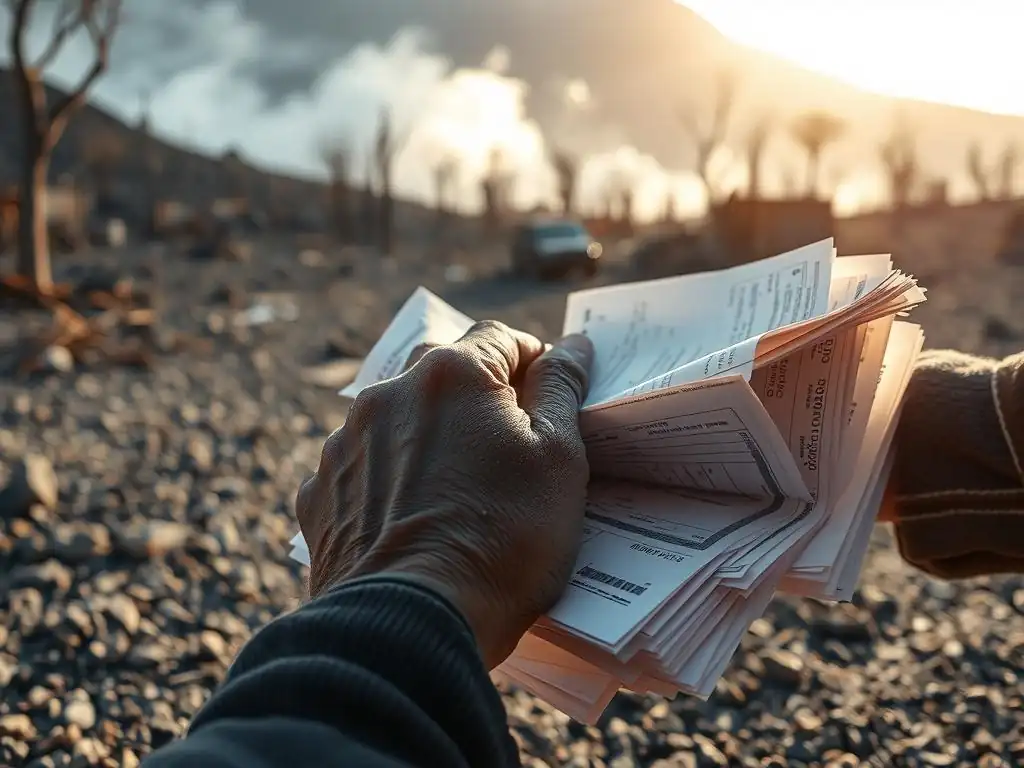
Establishing Clear Financial Controls and Accountability
Establishing clear financial controls and accountability is paramount for managing volcanic ash cleanup funds effectively, whether for individual households, businesses, or community organizations. For individual or household funds, maintaining a separate savings account specifically designated for ash cleanup expenses enhances accountability. Documenting all deposits and withdrawals, and keeping receipts for all cleanup-related expenses, provides a clear audit trail.
For businesses or community organizations managing larger cleanup funds, more formal financial controls are necessary. This includes establishing a designated budget within the organization's financial system, with clearly defined budget categories for different cleanup tasks. Implementing a system of approvals for all expenditures, requiring authorization from designated individuals, ensures that funds are used appropriately and in accordance with the budget.
Regular financial reporting and audits are essential for transparency and accountability, especially for community-based funds or funds involving external donations. Financial reports should be readily accessible to stakeholders, detailing income, expenses, and fund balances. Independent audits can provide an objective assessment of financial management practices and ensure that funds are being used responsibly and effectively.
Establishing a finance committee or oversight body to monitor fund management and ensure adherence to financial controls can further enhance accountability. Clear guidelines and policies for fund disbursement, eligibility criteria for assistance (if applicable), and conflict-of-interest protocols are also important components of robust financial controls.
Tracking Expenses and Monitoring Budget Performance
Tracking expenses meticulously and regularly monitoring budget performance are crucial for effective volcanic ash cleanup fund management. For individuals and households, maintaining a spreadsheet or using budgeting software to track all cleanup-related expenses, categorized by task (e.g., roof cleaning, equipment rental, respirators), provides a clear overview of spending. Regularly comparing actual expenses to budgeted amounts allows for early identification of potential budget overruns or areas where cost savings might be possible.
For businesses and community organizations, using accounting software to track expenses and generate regular financial reports is essential. Budget monitoring should be conducted frequently, ideally weekly or bi-weekly during the active cleanup phase, and monthly thereafter until cleanup is complete and funds are fully accounted for.
Variance analysis, comparing actual expenses to budgeted amounts for each category, helps identify areas where spending is deviating from the plan. Investigating significant variances allows for corrective actions, such as adjusting cleanup strategies, renegotiating contracts, or seeking additional funding if necessary.
Regular budget review meetings with relevant stakeholders, such as cleanup team leaders, finance committee members, or community representatives, facilitate informed decision-making and ensure that the cleanup effort remains within budget and on track. Maintaining detailed records of all expenses, including invoices, receipts, and payment documentation, is essential for audit trails and for potential insurance claims or government reimbursement applications.
Adjusting the Budget as Needed Based on Actual Cleanup Costs
Flexibility and adaptability are key to effective volcanic ash cleanup fund management. The initial budget is an estimate, and actual cleanup costs may deviate due to unforeseen circumstances, variations in ashfall volume, or changes in cleanup strategies. Regularly reviewing budget performance and comparing actual expenses to planned amounts allows for timely identification of the need for budget adjustments.
If actual costs are exceeding budgeted amounts in certain categories, it may be necessary to re-prioritize cleanup tasks, explore cost-saving measures, or seek additional funding sources. For example, if roof cleaning costs are higher than anticipated, it might be necessary to delay less critical cleanup tasks or explore volunteer assistance for driveway clearing to stay within budget.
Conversely, if actual costs are lower than budgeted in some areas, these savings can be reallocated to other cleanup needs or reserved for future volcanic preparedness efforts. Budget adjustments should be based on data-driven analysis of actual expenses and evolving cleanup needs. Changes to the budget should be formally documented and approved by designated authorities, maintaining transparency and accountability.
Contingency funds, typically a percentage of the total budget (e.g., 10-20%), are essential to accommodate unexpected expenses or budget adjustments. Regular communication with stakeholders about budget performance and any necessary adjustments ensures that everyone is informed and aligned on the financial aspects of the volcanic ash cleanup effort.
Long-Term Financial Planning for Volcanic Ash Events
Investing in Mitigation Measures to Reduce Future Cleanup Costs
Long-term financial planning for volcanic ash events should include proactive investments in mitigation measures to reduce future cleanup costs and enhance community resilience. These measures can range from individual property improvements to community-wide infrastructure upgrades. For individual homes, installing steeper roofs or reinforcing existing roofs can reduce ash accumulation and the risk of structural damage, minimizing future roof cleaning and repair costs. Sealing windows and doors, and upgrading air filtration systems, can reduce ash ingress into homes, lowering interior cleaning expenses and protecting respiratory health. Planting windbreaks around properties can help reduce ash deposition on buildings and landscapes.
Community-level mitigation measures can include investing in specialized ash cleanup equipment, such as street sweepers and industrial vacuums, to improve the efficiency and reduce the cost of post-eruption cleanup operations. Developing ash disposal plans and designated disposal sites in advance can streamline ash removal and minimize environmental impacts. Undergrounding power lines and communication cables can reduce vulnerability to ash-related disruptions and minimize repair costs after ashfall events.
Public awareness campaigns and educational programs on volcanic ash hazards and mitigation measures can empower residents to take proactive steps to protect themselves and their properties, reducing the overall financial burden of future ashfall events. Investing in volcano monitoring and early warning systems enhances preparedness and allows for timely implementation of mitigation measures before an eruption, further reducing potential damage and cleanup costs.
Maintaining Adequate Insurance Coverage for Volcanic Hazards
Maintaining adequate insurance coverage for volcanic hazards is a cornerstone of long-term financial planning in volcanic regions. Regularly reviewing homeowners and vehicle insurance policies to ensure they provide sufficient coverage for volcanic eruption and ashfall damage is crucial. Confirm that policies explicitly cover volcanic eruption and ashfall, and understand any exclusions or limitations.
Assess coverage limits to ensure they are adequate to cover the potential costs of rebuilding or repairing your home or replacing your vehicle in the event of significant volcanic damage. Consider increasing coverage limits if necessary, especially if property values have increased or if you have made significant home improvements.
Review deductibles and understand how they will affect out-of-pocket expenses in the event of a claim. Lower deductibles result in higher premiums but lower out-of-pocket costs after a disaster, while higher deductibles lower premiums but increase out-of-pocket expenses. Consider purchasing supplemental insurance coverage, such as earthquake insurance or flood insurance, if your standard homeowners policy does not adequately cover these related volcanic hazards.
Keep insurance policies updated and readily accessible, and maintain documentation of property values and any improvements made. Regularly communicate with your insurance provider to address any questions or concerns about volcanic hazard coverage and to ensure your policies remain aligned with your needs and risks.
Building a Resilient Financial Plan for Volcanic Regions
Building a resilient financial plan for volcanic regions requires a holistic and proactive approach that integrates various financial strategies and preparedness measures. This includes establishing a dedicated volcanic ash cleanup fund, maintaining adequate insurance coverage, investing in mitigation measures, and developing a comprehensive emergency preparedness plan. Diversifying income sources and building financial reserves are crucial for weathering economic disruptions caused by volcanic events.
Developing a detailed household or business budget that includes provisions for emergency savings and disaster preparedness expenses is essential. Regularly reviewing and updating the financial plan to reflect changes in financial circumstances, property values, and volcanic hazard assessments ensures its continued effectiveness.
Participating in community-based preparedness initiatives and engaging with local emergency management agencies enhances resilience at the community level. Educating family members or employees about volcanic hazards, emergency procedures, and financial preparedness strategies empowers them to take proactive steps and contribute to overall resilience.
Building strong social networks and community support systems can provide invaluable assistance during and after volcanic events, reducing the financial and emotional burden of recovery. A resilient financial plan is not just about financial resources; it's about building a comprehensive preparedness framework that encompasses financial, physical, and social dimensions, enabling individuals, households, businesses, and communities to effectively mitigate, prepare for, respond to, and recover from the inevitable impacts of volcanic ash events.
Case Studies: Successful Volcanic Ash Cleanup Funding Strategies
Puyehue-Cordón Caulle Eruption (2011): Argentina and Chile Collaborative Cleanup
The 2011 eruption of Puyehue-Cordón Caulle volcano in Chile resulted in significant ashfall across both Chile and Argentina, presenting a major cleanup challenge. In Argentina, the city of Bariloche was heavily affected, with substantial ash accumulation impacting tourism, infrastructure, and daily life. The cleanup funding strategy involved a collaborative approach between national, provincial, and municipal governments.
The Argentine federal government allocated emergency funds for immediate relief and initial cleanup efforts, focusing on clearing critical infrastructure like airports and main roads. The Río Negro provincial government provided additional funding and resources for municipal cleanup operations in Bariloche and surrounding areas. The Municipality of Bariloche played a central role in coordinating cleanup efforts, managing local resources, and directing volunteer initiatives.
International aid also contributed to the cleanup funding, with organizations like the Red Cross providing support. A key aspect of the funding strategy was the mobilization of the Argentine military, which provided personnel and equipment for large-scale ash removal.
The collaborative approach, combining government funding at different levels, international aid, and military resources, enabled a relatively rapid and effective cleanup in Bariloche and facilitated the recovery of the tourism sector, which is vital to the local economy. The Puyehue-Cordón Caulle eruption case study highlights the effectiveness of multi-layered funding strategies and inter-agency collaboration in managing volcanic ash cleanup after a transboundary eruption event.
Mount St. Helens Eruption (1980): Federal and State Funding Allocation for Recovery
The 1980 eruption of Mount St. Helens in Washington State was a major volcanic event in the United States, causing widespread devastation and significant ashfall across the Pacific Northwest. The recovery and cleanup funding strategy was primarily led by the US federal government, with substantial contributions from the State of Washington. Following the disaster declaration, the Federal Emergency Management Agency (FEMA) played a central role in coordinating federal aid and allocating funds for recovery efforts.
The US Congress approved significant disaster relief appropriations, which were channeled through FEMA and other federal agencies to support various recovery programs. These programs included funding for debris removal, infrastructure repair, economic assistance to affected businesses and individuals, and long-term community redevelopment projects.
The State of Washington also contributed substantial funding and resources, working in close partnership with federal agencies and local governments. The Washington State Department of Emergency Management played a key role in coordinating state-level response and recovery efforts. A significant portion of the funding was allocated to long-term recovery and mitigation measures, recognizing that the impacts of the eruption would extend far beyond the immediate cleanup phase.
This included investments in volcano monitoring infrastructure, hazard mapping, and community preparedness programs. The Mount St. Helens eruption case study demonstrates the critical role of federal and state government funding in supporting large-scale volcanic disaster recovery, particularly in the context of a major eruption in a developed nation. The long-term recovery approach and investment in mitigation measures also highlight the importance of sustained financial commitment beyond immediate cleanup needs.
Frequently Asked Questions
How can communities secure funding for volcanic ash cleanup after an eruption?
Funding often comes from a mix of government disaster relief programs and international aid organizations. Applying requires demonstrating the extent of the damage and the community's financial need.
What types of expenses can volcanic ash cleanup funding cover?
These funds typically cover equipment rental (like loaders and sweepers), labor costs for cleanup crews, and disposal fees for the collected ash. They may also cover public health initiatives related to ash exposure.
What are the initial steps a community should take to apply for volcanic ash cleanup funding?
Immediately after an eruption, communities should document the ashfall's impact with photos and videos. Contacting local emergency management agencies and federal disaster relief offices is also crucial.
How does the severity of the volcanic eruption affect the amount of cleanup funding a community can receive?
Generally, the more severe the eruption and the greater the ashfall, the larger the potential funding allocation. Damage assessments play a crucial role in determining the level of need.
Are there long-term funding options available for communities repeatedly affected by volcanic ash?
Yes, some programs provide long-term disaster resilience grants that can be used for infrastructure improvements to mitigate future ashfall impacts. These grants often require a comprehensive mitigation plan.
Final Reflection: Embracing Preparedness in the Face of Volcanic Fury
The preceding analysis of volcanic ash cleanup funding underscores a crucial reality: proactive budgeting is paramount in mitigating the devastating aftermath of volcanic eruptions. Ignoring this imperative leaves communities vulnerable, hindering recovery efforts and prolonging the suffering of those affected. The time to act is not after the ash has settled, but now, by prioritizing and allocating resources for effective cleanup strategies.
The impact of volcanic eruptions extends far beyond immediate physical damage. The psychological toll on affected populations, the disruption of livelihoods, and the long-term environmental consequences all demand comprehensive planning and financial support. This is not merely an economic issue; it's a matter of human dignity and resilience. By failing to prepare, you are preparing to fail.
- Benjamin Franklin. This quote resonates deeply when considering the potential devastation that can be avoided through adequate volcanic ash cleanup funding.
As you reflect on the information presented, consider your own role in advocating for preparedness. Whether you are a policymaker, a community leader, or simply a concerned citizen, your voice matters. Let us collectively champion the allocation of resources necessary to safeguard communities and ensure a swift and effective response when the inevitable volcanic fury unleashes. Let us choose preparedness, and in doing so, choose hope.
Safeguard Your Future: Start Your Ashfall Emergency Fund Today!
Thank you for learning about the vital importance of budgeting for volcanic ash cleanup. You've gained valuable insights into proactive financial planning for this potentially disruptive natural event. Now, let's put that knowledge to work!
Here's what you can do:
- Immediately calculate your potential ash cleanup costs based on your location and property size using our free online calculator at volcanoexplorers.org. This is the crucial first step to preparedness.
- Research local disaster relief programs and insurance options to understand available support and any coverage gaps.
- Share this article with your community to encourage neighbors to start their own emergency funds. Collective preparedness strengthens our resilience.
What strategies are you using to financially prepare for a potential volcanic ashfall event? Share your tips in the comments below!