
Laki's Impact on Ocean Chemistry: Unforeseen Effects of Iceland's Eruption

Welcome to Volcano Explorers!
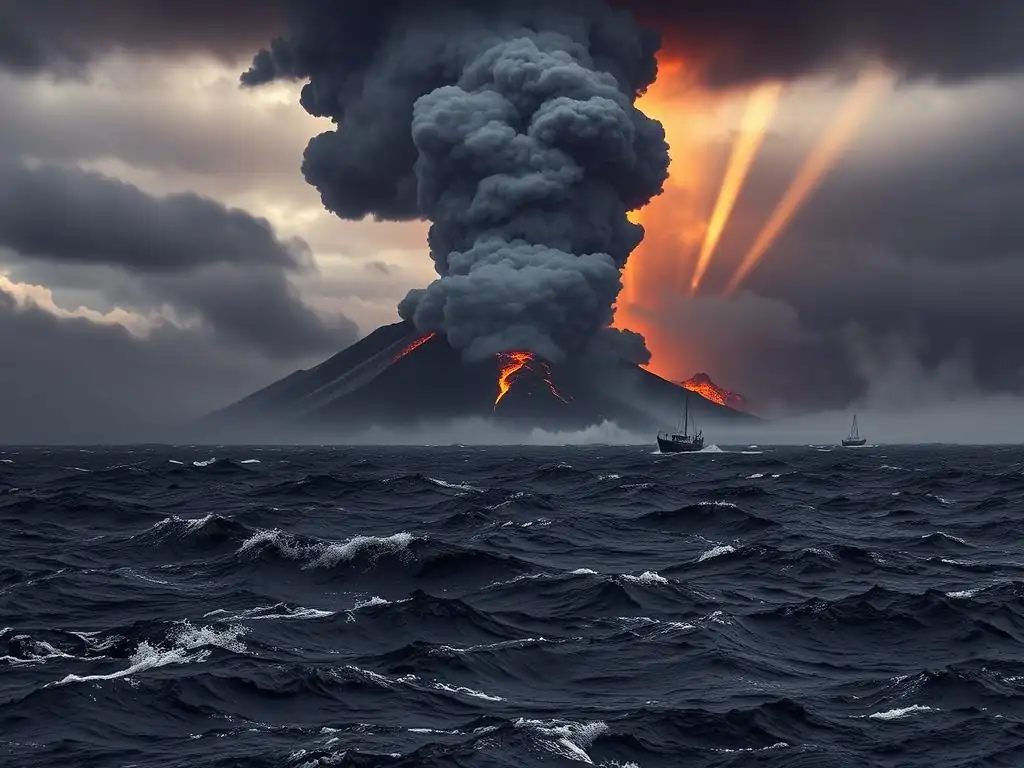
Prepare to be captivated by the raw power and hidden consequences of volcanic eruptions. Did you know a single eruption could dramatically alter ocean chemistry, with effects rippling across the globe? This article unearths the startling and often overlooked impact of the Laki eruption on ocean chemistry, a tale of unforeseen consequences that will leave you questioning the true reach of Iceland's fiery past. Dare to delve deeper and uncover the secrets hidden beneath the waves?
- Introduction: The Devastating Laki Eruption and its Global Reach
- Laki Fissure: A Brief Overview of the Eruption
- The Primary Atmospheric Effects of Laki's Eruption
- Unveiling the Laki Eruption Ocean Chemistry Effects
- How Laki's Eruption Affected Ocean Acidification
- Metal Deposition and Marine Ecosystems
- Regional Variations in Ocean Chemistry Changes
- Long-Term Consequences and Recovery
- Modern Volcanic Eruptions and Ocean Chemistry: Lessons from Laki
- Conclusion: Understanding Laki's Legacy on Ocean Chemistry
-
Frequently Asked Questions
- What was the Laki eruption, and where did it occur?
- How did the Laki eruption affect ocean chemistry?
- What were the consequences of changes in ocean chemistry caused by Laki?
- How does the Laki eruption serve as a model for understanding modern volcanic impacts?
- What are volcanologists doing to monitor and mitigate the effects of volcanic eruptions on ocean chemistry today?
- Final Reflection: The Enduring Echoes of Laki
- Unveil the Secrets of Volcanic Oceans!
Introduction: The Devastating Laki Eruption and its Global Reach
The year 1783 witnessed one of the most environmentally significant volcanic events in recorded history: the eruption of Laki in Iceland. This was not a singular volcanic peak exploding in a dramatic event, but rather a fissure eruption, a massive crack in the Earth’s crust that relentlessly spewed forth lava and volcanic gases for eight long months.
While the immediate devastation on Icelandic soil, with widespread livestock deaths and crop failures, is well-documented, the repercussions of Laki extended far beyond Iceland’s shores, impacting global weather patterns, human health across continents, and, crucially, the chemistry of the world's oceans. The sheer scale of gas release, particularly sulfur dioxide, from the Laki fissure, makes it a critical case study for understanding the profound and often unforeseen ways in which volcanic eruptions can alter global systems, including the delicate balance of ocean chemistry.
The Laki eruption serves as a stark reminder that volcanic events are not merely localized geological phenomena. Their influence can ripple across the globe, affecting atmospheric circulation, terrestrial ecosystems, and marine environments in complex and interconnected ways.
Understanding the full spectrum of Laki's impacts, including the subtle yet significant changes it induced in ocean chemistry, provides invaluable insights into the Earth's system dynamics and the potential consequences of large-scale volcanic activity in our modern world. The lessons learned from studying the Laki eruption are particularly relevant today as we face increasing concerns about climate change and the potential for future large volcanic events.
Laki Fissure: A Brief Overview of the Eruption
The Laki fissure eruption, also known as the Skaftáreldar ('Skaftá fires'), began on June 8, 1783, and continued until February 7, 1784. Located in southern Iceland, the fissure stretched for 27 kilometers and consisted of over 100 volcanic vents. Unlike typical stratovolcano eruptions characterized by explosive bursts and towering ash plumes, Laki was predominantly effusive, meaning it was characterized by the outpouring of vast quantities of basaltic lava.
Estimates suggest that around 14.7 cubic kilometers of lava were erupted, covering an area of 565 square kilometers. This massive lava flow devastated pastures and farmland in Iceland, contributing significantly to the ensuing famine.
However, the eruption's impact was not solely due to the lava. Perhaps even more impactful were the enormous volumes of volcanic gases released into the atmosphere. It is estimated that Laki emitted approximately 8 million tons of hydrogen fluoride and a staggering 120 million tons of sulfur dioxide (SO₂).
These gases were lofted high into the atmosphere, reaching altitudes where they could be transported globally by prevailing winds. The sulfur dioxide, in particular, played a critical role in the atmospheric and oceanic consequences of the eruption. This massive release of gases, sustained over eight months, is what set Laki apart and made its global effects so profound and long-lasting.
The Primary Atmospheric Effects of Laki's Eruption
The immediate and most visible consequence of the Laki eruption was the formation of a persistent, dry fog that spread across Europe and parts of Asia. This "Laki haze" was composed primarily of sulfate aerosols, formed when sulfur dioxide reacted with water vapor in the atmosphere. Contemporary accounts describe a thick, acrid haze that reduced sunlight, causing unusually hot summers and cold winters in the years following the eruption. The haze was not just a visual phenomenon; it had significant impacts on weather patterns and human health.
The sulfate aerosols reflected incoming solar radiation back into space, leading to a noticeable cooling effect in the Northern Hemisphere. While the magnitude of this cooling is debated, studies suggest a global average temperature decrease of around 0.5 to 1.0 °C in the year following the eruption. This cooling, combined with the reduced sunlight reaching the surface, contributed to crop failures across Europe.
Furthermore, the volcanic gases, particularly sulfur dioxide, reacted with moisture in the respiratory system, leading to respiratory problems and increased mortality rates. The "Laki haze" was directly linked to a significant increase in deaths across Europe during the summer and winter of 1783-84, highlighting the immediate and devastating atmospheric impact of the eruption.
Unveiling the Laki Eruption Ocean Chemistry Effects
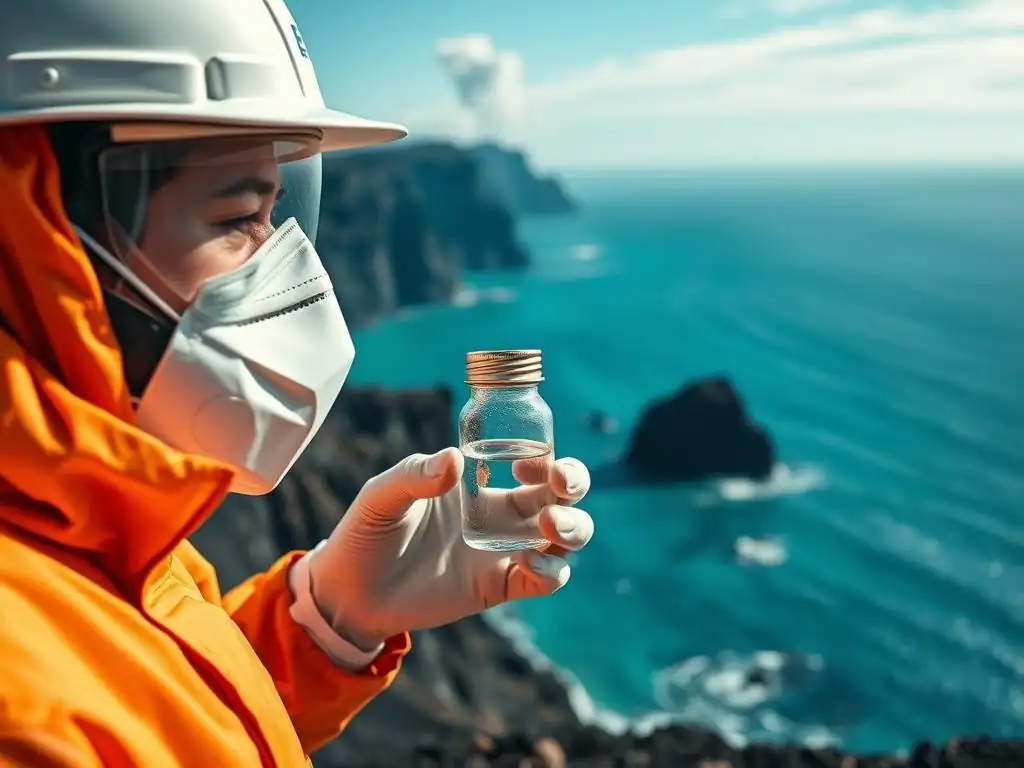
While the atmospheric impacts of the Laki eruption, such as the haze and climate cooling, are relatively well-known, the effects on ocean chemistry are a more recently explored and equally significant aspect of this event. The massive release of sulfur dioxide did not just remain in the atmosphere; a considerable portion was deposited into the ocean through both dry and wet deposition. This influx of sulfur into the marine environment had a cascade of effects, altering the delicate chemical balance of the ocean, particularly in the North Atlantic region closest to Iceland, but with potentially wider implications.
Understanding the Laki eruption ocean chemistry effects is crucial because it reveals a less obvious but equally potent way in which volcanic eruptions can impact the planet. The oceans are a vast reservoir of carbon and play a critical role in regulating global climate.
Changes in ocean chemistry, even seemingly subtle ones, can have far-reaching consequences for marine ecosystems, carbon cycling, and ultimately, the Earth's climate system. Studying the Laki eruption provides a historical analogue for understanding how large-scale volcanic gas emissions can perturb ocean chemistry and offers valuable insights into the potential impacts of future volcanic events in a world already facing ocean acidification from anthropogenic carbon dioxide emissions.
How Laki's Eruption Affected Ocean Acidification
The most significant ocean chemistry effect of the Laki eruption was likely an increase in ocean acidification, particularly in the North Atlantic. This acidification was primarily driven by the deposition of sulfur dioxide (SO₂) and its subsequent reactions in seawater. When sulfur dioxide dissolves in water, it forms sulfurous acid (H₂SO₃), which then dissociates into hydrogen ions (H⁺) and bisulfite ions (HSO₃⁻). The increase in hydrogen ions directly lowers the pH of the seawater, making it more acidic.
This process is analogous, albeit on a different timescale and with different primary drivers, to the ocean acidification we are currently experiencing due to the absorption of excess atmospheric carbon dioxide. While the current acidification is driven by CO₂, the Laki eruption demonstrated that massive releases of sulfur dioxide can also induce significant, albeit temporary, acidification events. The scale of sulfur dioxide released by Laki was immense, and a substantial fraction of this was deposited into the North Atlantic, leading to measurable changes in the pH and other chemical parameters of the ocean.
Increased Acidity in North Atlantic Waters
Evidence suggests that the Laki eruption caused a notable increase in acidity in the North Atlantic waters, particularly in the vicinity of Iceland and extending outwards. While direct measurements from the 18th century are unavailable, proxy data, such as analyses of ice cores and marine sediment records, provide insights into the changes in ocean chemistry during and after the eruption. Ice core records from Greenland, for example, show a clear spike in sulfate deposition corresponding to the Laki eruption, indicating a significant atmospheric and subsequent oceanic sulfur input in the North Atlantic region.
Furthermore, studies analyzing marine sediment cores have revealed changes in the boron isotope ratios, which are a proxy for past ocean pH. These studies suggest a discernible decrease in pH, indicating increased acidity in the North Atlantic following the Laki eruption. While the precise magnitude of pH change is still being researched, estimations based on sulfur deposition and ocean models suggest a potentially significant regional acidification event, particularly in surface waters. This increased acidity likely had consequences for marine organisms, particularly those with calcium carbonate shells and skeletons, which are vulnerable to dissolution in more acidic conditions.
Changes in Carbon Cycling
Beyond direct acidification, the Laki eruption likely also influenced ocean carbon cycling. Acidification itself can affect the solubility of calcium carbonate, a key component of marine organisms' shells and skeletons. Increased acidity can lead to the dissolution of these shells, potentially altering the balance of carbon uptake and release in the ocean. Furthermore, the eruption's impact on phytoplankton productivity, the base of the marine food web, could have indirectly affected carbon cycling.
Volcanic aerosols in the atmosphere can reduce sunlight reaching the ocean surface, potentially inhibiting phytoplankton photosynthesis and carbon uptake. Conversely, the deposition of nutrients, such as iron, associated with volcanic ash can sometimes stimulate phytoplankton growth in certain regions.
The net effect of the Laki eruption on ocean carbon cycling is complex and likely involved a combination of these factors. While the precise changes in carbon cycling are still being investigated, it is clear that a large volcanic eruption of Laki's scale can induce perturbations in the ocean's carbon system, adding another layer to the multifaceted impact of this event on ocean chemistry.
Metal Deposition and Marine Ecosystems
In addition to sulfur dioxide, volcanic eruptions release a variety of trace metals, including iron, aluminum, and heavy metals. The Laki eruption was no exception, and significant quantities of metals were deposited into the North Atlantic, both directly from the eruption plume and through atmospheric deposition of volcanic ash and aerosols. This metal deposition had the potential to impact marine ecosystems in various ways, both positive and negative.
Iron, in particular, is a crucial micronutrient for phytoplankton growth in many ocean regions, especially in high-nutrient, low-chlorophyll (HNLC) areas. The deposition of iron from volcanic eruptions can act as a natural fertilization event, stimulating phytoplankton blooms and increasing primary productivity. However, the deposition of other metals, especially heavy metals like mercury or arsenic, can be toxic to marine organisms, particularly in high concentrations.
The balance between beneficial fertilization and harmful toxicity depends on the specific metals released, their concentrations, and the sensitivity of the marine ecosystem. Studies investigating sediment records from the Laki period are ongoing to better understand the specific metal deposition patterns and their ecological consequences in the North Atlantic.
Regional Variations in Ocean Chemistry Changes
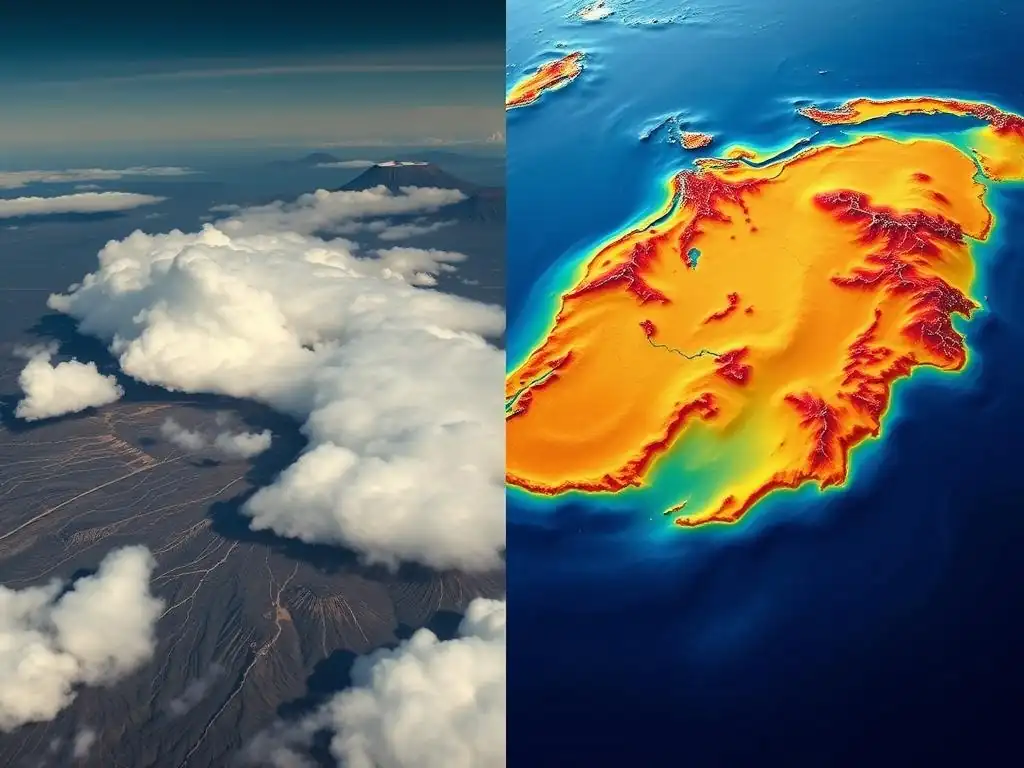
The ocean chemistry changes induced by the Laki eruption were not uniform across the globe. The most pronounced effects were likely concentrated in the North Atlantic, the region closest to the source of the eruption and the primary area of sulfur and metal deposition. The intensity of acidification and the magnitude of metal deposition would have decreased with distance from Iceland. Ocean currents and atmospheric circulation patterns would have played a significant role in distributing the volcanic emissions and influencing the spatial extent of ocean chemistry changes.
For example, regions downwind of Iceland, such as Scandinavia and parts of Western Europe, would have received higher deposition of volcanic aerosols and gases, potentially leading to more pronounced acidification in coastal waters. Conversely, regions further away, while still experiencing some atmospheric effects, would have seen less direct deposition and potentially weaker ocean chemistry responses.
Understanding these regional variations is crucial for fully assessing the global impact of the Laki eruption on ocean chemistry and for predicting the potential spatial distribution of oceanographic effects from future large volcanic events. Further research is needed to map out the spatial patterns of Laki's ocean chemistry effects with greater precision.
Long-Term Consequences and Recovery
While the immediate ocean chemistry changes from the Laki eruption, such as increased acidification, were likely significant, the ocean is a vast and resilient system with natural buffering capacities. Over time, the excess acidity would have been neutralized through various chemical and biological processes. For instance, the dissolution of calcium carbonate sediments on the seafloor can act as a buffer, consuming hydrogen ions and raising the pH. Biological processes, such as phytoplankton uptake of dissolved inorganic carbon, also play a role in regulating ocean pH over longer timescales.
It is estimated that the ocean chemistry perturbations caused by the Laki eruption were relatively short-lived, lasting perhaps a few years to a decade. The exact recovery timeline is still being investigated, but the ocean's natural buffering mechanisms would have gradually restored the pre-eruption chemical balance. However, even short-term changes in ocean chemistry can have lasting impacts on marine ecosystems.
For example, if a period of increased acidity coincides with a critical life stage for certain marine species, it could lead to population declines or shifts in species composition. Understanding the long-term ecological consequences of the Laki eruption's ocean chemistry changes requires further research into marine ecosystem responses and recovery patterns.
Modern Volcanic Eruptions and Ocean Chemistry: Lessons from Laki
The Laki eruption provides a valuable historical case study for understanding the potential ocean chemistry impacts of modern volcanic eruptions. While the scale of Laki was exceptional, it serves as a reminder that large volcanic events can release massive quantities of gases and aerosols that can significantly perturb ocean chemistry on a regional and potentially global scale. In our current era of increasing anthropogenic ocean acidification, understanding the additional stress that volcanic eruptions can impose on marine environments is particularly important.
Modern volcanic eruptions, even those smaller than Laki, can still release substantial amounts of sulfur dioxide and other gases. For example, the 2010 Eyjafjallajökull eruption in Iceland, while primarily known for its air travel disruptions, also released significant amounts of volcanic gases into the North Atlantic region.
While the ocean chemistry effects of Eyjafjallajökull were likely less pronounced than Laki due to the shorter duration and smaller scale of gas emissions, it still highlights the ongoing potential for volcanic eruptions to influence ocean chemistry. Studying the Laki eruption helps us to better assess the potential risks and prepare for the ocean chemistry consequences of future volcanic events in a changing climate.
Conclusion: Understanding Laki's Legacy on Ocean Chemistry
The Laki eruption of 1783-84 was a pivotal event in Earth's history, not just for its immediate devastation in Iceland and its atmospheric impacts across the Northern Hemisphere, but also for its profound, though less immediately obvious, effects on ocean chemistry. The massive release of sulfur dioxide and other volcanic gases led to a significant, albeit temporary, increase in ocean acidification in the North Atlantic, along with alterations in carbon cycling and metal deposition patterns.
While the ocean eventually recovered, the Laki eruption serves as a stark reminder of the interconnectedness of Earth's systems and the far-reaching consequences of large-scale volcanic events.
The study of Laki's impact on ocean chemistry is crucial for several reasons. Firstly, it provides a historical analogue for understanding how volcanic eruptions can influence ocean chemistry, a topic that is increasingly relevant in the context of modern ocean acidification.
Secondly, it highlights the importance of considering the full spectrum of volcanic impacts, beyond just atmospheric effects, to fully assess the environmental consequences of these natural disasters. Finally, understanding Laki's legacy on ocean chemistry underscores the need for continued research and monitoring of both volcanic activity and ocean health to better predict and mitigate the potential impacts of future volcanic eruptions on our planet's delicate marine ecosystems.
Frequently Asked Questions
What was the Laki eruption, and where did it occur?
The Laki eruption was a massive volcanic fissure eruption that occurred in Iceland in 1783-1784. It released an enormous amount of sulfur dioxide and other gases.
How did the Laki eruption affect ocean chemistry?
The eruption’s sulfur dioxide reacted in the atmosphere to form acid rain that fell into the ocean. This caused a temporary but significant decrease in the ocean's pH levels, leading to ocean acidification.
What were the consequences of changes in ocean chemistry caused by Laki?
The increased acidity negatively impacted marine life, particularly shellfish and plankton. This disruption rippled through the food chain, affecting fish populations and ultimately impacting human communities dependent on fishing.
How does the Laki eruption serve as a model for understanding modern volcanic impacts?
The Laki eruption provides valuable insights into the potential consequences of large-scale volcanic eruptions on the global climate and ocean ecosystems. Studying Laki helps us understand and predict similar impacts from future eruptions.
What are volcanologists doing to monitor and mitigate the effects of volcanic eruptions on ocean chemistry today?
Volcanologists are using advanced techniques to monitor volcanic gas emissions and model their impact on the atmosphere and ocean. This helps in developing strategies to mitigate potential environmental damage from future eruptions.
Final Reflection: The Enduring Echoes of Laki
The eruption of Laki in 1783 wasn't just a volcanic event; it was a planetary experiment, the results of which are still being analyzed today. The profound and far-reaching impact of Laki on ocean chemistry serves as a stark reminder of the interconnectedness of Earth's systems and the potential for even seemingly localized events to trigger global consequences. Understanding these consequences is not just an academic exercise; it's crucial for predicting and mitigating the effects of future volcanic eruptions and other large-scale environmental disturbances.
The legacy of Laki continues to shape our understanding of climate change and ocean acidification. The sheer scale of the eruption, and its documented effects on marine life and atmospheric conditions, underscores the fragility of our planet and the importance of responsible stewardship. The past is never dead. It's not even past.
- William Faulkner. This quote resonates deeply when considering Laki; its effects, though centuries old, continue to inform our present and shape our future.
As we grapple with the challenges of a changing climate, let us remember the lessons of Laki. Consider how seemingly isolated events can have cascading effects across the globe. Reflect on your own role in this interconnected web and ask yourself: what actions can you take, however small, to contribute to a more sustainable and resilient future? The echoes of Laki serve as a powerful call to action, urging us to protect the delicate balance of our planet for generations to come.
Unveil the Secrets of Volcanic Oceans!
Thanks for exploring the fascinating impact of Laki's eruption on ocean chemistry. You've discovered how volcanoes dramatically reshape our planet; now, let's expand your knowledge!
Here's how you can get involved:
- Become a Citizen Scientist: Contribute to our understanding of ocean acidification near volcanic regions by researching publicly available data and helping refine predictive models.
- Share this article to spread awareness of volcanoes' profound impact on global ecosystems.
- Explore our archive for more articles on volcanically active regions and related topics like hydrothermal vents and their unique ecosystems.
What surprised you most about Laki's impact, and how might this change your perspective on ocean conservation? Share your thoughts in the comments below!