
Laki's Eruption and Social Unrest: How Climate Change Can Fuel Conflict

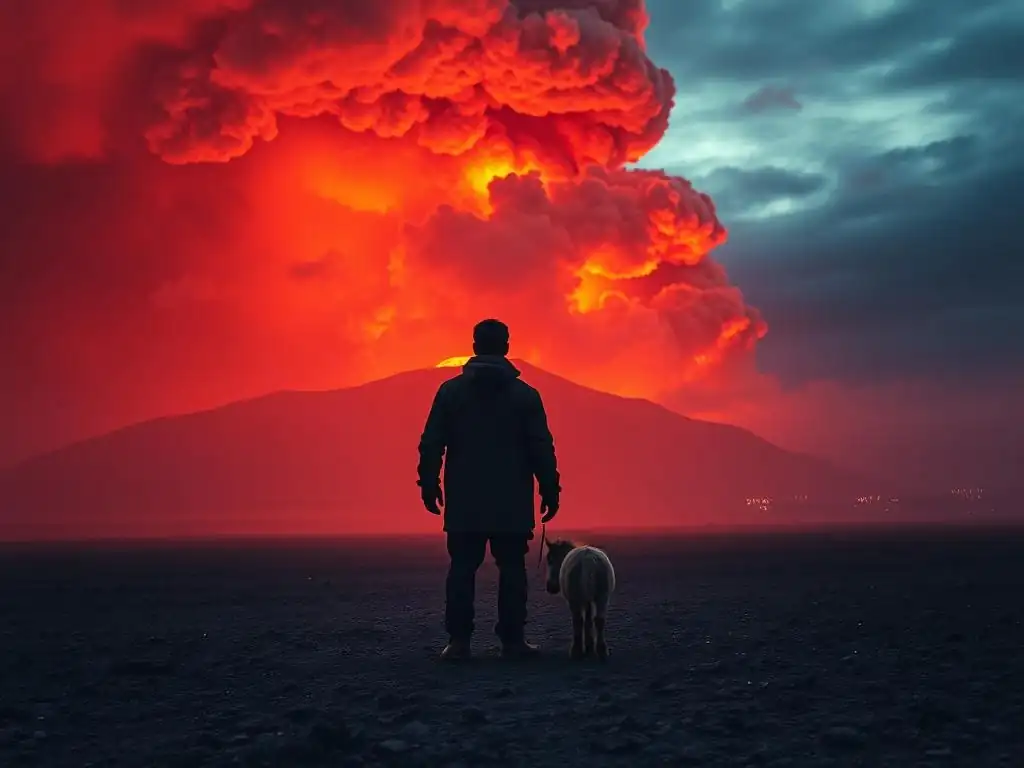
Welcome to Volcano Explorers, where the Earth's raw power meets human curiosity. Ever wondered how a volcanic eruption could trigger societal collapse? Dive into our exploration of Laki's eruption and social unrest, and discover the chilling connection between climate change and volcanic eruptions. Uncover the secrets of this devastating event and its lasting impact, and ask yourself: are we truly prepared for the next big eruption?
- Introduction: The Chilling Parallels Between Laki and Modern Climate Change
- I. Historical Eruptions: Setting the Stage for Disaster
- II. Laki Fissure and Climate Impact
- III. Social and Economic Fallout of Laki
- IV. Climate Change and Volcanic Eruptions: A Dangerous Combination
- V. Lessons from Laki: Addressing Climate Change and Building Resilience
- VI. Climate Change and Volcanism: Future Research and Monitoring
- Conclusion: Learning from the Past to Secure the Future Against Climate Change and Volcanic Eruptions
-
Frequently Asked Questions
- What is the main argument of the "Laki's Eruption and Social Unrest" article?
- How did the Laki eruption specifically contribute to social unrest, according to the article?
- How does climate change connect to the impact of volcanic eruptions, as presented in the article?
- What types of information does VolcanoExplorers.org provide to people living near active volcanoes?
- Besides the science of volcanoes, what other aspects of volcanoes does VolcanoExplorers.org explore?
- Final Reflection: The Echoes of Laki in a Warming World
- Unearth the Lessons of Laki: Prepare for Tomorrow
Introduction: The Chilling Parallels Between Laki and Modern Climate Change
The year 1783 witnessed one of the most consequential volcanic eruptions in recorded history: the eruption of Laki in Iceland. This event, far from being a localized Icelandic tragedy, unleashed a chain of environmental and societal disruptions that rippled across the globe.
The massive outpouring of volcanic gases didn't just darken skies and contaminate pastures; it triggered climate anomalies across the Northern Hemisphere, leading to crop failures, famine, and widespread social unrest. Examining the Laki eruption through a modern lens offers chilling parallels to our current climate crisis.
Just as Laki’s volcanic emissions drastically altered the climate of its time, human-induced greenhouse gas emissions are now reshaping our planet's climate at an unprecedented rate. Understanding the cascading impacts of Laki provides crucial insights into how climate change, exacerbated by natural disasters such as volcanic eruptions, can ignite social instability and conflict, a lesson profoundly relevant for our increasingly interconnected and vulnerable world.
I. Historical Eruptions: Setting the Stage for Disaster
Laki's Eruption: A Catastrophe Unfolds in Iceland
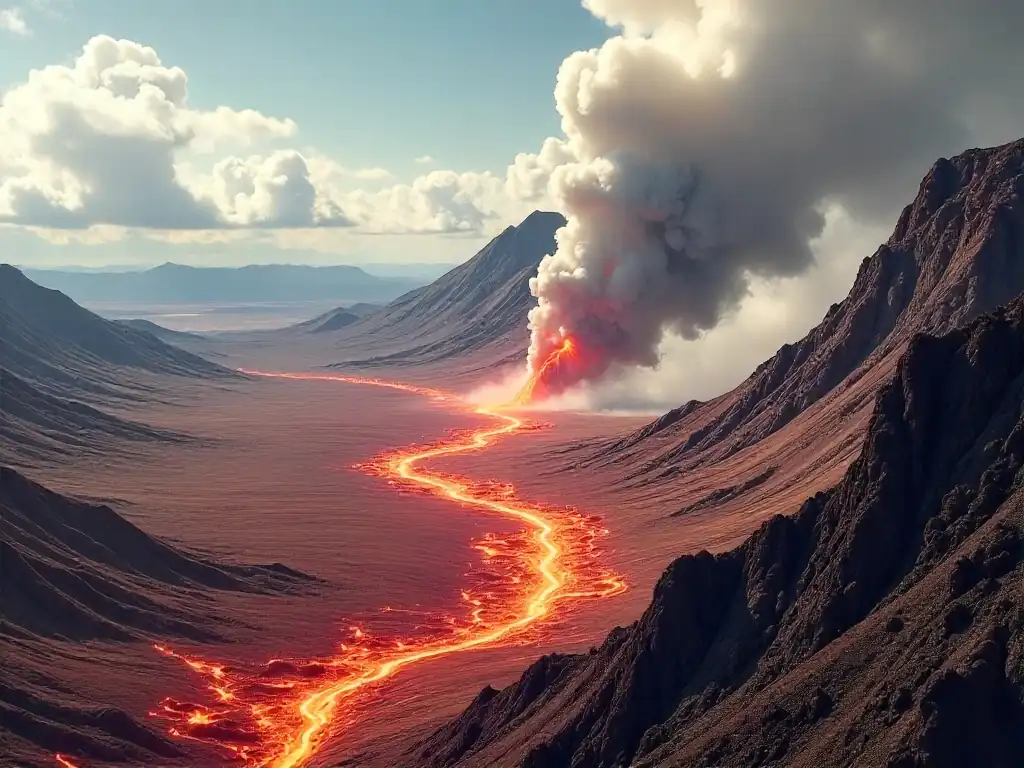
In June 1783, Iceland was plunged into chaos as a fissure eruption began at the Laki volcanic system in the south of the island. This was not a single, explosive volcanic event, but rather a sustained outpouring of lava and volcanic gases from a 27-kilometer-long fissure over an eight-month period. The eruption was characterized by fire fountains and basalt lava flows that devastated pastures and farmland, but the most insidious and far-reaching impact came from the immense volume of volcanic gases released, particularly sulfur dioxide.
It is estimated that Laki released approximately 120 million kilograms of sulfur dioxide daily, far exceeding the annual industrial emissions of Europe in the late 18th century. This colossal release transformed the Icelandic landscape into a toxic wasteland, poisoning the land, water, and air, setting the stage for a profound societal crisis.
The immediate consequences in Iceland were devastating. The volcanic fog, locally known as "mist hardship" or móðuharðindin, blanketed the island, obscuring the sun and choking vegetation. Acid rain, formed from the sulfur dioxide reacting with atmospheric moisture, contaminated water sources and further damaged crops and grazing lands. The toxic fumes caused respiratory problems in humans and animals alike.
Eyewitness accounts from the time describe a pervasive acrid smell and a thick haze that lingered for months. The eruption continued until February 1784, leaving behind a scarred landscape and a population facing the grim realities of environmental catastrophe. The sheer scale and duration of the Laki eruption made it one of the most impactful natural disasters in Icelandic history, and its repercussions extended far beyond the island's shores.
The Global Reach of Laki: Beyond Icelandic Borders
While the eruption physically occurred in Iceland, its atmospheric impact was global. The massive sulfur dioxide plume from Laki ascended into the upper troposphere and stratosphere, where it was transported by prevailing winds across the Northern Hemisphere. This volcanic cloud, described in contemporary accounts as a "dry fog," was observed across Europe and even parts of Asia.
In many regions, the summer of 1783 was unusually hot, followed by a harsh winter. Contemporary records from across Europe detail hazy skies, reduced sunlight, and unusual weather phenomena. For instance, in parts of Europe, the sun appeared blood-red, and sunsets were unusually vivid due to the scattering of light by the volcanic aerosols.
The global reach of Laki was not merely a matter of atmospheric phenomena; it had tangible consequences for weather patterns and climate. The volcanic aerosols, tiny particles formed from sulfur dioxide reacting with water vapor, reflected incoming solar radiation back into space, leading to a cooling effect. While the summer of 1783 was initially hot in some regions, the overall effect of Laki was a significant disruption to the climate system.
This disruption manifested in altered atmospheric circulation patterns, leading to shifts in jet streams and changes in precipitation. The global dispersal of Laki’s volcanic plume demonstrated the interconnectedness of the Earth's atmosphere and the potential for a localized event to trigger widespread environmental and, consequently, societal impacts far beyond its origin.
II. Laki Fissure and Climate Impact
The Science Behind Laki's Climate Forcing
Laki's profound climate impact stemmed primarily from the massive release of sulfur dioxide (SO2). Volcanic eruptions, particularly those rich in sulfur, can inject large quantities of SO2 into the stratosphere, a layer of the atmosphere above the troposphere. Once in the stratosphere, SO2 undergoes chemical reactions, primarily with water vapor and hydroxyl radicals, to form sulfate aerosols.
These aerosols are microscopic particles that can persist in the stratosphere for months to years, effectively creating a veil around the Earth. This veil reflects a portion of incoming solar radiation back into space, reducing the amount of sunlight reaching the Earth's surface. This process is known as volcanic forcing, a natural mechanism that can temporarily cool the planet.
The effectiveness of volcanic forcing in altering climate depends on several factors, including the amount of SO2 injected, the altitude to which it is injected, and the latitude of the eruption. Laki was particularly potent due to the sheer volume of SO2 released and the high latitude of Iceland. Eruptions at higher latitudes tend to have a greater global cooling effect because aerosols are more effectively distributed across the globe.
Furthermore, the extended duration of the Laki eruption, lasting for eight months, ensured a sustained influx of SO2 into the stratosphere, prolonging the climate forcing effect. The scientific understanding of volcanic forcing, although still developing in the 18th century, now clearly elucidates why Laki had such a significant and widespread impact on global climate and, consequently, on human societies.
Sulfur Dioxide and the Formation of Volcanic Aerosols
The journey of sulfur dioxide from volcanic emission to climate-altering aerosol is a complex atmospheric process. Upon release from the Laki fissure, the hot volcanic gases, including SO2, ascended rapidly into the atmosphere due to their buoyancy. Reaching the stratosphere, where temperatures are significantly colder and the air is drier, the SO2 began to react. The primary reaction pathway involves oxidation, where SO2 reacts with hydroxyl radicals (OH) to form sulfuric acid (H2SO4). This sulfuric acid then condenses with water vapor to form sulfate aerosols, primarily composed of sulfuric acid and water.
These volcanic aerosols are incredibly small, typically in the sub-micrometer size range, which allows them to remain suspended in the stratosphere for extended periods. Their size and chemical composition are crucial for their radiative properties. Sulfate aerosols efficiently scatter incoming solar radiation, reflecting it back into space.
This scattering effect reduces the amount of solar energy absorbed by the Earth's surface and atmosphere, leading to a cooling effect. The lifetime of these aerosols in the stratosphere is typically on the order of one to two years, as they are gradually removed by gravitational settling and atmospheric circulation processes that transport them back into the troposphere, where they are washed out by precipitation. The formation and persistence of these volcanic aerosols are the key mechanisms through which eruptions like Laki exert their influence on global climate.
Laki's Impact on Global Temperatures and Weather Patterns
The climate forcing from Laki's volcanic aerosols resulted in detectable changes in global temperatures and weather patterns. While precise global temperature records from the 18th century are limited, proxy data, such as tree rings, ice cores, and historical weather diaries, provide valuable insights. Analysis of these proxies suggests that the Northern Hemisphere experienced a significant cooling following the Laki eruption.
Estimates vary, but the average Northern Hemisphere cooling is believed to have been in the range of 0.5 to 1 degree Celsius in the year following the eruption. This cooling, while seemingly small, was substantial in the context of pre-industrial climate variability and had significant downstream impacts on weather patterns.
Beyond average temperature changes, Laki's aerosols disrupted atmospheric circulation, leading to altered weather patterns across the Northern Hemisphere. Studies have linked the eruption to changes in the jet stream, a high-altitude air current that influences weather systems. These shifts in the jet stream are thought to have contributed to unusual weather events in various regions, including altered monsoon patterns in Asia and changes in storm tracks across the North Atlantic.
In Europe, the summer of 1783 was unusually hot in some areas initially, but was followed by a notably harsh winter in 1783-1784. The cooling effect of Laki and the associated changes in weather patterns had profound consequences for agriculture and society, setting the stage for widespread hardship and unrest, particularly in regions already vulnerable to climate variability.
Crop Failures and Famine: The Immediate Consequences
The most immediate and devastating consequence of Laki's eruption was the widespread crop failures across Iceland and parts of Europe. In Iceland, the volcanic fog and acid rain directly damaged crops and poisoned grazing lands. Hay yields, crucial for winter livestock feed, plummeted drastically. Contemporary accounts describe fields withered and blackened, and the air thick with a sulfurous stench. The poisoning of pastures also led to the accumulation of fluorine in the vegetation, which was toxic to grazing animals. This led to "fluorosis," a debilitating condition in livestock that caused bone weakening and death.
Beyond Iceland, the altered weather patterns and reduced sunlight across Europe also contributed to crop failures. The unusually hot summer in some regions was followed by a severe winter, disrupting agricultural cycles. Grain harvests in many parts of Europe were significantly reduced in 1783 and subsequent years.
France, for example, experienced poor harvests, contributing to food shortages and rising prices. These widespread crop failures triggered food scarcity and famine in several regions, exacerbating existing social and economic vulnerabilities and setting the stage for social unrest. The direct link between Laki's eruption and agricultural devastation highlights the vulnerability of pre-industrial societies to climate shocks and the critical role of stable food supplies in maintaining social order.
Livestock Losses and Economic Devastation in Iceland
In Iceland, the impact on livestock was catastrophic, far exceeding the damage to crops. Fluorosis, caused by grazing on fluorine-contaminated pastures, decimated sheep and cattle populations. It is estimated that over 80% of sheep, 50% of cattle, and 50% of horses in Iceland perished due to the eruption's direct and indirect effects. This livestock mortality was not just an agricultural loss; it was a societal and economic catastrophe. Livestock were the backbone of the Icelandic economy, providing food, wool, hides, and transportation. The loss of such a significant proportion of livestock crippled the Icelandic economy for years to come.
The economic devastation extended beyond agriculture. Fishing, another crucial sector of the Icelandic economy, was also affected, although the exact mechanisms are less clear. Some historians suggest that the volcanic fog and altered ocean conditions may have impacted fish stocks or fishing activities. Trade and commerce were disrupted, and the overall economic fabric of Iceland was torn apart. The Laki eruption plunged Iceland into a deep economic depression, exacerbating poverty and social inequalities. This economic devastation was a key factor contributing to the subsequent social unrest and political tensions in Iceland.
The social and economic hardships caused by Laki culminated in significant social unrest in Iceland, known as the "Mist Hardship" or Móðuharðindin famine. The famine, combined with widespread disease and economic collapse, led to a dramatic population decline. It is estimated that approximately 20-25% of the Icelandic population perished in the years following the eruption, primarily due to famine and disease exacerbated by malnutrition. This demographic catastrophe further weakened Icelandic society.
The social unrest manifested in various forms, including increased crime, begging, and social tensions. The crisis also exposed and amplified existing political grievances against Danish rule. Iceland was then under Danish sovereignty, and the Danish government's response to the crisis was widely perceived as inadequate and indifferent by Icelanders.
This perceived neglect fueled resentment and contributed to a growing sense of Icelandic national identity and calls for greater autonomy. While not a direct revolution, the Laki eruption and its aftermath significantly weakened Danish authority in Iceland and contributed to the long-term struggle for Icelandic independence.
The "Mist Hardship" serves as a stark reminder of how environmental disasters can trigger social unrest and political instability, particularly when coupled with existing social inequalities and perceived government inaction. The Danish response, or lack thereof, became known as the "Sitra" (meaning "the hardship" or "the difficulty"), highlighting the prolonged suffering and the perceived inadequacy of external aid.
IV. Climate Change and Volcanic Eruptions: A Dangerous Combination
How Climate Change Exacerbates the Impacts of Volcanic Eruptions
While volcanic eruptions are natural events, climate change can significantly exacerbate their impacts, creating a more dangerous combination. Firstly, climate change is altering weather patterns and increasing the frequency and intensity of extreme weather events. This means that when a volcanic eruption occurs, it is happening against a backdrop of already stressed environmental and social systems. For example, regions already experiencing drought or heatwaves due to climate change may be even more vulnerable to the impacts of volcanic ashfall or altered precipitation patterns following an eruption.
Secondly, climate change is contributing to the melting of glaciers and ice sheets in volcanic regions, such as Iceland. This glacial melting can increase the likelihood of jökulhlaups, glacial outburst floods, during volcanic eruptions. When magma interacts with ice, it can cause rapid melting and trigger massive floods that can devastate infrastructure and communities downstream.
Furthermore, changes in sea level rise due to climate change can amplify the impacts of coastal volcanic eruptions, potentially increasing the risk of inundation and saltwater intrusion into coastal aquifers. The interplay between climate change and volcanic eruptions creates a multiplier effect, where the impacts of both phenomena are amplified, leading to more severe and complex disasters.
The combination of climate change and volcanic eruptions has the potential to increase social instability and conflict, mirroring the lessons learned from Laki. Climate change is already recognized as a "threat multiplier," exacerbating existing social, economic, and political stresses. Volcanic eruptions, superimposed on this already complex landscape, can further destabilize societies, particularly those that are already vulnerable. Food insecurity, water scarcity, displacement, and economic disruption, all potential consequences of both climate change and volcanic eruptions, can fuel social unrest, migration, and even violent conflict.
Regions that are heavily reliant on agriculture or natural resources are particularly vulnerable. Crop failures and livestock losses due to volcanic eruptions, compounded by climate change-related stresses like droughts or floods, can trigger widespread famine and economic hardship. Competition for scarce resources, such as food and water, can intensify social tensions and potentially lead to conflict.
Furthermore, displacement caused by volcanic hazards or climate change impacts can strain resources in receiving areas and create social friction between displaced populations and host communities. Understanding the interplay between climate change, volcanic eruptions, and social vulnerability is crucial for developing strategies to mitigate risks and build resilience in vulnerable regions.
The Interplay Between Natural Disasters and Human Vulnerability
The Laki eruption and its aftermath vividly illustrate the interplay between natural disasters and human vulnerability. While the eruption was a natural event, its devastating societal impacts were shaped by pre-existing vulnerabilities in Icelandic society, including its dependence on subsistence agriculture, limited infrastructure, and political subjugation to Denmark. Human vulnerability is not solely determined by the magnitude of a natural hazard; it is also shaped by social, economic, political, and environmental factors.
Climate change is increasing human vulnerability to a range of natural disasters, including volcanic eruptions. Factors such as poverty, inequality, weak governance, environmental degradation, and lack of access to resources all contribute to vulnerability. Climate change is exacerbating many of these vulnerabilities, making communities more susceptible to the impacts of natural hazards.
Addressing human vulnerability requires a holistic approach that considers not only the physical hazards themselves but also the underlying social, economic, and political factors that shape resilience. Building resilient societies requires investing in sustainable development, strengthening governance, reducing inequality, and promoting social inclusion. Learning from historical events like the Laki eruption provides valuable lessons for building resilience to both natural disasters and the escalating challenges of climate change.
V. Lessons from Laki: Addressing Climate Change and Building Resilience
Preparing for the Future: Mitigating the Risks of Volcanic Eruptions in a Changing Climate
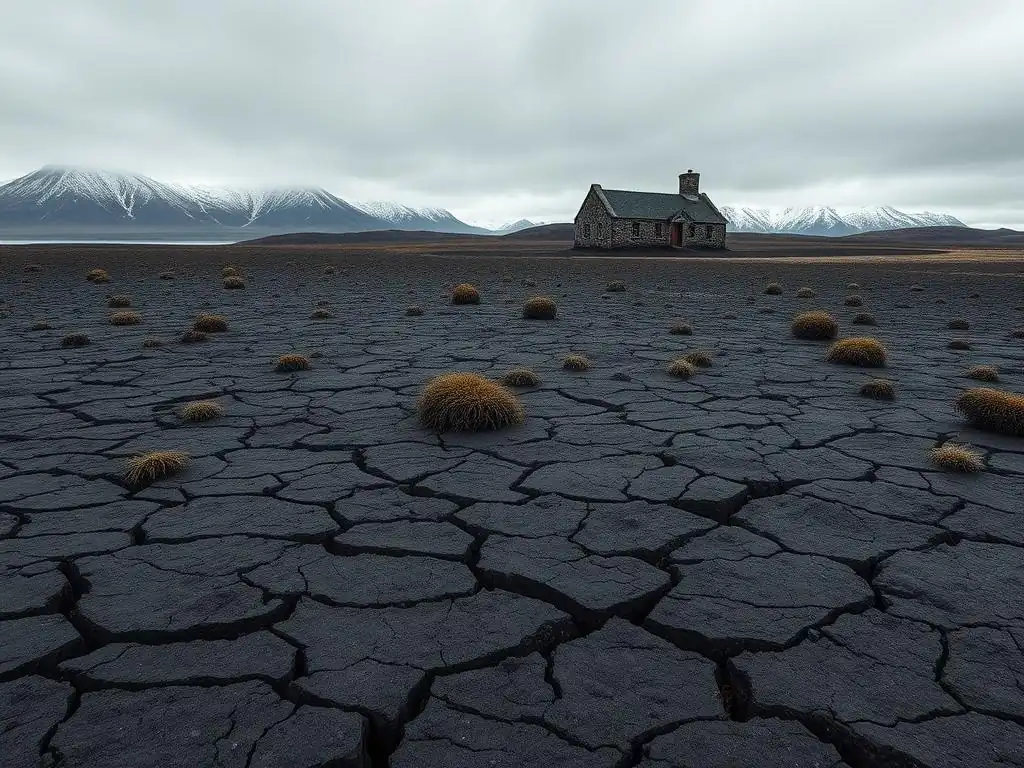
The Laki eruption offers crucial lessons for preparing for future volcanic eruptions in a world grappling with climate change. Mitigation efforts must focus on reducing both the impacts of volcanic eruptions and the underlying vulnerabilities exacerbated by climate change. This includes investing in robust monitoring systems to provide early warnings of volcanic activity, allowing for timely evacuations and preparedness measures. Enhanced infrastructure, such as stronger buildings and resilient transportation networks, can reduce the physical damage from volcanic hazards like ashfall and lahars (volcanic mudflows).
Furthermore, diversifying agricultural practices and food sources can reduce vulnerability to crop failures caused by volcanic eruptions or climate change-related weather extremes. Developing drought-resistant crops and improving water management strategies are essential in regions prone to water scarcity.
Investing in public health infrastructure and strengthening healthcare systems can enhance the capacity to respond to health crises that may arise after volcanic eruptions, such as respiratory illnesses caused by volcanic ash or waterborne diseases due to contaminated water sources. A comprehensive approach to risk mitigation requires integrating disaster preparedness into development planning and building resilience at the community, national, and international levels.
Strengthening Food Security and Infrastructure in Vulnerable Regions
Strengthening food security and infrastructure in vulnerable regions is paramount for building resilience to both volcanic eruptions and climate change. Improving agricultural practices, promoting sustainable land management, and diversifying food sources are crucial for enhancing food security. Investing in irrigation systems, drought-resistant crops, and climate-smart agriculture can reduce vulnerability to climate-related crop failures. Establishing food reserves and early warning systems for food shortages can help mitigate the impacts of food crises following volcanic eruptions or other disasters.
Investing in resilient infrastructure is equally important. This includes building stronger transportation networks, communication systems, and energy infrastructure that can withstand volcanic hazards and climate change impacts. Developing robust water and sanitation systems is essential for ensuring access to clean water and preventing disease outbreaks. Investing in green infrastructure, such as protecting and restoring natural ecosystems, can also enhance resilience by providing natural buffers against hazards like floods and landslides. Strengthening infrastructure and food security requires long-term investments, international cooperation, and a commitment to sustainable development in vulnerable regions.
The Importance of International Cooperation and Disaster Preparedness
International cooperation and disaster preparedness are essential for effectively addressing the risks posed by volcanic eruptions and climate change. Volcanic eruptions, like climate change, are global challenges that require coordinated international action. Sharing scientific knowledge, monitoring data, and best practices for disaster preparedness is crucial. International aid and humanitarian assistance are often necessary to support affected countries in the aftermath of major volcanic eruptions or climate-related disasters.
Establishing international frameworks for disaster risk reduction and climate change adaptation is essential for fostering cooperation and ensuring that vulnerable countries receive the support they need. This includes providing financial and technical assistance, capacity building, and technology transfer. Promoting early warning systems, enhancing disaster preparedness planning, and conducting joint exercises can improve the effectiveness of disaster response. International cooperation is not just a matter of altruism; it is a matter of shared security and collective well-being in an increasingly interconnected world facing complex environmental challenges like volcanic eruptions and climate change.
VI. Climate Change and Volcanism: Future Research and Monitoring
Understanding the Complex Relationship Between Volcanic Eruptions and Global Climate
Future research is crucial for deepening our understanding of the complex relationship between volcanic eruptions and global climate. While we know that large volcanic eruptions can cause temporary cooling, the precise mechanisms and long-term impacts are still being investigated. Research is needed to better quantify the climate forcing of different types of volcanic eruptions, considering factors such as the composition and altitude of volcanic plumes, the latitude of eruptions, and the background climate state.
Understanding the feedback mechanisms between volcanic eruptions and the climate system is also critical. For example, how do volcanic aerosols interact with clouds and precipitation patterns? How do volcanic eruptions affect ocean circulation and carbon cycling? Investigating these complex interactions requires interdisciplinary research involving volcanology, atmospheric science, oceanography, and climate modeling. Improving our understanding of these relationships is essential for more accurately predicting the climate impacts of future volcanic eruptions and for refining climate models to better incorporate natural climate variability.
The Role of Volcanology in Climate Change Research
Volcanology plays a critical role in climate change research. Volcanologists provide essential data on volcanic emissions, eruption dynamics, and past volcanic activity, which are crucial for understanding the role of volcanoes in the Earth's climate system. Volcanic records preserved in ice cores, sediments, and rocks provide valuable insights into past volcanic eruptions and their climate impacts, helping to reconstruct past climate variability and improve our understanding of natural climate forcing.
Volcanologists also contribute to monitoring active volcanoes and assessing volcanic hazards, which is essential for disaster preparedness and risk reduction in volcanic regions. Developing improved techniques for monitoring volcanic activity, forecasting eruptions, and assessing the potential climate impacts of future eruptions are crucial areas of volcanological research. Collaboration between volcanologists and climate scientists is essential for advancing our understanding of the complex interplay between volcanism and climate change and for informing effective strategies for climate change adaptation and disaster risk reduction.
Monitoring Volcanic Activity and Assessing Potential Climate Impacts
Continuous monitoring of volcanic activity is essential for assessing potential climate impacts and providing early warnings of eruptions that could have global consequences. Global networks of seismic stations, satellite-based remote sensing, and ground-based monitoring instruments are used to track volcanic activity worldwide. These monitoring systems provide real-time data on volcanic unrest, gas emissions, and ground deformation, allowing volcanologists to detect changes in volcanic activity and assess the likelihood of eruptions.
Improving the accuracy and timeliness of volcanic eruption forecasts is a critical goal. Developing more sophisticated models of volcanic processes and integrating diverse monitoring data can enhance our ability to predict eruptions and provide timely warnings to communities at risk. Furthermore, assessing the potential climate impacts of future eruptions requires developing better models of volcanic plume dispersal, aerosol formation, and climate forcing. Investing in volcanic monitoring and research is crucial for mitigating the risks posed by volcanic eruptions and for understanding their role in the Earth's climate system.
Conclusion: Learning from the Past to Secure the Future Against Climate Change and Volcanic Eruptions
The Laki eruption of 1783 serves as a stark historical case study of how volcanic eruptions can trigger climate change and lead to profound social and economic upheaval. Its global reach, devastating impacts on agriculture and societies, and the resulting social unrest underscore the interconnectedness of natural disasters, climate, and human vulnerability.
In our contemporary world, facing the escalating challenges of human-induced climate change, the lessons from Laki are more relevant than ever. As climate change intensifies, it is crucial to recognize that natural hazards, such as volcanic eruptions, can be amplified by a changing climate, potentially exacerbating social instability and conflict.
By learning from the past, particularly the Laki catastrophe, we can better prepare for the future. Strengthening disaster preparedness, investing in resilient infrastructure and food systems, promoting international cooperation, and deepening our scientific understanding of the interplay between volcanism and climate change are essential steps.
Addressing climate change itself is paramount, as it not only poses direct threats but also amplifies the risks associated with natural hazards. Securing a sustainable and resilient future requires a holistic approach that integrates climate change mitigation and adaptation with disaster risk reduction, ensuring that we are better equipped to face both the challenges of a changing climate and the enduring power of natural events like volcanic eruptions.
Frequently Asked Questions
The article argues that volcanic eruptions, like Laki's, can exacerbate existing climate vulnerabilities, leading to social unrest and conflict, particularly when combined with climate change impacts.
The Laki eruption caused widespread crop failures and livestock deaths due to toxic gases and ash, leading to famine and economic hardship in Iceland and beyond. This contributed to social unrest and political instability.
How does climate change connect to the impact of volcanic eruptions, as presented in the article?
Climate change can amplify the effects of volcanic eruptions by weakening existing social and economic systems. This makes communities more vulnerable to the disruptions caused by volcanic events, potentially fueling conflict.
What types of information does VolcanoExplorers.org provide to people living near active volcanoes?
VolcanoExplorers.org offers safety guides, evacuation tips, and real-time updates on volcanic activity to help those living near active volcanoes prepare for and respond to potential hazards.
Besides the science of volcanoes, what other aspects of volcanoes does VolcanoExplorers.org explore?
The website also celebrates the beauty and danger of volcanoes, featuring sections on photography, travel, and the cultural significance of volcanoes around the world.
Final Reflection: The Echoes of Laki in a Warming World
The eruption of Laki in 1783 serves as a stark reminder that climate change, even when triggered by natural events, can have devastating social and political consequences. The famine and unrest that followed Laki's eruption in Iceland and beyond are not merely historical footnotes; they are a chilling precedent for the challenges we face today as anthropogenic climate change intensifies. Understanding this connection is crucial for building resilience and preventing future conflicts.
The lessons of Laki resonate deeply, highlighting how environmental stress can exacerbate existing inequalities and ignite social tensions. The fragility of our food systems and the potential for mass displacement in the face of climate-related disasters are not abstract concerns; they are realities we must confront. Those who do not learn from history are doomed to repeat it.
- George Santayana. This quote underscores the urgency of studying events like Laki's eruption to inform our strategies for mitigating and adapting to the climate crisis.
As we navigate an increasingly uncertain future, let us remember the lessons of Laki. Let us strive to build more equitable and sustainable societies, capable of weathering the storms of climate change without succumbing to conflict and despair. Consider how your own actions, however small, can contribute to a more resilient and peaceful world. The future is not predetermined; it is shaped by the choices we make today.
Okay, I'm ready to craft a compelling Call to Action for the end of a web article titled "Laki's Eruption and Social Unrest: How Climate Change Can Fuel Conflict" for Volcano Explorers (volcanoexplorers.org). Here's the CTA I've come up with:
Unearth the Lessons of Laki: Prepare for Tomorrow
Thank you for exploring the profound connection between Laki's eruption and the potential for social unrest in a changing climate. Now, let's translate this understanding into proactive steps.
Here's how you can make a difference:
- Take Action: Explore your local community's vulnerability to climate-related disasters. What resources are available and how can you help build resilience?:
- Share this article to ignite conversations about the link between climate change and societal stability.
- Consider joining a local climate action group to advocate for policies that address the root causes of climate change and protect vulnerable communities.
What practical steps will you take today to help build a more resilient future inspired by the lessons of Laki?