
Krakatoa's Legacy: The LongTerm Transformation of Vegetation on a Volcanic Island

Welcome to Volcano Explorers!
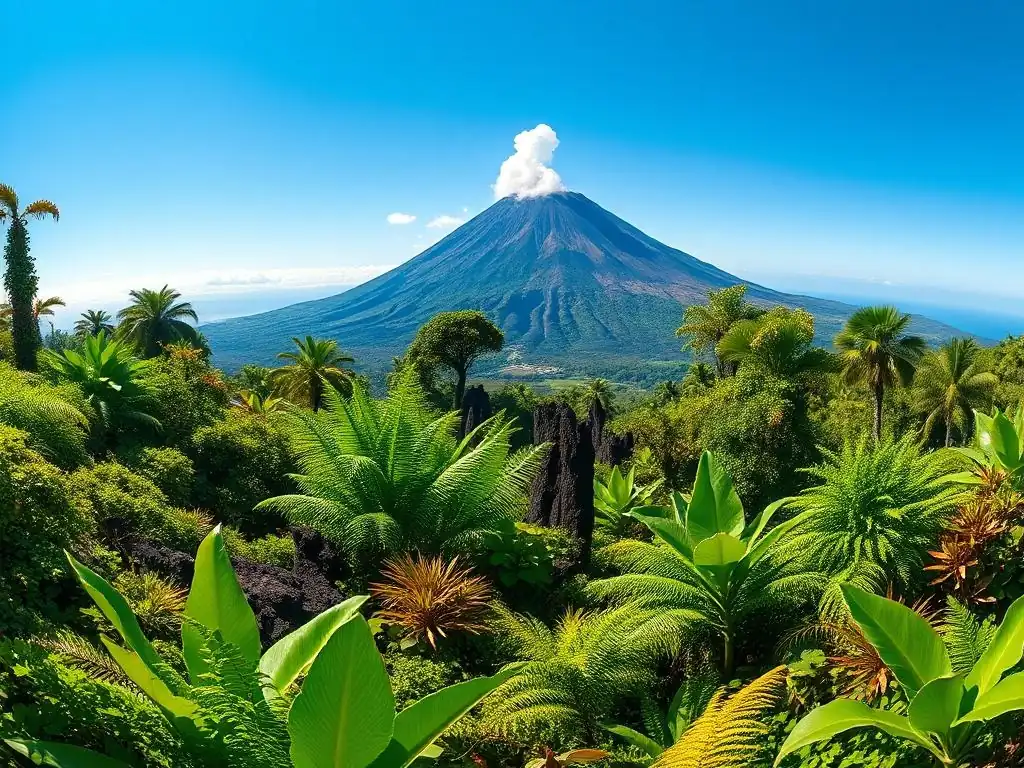
Prepare to witness nature's raw power and enduring resilience. What happened after Krakatoa's devastating eruption? Uncover the secrets of how life reclaimed this volcanic island, revealing the astonishing and often unexpected Impact of Krakatoa on Vegetation. This is a story of destruction and rebirth, a testament to the earth's capacity for change. Are you ready to explore the long-term transformation?
- Introduction: Krakatoa and its Enduring Environmental Impact
- The Initial Impact of the Krakatoa Eruption on Vegetation
- Early Stages of Vegetation Recovery on Krakatoa
- Long-Term Vegetation Succession on Krakatoa
- Factors Influencing Vegetation Development on Krakatoa
- Biodiversity on Krakatoa: A Case Study in Island Biogeography
- The Impact of Krakatoa on Vegetation: Lessons Learned
- Conclusion: Krakatoa's Vegetation - A Story of Renewal and Resilience
-
Frequently Asked Questions
- What was the initial impact of the Krakatoa eruption on vegetation?
- How did vegetation eventually return to Krakatoa after the eruption?
- How long did it take for Krakatoa to become significantly re-vegetated?
- What types of plants were the first to colonize Krakatoa?
- How did the Krakatoa eruption contribute to the study of island biogeography and ecological succession?
- Final Reflection: Echoes of Krakatoa's Resilience
- Unearth Your Inner Explorer: Witness Nature's Resilience!
Introduction: Krakatoa and its Enduring Environmental Impact
The Explosive Eruption of Krakatoa: A Catalyst for Ecological Change
The year 1883 witnessed one of the most cataclysmic volcanic eruptions in recorded history: the eruption of Krakatoa. Located in the Sunda Strait between Java and Sumatra, this volcanic island was virtually obliterated by a series of explosions culminating on August 26th and 27th.
The eruption's force was immense, heard thousands of kilometers away, and generated devastating tsunamis that claimed tens of thousands of lives and reshaped coastlines. However, beyond the immediate human tragedy and geological upheaval, the Krakatoa eruption served as a profound catalyst for ecological change.
The event effectively sterilized the remaining islands of Krakatoa, Rakata, Panjang, and Sertung, offering a unique and unparalleled opportunity for scientists to study primary ecological succession – the process by which life re-establishes itself in a completely barren environment. The dramatic impact of Krakatoa’s eruption on the surrounding environment, especially its vegetation, became a long-term natural experiment, providing invaluable insights into ecosystem resilience and recovery.
Understanding the Unique Environment of Volcanic Islands
Volcanic islands, such as Krakatoa, represent unique and dynamic environments for ecological studies. Formed by volcanic activity, they often emerge from the sea as initially sterile landmasses. This inherent sterility sets them apart from continental ecosystems, making them ideal locations to observe the fundamental processes of colonization and ecological succession from a starting point of near-zero biodiversity.
Furthermore, the geological nature of volcanic islands means they are subject to ongoing disturbances, including subsequent eruptions, seismic activity, and erosion. These dynamic forces continually reshape the landscape and influence the trajectory of ecological development.
The isolation of island ecosystems also plays a crucial role, limiting the initial pool of colonizing species and shaping the unique evolutionary pathways of island flora and fauna. Studying the vegetation dynamics on volcanic islands like Krakatoa provides a window into how life adapts and re-establishes itself in the face of extreme environmental challenges, offering broader lessons applicable to understanding ecosystem resilience in other disturbed landscapes globally.
The Initial Impact of the Krakatoa Eruption on Vegetation
Destruction and Sterilization: The Immediate Aftermath for Flora
The immediate impact of the 1883 Krakatoa eruption on the pre-existing vegetation was absolute and devastating. The colossal explosions, pyroclastic flows, and subsequent ashfall effectively eradicated all traces of plant life across the islands. Prior to the eruption, Krakatoa and its neighboring islands were covered in lush tropical vegetation, characteristic of the Indonesian archipelago.
This vibrant ecosystem was completely obliterated. The force of the eruption itself, combined with the superheated gases and rock fragments of pyroclastic flows, scoured the land, stripping away the soil and any vegetation that clung to it. Furthermore, the thick blanket of volcanic ash, which fell for days after the main explosions, effectively smothered any surviving plant material and created a sterile layer over the landscape.
The intense heat from the eruption and the deposition of hot ash likely sterilized the soil itself, eliminating seeds, spores, and any other propagules that might have been buried beneath the surface. This complete destruction and sterilization meant that the re-establishment of vegetation would have to begin entirely anew, from external sources.
The Role of Pyroclastic Flows and Ashfall in Vegetation Removal
Pyroclastic flows and ashfall played distinct but equally critical roles in the complete removal of vegetation during the Krakatoa eruption. Pyroclastic flows, high-speed avalanches of hot gas and volcanic debris, are incredibly destructive. Reaching temperatures of hundreds of degrees Celsius and traveling at speeds exceeding highway speeds, they would have instantly incinerated and physically removed any vegetation in their path.
The sheer force of these flows would have scoured the landscape, uprooting trees and stripping away topsoil, leaving behind a barren, scorched surface. Following the pyroclastic flows, the extensive ashfall further compounded the devastation. While not as immediately destructive as pyroclastic flows, the ashfall, composed of fine volcanic particles, blanketed the islands in a thick layer.
This ashfall would have smothered any remaining vegetation, blocking sunlight essential for photosynthesis and effectively burying and killing plants. The chemical composition of the ash, while eventually beneficial for long-term soil fertility, was initially detrimental, potentially containing toxic elements and creating an inhospitable environment for plant growth in the short term. The combined impact of these volcanic phenomena ensured the complete removal of the pre-eruption vegetation, setting the stage for a remarkable process of ecological recovery.
Early Stages of Vegetation Recovery on Krakatoa
Pioneer Species: The First Plants to Colonize Krakatoa
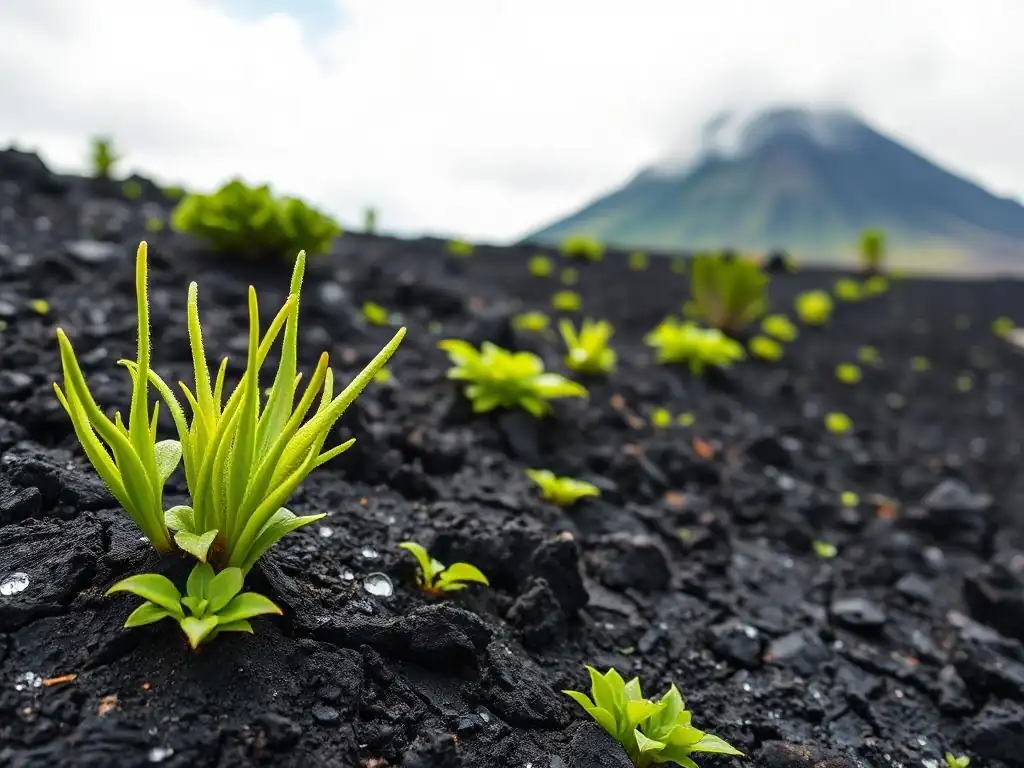
The initial stages of vegetation recovery on Krakatoa were marked by the arrival and establishment of pioneer species. These are hardy plants adapted to colonizing barren environments, capable of tolerating harsh conditions and contributing to soil development. Among the first plants to reappear on Krakatoa were ferns and algae, whose lightweight spores are easily dispersed by wind.
Ferns, in particular, were prominent early colonizers, establishing themselves in the nutrient-poor volcanic ash. Grasses and sedges also emerged relatively quickly, their seeds capable of wind dispersal and germination in minimal soil. A notable early colonizer of Krakatoa's shores was Ipomoea pes-caprae, also known as beach morning glory.
This vine, adapted to coastal environments, is dispersed by sea currents, its buoyant seeds able to travel long distances in seawater and establish on sandy shores. These pioneer species played a crucial role in initiating the process of ecological succession by beginning to modify the harsh environment and paving the way for the arrival of other plant types.
Mechanisms of Plant Dispersal to Krakatoa: Wind, Sea, and Animals
The recolonization of Krakatoa's vegetation was facilitated by various dispersal mechanisms, primarily wind, sea, and animals. Wind dispersal was crucial for the arrival of lightweight spores of ferns and seeds of grasses and orchids. The prevailing winds in the region carried these propagules from the nearby islands of Java and Sumatra, effectively acting as a natural aerial bridge for plant colonization.
Sea dispersal played a significant role in the establishment of coastal plant species. Plants like Ipomoea pes-caprae and Barringtonia asiatica have buoyant seeds that can survive prolonged periods in seawater and be carried by ocean currents to distant shores. Animals, particularly birds and bats, also contributed to plant dispersal.
Birds can carry seeds internally after consuming fruits or externally, clinging to feathers or mud on their feet, transporting them across distances. Bats, feeding on fruits and flowers, can also disperse seeds in a similar manner. These diverse dispersal mechanisms, operating in concert, ensured a continuous influx of plant propagules to the initially barren islands of Krakatoa, driving the early stages of vegetation recovery.
The Importance of Soil Development in Supporting Plant Life
Soil development was a critical factor in supporting the re-establishment of plant life on Krakatoa. Initially, the islands were covered in a layer of volcanic ash, which, while rich in minerals, lacked the organic matter and developed structure necessary to support diverse plant communities. Pioneer species played a vital role in initiating soil development.
As these plants grew and died, their decaying organic matter began to enrich the volcanic ash, forming a rudimentary soil. The roots of these early plants also helped to bind the loose ash, improving soil structure and preventing erosion. Over time, weathering processes further broke down the volcanic rock and ash, releasing nutrients and contributing to soil formation.
Nitrogen fixation by certain bacteria and cyanobacteria associated with pioneer plants also added essential nutrients to the developing soil. This gradual process of soil development, driven by both biological and physical factors, was fundamental in creating a more hospitable environment that could support a wider range of plant species and facilitate the progression of ecological succession.
Long-Term Vegetation Succession on Krakatoa
Changes in Plant Communities Over Time: From Grasslands to Forests
Over the decades following the Krakatoa eruption, the plant communities on the islands underwent a dramatic succession, transitioning from initial grasslands to increasingly complex forests. The early pioneer vegetation, dominated by ferns, grasses, and coastal vines, gradually gave way to more diverse plant assemblages. As soil conditions improved and pioneer species modified the environment, shrubs and fast-growing trees began to establish themselves. Initially, grasslands and open shrublands were prevalent, providing habitat for a wider range of plant and animal species compared to the barren landscape immediately after the eruption. Over longer timescales, competition among plant species became more intense. Faster-growing trees eventually outcompeted grasses and shrubs for sunlight and resources, leading to the development of forest ecosystems. This process of vegetation succession was not linear or uniform across all islands; variations in topography, elevation, and local disturbances influenced the specific trajectory of plant community development in different areas of Krakatoa.
The Arrival and Establishment of Forest Species
The arrival and establishment of forest species marked a significant stage in the long-term vegetation succession on Krakatoa. Following the initial phase dominated by pioneer species and grasslands, tree species began to colonize the islands. Many of these early forest trees were fast-growing, light-demanding species, adapted to colonizing open areas. Casuarina equisetifolia, or coastal she-oak, is a prominent example, known for its rapid growth and tolerance of poor soils. This species, dispersed by wind and sea, became a dominant early forest tree on Krakatoa, forming open woodlands. As the forest canopy developed, it created shade and altered microclimatic conditions, facilitating the establishment of shade-tolerant tree species. Over time, a more diverse and complex forest structure emerged, with a mix of tree species, shrubs, and understory vegetation. The composition of the forest flora on Krakatoa continued to evolve as new species arrived and established, reflecting ongoing dispersal, competition, and environmental changes.
Competition and Resource Availability in Shaping Vegetation Patterns
Competition for resources and resource availability played a crucial role in shaping vegetation patterns during the long-term succession on Krakatoa. As more plant species colonized the islands, competition for essential resources such as sunlight, water, and nutrients intensified. In the early stages of succession, resource availability was generally low, particularly in terms of soil nutrients.
Pioneer species were adapted to these resource-limited conditions. However, as soil developed and vegetation cover increased, competition for sunlight became increasingly important, especially for understory plants. Faster-growing tree species, capable of reaching the canopy and intercepting sunlight, gained a competitive advantage over slower-growing plants.
Water availability, influenced by rainfall patterns and soil water-holding capacity, also played a role in shaping vegetation distribution. In drier areas or areas with poor soil drainage, drought-tolerant species were favored, while in wetter areas, species adapted to moister conditions could thrive. The interplay between competition and resource availability continuously shaped the composition and structure of the plant communities on Krakatoa as succession progressed.
Factors Influencing Vegetation Development on Krakatoa
The Role of Volcanic Soil Composition in Plant Growth
The composition of the volcanic soil on Krakatoa significantly influenced plant growth and vegetation development. Initially, the soil was primarily composed of volcanic ash, rich in minerals like silica, iron, and magnesium, but lacking in organic matter and essential nutrients such as nitrogen and phosphorus. Over time, weathering processes and the decomposition of plant litter gradually improved soil fertility.
Volcanic ash, while initially poor in organic matter, contains minerals that are slowly released through weathering, contributing to long-term soil nutrient availability. The physical properties of volcanic soils, such as drainage and water-holding capacity, also affected plant growth. Well-drained volcanic soils can be advantageous in high-rainfall environments, preventing waterlogging, but may also be prone to nutrient leaching.
The gradual development of organic matter content in the soil improved water retention and nutrient availability, creating a more favorable environment for a wider range of plant species. The unique chemical and physical characteristics of volcanic soils, evolving over time, played a key role in shaping the vegetation patterns observed on Krakatoa.
Climate and Rainfall Patterns Affecting Vegetation Distribution
Climate and rainfall patterns are fundamental drivers influencing vegetation distribution on Krakatoa. Located in the tropics, Krakatoa experiences a warm, humid climate with high rainfall throughout the year. This tropical climate provides favorable conditions for rapid plant growth and high biomass production.
Rainfall is particularly crucial, providing the necessary water for plant survival and growth. The distribution of rainfall across the islands, influenced by topography and aspect, can create variations in soil moisture and, consequently, vegetation types. Areas with higher rainfall or better water retention may support more moisture-demanding plant communities, while drier areas may be dominated by more drought-tolerant species.
Seasonal variations in rainfall, although less pronounced in the tropics compared to temperate regions, can also influence plant phenology and growth patterns. The consistent warm temperatures and abundant rainfall in the tropical climate of Krakatoa have been essential factors in facilitating the relatively rapid and lush vegetation recovery observed since the 1883 eruption.
The Influence of Introduced Species on Native Plant Communities
The influence of introduced species represents a significant factor shaping the vegetation development on Krakatoa, particularly in recent decades. While initial colonization was largely driven by naturally dispersed native species, human activities have led to the introduction of non-native plants to the islands. These introduced species can compete with native plants for resources such as sunlight, water, and nutrients, potentially altering the composition and structure of native plant communities.
Some introduced species may be invasive, spreading rapidly and displacing native flora, reducing biodiversity and disrupting ecosystem processes. The extent of the impact of introduced species on Krakatoa's vegetation is an ongoing area of study.
Monitoring and managing introduced species is crucial for conserving the native flora and maintaining the unique ecological value of Krakatoa as a natural laboratory for ecological succession. Understanding the interplay between native and introduced species is essential for effective conservation strategies in volcanic landscapes and island ecosystems globally.
Biodiversity on Krakatoa: A Case Study in Island Biogeography
Krakatoa as a Natural Laboratory for Studying Ecological Processes
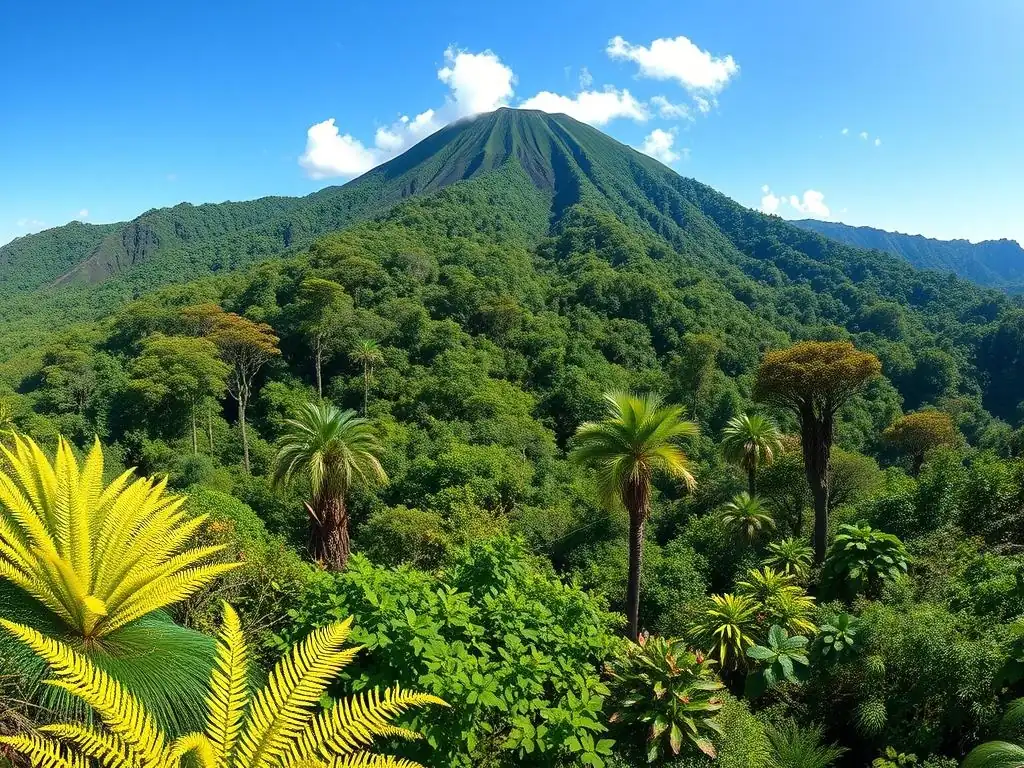
Krakatoa has become a globally recognized natural laboratory for studying fundamental ecological processes, particularly island biogeography and ecological succession. The near-complete sterilization of the islands by the 1883 eruption provided a unique starting point to observe primary succession from its earliest stages. Scientists have been studying the recolonization of Krakatoa by plants and animals for over a century, documenting the patterns and mechanisms of species arrival, establishment, and community development.
These long-term studies have provided invaluable insights into ecological processes such as dispersal, colonization, competition, and succession. Krakatoa's relatively isolated island setting makes it an ideal location to test theories of island biogeography, including the relationship between island size, distance from mainland, and species richness. The ongoing ecological recovery of Krakatoa continues to offer opportunities for research on ecosystem resilience, adaptation, and the long-term dynamics of island ecosystems in the face of disturbance.
The Richness and Uniqueness of Krakatoa's Flora
The flora of Krakatoa, while derived from surrounding regions, exhibits both richness and unique characteristics shaped by its volcanic island environment and history of ecological succession. Over time, Krakatoa has accumulated a diverse plant flora, including hundreds of species of ferns, grasses, shrubs, and trees. While the species composition is largely similar to that of nearby Java and Sumatra, the specific combination of species and their relative abundance reflect the unique ecological history of Krakatoa.
The isolation of the islands has likely led to some degree of ecological filtering, with only certain species capable of successfully dispersing and establishing in this environment. Furthermore, the ongoing volcanic activity and dynamic landscape of Krakatoa contribute to habitat heterogeneity, potentially promoting species diversity. The flora of Krakatoa is a testament to the power of dispersal and ecological adaptation in creating biodiversity even in initially barren volcanic landscapes.
Notable Plant Species of Krakatoa: Ipomoea pes-caprae, Casuarina equisetifolia, and Saccharum spontaneum
Several plant species stand out as particularly notable in the ecological history and vegetation of Krakatoa. Ipomoea pes-caprae, the beach morning glory, is a classic example of a pioneer species, quickly colonizing the sandy shores of Krakatoa. Its sea-dispersed seeds and tolerance of saline conditions made it an early and widespread colonizer, playing a role in stabilizing shorelines and initiating vegetation cover in coastal areas.
Casuarina equisetifolia, the coastal she-oak, is another prominent early colonizer and dominant tree species in the early forests of Krakatoa. Its rapid growth, nitrogen-fixing ability, and tolerance of poor soils made it well-suited to the volcanic environment.
Saccharum spontaneum, or wild sugarcane, is a robust grass species that also played a significant role in early vegetation recovery, forming extensive grasslands in some areas. These species, among others, exemplify the types of plants that are successful colonizers of volcanic islands and have shaped the vegetation landscape of Krakatoa over the decades following the eruption.
The Impact of Krakatoa on Vegetation: Lessons Learned
Understanding Ecosystem Resilience in Volcanic Environments
The long-term vegetation recovery on Krakatoa provides profound lessons about ecosystem resilience, particularly in volcanic environments. The complete destruction of the pre-eruption vegetation and subsequent recolonization demonstrate the remarkable capacity of ecosystems to recover from catastrophic disturbances. Krakatoa's story highlights the importance of dispersal, colonization, and ecological succession in ecosystem regeneration.
The relatively rapid recovery of vegetation on Krakatoa, despite the severity of the eruption, underscores the inherent resilience of tropical ecosystems and their ability to rebound from even extreme events. Studying Krakatoa's vegetation recovery provides insights into the factors that contribute to ecosystem resilience, including biodiversity, functional redundancy, and the availability of dispersal sources. These lessons are crucial for understanding and managing ecosystems in other volcanic regions and landscapes prone to natural disturbances.
Implications for Conservation and Management of Volcanic Landscapes
The ecological recovery of Krakatoa has significant implications for the conservation and management of volcanic landscapes worldwide. It highlights the importance of allowing natural ecological processes to unfold following volcanic eruptions and other disturbances. Interventionist management approaches may not always be necessary or beneficial, as natural dispersal and succession can effectively drive ecosystem recovery.
However, monitoring and managing invasive species is crucial to protect native biodiversity and ensure healthy ecosystem development in volcanic areas. Conservation strategies should focus on maintaining connectivity with surrounding ecosystems to facilitate natural dispersal and recolonization. Understanding the long-term trajectory of vegetation recovery on Krakatoa can inform conservation planning and management decisions in other volcanic regions, promoting ecosystem resilience and biodiversity conservation in these dynamic and often hazardous landscapes.
Future Research: Genetic Adaptation of Colonizing Species on Krakatoa
Future research on Krakatoa's vegetation could focus on the genetic adaptation of colonizing species. The extreme environmental conditions of a recently formed volcanic island, coupled with the geographic isolation, may have driven rapid evolutionary adaptation in plant populations that colonized Krakatoa. Investigating the genetic makeup of plant species on Krakatoa compared to populations on nearby mainland areas could reveal evidence of adaptive evolution to the unique volcanic environment.
Studies could explore genetic adaptations related to stress tolerance, nutrient acquisition, or dispersal ability. Understanding the genetic basis of adaptation in colonizing species can provide valuable insights into the evolutionary processes that shape biodiversity in novel environments and enhance our understanding of plant resilience and adaptation in the face of environmental change. Such research could further solidify Krakatoa's role as a model system for ecological and evolutionary studies.
Conclusion: Krakatoa's Vegetation - A Story of Renewal and Resilience
The Enduring Legacy of Krakatoa's Eruption on its Plant Life
The enduring legacy of the 1883 Krakatoa eruption on its plant life is a compelling story of ecological renewal and resilience. From a landscape utterly devoid of vegetation, Krakatoa has transformed into a vibrant ecosystem supporting a rich diversity of plant species. The eruption, while initially devastating, paradoxically created a unique opportunity to study the fundamental processes of ecological succession.
The vegetation of Krakatoa stands as a testament to the power of nature to recover from even the most catastrophic events, demonstrating the remarkable capacity of plant life to colonize, adapt, and rebuild ecosystems over time. The long-term impact of Krakatoa on vegetation continues to be studied and serves as a vital case study in ecological science.
A Reminder of the Power of Nature to Recover and Adapt
Krakatoa's vegetation recovery serves as a powerful reminder of nature's inherent capacity to recover and adapt. Despite the immense destructive forces of volcanic eruptions, life persists and finds ways to re-establish itself. The story of Krakatoa's vegetation is an inspiring example of ecosystem resilience, demonstrating that even in the face of extreme disturbance, natural processes can drive remarkable ecological renewal. This story offers hope and valuable lessons for understanding and managing ecosystems facing various environmental challenges, emphasizing the importance of allowing natural processes to operate and fostering conditions that support ecological recovery and adaptation in a changing world.
Frequently Asked Questions
What was the initial impact of the Krakatoa eruption on vegetation?
The initial impact was catastrophic destruction. The eruption completely sterilized the island, removing all existing vegetation and leaving behind a barren landscape covered in ash and volcanic debris.
How did vegetation eventually return to Krakatoa after the eruption?
Vegetation returned primarily through airborne seeds and spores, as well as seeds carried by ocean currents and animals. Pioneer species, adapted to harsh conditions, were the first to colonize the island.
How long did it take for Krakatoa to become significantly re-vegetated?
While initial colonization began relatively quickly, it took several decades for Krakatoa to become significantly re-vegetated. The process of ecological succession is ongoing, with forests still developing today.
What types of plants were the first to colonize Krakatoa?
The first colonizers were typically grasses, ferns, and salt-tolerant plants that could survive in the nutrient-poor volcanic soil. These pioneer species prepared the way for more complex plant communities.
How did the Krakatoa eruption contribute to the study of island biogeography and ecological succession?
The Krakatoa eruption provided a natural experiment for scientists to study how life can re-establish itself on a completely barren island. It offered valuable insights into island biogeography and the process of ecological succession.
Final Reflection: Echoes of Krakatoa's Resilience
The story of Krakatoa, once a symbol of utter devastation, now stands as a testament to nature's indomitable spirit, and its profound impact on vegetation continues to resonate in ecological studies today. The island, once barren, now teems with life, a living laboratory demonstrating the power of succession and adaptation in the face of catastrophic change. Understanding this transformation is not just about historical ecology; it's about comprehending the dynamics of ecosystems in a world increasingly shaped by environmental upheaval.
The journey of Krakatoa's vegetation, from pioneer species to complex ecosystems, has deeply influenced our understanding of ecological resilience. Witnessing this rebirth underscores the interconnectedness of life and the remarkable ability of nature to heal, even after unimaginable destruction. The earth laughs in flowers.
- Ralph Waldo Emerson. This quote encapsulates the enduring beauty and tenacity of life that Krakatoa so vividly exemplifies, reminding us that even from ashes, new beginnings can emerge.
Let us carry the lessons of Krakatoa with us, recognizing the power of resilience and the importance of understanding ecological processes. Consider how you can contribute to fostering environments that are more adaptable and resistant to change. What small actions can you take to support biodiversity and promote the healing of our planet? The story of Krakatoa is not just a scientific narrative; it is a call to action, urging us to become stewards of a world that, like the volcanic island, possesses the capacity for extraordinary renewal.
Unearth Your Inner Explorer: Witness Nature's Resilience!
Thank you for exploring Krakatoa's remarkable recovery with us. Now, delve deeper into this ongoing story!
Continue your exploration in these ways:
- Explore our interactive Krakatoa Vegetation Map: Predict future vegetation changes using our dynamic tool!
- Research other examples of volcanic ecological succession and share your findings in the comments.
- Participate in a local citizen science project, such as plant identification, and connect with the natural world.
What further insights into nature's resilience can we gain from studying Krakatoa's vegetation? Share your thoughts below!