
The Ethics of Geothermal: Responsible Development in Sensitive Volcanic Environments

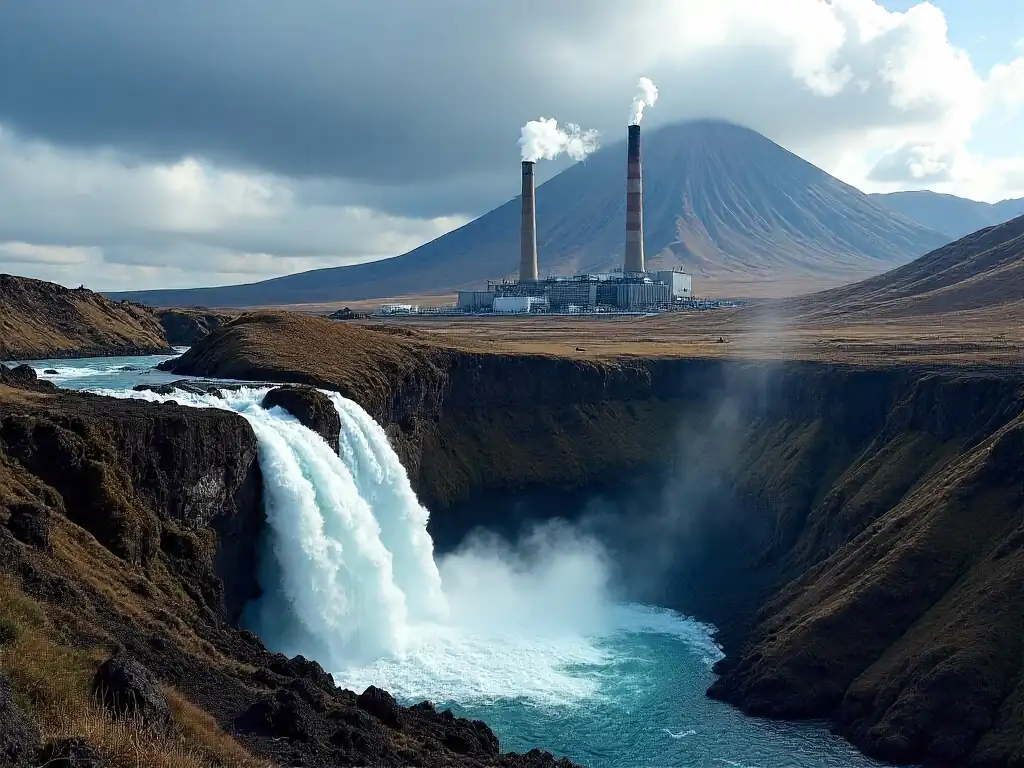
Welcome to Volcano Explorers, where the earth breathes fire and the landscape whispers tales of immense power. But with great power comes great responsibility. Ever wondered how we can harness the Earth's fiery energy without igniting a conflict with its delicate balance? Dive into our latest article, "The Ethics of Geothermal: Responsible Development in Sensitive Volcanic Environments" and discover the crucial considerations behind responsible geothermal development practices.
Unearth the challenges, the innovations, and the ethical dilemmas that shape the future of energy in these volatile landscapes. Are we truly prepared to tread lightly on such powerful ground? Let's explore together...
- Introduction: Geothermal Energy and Volcanic Ecosystems
- Understanding Geothermal Energy's Impact on Volcanic Environments
- Responsible Geothermal Development Practices: Minimizing Environmental Harm
- Ethical Considerations in Geothermal Energy Extraction
- Case Studies: Ethical Geothermal Development in Volcanic Regions
- Mitigating Risks: Ensuring Long-Term Sustainability of Geothermal Resources
- The Future of Ethical Geothermal Energy in Volcanic Areas
- Conclusion: Towards a Sustainable and Ethical Geothermal Future
-
Frequently Asked Questions
- What are some of the key ethical considerations in geothermal development near volcanoes?
- How can geothermal energy extraction be done responsibly in areas prone to volcanic activity?
- What role do local communities play in the ethical development of geothermal projects near volcanoes?
- What are some examples of best practices for minimizing the environmental footprint of geothermal plants near volcanoes?
- How can geothermal energy developers ensure transparency and accountability in their operations near volcanoes?
- Final Reflection: Harnessing Earth's Power Responsibly
- Fuel Your Passion: Advocate for Responsible Geothermal!
Introduction: Geothermal Energy and Volcanic Ecosystems
Exploring the Potential and Challenges of Geothermal in Volcanic Regions
Volcanic regions, often perceived as zones of destruction, paradoxically hold immense potential for clean energy production. Geothermal energy, harnessed from the Earth's internal heat, is particularly abundant in these geologically active areas. The heat source, often driven by magma chambers close to the surface, provides a readily available and renewable resource. Countries like Iceland and New Zealand vividly demonstrate this potential, relying heavily on geothermal for electricity generation and heating.
However, the very geological dynamism that makes these regions energy-rich also presents unique challenges. Volcanic areas are often ecologically sensitive, harboring unique ecosystems adapted to extreme conditions, and are prone to natural hazards like earthquakes and volcanic eruptions. Therefore, exploiting geothermal resources in these areas demands a careful and ethical approach.
The allure of geothermal energy in volcanic regions lies in its capacity to reduce reliance on fossil fuels and mitigate climate change. Studies suggest that geothermal energy has a significantly lower carbon footprint compared to traditional power generation methods. For instance, a life cycle assessment of geothermal power plants indicates greenhouse gas emissions are around 45 grams of CO2 equivalent per kilowatt-hour (g CO2e/kWh), compared to coal which can range from 700 to over 1000 g CO2e/kWh.
This makes geothermal a crucial component in global decarbonization efforts. Yet, the extraction process and infrastructure development can disrupt fragile volcanic landscapes, impacting biodiversity, water resources, and potentially increasing seismic activity. The ethical dilemma then becomes clear: how do we responsibly harness this clean energy source while safeguarding these unique and often vulnerable environments?
Balancing Energy Needs with Environmental Preservation: A Key Ethical Consideration
At the heart of ethical geothermal development in volcanic regions lies the fundamental principle of balance. The escalating global demand for energy, coupled with the urgency to transition to renewable sources, creates a powerful impetus for geothermal exploitation. However, this drive must be tempered by a profound respect for the intrinsic value of volcanic ecosystems and the long-term sustainability of these resources.
Ethical considerations dictate that energy needs cannot be met at the expense of irreversible environmental damage or disregard for local communities and their rights. This balance necessitates a holistic approach, integrating environmental protection, social responsibility, and economic viability into every stage of geothermal projects.
The ethical framework for geothermal development should prioritize minimizing environmental impact, ensuring transparency and community participation, and promoting equitable distribution of benefits. This means adopting stringent environmental safeguards, employing advanced monitoring technologies, and fostering open dialogues with stakeholders, including indigenous populations who often have deep cultural and spiritual connections to volcanic landscapes.
Furthermore, ethical development requires a long-term perspective, considering the lifecycle of geothermal projects and their potential cumulative effects on the environment. It's not simply about generating clean energy; it's about doing so in a way that is just, sustainable, and respects the complex interplay between human needs and the natural world, particularly within the dramatic and sensitive context of volcanic environments.
Understanding Geothermal Energy's Impact on Volcanic Environments
The Environmental Footprint of Geothermal Power Plants Near Volcanoes
Geothermal power plants, while cleaner than fossil fuel counterparts, are not without an environmental footprint, especially when situated in or near volcanic regions. The construction phase itself involves land clearing, infrastructure development (roads, pipelines, power lines), and potential habitat fragmentation. For instance, the construction of the Cerro Prieto geothermal power plant in Mexico, one of the world's largest, required significant land alteration in a seismically active and ecologically diverse region.
Operational impacts include the extraction of geothermal fluids, which can lead to subsidence, induced seismicity, and changes in hydrothermal features like hot springs and geysers. Furthermore, geothermal fluids often contain dissolved gases, including carbon dioxide, hydrogen sulfide (H2S), and ammonia, which can be released into the atmosphere, although modern plants employ technologies to minimize these emissions.
The disposal of geothermal fluids is another critical aspect of the environmental footprint. Historically, direct discharge of spent geothermal fluids into surface waters was common, leading to thermal and chemical pollution. Modern responsible geothermal development practices emphasize reinjection of cooled geothermal fluids back into the reservoir. While reinjection helps maintain reservoir pressure and reduces water consumption, it can also trigger induced seismicity, particularly in tectonically active volcanic areas.
Studies at The Geysers geothermal field in California have documented a correlation between reinjection and increased microseismicity. Moreover, the chemical composition of reinjected fluids must be carefully managed to prevent scaling and corrosion within the geothermal system and to avoid contaminating groundwater resources. Therefore, a comprehensive assessment of the environmental footprint, considering both construction and operational phases, is crucial for ethical geothermal development in volcanic environments.
Assessing the Risks: From Ground Stability to Air and Water Quality
Volcanic environments present a unique set of risks associated with geothermal energy development, ranging from ground instability to potential impacts on air and water quality. Ground subsidence is a significant concern, particularly in areas with high rates of fluid extraction and geological faulting. The Wairakei geothermal field in New Zealand provides a well-documented example of subsidence issues, where decades of geothermal fluid extraction have led to ground level depressions of several meters in some areas.
This subsidence can damage infrastructure, alter drainage patterns, and impact land use. Induced seismicity is another major risk, as geothermal operations, especially reinjection, can trigger earthquakes, particularly in regions already prone to tectonic activity. The Pohang Enhanced Geothermal System (EGS) project in South Korea, which was suspended after a magnitude 5.5 earthquake in 2017, serves as a stark reminder of this risk.
Air quality can be affected by the release of non-condensable gases from geothermal fluids. While CO2 emissions are relatively low compared to fossil fuels, the release of hydrogen sulfide (H2S) can pose odor and health concerns. Older geothermal plants with less advanced emission control technology have been known to release noticeable amounts of H2S. Water quality is also at risk.
Geothermal fluids can contain elevated concentrations of dissolved minerals and trace elements like arsenic, mercury, and boron. If not properly managed, these substances can contaminate surface and groundwater resources, impacting aquatic ecosystems and potentially human health. Careful monitoring of air and water quality, coupled with robust mitigation measures, are essential components of responsible geothermal development practices in volcanic regions to minimize these risks.
Impacts on Hot Springs, Geysers, and Unique Volcanic Habitats
Volcanic regions are renowned for their spectacular hydrothermal features – hot springs, geysers, fumaroles, and mud pools – which are often integral to the local ecosystem and tourism industry. Geothermal energy development can significantly impact these features. Fluid extraction can reduce reservoir pressure, potentially diminishing or even drying up hot springs and geysers.
The Hveragerði geothermal area in Iceland has witnessed changes in hot spring activity due to nearby geothermal exploitation. Similarly, the famous geysers of El Tatio in Chile have been subject to concerns about potential impacts from geothermal exploration in the vicinity. These hydrothermal features often support unique microbial communities adapted to extreme temperatures and chemical conditions, representing a significant biodiversity value.
Furthermore, volcanic landscapes often host specialized habitats and endemic species adapted to the harsh conditions, such as volcanic soils and geothermal vents. Geothermal development can lead to habitat loss and fragmentation, directly impacting these vulnerable ecosystems. Construction activities, changes in hydrology, and potential pollution can all threaten these unique habitats.
For example, the development of geothermal fields in forested volcanic regions can necessitate deforestation, impacting forest-dependent species. Responsible geothermal development practices must include careful assessment of potential impacts on hydrothermal features and unique volcanic habitats, implementing buffer zones, and developing mitigation strategies to protect these valuable natural assets. This requires a deep understanding of the local ecology and hydrology, coupled with a commitment to environmental stewardship.
Responsible Geothermal Development Practices: Minimizing Environmental Harm
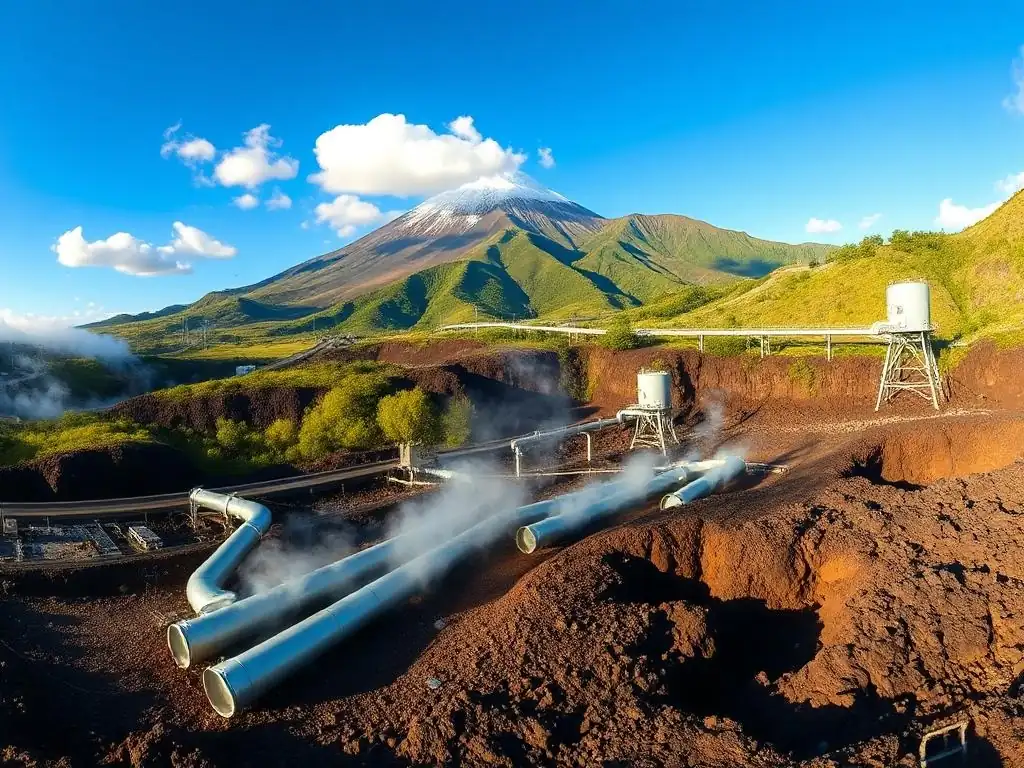
Implementing Best Practices for Geothermal Exploration and Drilling
Minimizing environmental harm during geothermal development begins with the exploration and drilling phases. Best practices dictate a phased approach to exploration, starting with non-invasive techniques like geological surveys, remote sensing, and geophysical studies to identify potential geothermal resources. These methods minimize surface disturbance and provide valuable data before any drilling commences.
Once promising sites are identified, exploratory drilling should be conducted with minimal footprint, utilizing existing access roads and minimizing vegetation removal. Drilling operations should adhere to strict environmental protocols to prevent spills and leaks of drilling fluids and to manage drilling waste responsibly. For example, closed-loop drilling systems can significantly reduce water consumption and minimize waste discharge.
Directional drilling is another crucial best practice, allowing access to geothermal reservoirs from a single drilling pad, thereby reducing surface disturbance and habitat fragmentation. Furthermore, careful well design and construction are essential to prevent wellbore instability, casing failures, and potential groundwater contamination. Multi-lateral wells, branching out from a single wellbore, can enhance reservoir productivity while minimizing the number of wells drilled, further reducing environmental impact.
The use of biodegradable drilling fluids and environmentally friendly cements also contributes to responsible geothermal development practices. Throughout the exploration and drilling phases, continuous environmental monitoring is necessary to detect and address any potential impacts promptly.
Advanced Monitoring Techniques for Volcanic Activity and Environmental Changes
Advanced monitoring techniques are indispensable for responsible geothermal development practices in volcanic regions, allowing for early detection of volcanic activity changes and potential environmental impacts. Seismic monitoring networks are crucial for tracking microseismicity and identifying any induced seismicity related to geothermal operations. Ground deformation monitoring using techniques like InSAR (Interferometric Synthetic Aperture Radar) and GPS (Global Positioning System) can detect subtle ground movements associated with reservoir pressure changes and potential subsidence. Gas monitoring, including continuous measurement of CO2, H2S, and other volcanic gases, provides insights into subsurface processes and potential emissions from geothermal plants.
Environmental monitoring should extend beyond volcanic activity to encompass water quality, air quality, and ecological parameters. Regular water sampling and analysis can detect any changes in groundwater and surface water chemistry related to geothermal operations. Air quality monitoring should focus on H2S and particulate matter emissions from power plants.
Ecological monitoring, including vegetation surveys and biodiversity assessments, can track the impacts of geothermal development on local ecosystems. Real-time monitoring systems, coupled with data analysis and early warning systems, enable proactive management of potential risks and adaptive adjustments to geothermal operations to minimize environmental harm. The integration of these advanced monitoring techniques is a hallmark of ethical and sustainable geothermal development in sensitive volcanic environments.
The Role of Environmental Impact Assessments (EIAs) in Geothermal Projects
Environmental Impact Assessments (EIAs) are a cornerstone of responsible geothermal development practices, serving as a systematic process to identify, predict, and evaluate the potential environmental and social impacts of geothermal projects before they are implemented. EIAs are legally mandated in many countries for large-scale development projects, including geothermal power plants.
A comprehensive EIA for a geothermal project in a volcanic region should consider a wide range of potential impacts, including effects on volcanic activity, ground stability, water resources, air quality, biodiversity, landscape aesthetics, and local communities. The EIA process should involve baseline studies to establish pre-project environmental conditions, impact prediction using scientific methodologies, and the development of mitigation measures to minimize adverse impacts.
Public consultation is a critical component of the EIA process, ensuring transparency and allowing stakeholders, including local communities, indigenous groups, and environmental organizations, to voice their concerns and provide input. The EIA should also evaluate alternative project designs and locations to identify the least environmentally damaging options. Furthermore, the EIA should include a monitoring and evaluation plan to track the effectiveness of mitigation measures and to adapt management strategies as needed during project implementation and operation.
Independent review of EIAs by external experts enhances their credibility and ensures a rigorous assessment of potential impacts. EIAs are not merely bureaucratic hurdles but are essential tools for informed decision-making and for ensuring that geothermal projects are developed in an environmentally and socially responsible manner.
Ethical Considerations in Geothermal Energy Extraction
Transparency and Community Engagement in Geothermal Projects
Ethical geothermal energy extraction necessitates transparency and genuine community engagement throughout all project phases, from initial exploration to operation and decommissioning. Transparency involves open and accessible communication of project plans, potential impacts, monitoring data, and decision-making processes to all stakeholders. This includes making EIA reports, environmental monitoring data, and project progress reports publicly available. Community engagement goes beyond mere information dissemination; it requires active participation of local communities in project planning and decision-making. This can be achieved through public hearings, community meetings, focus group discussions, and the establishment of community advisory committees.
Meaningful community engagement ensures that local knowledge, values, and concerns are considered in project design and implementation. It also fosters a sense of ownership and shared responsibility, leading to more sustainable and socially acceptable outcomes. For indigenous communities, who often have strong cultural and spiritual connections to volcanic landscapes, engagement must be culturally sensitive and respectful of their traditional knowledge and land rights.
Free, Prior, and Informed Consent (FPIC) is a key principle in engaging with indigenous communities, ensuring that they have the right to decide whether or not to consent to projects that may affect their lands and resources. Transparency and community engagement are not just ethical obligations; they are also essential for building trust, mitigating social conflicts, and ensuring the long-term success of geothermal projects.
Respecting Indigenous Land Rights and Traditional Ecological Knowledge
In many volcanic regions, indigenous communities have lived for generations, possessing deep cultural connections to the land and invaluable traditional ecological knowledge (TEK) about the environment. Ethical geothermal development must respect indigenous land rights and integrate TEK into project planning and management. Recognizing and respecting indigenous land rights, which may include customary rights and ancestral domains, is a fundamental ethical imperative.
This requires thorough consultation with indigenous communities to identify and address potential impacts on their lands, resources, and cultural heritage. Where geothermal projects are proposed on or near indigenous lands, obtaining Free, Prior, and Informed Consent (FPIC) is considered a best practice and, in some jurisdictions, a legal requirement.
Traditional ecological knowledge, accumulated over generations, offers valuable insights into local ecosystems, resource management practices, and indicators of environmental change. Integrating TEK into EIAs, environmental monitoring, and adaptive management strategies can enhance the effectiveness of environmental protection measures and contribute to more sustainable project outcomes. For example, indigenous communities may possess knowledge about seasonal variations in water flow, traditional uses of geothermal resources, and early warning signs of environmental degradation.
Collaborative research partnerships between scientists and indigenous communities can facilitate the integration of TEK and scientific knowledge, leading to more holistic and culturally appropriate responsible geothermal development practices. Respecting indigenous rights and knowledge is not only ethically sound but also contributes to the long-term sustainability and social legitimacy of geothermal projects in volcanic regions.
Addressing Concerns about Induced Seismicity from Geothermal Operations
Induced seismicity, earthquakes triggered by human activities, is a significant concern associated with geothermal operations, particularly in volcanic areas already prone to natural earthquakes. Ethical geothermal development requires proactive measures to address these concerns and minimize the risk of induced seismicity. This starts with thorough geological and seismological site characterization to assess the tectonic setting, fault structures, and background seismicity levels before project development.
Advanced seismic monitoring networks should be deployed to continuously track microseismicity during geothermal operations, allowing for early detection of any induced seismicity. Traffic light systems, with pre-defined thresholds for seismic activity, can be implemented to trigger adaptive management responses, such as reducing injection rates or temporarily suspending operations if seismicity exceeds acceptable levels.
Reservoir management strategies play a crucial role in mitigating induced seismicity. Careful control of injection rates, pressures, and volumes can minimize stress changes in the subsurface and reduce the likelihood of triggering earthquakes. Gradual ramp-up of injection rates, rather than sudden increases, can allow the subsurface to adjust more gradually.
Furthermore, optimizing injection well locations and targeting permeable geological formations can help dissipate pressure and reduce stress build-up along fault lines. Research into Enhanced Geothermal Systems (EGS) is exploring techniques to stimulate geothermal reservoirs with minimal induced seismicity, such as using slow and controlled stimulation methods. Transparent communication with the public about the risks of induced seismicity and the mitigation measures being implemented is essential for building trust and ensuring social acceptance of geothermal projects in volcanic regions.
Case Studies: Ethical Geothermal Development in Volcanic Regions
Case Study 1: The Geysers Geothermal Field, California: Adapting to Subsidence and Seismic Activity
Details about the project, its location, and the specific ethical considerations addressed
The Geysers geothermal field, located north of San Francisco in California, is one of the world's largest geothermal complexes, generating electricity since the 1960s. Situated in a tectonically active volcanic region, The Geysers has faced significant challenges related to subsidence and induced seismicity. Early development in the 1970s and 80s led to substantial steam extraction, causing significant ground subsidence in some areas, reaching up to 30 cm per year in the most affected zones.
This subsidence damaged infrastructure, including pipelines and roads, and raised concerns about long-term reservoir sustainability. Furthermore, the field has experienced induced seismicity, with earthquakes up to magnitude 4.6 linked to geothermal operations.
In response to these challenges, responsible geothermal development practices were implemented at The Geysers. Reinjection of treated wastewater and steam condensate was introduced to replenish the geothermal reservoir and mitigate subsidence. This reinjection has been largely successful in stabilizing ground levels and even causing some uplift in certain areas. To address induced seismicity, a comprehensive seismic monitoring network was established, and research was conducted to understand the relationship between injection and earthquake occurrence.
Operational strategies were adapted to minimize induced seismicity, including adjusting injection rates and locations based on real-time seismic monitoring data. The Geysers case study demonstrates the importance of adaptive management and continuous improvement in responsible geothermal development practices to address environmental challenges in long-operating geothermal fields within sensitive volcanic environments. The project location within a seismically active area inherently demanded ethical considerations focused on risk mitigation and community safety.
Case Study 2: Iceland's Geothermal Development: Balancing Energy Needs with Environmental Preservation
Details about the problems encountered, the solutions implemented, and the lessons learned
Iceland stands as a global leader in geothermal energy utilization, deriving nearly 100% of its electricity and heating from renewable sources, primarily geothermal and hydropower. Iceland's volcanic geology provides abundant geothermal resources, but early geothermal development, particularly in the 1960s and 70s, prioritized rapid energy expansion, sometimes with less emphasis on environmental considerations. One notable example is the Krafla geothermal power plant in northeastern Iceland, located within an active volcanic system.
During its construction and initial operation in the 1970s, the project encountered significant challenges due to ongoing volcanic unrest, including magmatic intrusions and steam eruptions. These events caused delays, infrastructure damage, and required adaptive engineering solutions.
Iceland's experience highlights the ethical imperative of balancing energy needs with environmental preservation, even in a nation heavily reliant on renewable resources. Over time, Iceland has strengthened its environmental regulations and adopted more sustainable geothermal development practices. EIAs are now mandatory for all geothermal projects, and stringent environmental permits are required.
Icelandic geothermal developers have also become leaders in reinjection technology, minimizing wastewater discharge and enhancing reservoir sustainability. Furthermore, Iceland has prioritized district heating systems, utilizing geothermal heat directly for residential and commercial heating, maximizing energy efficiency and reducing greenhouse gas emissions. The lessons learned from Iceland emphasize the importance of robust environmental safeguards, adaptive management in dynamic volcanic environments, and a long-term commitment to responsible geothermal development practices to ensure both energy security and environmental sustainability.
Mitigating Risks: Ensuring Long-Term Sustainability of Geothermal Resources
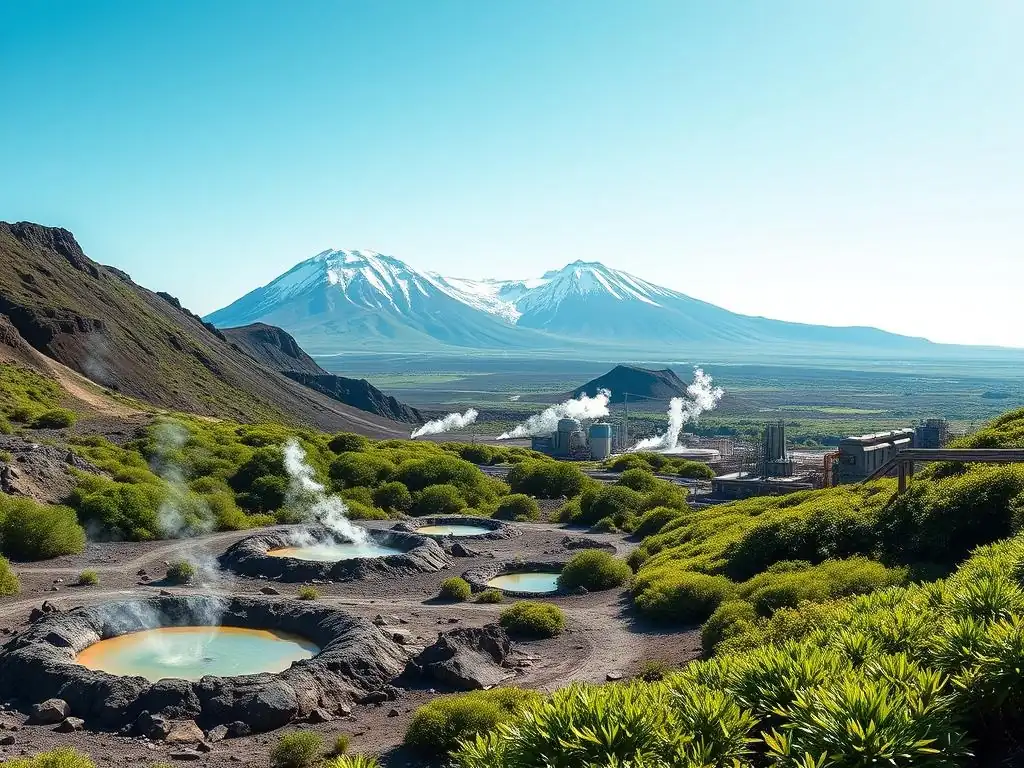
Sustainable Reservoir Management for Geothermal Fields
Ensuring the long-term sustainability of geothermal resources requires implementing effective reservoir management strategies. Geothermal reservoirs are not inexhaustible, and unsustainable extraction rates can lead to reservoir depletion, reduced power output, and shortened project lifespan. Sustainable reservoir management aims to maintain a balance between fluid extraction and recharge, ensuring that the rate of extraction does not exceed the rate of natural or artificial replenishment.
This involves careful monitoring of reservoir pressure, temperature, and fluid chemistry to track reservoir performance and identify any signs of depletion. Reservoir modeling and simulation are essential tools for predicting reservoir response to different extraction scenarios and optimizing production strategies.
Reinjection of cooled geothermal fluids is a key component of sustainable reservoir management. Reinjection not only helps maintain reservoir pressure and fluid volume but also reduces wastewater discharge and potential environmental pollution. However, reinjection strategies must be carefully designed to avoid thermal breakthrough (premature cooling of production wells) and induced seismicity.
Optimizing well placement, injection rates, and injection fluid temperature are crucial for maximizing reinjection benefits and minimizing risks. Furthermore, exploring enhanced geothermal systems (EGS), which aim to extract heat from hot dry rocks by creating artificial fractures and injecting water, offers a pathway to expand geothermal resources and enhance reservoir sustainability. Responsible geothermal development practices prioritize sustainable reservoir management as a fundamental principle for long-term energy security and environmental stewardship.
Protecting Groundwater Resources from Geothermal Contamination
Protecting groundwater resources from contamination is a paramount ethical consideration in geothermal energy development, especially in volcanic regions where groundwater often serves as a vital source of drinking water and supports sensitive ecosystems. Geothermal fluids can contain elevated concentrations of dissolved minerals, trace elements, and gases that can pose risks to groundwater quality if not properly managed. Well design and construction are critical for preventing wellbore leakage and ensuring hydraulic isolation between geothermal reservoirs and shallow aquifers. Casing integrity must be maintained throughout the well's lifespan, and regular well integrity testing should be conducted to detect any potential leaks.
Reinjection strategies must also be carefully designed to prevent contamination of groundwater resources. Injection wells should be located and designed to ensure that reinjected fluids are contained within the geothermal reservoir and do not migrate into shallow aquifers. Geochemical compatibility between reinjected fluids and reservoir rocks should be assessed to prevent mineral precipitation and wellbore clogging. Furthermore, comprehensive groundwater monitoring programs are essential to detect any potential contamination.
Monitoring wells should be strategically located around geothermal fields to track groundwater quality and identify any changes in chemical composition. Early detection of contamination allows for prompt corrective actions to mitigate risks and protect groundwater resources. Responsible geothermal development practices prioritize groundwater protection through robust engineering controls, careful operational procedures, and continuous monitoring.
Strategies for Reducing Greenhouse Gas Emissions from Geothermal Plants
While geothermal energy is a low-carbon energy source, geothermal power plants do emit some greenhouse gases, primarily carbon dioxide (CO2) and hydrogen sulfide (H2S), contained within the geothermal fluids. Modern geothermal plants employ various strategies to minimize these emissions and further reduce their carbon footprint.
Direct steam plants, the oldest type of geothermal plant, typically release the highest levels of emissions, as steam is directly used to drive turbines, and non-condensable gases are vented to the atmosphere. Flash steam plants and binary cycle plants, which are more common in modern geothermal development, incorporate technologies to condense steam and separate non-condensable gases, reducing emissions.
Gas extraction and reinjection technologies are increasingly being implemented to capture and manage non-condensable gases. CO2 can be separated from geothermal fluids and reinjected into deep geological formations for permanent storage, a process known as carbon capture and storage (CCS). Alternatively, CO2 can be utilized in other industrial processes or for enhanced oil recovery. Hydrogen sulfide (H2S) emissions can be reduced through chemical scrubbing or catalytic oxidation processes, converting H2S into elemental sulfur or other less harmful compounds.
Furthermore, optimizing plant efficiency and reducing parasitic energy consumption can also contribute to lower greenhouse gas emissions. Life cycle assessments of geothermal plants, considering emissions from construction, operation, and decommissioning, provide a comprehensive picture of their carbon footprint and guide the implementation of emission reduction strategies. Responsible geothermal development practices strive for continuous improvement in emission control technologies to minimize the environmental impact of geothermal energy.
The Future of Ethical Geothermal Energy in Volcanic Areas
Technological Innovations for Cleaner and More Efficient Geothermal Extraction
The future of ethical geothermal energy in volcanic areas hinges on technological innovations that enhance efficiency, reduce environmental impact, and expand the accessibility of geothermal resources. Enhanced Geothermal Systems (EGS) represent a promising frontier, aiming to tap into vast geothermal resources in hot dry rocks that are not naturally permeable. EGS technologies involve creating artificial fractures in hot rocks and circulating water to extract heat.
Advancements in drilling technology, hydraulic fracturing techniques, and reservoir stimulation methods are making EGS increasingly viable. Closed-loop geothermal systems, which circulate working fluids in a closed loop within the subsurface, offer the potential to eliminate wastewater discharge and minimize water consumption. These systems can also reduce the risk of induced seismicity and groundwater contamination.
Advanced materials and corrosion-resistant alloys are crucial for improving the durability and efficiency of geothermal power plants, particularly in harsh volcanic environments with corrosive geothermal fluids. High-temperature turbines and heat exchangers are being developed to enhance power generation efficiency and extract more energy from hotter geothermal resources. Furthermore, digitalization and artificial intelligence (AI) are playing an increasing role in optimizing geothermal operations.
AI-powered reservoir management systems can analyze vast datasets from monitoring networks to improve reservoir modeling, optimize production and injection strategies, and predict potential risks. Robotics and automation are also being applied to geothermal well drilling and maintenance, enhancing safety and efficiency. These technological innovations are paving the way for cleaner, more efficient, and more sustainable geothermal energy extraction in volcanic regions.
The Importance of Collaboration Between Governments, Industry, and Local Communities
Realizing the full potential of ethical geothermal energy in volcanic areas requires strong collaboration between governments, industry, and local communities. Governments play a crucial role in setting policy frameworks, regulations, and incentives that promote responsible geothermal development practices. This includes establishing robust environmental regulations, streamlining permitting processes for sustainable projects, and providing financial incentives for research and development of cleaner geothermal technologies.
Industry, including geothermal developers and technology providers, has a responsibility to adopt best practices, invest in innovation, and engage transparently with stakeholders. Industry associations and research institutions can facilitate knowledge sharing, technology transfer, and the development of industry standards for ethical geothermal development.
Local communities, including indigenous groups, are essential partners in geothermal projects. Meaningful community engagement, based on principles of transparency, participation, and FPIC, is crucial for ensuring social acceptance and equitable benefit sharing. Community involvement in project planning, environmental monitoring, and local economic development can foster a sense of ownership and shared responsibility.
Collaborative governance structures, involving representatives from government, industry, and local communities, can facilitate joint decision-making and ensure that geothermal projects are developed in a way that is both environmentally sustainable and socially beneficial. Effective collaboration across these stakeholder groups is essential for navigating the complex ethical and practical challenges of geothermal development in sensitive volcanic environments.
Policy Recommendations for Responsible Geothermal Development and Regulation
To foster responsible geothermal development practices and ensure the ethical extraction of geothermal energy in volcanic areas, several policy recommendations are crucial. Firstly, governments should establish comprehensive and stringent environmental regulations specifically tailored to geothermal projects in volcanic regions. These regulations should cover all phases of project development, from exploration to decommissioning, and address potential impacts on volcanic activity, water resources, air quality, biodiversity, and social communities.
Mandatory EIAs with robust public consultation processes should be required for all geothermal projects. Secondly, governments should incentivize research and development of cleaner and more efficient geothermal technologies, including EGS, closed-loop systems, and advanced emission control technologies. Financial incentives, such as tax credits, grants, and feed-in tariffs, can encourage industry investment in sustainable geothermal practices.
Thirdly, policy frameworks should promote transparency and community engagement in geothermal projects. This includes ensuring public access to project information, establishing mechanisms for community participation in decision-making, and respecting indigenous land rights and traditional knowledge. Benefit-sharing agreements, where local communities receive a share of the revenues from geothermal projects, can promote equitable development and foster local support. Fourthly, governments should invest in robust monitoring and enforcement mechanisms to ensure compliance with environmental regulations and permit conditions.
Independent environmental monitoring agencies and citizen science initiatives can enhance transparency and accountability. Finally, international cooperation and knowledge sharing are essential for promoting best practices and addressing transboundary issues related to geothermal development in volcanic regions. These policy recommendations provide a roadmap for governments and stakeholders to work together towards a sustainable and ethical geothermal future.
Conclusion: Towards a Sustainable and Ethical Geothermal Future
Emphasizing the Need for Responsible Geothermal Development Practices in Sensitive Volcanic Environments
The journey towards a sustainable energy future necessitates a balanced approach, one that harnesses the potential of renewable resources like geothermal energy while safeguarding the delicate ecosystems where these resources are often found. Volcanic environments, with their unique geothermal endowments and ecological sensitivities, demand particularly responsible geothermal development practices.
This article has underscored the ethical considerations inherent in extracting geothermal energy in these dynamic landscapes, from minimizing environmental footprints and mitigating risks to ensuring transparency, community engagement, and respect for indigenous rights. The case studies of The Geysers and Iceland highlight both the challenges and successes in navigating these complexities, demonstrating the importance of adaptive management, technological innovation, and a commitment to continuous improvement.
Responsible geothermal development practices are not merely a set of technical guidelines; they represent a fundamental ethical commitment to environmental stewardship, social justice, and long-term sustainability. They require a holistic perspective, integrating environmental, social, and economic considerations into every stage of geothermal projects. They demand a precautionary approach, prioritizing risk mitigation and adaptive management in the face of uncertainties inherent in volcanic systems. And they necessitate a collaborative spirit, fostering partnerships between governments, industry, local communities, and researchers to ensure that geothermal energy is harnessed in a way that is both beneficial and responsible.
Balancing Energy Needs with Environmental Protection: A Call to Action
The imperative to transition to clean energy sources is undeniable, driven by the urgent need to address climate change and ensure energy security. Geothermal energy, especially in volcanic regions, offers a significant pathway towards achieving these goals. However, this transition must not come at the expense of environmental degradation or social inequity. Balancing energy needs with environmental protection is not just a technical challenge; it is a moral imperative, a call to action for all stakeholders involved in geothermal development.
This call to action extends to governments, urging them to enact robust policies and regulations that prioritize sustainability and ethical practices. It extends to industry, challenging them to embrace innovation, adopt best practices, and engage transparently with communities. And it extends to local communities, empowering them to participate in decision-making and advocate for their rights and values.
Moving forward, responsible geothermal development practices must be at the forefront of all geothermal projects in volcanic regions. This requires a paradigm shift, moving beyond a purely economic focus to embrace a broader ethical framework that values environmental integrity, social equity, and intergenerational responsibility.
It demands a commitment to continuous improvement, constantly seeking new technologies, strategies, and approaches to minimize environmental harm, enhance social benefits, and ensure the long-term sustainability of geothermal resources. The future of ethical geothermal energy hinges on our collective willingness to embrace this call to action and to work collaboratively towards a sustainable and just energy transition.
Future Research on Closed-Loop Systems and Enhanced Geothermal Systems (EGS)
Looking ahead, future research and development efforts should prioritize advancements in closed-loop geothermal systems and Enhanced Geothermal Systems (EGS). Closed-loop systems hold immense promise for minimizing environmental impacts, eliminating wastewater discharge, reducing water consumption, and mitigating induced seismicity risks. Further research is needed to optimize closed-loop system designs, improve heat extraction efficiency, and reduce capital costs. EGS technologies offer the potential to unlock vast untapped geothermal resources in hot dry rocks, significantly expanding the global geothermal energy potential. Research should focus on improving reservoir stimulation techniques, enhancing permeability creation, and mitigating induced seismicity associated with EGS operations.
Furthermore, research is needed to better understand the complex interactions between geothermal development and volcanic systems. This includes studying the long-term effects of fluid extraction and reinjection on volcanic activity, ground stability, and hydrothermal features. Improved monitoring technologies and predictive models are crucial for assessing and managing these risks.
Social science research is also essential to understand community perceptions of geothermal energy, address social concerns, and develop effective community engagement strategies. Interdisciplinary research collaborations, bringing together geoscientists, engineers, ecologists, social scientists, and indigenous knowledge holders, are crucial for advancing responsible geothermal development practices and ensuring a sustainable and ethical geothermal future in volcanic regions.
Frequently Asked Questions
What are some of the key ethical considerations in geothermal development near volcanoes?
Ethical considerations center around minimizing environmental impact and respecting local communities. This includes careful assessment of potential risks to water resources and ecosystems.
How can geothermal energy extraction be done responsibly in areas prone to volcanic activity?
Responsible development requires thorough geological surveys and risk assessments. Implementing monitoring systems for volcanic activity is also crucial for safe operation.
What role do local communities play in the ethical development of geothermal projects near volcanoes?
Community involvement is paramount for informed consent and benefit sharing. Projects should prioritize local needs and address concerns about potential impacts on livelihoods and cultural heritage.
What are some examples of best practices for minimizing the environmental footprint of geothermal plants near volcanoes?
Employing closed-loop systems to prevent groundwater contamination is a key practice. Furthermore, minimizing land disturbance and implementing robust noise reduction measures are important.
How can geothermal energy developers ensure transparency and accountability in their operations near volcanoes?
Transparency is achieved through open communication and data sharing with stakeholders. Accountability is ensured by adhering to strict environmental regulations and establishing independent oversight mechanisms.
Final Reflection: Harnessing Earth's Power Responsibly
The exploration of geothermal energy, as we've discussed, presents a compelling opportunity to transition towards sustainable energy sources. However, the ethical considerations surrounding its development, particularly in sensitive volcanic environments, are paramount. Responsible geothermal development practices are not merely a set of guidelines; they represent a commitment to environmental stewardship and the well-being of future generations. Ignoring these ethics risks irreversible damage and undermines the very purpose of seeking clean energy.
The pursuit of geothermal energy, while promising, must be tempered with a deep respect for the delicate ecosystems it intersects. My hope is that this exploration has highlighted the critical need for meticulous planning, transparent communication, and unwavering adherence to the highest environmental standards. As we move forward, it's crucial to remember that short-term gains should never come at the expense of long-term ecological integrity. We do not inherit the earth from our ancestors; we borrow it from our children.
- Native American Proverb. This proverb encapsulates the responsibility we bear to safeguard these precious resources.
Now, I invite you to consider your role in promoting responsible geothermal development. How can you advocate for policies that prioritize environmental protection? How can you support companies and organizations that are committed to ethical practices? Let us all strive to be informed and engaged citizens, ensuring that the pursuit of clean energy does not come at the cost of our planet's health. Let's work together to harness the Earth's power responsibly, leaving a legacy of sustainability and respect for the natural world.
Fuel Your Passion: Advocate for Responsible Geothermal!
Thanks for exploring the fascinating and complex world of geothermal energy and its ethical considerations in volcanic regions. We hope you found this article insightful and empowering. Now, let's turn that knowledge into action!
Here's how you can contribute to responsible geothermal development:
- Take Action: Contact your local representatives and urge them to support policies that require thorough environmental impact assessments before approving geothermal projects. Demand transparency and community involvement in the decision-making process.
- Learn More: Deepen your understanding of environmental guidelines established by organizations like the International Geothermal Association. This knowledge will help you evaluate projects in your area.
- Spread the Word: Share this article and spark conversations about the crucial balance between renewable energy and environmental protection.
What questions about the ethical implications of geothermal development do you have after reading this article? Share your thoughts in the comments below!