
Tambora's Plume: Reconstructing the Anatomy of a MegaEruption

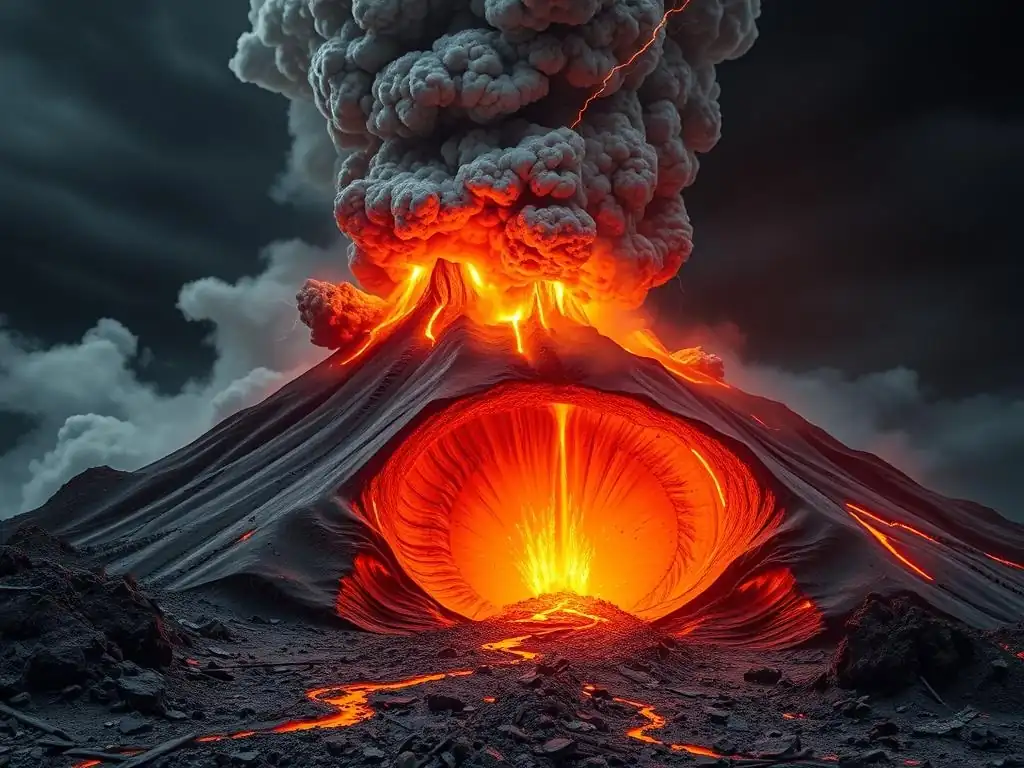
Welcome to Volcano Explorers, where the Earth breathes fire!
Ever wondered what truly unleashed the fury of Tambora, the volcano that darkened the skies and chilled the world? Dive into "Tambora's Plume: Reconstructing the Anatomy of a MegaEruption" and uncover the secrets behind one of history's most devastating events. Prepare to explore the anatomy of Tambora eruption like never before, and ask yourself, could such a cataclysm happen again? Let the exploration begin...
- Introduction: Unveiling the Secrets of the Tambora Eruption
- Reconstructing the Anatomy of the Tambora Eruption Plume
- Analyzing the Composition and Dynamics of the Tambora Plume
- The Anatomy of the Tambora Caldera: A Window into the Eruption's Source
- Remote Sensing Techniques for Reconstructing Plume Height and Volume
- The "Year Without a Summer": Global Climate Impacts of the Tambora Plume
- Comparing Tambora's Eruption Anatomy to Other Mega-Eruptions
- Lessons Learned from the Anatomy of Tambora's Eruption
- Future Research Directions: Further Exploring the Anatomy of Tambora
- Conclusion: Appreciating the Power and Complexity of Volcanic Eruptions
-
Frequently Asked Questions
- What made the Tambora eruption so devastating?
- How did scientists reconstruct the anatomy of the Tambora eruption?
- What were the immediate environmental impacts of the Tambora eruption?
- What are the long-term global effects attributed to the Tambora eruption?
- How does understanding the anatomy of the Tambora eruption help us today?
- Final Reflection: Echoes of Tambora's Fury
- Unleash Your Inner Volcanologist!
Introduction: Unveiling the Secrets of the Tambora Eruption
The Catastrophic Impact of the 1815 Tambora Eruption
The year 1815 witnessed one of the most colossal volcanic events in recorded history: the eruption of Mount Tambora, located on the island of Sumbawa, present-day Indonesia. This eruption, reaching a Volcanic Explosivity Index (VEI) of 7, unleashed a fury that reverberated across the globe.
Initial impacts were devastatingly local, with pyroclastic flows and tsunami waves obliterating settlements and claiming tens of thousands of lives in the immediate vicinity. Estimates suggest that the eruption directly killed at least 10,000 people, while the ensuing famine and disease, exacerbated by the volcanic fallout, led to an estimated death toll exceeding 100,000 in the region.
The eruption's sheer magnitude ejected an estimated 160 cubic kilometers of volcanic material into the atmosphere, a volume dwarfing even the infamous Krakatoa eruption of 1883. The immediate aftermath was a landscape transformed, with Tambora's peak reduced by over 1,200 meters as a massive caldera formed in its wake.
Beyond the immediate devastation, the Tambora eruption had profound and far-reaching global consequences. The colossal volcanic plume injected vast quantities of gases and ash into the stratosphere, initiating a chain of atmospheric and climatic disruptions. The most infamous consequence was the "Year Without a Summer" in 1816, a period of unprecedented global cooling that triggered widespread agricultural failures, famines, and social unrest across Europe and North America.
This event serves as a stark reminder of the interconnectedness of Earth's systems and the potential for volcanic mega-eruptions to exert global-scale environmental and societal impacts. Understanding the anatomy of the Tambora eruption, particularly its plume, is crucial to grasping the mechanisms behind such catastrophic events and mitigating future volcanic hazards.
Understanding Mega-Eruptions: A Volcanological Perspective
Mega-eruptions, such as the Tambora event, represent the most extreme expressions of volcanic power. These cataclysmic events are characterized by a VEI of 7 or 8, signifying the ejection of over 100 cubic kilometers of volcanic material and eruption plumes reaching heights exceeding 25 kilometers into the stratosphere.
From a volcanological perspective, understanding mega-eruptions is paramount because they offer insights into the deepest workings of Earth's volcanic systems and their capacity to drastically alter the planet's environment and climate. Unlike smaller eruptions, mega-eruptions involve massive magma reservoirs, complex eruption dynamics, and prolonged periods of unrest leading up to the explosive phase.
Studying the anatomy of a mega-eruption, such as the anatomy of Tambora eruption, involves unraveling the intricate details of its various components, from the magma source and conduit system to the eruption plume and its atmospheric interactions. Volcanologists employ a multidisciplinary approach, integrating geological fieldwork, geochemical analysis, geophysical monitoring, and computational modeling to reconstruct the sequence of events and the physical and chemical processes that govern these colossal eruptions.
By dissecting the anatomy of Tambora eruption, scientists aim to improve our ability to forecast future mega-eruptions, assess their potential hazards, and develop effective mitigation strategies to minimize their devastating impacts on human populations and the global environment. The Tambora eruption serves as a critical case study for understanding the anatomy of mega-eruptions and the profound global consequences they can unleash.
Reconstructing the Anatomy of the Tambora Eruption Plume
Geological Evidence and Ash Distribution Analysis
Reconstructing the anatomy of Tambora eruption plume relies heavily on the analysis of geological evidence, particularly the distribution and characteristics of volcanic ash, or tephra, deposits. Tephra layers deposited by the Tambora eruption have been identified across a vast geographical area, extending hundreds and even thousands of kilometers from the volcano.
The thickness, grain size, and composition of these ash layers provide crucial clues about the plume's dispersal patterns, height, and the intensity of the eruption. For instance, thicker and coarser ash deposits are typically found closer to the volcano, indicating higher plume columns and more energetic eruptive phases in those directions.
Detailed mapping and analysis of tephra distribution patterns from the Tambora eruption have revealed that the plume was significantly influenced by prevailing wind patterns at the time. Studies of ash deposits in the Java Sea and as far afield as Borneo and the Indian Ocean have allowed volcanologists to reconstruct the dominant wind directions during the eruption and infer the plume's trajectory.
Furthermore, the vertical distribution of ash within these deposits, analyzed through stratigraphic studies of sediment cores, provides insights into the temporal evolution of the eruption plume, revealing changes in eruption intensity and plume height over time. The spatial extent and characteristics of Tambora's ash fall are key components in understanding the anatomy of Tambora eruption plume.
Computational Modeling of the Tambora Eruption Column
While geological evidence provides a tangible record of the Tambora eruption, computational modeling offers a complementary approach to reconstruct the anatomy of Tambora eruption plume and its dynamics. Volcanic plume models utilize principles of fluid dynamics, thermodynamics, and atmospheric physics to simulate the rise and dispersal of volcanic plumes under various eruption conditions and atmospheric parameters. These models take into account factors such as eruption rate, vent diameter, gas content of the magma, and atmospheric wind profiles to simulate plume height, width, and ash dispersal patterns.
For the Tambora eruption, sophisticated plume models have been developed and refined using available geological data, historical accounts, and modern atmospheric datasets. These models can simulate the ascent of the eruption column, the entrainment of surrounding air, and the gravitational settling of ash particles. By varying model parameters and comparing the simulated ash distribution with observed tephra deposits, researchers can constrain the eruption source parameters, such as the eruption rate and plume height.
For example, some models estimate that the Tambora eruption plume reached a staggering height of over 40 kilometers, penetrating deep into the stratosphere. Computational modeling, therefore, is an indispensable tool in reconstructing and understanding the complex anatomy of Tambora eruption plume and its atmospheric interactions, complementing the information derived from geological and historical records.
Analyzing the Composition and Dynamics of the Tambora Plume
Tephra Deposits: A Chemical Fingerprint of the Eruption
Tephra deposits from the Tambora eruption are not just physical remnants; they also serve as a chemical fingerprint of the eruption, providing crucial insights into the composition and dynamics of the Tambora plume. Detailed geochemical analysis of tephra, including major and trace element composition, as well as isotopic ratios, reveals the magmatic source of the eruption and the processes that occurred within the magma chamber and during the eruption itself. For instance, the composition of volcanic glass shards within the tephra can indicate the temperature and pressure conditions of magma generation and ascent.
Different types of tephra, such as pumice, ash, and volcanic bombs, represent different eruption mechanisms and plume dynamics. Pumice, a light and porous volcanic rock, forms from gas-rich magma that rapidly decompresses during eruption, indicating highly explosive phases. Ash, composed of fine-grained fragments of volcanic rock and glass, is generated by the fragmentation of magma during explosive eruptions and is widely dispersed within the plume.
Volcanic bombs, larger fragments ejected ballistically from the vent, provide information about the eruptive energy and near-vent processes. Analyzing the relative proportions and spatial distribution of these different tephra types within the Tambora deposits helps to reconstruct the complex dynamics of the anatomy of Tambora eruption plume and the variations in eruptive style throughout the event.
Sulfur Dioxide Emissions and Their Atmospheric Impact
A critical component of the anatomy of Tambora eruption plume, with profound global consequences, was the massive release of sulfur dioxide (SO2) gas. Volcanic gases, particularly SO2, play a significant role in driving explosive eruptions and influencing atmospheric processes. During the Tambora eruption, it is estimated that approximately 50-60 teragrams (Tg) of SO2 were injected into the stratosphere. This colossal amount of SO2 reacted with water vapor in the stratosphere to form sulfate aerosols, tiny droplets of sulfuric acid that can persist in the atmosphere for months to years.
These sulfate aerosols have a significant impact on Earth's radiation balance. They effectively reflect incoming solar radiation back into space, reducing the amount of sunlight reaching the Earth's surface. This phenomenon is known as volcanic radiative forcing and is the primary mechanism by which volcanic eruptions can cause global cooling.
The massive SO2 emissions from the Tambora eruption were directly responsible for the global cooling observed in 1816, the "Year Without a Summer." Understanding the magnitude of SO2 release and its subsequent atmospheric transformations is central to comprehending the global climate impacts associated with the anatomy of Tambora eruption plume and other large volcanic eruptions.
The Anatomy of the Tambora Caldera: A Window into the Eruption's Source
Caldera Formation Mechanisms and Tambora's Unique Structure
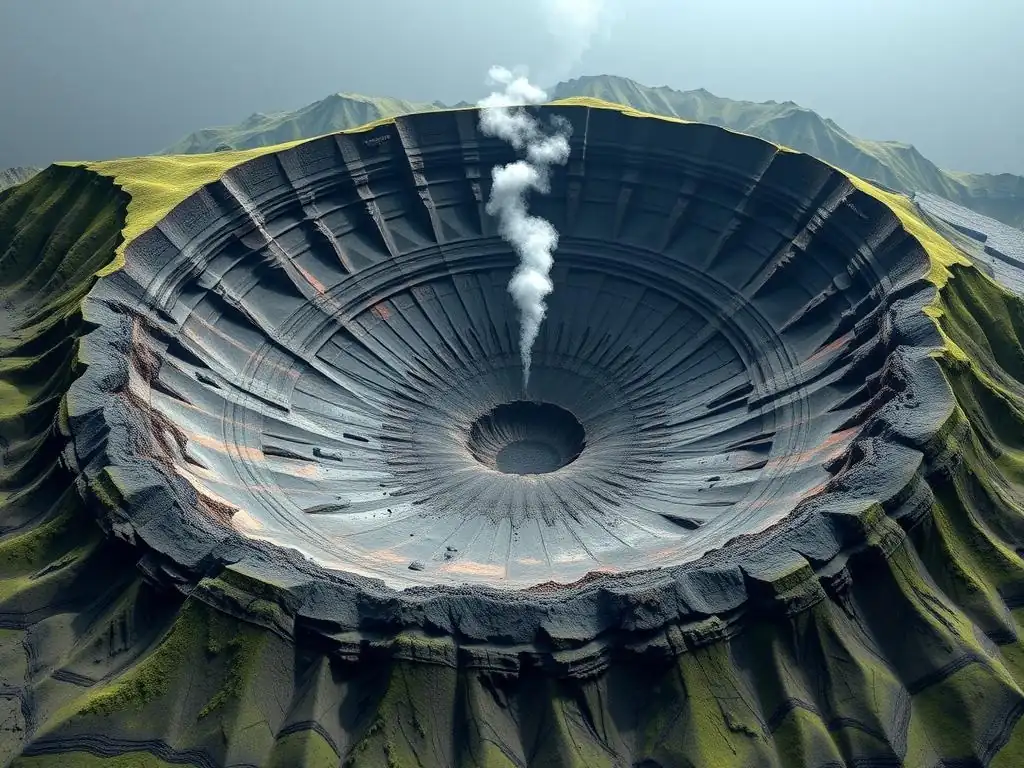
The anatomy of Tambora eruption is not solely defined by its plume; the formation of its massive caldera is another critical aspect, providing a window into the eruption's source and magnitude. Calderas are large, basin-shaped depressions that form at volcanic centers following major eruptions.
They are created when the magma chamber beneath a volcano empties rapidly during an eruption, causing the overlying ground to collapse into the void space. Caldera formation is a hallmark of highly explosive eruptions, and the size and structure of a caldera can reflect the volume of magma erupted and the depth of the magma chamber.
The Tambora caldera is a particularly impressive example, measuring approximately 6 kilometers in diameter and 1,200 meters in depth. This immense size directly reflects the enormous volume of magma erupted during the 1815 event. The structure of the Tambora caldera, as revealed by geological surveys and geophysical investigations, provides insights into the geometry of the magma chamber and the fault systems that controlled the caldera collapse.
Studies of the caldera walls expose layers of volcanic rocks and eruption deposits, offering a unique cross-section through the volcano's edifice and its eruptive history. The anatomy of Tambora eruption caldera is thus an integral part of understanding the eruption's overall dynamics and the scale of magma withdrawal from the subsurface.
Magma Chamber Dynamics and Eruption Triggers
Delving deeper into the anatomy of Tambora eruption requires understanding the dynamics of the magma chamber that fueled this colossal event and the potential triggers that initiated the eruption. Magma chambers are complex systems where molten rock, crystals, and dissolved gases accumulate and evolve over time. The composition, temperature, pressure, and volatile content of magma within the chamber play crucial roles in determining the style and explosivity of an eruption. Pre-eruption processes within the magma chamber, such as magma mixing, crystal fractionation, and volatile accumulation, can influence the conditions leading up to an eruption.
Potential triggers for the Tambora eruption could include a variety of factors, such as pressure buildup within the magma chamber exceeding the strength of the surrounding rocks, intrusion of fresh magma into the chamber, or external factors like tectonic stresses or changes in groundwater pressure. Geochemical analysis of Tambora's eruption products helps to constrain the composition and evolution of the magma involved, while geophysical studies can provide information about the depth and geometry of the magma chamber and any pre-eruption deformation of the volcano.
Reconstructing the magma chamber dynamics and eruption triggers is a challenging but crucial aspect of understanding the complete anatomy of Tambora eruption and improving our ability to forecast future volcanic events.
Remote Sensing Techniques for Reconstructing Plume Height and Volume
Satellite Imagery Analysis of the Tambora Eruption
While satellite imagery was not available during the 1815 Tambora eruption, modern remote sensing techniques provide invaluable tools for studying the anatomy of volcanic eruption plumes in contemporary events and offer insights that can be retrospectively applied to historical eruptions like Tambora. Satellite instruments can detect and measure various plume characteristics, including plume height, extent, ash concentration, and gas emissions, in near real-time. For example, geostationary satellites provide continuous monitoring of volcanic plumes, allowing for the tracking of plume evolution over time.
Data from satellite sensors operating in different spectral bands, such as visible, infrared, and ultraviolet, are used to characterize different plume components. Infrared measurements can estimate plume temperature and height, while ultraviolet sensors are particularly sensitive to sulfur dioxide gas, allowing for the quantification of SO2 emissions.
Although direct satellite data is absent for the Tambora eruption, the principles and methodologies developed for analyzing modern volcanic plumes using satellite imagery are crucial for interpreting historical accounts and geological evidence to infer the plume characteristics of past mega-eruptions. These techniques help us to bridge the gap in direct observational data for events like the anatomy of Tambora eruption plume.
Ground-Based Observations and Historical Accounts
In the absence of modern instrumental data for the Tambora eruption, ground-based observations and historical accounts become paramount for reconstructing aspects of the anatomy of Tambora eruption plume. Eyewitness accounts from the time, including reports from colonial officials, travelers, and local populations, provide valuable qualitative descriptions of the eruption's intensity, plume height, and ash fall. These historical records, while often subjective and lacking precise measurements, offer crucial contextual information that complements geological and modeling studies.
For instance, descriptions of the darkness at distances far from Tambora, the duration of ash fall, and the widespread atmospheric effects reported in 1815 and 1816 provide indirect constraints on plume height, ash dispersal, and the atmospheric impact of the eruption. Early scientific expeditions and observations made in the years following the eruption also contribute to our understanding. Combining these historical accounts with geological data and modern volcanological principles allows for a more comprehensive reconstruction of the anatomy of Tambora eruption plume, even without direct instrumental measurements from the time of the event.
The "Year Without a Summer": Global Climate Impacts of the Tambora Plume
Temperature Anomalies and Crop Failures in 1816
The most dramatic and widely recognized consequence of the anatomy of Tambora eruption plume was the global climate anomaly of 1816, famously known as the "Year Without a Summer." Across Europe, North America, and parts of Asia, 1816 experienced abnormally cold temperatures, widespread frost events, and persistent unusual weather patterns throughout the spring, summer, and autumn months. Temperature records from the period indicate a global average temperature decrease of approximately 0.4 to 0.7 °C, a significant deviation in pre-industrial climate.
These temperature anomalies had devastating impacts on agriculture. Crop failures were widespread across the Northern Hemisphere, leading to severe food shortages and famines. Reports from Europe describe failed harvests of wheat, rye, and oats, leading to soaring food prices and widespread hunger. In North America, frost throughout the summer months destroyed corn crops, leading to similar food scarcity and economic hardship. The "Year Without a Summer" serves as a stark example of the profound and far-reaching societal consequences that can arise from the global climate impacts triggered by the anatomy of Tambora eruption plume.
The Role of Volcanic Aerosols in Climate Cooling
The link between the anatomy of Tambora eruption plume and the global cooling of 1816 is primarily attributed to the injection of massive quantities of sulfur dioxide (SO2) into the stratosphere. As discussed earlier, SO2 reacts in the stratosphere to form sulfate aerosols, which are highly effective at scattering incoming solar radiation. This increase in atmospheric reflectivity, known as albedo, reduces the amount of solar energy absorbed by the Earth's surface and atmosphere, leading to a net cooling effect.
Climate models and paleoclimate reconstructions have confirmed the central role of volcanic aerosols from the Tambora eruption in driving the observed global temperature decrease in 1816. The magnitude of the cooling is consistent with the estimated SO2 emissions from Tambora and the radiative forcing effect of sulfate aerosols. Furthermore, ice core records from Greenland and Antarctica show a clear spike in sulfate deposition corresponding to the Tambora eruption, providing further evidence of the global atmospheric dispersal of volcanic aerosols.
Understanding the role of volcanic aerosols in climate cooling is crucial for assessing the long-term environmental consequences of mega-eruptions and for improving climate models to account for volcanic forcing. The anatomy of Tambora eruption plume and its aerosol component are thus key to understanding this historical climate event.
Comparing Tambora's Eruption Anatomy to Other Mega-Eruptions
Similarities and Differences in Plume Dynamics
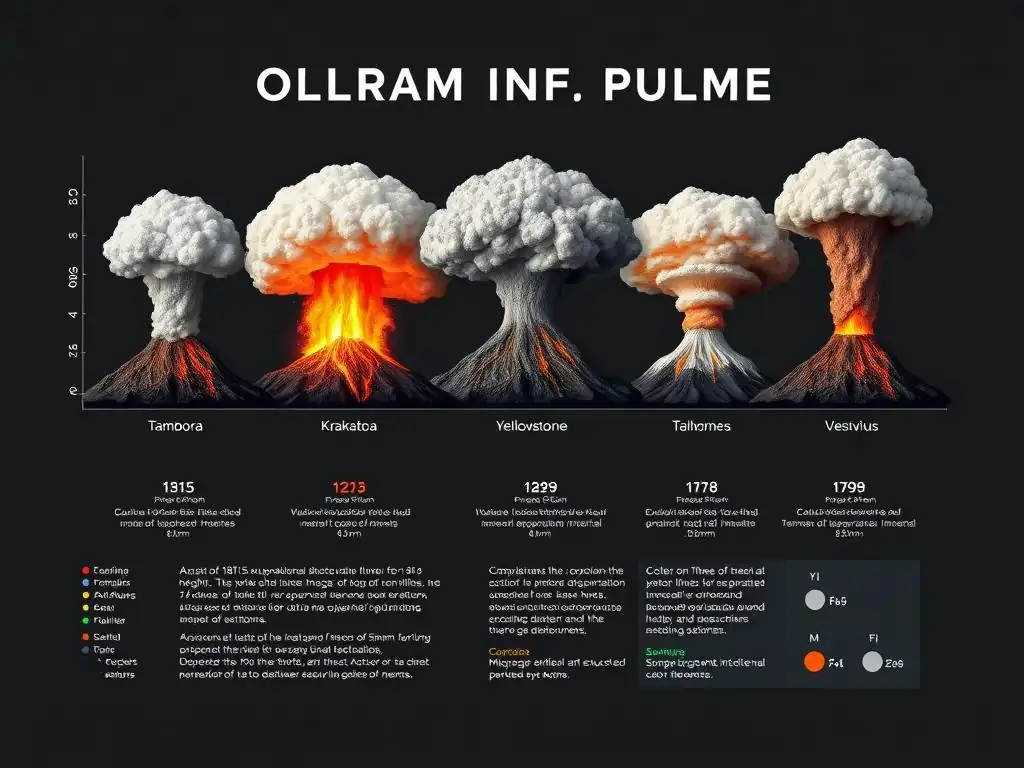
Comparing the anatomy of Tambora eruption plume to other mega-eruptions, such as the Krakatoa eruption of 1883 or even larger prehistoric super-eruptions, reveals both similarities and differences in plume dynamics and eruption characteristics. Mega-eruptions share common features, including massive eruption columns reaching the stratosphere, widespread ash dispersal, and significant atmospheric gas emissions. However, the specific details of plume dynamics, such as plume height, shape, and ash dispersal patterns, can vary depending on factors like magma composition, eruption rate, vent geometry, and atmospheric conditions.
For example, while both Tambora and Krakatoa were VEI 7 eruptions, Krakatoa's eruption plume was perhaps more vertically focused, leading to spectacular atmospheric optical effects but potentially less widespread ash fall compared to Tambora. Super-eruptions, with VEI 8 or higher, such as the Yellowstone caldera eruptions, involve even larger magma volumes and potentially more complex plume dynamics, with caldera formation playing a more dominant role.
By comparing the anatomy of Tambora eruption plume with other mega-eruptions, volcanologists can identify common eruption processes, understand the range of possible plume behaviors, and refine models for predicting the impacts of future large eruptions.
Understanding the Scale of Volcanic Explosivity (VEI)
The Volcanic Explosivity Index (VEI) is a logarithmic scale used to quantify the explosivity of volcanic eruptions, based primarily on the volume of erupted material and plume height. The anatomy of Tambora eruption, with its VEI of 7, serves as a benchmark for understanding the scale of explosivity associated with mega-eruptions. A VEI 7 eruption is defined by the ejection of over 100 cubic kilometers of tephra and a plume height exceeding 25 kilometers. The Tambora eruption comfortably exceeded these thresholds, ejecting an estimated 160 cubic kilometers of material and reaching a plume height likely exceeding 40 kilometers.
The VEI scale provides a useful framework for comparing the magnitude of different eruptions and for communicating volcanic hazard assessments. Each increment on the VEI scale represents roughly a tenfold increase in explosivity.
While VEI 7 eruptions like Tambora and Krakatoa are rare in human history, VEI 8 super-eruptions, though far less frequent, represent an even greater magnitude of volcanic hazard with potentially global catastrophic consequences. Understanding the VEI scale and placing the anatomy of Tambora eruption within this context is crucial for appreciating the relative scale of volcanic explosivity and the range of potential impacts associated with different eruption magnitudes.
Lessons Learned from the Anatomy of Tambora's Eruption
Improving Volcanic Hazard Assessment and Monitoring
Studying the anatomy of Tambora eruption provides invaluable lessons for improving volcanic hazard assessment and monitoring efforts worldwide. The Tambora eruption highlighted the far-reaching and global impacts of mega-eruptions, underscoring the need for comprehensive hazard assessments that extend beyond the immediate vicinity of volcanoes. Understanding the ash dispersal patterns and atmospheric impacts of Tambora helps to refine models for predicting ash fall extent, volcanic gas dispersion, and potential climate perturbations from future large eruptions.
Modern volcanic monitoring techniques, including seismic monitoring, ground deformation measurements, gas emission monitoring, and remote sensing, are crucial for detecting pre-eruption unrest and providing timely warnings. The lessons learned from Tambora emphasize the importance of robust monitoring networks, particularly for volcanoes with a history of large explosive eruptions. Furthermore, studying the anatomy of Tambora eruption reinforces the need for international collaboration in volcanic hazard assessment and preparedness, given the potential for global impacts from mega-eruptions.
Understanding the Long-Term Environmental Consequences of Mega-Eruptions
The "Year Without a Summer" and its aftermath demonstrated the long-term environmental and societal consequences of mega-eruptions. Beyond the immediate devastation, the Tambora eruption triggered a period of global climate disruption, agricultural failures, and social unrest that lasted for several years. Studying the anatomy of Tambora eruption and its environmental impacts provides insights into the potential long-term effects of future mega-eruptions on climate, ecosystems, and human societies.
These long-term consequences can include prolonged periods of global cooling, changes in precipitation patterns, disruptions to ocean circulation, and impacts on biodiversity. Understanding these potential long-term effects is crucial for developing strategies for mitigating the risks associated with mega-eruptions and for building resilience to large-scale environmental changes. The anatomy of Tambora eruption serves as a critical case study for understanding the complex and cascading environmental consequences of mega-eruptions and for informing long-term disaster preparedness planning.
Future Research Directions: Further Exploring the Anatomy of Tambora
Advanced Geochemical Analysis of Ejecta
Despite extensive research on the Tambora eruption, there are still numerous avenues for future research to further explore the anatomy of Tambora eruption in greater detail. Advanced geochemical analysis of Tambora's ejecta, utilizing cutting-edge techniques, can provide even more refined insights into the magmatic processes that drove the eruption. High-resolution analysis of trace element and isotopic compositions of volcanic glass and crystals can reveal details about magma source regions, magma chamber evolution, and pre-eruption magma mixing processes with unprecedented precision.
Furthermore, analyzing the volatile content of melt inclusions, tiny pockets of trapped magma within crystals, can provide more accurate estimates of the pre-eruption gas content of the magma and the dynamics of degassing during the eruption. These advanced geochemical studies can refine our understanding of the magma system beneath Tambora and the specific conditions that led to the 1815 mega-eruption. Further geochemical investigations are essential to fully unravel the anatomy of Tambora eruption at the most fundamental level.
Developing More Sophisticated Eruption Models
Another crucial direction for future research is the development of more sophisticated eruption models that can better simulate the complex dynamics of mega-eruptions like Tambora. Current volcanic plume models, while increasingly sophisticated, still have limitations in capturing the full range of physical processes involved in mega-eruptions, such as magma fragmentation, multiphase flow, and interactions with the stratosphere. Developing models that incorporate more detailed physics and chemistry, and that can utilize high-resolution atmospheric datasets, is essential for improving the accuracy of eruption simulations.
Furthermore, integrating geological data, geochemical constraints, and historical accounts into model development and validation is crucial for ensuring that models are grounded in real-world observations. Advancements in computational power and numerical methods are enabling the development of increasingly complex and realistic eruption models. These advanced models will be invaluable tools for further exploring the anatomy of Tambora eruption plume, simulating different eruption scenarios, and improving volcanic hazard assessments for future mega-eruptions.
Conclusion: Appreciating the Power and Complexity of Volcanic Eruptions
The Lasting Legacy of the Tambora Eruption
The Tambora eruption of 1815 stands as a stark reminder of the immense power and complexity of volcanic eruptions and their capacity to profoundly impact both the local and global environment. The lasting legacy of the Tambora eruption extends beyond its immediate devastation and the "Year Without a Summer." It has shaped our understanding of mega-eruptions, their atmospheric impacts, and the interconnectedness of Earth's systems. The anatomy of Tambora eruption, meticulously reconstructed through geological, historical, and modeling studies, continues to be a subject of intense scientific interest and a crucial case study for volcanology and climate science.
The Tambora eruption also serves as a cautionary tale, highlighting the vulnerability of human societies to large-scale natural disasters and the importance of preparedness and mitigation efforts. The societal disruptions caused by the "Year Without a Summer" underscore the need for global cooperation and resilience in the face of potential future mega-eruptions. The anatomy of Tambora eruption remains a vital area of study for understanding these extreme events and their long-term consequences.
The Importance of Studying Volcanic Anatomy for Disaster Preparedness
Ultimately, the study of volcanic anatomy, particularly the anatomy of Tambora eruption, is of paramount importance for disaster preparedness and risk reduction. By unraveling the intricate details of past mega-eruptions, scientists can improve our ability to forecast future volcanic events, assess their potential hazards, and develop effective mitigation strategies. Understanding plume dynamics, ash dispersal patterns, and atmospheric impacts is crucial for informing aviation safety protocols, public health advisories, and emergency response planning in volcanically active regions.
Furthermore, the lessons learned from Tambora emphasize the need for long-term strategies to build resilience to large-scale environmental changes and food security challenges that can be triggered by mega-eruptions. Investing in volcanic monitoring networks, hazard assessments, and public education is essential for minimizing the risks associated with these powerful natural phenomena. The continued study of volcanic anatomy, exemplified by the ongoing research into the anatomy of Tambora eruption, is therefore a critical endeavor for safeguarding human lives and building a more resilient future in the face of volcanic hazards.
Frequently Asked Questions
What made the Tambora eruption so devastating?
The Tambora eruption's devastation stemmed from a combination of factors, including the massive volume of ejected material, the creation of a stratospheric ash cloud that caused global cooling, and the resulting widespread famine and disease.
How did scientists reconstruct the anatomy of the Tambora eruption?
Scientists reconstruct the anatomy through analyzing geological deposits, studying historical accounts, and using computer modeling to simulate the eruption's dynamics and effects.
What were the immediate environmental impacts of the Tambora eruption?
The immediate impacts included widespread ashfall, pyroclastic flows, and tsunamis, causing immense destruction and loss of life around Tambora.
What are the long-term global effects attributed to the Tambora eruption?
The eruption led to global cooling (the "Year Without a Summer"), altered weather patterns, and agricultural failures worldwide, resulting in widespread famine and disease.
How does understanding the anatomy of the Tambora eruption help us today?
Studying Tambora helps us better understand mega-eruptions, improve volcanic hazard assessments, and develop strategies for mitigating the impacts of future large-scale volcanic events.
Final Reflection: Echoes of Tambora's Fury
The scientific reconstruction of the anatomy of Tambora's eruption serves as a stark reminder of the Earth's immense power and the fragility of human existence in its wake. Understanding the precise mechanisms and consequences of such a cataclysm is not merely an academic exercise; it's a crucial endeavor to prepare for future volcanic events and mitigate their potential impact on our increasingly interconnected world.
The eruption of Tambora in 1815 continues to shape our understanding of climate change and the interconnectedness of global systems. Its impact reverberates through history, reminding us that even seemingly distant events can have profound and lasting consequences. The year without a summer
serves as a chilling testament to the power of nature to disrupt human civilization, a lesson we must heed as we face new environmental challenges.
Let us not forget the lessons etched in the ash of Tambora. Consider how this understanding of the anatomy of Tambora's eruption can inform our present-day strategies for disaster preparedness and environmental stewardship. What steps can you take, in your own life and community, to contribute to a more resilient and sustainable future, one that acknowledges and respects the awesome power of our planet?
Unleash Your Inner Volcanologist!
Thanks for exploring the devastating eruption of Tambora with us! You've witnessed the immense power of volcanic plumes; now, take your exploration further.
Ready to apply your newfound knowledge? Here's how:
- Analyze images of recent volcanic eruptions, identifying key plume features based on what you've learned about Tambora's anatomy.
- Share this article with fellow geology enthusiasts and spark a discussion about ongoing mega-eruption research.
- Delve deeper! Research other catastrophic eruptions and compare their impact to Tambora's. What similarities and differences do you find?
What crucial aspect of volcanic plumes should scientists investigate next? Share your thoughts in the comments below!