
The Epic of Gilgamesh and Volcanic Fire: Echoes of Eruption in Ancient Sumerian Lore?

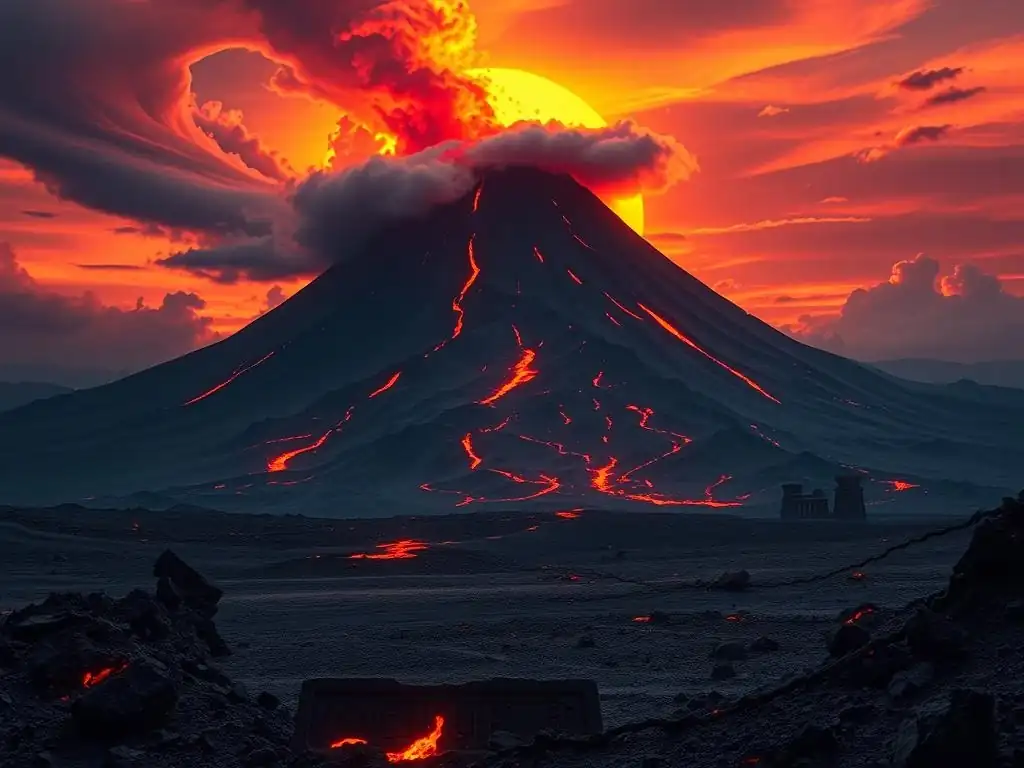
Welcome to Volcano Explorers!
Prepare to journey back in time and uncover a hidden connection between ancient mythology and fiery geological events. Could the Epic of Gilgamesh, one of humanity's oldest stories, hold a veiled account of ancient Sumerian volcanic eruptions? Delve into the scientific and historical evidence that suggests these legendary tales may be more than just myth. What secrets lie buried beneath the ash of millennia? Explore our latest article and ignite your curiosity!
- The Epic of Gilgamesh and the Pumice Plume: Traces of the Bronze Age Eruption of Thera?
- Introduction: Exploring Ancient Mesopotamian Literature and Potential Volcanic Connections
- The Epic of Gilgamesh: A Window into Ancient Mesopotamian Culture
- Deciphering Potential Volcanic Imagery in the Epic of Gilgamesh
- The Thera Eruption: Evidence and Geological Context
- The Flood Narrative: A Potential Link to the Thera Tsunami
- Gods, Monsters, and Natural Phenomena: Interpreting Sumerian Mythology
- The Significance of Gilgamesh's Journey in the Context of Potential Volcanic Aftermath
- Conclusion: Re-evaluating The Epic of Gilgamesh Through the Lens of the Thera Eruption
-
Frequently Asked Questions
- What evidence suggests ancient Sumerians experienced volcanic eruptions?
- How might the Epic of Gilgamesh relate to volcanic activity?
- Where would these potential ancient Sumerian volcanic eruptions have originated from?
- Why isn't there more definitive evidence of Sumerian awareness of volcanic eruptions?
- What is VolcanoExplorers.org's stance on the connection between Sumerian lore and volcanoes?
- Final Reflection: Echoes of Ancient Fury
- Unearth Gilgamesh's Secrets: Become a Sumerian Explorer!
The Epic of Gilgamesh and the Pumice Plume: Traces of the Bronze Age Eruption of Thera?
Introduction: Exploring Ancient Mesopotamian Literature and Potential Volcanic Connections
The Epic of Gilgamesh, one of humanity's oldest surviving works of literature, originates from ancient Mesopotamia, specifically Sumerian civilization, dating back to the Bronze Age. This epic poem, preserved on clay tablets in cuneiform script, offers a profound glimpse into the beliefs, values, and worldview of a society that flourished millennia ago.
While primarily understood as a narrative exploring themes of mortality, friendship, and the human condition, some scholars propose that the epic might also contain veiled references to real historical events, including catastrophic natural disasters. Among these potential events, the cataclysmic Bronze Age eruption of Thera (modern Santorini) stands out as a plausible influence on the epic's imagery and narrative structure.
The Thera eruption, estimated to have occurred around the 17th or 16th century BCE, was one of the largest volcanic events in recorded history. Its impact reverberated across the Mediterranean and potentially beyond.
Considering the timeframe and the far-reaching consequences of such an eruption, it is reasonable to explore whether echoes of this event, or similar volcanic occurrences, might have found their way into the cultural memory and literary traditions of Mesopotamia, ultimately influencing the creation and evolution of the Epic of Gilgamesh. This article delves into the text of the epic, juxtaposing its descriptions of storms, floods, and divine wrath with the known geological and archaeological evidence surrounding the Thera eruption and its potential impact on the ancient world.
The Epic of Gilgamesh: A Window into Ancient Mesopotamian Culture
Gilgamesh: King of Uruk, Hero, and Protagonist
Gilgamesh, the central figure of the epic, is presented as a demigod king of Uruk, an ancient Sumerian city-state located in Mesopotamia (modern-day Iraq). Historically, Uruk was one of the most important cities in Sumer, and archaeological evidence confirms its significant urban development during the Early Dynastic period, roughly contemporaneous with the traditional dating of Gilgamesh's reign. The epic portrays Gilgamesh as possessing superhuman strength and wisdom, yet also burdened by his mortality. Initially depicted as a tyrannical ruler, Gilgamesh undergoes a transformative journey throughout the narrative, learning valuable lessons about leadership, friendship, and the acceptance of human limitations.
The character of Gilgamesh embodies the ideals and anxieties of his era. He is a figure of immense power, reflecting the centralized authority of early Mesopotamian city-states and their ambitious building projects, such as the massive walls of Uruk described in the epic.
His quest for immortality, a central driving force in the narrative, likely reflects a broader human preoccupation with death and the desire to transcend the ephemeral nature of earthly existence, themes deeply embedded in Mesopotamian religious and philosophical thought. Through Gilgamesh's trials and tribulations, the epic explores fundamental questions about what it means to be human in a world often perceived as unpredictable and governed by powerful, sometimes capricious, divine forces.
Key Themes: Mortality, Friendship, and the Search for Meaning
The Epic of Gilgamesh grapples with profound and timeless themes that resonate even today. Foremost among these is the theme of mortality. Gilgamesh's realization of his own inevitable death, sparked by the death of his close companion Enkidu, propels him on a desperate quest for immortality. This pursuit leads him to confront the limits of human endeavor and ultimately accept the natural cycle of life and death. The epic underscores the fragility of human life and the importance of cherishing the present moment, a poignant message in any age.
Friendship is another crucial theme explored in the epic. The bond between Gilgamesh and Enkidu forms the emotional core of the narrative. Their initial rivalry evolves into deep companionship, highlighting the transformative power of friendship and its role in personal growth and mutual support.
Enkidu's death serves as a catalyst for Gilgamesh's journey of self-discovery, demonstrating the profound impact that meaningful relationships have on shaping our lives and confronting our vulnerabilities. Beyond these personal themes, the epic also touches upon the search for meaning in a world often perceived as chaotic and incomprehensible. Through Gilgamesh's encounters with gods, monsters, and the wisdom of Utnapishtim (the Mesopotamian Noah figure), the epic explores different approaches to understanding existence and finding purpose in the face of life's uncertainties.
Deciphering Potential Volcanic Imagery in the Epic of Gilgamesh
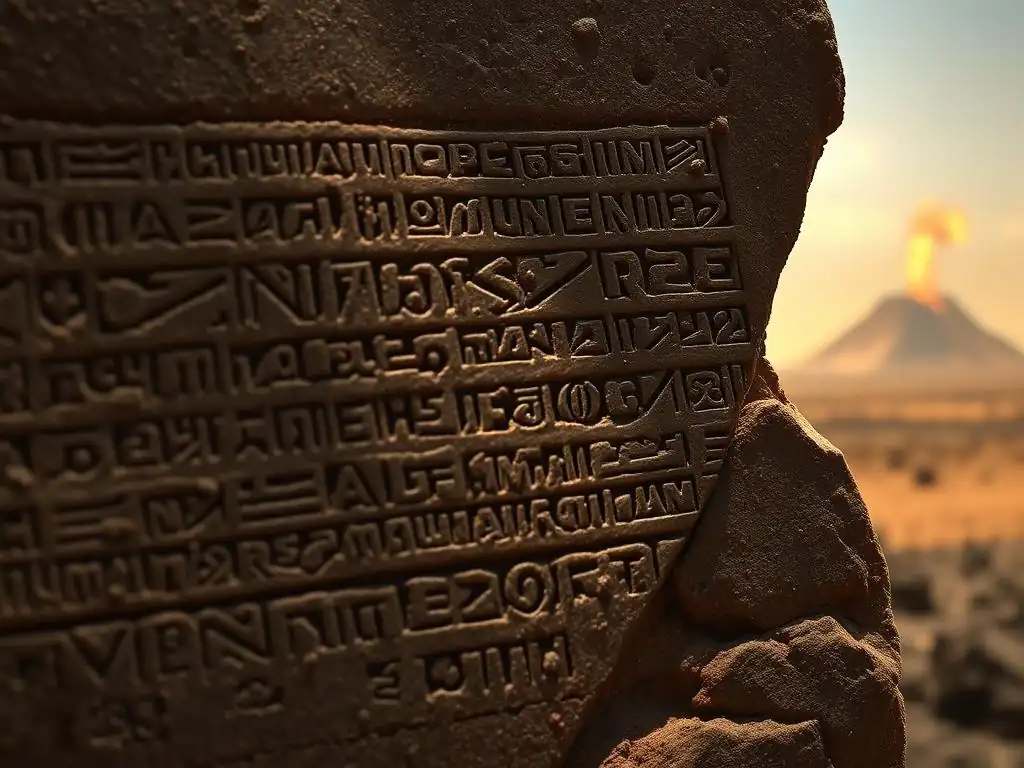
Identifying Potential References to the Bronze Age Eruption of Thera
While the Epic of Gilgamesh is not explicitly a historical account of the Thera eruption, some scholars suggest that certain passages within the epic might contain veiled allusions to large-scale natural disasters, potentially including volcanic events. Given the estimated timeframe of the Thera eruption and its potential impact across the Eastern Mediterranean, it is plausible that memories or secondhand accounts of such a cataclysm could have been incorporated, consciously or unconsciously, into Mesopotamian oral traditions and eventually into the written epic. Identifying these potential references requires careful textual analysis and comparison with geological and archaeological evidence.
The search for volcanic imagery in the Epic of Gilgamesh involves examining descriptions of intense storms, earthquakes, darkness, and divine punishment. These motifs, while common in ancient Near Eastern literature, could also reflect the sensory experiences associated with large volcanic eruptions, such as ash plumes darkening the sky, seismic activity preceding or accompanying eruptions, and the perceived wrath of deities associated with natural disasters.
It is crucial to note that interpretations remain speculative, as the epic is primarily a work of literature and mythology rather than a scientific record. However, exploring these potential connections can offer new perspectives on both the epic and the cultural impact of volcanic events in the ancient world.
Examining Descriptions of Storms, Darkness, and Earthquakes
Several passages in the Epic of Gilgamesh depict scenes of intense storms, darkness, and earthquakes that could be interpreted as potentially related to volcanic activity. For instance, the descriptions of the Cedar Forest, guarded by the monstrous Humbaba, evoke a sense of overwhelming natural power and potential danger. While primarily presented as a mythical realm, the intensity of the descriptions – "the roar of Humbaba was like the deluge, his mouth was fire, his breath was death!" – could metaphorically reflect the destructive forces associated with volcanic eruptions and their aftermath.
Furthermore, the account of the Great Flood in the epic contains elements that resonate with the potential consequences of a large volcanic eruption, particularly one like Thera that is theorized to have generated tsunamis. The flood narrative describes days of darkness and storms, "Darkness came, and there was no light, one whole day the tempest raged over the land… brother could not see brother, people could not recognize each other in the heavens."
This description of prolonged darkness and widespread chaos bears a striking resemblance to the atmospheric effects of a major volcanic eruption, where ash and volcanic gases can block sunlight and disrupt weather patterns over vast areas. The association of earthquakes with divine wrath is also a recurring theme in Mesopotamian literature, and seismic activity is a well-documented precursor and accompaniment to volcanic eruptions.
Analyzing the Role of Divine Punishment and Natural Upheaval
In ancient Mesopotamian mythology, natural disasters were often interpreted as manifestations of divine displeasure or punishment. The gods were seen as directly controlling the forces of nature, and events like floods, storms, and earthquakes were understood as messages or acts of retribution against human transgressions. The Epic of Gilgamesh reflects this worldview, portraying the Great Flood as a divine decree intended to punish humanity for its perceived wickedness. The gods' decision to unleash the flood, and the subsequent devastation it causes, are presented as acts of cosmic justice.
Within this context, it is conceivable that volcanic eruptions, with their dramatic and destructive power, could have been similarly interpreted as acts of divine punishment. The sheer scale of a major eruption like Thera, with its widespread effects and potential for long-term environmental disruption, would have been readily perceived as a cataclysmic event of supernatural origin.
The epic's emphasis on divine agency in the face of natural upheaval aligns with this ancient Mesopotamian perspective. Therefore, even if the epic's descriptions of storms and floods are not direct, literal accounts of a specific volcanic eruption, they may still reflect a cultural understanding of such events as manifestations of divine power and wrath, potentially informed by real experiences with volcanic phenomena, even if indirectly through cultural transmission and shared anxieties about natural disasters.
The Thera Eruption: Evidence and Geological Context
Archaeological Evidence of the Thera Eruption's Impact on the Mediterranean
The Thera eruption, centered on the island of Santorini in the Aegean Sea, is one of the best-documented and most intensely studied volcanic events of the Bronze Age. Archaeological excavations on Santorini and surrounding islands have unearthed extensive evidence of the eruption's devastating impact. The Minoan city of Akrotiri on Santorini, remarkably preserved under layers of volcanic ash, provides a snapshot of a thriving Bronze Age settlement abruptly buried by the eruption. The destruction layer at Akrotiri, consisting of pumice and ash deposits, clearly demonstrates the catastrophic nature of the event and its immediate impact on the local population.
Beyond Santorini, evidence of the Thera eruption has been found across the Mediterranean region. Tephra layers, or volcanic ash deposits, from Thera have been identified in archaeological sites and geological cores throughout the Aegean, Crete, Turkey, and even as far as the Nile Delta and the Levant. These tephra layers serve as a crucial chronological marker for archaeologists and geologists, allowing them to correlate events across different regions and reconstruct the eruption's geographical extent.
The presence of Thera tephra in distant locations attests to the eruption's widespread atmospheric impact and its potential to affect societies far beyond the immediate vicinity of Santorini. The archaeological record, therefore, provides compelling evidence of the Thera eruption's significance as a major environmental event in the Bronze Age Mediterranean.
Comparing Tephra Layers and Ash Deposits with the Epic's Depictions [Specific passages describing darkness]
Geological analysis of tephra layers from the Thera eruption provides valuable insights into the event's characteristics, which can be compared with the descriptions in the Epic of Gilgamesh. The Thera eruption produced vast quantities of pumice and ash, ejected high into the atmosphere, leading to widespread ashfall across the Aegean and beyond. Scientific studies have estimated that the eruption column reached heights of up to 30-40 kilometers, injecting massive amounts of volcanic material into the stratosphere. This would have resulted in significant atmospheric effects, including reduced sunlight, cooler temperatures, and potentially altered weather patterns.
The epic's descriptions of darkness during the Great Flood narrative, such as "Darkness came, and there was no light, one whole day the tempest raged over the land," are particularly relevant when compared to the known effects of volcanic ash plumes. While the epic's timeframe is debated and not directly linked to Thera chronologically, the sensory experience of prolonged darkness described could plausibly reflect the kind of atmospheric obscuration caused by a massive volcanic eruption.
Furthermore, geological evidence from Thera indicates that the eruption was indeed associated with significant seismic activity and tsunami generation. While the epic's flood narrative is undoubtedly a mythologized account, the geological context of the Thera eruption provides a real-world analogue for some of the catastrophic elements described in the ancient Sumerian text.
The Flood Narrative: A Potential Link to the Thera Tsunami
The Great Flood in the Epic of Gilgamesh and Similar Mesopotamian Accounts
The flood narrative is a central and recurring motif in Mesopotamian literature, appearing not only in the Epic of Gilgamesh but also in earlier Sumerian and Akkadian texts, such as the Atrahasis epic. These flood stories share common elements, including a divine decision to send a great flood to punish humanity, a chosen individual who is warned and instructed to build an ark to survive, and the eventual receding of the waters and repopulation of the earth.
In the Epic of Gilgamesh, Utnapishtim recounts his experience of surviving the flood to Gilgamesh, providing a detailed account of the deluge and its aftermath.
The pervasiveness of flood narratives in Mesopotamian culture suggests that floods were a significant and recurring environmental threat in the region. The Tigris and Euphrates river system, while vital for agriculture, was also prone to unpredictable and devastating floods. However, the scale and intensity of the flood described in the epic go beyond typical riverine floods, suggesting a memory of a truly exceptional or even cataclysmic inundation. The flood narrative, therefore, may represent a conflation of different flood events, both natural and potentially amplified by other environmental factors, including volcanic activity.
Tsunamis Triggered by Volcanic Eruptions as a Cause of Ancient Floods
While Mesopotamia is geographically distant from the Aegean Sea and Santorini, the Thera eruption and other large volcanic events are known to have the potential to generate tsunamis. The collapse of the volcanic caldera during the Thera eruption is believed to have triggered a massive tsunami that radiated outwards across the Aegean and potentially impacted coastal regions throughout the Eastern Mediterranean.
Although the direct impact of the Thera tsunami on Mesopotamia is debated, it is conceivable that such a large-scale event could have had indirect consequences, such as disrupting trade routes, causing population displacement, and contributing to broader environmental and societal instability in the region.
Furthermore, while a direct tsunami from Thera reaching Mesopotamia is unlikely due to distance, the wider Mediterranean region is seismically and volcanically active. Other volcanic centers and seismic zones closer to Mesopotamia could have generated tsunamis that did impact Mesopotamian coastal areas during the Bronze Age or earlier periods. Therefore, the flood narrative in the Epic of Gilgamesh, while not necessarily a direct account of the Thera tsunami, might still reflect a cultural memory of tsunami events, potentially influenced by the broader context of volcanic and seismic activity in the ancient Near East.
Connecting the Flood Narrative to Potential Environmental Changes in Mesopotamia
Beyond tsunamis, large volcanic eruptions can trigger a range of environmental changes that could have contributed to or exacerbated flood events in Mesopotamia. Volcanic ash and aerosols injected into the atmosphere can affect global climate patterns, potentially leading to altered rainfall regimes and increased river flooding. Studies suggest that major volcanic eruptions can cause short-term cooling and shifts in precipitation patterns, which could have had significant consequences for agricultural societies reliant on predictable river flows.
In the context of Mesopotamia, a major volcanic eruption like Thera could have contributed to increased rainfall in the region, leading to higher river levels and a greater risk of flooding in the Tigris and Euphrates valleys. Moreover, volcanic ashfall, while potentially fertile in the long term, can initially damage crops and disrupt agricultural productivity.
This could have led to food shortages and societal stress, further amplifying the impact of flood events and contributing to a sense of environmental upheaval and divine punishment. Therefore, while the flood narrative in the Epic of Gilgamesh is undoubtedly a complex mythologized account, it is plausible that volcanic eruptions and their associated environmental consequences could have played a role in shaping the cultural memory of catastrophic floods in Mesopotamia.
Gods, Monsters, and Natural Phenomena: Interpreting Sumerian Mythology
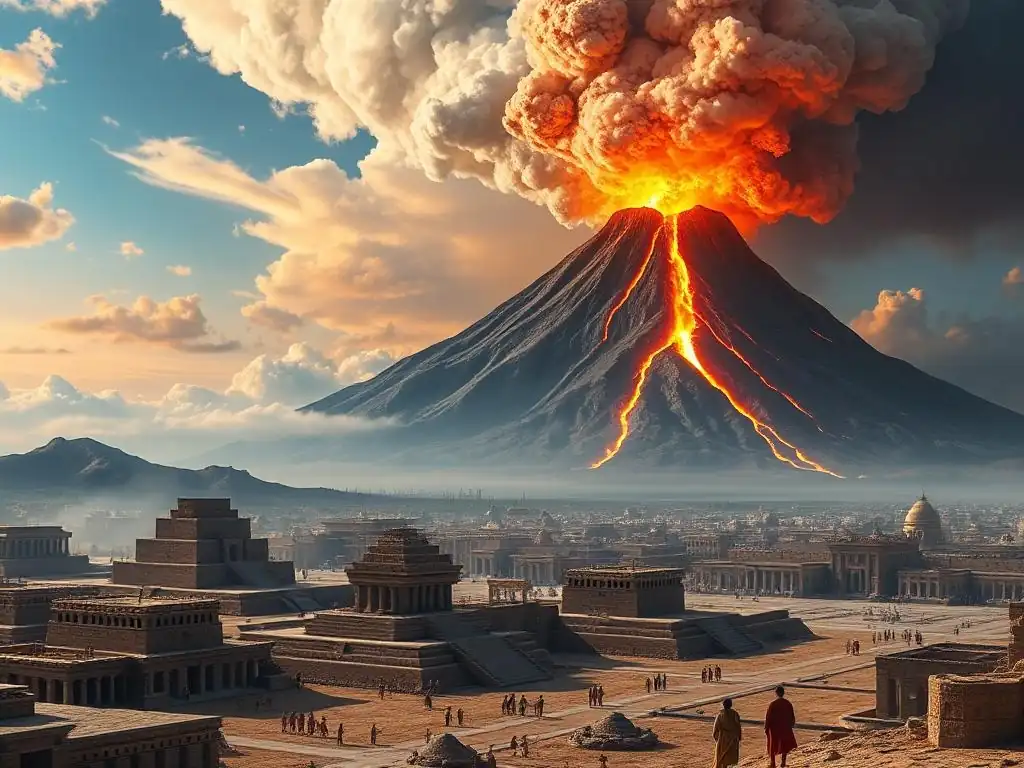
The Role of Deities in Controlling Storms and Seismic Activity
Ancient Mesopotamian religion was deeply intertwined with the natural world. Deities were perceived as having direct control over various aspects of nature, including storms, floods, earthquakes, and volcanic activity (although direct volcanic activity within Mesopotamia itself was less common, the effects of distant eruptions could still be felt). Storm gods like Enlil and Adad were responsible for rainfall, thunder, and lightning, and were often depicted as powerful and sometimes wrathful figures. Similarly, deities associated with the underworld and the seas, like Enki/Ea, were linked to earthquakes and floods.
This belief system shaped how ancient Mesopotamians interpreted natural disasters. Instead of understanding these events as purely natural phenomena governed by physical laws, they were seen as purposeful acts of the gods, often motivated by divine displeasure or a desire to maintain cosmic order. The Epic of Gilgamesh reflects this worldview, portraying the flood as a deliberate act of the gods to punish humanity. Understanding this religious context is crucial for interpreting potential volcanic imagery in the epic, as any references to volcanic phenomena would likely be filtered through this lens of divine agency and control over nature.
Humbaba and His Association with Natural Forces
Humbaba, the monstrous guardian of the Cedar Forest in the Epic of Gilgamesh, is often interpreted as embodying the untamed and dangerous forces of nature. His descriptions in the epic – "his roar was like the deluge, his mouth was fire, his breath was death!" – evoke a sense of overwhelming power and destructive potential. While Humbaba is presented as a mythical creature, his association with the Cedar Forest, a source of valuable timber but also a potentially dangerous and remote location, links him to the wild and unpredictable aspects of the natural world.
Some scholars suggest that Humbaba may represent, in part, a personification of natural disasters, including storms and potentially volcanic phenomena. His fiery breath and deluge-like roar could be interpreted as metaphorical references to volcanic eruptions and their associated effects, such as pyroclastic flows and heavy rainfall triggered by atmospheric disturbances.
The encounter between Gilgamesh and Enkidu with Humbaba, and their subsequent slaying of the monster, could be seen as a symbolic representation of humanity's attempt to control or overcome the forces of nature, a recurring theme in Mesopotamian mythology and a reflection of the challenges faced by early civilizations in adapting to and managing their environment.
Understanding Ancient Mesopotamian Perceptions of Catastrophic Events
Ancient Mesopotamian perceptions of catastrophic events were shaped by their religious beliefs, their experiences with the environment, and their oral and literary traditions. Catastrophes like floods, droughts, and storms were not simply seen as random occurrences but as meaningful events with spiritual and social implications. They were often interpreted as signs of divine displeasure, warnings, or even punishments, prompting religious responses such as sacrifices, prayers, and rituals aimed at appeasing the gods and restoring cosmic order.
The Epic of Gilgamesh, as a product of this cultural context, reflects these perceptions. The epic's narrative, particularly the flood story and the encounter with Humbaba, can be seen as an attempt to grapple with the experience of catastrophic events, to make sense of them within a religious and mythological framework, and to explore human responses to such challenges. By examining the epic through the lens of ancient Mesopotamian perceptions of natural disasters, including potential volcanic events, we can gain a deeper understanding of both the text itself and the cultural context in which it was created and transmitted.
The Significance of Gilgamesh's Journey in the Context of Potential Volcanic Aftermath
Gilgamesh's Quest for Immortality and Confrontation with Death
Gilgamesh's epic journey is fundamentally driven by his fear of death and his desperate quest for immortality. The death of Enkidu shatters Gilgamesh's sense of invincibility and forces him to confront the reality of human mortality.
This realization propels him on a long and arduous journey to seek out Utnapishtim, the survivor of the Great Flood, hoping to learn the secret of eternal life. Gilgamesh's quest is ultimately unsuccessful in achieving literal immortality, but it leads him to a deeper understanding of the value of mortal life and the importance of leaving a lasting legacy through his achievements and contributions to his city.
In the context of a potential volcanic eruption like Thera, Gilgamesh's quest for immortality can be interpreted on multiple levels. On a literal level, it reflects a universal human desire to overcome death and transcend the limitations of earthly existence. On a metaphorical level, it could represent a societal response to a cataclysmic event that threatens the continuity of life and civilization.
A major eruption, with its potential for widespread destruction and long-term environmental consequences, might have triggered a sense of existential vulnerability and a heightened awareness of mortality, both on an individual and collective level. Gilgamesh's journey, therefore, could be seen as an archetypal response to such a crisis, a symbolic quest for resilience, renewal, and lasting meaning in the face of catastrophic change.
How the Thera Eruption May Have Shaped Mesopotamian Society and Beliefs
While Mesopotamia was geographically removed from the immediate impact zone of the Thera eruption, large-scale volcanic events can have far-reaching consequences, potentially affecting societies even at a distance. The Thera eruption, with its estimated Volcanic Explosivity Index (VEI) of 6 or 7, was a global event that could have had indirect impacts on Mesopotamian society and beliefs. These potential impacts could include disruptions to trade networks, climate fluctuations affecting agriculture, and the transmission of cultural narratives about catastrophic natural disasters.
Even without direct physical devastation, the Thera eruption could have contributed to a broader sense of environmental instability and uncertainty in the ancient Near East, potentially reinforcing existing anxieties about divine wrath and the fragility of human civilization. The epic's themes of mortality, divine punishment, and the search for meaning may have resonated even more deeply in a world where the threat of large-scale natural disasters, including volcanic eruptions, was a tangible, if not always directly experienced, reality.
Furthermore, the cultural memory of such events, even if transmitted indirectly, could have shaped Mesopotamian mythology and religious beliefs, contributing to the development of narratives like the Epic of Gilgamesh and its enduring themes.
Conclusion: Re-evaluating The Epic of Gilgamesh Through the Lens of the Thera Eruption
The Enduring Impact of the Thera Eruption on Ancient Civilizations
The Thera eruption was a pivotal event in the Bronze Age Mediterranean, leaving a lasting impact on the environment, climate, and potentially the course of ancient civilizations. While the precise extent and nature of its impact are still debated, archaeological and geological evidence confirms its scale and significance. The eruption serves as a powerful reminder of the destructive forces of nature and the vulnerability of human societies to large-scale environmental events. Its study continues to provide valuable insights into the interactions between natural disasters and human history.
Re-evaluating ancient texts like the Epic of Gilgamesh in the context of the Thera eruption and other volcanic events offers a new perspective on these literary works. While not direct historical accounts, they may contain veiled references, metaphorical representations, or cultural echoes of real-world catastrophes. Exploring these potential connections allows us to appreciate the epic not only as a work of literature and mythology but also as a potential window into the anxieties, beliefs, and cultural memory of societies that lived in a world shaped by powerful natural forces.
Further Research: Combining Literary Analysis, Archaeology, and Volcanology
Further research into the potential connections between the Epic of Gilgamesh and volcanic eruptions requires a multidisciplinary approach, combining literary analysis, archaeology, and volcanology. Textual analysis of the epic should focus on identifying and interpreting passages that might contain descriptions of volcanic phenomena or their aftermath, considering the cultural and mythological context of ancient Mesopotamia. Archaeological research should continue to investigate the impact of the Thera eruption and other volcanic events on Bronze Age societies, seeking further evidence of their geographical reach and societal consequences.
Volcanological studies can provide more detailed information about the characteristics of past eruptions, including their magnitude, atmospheric effects, and potential for generating tsunamis and other environmental changes. By integrating these different lines of inquiry, researchers can gain a more comprehensive understanding of the complex interplay between volcanic activity, ancient civilizations, and the enduring power of human storytelling to grapple with the forces of nature and the mysteries of existence.
Frequently Asked Questions
What evidence suggests ancient Sumerians experienced volcanic eruptions?
While direct geological evidence near Sumerian city-states is limited, ancient texts like the Epic of Gilgamesh contain descriptions that some scholars interpret as accounts of volcanic phenomena. These accounts include mentions of fire, smoke, and destruction from the heavens.
How might the Epic of Gilgamesh relate to volcanic activity?
Certain passages within the Epic describe catastrophic events involving fire and smoke descending from the sky, resembling volcanic eruptions. These descriptions could represent oral traditions passed down through generations about witnessed volcanic events.
Where would these potential ancient Sumerian volcanic eruptions have originated from?
Since Mesopotamia itself lacks active volcanoes, any eruptions witnessed by Sumerians likely originated from neighboring regions such as Anatolia (modern-day Turkey) or Iran. Ash clouds and atmospheric effects could have traveled great distances.
Why isn't there more definitive evidence of Sumerian awareness of volcanic eruptions?
The lack of direct archaeological evidence in Sumer itself makes confirmation difficult. Furthermore, interpreting ancient texts as literal accounts of volcanic events is subject to debate and requires careful analysis.
What is VolcanoExplorers.org's stance on the connection between Sumerian lore and volcanoes?
VolcanoExplorers.org explores the possibility of a connection, presenting evidence and interpretations while acknowledging the speculative nature of linking ancient myths directly to specific volcanic eruptions. It emphasizes the importance of critical analysis and further research.
Final Reflection: Echoes of Ancient Fury
The exploration of the Epic of Gilgamesh reveals more than just a tale of kings and gods; it unveils a potential cultural memory of ancient Sumerian volcanic eruptions, a connection that resonates even today. Understanding how early civilizations interpreted and integrated natural disasters into their narratives offers invaluable insights into the human condition and our enduring relationship with the volatile forces of nature.
The enduring power of the Epic of Gilgamesh lies not just in its literary merit, but in its ability to connect us to the anxieties and triumphs of a civilization long past. The possibility that volcanic events shaped the very fabric of Sumerian mythology is a humbling reminder of our own vulnerability and the importance of respecting the Earth's power. The oldest and strongest emotion of mankind is fear, and the oldest and strongest kind of fear is fear of the unknown.
- H.P. Lovecraft, a sentiment that likely echoed in the hearts of those who witnessed the earth's fury millennia ago.
Now, consider the implications of these ancient echoes. How might our own stories, our own myths, be shaped by the environmental challenges we face today? Let us strive to understand the lessons embedded within these ancient narratives, to learn from the past, and to build a future where we are more attuned to the delicate balance of our planet and the stories it continues to tell.
Unearth Gilgamesh's Secrets: Become a Sumerian Explorer!
Thanks for journeying with us through the fiery tales of Gilgamesh and the potential volcanic influences on ancient Sumerian lore! We hope this exploration has sparked your curiosity and offered a new perspective on this epic story. Now, it's time to ignite your own adventure and delve deeper!
Here's how you can take action:
- Embark on Your Own Quest: Retell a passage of the Epic of Gilgamesh, but rewrite it from the volcano's point of view!: Imagine the world as the volcano sees it, and breathe new life into the ancient story.
- Explore the World: Research modern-day volcanoes that might resemble the descriptions in the Epic. Share your findings with us!
- Join the Conversation: Share this article with another history buff or volcano enthusiast and start a discussion! Let's compare insights and interpretations.
What other ancient myths do you think might hold hidden hints of volcanic activity? Share your thoughts in the comments below!