
Pompeii's Medicine: Healing Arts in a City Facing Disaster

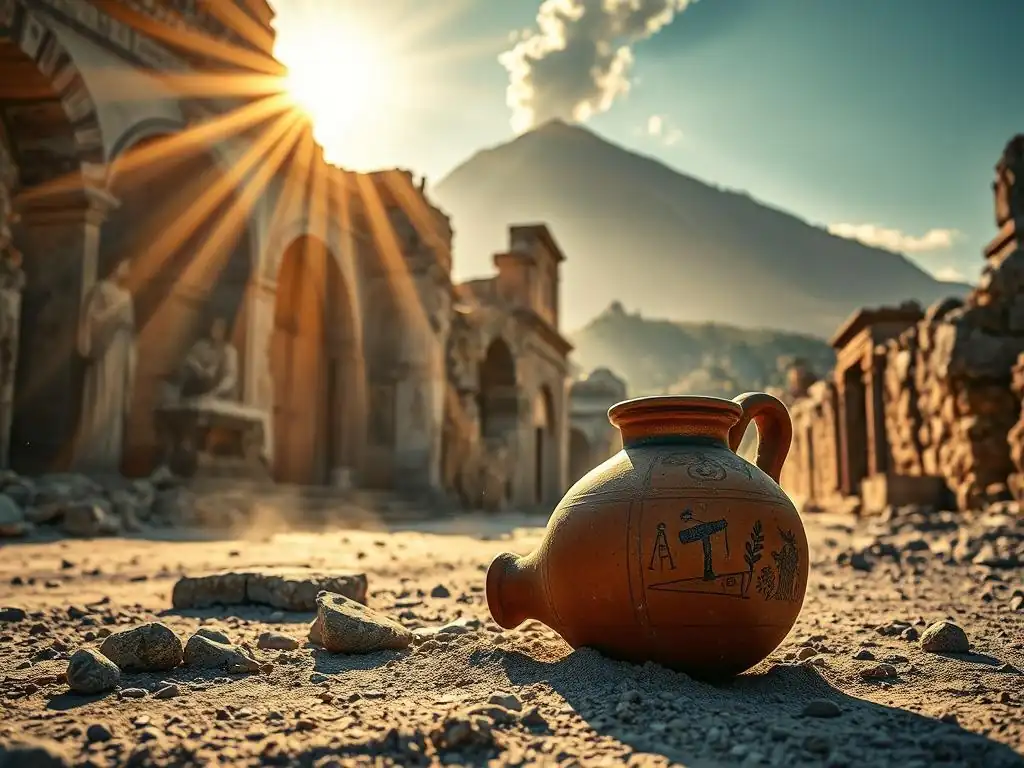
Welcome to Volcano Explorers, where we unravel the mysteries of Earth's fiery giants. But what if we told you that even in the shadow of Vesuvius, amidst a civilization facing imminent destruction, life found a way to heal itself? Prepare to journey back in time as we explore ancient medicine in Pompeii, uncovering the fascinating secrets of their healing arts in a city forever etched in volcanic ash... What remedies did they use, and what can they tell us about life on the slopes of a sleeping giant?
- Introduction: Ancient Pompeii and the Practice of Medicine
- Evidence of Medical Knowledge in Pompeii
- Pompeian Doctors and Medical Practitioners
- Common Ailments and Diseases in Pompeii
- Medical Practices and Treatments in Ancient Pompeii
- Public Health and Sanitation in Pompeii
- The Impact of the Vesuvius Eruption on Medical Knowledge
- Ancient Medicine in Pompeii: A Legacy of Healing
-
Frequently Asked Questions
- What evidence suggests the practice of medicine existed in Pompeii?
- How did the impending volcanic eruption potentially influence medical practices in Pompeii?
- What types of ailments were the doctors in Pompeii likely treating?
- Where did the people of Pompeii source their medicinal ingredients?
- Did the discovery of medical tools and knowledge in Pompeii provide insight on ancient medicine practices of the time?
- Final Reflection: Echoes of Healing in the Ashes
- Uncover the Healing Secrets of Pompeii!
Introduction: Ancient Pompeii and the Practice of Medicine
Setting the Stage: Pompeii Before the Eruption
Pompeii, a vibrant Roman city frozen in time by the catastrophic eruption of Mount Vesuvius in 79 AD, offers an unparalleled window into the daily life of the first century. Prior to its sudden demise, Pompeii was a bustling commercial hub, a melting pot of cultures and activities. Its strategic location near the Bay of Naples and fertile volcanic soil fostered prosperity, supporting a population estimated to be between 10,000 and 20,000 inhabitants.
The city was meticulously planned, boasting paved streets, sophisticated aqueducts, public baths, theaters, and a forum, all indicative of a relatively advanced urban center within the Roman Empire. This prosperity and urban development naturally extended to the realm of healthcare and medical practices, shaping the lives of its citizens.
The relative peace and stability of the early Roman Empire, known as the Pax Romana, contributed to a flourishing of knowledge and advancements in various fields, including medicine. Pompeii, being an integral part of this empire, was privy to these advancements and incorporated them into its society. Evidence suggests a society concerned with health and well-being, reflecting broader Roman attitudes towards hygiene and medical care. The city's infrastructure and archaeological discoveries hint at a developed system of healthcare, making Pompeii a fascinating case study for understanding ancient medicine in a Roman urban setting.
The Importance of Understanding Ancient Healing Practices
Studying ancient healing practices, especially in a well-preserved city like Pompeii, offers invaluable insights into the evolution of medicine and our understanding of the human body. By examining the medical tools, remedies, and knowledge prevalent in Pompeii, we can trace the roots of modern medical science and appreciate the ingenuity of past civilizations in addressing health challenges. Understanding ancient approaches to disease and treatment provides a crucial historical context for contemporary medical practices. It highlights both the progress we have made and, surprisingly, the enduring relevance of some ancient remedies and concepts.
Furthermore, investigating ancient medicine in Pompeii allows us to understand the health conditions and diseases that afflicted populations in the past. Analyzing skeletal remains, medical instruments, and even preserved plant matter can reveal prevalent illnesses, dietary habits, and environmental factors that impacted the health of Pompeians. This knowledge is not just historically significant; it can also inform our understanding of disease patterns and public health strategies today. The study of ancient medicine in Pompeii serves as a bridge connecting the past and present, enriching our comprehension of human health across millennia.
Evidence of Medical Knowledge in Pompeii
Archaeological Discoveries: Unveiling Medical Instruments and Tools
The volcanic ash that entombed Pompeii acted as a remarkable preservative, safeguarding not only buildings and artifacts but also providing a snapshot of everyday life, including medical practices. Archaeological excavations have unearthed a variety of medical instruments, offering tangible evidence of the surgical and therapeutic skills of Pompeian physicians. These discoveries, often found in domestic contexts or within buildings identified as tabernae medicae (doctor's shops), include forceps, scalpels, probes, catheters, and bone levers, crafted from bronze, iron, and occasionally silver. The sophistication of some of these instruments suggests a level of specialization and skill in surgical procedures.
One significant find is a set of surgical instruments discovered in the House of the Surgeon, aptly named due to the nature of the artifacts found within. This collection comprises over 150 instruments, indicating a well-equipped medical practitioner. The variety of tools suggests a broad range of surgical capabilities, from minor procedures to more complex interventions. Further discoveries across Pompeii, such as cupping vessels and spatulas for mixing ointments, reinforce the picture of a society with access to a range of medical treatments and a degree of medical specialization.
Analyzing Surgical Tools Found in Pompeii
The surgical tools unearthed in Pompeii are not merely rudimentary implements; their design and craftsmanship reveal a sophisticated understanding of anatomy and surgical techniques. Scalpels of varying sizes and shapes indicate specialization for different types of incisions and procedures. Forceps, probes, and bone levers demonstrate the capability for delicate manipulations within the body, suggesting procedures beyond simple wound dressing. The presence of catheters, often made of bronze, points to an understanding of urinary tract issues and the ability to perform catheterization, a procedure still practiced today.
Comparative analysis of Pompeian surgical tools with instruments found in other Roman sites and described in ancient medical texts, such as those by Galen and Hippocrates, reveals a continuity in surgical practices across the Roman world. While perhaps not as advanced as modern surgery, the tools and techniques employed in Pompeii demonstrate a significant level of medical knowledge and skill for their time. The presence of specialized instruments suggests a degree of medical professionalism and a structured approach to surgical interventions within Pompeian society.
Examining Pharmaceutical Evidence: Herbal Remedies and Preparations
Beyond surgical instruments, archaeological evidence from Pompeii also sheds light on pharmaceutical practices and the use of herbal remedies. Excavations have uncovered mortars and pestles used for grinding and preparing medications, as well as ceramic containers that likely held ointments, balms, and herbal preparations.
Pollen analysis and the study of plant remains found in Pompeian houses and gardens have revealed a wide range of medicinal plants that were cultivated or collected for therapeutic purposes. These plants include well-known medicinal herbs like poppy (for pain relief and sleep), chamomile (for inflammation and digestion), and various spices with antiseptic and anti-inflammatory properties.
Furthermore, frescoes and mosaics in Pompeii depict plants with known medicinal uses, suggesting a visual culture that recognized and valued herbal remedies. Carbonized remains of medicinal plants found in domestic contexts indicate that Pompeians likely prepared and used herbal remedies within their homes.
While precise recipes and dosages are often difficult to ascertain, the combined evidence from tools, plant remains, and artistic representations confirms the significant role of herbal medicine and natural remedies in Pompeian healthcare practices. This reliance on natural remedies was a common feature of ancient medicine, reflecting both limited access to more complex pharmaceuticals and a deep understanding of the therapeutic properties of the natural world.
Pompeian Doctors and Medical Practitioners
Roles and Responsibilities of Physicians in Ancient Pompeii
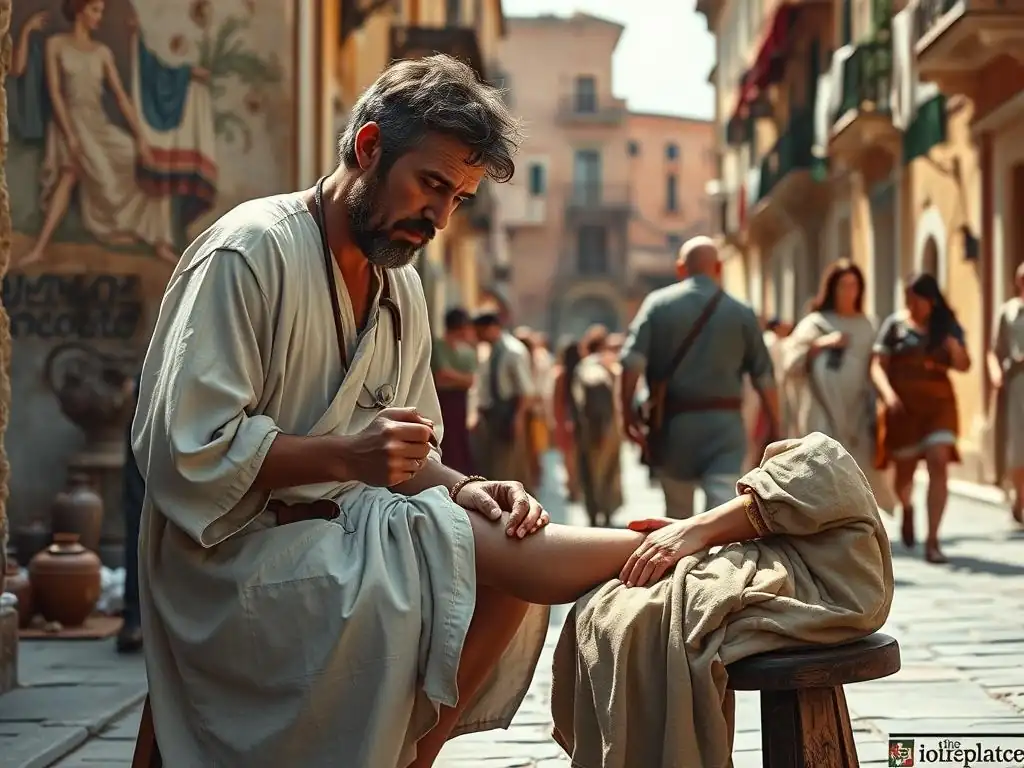
In ancient Pompeii, physicians, or medici, held a vital role in the community, responsible for maintaining the health and well-being of its citizens. Their responsibilities extended beyond treating illnesses and injuries to include preventative care and public health advice. While the exact organization of the medical profession in Pompeii is not fully understood, evidence suggests a range of practitioners, from highly trained physicians to less formally trained healers and herbalists. Medici likely diagnosed ailments, performed surgeries, prescribed medications (primarily herbal remedies), and provided guidance on hygiene and diet.
The presence of specialized surgical instruments suggests that some physicians in Pompeii may have focused on surgical procedures, while others might have specialized in internal medicine or specific types of ailments. Inscriptions and graffiti found in Pompeii mention medici, indicating their presence and recognition within the city. Furthermore, the existence of tabernae medicae suggests dedicated spaces for medical practice, where physicians could examine patients, prepare remedies, and store their instruments. The role of the Pompeian physician was thus multifaceted, encompassing diagnosis, treatment, surgery, and preventative healthcare within the community.
The social status of medical professionals in ancient Pompeii, and the broader Roman world, appears to have been varied. While some physicians, particularly those serving wealthy families or holding public appointments, likely enjoyed a relatively high social standing, others may have occupied a more modest position. Training for physicians in Pompeii would have been largely based on apprenticeship, with aspiring medici learning from experienced practitioners. Medical knowledge was often passed down through families or within medical guilds.
There were no formal medical schools in the modern sense during this period, but renowned physicians like Asclepiades of Bithynia (whose influence reached Pompeii, as discussed later) and later Galen established influential medical doctrines and schools of thought that shaped medical training. Wealthier families might have sent their sons to study under famous physicians in major centers like Alexandria or Rome, bringing back advanced medical knowledge to cities like Pompeii. The social standing and training of Pompeian medical professionals likely reflected a diverse range of backgrounds and levels of expertise, mirroring the broader Roman medical landscape.
Asclepiades of Bithynia's Influence on Pompeian Medicine
Asclepiades of Bithynia, a highly influential Greek physician who practiced in Rome in the 1st century BC, significantly impacted Roman medicine, and his influence likely extended to Pompeii. Asclepiades advocated for a more humane and rational approach to medicine, moving away from some of the more mystical or religiously-based practices of earlier Greek medicine. He emphasized observation, diagnosis based on pulse and symptoms, and gentle treatments including diet, exercise, and hydrotherapy. His teachings and methods resonated throughout the Roman Empire and became foundational for later Roman medical practice.
Evidence of Asclepiades' influence in Pompeii can be inferred from the types of medical instruments found, which align with his emphasis on surgical interventions, and the potential presence of facilities for hydrotherapy, such as the elaborate bathhouses. Furthermore, the focus on herbal remedies and natural treatments in Pompeian medicine aligns with Asclepiades' preference for less drastic interventions. While direct textual evidence linking Asclepiades to Pompeii may be lacking, his widespread influence on Roman medical thought makes it highly probable that his ideas and practices shaped the medical landscape of Pompeii.
Common Ailments and Diseases in Pompeii
Identifying Health Challenges Faced by Pompeiians
Pompeii, despite its urban amenities and relative prosperity, was not immune to the health challenges common in the ancient world. Crowded urban living, limited sanitation compared to modern standards, and dietary factors contributed to a range of ailments and diseases affecting the Pompeian population. Common health issues likely included infectious diseases, parasitic infections, nutritional deficiencies, and injuries resulting from accidents or occupational hazards. Understanding these health challenges is crucial to appreciating the context in which Pompeian medicine was practiced.
The volcanic eruption itself, while catastrophic, paradoxically preserved evidence of the health conditions prevalent in Pompeii. Skeletal remains, preserved in plaster casts, and paleopathological analysis provide direct insights into the diseases and physical conditions that afflicted Pompeians prior to the eruption. Furthermore, the study of latrines, sewage systems, and dietary remains offers indirect evidence of common ailments and the environmental factors contributing to them. By combining archaeological, skeletal, and environmental data, we can reconstruct a picture of the health challenges faced by the inhabitants of Pompeii.
Examining Skeletal Remains for Evidence of Disease
The skeletal remains of Pompeians, remarkably preserved in the volcanic ash, offer direct and invaluable evidence of the diseases and health conditions prevalent in the city. Paleopathological analysis of these skeletons reveals a range of ailments, including evidence of osteoarthritis, dental disease, and infectious diseases such as tuberculosis. Skeletal lesions indicative of nutritional deficiencies, such as rickets in children, have also been identified, suggesting that not all Pompeians enjoyed optimal nutrition.
Studies of Pompeian skeletons have also revealed evidence of trauma, including healed fractures, indicating that injuries were a common occurrence. Furthermore, the presence of certain skeletal markers can suggest the prevalence of specific diseases in the population. For example, cribra orbitalia, porous lesions in the eye sockets, can be indicative of anemia, potentially caused by iron deficiency or parasitic infections. The examination of skeletal remains provides a direct and tangible window into the health burdens borne by the people of Pompeii, complementing evidence from other sources.
Dietary Habits and Their Impact on Health
Dietary habits played a significant role in shaping the health of Pompeians. Archaeological evidence, including carbonized food remains, kitchen artifacts, and depictions of food in frescoes, reveals a diet typical of the Mediterranean region, consisting of grains, vegetables, fruits, olives, and fish. Meat consumption, particularly beef and pork, was likely less frequent and more expensive. While generally considered a healthy diet, nutritional imbalances and deficiencies could still arise, particularly among the poorer segments of the population.
Analysis of latrine contents and dental remains suggests that Pompeians consumed a diet relatively high in carbohydrates and sugars, which contributed to dental caries (cavities), a common ailment identified in skeletal remains. Furthermore, the reliance on locally grown produce meant that seasonal variations and environmental factors could impact food availability and nutritional intake. While Pompeian diet was likely more diverse and nutritious than in many other ancient societies, dietary factors still played a role in the health challenges faced by the population, contributing to conditions like dental disease and potentially nutritional deficiencies in some individuals.
Medical Practices and Treatments in Ancient Pompeii
Surgical Procedures: Insights from Archaeological Finds
The surgical instruments discovered in Pompeii, as discussed previously, provide compelling evidence that surgical procedures were part of Pompeian medical practice. While the exact nature and complexity of these procedures are still being researched, the range of instruments suggests capabilities beyond basic wound care. Scalpels, forceps, probes, and bone levers indicate the ability to perform incisions, extractions, manipulations of tissues, and potentially even basic orthopedic procedures like setting fractures.
It is important to note that surgery in ancient Pompeii would have been performed without anesthesia in the modern sense, and antiseptic practices were not yet understood. Pain management likely relied on herbal analgesics, such as preparations from poppy, and perhaps techniques like cauterization to control bleeding. The risks of infection would have been significant.
Nevertheless, the existence of specialized surgical instruments demonstrates a level of surgical skill and a willingness to undertake invasive procedures when deemed necessary by Pompeian physicians. Further research into the context of instrument finds and potential surgical sites within Pompeii may reveal more details about the surgical practices of the time.
Herbal Medicine and Natural Remedies: A Deeper Look
Herbal medicine formed the cornerstone of Pompeian and ancient Roman therapeutic practices. As previously mentioned, archaeological evidence points to the cultivation, collection, and use of a wide variety of medicinal plants. These plants were employed in various forms, including infusions, decoctions, ointments, and poultices, to treat a wide range of ailments. Knowledge of herbal remedies was likely passed down through generations and may have been documented in now-lost medical texts or practical handbooks.
Common medicinal plants used in Pompeii and the Roman world included chamomile for its anti-inflammatory and digestive properties, mint for stomach ailments, garlic and onions for their antiseptic qualities, and aloe vera for wound healing. Oils, resins, and minerals were also incorporated into remedies. The effectiveness of these herbal treatments would have varied, but many plants possess bioactive compounds that have been validated by modern scientific research to have therapeutic effects. Herbal medicine in Pompeii represents a sophisticated system of natural healing, grounded in empirical observation and traditional knowledge.
Treatment of Parasitic Infections
Parasitic infections were likely a significant health challenge in ancient Pompeii, as they were in most urban centers of the ancient world. Poor sanitation, particularly in densely populated areas, and the consumption of potentially contaminated food and water would have facilitated the transmission of intestinal parasites and other parasitic diseases. While direct evidence of parasitic infections in Pompeii is still being investigated, paleoparasitological studies of latrine contents from other Roman sites have revealed the presence of various parasites, including roundworms, whipworms, and tapeworms.
Ancient medical texts, including those of Dioscorides and Pliny the Elder, describe herbal remedies used to treat parasitic infections. Plants with known anthelmintic (anti-worm) properties, such as wormwood, garlic, and pomegranate, were likely employed in Pompeii to combat parasitic infestations.
Public health measures, such as the provision of clean water through aqueducts and the presence of public baths, may have also played a role in mitigating the spread of parasitic infections, although these measures were primarily aimed at general hygiene rather than specifically targeting parasites. The treatment of parasitic infections would have been an important aspect of Pompeian medical practice, reflecting a common health concern in the ancient urban environment.
Public Health and Sanitation in Pompeii
Water Management and Sewage Systems
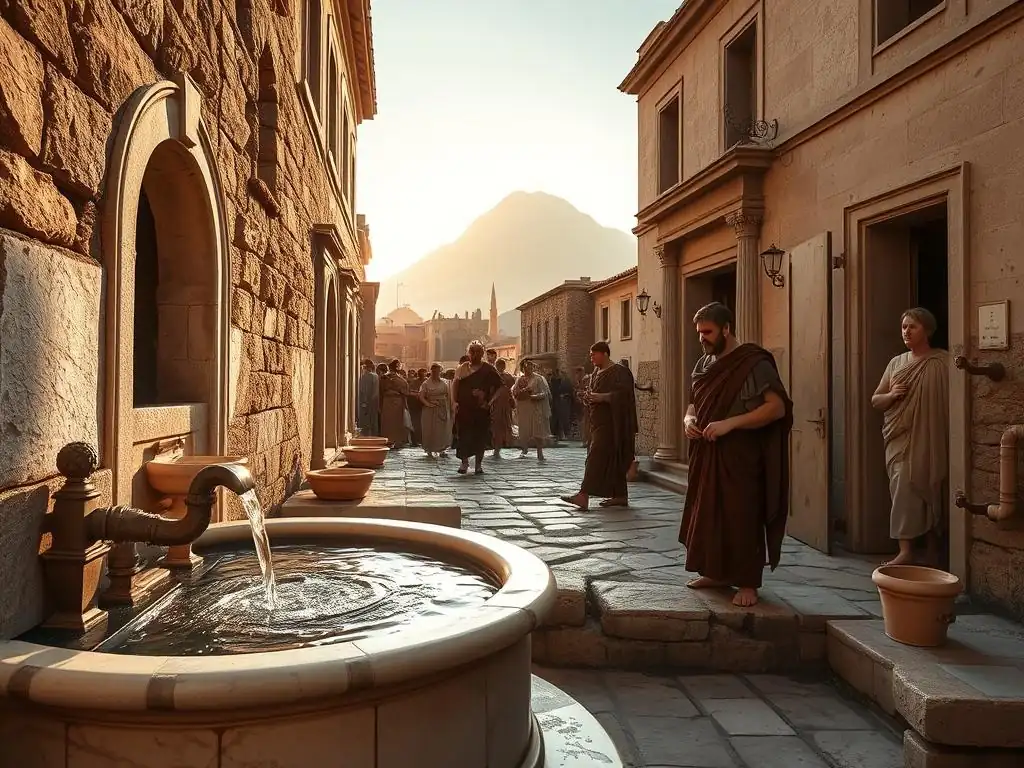
Pompeii's sophisticated infrastructure included impressive systems for water management and sewage disposal, reflecting a Roman understanding of the importance of public health. The city was supplied with fresh water via an aqueduct, branching out to public fountains, bathhouses, and some private residences. This provision of clean water was crucial for drinking, hygiene, and sanitation. Furthermore, Pompeii had a network of drains and sewers that carried wastewater and sewage away from homes and public spaces, helping to reduce the accumulation of waste and the spread of disease.
While not as advanced as modern sanitation systems, Pompeii's water management and sewage infrastructure were remarkably sophisticated for their time. Public fountains provided access to clean drinking water for many citizens, and bathhouses promoted personal hygiene. The sewage system, although perhaps not entirely effective in preventing all forms of waterborne illness, undoubtedly contributed to a cleaner and healthier urban environment compared to cities lacking such infrastructure. These public health measures highlight a Roman understanding of the link between sanitation and well-being.
Bathhouses and Their Role in Hygiene
Public bathhouses, or thermae, were integral to Roman urban life, and Pompeii boasted several well-maintained bath complexes. These bathhouses were not just places for washing; they were social centers, offering a range of facilities including hot and cold baths, steam rooms, exercise areas, and even libraries. Bathing was a daily ritual for many Pompeians, promoting personal hygiene and contributing to public health by reducing body odor and potentially the spread of skin infections.
Beyond personal cleanliness, bathhouses also played a social role, fostering community interaction and providing a space for relaxation and leisure. The elaborate architecture and decoration of Pompeian bathhouses reflect their importance in urban life. While the precise impact of bathhouses on public health is difficult to quantify, their contribution to hygiene and overall well-being in Pompeii is undeniable. They represent a significant public health amenity in the ancient Roman city.
Disease Prevention Strategies
While ancient Pompeians lacked a modern understanding of germ theory, they employed various strategies that, perhaps unknowingly, contributed to disease prevention. The provision of clean water through aqueducts and public fountains, the sewage system, and the bathhouses all played a role in reducing exposure to pathogens and improving sanitation. Dietary practices, including the consumption of fresh fruits and vegetables, may have also contributed to overall health and immune function.
Furthermore, public health regulations, although less formalized than modern public health policies, likely existed in Roman cities, including Pompeii. These regulations might have included measures related to waste disposal, street cleaning, and the management of public spaces. While ancient disease prevention strategies were not as targeted or effective as modern methods, they demonstrate a degree of awareness of the importance of hygiene and environmental factors in maintaining public health. These strategies, combined with individual practices like bathing and dietary choices, represent the ancient Pompeian approach to preventing illness and promoting community well-being.
The Impact of the Vesuvius Eruption on Medical Knowledge
Preservation of Medical Artifacts and Remains
The eruption of Mount Vesuvius in 79 AD, while a devastating catastrophe, had the unintended consequence of preserving a wealth of information about ancient Pompeian life, including medical knowledge. The volcanic ash and pumice that buried the city acted as a sealant, protecting organic materials and creating casts around bodies and objects. This preservation process has provided archaeologists with an unparalleled opportunity to study medical instruments, human remains, and even botanical specimens related to medicine, offering a snapshot of medical practices in a Roman city at a specific point in time.
The preservation of medical artifacts, such as surgical instruments, pharmaceutical containers, and even carbonized medicinal plants, allows researchers to examine the tools and remedies used by Pompeian physicians in remarkable detail. The plaster casts made from the cavities left by decomposed bodies have preserved the skeletal remains and, in some cases, even the outlines of soft tissues, providing valuable paleopathological data. The Vesuvian eruption, therefore, ironically became a time capsule, preserving crucial evidence that has significantly enhanced our understanding of ancient medicine in Pompeii and the Roman world.
Lessons Learned from the Pompeii Catastrophe
The Pompeii catastrophe, beyond its tragic human toll, offers valuable lessons for modern society, including insights relevant to public health and disaster preparedness. The sudden and widespread destruction caused by the eruption highlights the vulnerability of urban populations to natural disasters and the importance of effective emergency response systems. The study of the health conditions of Pompeians prior to the eruption, revealed through skeletal remains and other evidence, can also inform our understanding of long-term health challenges in urban environments.
Furthermore, the preservation of Pompeii provides a unique opportunity to study the impact of a sudden environmental catastrophe on a population. The skeletal remains and artifacts offer clues about the immediate causes of death and the long-term health consequences of the disaster. These lessons from Pompeii, while rooted in ancient history, have ongoing relevance for disaster management, public health planning, and our understanding of the complex interplay between human populations and natural hazards.
Preservation of bodies offering insights into pre-eruption health.
The plaster casts of Pompeian victims are arguably one of the most poignant and scientifically valuable legacies of the eruption. These casts, created by pouring plaster into the cavities left by decomposed bodies in the solidified ash, preserve not only the final moments of the victims but also provide indirect evidence of their physical characteristics and, to some extent, their pre-eruption health. The posture, clothing, and even facial expressions captured in the casts offer a glimpse into the individuals who perished in the disaster.
From a medical perspective, the casts, when combined with skeletal analysis, provide a more complete picture of the health of Pompeian individuals. The position of bodies can sometimes suggest the cause of death or the presence of pre-existing conditions.
For example, individuals found in contorted positions might have been suffering from seizures or other medical emergencies during the eruption. While the casts are not direct medical records, they offer a unique and emotionally resonant window into the lives and health of the people of Pompeii on the eve of the disaster, enriching our understanding of ancient medicine and the human experience in the face of catastrophe.
Ancient Medicine in Pompeii: A Legacy of Healing
The Enduring Relevance of Pompeian Medical Practices
Despite the vast advancements in modern medicine, studying ancient Pompeian medical practices reveals surprising points of relevance and continuity. The emphasis on herbal remedies and natural treatments, while often viewed as primitive, is experiencing a resurgence in contemporary interest in complementary and alternative medicine. Many of the medicinal plants used in Pompeii are still recognized today for their therapeutic properties, and research continues to explore their potential in modern healthcare.
Furthermore, the Pompeian focus on public health, reflected in their water management, sanitation systems, and bathhouses, remains a cornerstone of modern public health strategies. The understanding that hygiene and environmental factors play a crucial role in disease prevention is a principle that transcends time. While ancient Pompeian medicine was limited by the scientific knowledge of its era, its emphasis on natural remedies, public health, and a holistic approach to well-being offers enduring lessons and points of connection to contemporary medical thought and practice.
Comparison of Surgical Techniques: Then and Now
Comparing surgical techniques used in ancient Pompeii with modern surgical procedures highlights both the limitations and the ingenuity of ancient medical practitioners. Pompeian surgeons, lacking anesthesia and antiseptic knowledge, faced immense challenges in performing invasive procedures. Modern surgery, with its sophisticated technologies, sterile environments, and advanced pain management, is vastly more complex and safer. However, the surgical instruments found in Pompeii demonstrate that ancient surgeons possessed a degree of skill and anatomical understanding.
While ancient surgical techniques were undoubtedly more rudimentary, some basic principles, such as incision, ligation, and wound closure, were likely employed. The survival of individuals who underwent surgery in ancient times, as evidenced by healed fractures and surgical interventions visible in skeletal remains, attests to the skills of ancient surgeons, albeit within the constraints of their era. Comparing ancient and modern surgical practices underscores the remarkable progress of medical science while also acknowledging the resourcefulness and capabilities of ancient healers.
Further Research and Exploration of Pompeii's Medical History
The study of ancient medicine in Pompeii is an ongoing field of research with much still to be discovered and understood. Future archaeological excavations, paleopathological analyses, and interdisciplinary studies promise to further illuminate the medical practices, health conditions, and healing traditions of this ancient Roman city. Continued research into Pompeian medical history can provide deeper insights into the evolution of medicine, the health challenges faced by past populations, and the enduring legacy of ancient healing arts.
Specifically, further investigation into tabernae medicae, the context of medical instrument finds, and the analysis of preserved botanical remains can yield more detailed information about Pompeian medical practices. Advancements in paleoparasitology and biomolecular archaeology may reveal more about the prevalence of specific diseases and the effectiveness of ancient treatments. The ongoing exploration of Pompeii's medical history holds the potential to further enrich our understanding of ancient medicine and its lasting contributions to the field of healthcare.
Frequently Asked Questions
What evidence suggests the practice of medicine existed in Pompeii?
Archaeological discoveries, such as surgical instruments and medicinal plants, provide concrete evidence that medicine was practiced in Pompeii prior to the eruption. These findings reveal knowledge of healing practices.
How did the impending volcanic eruption potentially influence medical practices in Pompeii?
The looming threat might have led to a focus on acute care and emergency treatments, with less emphasis on long-term preventative medicine. People likely sought immediate relief from eruption-related ailments.
What types of ailments were the doctors in Pompeii likely treating?
Doctors would have dealt with common ailments like wounds, infections, and digestive issues, alongside eruption-related problems such as burns and respiratory difficulties. They also likely treated chronic conditions.
Where did the people of Pompeii source their medicinal ingredients?
Pompeiians obtained medicinal ingredients from local plant life, trade routes, and specialized apothecaries. Knowledge of herbal remedies was likely widespread within the community.
Did the discovery of medical tools and knowledge in Pompeii provide insight on ancient medicine practices of the time?
Yes, the findings from Pompeii offer valuable insights into the medical knowledge and tools used in the Roman Empire, shedding light on the ancient medicine practices of the time. It allows us to understand historical health treatments.
Final Reflection: Echoes of Healing in the Ashes
The exploration of ancient medicine in Pompeii reveals more than just rudimentary practices; it unveils a society deeply invested in health and well-being, even as the shadow of Vesuvius loomed. Today, as we face our own unique set of global challenges, understanding how communities prioritized healing in the face of impending disaster offers invaluable lessons in resilience and the enduring human spirit.
The story of Pompeii's medicine is not just a historical account; it's a poignant reminder of the fragility of life and the enduring power of hope. The dedication to healing, evident in the tools, remedies, and even the art of Pompeii, speaks volumes about the value placed on human life, a value that transcends time and resonates deeply within us. The good physician treats the disease; the great physician treats the patient who has the disease.
- William Osler. This quote encapsulates the holistic approach, beyond mere symptom management, that seems to have been present even in ancient Pompeii.
Let us carry forward the lessons learned from the ashes of Pompeii. Consider how you can prioritize well-being, not just for yourself, but for your community, in the face of adversity. Embrace the spirit of resilience and the unwavering commitment to healing that defined the people of Pompeii, and let it inspire you to cultivate a healthier, more compassionate world, one remedy, one act of kindness, at a time.
Uncover the Healing Secrets of Pompeii!
Thank you for exploring the fascinating world of medicine in ancient Pompeii. We hope you've gained valuable insights into the city's approach to health and healing in the shadow of Vesuvius. Now, let's connect with that knowledge.
- Try recreating a simple Roman health recipe at home and share your experience! Did it work? What did you learn?
- Explore related articles on Volcano Explorers about daily life in Pompeii to better understand their medical practices.
- Join the discussion in the comments: which modern medical practices do you think the people of Pompeii would find most astonishing?