
Kilauea 2018: A Deep Dive into the Volcanic Processes That Fueled the Prolonged Eruption

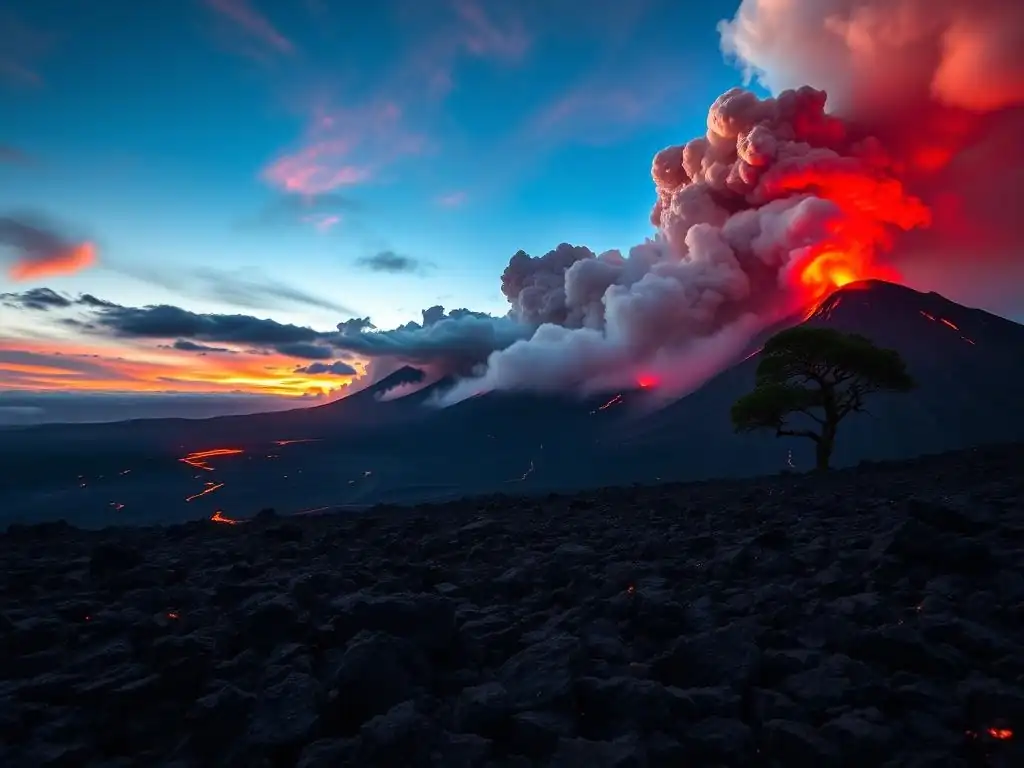
Welcome, intrepid explorers! Dare to venture into the heart of the Earth's fiery soul? VolcanoExplorers.org invites you to unravel the mysteries of these geological titans. Before you, we present a deep dive into one of the most captivating recent events: the Kilauea 2018 eruption. What forces unleashed such a prolonged and transformative event? Join us as we analyze the volcanic processes at play and leave you pondering the raw power simmering beneath our feet. Prepare to be amazed, and perhaps a little unnerved... what secrets will you uncover?
- Introduction: Understanding the Kilauea 2018 Eruption
-
Frequently Asked Questions
- What was particularly significant about the Kilauea 2018 eruption?
- What volcanic processes contributed to the intensity of the Kilauea 2018 eruption?
- How did the Kilauea 2018 eruption reshape the surrounding landscape?
- What lessons did volcanologists learn from studying the Kilauea 2018 eruption?
- Where can I find more information about volcano safety and evacuation procedures near active volcanoes?
- Final Reflection: Echoes of Fire, Lessons in Resilience
- Unearth Your Inner Volcanologist!
Introduction: Understanding the Kilauea 2018 Eruption
Setting the Stage: The Unprecedented Nature of the 2018 Event
The 2018 eruption of Kilauea volcano on the Island of Hawaiʻi was a truly remarkable and, in many ways, unprecedented volcanic event. While Kilauea is known for its nearly continuous eruptive activity since 1983, the scale, duration, and style of the 2018 eruption set it apart.
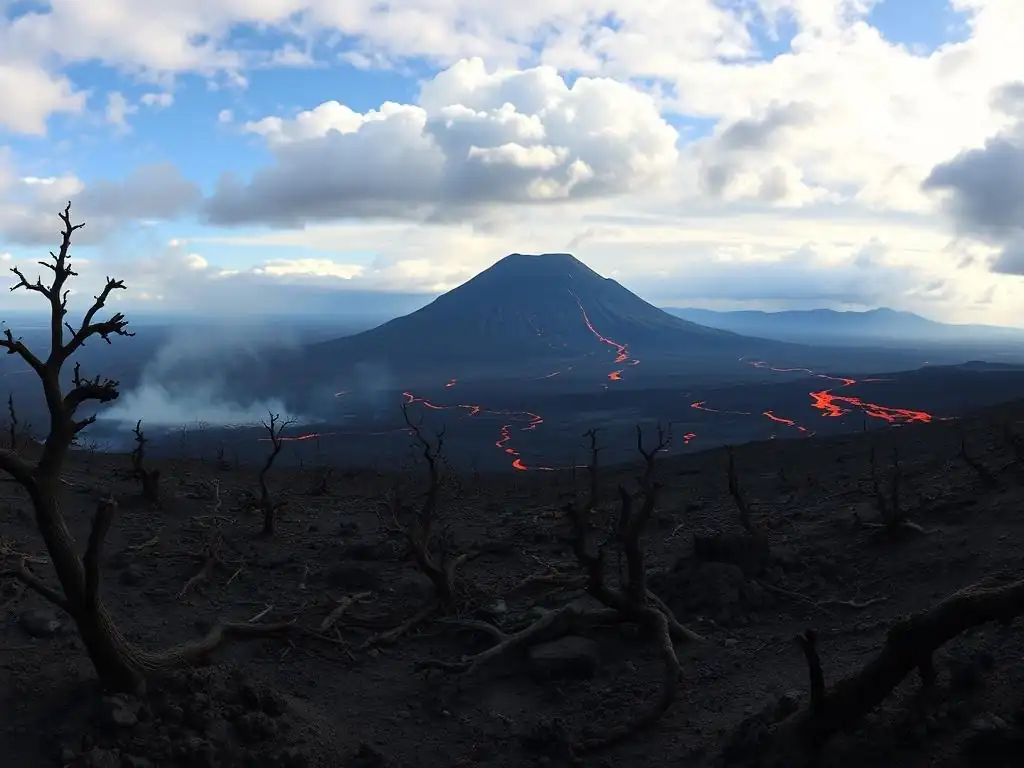
Unlike typical Kilauea eruptions that often involve lava flows confined to the volcano's flanks or summit caldera, the 2018 event dramatically impacted residential areas, causing widespread destruction and reshaping the landscape in profound ways. The eruption lasted for over three months, from May to August 2018, and was characterized by both effusive and explosive phases that challenged scientific understanding and community resilience.
The uniqueness of the Kilauea 2018 eruption stemmed from a complex interplay of volcanic processes that unfolded in a manner not previously observed in Kilauea's recent history. The eruption involved a significant eastward migration of magma along the East Rift Zone, culminating in the opening of multiple fissures in the lower Puna district.
This was coupled with dramatic changes at the summit caldera, including the collapse of the Halemaʻumaʻu crater floor and associated explosive events. The sheer volume of lava erupted, estimated to be over 1 cubic kilometer, dwarfed many previous eruptions, and the extensive damage to infrastructure and communities underscored the potent and unpredictable nature of volcanic hazards.
Scope of Analysis: Volcanological Perspective on the Kilauea 2018 Eruption
This article delves into a detailed analysis of the Kilauea 2018 eruption, focusing specifically on the volcanological processes that underpinned this extraordinary event. Our aim is to provide a comprehensive understanding of the eruption's dynamics, moving beyond a mere recounting of events to explore the underlying mechanisms that drove its prolonged and destructive course. We will examine the geological context of Kilauea, tracing the volcano's pre-eruption state and identifying key changes that foreshadowed the 2018 event.
Through a volcanological lens, we will dissect the eruption's progression, from the initial fissures in Leilani Estates to the dramatic summit collapse. We will investigate the critical factors that influenced the eruption's style and intensity, including magma composition, gas content, and the role of the volcano's plumbing system.
By analyzing real data and observations collected during and after the eruption, we aim to shed light on the complex interplay of forces that shaped the Kilauea 2018 eruption, offering valuable insights into volcanic hazards and risk assessment for Kilauea and other volcanoes worldwide. This analysis will contribute to a deeper understanding of volcanic processes and enhance our ability to monitor and anticipate future eruptions.
Frequently Asked Questions
What was particularly significant about the Kilauea 2018 eruption?
The Kilauea 2018 eruption was significant due to its prolonged duration and the sheer volume of lava that was erupted. It also caused widespread destruction and displacement of communities.
What volcanic processes contributed to the intensity of the Kilauea 2018 eruption?
The eruption's intensity was fueled by a complex interplay of factors, including magma supply from deep within the Earth and structural weaknesses within the volcano's edifice. Halema'uma'u crater collapse also played a significant role.
How did the Kilauea 2018 eruption reshape the surrounding landscape?
The eruption significantly altered the landscape through lava flows that covered vast areas, destruction of homes, and the collapse of the summit caldera. The coastline was also dramatically changed by new land formation.
What lessons did volcanologists learn from studying the Kilauea 2018 eruption?
Volcanologists gained valuable insights into magma dynamics, eruption forecasting, and the interconnectedness of volcanic systems. The eruption highlighted the importance of real-time monitoring and hazard assessment.
Where can I find more information about volcano safety and evacuation procedures near active volcanoes?
VolcanoExplorers.org provides safety guides and evacuation tips for those living near active volcanoes. You can also find information from local authorities and the US Geological Survey (USGS).
Final Reflection: Echoes of Fire, Lessons in Resilience
The scientific analysis of the Kilauea 2018 eruption, as detailed in this article, serves as a stark reminder of nature's raw power and the intricate processes that govern our planet. Understanding the complex interplay of magma dynamics, geological structures, and environmental factors that fueled the prolonged eruption is not merely an academic exercise; it's crucial for improving volcanic hazard assessments and mitigating future risks. The lessons learned from Kilauea 2018 are directly applicable to other volcanic regions worldwide, enhancing our ability to predict and prepare for similar events.
The Kilauea eruption, beyond its scientific significance, profoundly impacted the lives of those who lived through it, reshaping communities and landscapes in ways that continue to resonate today. Witnessing such a dramatic display of Earth's energy underscores the importance of respecting and understanding the natural world, and the need for sustainable coexistence with geological forces. The Earth is always speaking to us, but we often fail to listen.
This eruption served as a powerful, albeit destructive, reminder of that fundamental truth.
As we reflect on the Kilauea 2018 eruption analysis, let us not only marvel at the scientific insights gained but also consider the human element – the resilience of the affected communities and the lessons learned about preparedness and adaptation. How can you apply the principles of understanding complex systems and adapting to change, as demonstrated by the Kilauea eruption, to challenges in your own life? Let the echoes of fire inspire a deeper appreciation for our planet and a commitment to building a more resilient future.
Unearth Your Inner Volcanologist!
Thank you for exploring the fascinating complexities of the 2018 Kilauea eruption. You've gained a deeper understanding of the processes behind this incredible event. Ready to further your knowledge of volcanology?
Here's how:
- Share Your Experiences: If you've witnessed volcanic activity, contribute your firsthand accounts and photos to our forum and help build our community's knowledge.
- Explore Related Topics: Expand your understanding of Earth's dynamic systems by learning more about plate tectonics and magma composition through our online resources.
- Deepen Your Research: Gain a more detailed understanding of the eruption by reading a research paper on the chemical composition of Kilauea's lava and how it affected the lava's viscosity.
What other volcanic events intrigue you, and what questions remain about Kilauea's powerful 2018 eruption? Share your thoughts in the comments below!