
The Sewers of Pompeii: Unseen Infrastructure of a Roman City

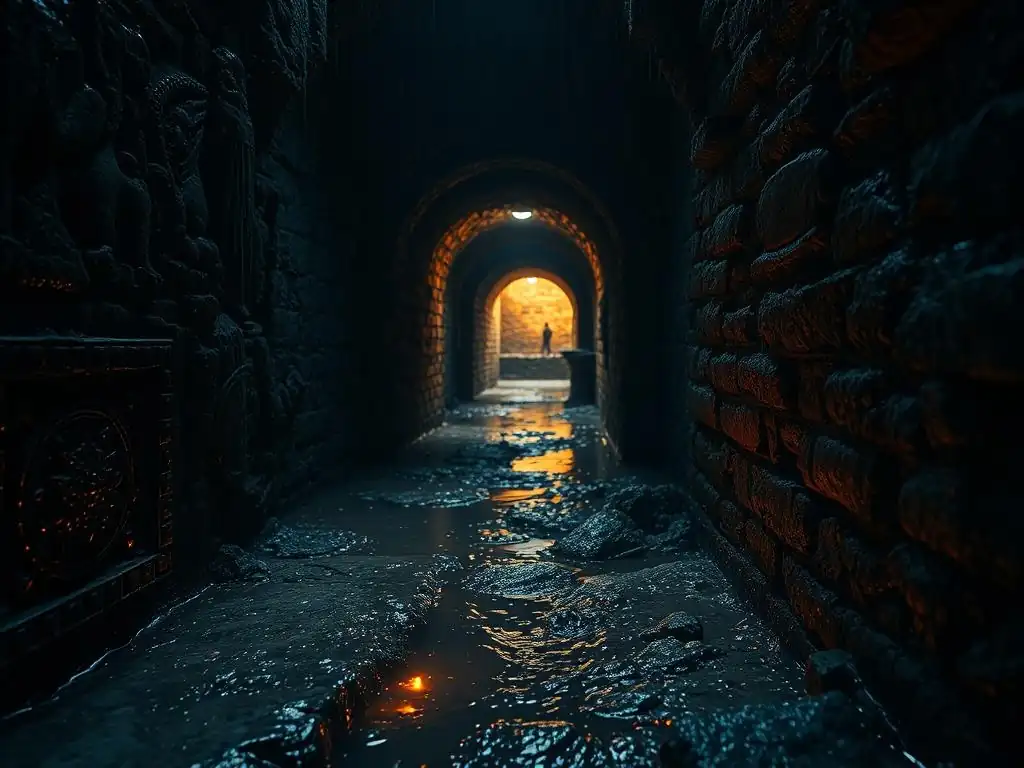
Welcome to Volcano Explorers, where we uncover the Earth's fiery secrets. Beneath the shadow of Vesuvius, a hidden marvel of Roman ingenuity lies buried. You know the story of the eruption, but what about what lay beneath Pompeii's bustling streets? Prepare to be amazed as we delve into the surprisingly sophisticated Pompeii sewer system history, revealing the unseen infrastructure that shaped life in this doomed city. What secrets do these subterranean channels hold? Let's find out...
- Introduction: Unveiling Pompeii's Hidden Sewer Network
- The History of Pompeii's Sewer System: A Glimpse into Roman Engineering
- The Design and Function of Pompeii's Sewers
- The Importance of Sanitation in Pompeii's Urban Life
- Evidence from the Excavations: Discovering Pompeii's Sewers
- Comparing Pompeii's Sewer System to Other Roman Cities
- The Impact of the Vesuvius Eruption on Pompeii's Sewers
- The Sewers of Pompeii: A Legacy of Roman Innovation
- Conclusion: Appreciating the Engineering Marvel Beneath Pompeii
-
Frequently Asked Questions
- What was the general state of the Pompeii sewer system before the eruption?
- How did the eruption of Mount Vesuvius impact the Pompeii sewer system?
- What types of waste materials were typically found in the Pompeii sewers?
- How does studying the Pompeii sewer system contribute to our understanding of Roman history?
- Were there any specific challenges in maintaining the Pompeii sewer system?
- Final Reflection: Echoes of Ingenuity
- Unearth Hidden Knowledge: Dive Deeper into Ancient Innovation!
Beyond the Ruins: Exploring Pompeii's Innovative Sanitation
Pompeii, forever frozen in time by the catastrophic eruption of Mount Vesuvius in 79 AD, is globally renowned for its remarkably preserved buildings, vibrant frescoes, and poignant plaster casts of its inhabitants. However, beneath the well-trodden cobblestone streets and grand villas lies a less visible, yet equally impressive testament to Roman ingenuity: a sophisticated sewer system.
While less glamorous than the city’s public baths or amphitheater, Pompeii’s sanitation infrastructure reveals a profound understanding of urban planning and public health for its time. This network of underground channels, often overlooked in favor of the city's more visually striking ruins, played a crucial role in the daily lives of Pompeii's citizens and offers invaluable insights into Roman urban life.
The Roman Empire was celebrated for its advanced engineering, and Pompeii’s sewer system serves as a microcosm of this prowess. Long before modern sanitation practices were established, the Romans, and particularly the inhabitants of Pompeii, grasped the critical link between hygiene and well-being. Their commitment to managing wastewater and stormwater is evident in the intricate network of drains and sewers that crisscrossed the city.
Far from being a rudimentary system, Pompeii’s sanitation infrastructure incorporated thoughtful design and construction techniques, showcasing a level of urban planning that was centuries ahead of its time. Exploring this unseen network allows us to appreciate the full scope of Roman urban sophistication and understand how Pompeii functioned as a thriving, relatively healthy city on the eve of its destruction.
The History of Pompeii's Sewer System: A Glimpse into Roman Engineering
Early Drainage Systems in Pompeii: Pre-Eruption Infrastructure
The origins of Pompeii's sewer system can be traced back to the early phases of the city's development, long before the cataclysmic eruption of Vesuvius. Initially, like many ancient settlements, Pompeii likely relied on simple drainage solutions to manage rainwater and wastewater. Archaeological evidence suggests that early Pompeiians utilized open channels and ditches, often unlined, to direct water away from dwellings and public spaces.
These rudimentary systems, while basic, were essential for preventing flooding and mitigating the unsanitary conditions that stagnant water could create, particularly in a densely populated urban center. These early drainage efforts were crucial in establishing a foundation for more complex sanitation infrastructure as the city grew in size and population.
As Pompeii evolved from a smaller settlement into a bustling Roman town, the demands on its infrastructure increased significantly. The initial open drainage systems, while functional for their time, became inadequate to handle the growing volume of wastewater and stormwater generated by a larger population and more developed urban environment.
The need for more efficient and hygienic solutions spurred the development of more sophisticated techniques in sewage management. This period of growth and urbanization in Pompeii coincided with broader advancements in Roman engineering, including the development of concrete and improved construction methods, which would prove crucial for building more robust and effective sewer systems.
The Evolution of Sewage Management: From Channels to Covered Sewers
The transition from open drainage channels to covered sewers in Pompeii represents a significant step forward in urban sanitation. While open channels continued to play a role in stormwater management, particularly in streets, the introduction of covered sewers marked a crucial advancement in managing sewage and wastewater more hygienically. Covered sewers, typically constructed from stone or terracotta pipes, offered several advantages over open drains.
They reduced unpleasant odors, minimized the breeding of disease-carrying insects, and prevented direct contact with waste, thereby improving public health and urban aesthetics. This shift towards enclosed systems reflects a growing awareness of the importance of sanitation in Roman urban centers during the later Republican and early Imperial periods.
This evolution was not a sudden change but rather a gradual process of improvement and expansion. As Pompeii prospered, fueled by trade and agriculture, resources became available to invest in more elaborate public works projects, including the expansion and refinement of the sewer network.
The construction of covered sewers required skilled labor and significant material resources, indicating the commitment of Pompeii’s authorities and citizens to improving their urban environment. The development of covered sewers in Pompeii was part of a wider trend in Roman cities, demonstrating a sophisticated understanding of urban planning and a dedication to creating healthier and more livable urban spaces.
Pompeii Sewer System History: Key Developments and Innovations
Tracing the precise timeline of key developments in Pompeii's sewer system history is challenging due to the nature of archaeological evidence. However, it is clear that the system underwent continuous improvement and expansion throughout the city's Roman period. One key innovation was the increasing use of durable materials like volcanic stone and opus signinum (waterproof cement) for constructing sewer channels and pipes.
These materials ensured the longevity and effectiveness of the infrastructure, even under constant exposure to water and waste. Another significant development was the integration of the sewer system with the city’s water supply network, allowing for the flushing of sewers and further improving sanitation.
Furthermore, the design of Pompeii's sewer system incorporated elements of hydraulic engineering that were advanced for their time. The sewers were carefully graded to ensure the efficient flow of wastewater through gravity, and inspection points and access shafts were strategically placed to facilitate maintenance and repairs. While not as grand as Rome's Cloaca Maxima, Pompeii's sewer system was a remarkable feat of engineering for a city of its size.
It reflected the broader Roman emphasis on public infrastructure and their understanding of the crucial role of sanitation in urban life. The history of Pompeii’s sewer system is thus a testament to Roman adaptability and their continuous pursuit of improving urban living conditions through engineering innovation.
The Design and Function of Pompeii's Sewers
Materials and Construction Techniques: Building Pompeii's Underground Network
The construction of Pompeii's extensive underground sewer network relied on locally available materials and well-established Roman building techniques. Volcanic stone, particularly Sarno limestone and lava stone, was the primary material used for constructing sewer channels and conduits. These stones were readily available in the region and were chosen for their durability and resistance to water erosion.
For lining sewer walls and creating waterproof seals, Roman engineers employed opus signinum, a type of hydraulic concrete made from crushed terracotta tiles mixed with lime and pozzolana (volcanic ash). This material was crucial for preventing leaks and ensuring the structural integrity of the sewer system over time.
The construction process involved excavating trenches along planned sewer routes, often following the natural slope of the land to facilitate gravity flow. Sewer channels were typically constructed with stone slabs forming the sides and bottom, sometimes covered with arched stone or brick vaults to create enclosed tunnels. Smaller terracotta pipes were also used for branch lines connecting individual houses and buildings to the main sewer network.
Roman engineers meticulously planned the layout and gradient of the sewers to ensure efficient drainage and prevent blockages. The skill and labor involved in constructing this subterranean network highlight the Romans' commitment to creating robust and functional infrastructure, even for less visible aspects of urban life like sewage management.
Wastewater Management in Pompeii: How the System Worked
Pompeii's wastewater management system operated on the principle of gravity flow, a fundamental aspect of Roman sewer design. Wastewater from homes, public baths, latrines, and commercial establishments flowed through a network of branch lines into progressively larger main sewers, eventually discharging outside the city walls. Rainwater runoff from streets and roofs also contributed to the flow within the sewer system, making it a combined system for both sewage and stormwater, a common feature in Roman cities. The sloping topography of Pompeii, situated on a volcanic spur, naturally aided the gravity-driven flow of wastewater.
Water played a crucial role in the functioning of Pompeii's sewers. While not a dedicated flushing system in the modern sense, the constant flow of water from public fountains, baths, and even household runoff helped to carry waste through the sewers and prevent stagnation. Many Pompeian houses were connected to the public water supply, and overflow from fountains and basins within homes likely contributed to the wastewater flow into the sewers.
Public latrines, often located near bath complexes, were also directly connected to the sewer system, ensuring the hygienic disposal of human waste. This integrated approach to water supply and wastewater management was a hallmark of Roman urban planning and crucial to the effective operation of Pompeii's sanitation infrastructure.
The Route of Pompeii's Sewers: Mapping the Underground Network
While a complete and detailed map of Pompeii's entire sewer network is still being developed through ongoing archaeological research, the general route and layout of the system are becoming increasingly clear. The main sewers of Pompeii generally followed the city’s street grid, running beneath major thoroughfares and public spaces. These primary sewer lines were substantial in size, capable of carrying significant volumes of wastewater. Branch sewers, often narrower and constructed from terracotta pipes, extended from the main lines to connect individual houses, shops, and public buildings throughout the city.
The sewer network was designed to discharge wastewater outside the city walls, likely into nearby fields or watercourses. While the exact outfall points are not fully confirmed for all parts of the city, it is probable that the sewers ultimately drained towards lower-lying areas outside Pompeii's urban perimeter.
The placement of sewer entrances, often discreetly located near street corners or at the rear of buildings, indicates careful planning to integrate the system seamlessly into the urban fabric without disrupting daily life. Mapping the route of Pompeii's sewers is an ongoing archaeological endeavor that continues to reveal the intricate planning and extent of this vital, yet often unseen, component of the ancient city.
The Importance of Sanitation in Pompeii's Urban Life
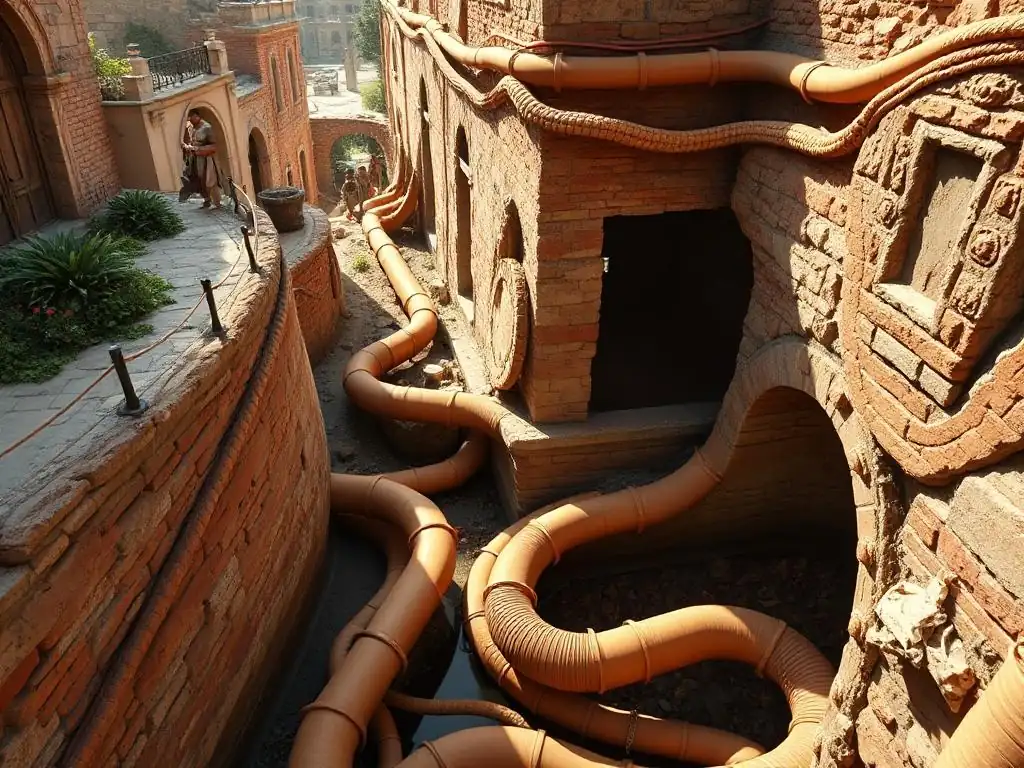
Public Health and Hygiene: The Role of Sewers in Roman Society
The presence of a well-developed sewer system in Pompeii underscores the Romans' understanding of the critical link between sanitation and public health. In an era before modern germ theory, the Romans intuitively recognized that removing waste and wastewater from urban environments was essential for preventing disease and maintaining a healthier population.
Pompeii's sewers played a crucial role in reducing the incidence of waterborne illnesses that were common in ancient cities lacking effective sanitation infrastructure. By channeling sewage and rainwater away from living areas, the system minimized the contamination of water sources and reduced the breeding grounds for disease vectors like flies and mosquitoes.
The emphasis on public health in Roman society is evident not only in the construction of sewers but also in the provision of public baths and latrines, all connected to the sanitation network. These facilities promoted personal hygiene and further contributed to disease prevention within urban populations.
While life expectancy in the Roman world was still considerably lower than today, cities like Pompeii, with their relatively advanced sanitation systems, likely experienced better public health outcomes compared to settlements without such infrastructure. The sewer system was therefore not merely a matter of convenience but a vital component of Pompeii's urban fabric, contributing significantly to the health and well-being of its inhabitants.
Waste Disposal Practices: Managing Refuse in Pompeii
While Pompeii's sewer system was primarily designed for liquid waste and stormwater, it was part of a broader system of waste management practices in the city. Solid waste disposal in Pompeii likely involved a combination of methods. Excavations have revealed evidence of middens or refuse heaps located outside the city walls, suggesting that household waste was collected and transported for disposal beyond the urban area. Street cleaning was also likely practiced to some extent, although the precise mechanisms are not fully understood. Some organic waste may have been composted or used as fertilizer in agricultural areas surrounding the city.
It is important to note that Roman sewer systems were not designed to handle large quantities of solid waste like modern sewers. While some smaller items might have inadvertently entered the sewers, the primary function was to remove liquid waste and rainwater.
The presence of street drains and sloping street surfaces in Pompeii also suggests an effort to manage surface runoff and prevent the accumulation of debris in public spaces. Therefore, waste disposal in Pompeii was a multifaceted approach, combining the sewer system for liquid waste with other methods for managing solid refuse, reflecting a comprehensive, if not entirely modern, understanding of urban sanitation.
The Connection Between Sewers and Pompeii's Water Supply
Pompeii's sewer system was intrinsically linked to its sophisticated water supply network, demonstrating a holistic approach to urban infrastructure management. The Aqua Augusta aqueduct, constructed in the Augustan period, brought a substantial supply of fresh water to Pompeii, feeding public fountains, baths, and private residences. This abundant water supply was crucial not only for drinking and domestic use but also for the effective functioning of the sewer system. Overflow from fountains and baths, as well as household wastewater, provided a continuous flow of water into the sewers, aiding in the transport of waste and preventing blockages.
The Romans understood the synergistic relationship between clean water supply and effective sewage removal. By providing ample water, they not only improved hygiene directly through washing and bathing but also indirectly by ensuring the proper functioning of the sanitation system. The connection between Pompeii's water supply and sewer networks highlights the advanced urban planning of the Romans.
They recognized that providing clean water was only one part of the equation; equally important was the efficient removal of wastewater to prevent contamination and maintain a healthy urban environment. This integrated approach to water management was a key factor in the relative success of Roman cities in maintaining public health compared to other urban centers of the ancient world.
Evidence from the Excavations: Discovering Pompeii's Sewers
Archaeological Finds: Unearthing Sewer Entrances and Structures
Archaeological excavations in Pompeii have progressively revealed the extent and complexity of its sewer system. The discovery of sewer entrances, often marked by stone slabs with access points, provides direct evidence of the system's presence throughout the city. Excavations along streets and beneath buildings have unearthed sections of sewer channels, constructed from stone and opus signinum, confirming the materials and construction techniques described in historical accounts and Roman architectural treatises. The uncovering of public latrines, bath complexes, and fountain basins, all connected to the sewer network, further substantiates the integrated nature of Pompeii's sanitation infrastructure.
Specific archaeological finds within the sewers themselves have also been invaluable. Sections of terracotta pipes, used for branch lines connecting individual buildings, have been recovered, demonstrating the detailed network that extended beneath the city.
Inspection chambers and access shafts, designed to allow for maintenance and repairs, have been identified, providing insights into the practical aspects of managing and operating the sewer system. These archaeological discoveries not only confirm the existence of Pompeii's sewers but also provide tangible evidence of their design, construction, and integration into the urban fabric, allowing for a more complete understanding of this crucial aspect of Roman urban life.
Analysis of Sewer Contents: Insights into Pompeian Diet and Health
The analysis of contents recovered from Pompeii's sewers offers a unique window into the daily lives of its inhabitants, providing insights into their diet, health, and even the types of parasites they may have harbored. Paleo-parasitological studies, examining sediment samples from sewer deposits, have identified the presence of parasite eggs, such as roundworm and whipworm, indicating that intestinal parasites were likely common in the Pompeian population, as they were in many ancient societies. However, the presence of a sewer system would have likely mitigated the prevalence of these parasites compared to areas with less developed sanitation.
Furthermore, the analysis of organic material preserved within sewer sediments can provide clues about Pompeian diet. Remnants of food waste, such as seeds, bones, and plant fibers, can be identified and analyzed to reconstruct dietary patterns and agricultural practices.
While direct dietary reconstruction from sewer contents is complex, the information gleaned complements other archaeological evidence, such as food remains found in kitchens and shops, to provide a more comprehensive picture of Pompeian nutrition and lifestyle. The sewers, therefore, serve as unexpected archives, preserving biological and dietary traces that offer valuable perspectives on the health and daily lives of Pompeii's ancient residents.
Preserved Waste Materials: Clues to Daily Life in Pompeii
Beyond biological and dietary remains, the preserved waste materials within Pompeii's sewers offer a broader range of clues about daily life in the city. Fragments of pottery, glass, and other household items have been found within sewer deposits, providing insights into the types of goods used and discarded by Pompeians.
The presence of industrial waste, such as residues from workshops and craft activities, can also be identified in certain areas of the sewer network, indicating the types of industries operating in different parts of the city. Even the types of pollen grains preserved in sewer sediments can provide information about the local environment and vegetation during Pompeii's final days.
These preserved waste materials, although seemingly mundane, are valuable archaeological artifacts. They contribute to a more nuanced understanding of Pompeian society, economy, and material culture. By analyzing the composition and distribution of waste materials within the sewer system, archaeologists can gain insights into patterns of consumption, trade, and daily activities in different neighborhoods of Pompeii. The sewers, therefore, are not just conduits for waste but also repositories of information, offering a unique archaeological record that complements the more visible aspects of Pompeii's ruins and enriches our understanding of this ancient Roman city.
Comparing Pompeii's Sewer System to Other Roman Cities
Roman Engineering Prowess: A Comparative Analysis of Sewer Systems
Pompeii's sewer system, while impressive for a city of its size, should be viewed within the broader context of Roman engineering prowess in sanitation infrastructure across the Empire. Roman cities, from large metropolises like Rome itself to smaller provincial towns, generally featured some form of sewer system, reflecting a widespread commitment to urban sanitation.
The scale and sophistication of these systems varied depending on the size, topography, and resources of each city. However, common principles of design and construction, such as gravity flow, the use of durable materials like stone and concrete, and the integration with water supply networks, were evident across Roman urban centers.
Comparing sewer systems across different Roman cities reveals both similarities and variations. Larger cities like Rome and Ostia Antica boasted more extensive and elaborate networks, sometimes incorporating monumental sewers like Rome's Cloaca Maxima. These grand systems often featured multiple main lines, complex junctions, and even navigable sections for maintenance.
Smaller cities like Pompeii, while less grand in scale, still demonstrated a high degree of planning and engineering skill in adapting Roman sanitation principles to their specific urban context. This comparative analysis highlights the remarkable consistency of Roman engineering standards in sanitation, even as they were tailored to the unique circumstances of different urban environments throughout the vast Roman Empire.
Ostia Antica vs. Pompeii: Sewer System Similarities and Differences
Comparing the sewer systems of Ostia Antica, the port city of Rome, and Pompeii reveals both striking similarities and intriguing differences, reflecting their respective urban characteristics and roles. Both cities possessed well-developed sewer networks that were integral to their urban planning. Similarities include the use of gravity flow, the construction materials (stone, brick, opus signinum), and the combined nature of the systems, handling both sewage and stormwater. Both Ostia and Pompeii also integrated their sewer systems with public baths, latrines, and water supply networks, demonstrating a common Roman approach to urban sanitation.
However, differences also emerge. Ostia Antica, as a major port and larger city than Pompeii, had a more extensive and complex sewer network. Its sewers were often larger and more elaborate, reflecting the greater volume of wastewater generated by a larger population and bustling port activities.
Ostia's sewers also show evidence of more advanced hydraulic engineering in some sections, possibly due to the city's flat topography and proximity to the sea. Pompeii's system, while sophisticated for its size, was perhaps more streamlined and adapted to the city's volcanic terrain and smaller scale. Comparing these two Roman cities highlights the adaptability of Roman sewer engineering, tailored to the specific needs and characteristics of different urban centers within the Empire.
The Influence of Greek Drainage Systems on Pompeii
The Roman sewer systems, including that of Pompeii, did not emerge in a vacuum but were influenced by earlier traditions of urban drainage, particularly from the Greeks. Ancient Greek civilizations, especially in Minoan Crete and later in classical Greece, had developed sophisticated drainage systems for managing rainwater and wastewater in their cities. Examples include the Minoan palaces of Knossos and Phaistos, which featured terracotta pipes and drainage channels dating back to the Bronze Age. Classical Greek cities like Athens and Corinth also incorporated drainage systems, although often less elaborate than later Roman examples.
The Romans, known for their pragmatic approach to engineering, adopted and adapted Greek drainage techniques, incorporating them into their own urban planning and construction practices. The use of terracotta pipes, the principle of gravity flow, and the separation of stormwater and wastewater to some extent can be traced back to Greek precedents.
Roman engineers, however, significantly expanded upon these foundations, developing more robust materials like concrete, creating larger and more extensive networks, and integrating sanitation more systematically into urban design. While Pompeii's sewer system is a testament to Roman engineering, it also represents a continuation and refinement of earlier Greek traditions in urban drainage, showcasing the cross-cultural exchange of knowledge and techniques in the ancient Mediterranean world.
The Impact of the Vesuvius Eruption on Pompeii's Sewers
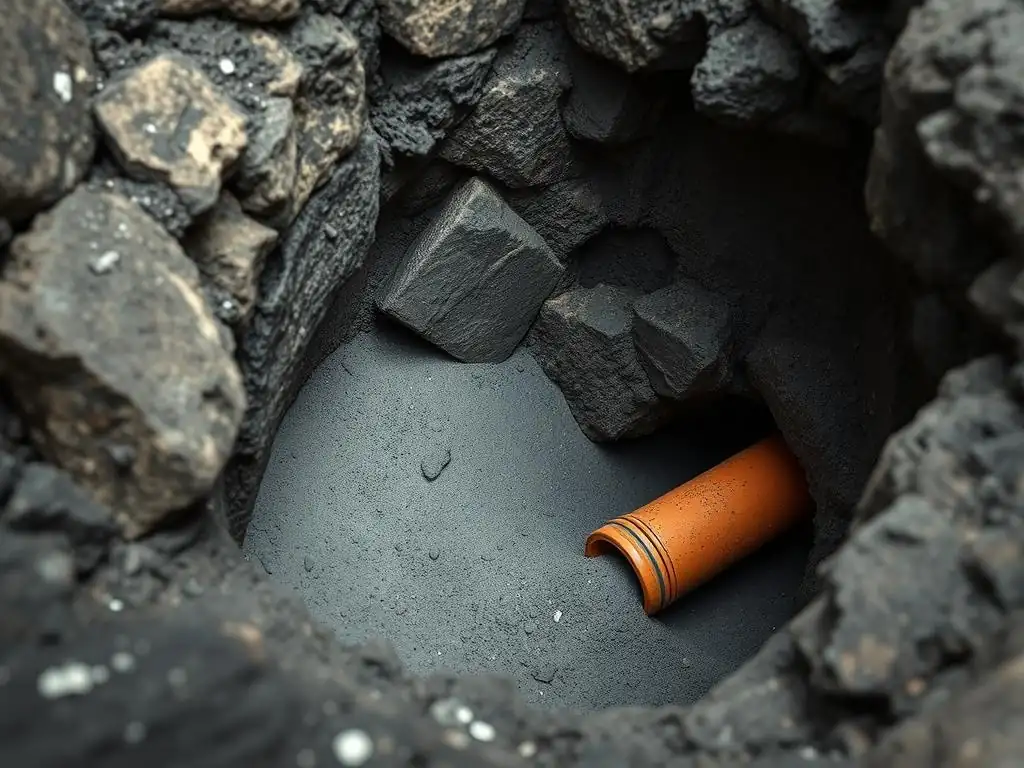
Destruction and Preservation: How the Eruption Affected the Sewer System
The eruption of Mount Vesuvius in 79 AD had a profound and multifaceted impact on Pompeii's sewer system. The initial phases of the eruption, characterized by pumice and ashfall, rapidly buried the city, including its underground infrastructure. This burial, while catastrophic for the inhabitants, paradoxically became a form of preservation for the sewer system. The layers of volcanic material protected the sewers from subsequent damage and looting, encasing them in a relatively stable environment for centuries.
However, the eruption also caused some damage to the sewer system. The weight of the volcanic deposits likely caused partial collapses in some sections of the sewers, particularly those constructed with less robust materials or located in structurally weaker areas. The intense heat of pyroclastic flows and surges, which followed the initial ashfall, may have also caused thermal stress and cracking in stone and terracotta sewer components.
Despite these destructive forces, a significant portion of Pompeii's sewer network survived the eruption relatively intact, thanks to its subterranean location and the protective nature of the volcanic burial. This combination of destruction and preservation has made Pompeii's sewers a unique archaeological resource, offering insights into both Roman engineering and the immediate aftermath of the volcanic disaster.
The Sewers as Time Capsules: Preserving Evidence of Pompeii's Last Days
Pompeii's sewers, sealed by the volcanic eruption, effectively became time capsules, preserving a snapshot of the city in its final moments. The contents of the sewers at the time of the eruption were trapped and entombed, providing a unique archaeological record of the materials that were being disposed of in the city's last days. These preserved sewer contents offer insights into daily life in Pompeii immediately before the disaster, including dietary habits, household waste, and even traces of the eruption itself, such as volcanic ash and pumice that washed into the drains.
The suddenness of the eruption and the rapid burial of Pompeii meant that the sewer system was essentially frozen in time. Unlike other archaeological sites that have been subject to centuries of occupation, rebuilding, and disturbance, Pompeii offers a relatively pristine snapshot of a Roman city at a specific moment in history. The sewers, as integral components of this urban snapshot, contribute to the exceptional preservation of Pompeii as a whole. They offer a subterranean perspective on the city's final days, complementing the evidence from the more visible ruins above ground and enriching our understanding of Pompeii's tragic fate.
What Pompeii’s Sewers Tell Us About the Eruption's Impact
The study of Pompeii's sewers provides valuable information about the immediate impact of the Vesuvius eruption on the city and its inhabitants. The presence of volcanic ash and pumice within the sewers, often mixed with everyday waste, confirms that the eruption directly affected the sanitation system, clogging drains and altering wastewater flow. The distribution and composition of volcanic deposits within the sewers can also help to reconstruct the sequence of eruptive events and the direction of ashfall and pyroclastic flows across different parts of the city.
Furthermore, the absence of certain types of waste in the sewers in some areas might indicate changes in daily activities or even abandonment of certain parts of the city in the immediate lead-up to the eruption. For example, a sudden decrease in organic waste in sewers in residential areas might suggest that some inhabitants had already fled or altered their routines in response to early signs of volcanic unrest, although direct evidence for this is still being investigated.
Overall, Pompeii's sewers, as conduits of urban life, also serve as sensitive recorders of the eruption's impact, offering a subterranean perspective on the disaster's immediate effects on the city and its infrastructure.
The Sewers of Pompeii: A Legacy of Roman Innovation
Lessons Learned: The Enduring Significance of Pompeii's Sewer System
The remarkably preserved sewer system of Pompeii offers enduring lessons about the importance of urban sanitation and the ingenuity of Roman engineering. It underscores the critical role of effective wastewater management in maintaining public health and creating livable urban environments, a lesson that remains highly relevant in modern urban planning, especially in rapidly growing cities worldwide. Pompeii's example highlights the long-term benefits of investing in robust and well-designed infrastructure, even if it is less visible than more aesthetically striking urban features.
The Roman approach to sewer design, emphasizing gravity flow, durable materials, and integration with water supply, provides valuable principles that are still applicable in contemporary sanitation engineering. The modularity and adaptability of Roman sewer systems, evident in Pompeii and other Roman cities, demonstrate a practical and efficient approach to urban infrastructure development. Studying Pompeii's sewers, therefore, is not just an exercise in historical archaeology but also a source of inspiration and practical insights for modern engineers and urban planners grappling with the challenges of sanitation in the 21st century.
Modern Applications: Inspiration from Ancient Roman Engineering
Ancient Roman engineering, exemplified by Pompeii's sewer system, continues to inspire modern applications in various fields, particularly in civil engineering and sustainable urban development. The principles of gravity-fed systems, efficient drainage, and the use of durable and locally sourced materials remain relevant in contemporary infrastructure design. Modern sewer systems, while incorporating advanced materials and technologies, still rely on the fundamental principles of hydraulic engineering that were mastered by the Romans.
Furthermore, the Roman emphasis on integrated urban planning, connecting water supply, sanitation, and public spaces, offers a holistic model for sustainable urban development. The concept of creating resilient and self-sustaining urban environments, inspired by Roman examples, is gaining increasing attention in the face of climate change and resource scarcity. Studying Pompeii's sewer system and other aspects of Roman urban infrastructure provides valuable historical precedents and practical insights for creating more sustainable and resilient cities in the future, learning from the successes and innovations of the ancient world.
Preserving Pompeii's Sewer System: Challenges and Opportunities
Preserving Pompeii's sewer system presents both significant challenges and unique opportunities for archaeological conservation and public engagement. The ongoing excavation and exposure of sewer sections require careful conservation measures to protect the fragile materials from deterioration due to exposure to air, moisture, and biological agents. Consolidation, stabilization, and appropriate backfilling techniques are necessary to ensure the long-term preservation of excavated sewer structures. Funding for conservation efforts and specialized expertise are crucial for addressing these challenges effectively.
However, the preserved sewers also offer unique opportunities for enhancing the visitor experience at Pompeii and promoting public understanding of Roman urban life and engineering. Accessible sections of the sewer system could be incorporated into guided tours, allowing visitors to appreciate this unseen aspect of the ancient city. Educational exhibits and virtual reconstructions could further illustrate the design, function, and significance of Pompeii's sewers. By highlighting the ingenuity and importance of this often-overlooked infrastructure, Pompeii can offer a more complete and nuanced picture of Roman urban civilization and its enduring legacy.
Conclusion: Appreciating the Engineering Marvel Beneath Pompeii
The sewers of Pompeii, often hidden beneath the well-trodden paths of this ancient city, represent a remarkable engineering marvel that deserves greater recognition. They are a testament to Roman ingenuity, urban planning, and a sophisticated understanding of public health centuries ahead of their time.
More than just conduits for waste, these subterranean networks were vital arteries of Pompeian urban life, contributing significantly to the city's functionality, hygiene, and relative well-being. Exploring these unseen structures allows us to appreciate the full depth of Roman urban sophistication and understand how Pompeii thrived as a vibrant and relatively healthy city on the eve of its tragic demise.
The next time you walk the streets of Pompeii, remember that beneath your feet lies not just volcanic ash and ruins, but also an intricate and innovative sewer system, a silent testament to the engineering prowess of the ancient Romans and their commitment to creating livable urban spaces.
Frequently Asked Questions
What was the general state of the Pompeii sewer system before the eruption?
The Pompeii sewer system, while relatively advanced for its time, was not a comprehensive network. It primarily served public buildings, bathhouses, and some wealthier residences, indicating a system in need of expansion.
How did the eruption of Mount Vesuvius impact the Pompeii sewer system?
The eruption of Mount Vesuvius in 79 AD completely buried and preserved the Pompeii sewer system under layers of ash and pumice, offering a unique snapshot of Roman infrastructure. This tragic event inadvertently protected the system from decay.
What types of waste materials were typically found in the Pompeii sewers?
The Pompeii sewers carried a variety of waste, including human excrement, household wastewater, and overflow from public fountains and bathhouses. Archaeological finds within the sewers offer insights into the diet and daily life of Pompeii's inhabitants.
How does studying the Pompeii sewer system contribute to our understanding of Roman history?
Analyzing the Pompeii sewer system provides valuable insights into Roman engineering capabilities, public health practices, and the social stratification of the city. The system reflects the priorities and challenges of urban life in the Roman Empire.
Were there any specific challenges in maintaining the Pompeii sewer system?
Maintaining the Pompeii sewer system likely involved challenges such as preventing blockages, managing odors, and ensuring proper drainage given the city's sloping terrain. Evidence suggests regular cleaning and repairs were necessary to keep the system functioning.
Final Reflection: Echoes of Ingenuity
The intricate details of Pompeii's sewer system, once hidden beneath the bustling streets, now offer a profound glimpse into the Roman understanding of urban planning and public health. The rediscovery and analysis of this infrastructure reveal not just engineering prowess, but a societal commitment to sanitation that resonates even today. We see in these ancient drains a reflection of our own ongoing efforts to manage waste and protect our communities, reminding us that some challenges are timeless.
The impact of Pompeii's sewer system extends beyond mere historical curiosity; it underscores the importance of infrastructure in shaping civilization. Understanding how the Romans tackled sanitation challenges provides valuable lessons for modern urban development, particularly in rapidly growing cities. The ingenuity displayed in Pompeii serves as a powerful reminder that innovation often arises from necessity. The past is never dead. It's not even past.
- William Faulkner. This quote encapsulates the enduring relevance of Pompeii's lessons, urging us to learn from the successes and failures of those who came before us.
As we contemplate the legacy of Pompeii's sewer system, let us consider the unseen infrastructure that supports our own lives. What systems are in place to ensure our well-being, and how can we contribute to their improvement? Reflect on the ingenuity of the past and let it inspire you to advocate for sustainable and equitable solutions in your own community. The echoes of Pompeii's ingenuity call us to build a future where public health and environmental stewardship are paramount.
Okay, here's a Call to Action crafted for the end of an article titled "The Sewers of Pompeii: Unseen Infrastructure of a Roman City," tailored for the website "Volcano Explorers" with the domain "volcanoexplorers.org":
Thank you for exploring the fascinating world beneath Pompeii with us! We hope you've gained a new appreciation for the ingenuity of Roman engineering and the importance of these often-overlooked aspects of ancient life. Now, it's your turn to take the exploration further:
- Unleash your inner archaeologist and design your own Roman city, paying special attention to its water management system. Consider the challenges the Pompeians faced and how you might solve them with modern (or futuristic!) technology.
- Share this article with fellow history buffs and spark a conversation about the surprisingly advanced infrastructure of ancient civilizations.
- Delve into our archives at VolcanoExplorers.org for more hidden gems from the ancient world and other captivating volcanic stories.
What surprising innovation from Pompeii do you think could be adapted for use in modern urban planning? Share your thoughts in the comments below!