
The Mountain's Fury Unleashed: Were SaintPierre's Leaders Blind to the Danger?


Welcome to Volcano Explorers, where the earth's raw power is revealed! What if a city's fate rested on a single, fateful decision? Dive into the chilling history of the Saint Pierre volcano eruption, and discover the tragic choices that led to devastation. Prepare to uncover the secrets buried beneath the ash and ask yourself: Could this have been prevented?
- Introduction: The Catastrophe of Saint-Pierre and Mount Pelée
- A City on the Brink: Saint-Pierre Before the Eruption
- Mount Pelée's Increasing Activity: The Escalation of the Volcanic Threat
- Leadership's Failure: Ignoring the Imminent Danger
- The Eruption of May 8, 1902: A City Annihilated
-
Saint Pierre Volcano Eruption History: Lessons Learned from the Disaster
- Scientific Understanding of Pyroclastic Flows: Advancements Post-Pelée
- Modern Volcanic Monitoring: Preventing Future Catastrophes Like Saint-Pierre
- Seismometers, Gas Monitoring, and Deformation Studies
- The Legacy of Saint-Pierre: A Reminder of the Power of Volcanoes and the Importance of Preparedness
- Analyzing the Saint Pierre Disaster: A Case Study in Volcanic Risk Management
- Mount Pelée Today: Ongoing Monitoring and Future Risks
- Conclusion: Remembering Saint-Pierre and Honoring the Victims of Mount Pelée
-
Frequently Asked Questions
- What was the most significant impact of the Saint Pierre volcano eruption?
- Why is the Saint Pierre eruption considered a significant event in volcano history?
- What role did leadership play in the Saint Pierre disaster?
- What type of volcano is Mont Pelée, which caused the Saint Pierre eruption?
- What are some lessons learned from the Saint Pierre volcano eruption history?
- Final Reflection: Echoes of Ignorance, Lessons in Preparedness
- Ignite Your Inner Explorer: Take Action Now!
Introduction: The Catastrophe of Saint-Pierre and Mount Pelée
The name Saint-Pierre evokes images of a ghost city, a haunting reminder of nature's raw power and humanity's vulnerability in the face of volcanic fury. Once hailed as the "Paris of the Caribbean," Saint-Pierre, Martinique, met a catastrophic end on May 8, 1902, when Mount Pelée unleashed its devastating power. In mere minutes, a vibrant, bustling city was obliterated, and an estimated 30,000 people perished in one of the 20th century's deadliest volcanic disasters.
This event not only reshaped the geography and demographics of Martinique but also profoundly impacted the field of volcanology, leading to a greater understanding of pyroclastic flows and improved volcanic monitoring practices. The story of Saint-Pierre serves as a stark cautionary tale about the importance of heeding nature's warnings and the critical role of informed leadership in times of crisis.
A City on the Brink: Saint-Pierre Before the Eruption
Thriving Port City of Saint-Pierre: A Hub of Commerce and Culture
At the dawn of the 20th century, Saint-Pierre was the undisputed economic and cultural heart of Martinique, a French colony in the Caribbean. Its strategic location as a deep-water port made it a vital trading hub, bustling with ships from around the globe carrying sugar, rum, and other commodities. The city's architecture reflected its prosperity and European influences, boasting elegant colonial buildings, grand theaters, and sophisticated infrastructure.
Saint-Pierre was renowned for its vibrant social scene, its intellectual circles, and its cosmopolitan atmosphere, earning it the moniker "Little Paris" or "Paris of the Antilles." The city was not merely a commercial center but also a place of refinement and progress, a beacon of French civilization in the Caribbean.
Saint-Pierre's population, estimated at around 28,000 to 30,000 inhabitants at the time, was a diverse mix of European descent, Afro-Caribbean, and other ethnicities, contributing to its rich cultural tapestry. The city was equipped with modern amenities for the era, including electric lighting in some areas, a botanical garden, and a well-regarded educational system. Its theaters hosted opera performances and plays, and its cafes were centers of lively conversation and intellectual exchange. Saint-Pierre was, in essence, a thriving and confident city, seemingly impervious to the natural dangers that lurked in its shadow – the looming presence of Mount Pelée.
Warning Signs Ignored: Early Volcanic Activity on Mount Pelée
Unbeknownst to the majority of Saint-Pierre’s residents, and perhaps deliberately downplayed by authorities, Mount Pelée had been exhibiting signs of unrest for months leading up to the catastrophic eruption. As early as 1900, fumarolic activity increased, and subtle tremors were felt in the vicinity of the volcano. In April 1902, these signs became more pronounced.
Villagers living on the slopes of Mount Pelée reported increased steam and sulfurous gas emissions from the summit crater. Rivers flowing down the mountain began carrying hot water and dead fish, indicating a rise in volcanic activity and the leaching of toxic substances into the water systems.
These early warnings, while not immediately dramatic, were clear indicators of increasing volcanic activity. Local inhabitants, particularly those living closer to the mountain, grew increasingly concerned. Animals began behaving erratically, and the vegetation near the summit showed signs of stress. The air became pungent with the smell of sulfur, a telltale sign of volcanic gases being released. Despite these escalating warning signs, official responses were slow and often dismissive, influenced by political and economic pressures that prioritized maintaining normalcy over public safety in Saint-Pierre.
Increasing Sulfurous Fumes and Ashfall Blanket the Region
As April turned into May, the volcanic activity of Mount Pelée intensified significantly, transitioning from subtle warnings to more overt and alarming events. Sulfurous fumes became increasingly pervasive, causing respiratory discomfort and a general sense of unease among the population of Saint-Pierre and surrounding areas. The once clean and fresh Caribbean air was now frequently filled with a choking, acrid smell, a constant reminder of the mountain's growing unrest. More dramatically, ashfall began to plague the region, coating the city and nearby villages in a fine, grey dust.
This ashfall, while initially light, became progressively heavier, blanketing streets, buildings, and vegetation. It disrupted daily life, causing eye irritation and further respiratory problems. The ashfall was a tangible and visible manifestation of Mount Pelée's escalating activity, a constant dusting of volcanic debris that served as a grim prelude to the impending disaster. Despite the increasingly obvious and disruptive signs – the fumes, the ash, the growing fear among the populace – official evacuation orders were not issued for Saint-Pierre, a fatal decision that would have catastrophic consequences.
Mount Pelée's Increasing Activity: The Escalation of the Volcanic Threat
From Minor Eruptions to Growing Concern: The Timeline of Pelée's Unrest
The timeline of Mount Pelée’s unrest in the weeks leading up to the May 8th eruption reveals a clear escalation of volcanic activity, moving from minor events to increasingly dangerous phenomena. Starting in late April 1902, small phreatic eruptions began occurring at the summit crater, sending steam and ash plumes into the air. These initial eruptions, while not immediately devastating, marked a significant increase in activity compared to the preceding months. By early May, these eruptions became more frequent and more powerful, ejecting larger volumes of ash and volcanic debris.
These escalating minor eruptions should have served as a clear warning to authorities and the population of Saint-Pierre. Volcanologists, even with the limited scientific understanding of the time, recognized the pattern of increasing activity as a potential precursor to a larger, more dangerous eruption. However, the initial eruptions were often dismissed as minor and localized, failing to trigger a comprehensive evacuation or even a widespread alert. This underestimation of the escalating threat, coupled with political and economic considerations, set the stage for the tragedy that was about to unfold.
The Deadly Mudflows (Lahars): A Precursor to the Main Eruption
A particularly ominous sign of Mount Pelée's increasing danger was the onset of lahars, or volcanic mudflows. These are rapidly flowing mixtures of volcanic debris, rock, ash, and water, capable of immense destructive power. As Mount Pelée’s volcanic activity intensified, meltwater and rainwater mixed with loose volcanic material on the mountain's slopes, creating highly mobile and destructive lahars. These mudflows began surging down river valleys, posing a direct threat to villages and infrastructure located in their path.
Lahars are not only destructive due to their sheer force and volume but also because of their speed and unpredictable nature. They can travel at speeds of tens of kilometers per hour, leaving little time for escape.
The emergence of lahars from Mount Pelée was a clear indication that the volcano was not just releasing gas and ash, but was also mobilizing significant amounts of solid material, signaling a shift towards more hazardous eruptive behavior. The lahars were a tangible and deadly precursor to the main eruption, yet their significance was tragically underestimated or ignored by those in power in Saint-Pierre.
Lahar of April 23rd and Its Devastating Impact on Le Prêcheur
One particularly devastating lahar occurred on April 23, 1902, impacting the village of Le Prêcheur, located a few kilometers north of Saint-Pierre, on the slopes of Mount Pelée. This lahar, triggered by heavy rainfall and intensified volcanic activity, swept down the Rivière des Pères valley, engulfing homes and causing significant destruction. While the exact death toll from this specific lahar is debated, it resulted in dozens of fatalities, with some estimates reaching up to 200 lives lost in Le Prêcheur and surrounding areas.
The Le Prêcheur lahar was a stark and tragic demonstration of Mount Pelée’s destructive potential. It was a localized disaster that should have served as a wake-up call for Saint-Pierre and the authorities. The event highlighted the immediate and lethal threat posed by lahars and underscored the escalating danger emanating from the volcano. Despite the significant loss of life and the clear evidence of increasing volcanic hazard, the leadership in Saint-Pierre did not initiate a large-scale evacuation, choosing instead to downplay the risks and prioritize political and economic stability over the safety of the population.
Leadership's Failure: Ignoring the Imminent Danger
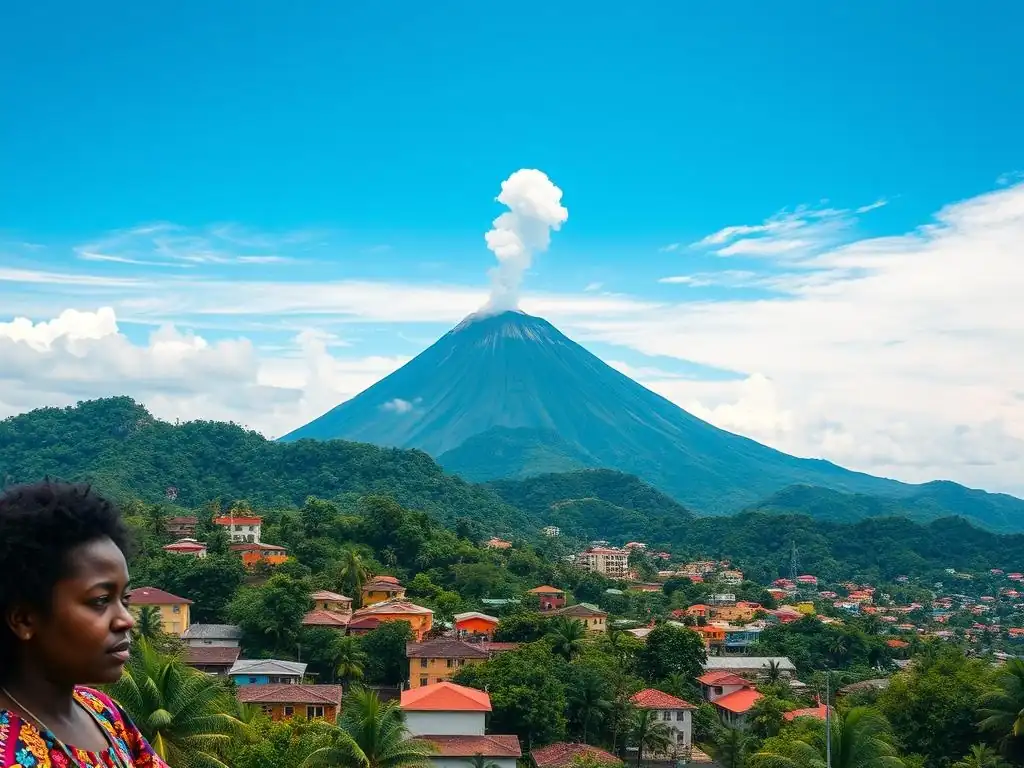
Political Pressure and Elections: Prioritizing Politics Over Public Safety
A crucial factor contributing to the Saint-Pierre disaster was the prevailing political climate in Martinique at the time. The island was on the cusp of local elections scheduled for May 11, 1902, just days after the catastrophic eruption. Political tensions were high, and there was a strong desire among the ruling elite to maintain stability and project an image of control. Evacuating Saint-Pierre, the island's most important city, would have been seen as a sign of weakness and would have undoubtedly disrupted the upcoming elections, potentially impacting the political fortunes of those in power.
This political context created immense pressure to downplay the volcanic threat and avoid any actions that might cause panic or disrupt the electoral process. Public safety became secondary to political expediency. Authorities, including Governor Louis Mouttet, were heavily influenced by these political considerations, leading them to prioritize maintaining order and ensuring the elections proceeded smoothly, even in the face of mounting evidence of imminent volcanic danger. This prioritization of politics over public safety proved to be a fatal miscalculation with devastating consequences for the people of Saint-Pierre.
Downplaying the Risks: Official Statements and Misinformation
In the face of growing public anxiety and escalating volcanic activity, official statements from the Martinique government and Governor Mouttet consistently downplayed the risks and reassured the population that Saint-Pierre was safe. These statements often contradicted the observable evidence of increasing volcanic danger and the warnings from some concerned scientists and local residents. Misinformation and reassurances were disseminated through official channels and amplified by some sectors of the local press, aiming to quell public fears and maintain a semblance of normalcy.
This campaign of reassurance and risk minimization had a detrimental effect on public perception and preparedness. Many residents, trusting in the official pronouncements, remained in Saint-Pierre despite their growing unease. The downplaying of risks created a false sense of security and prevented many from taking proactive measures to protect themselves and their families. This official misinformation, whether intentional or stemming from a combination of political pressure and misjudgment, directly contributed to the high death toll of the Saint-Pierre disaster, as it effectively trapped thousands in the path of the impending volcanic fury.
Governor Mouttet's Reassurances and the Press's Role
Governor Louis Mouttet, the highest-ranking official in Martinique, played a central role in downplaying the volcanic risks and reassuring the population of Saint-Pierre. He issued public statements emphasizing that there was no imminent danger and that the volcanic activity was not a cause for alarm. He even visited Saint-Pierre personally in the days leading up to the eruption, ostensibly to demonstrate his confidence in the city's safety and to encourage residents to remain calm. His pronouncements carried significant weight and influenced public perception, despite the mounting evidence to the contrary.
Certain segments of the local press also contributed to the downplaying of the volcanic threat. Some newspapers echoed the official reassurances, emphasizing the need to avoid panic and maintain confidence in the authorities. They often dismissed or minimized reports of volcanic activity, portraying concerned citizens as alarmists.
This complicity of some media outlets in disseminating misinformation further reinforced the false sense of security and contributed to the lack of preparedness in Saint-Pierre. Tragically, Governor Mouttet himself, along with his wife and many officials who echoed his reassurances, perished in the May 8th eruption, becoming victims of the very disaster they had publicly minimized.
The Influence of Economic Interests: Protecting Trade and Business
Beyond political considerations, economic interests also played a significant role in the decisions made, or rather not made, in the lead-up to the Saint-Pierre eruption. Saint-Pierre was the economic engine of Martinique, and any disruption to its commercial activities would have had severe economic repercussions for the entire island. Evacuating the city and shutting down its port would have caused significant economic losses, impacting trade, businesses, and livelihoods. There was a strong incentive among the economic elite and some government officials to avoid any actions that could harm the island's economy.
This economic imperative contributed to the reluctance to order an evacuation of Saint-Pierre. Concerns about economic disruption likely outweighed concerns about public safety in the minds of some decision-makers. The desire to maintain the flow of trade, protect business interests, and avoid economic panic contributed to the downplaying of the volcanic risks and the failure to take decisive action to protect the population. This prioritization of economic interests over human lives ultimately proved to be a disastrously short-sighted calculation.
The Eruption of May 8, 1902: A City Annihilated
The Nuée Ardente: A Pyroclastic Flow of Unimaginable Power
On the morning of May 8, 1902, Ascension Day, Mount Pelée unleashed its full fury upon Saint-Pierre in the form of a nuée ardente, a searing pyroclastic flow. This phenomenon, then poorly understood, is a superheated, rapidly moving avalanche of gas, volcanic ash, and rock fragments.
Triggered by the collapse of a lava dome that had been growing in the volcano's crater, the nuée ardente surged down the southwest flank of Mount Pelée directly towards Saint-Pierre at terrifying speed. Traveling at estimated speeds exceeding 100 miles per hour and with temperatures reaching hundreds of degrees Celsius, the pyroclastic flow was an unstoppable force of nature.
The nuée ardente was far more destructive than any of the preceding volcanic events. It was not simply an ashfall or a mudflow, but a high-density, high-temperature current capable of incinerating everything in its path. The immense heat instantly vaporized flammable materials, ignited fires throughout the city, and caused horrific burns to anyone caught in its path. The force of the flow flattened buildings, shattered windows, and hurled debris with incredible violence. The nuée ardente was the primary agent of destruction in Saint-Pierre, responsible for the city's almost complete annihilation and the vast majority of the fatalities.
The Destruction of Saint-Pierre: Witness Accounts and Aftermath
The destruction of Saint-Pierre by the nuée ardente was swift and absolute. Eyewitness accounts from the few survivors paint a picture of utter devastation. The pyroclastic flow struck the city with almost no warning, engulfing it in a matter of minutes. Buildings crumbled, fires erupted everywhere, and the air became thick with choking ash and superheated gases. The harbor, once bustling with ships, became a scene of inferno as vessels caught fire and sank or capsized. The city, moments before a vibrant hub of life, was transformed into a burning ruin.
In the immediate aftermath, Saint-Pierre was a desolate wasteland. Virtually every building was destroyed or severely damaged. The streets were buried under layers of ash and debris. Fires continued to burn for days, consuming what little remained. The stench of sulfur and burning materials hung heavy in the air. The once-proud "Paris of the Caribbean" was reduced to a smoldering graveyard, a testament to the unimaginable power of volcanic eruptions and the tragic consequences of ignored warnings.
Louis-Auguste Cyparis' Survival and Other Accounts
Amidst the widespread death and destruction in Saint-Pierre, there were a handful of remarkable survivors. The most famous is Louis-Auguste Cyparis, a prisoner held in a poorly ventilated, dungeon-like cell in the city jail. Cyparis' cell, ironically located underground and with thick stone walls, provided him with some protection from the direct impact of the nuée ardente. While he suffered severe burns, he survived the initial eruption and was later found and rescued. His story became a symbol of survival against overwhelming odds and a poignant reminder of the indiscriminate nature of the disaster.
Other survivors included a few individuals on ships in the harbor who managed to escape the pyroclastic flow, though often with severe burns and injuries. Some residents on the outskirts of Saint-Pierre, further from the direct path of the nuée ardente, also survived, though witnessing the catastrophic event from a distance. These survivor accounts, though few and far between, provide invaluable firsthand perspectives on the eruption's intensity and the horrific conditions in Saint-Pierre in the moments and days following the disaster.
The Human Cost: The Tragic Loss of Life in Saint-Pierre
The eruption of Mount Pelée on May 8, 1902, resulted in one of the deadliest volcanic disasters of the 20th century. The estimated death toll in Saint-Pierre and its immediate surroundings is placed at around 30,000 people. This figure represents almost the entire population of the city at the time, highlighting the scale of the catastrophe. The vast majority of these deaths were caused by the nuée ardente, which struck with such speed and intensity that escape was virtually impossible for most.
The human cost of the Saint-Pierre disaster was immense and heartbreaking. Entire families were wiped out, generations of history and culture were extinguished, and a vibrant city was silenced in an instant. The tragedy serves as a stark reminder of the vulnerability of human settlements located near active volcanoes and the devastating potential of pyroclastic flows. The names of the thousands who perished in Saint-Pierre are largely unknown, but their collective loss stands as a profound testament to the power of nature and the enduring need for vigilance and preparedness in volcanic regions.
Saint Pierre Volcano Eruption History: Lessons Learned from the Disaster
Scientific Understanding of Pyroclastic Flows: Advancements Post-Pelée
The catastrophic eruption of Mount Pelée and the destruction of Saint-Pierre had a profound impact on the field of volcanology. Prior to 1902, pyroclastic flows, or nuées ardentes, were poorly understood phenomena. The Saint-Pierre disaster provided scientists with a devastating real-world case study of their power and characteristics. The meticulous investigation of the eruption's aftermath, including the patterns of destruction and the geological deposits left behind, led to a significant advancement in the scientific understanding of pyroclastic flows.
Volcanologists, studying the Saint-Pierre event, developed new models and theories to explain the formation, behavior, and destructive capacity of nuées ardentes. They learned about their high speed, extreme temperatures, and the complex mixture of gas and solid particles that constitute these flows. The Saint-Pierre eruption became a benchmark event in volcanology, prompting further research and leading to the development of techniques for identifying and mitigating the risks associated with pyroclastic flows in other volcanic regions around the world. The tragedy, in a grim sense, became a catalyst for scientific progress in understanding this deadly volcanic hazard.
Modern Volcanic Monitoring: Preventing Future Catastrophes Like Saint-Pierre
The Saint-Pierre disaster underscored the critical importance of effective volcanic monitoring and early warning systems. The failure to heed the warning signs from Mount Pelée and the lack of a robust monitoring infrastructure contributed directly to the scale of the catastrophe. In the aftermath of 1902, the need for improved volcanic monitoring became abundantly clear, leading to significant advancements in the techniques and technologies used to observe and track volcanic activity.
The Saint-Pierre eruption acted as a wake-up call for governments and scientific communities worldwide, prompting investments in volcano observatories and the development of sophisticated monitoring networks. The lessons learned from this tragedy have been instrumental in shaping modern volcanology and in establishing protocols for volcanic hazard assessment and risk mitigation, aiming to prevent future catastrophes on the scale of Saint-Pierre.
Seismometers, Gas Monitoring, and Deformation Studies
Modern volcanic monitoring relies on a suite of sophisticated instruments and techniques to detect subtle changes in volcanic behavior that may precede an eruption. Seismometers, for example, are used to detect and measure earthquakes and tremors associated with magma movement beneath the volcano. Changes in seismic activity – in frequency, intensity, or location – can be early indicators of increasing volcanic unrest.
Gas monitoring is another crucial aspect of modern volcanology. Volcanoes release various gases, such as sulfur dioxide, carbon dioxide, and water vapor. Changes in the composition and flux of these gases can signal changes in magma degassing and potential eruptive activity. Scientists use specialized instruments to measure gas emissions from volcanic vents and fumaroles.
Deformation studies, using techniques like GPS and satellite interferometry, measure subtle changes in the shape of the volcano's surface. Swelling or bulging of the volcano can indicate magma accumulation beneath the surface, a potential precursor to an eruption. These and other monitoring techniques, often used in combination, provide a comprehensive picture of a volcano's state and allow for better forecasting of potential eruptions.
The Legacy of Saint-Pierre: A Reminder of the Power of Volcanoes and the Importance of Preparedness
The destruction of Saint-Pierre remains a stark and enduring reminder of the immense power of volcanoes and the devastating consequences that can occur when warnings are ignored and preparedness is lacking. The city's ruins serve as a poignant memorial to the thousands who perished and a testament to the need for constant vigilance in volcanic regions. The legacy of Saint-Pierre is not just one of tragedy, but also of learning and progress in volcanology and disaster preparedness.
The Saint Pierre volcano eruption history stands as a crucial case study for volcanologists, emergency managers, and communities living near active volcanoes. It underscores the importance of heeding scientific advice, establishing effective communication channels, developing robust evacuation plans, and fostering a culture of preparedness within communities at risk. The story of Saint-Pierre serves as a continuous call to action, urging us to learn from the past and to prioritize public safety in the face of volcanic hazards.
Analyzing the Saint Pierre Disaster: A Case Study in Volcanic Risk Management

Identifying Vulnerabilities: What Made Saint-Pierre So Susceptible?
Several factors contributed to Saint-Pierre's extreme vulnerability to the 1902 eruption of Mount Pelée. Firstly, its geographical location, nestled at the foot of an active volcano and directly in the path of potential pyroclastic flows, was a fundamental vulnerability. The city's topography, situated in a valley opening towards the sea, provided a natural pathway for volcanic flows descending from the mountain. Secondly, the lack of public awareness and preparedness was a critical vulnerability. The population was largely unaware of the specific dangers posed by pyroclastic flows and lacked effective evacuation plans or emergency protocols.
Thirdly, the failure of leadership to heed warning signs and prioritize public safety exacerbated the vulnerability. Political and economic pressures led to the downplaying of risks and the dissemination of misinformation, creating a false sense of security and hindering preparedness efforts. Finally, the limited scientific understanding of pyroclastic flows at the time meant that the true nature and scale of the threat were not fully appreciated, even by some scientists. These combined vulnerabilities – geographical, societal, leadership-related, and scientific – made Saint-Pierre tragically susceptible to the volcanic disaster that unfolded.
Risk Assessment and Communication: The Importance of Clear and Accurate Information
The Saint-Pierre disaster powerfully illustrates the critical importance of effective risk assessment and clear, accurate communication in volcanic hazard management. A proper risk assessment involves identifying the potential hazards posed by a volcano, evaluating the likelihood of different types of eruptions, and understanding the potential impacts on communities and infrastructure. In the case of Mount Pelée, a thorough risk assessment, even with the scientific knowledge of the time, should have highlighted the potential for pyroclastic flows and the significant danger to Saint-Pierre.
Crucially, risk assessment must be followed by effective communication to the public and decision-makers. Information about volcanic hazards must be conveyed in a clear, understandable, and timely manner, avoiding technical jargon and ensuring that the message reaches all segments of the population. In Saint-Pierre, the communication failed catastrophically. Misinformation and downplaying of risks undermined public trust and prevented informed decision-making. The Saint-Pierre case underscores the vital role of transparent and accurate communication in empowering communities to prepare for and respond to volcanic threats.
Community Preparedness: Educating the Public and Developing Evacuation Plans
Effective volcanic risk management requires not only scientific monitoring and risk assessment but also robust community preparedness. This involves educating the public about volcanic hazards, developing and practicing evacuation plans, and establishing emergency response protocols. In Saint-Pierre, community preparedness was woefully inadequate. There was little public education about volcanic risks, and no effective evacuation plans were in place. The lack of preparedness left the population vulnerable and unable to respond effectively when the eruption occurred.
Modern volcanic risk management emphasizes community-based preparedness as a cornerstone of disaster reduction. This includes public awareness campaigns, drills and exercises to practice evacuation procedures, and the establishment of community-level emergency response teams. Engaging local communities in the planning and implementation of preparedness measures is crucial for building resilience and reducing vulnerability to volcanic hazards. The Saint-Pierre disaster serves as a stark reminder that technological advancements in monitoring are insufficient without a well-prepared and informed community.
Mount Pelée Today: Ongoing Monitoring and Future Risks
Current Volcanic Activity: Assessing the Potential for Future Eruptions
Mount Pelée remains an active volcano and poses a continuing volcanic hazard to Martinique. While it has not experienced an eruption on the scale of 1902 since then, it exhibits ongoing fumarolic activity and seismic unrest, indicating that it is still capable of erupting again. Volcanologists at the Volcanological and Seismological Observatory of Martinique (OVSM) continuously monitor Mount Pelée, utilizing a network of seismometers, gas sensors, and deformation instruments to track its activity and assess the potential for future eruptions.
Analysis of historical eruption patterns and current monitoring data suggests that Mount Pelée primarily poses a threat of pyroclastic flows and lahars in future eruptions. While large-scale Plinian eruptions, like the one that destroyed Pompeii at Vesuvius, are considered less likely, the potential for explosive eruptions generating nuées ardentes remains a significant concern. Ongoing monitoring is crucial for detecting any signs of escalating activity that could precede a future eruption and for providing timely warnings to at-risk communities.
Emergency Preparedness in Martinique: Plans and Protocols in Place
In the decades since the Saint-Pierre disaster, significant strides have been made in emergency preparedness in Martinique, particularly in relation to volcanic hazards. Learning from the tragic lessons of 1902, authorities in Martinique, in collaboration with scientific experts, have developed comprehensive emergency plans and protocols for responding to volcanic crises at Mount Pelée. These plans include detailed evacuation zones, designated shelters, communication strategies, and public awareness campaigns.
Emergency response agencies in Martinique regularly conduct drills and exercises to test evacuation procedures and ensure coordination between different organizations. Public education initiatives aim to raise awareness about volcanic hazards, educate residents on safety measures, and promote a culture of preparedness. While the risk of a future eruption from Mount Pelée remains, the level of preparedness in Martinique today is vastly improved compared to the situation in 1902, reflecting the profound impact of the Saint-Pierre disaster on shaping modern volcanic risk management practices.
Evacuation Zones, Shelters, and Public Awareness Campaigns
Modern emergency preparedness in Martinique includes clearly defined evacuation zones around Mount Pelée, based on scientific risk assessments of potential pyroclastic flow and lahar pathways. These zones are regularly reviewed and updated based on the latest scientific understanding of the volcano's behavior. Designated evacuation shelters are established in safe areas outside of the hazard zones, equipped to accommodate evacuees in the event of a volcanic crisis.
Public awareness campaigns are conducted through various channels, including media, community meetings, and educational materials, to inform residents about volcanic hazards, evacuation procedures, and emergency protocols. These campaigns aim to ensure that the population is well-informed and prepared to respond effectively in the event of increased volcanic activity at Mount Pelée. The emphasis on public education and community engagement reflects a recognition that preparedness is a shared responsibility between authorities and the population at risk.
Conclusion: Remembering Saint-Pierre and Honoring the Victims of Mount Pelée
The Enduring Impact of the 1902 Eruption
The 1902 eruption of Mount Pelée and the destruction of Saint-Pierre remain etched in history as a catastrophic event with enduring consequences. The tragedy not only devastated Martinique but also profoundly influenced the field of volcanology and disaster risk reduction globally. The ruins of Saint-Pierre stand as a silent memorial to the thousands who perished and a potent symbol of the destructive power of volcanoes. The event serves as a constant reminder of humanity's vulnerability in the face of natural hazards and the critical importance of preparedness, vigilance, and informed leadership.
The Saint Pierre volcano eruption history is a story of both tragedy and learning. While the loss of life was immense and heartbreaking, the disaster spurred significant advancements in scientific understanding, monitoring techniques, and emergency management practices. The lessons learned from Saint-Pierre have undoubtedly saved countless lives in subsequent volcanic crises around the world, making it a pivotal event in the history of volcanology and disaster preparedness.
A Call for Vigilance: Learning from the Past to Protect the Future
The story of Saint-Pierre is ultimately a call for vigilance and a plea to learn from the past to protect the future. It underscores the critical need to heed scientific warnings, prioritize public safety over political and economic considerations, and invest in robust preparedness measures in volcanic regions. The memory of Saint-Pierre should serve as a constant motivation to improve volcanic monitoring, enhance community preparedness, and ensure that lessons learned from past disasters are never forgotten.
By remembering the tragedy of Saint-Pierre and honoring the victims of Mount Pelée, we reaffirm our commitment to building more resilient communities and to mitigating the risks posed by volcanoes around the world. The enduring legacy of Saint-Pierre is a powerful reminder that preparedness, informed decision-making, and a respect for nature's power are essential for protecting lives and safeguarding communities in volcanic regions for generations to come.
Frequently Asked Questions
What was the most significant impact of the Saint Pierre volcano eruption?
The most significant impact was the near-total destruction of the city of Saint Pierre and the massive loss of life, with an estimated 30,000 people perishing.
Why is the Saint Pierre eruption considered a significant event in volcano history?
It's significant because of the sheer scale of destruction from a pyroclastic flow and the lessons learned about volcanic hazards and risk assessment.
What role did leadership play in the Saint Pierre disaster?
The article explores the idea that leadership may have been blind to the danger signs and prioritized political stability over the safety of the citizens.
What type of volcano is Mont Pelée, which caused the Saint Pierre eruption?
Mont Pelée is classified as a stratovolcano, known for its explosive eruptions and the production of pyroclastic flows and lahars.
What are some lessons learned from the Saint Pierre volcano eruption history?
The eruption highlighted the importance of scientific monitoring, effective risk communication, and proactive evacuation strategies to mitigate volcanic disasters.
Final Reflection: Echoes of Ignorance, Lessons in Preparedness
The devastating eruption of Mount Pelée in Saint-Pierre serves as a stark reminder that nature's power, when underestimated, can lead to unimaginable tragedy. The historical accounts detailed in this article, highlighting the potential negligence and misjudgment of Saint-Pierre's leaders, resonate deeply today as we grapple with the increasing frequency and intensity of natural disasters exacerbated by climate change. The lessons learned from this catastrophic event are not confined to the past; they are a crucial guide for building more resilient communities in the face of future volcanic threats and other environmental hazards.
The enduring legacy of the Saint-Pierre eruption lies not only in the physical destruction it wrought, but also in the profound ethical questions it raises about leadership, responsibility, and the value of human life. The tragedy underscores the critical importance of heeding scientific warnings and prioritizing public safety over political or economic considerations. Those who do not learn history are doomed to repeat it,
a sentiment that rings especially true when considering the avoidable loss of life in Saint-Pierre. The echoes of this event continue to shape our understanding of disaster preparedness and the ethical obligations of those in positions of power.
As we reflect on the "Mountain's Fury Unleashed," let us not simply mourn the past, but rather, let us actively learn from it. Consider how you can contribute to a more informed and prepared future. Are you aware of the natural hazards in your own community? Are you actively supporting policies that prioritize scientific research and disaster mitigation? Let the memory of Saint-Pierre inspire you to become a more engaged and responsible citizen, ensuring that such a tragedy is never repeated.
Ignite Your Inner Explorer: Take Action Now!
Thanks for delving into the story of Saint-Pierre and the devastating eruption. We hope you've gained a deeper understanding of the volcano's power and the importance of preparedness. Now, let's turn that knowledge into action:
- Uncover the Hidden Histories: Research local volcanic history in your region or a place you plan to visit. Understanding past events can significantly improve future safety measures. This is your primary action!
- Share this article with friends and family to spread awareness about volcanic hazards and the importance of historical understanding. Help keep your community informed.
- Consider supporting organizations dedicated to volcano monitoring and disaster preparedness. Even small contributions can make a big difference.
What lessons from Saint-Pierre do you think are most crucial for communities living near active volcanoes today? Share your thoughts below!