
Surviving Tambora's Wrath: Tales of Resilience and Despair

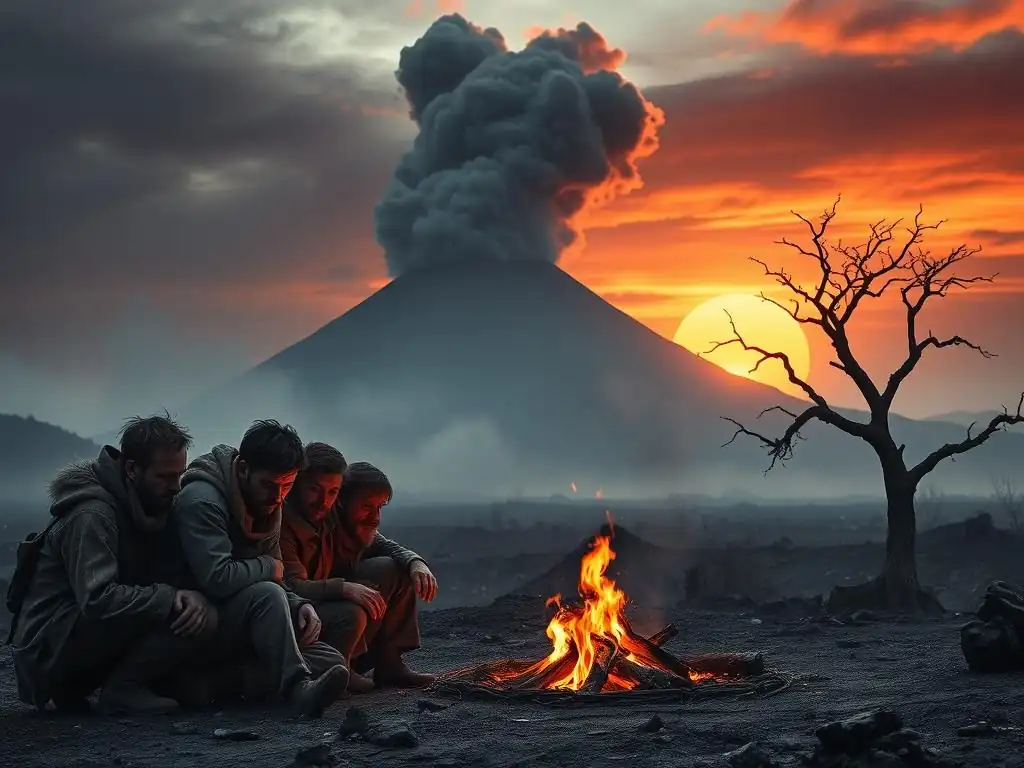
Welcome to Volcano Explorers, where the Earth's raw power comes to life. Ever wondered how communities persevere against the fury of a volcanic eruption? Prepare to be captivated by tales of resilience and despair, beginning with the legendary eruption of Tambora. But before you dive into the harrowing details of "Surviving Tambora's Wrath," consider this: what if you were next? Explore our crucial "surviving volcanic eruptions tips" and prepare to face the unexpected.
- Introduction: The Cataclysm of Mount Tambora
- Understanding the Explosive Power of Tambora
- Surviving Volcanic Eruptions: Lessons from Tambora
- Resilience in the Face of Disaster: Inspiring Stories from Tambora
- The Global Impact: The Year Without a Summer and its Aftermath
- Modern Volcanic Risk Assessment: Applying Tambora's Lessons Today
- Conclusion: Remembering Tambora and Building a Safer Future
-
Frequently Asked Questions
- How can I prepare for a potential volcanic eruption near my home?
- What are the most important things to do during a volcanic eruption?
- What kind of hazards can I expect during and after a volcanic eruption?
- What is the best way to protect myself from volcanic ash?
- Where can I find reliable information about volcanic activity and safety guidelines?
- Final Reflection: Echoes of Resilience
- Unearth Your Own Strength: Reflect on Tambora's Legacy
Introduction: The Cataclysm of Mount Tambora
In April 1815, the world witnessed one of the most powerful volcanic eruptions in recorded history: the eruption of Mount Tambora, located on the island of Sumbawa, now part of Indonesia. This colossal event was not merely a local disaster; its repercussions reverberated across the globe, triggering widespread climate anomalies and societal upheaval.
The eruption of Tambora serves as a stark reminder of the immense power of nature and the vulnerability of human populations to volcanic catastrophes. Understanding the scale of Tambora's wrath and the experiences of those who lived through it offers invaluable lessons for improving our preparedness and strategies for surviving volcanic eruptions today.
The cataclysm unleashed by Mount Tambora was far beyond anything experienced in recent centuries. Estimates suggest the eruption reached a Volcanic Explosivity Index (VEI) of 7, the second highest on the scale, ejecting an estimated 160 cubic kilometers of volcanic material into the atmosphere. To put this into perspective, this is roughly four times the volume of material ejected by the Krakatoa eruption in 1883. The immediate consequences were devastating for the people of Sumbawa and surrounding islands, but the long-term global effects were even more profound and unexpected, shaping weather patterns and impacting societies thousands of miles away.
Understanding the Explosive Power of Tambora
The Science Behind Tambora's Eruption
Mount Tambora is a stratovolcano, a type of volcano known for its steep profile and explosive eruptions. These volcanoes are formed by layers of hardened lava, tephra (volcanic fragments), pumice, and volcanic ash. The explosive nature of stratovolcanoes like Tambora is primarily due to the high viscosity of their magma, which is rich in silica. This viscous magma traps volcanic gases, such as water vapor, carbon dioxide, and sulfur dioxide, under immense pressure. As magma rises towards the surface, the pressure decreases, allowing these dissolved gases to expand rapidly, much like opening a shaken soda bottle.
In the case of Tambora, the magma chamber beneath the volcano had been accumulating pressure for decades, if not centuries. The trigger for the 1815 eruption remains debated, but the result was a catastrophic release of this pent-up energy. The explosive eruption began with powerful Plinian columns, sending ash and gas miles into the stratosphere.
This was followed by even more violent pyroclastic flows – superheated mixtures of gas and volcanic debris that cascaded down the flanks of the volcano at hurricane speeds. The sheer volume of erupted material and the intensity of the explosions cemented Tambora's place as one of the most powerful volcanic events in human history. Understanding this science is crucial for recognizing the potential hazards associated with stratovolcanoes and for developing effective strategies for surviving volcanic eruptions.
The Immediate Impact: Devastation in Sumbawa
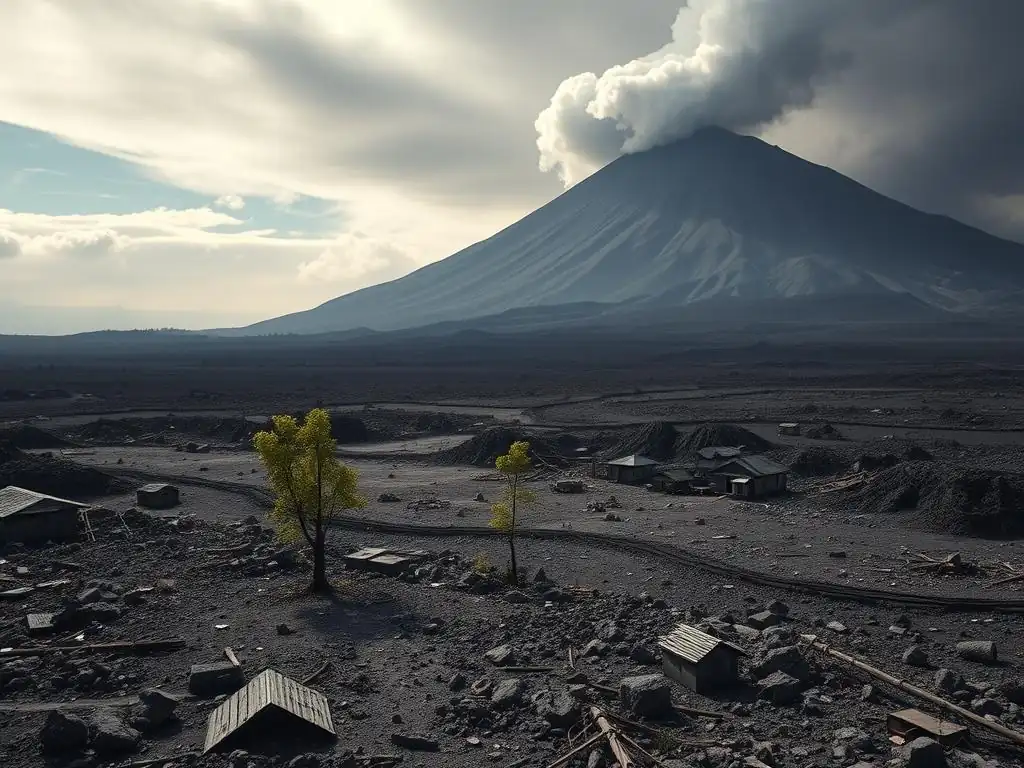
The immediate aftermath of Tambora's eruption on Sumbawa Island was apocalyptic. Pyroclastic flows incinerated everything in their path, engulfing villages and forests surrounding the volcano. The eruption column, towering tens of kilometers into the sky, plunged the surrounding region into darkness for days. Heavy ashfall blanketed Sumbawa and neighboring islands like Lombok and Bali, collapsing roofs, contaminating water sources, and destroying crops. Eyewitness accounts from the time describe a landscape utterly transformed into a gray wasteland, choked by ash and pumice.
Beyond the immediate pyroclastic devastation and ashfall, the eruption also generated a devastating tsunami that struck the coasts of Sumbawa and surrounding islands. Coastal settlements were inundated, and ships at sea were tossed about like toys. Estimates of the immediate death toll in Sumbawa and Lombok range from tens of thousands to over 70,000, primarily due to pyroclastic flows, ash asphyxiation, and the tsunami.
The once vibrant and fertile land was rendered uninhabitable, and the survivors faced the daunting task of rebuilding their lives amidst the ruins. This immediate devastation underscores the critical importance of understanding the range of volcanic hazards and having robust plans for surviving volcanic eruptions in vulnerable regions.
Surviving Volcanic Eruptions: Lessons from Tambora
Preparing for Volcanic Hazards: Essential Strategies
The Tambora eruption, while exceptionally powerful, highlights crucial lessons for preparing for volcanic hazards and improving our chances of surviving volcanic eruptions. For communities living near active volcanoes, preparedness is not merely advisable; it is a necessity. The first step is understanding the specific volcanic risks in your area. This involves knowing the types of eruptions the volcano is capable of, the potential pathways of pyroclastic flows and lahars (volcanic mudflows), and the areas likely to be affected by ashfall. Local volcanological observatories and emergency management agencies are vital resources for this information.
Based on this risk assessment, developing a comprehensive family or community emergency plan is paramount. This plan should include designated evacuation routes, meeting points, and communication strategies. Emergency kits are essential, containing items such as dust masks (N95 or P100 respirators are ideal for ash), goggles, long-sleeved clothing, sturdy shoes, food, water, first-aid supplies, a battery-powered radio, and flashlights.
Regular drills and community education programs are crucial to ensure that everyone knows what to do when a volcanic eruption is imminent. Early warning systems, utilizing real-time monitoring of volcanic activity, are also vital for providing timely alerts and enabling effective evacuation, significantly increasing the chances of surviving volcanic eruptions.
During the Eruption: Protecting Yourself from Ash and Pyroclastic Flows
When a volcanic eruption occurs, immediate and decisive action is critical for surviving volcanic eruptions. If an evacuation order is issued, it must be followed promptly and efficiently. Time is of the essence, especially when dealing with fast-moving hazards like pyroclastic flows. If evacuation is not possible or if you are caught in an eruption, seeking sturdy shelter indoors is the best course of action. A concrete or brick building offers better protection than a wooden structure. Close all windows and doors, and seal any gaps to minimize ash entry.
Protection from volcanic ash is paramount. Ash is not only a nuisance but also a significant health hazard, causing respiratory problems, eye irritation, and skin irritation. Wearing a properly fitted dust mask or respirator is crucial when venturing outdoors or if ash penetrates indoors. Goggles will protect your eyes, and long sleeves and pants will minimize skin exposure.
If pyroclastic flows are a risk, seek shelter in a valley perpendicular to the volcano's slope or in a very robust underground structure, if available. Remember that pyroclastic flows are extremely hot and fast-moving, making direct survival in their path virtually impossible. The focus during an eruption should be on seeking shelter, protecting your respiratory system and eyes, and staying informed through a battery-powered radio about official updates and instructions for surviving volcanic eruptions.
Post-Eruption Challenges: Famine, Disease, and Displacement
The immediate dangers of a volcanic eruption are often followed by long-term, equally devastating challenges. The Tambora eruption serves as a grim example of the post-eruption hardships, particularly famine, disease, and displacement. Volcanic ash, while initially appearing soft, is abrasive and can contaminate water supplies, damage infrastructure, and decimate agriculture. Ashfall can blanket farmland, burying crops and rendering soil infertile for extended periods. Livestock can also be severely affected by ingesting ash or by the destruction of pastures.
The disruption of agriculture and food supplies often leads to widespread famine. In the aftermath of Tambora, Sumbawa and surrounding regions experienced catastrophic crop failures, resulting in mass starvation. Weakened populations, coupled with unsanitary living conditions and contaminated water, become highly susceptible to disease outbreaks. Infectious diseases like cholera, dysentery, and respiratory illnesses can spread rapidly in the crowded and unsanitary conditions of displacement camps or damaged communities.
Displacement is another major post-eruption challenge. Volcanic eruptions can render entire regions uninhabitable, forcing populations to evacuate their homes and livelihoods, often for prolonged periods. Addressing these post-eruption challenges requires sustained humanitarian aid, including food, clean water, medical assistance, and long-term support for rebuilding infrastructure and restoring livelihoods, crucial components of long-term strategies for surviving volcanic eruptions and their aftermath.
Resilience in the Face of Disaster: Inspiring Stories from Tambora
Acts of Kindness and Community Support
While the Tambora eruption brought immense suffering, it also highlighted the resilience of the human spirit and the importance of community support in the face of disaster. Historical accounts, though fragmented, suggest that even amidst the chaos and devastation, acts of kindness and solidarity emerged.
In the immediate aftermath, survivors likely shared what little resources they had, offering shelter, food, and comfort to those who had lost everything. While large-scale organized aid might have been limited in the 19th century compared to modern disaster response, the inherent human capacity for empathy and mutual assistance would have played a vital role in local survival.
Stories of individuals helping neighbors, families supporting each other through unimaginable loss, and communities banding together to rebuild offer glimpses of resilience amidst despair. These acts of kindness, though perhaps undocumented in grand narratives, are fundamental to the human experience of surviving catastrophic events. They underscore the power of social bonds and collective action in mitigating the psychological and social impact of disasters, and serve as a testament to the enduring human capacity for compassion and support even in the darkest of times.
Adapting to a Changed World: New Livelihoods and Innovations
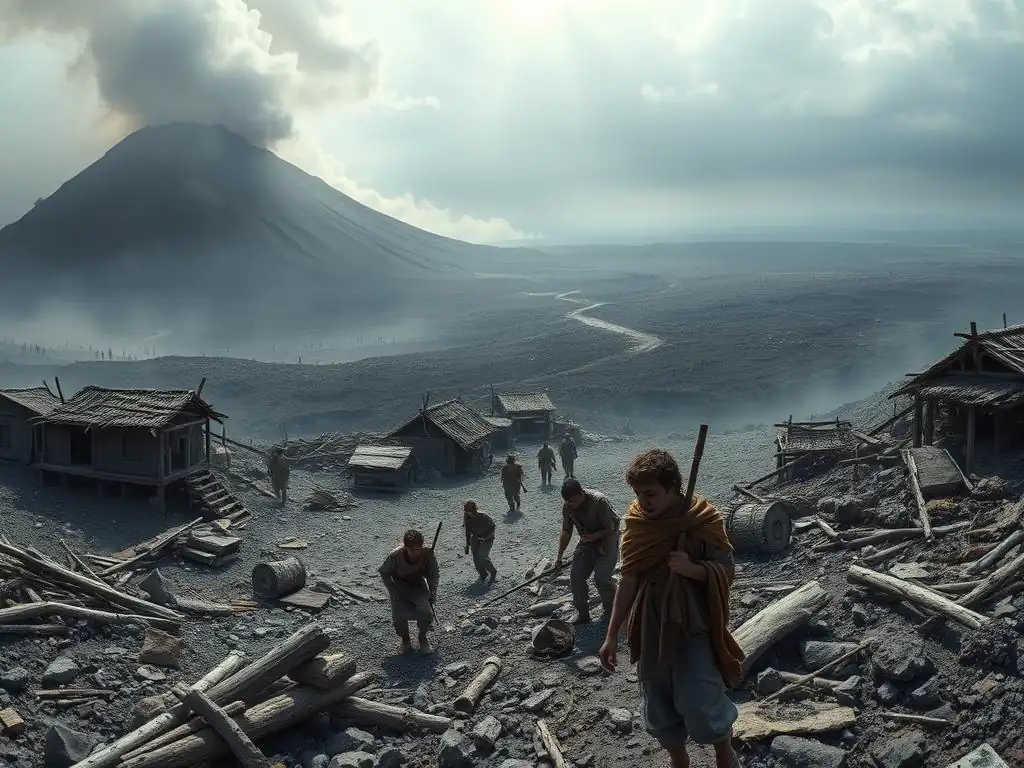
The Tambora eruption drastically altered the environment and livelihoods of the people of Sumbawa and surrounding regions. Faced with a landscape transformed by ash and volcanic debris, and with traditional agricultural practices disrupted, survivors had to adapt and innovate to create new ways of life. This period likely saw a shift in agricultural strategies, perhaps with the introduction of more resilient crops or modified farming techniques suitable for ash-affected soils.
Communities may have also explored alternative livelihoods beyond agriculture, such as fishing or trade, to compensate for the loss of agricultural productivity. Necessity often drives innovation, and in the aftermath of Tambora, the survivors would have been compelled to develop new skills and strategies to ensure their long-term survival.
This adaptation and innovation, born out of adversity, is a hallmark of human resilience. While the immediate years after Tambora were undoubtedly marked by hardship and loss, the long-term story is also one of human adaptability and the capacity to rebuild and create new futures even after experiencing profound environmental and societal upheaval.
The Global Impact: The Year Without a Summer and its Aftermath
Climate Change and its Consequences
The eruption of Mount Tambora was not just a regional catastrophe; it triggered a global climate anomaly that became known as the "Year Without a Summer" in 1816. The massive injection of sulfur dioxide gas into the stratosphere formed sulfate aerosols that reflected sunlight back into space, leading to a significant cooling of the Earth's atmosphere. Global average temperatures dropped by an estimated 0.4–0.7 °C (0.7–1.3 °F), a seemingly small change but with profound consequences for weather patterns and agriculture worldwide.
In North America and Europe, 1816 was marked by unusually cold temperatures, persistent rainfall, and widespread crop failures. Frosts occurred in nearly every month of the year in some regions, devastating harvests and leading to famine and food shortages. The "Year Without a Summer" resulted in social unrest, economic hardship, and migration in many parts of the world. This global climate disruption, caused by a single volcanic eruption, demonstrated the interconnectedness of the Earth's systems and the potential for volcanic events to have far-reaching consequences, underscoring the global implications of surviving volcanic eruptions and their aftermath.
Lessons Learned from Tambora: Improving Volcanic Disaster Preparedness
The Tambora eruption and the "Year Without a Summer" provided sobering lessons for improving volcanic disaster preparedness and mitigating the global impacts of such events. One key lesson is the importance of understanding the global climate effects of large volcanic eruptions. The Tambora event highlighted the need for international cooperation in monitoring volcanic activity and predicting potential climate impacts. Modern volcanic monitoring networks and climate models now incorporate the potential for volcanic eruptions to influence global climate, enabling better forecasting and preparedness for potential climate disruptions.
Furthermore, Tambora underscored the need for robust disaster response mechanisms, not just at the local level but also internationally. The global famine of 1816 highlighted the vulnerability of global food systems to volcanic climate impacts and the need for international aid and food security strategies. In the 21st century, with increased global interconnectedness and population density, the lessons of Tambora remain highly relevant. Improving early warning systems, enhancing community preparedness, and strengthening international disaster response capabilities are crucial for minimizing the impacts of future large volcanic eruptions and for effectively surviving volcanic eruptions and their far-reaching consequences.
Modern Volcanic Risk Assessment: Applying Tambora's Lessons Today
Identifying High-Risk Volcanic Areas
Learning from the catastrophic impacts of eruptions like Tambora, modern volcanology focuses heavily on identifying high-risk volcanic areas and implementing robust monitoring and risk assessment strategies. Volcanic risk assessment involves a multi-faceted approach, combining geological studies, real-time monitoring, and hazard modeling. Geological studies help to understand a volcano's eruption history, identifying the types of eruptions it is capable of and the areas that have been affected by past eruptions. This provides crucial information for delineating potential hazard zones.
Real-time monitoring networks, utilizing seismometers, GPS instruments, gas sensors, and satellite data, continuously track volcanic activity, detecting subtle changes that may indicate an impending eruption. Changes in seismicity (earthquakes), ground deformation, and gas emissions can all be precursors to volcanic eruptions.
Hazard modeling uses computer simulations to predict the potential pathways and impacts of volcanic hazards like pyroclastic flows, lahars, and ashfall, based on different eruption scenarios. By combining these approaches, volcanologists can identify areas at highest risk from volcanic hazards and provide critical information for land-use planning, infrastructure development, and emergency preparedness, all vital components of strategies for surviving volcanic eruptions in the modern era.
Community Education and Preparedness Programs
Effective volcanic risk reduction relies not only on scientific monitoring and assessment but also crucially on community education and preparedness programs. Even the most sophisticated early warning systems are ineffective if communities are not aware of the risks, do not understand the warnings, or are not prepared to take appropriate action. Community education programs play a vital role in raising awareness about volcanic hazards, explaining the different types of volcanic risks, and disseminating information about evacuation procedures and emergency preparedness.
These programs often involve public meetings, workshops, educational materials, and drills to simulate eruption scenarios. Engaging local communities in the risk assessment process, incorporating local knowledge, and tailoring preparedness strategies to specific community needs are essential for building resilience. Schools, community leaders, and local organizations play a critical role in disseminating information and promoting a culture of preparedness. By empowering communities with knowledge and practical skills, and by fostering a sense of collective responsibility, we can significantly enhance their capacity for surviving volcanic eruptions and mitigating the impacts of these powerful natural events.
Conclusion: Remembering Tambora and Building a Safer Future
The eruption of Mount Tambora in 1815 stands as a monumental reminder of the destructive power of volcanoes and the far-reaching consequences of major eruptions. The tales of resilience and despair from Tambora offer invaluable lessons for contemporary volcanic risk management and disaster preparedness. From understanding the science behind explosive eruptions to implementing community-based preparedness programs, the lessons learned from Tambora are essential for building a safer future for communities living in volcanic regions worldwide.
By remembering the cataclysm of Tambora and the experiences of those who lived through it, we can strengthen our commitment to improving early warning systems, enhancing community resilience, and fostering international cooperation in volcanic disaster risk reduction. The goal is not only to improve our chances of surviving volcanic eruptions but also to build more resilient societies capable of adapting to and recovering from these inevitable natural hazards, ensuring a safer and more sustainable future for all.
Frequently Asked Questions
How can I prepare for a potential volcanic eruption near my home?
Create an emergency plan that includes evacuation routes and a communication strategy. Assemble a survival kit with essential supplies like food, water, and a first-aid kit. Stay informed about local alerts and advisories.
What are the most important things to do during a volcanic eruption?
Seek immediate shelter indoors, closing all windows and doors. If outdoors, protect yourself from ashfall with a mask and eye protection. Follow instructions from local authorities and evacuate if directed.
What kind of hazards can I expect during and after a volcanic eruption?
Volcanic eruptions can cause various hazards including ashfall, pyroclastic flows, lahars (mudflows), and volcanic gases. After the eruption, there may be ongoing risks from structural damage, contaminated water sources, and landslides.
What is the best way to protect myself from volcanic ash?
Wear a mask (N95 or similar) to avoid inhaling ash particles, which can damage your lungs. Cover your skin and eyes to prevent irritation. Avoid driving if possible, as ash can reduce visibility and make roads slippery.
Where can I find reliable information about volcanic activity and safety guidelines?
Consult reputable sources such as VolcanoExplorers.org, local emergency management agencies, and the United States Geological Survey (USGS). These organizations provide real-time updates, educational resources, and safety recommendations for people living near volcanoes.
Final Reflection: Echoes of Resilience
The eruption of Mount Tambora in 1815 serves as a stark reminder of nature's immense power, and its impact continues to resonate today. Understanding the lessons learned from those who endured Tambora's wrath is not merely historical curiosity; it's a crucial step in preparing for future volcanic events. The stories of resilience and despair, meticulously documented and analyzed, offer invaluable insights into how communities can better mitigate the devastating consequences of volcanic eruptions.
The enduring legacy of Tambora lies not only in the scientific understanding it fostered but also in the profound human stories it revealed. These tales of survival, loss, and adaptation underscore the importance of community, preparedness, and unwavering hope in the face of unimaginable adversity. The only way to do great work is to love what you do.
– Steve Jobs. This quote, while seemingly unrelated, highlights the dedication and passion required to develop effective survival strategies and build resilient communities capable of weathering any storm, volcanic or otherwise.
As you reflect on the lessons gleaned from "Surviving Tambora's Wrath," consider how you can apply these principles to your own life and community. What steps can you take to enhance your preparedness for natural disasters? How can you foster a spirit of resilience and collaboration in the face of adversity? Let the echoes of Tambora inspire you to become a beacon of hope and preparedness, ensuring that future generations are better equipped to survive and thrive in a world shaped by the forces of nature.
Unearth Your Own Strength: Reflect on Tambora's Legacy
Thank you for exploring the powerful stories of survival and loss following the Tambora eruption. We hope these accounts of human resilience have deepened your understanding of nature's power and the enduring spirit of those affected. Now, consider how you can connect with this history and its lessons.
Here are some ways to take action:
- Learn from the past: Explore primary source accounts of similar disasters in your region by visiting your local library or historical society. Understanding historical events is crucial for future preparedness. This is our primary recommendation.
- Share your knowledge: Research and share effective disaster preparedness strategies within your community. Learning from the past helps build a safer future.
- Support those in need: Consider donating to organizations that aid communities affected by volcanic activity or other natural disasters. Every contribution makes a difference.
Inspired by the resilience of Tambora's survivors, what steps will you take to improve your preparedness for future challenges? Share your thoughts below!