
The Heartbreak of Armero: Stories from the Nevado del Ruiz Disaster


Welcome to Volcano Explorers, where the earth breathes fire and the stories are etched in ash. Can you imagine a tragedy so profound it reshaped an entire nation's understanding of volcanic danger? Dive into our latest exploration of "The Heartbreak of Armero," a poignant account of the Nevado del Ruiz disaster, and discover the lessons learned from one of history's most devastating eruptions. Prepare to be moved, informed, and reminded of the raw power lurking beneath our feet.
- Introduction: Remembering the Armero Tragedy and the Nevado del Ruiz Eruption
- The Geological Context: Nevado del Ruiz and its Volcanic History
- The Days Before: Warning Signs Ignored at Nevado del Ruiz
- The Night of the Eruption: The Nevado del Ruiz Lahar Unleashed
- Armero's Destruction: Personal Accounts of the Nevado del Ruiz Disaster
- The Aftermath: Rescue Efforts and the World's Response to the Armero Disaster
- Lessons Learned: Preventing Future Volcanic Disasters Like Armero
- Armero Today: Remembrance and Reflection on the Nevado del Ruiz Catastrophe
- Conclusion: The Importance of Volcano Monitoring and Disaster Preparedness
- Frequently Asked Questions
- Final Reflection: Echoes of Armero
- Reflect, Remember, and Help Prevent Future Tragedies
Introduction: Remembering the Armero Tragedy and the Nevado del Ruiz Eruption
The Devastating Impact of the 1985 Nevado del Ruiz Lahar
The Nevado del Ruiz volcano, a majestic yet menacing peak in the Colombian Andes, etched its name in history on November 13, 1985, not for a fiery eruption of lava, but for a silent, swift, and deadly force: a lahar. This volcanic mudflow, a slurry of melted glacial ice, volcanic debris, and earth, descended upon the town of Armero with unimaginable speed and power, burying it and its inhabitants in a matter of hours.
The Armero tragedy, part of the larger Nevado del Ruiz eruption event, remains one of the deadliest volcanic disasters of the 20th century, claiming the lives of over 25,000 people and leaving an indelible scar on the landscape and the collective memory of Colombia. The sheer scale of the devastation underscores the immense power of nature and the critical importance of volcano monitoring and disaster preparedness.
The lahar that obliterated Armero was not a direct consequence of a massive explosive eruption, but rather a byproduct of a relatively modest eruption at the summit of Nevado del Ruiz. This eruption, while not exceptionally large in volcanic terms (VEI 3), melted the volcano's ice cap, unleashing an estimated 40 million cubic meters of water. This water mixed with loose volcanic ash and debris accumulated from previous eruptions, creating a series of lahars that surged down river valleys draining the volcano.
The most destructive of these lahars traveled down the Lagunilla River valley, directly towards Armero, a town nestled in a valley floor that offered no natural protection from such a catastrophic event. The tragedy serves as a stark reminder that even moderate volcanic eruptions can trigger devastating secondary hazards, especially in glaciated volcanic regions.
VolcanoExplorers.org: Exploring the Science and Human Cost of Volcanic Disasters
VolcanoExplorers.org is dedicated to unraveling the intricate science behind volcanic phenomena and highlighting both the awe-inspiring power and the potential human cost of these natural events. The Armero Nevado del Ruiz disaster is a poignant example of the intersection of these themes.
By examining the geological processes that led to the lahar, the societal factors that amplified the tragedy, and the stories of those affected, we can gain a deeper understanding of volcanic hazards and learn crucial lessons for the future. This article seeks to explore the Armero tragedy in detail, from the geological context of Nevado del Ruiz to the heartbreaking personal accounts of survival and loss, and ultimately, to emphasize the vital role of volcano monitoring, early warning systems, and community preparedness in mitigating the risks posed by these powerful forces of nature.
Through understanding past tragedies like Armero, we hope to foster greater awareness and contribute to a safer future for communities living near volcanoes around the world.
The Geological Context: Nevado del Ruiz and its Volcanic History
The Andean Volcanic Belt: Nevado del Ruiz's Location and Tectonic Setting
Nevado del Ruiz is situated in the heart of the Andean Volcanic Belt, a formidable chain of volcanoes stretching along the western edge of South America. This belt owes its existence to the ongoing tectonic activity where the Nazca Plate subducts beneath the South American Plate. This subduction process, where one tectonic plate slides beneath another, generates immense pressure and heat deep within the Earth's mantle.
This process leads to the melting of mantle rock and the formation of magma, which then rises to the surface, fueling volcanic activity. Nevado del Ruiz, specifically, is part of the Central Volcanic Zone of the Andes, known for its explosive stratovolcanoes, characterized by their steep conical shape and composition of layers of hardened lava, tephra, and volcanic ash.
The tectonic setting of Nevado del Ruiz directly influences its volcanic characteristics and the types of hazards it poses. The subduction zone environment contributes to magma that is rich in silica and dissolved gases, making eruptions potentially explosive. Stratovolcanoes like Nevado del Ruiz are known for their cyclical nature, with periods of relative quiescence punctuated by eruptions of varying magnitudes.
The presence of a significant ice cap atop Nevado del Ruiz further adds to the hazard profile. Glacial ice, when melted by volcanic heat, can rapidly transform relatively small eruptions into catastrophic lahars, as tragically demonstrated in the Armero Nevado del Ruiz disaster. The combination of explosive potential, glacial cover, and proximity to populated areas makes Nevado del Ruiz a particularly dangerous volcano, demanding continuous monitoring and careful hazard assessment.
Historical Eruptions: A History of Lahar Events at Nevado del Ruiz
Nevado del Ruiz is not a volcano that erupted for the first time in 1985. Geological records and historical accounts reveal a long history of volcanic activity, including past lahar events, long before the Armero tragedy. Studies of volcanic deposits around Nevado del Ruiz have identified evidence of significant eruptions and lahar flows dating back thousands of years.
In fact, historical records from the Spanish colonial period document eruptions in 1595 and 1845 that also produced lahars. The 1595 eruption, similar to the 1985 event in scale (VEI 3), generated lahars that caused damage and fatalities, although the exact extent is not as well documented as the Armero disaster due to limitations in historical record keeping. The 1845 eruption also produced lahars that caused significant damage, particularly in the Magdalena River valley.
These historical eruptions and lahar events serve as crucial geological lessons, highlighting the recurring nature of lahar hazards at Nevado del Ruiz. They indicate that the 1985 Armero tragedy was not an unprecedented event but rather the most recent, and tragically the deadliest, manifestation of a well-established volcanic hazard. The geological record clearly demonstrates that Nevado del Ruiz is a volcano prone to generating lahars, and that communities living in the valleys draining the volcano are consistently at risk.
This historical perspective underscores the importance of understanding a volcano's past behavior to better anticipate and prepare for future events. Ignoring this historical context, as arguably occurred leading up to the 1985 disaster, can have devastating consequences, as tragically witnessed in Armero.
The Days Before: Warning Signs Ignored at Nevado del Ruiz
Increased Volcanic Activity and Glacial Melt: The Precursors to Disaster
In the months leading up to the catastrophic eruption of November 1985, Nevado del Ruiz began exhibiting clear signs of unrest, signals that, in retrospect, should have served as urgent warnings. Seismic activity around the volcano increased noticeably, with a rise in the frequency and intensity of earthquakes. Volcanic gas emissions, particularly sulfur dioxide, also showed an upward trend, indicating magma rising closer to the surface.
Perhaps most visibly, there were reports of increased melting of the ice cap at the summit of Nevado del Ruiz. This glacial meltwater flowed down river valleys, increasing river levels and carrying volcanic debris, a direct precursor to lahar formation.
Despite these clear warning signs of heightened volcanic activity, the response from authorities and the communication to the public were tragically inadequate. While volcanologists were monitoring the situation and raising concerns, their warnings were not effectively translated into timely and decisive action. There was a lack of clear communication to the population at risk, particularly in Armero, about the potential danger of lahars.
The warnings that did reach local authorities and the public were often dismissed or downplayed, partly due to skepticism, a lack of understanding of volcanic hazards, and perhaps a degree of complacency. This failure to heed and act upon the readily available warning signs played a critical role in the scale of the disaster that unfolded.
Communication Failures and Lack of Evacuation: A Preventable Tragedy?
The Armero Nevado del Ruiz disaster is often cited as a stark example of how communication failures and a lack of effective evacuation plans can transform a natural hazard into a major tragedy. Although volcanologists were monitoring Nevado del Ruiz and recognized the increasing volcanic activity, their warnings were not effectively communicated to the public and local authorities in a way that conveyed the urgency and severity of the threat.
There was a lack of coordination between scientific agencies, civil defense organizations, and local government. Crucially, there was no pre-existing evacuation plan for Armero, a town known to be vulnerable to lahars based on historical events and its geographical location in a river valley draining the volcano.
Even when the eruption began on the afternoon of November 13th and lahars started flowing, the communication breakdown persisted. Initial reports from the volcano were not rapidly disseminated to Armero, and when warnings did reach the town, they were often met with confusion and disbelief. Many residents reportedly were told to expect only minor flooding and were advised to stay in their homes, tragically placing them directly in the path of the approaching lahar.
The lack of a clear, authoritative, and timely evacuation order, coupled with the inadequate communication of the real danger, prevented many Armero residents from seeking safety. This series of communication failures and the absence of effective evacuation protocols transformed what could have been a mitigated volcanic event into the devastating Armero Nevado del Ruiz disaster, raising the agonizing question of whether it could have been largely prevented.
The Night of the Eruption: The Nevado del Ruiz Lahar Unleashed
The Eruption and Ice Cap Melt: Triggering the Catastrophic Lahar
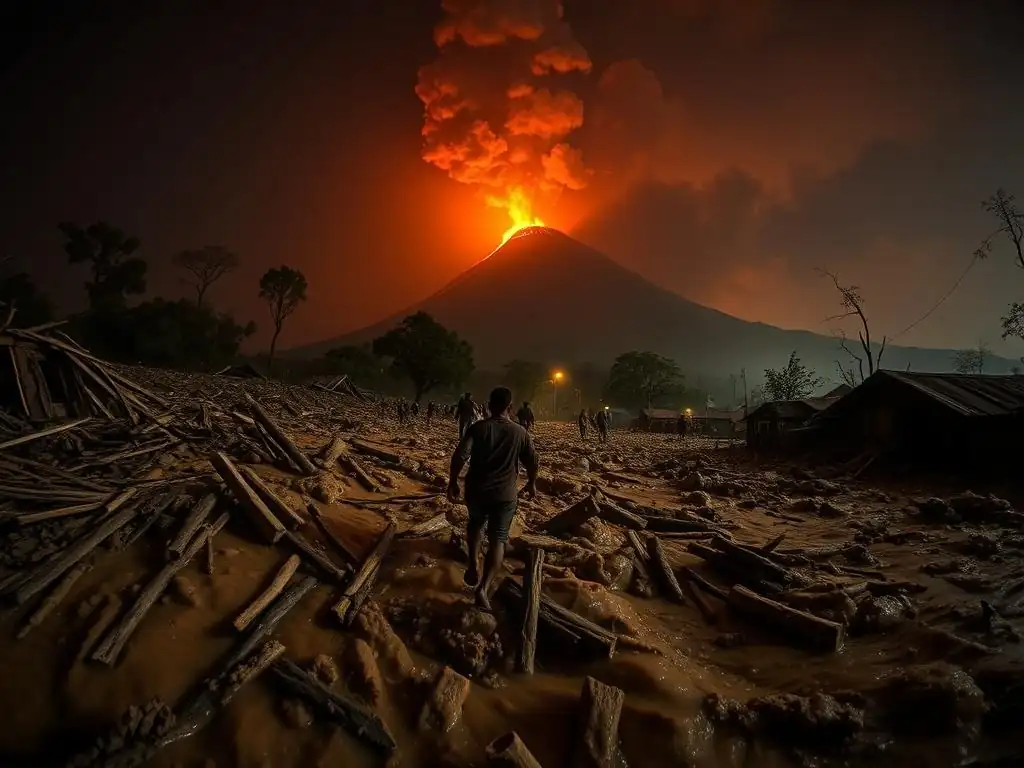
On the afternoon of November 13, 1985, after weeks of increasing unrest, Nevado del Ruiz erupted. The eruption, which began around 3:06 PM local time, was a relatively small explosive event (VEI 3), characterized by pyroclastic flows and ashfall. While the eruption itself was not exceptionally large, it was sufficient to trigger the catastrophic process that led to the Armero tragedy.
The intense heat from the eruption, particularly from pyroclastic flows descending the volcano's flanks, rapidly melted a significant portion of the ice cap that blanketed the summit of Nevado del Ruiz. This rapid melting generated a vast volume of meltwater, estimated to be around 40 million cubic meters.
This meltwater mixed with loose volcanic debris, ash, and soil on the slopes of the volcano, creating a series of highly mobile and destructive lahars. The lahars were not just water; they were dense, fast-flowing slurries resembling wet concrete, capable of carrying massive boulders, trees, and debris. The eruption acted as the catalyst, transforming the relatively benign glacial ice into a deadly force of nature.
The speed and volume of the ice melt were critical factors in the magnitude of the disaster. Had the eruption occurred without a substantial ice cap, or had the ice melt been less rapid, the resulting lahars would have been significantly smaller and less destructive, potentially sparing Armero from its tragic fate.
The Journey of Destruction: The Lahar's Path to Armero
The lahars generated by the Nevado del Ruiz eruption followed the existing river valleys that drained the volcano, channeling their destructive energy towards the lower-lying areas. The most devastating lahar flowed down the Lagunilla River valley, directly in the path of Armero, a town situated approximately 48 kilometers (30 miles) from the summit of the volcano. Initially, the lahar moved relatively slowly, but as it traveled down the steep slopes and accumulated more water, sediment, and debris, it gained momentum and volume. The lahar also became increasingly erosive, scouring the riverbanks and incorporating more material into its flow.
By the time the lahar reached Armero, approximately three hours after the eruption began, it had transformed into a colossal wave of mud, rocks, and debris, moving at an estimated speed of 6 meters per second (over 13 miles per hour). The lahar entered Armero around 9:45 PM local time, engulfing the town with devastating force and speed. The journey of destruction from the volcano summit to Armero was relatively short in distance but immense in impact.
The river valley acted as a conduit, amplifying the lahar's power and delivering it directly to the unsuspecting town. The lack of natural barriers or high ground to protect Armero further exacerbated the tragedy, leaving the town completely vulnerable to the unleashed fury of the Nevado del Ruiz lahar.
Armero's Destruction: Personal Accounts of the Nevado del Ruiz Disaster
Eyewitness Testimonies: Stories of Survival and Loss in Armero
The Armero Nevado del Ruiz disaster is not just a geological event; it is a human tragedy etched in the memories of survivors and the families of the lost. Eyewitness accounts from those who lived through the lahar paint a harrowing picture of the night of November 13, 1985. Survivors describe the sudden roar that preceded the arrival of the lahar, a sound like a thousand trains, followed by the overwhelming surge of mud and debris that engulfed everything in its path.
Many recall desperately trying to escape the rising mud, climbing onto rooftops or trees, clinging to anything that offered a temporary refuge. Stories of families separated in the darkness and chaos, of heroic rescues and heartbreaking losses, are woven into the fabric of the Armero tragedy.
One survivor, Maria Adelaida, recounted how she and her family were having dinner when they heard the roar and felt the ground tremble. They rushed outside to see a wall of mud and debris approaching rapidly. While Maria and some of her family managed to climb onto the roof of their house, her parents were swept away by the lahar.
Another survivor, Enrique, described being trapped in the mud up to his neck for hours, witnessing the devastation around him and the desperate cries for help that gradually faded into silence. These personal testimonies offer a raw and visceral understanding of the unimaginable terror and suffering experienced by the people of Armero, humanizing the scale of the disaster beyond mere statistics.
Omayra Sánchez: Symbol of the Armero Tragedy
Among the countless victims of the Armero Nevado del Ruiz disaster, one name and image became a haunting symbol of the tragedy: Omayra Sánchez. This 13-year-old girl was trapped for three days in the mud and debris of her collapsed home. Her legs were pinned beneath concrete and rubble, and rescuers were unable to free her without amputation, which was deemed impossible given the lack of surgical equipment and the risk of infection in the disaster zone. For sixty agonizing hours, Omayra remained trapped, her plight captured in heart-wrenching photographs and news reports that circulated globally.
The image of Omayra, her face pale and weary, her eyes filled with a mixture of pain and resignation, became a stark representation of the Armero tragedy and the broader human cost of natural disasters. Her slow and agonizing death, witnessed by the world, sparked international outrage and highlighted the inadequacy of the rescue efforts and the lack of resources available in the immediate aftermath of the disaster.
Omayra Sánchez became a symbol of the victims of Armero, a reminder of the individual suffering behind the immense death toll, and a catalyst for increased awareness of disaster preparedness and humanitarian aid. Her memory continues to serve as a poignant reminder of the human face of volcanic disasters.
The Scale of the Devastation: Assessing the Loss of Life and Property
The Nevado del Ruiz lahar that struck Armero left a trail of devastation that was both immense and comprehensive. The town of Armero, once a thriving agricultural and commercial center with a population of approximately 29,000, was virtually obliterated. Official estimates place the death toll at over 25,000, representing the vast majority of Armero's inhabitants. Thousands more were injured, and countless others were left homeless and displaced. The lahar buried entire neighborhoods under meters of mud and debris, leaving behind a desolate landscape where homes, businesses, and infrastructure once stood.
Beyond the tragic loss of life, the economic and social fabric of Armero and the surrounding region was shattered. The agricultural land, a vital source of livelihood, was rendered unusable, covered in volcanic mud and rocks. Infrastructure, including roads, bridges, and communication lines, was destroyed, hindering rescue efforts and long-term recovery.
The Armero Nevado del Ruiz disaster was not only a human tragedy but also a profound socio-economic catastrophe, leaving a lasting scar on the region. The scale of the devastation underscored the immense power of lahars and the vulnerability of communities situated in their path, emphasizing the critical need for effective disaster risk reduction strategies.
The Aftermath: Rescue Efforts and the World's Response to the Armero Disaster
The Challenges of Rescue: Limited Resources and Difficult Terrain
The immediate aftermath of the Armero Nevado del Ruiz disaster was marked by chaos and immense challenges for rescue efforts. The lahar had transformed the landscape, burying Armero under meters of mud and debris, making access extremely difficult. Roads were destroyed, and communication lines were severed, hindering the arrival of rescue teams and equipment. The terrain itself, already challenging, was further complicated by the thick mud and unstable ground, making movement and search operations arduous and dangerous. Heavy rainfall in the days following the disaster further hampered rescue efforts and increased the risk of further lahars.
Adding to the logistical difficulties was the sheer scale of the devastation and the overwhelming number of victims. Local emergency services were quickly overwhelmed, and resources were severely limited. Basic necessities like clean water, medical supplies, and shelter were scarce. The lack of specialized equipment for urban search and rescue, particularly for extricating victims trapped in the mud and debris, further complicated the rescue operations. Despite the heroic efforts of rescue workers, volunteers, and survivors themselves, the challenging conditions and limited resources meant that many victims remained trapped and unaided for extended periods, contributing to the high death toll.
International Aid and Support: The Global Response to the Armero Tragedy
The magnitude of the Armero Nevado del Ruiz disaster prompted a significant international response, demonstrating global solidarity in the face of tragedy. Countries around the world offered condolences and pledged assistance, sending rescue teams, medical personnel, supplies, and financial aid. Organizations like the Red Cross and Doctors Without Borders played a crucial role in providing emergency relief, medical care, and logistical support. Helicopters from neighboring countries and international agencies were deployed to airlift supplies and evacuate injured survivors. Field hospitals were set up to cope with the overwhelming number of casualties.
The international aid response was vital in providing immediate relief and support in the chaotic aftermath of the disaster. However, it also highlighted the challenges of coordinating international aid efforts in disaster zones, particularly in situations with damaged infrastructure and communication breakdowns. Despite these challenges, the global response to the Armero tragedy demonstrated the willingness of the international community to come together in times of crisis and provide assistance to those in need. The outpouring of aid and support underscored the shared humanity that transcends national borders, even in the face of devastating natural disasters.
The Psychological Impact: Dealing with Grief and Trauma in Armero
Beyond the immediate physical devastation and loss of life, the Armero Nevado del Ruiz disaster inflicted deep psychological wounds on survivors and the wider Colombian community. The trauma of witnessing such widespread destruction, the loss of loved ones, and the experience of being trapped in the lahar left lasting psychological scars. Survivors faced grief, anxiety, depression, and post-traumatic stress disorder (PTSD). Children who witnessed the tragedy were particularly vulnerable to long-term psychological effects. The sudden and violent nature of the disaster, coupled with the scale of loss, created a collective trauma that affected the entire community.
The psychological impact of the Armero tragedy extended beyond the immediate survivors. Rescue workers, medical personnel, and volunteers who witnessed the devastation also experienced secondary trauma. The Colombian society as a whole grappled with the shock and grief of the disaster, and the questions it raised about disaster preparedness and responsibility.
Addressing the psychological needs of survivors and the affected community was a crucial aspect of the long-term recovery process. Mental health support services, counseling, and community-based programs were essential in helping individuals and communities cope with the grief, trauma, and long-term psychological consequences of the Armero Nevado del Ruiz disaster.
Lessons Learned: Preventing Future Volcanic Disasters Like Armero
Risk Assessment and Hazard Mapping: Identifying Vulnerable Areas
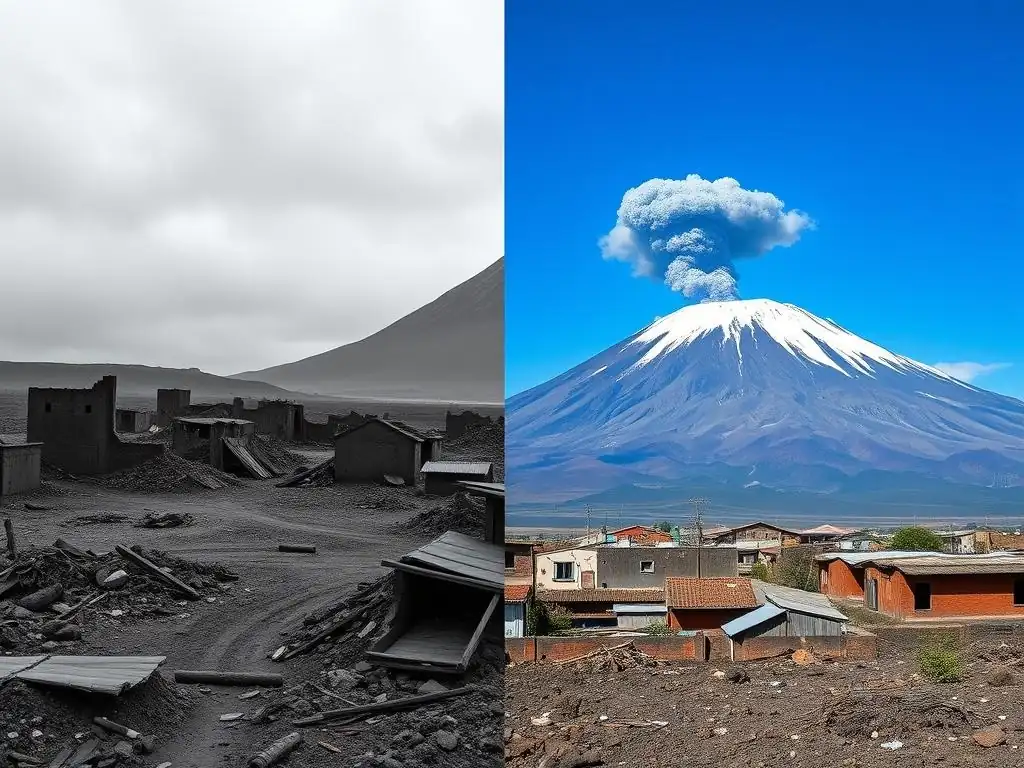
The Armero Nevado del Ruiz disaster served as a harsh but crucial lesson in the importance of volcanic risk assessment and hazard mapping. One of the key takeaways was the need to identify and delineate areas vulnerable to specific volcanic hazards, particularly lahars. In the case of Nevado del Ruiz, historical records and geological evidence clearly indicated that Armero was located in a high-risk zone for lahars.
However, this risk was not adequately communicated or incorporated into land-use planning and emergency preparedness. Following the tragedy, significant efforts were made to improve volcanic hazard mapping in Colombia and around the world.
Modern volcanic risk assessment involves a multidisciplinary approach, combining geological studies, historical data analysis, volcano monitoring, and computer modeling to identify areas at risk from various volcanic hazards, including lahars, pyroclastic flows, ashfall, and lava flows. Hazard maps are crucial tools for communicating these risks to communities, planners, and emergency responders. These maps delineate areas with different levels of hazard, allowing for informed decision-making regarding land use, infrastructure development, and evacuation planning. The Armero tragedy underscored the critical importance of using scientific knowledge to identify vulnerable areas and to translate hazard assessments into effective risk reduction measures.
Early Warning Systems and Effective Communication: Key to Saving Lives
Another critical lesson from the Armero Nevado del Ruiz disaster was the vital role of early warning systems and effective communication in mitigating the impact of volcanic eruptions. While Nevado del Ruiz exhibited warning signs in the months and weeks leading up to the 1985 eruption, these warnings were not effectively communicated to the public, particularly in Armero.
The lack of a clear and timely warning system, coupled with communication breakdowns, contributed significantly to the high death toll. In the aftermath of the tragedy, there was a renewed focus on developing and improving volcano monitoring networks and early warning systems globally.
Modern volcano monitoring utilizes a range of sophisticated instruments, including seismometers, gas sensors, deformation monitors, and satellite technology, to detect changes in volcanic activity that may precede an eruption. Early warning systems rely on the rapid analysis of monitoring data and the timely dissemination of warnings to at-risk communities and authorities. Effective communication is paramount, ensuring that warnings are clear, concise, and easily understood by the public.
Community education and preparedness programs are also essential to ensure that people know how to respond when a warning is issued. The Armero tragedy highlighted that even relatively small eruptions can become major disasters if early warning systems and effective communication are lacking, emphasizing their crucial role in saving lives.
Community Education and Preparedness: Empowering Communities Near Volcanoes
The Armero Nevado del Ruiz disaster emphasized that disaster preparedness is not solely the responsibility of scientists and authorities; it requires the active participation and empowerment of communities living near volcanoes. Community education plays a vital role in raising awareness about volcanic hazards, understanding early warning signs, and knowing appropriate evacuation routes and procedures. Preparedness drills and simulations can help communities practice their response plans and identify areas for improvement. Community-based disaster risk reduction programs can empower local residents to take ownership of their safety and build resilience to volcanic hazards.
In the years since Armero, there has been a growing recognition of the importance of community-based disaster risk reduction. This approach emphasizes working directly with communities to assess their vulnerabilities, develop locally tailored preparedness plans, and build local capacity for disaster response. Engaging local knowledge and involving community members in the planning process is crucial for ensuring that preparedness efforts are effective and sustainable. The Armero tragedy served as a catalyst for promoting community education and preparedness as essential components of volcanic risk reduction, recognizing that informed and empowered communities are better equipped to protect themselves from volcanic hazards.
Armero Today: Remembrance and Reflection on the Nevado del Ruiz Catastrophe
The Armero Memorial Site: A Place of Remembrance
Today, the site of the former town of Armero stands as a poignant memorial to the victims of the 1985 Nevado del Ruiz disaster. Instead of rebuilding the town in the same hazardous location, the area has been transformed into a memorial park, a place of remembrance and reflection. The skeletal remains of buildings, partly buried in the lahar deposits, are still visible, serving as stark reminders of the town that once thrived there.
Crosses and monuments mark mass graves and individual burial sites, commemorating the thousands who perished. The Armero memorial site is a place of pilgrimage for survivors, families of victims, and visitors from around the world who come to pay their respects and learn about the tragedy.
The memorial site is not only a place of mourning but also a space for education and reflection. Information panels and exhibits explain the geological processes that led to the disaster, the human factors that contributed to the tragedy, and the lessons learned for disaster preparedness. The site serves as a powerful reminder of the destructive force of nature and the importance of respecting volcanic hazards.
It is a place where visitors can contemplate the human cost of natural disasters and the need for vigilance and preparedness to prevent future tragedies. The Armero memorial is a testament to the enduring memory of the victims and a symbol of resilience and remembrance.
The Town of Armero Guayabal: Rebuilding Lives and Commemorating the Past
While the original site of Armero remains a memorial, a new town, Armero Guayabal, was established nearby to relocate survivors and rebuild their lives. Armero Guayabal is located in a safer area, away from the immediate lahar path of Nevado del Ruiz. The new town represents the resilience and determination of the survivors to rebuild their community and move forward after the devastating loss.
Armero Guayabal is a testament to the human capacity for recovery and adaptation in the face of tragedy. The town has gradually grown and developed, becoming a new center for the region, while still maintaining a strong connection to the memory of the old Armero.
The people of Armero Guayabal have actively worked to commemorate the past and ensure that the lessons of the 1985 disaster are not forgotten. They participate in annual memorial ceremonies, maintain the memorial site, and share their stories with visitors. The community has also focused on building a safer and more resilient future, investing in disaster preparedness measures and promoting education about volcanic hazards. Armero Guayabal stands as an example of how communities can rebuild after catastrophic disasters, while honoring the memory of the past and working towards a safer future.
The Enduring Legacy: Remembering the Victims and Learning from the Past
The Armero Nevado del Ruiz disaster left an enduring legacy, not only in Colombia but also in the field of volcanology and disaster risk reduction globally. The tragedy highlighted the devastating potential of lahars, the importance of volcano monitoring and early warning systems, and the critical need for community preparedness. The lessons learned from Armero have influenced volcanic hazard management strategies around the world, leading to improvements in monitoring networks, communication protocols, and community education programs. The disaster also spurred research into lahar dynamics and hazard assessment, contributing to a better understanding of these complex phenomena.
The memory of the victims of Armero continues to serve as a powerful reminder of the human cost of volcanic disasters. Their stories underscore the importance of vigilance, preparedness, and international cooperation in mitigating volcanic risks. The Armero tragedy serves as a call to action, urging continued efforts to improve volcano monitoring, enhance early warning systems, and empower communities living near volcanoes to protect themselves. The enduring legacy of Armero is a commitment to learning from the past and working towards a safer future for all communities at risk from volcanic hazards.
Conclusion: The Importance of Volcano Monitoring and Disaster Preparedness
Honoring the Memory of Armero through Vigilance and Awareness
The Armero Nevado del Ruiz disaster stands as a stark reminder of the destructive power of volcanoes and the devastating consequences of inadequate disaster preparedness. Honoring the memory of the thousands who perished in Armero requires more than just remembrance; it demands vigilance and continued efforts to enhance volcanic hazard monitoring, early warning systems, and community preparedness worldwide.
The lessons learned from Armero must not be forgotten, but rather serve as a constant impetus for improving our ability to anticipate, mitigate, and respond to volcanic crises. By remaining vigilant and proactively addressing volcanic risks, we can strive to prevent future tragedies of the scale of Armero.
Remembering Armero also means acknowledging the human dimension of volcanic disasters. The stories of survivors, the images of devastation, and the enduring grief of families underscore the profound human cost of these events. Honoring the victims requires not only technical advancements in volcano monitoring but also a commitment to community empowerment, social justice, and humanitarian assistance. By fostering a culture of awareness and preparedness, and by prioritizing the safety and well-being of communities at risk, we can truly honor the memory of Armero and work towards a more resilient future.
The Role of VolcanoExplorers.org in Educating and Informing About Volcanic Hazards.
VolcanoExplorers.org plays a vital role in educating and informing the public about volcanic hazards, drawing upon the lessons learned from tragedies like the Armero Nevado del Ruiz disaster. By providing accessible and accurate information about volcanic processes, hazard types, monitoring techniques, and preparedness strategies, VolcanoExplorers.org contributes to raising public awareness and promoting informed decision-making. Articles like this one, detailing the Armero tragedy, serve to illustrate the real-world consequences of volcanic hazards and the importance of proactive risk reduction measures.
Through its educational content, VolcanoExplorers.org aims to empower individuals and communities to better understand and prepare for volcanic risks. By highlighting both the scientific understanding of volcanoes and the human stories behind volcanic disasters, the website seeks to foster a deeper appreciation for the power of nature and the critical need for responsible coexistence with volcanic environments. VolcanoExplorers.org is committed to being a valuable resource for anyone seeking to learn more about volcanoes, their hazards, and the ongoing efforts to mitigate their impact, ultimately contributing to a safer and more informed global community in the face of volcanic challenges.
Frequently Asked Questions
What caused the Armero Nevado del Ruiz disaster?
The disaster was primarily caused by a lahar, a destructive mudflow of volcanic ash, ice, and water, triggered by the eruption of the Nevado del Ruiz volcano. This lahar engulfed the town of Armero.
Why was the town of Armero so vulnerable?
Armero was built in a high-risk zone, along the paths of previous lahars from Nevado del Ruiz. Warnings about the potential for an eruption and lahar were largely ignored or dismissed by local authorities and residents.
What were the main consequences of the Armero disaster?
The Armero disaster resulted in the death of an estimated 25,000 people. It also caused widespread destruction of the town and surrounding areas, leaving many survivors displaced and traumatized.
What lessons were learned from the Armero Nevado del Ruiz disaster?
The disaster highlighted the importance of volcano monitoring, early warning systems, and effective disaster preparedness and response. Better communication and public education about volcanic hazards are crucial.
How does VolcanoExplorers.org help prevent similar tragedies?
VolcanoExplorers.org provides educational resources about volcanoes, including information on volcanic hazards, safety guidelines, and real-time updates on volcanic activity to raise awareness and promote preparedness.
Final Reflection: Echoes of Armero
The stories recounted in this article, detailing the heartbreaking reality of the Armero Nevado del Ruiz disaster, are not merely historical accounts; they are urgent reminders of the devastating power of nature and the critical importance of preparedness and empathy. The echoes of Armero resonate even today, as communities worldwide face increasing threats from natural disasters exacerbated by climate change. We must learn from the past to build a safer and more resilient future.
The tragedy of Armero has profoundly shaped disaster response protocols and continues to influence how we understand and address vulnerability. The enduring impact of this event lies not only in the immense loss of life but also in the lessons it offers about communication, resource allocation, and the human spirit's capacity for both unimaginable suffering and extraordinary resilience. The only thing necessary for the triumph of evil is for good men to do nothing.
- Edmund Burke. This quote encapsulates the moral imperative we have to learn from Armero and actively work to prevent similar tragedies.
Let us not allow the memory of Armero to fade. Reflect on the stories shared here, and consider how you can contribute to building a more prepared and compassionate world. Advocate for better disaster preparedness in your community, support organizations dedicated to disaster relief, and most importantly, remember the human cost of inaction. The legacy of Armero compels us to act, to learn, and to ensure that such a devastating loss never happens again.
Reflect, Remember, and Help Prevent Future Tragedies
Thank you for reading "The Heartbreak of Armero: Stories from the Nevado del Ruiz Disaster." We hope these stories highlighted the devastating power of nature and underscored the critical importance of disaster preparedness. Let's translate this understanding into meaningful action.
Here are some ways you can honor the memory of Armero and contribute to a safer future:
- Share this article to raise awareness about volcano monitoring and disaster risk reduction. Increased awareness can save lives.
- Learn about volcanic risks in your community by exploring resources from organizations like the United States Geological Survey (USGS) and your local geological survey.
- Discuss what you've learned with family and friends, encouraging them to develop their own emergency preparedness plans.
What steps will you take to ensure the lessons of Armero are never forgotten and that communities are better protected from future volcanic threats?