
Buried Under Ash: The Unprecedented Ashfall Blanketing La Palma and Beyond

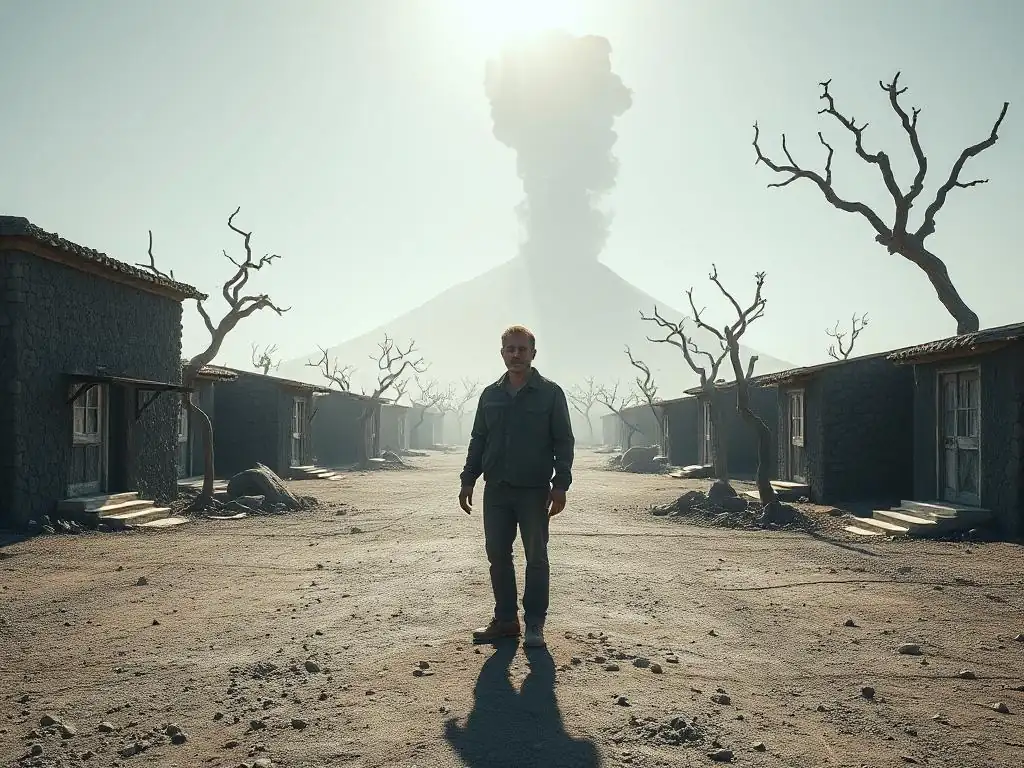
Welcome to Volcano Explorers, where we unravel the mysteries of Earth's fiery giants. Ever wondered what it's like to live under a suffocating blanket of ash? Our featured article, "Buried Under Ash: The Unprecedented Ashfall Blanketing La Palma and Beyond," delves into the devastating impact of volcanic ashfall, a consequence that resonates far beyond the immediate eruption zone. Prepare to explore the science, the stories, and the stark reality of this often-overlooked volcanic hazard... and discover why understanding ashfall is more crucial than ever.
- La Palma Eruption: A Deep Dive into the 2021 Ashfall Event
-
Frequently Asked Questions
- What are the immediate health impacts of heavy volcanic ashfall?
- How does volcanic ash affect agriculture and livestock?
- What are the long-term environmental consequences of widespread volcanic ash deposition?
- How does volcanic ash impact infrastructure and transportation?
- What are the recommended safety measures during and after a significant volcanic ashfall event?
- Final Reflection: The Enduring Shadow of Ash
- Unleash Your Inner Volcanologist: Take Action Now!
La Palma Eruption: A Deep Dive into the 2021 Ashfall Event
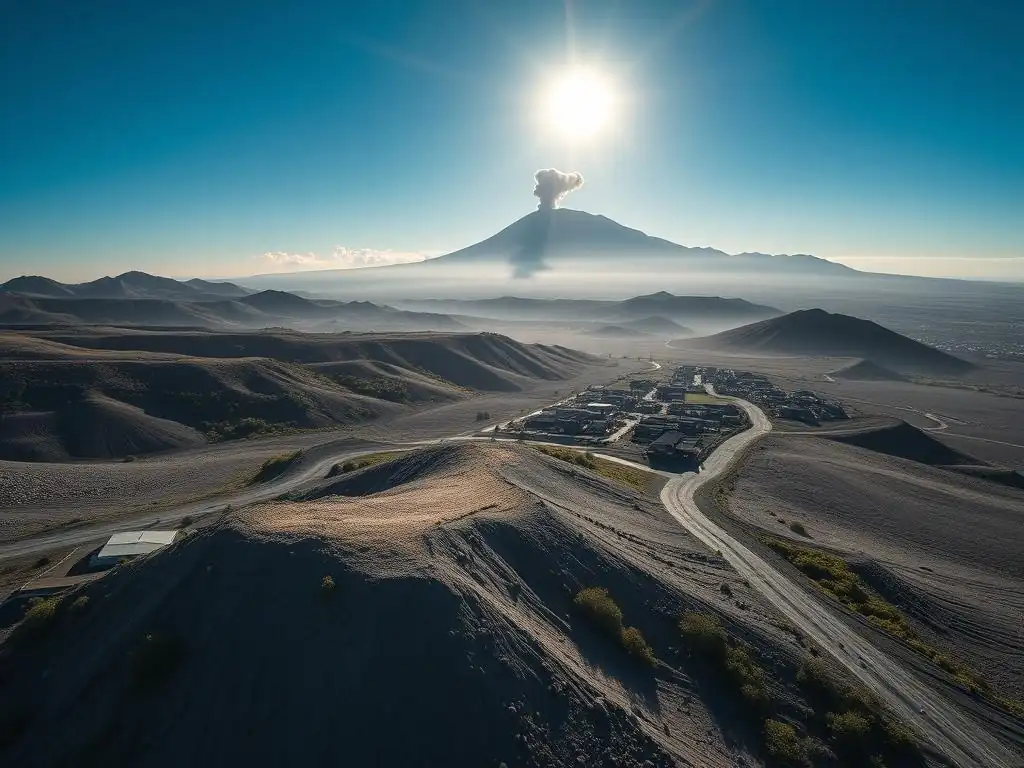
The Cumbre Vieja Eruption: Setting the Stage for Extensive Ashfall
The eruption of Cumbre Vieja volcano on La Palma, commencing on September 19, 2021, marked a significant volcanic event in the Canary Islands and globally. This eruption, characterized by its prolonged duration and effusive-explosive nature, became a notable case study for understanding the far-reaching impact of volcanic ashfall.
From the outset, the eruption unleashed towering plumes of ash and gas into the atmosphere, driven by the interaction of magma with seawater and pre-existing volcanic materials. The initial phases saw pyroclastic flows and lava fountains, but as the eruption progressed, the continuous emission of ash became a dominant and persistent hazard, profoundly affecting the island and beyond.
The geological setting of La Palma, being a volcanic island within the Canary archipelago, predisposed it to such events. Cumbre Vieja, a volcanically active ridge, had been under increased monitoring due to seismic swarms and ground deformation in the weeks leading up to the eruption.
This pre-eruption activity served as a warning, yet the scale and duration of the subsequent ashfall were unprecedented for recent history in the region. The eruption’s location, coupled with prevailing wind patterns, played a crucial role in the dispersal of the volcanic ash, shaping the areas most severely impacted and extending the reach of the ash cloud across the Atlantic.
Understanding the Volcanic Ash Cloud Dynamics Over La Palma
The dynamics of the volcanic ash cloud over La Palma were complex and influenced by a multitude of factors, including eruption intensity, atmospheric conditions, and topography. The persistent and vigorous nature of the Cumbre Vieja eruption ensured a continuous supply of ash particles into the atmosphere. Observations from satellite imagery and ground-based monitoring stations revealed a fluctuating ash plume that could reach several kilometers in altitude.
Wind patterns, particularly the prevailing trade winds in the Canary Islands region, played a pivotal role in directing the ash plume westward over the Atlantic Ocean. However, localized wind variations and atmospheric turbulence also contributed to the dispersion of ash across La Palma itself, leading to uneven ashfall distribution across the island.
Furthermore, the altitude of the ash cloud significantly affected its transport and dispersal. Ash particles injected into higher altitudes were subject to different wind regimes and could travel much greater distances. Volcanic ash cloud models, incorporating meteorological data and eruption parameters, were crucial in forecasting the trajectory and concentration of ash, both in the immediate vicinity of La Palma and across the broader Atlantic region.
These models, while essential for aviation safety and public health advisories, also highlighted the challenges in precisely predicting ashfall patterns due to the inherent variability of atmospheric conditions and eruption dynamics. The continuous monitoring of the ash cloud, through remote sensing and ground-based measurements, was therefore vital for adapting responses and mitigating the impact of volcanic ashfall.
Frequently Asked Questions
What are the immediate health impacts of heavy volcanic ashfall?
Heavy ashfall can cause respiratory problems, such as coughing and irritation of the airways. It can also irritate the eyes and skin.
How does volcanic ash affect agriculture and livestock?
Ashfall can smother crops, rendering them inedible or unsalable. It can also contaminate grazing lands, posing a risk to livestock health.
What are the long-term environmental consequences of widespread volcanic ash deposition?
Long-term effects include changes in soil chemistry and fertility, impacting plant growth. Ash can also contaminate water sources and affect aquatic ecosystems.
How does volcanic ash impact infrastructure and transportation?
Ashfall can disrupt air travel by damaging jet engines. It can also cause road closures due to reduced visibility and slippery surfaces.
What are the recommended safety measures during and after a significant volcanic ashfall event?
Stay indoors with windows and doors closed. Wear a mask or respirator when outside and clean ash from surfaces regularly.
Final Reflection: The Enduring Shadow of Ash
The relentless eruption on La Palma, and the subsequent impact of volcanic ashfall, serves as a stark reminder of nature's raw power and its ability to reshape landscapes and lives in an instant. The images of homes, businesses, and entire communities buried under a thick blanket of ash are not just photographs; they are testaments to the vulnerability of human existence in the face of geological forces, a vulnerability that resonates far beyond the Canary Islands.
The experience of La Palma underscores the profound and often overlooked consequences of volcanic activity. It forces us to confront our relationship with the natural world and to acknowledge the delicate balance that sustains us. We cannot direct the wind, but we can adjust the sails.
This ancient proverb reminds us that while we cannot control volcanic eruptions, we can and must improve our preparedness, mitigation strategies, and long-term support systems for communities impacted by these events.
Let us not allow the ash to settle on our collective memory. Instead, let the story of La Palma ignite a renewed commitment to understanding and addressing the impact of volcanic ashfall. Consider how you can contribute to building more resilient communities, advocating for better disaster preparedness, and supporting scientific research that helps us predict and mitigate the effects of these powerful natural phenomena. The future demands that we learn from the past, and La Palma's experience offers invaluable lessons for a world increasingly facing the challenges of a changing planet.
Unleash Your Inner Volcanologist: Take Action Now!
Thank you for delving into the dramatic story of La Palma and its unprecedented ashfall. We hope you’ve gained a deeper understanding of the challenges and resilience of the communities affected. Now, let's turn that knowledge into action!
- Sign up for our Volcano Explorers newsletter at volcanoexplorers.org to receive the latest updates on volcanic activity around the world and learn how you can support affected communities. This is the best way to stay informed and contribute!
- Share this article with your network to raise awareness about the impact of volcanic eruptions and the importance of disaster preparedness.
- Research local geological hazards in your own area. Understanding your environment is the first step towards preparedness!
What are you most inspired to do after learning about the La Palma eruption? Share your thoughts in the comments below!