
Beyond Devastation: Exploring the Human Stories Behind Kilauea's Relentless 2018 Eruption


Welcome to Volcano Explorers, where the earth breathes fire and the landscape transforms before your eyes. Have you ever wondered what it's like to live in the shadow of a sleeping giant, only to witness its awakening? Dive in and uncover the compelling, and often untold, human stories behind Kilauea's relentless 2018 eruption – tales of resilience, loss, and the enduring spirit of those who faced nature's raw power head-on. Prepare to be captivated...
- Kilauea 2018: A Volcanic Eruption's Lasting Impact on Human Lives
- The Kilauea Eruption of 2018: More Than Just Lava
- Personal Accounts of Loss and Resilience During the Kilauea 2018 Crisis
- Community Bonds Forged in the Fires of Kilauea: Tales of Solidarity
- The Economic Impact of Kilauea's 2018 Eruption: Human Cost and Recovery Efforts
- Long-Term Perspectives: Lessons Learned from Kilauea's 2018 Eruption
- Remembering the Human Cost: Kilauea 2018 Eruption Memorials and Reflections
-
Frequently Asked Questions
- What was the most significant impact of the Kilauea 2018 eruption on the local population?
- How did VolcanoExplorers.org document the human experiences during the Kilauea 2018 eruption?
- What types of support were available to residents affected by the Kilauea 2018 eruption?
- What lessons were learned from the human stories of the Kilauea 2018 eruption regarding disaster preparedness?
- How can I contribute to supporting communities affected by volcanic eruptions, based on the Kilauea 2018 experiences?
- Final Reflection: Resilience Forged in Fire
- Unearth the Resilience: Take Your Next Step
Kilauea 2018: A Volcanic Eruption's Lasting Impact on Human Lives
The 2018 eruption of Kilauea volcano on the Big Island of Hawaiʻi was a stark reminder of nature's raw power. While the dramatic images of fiery fissures and rivers of lava dominated global headlines, beneath the geological spectacle lay a profound human story.
This event wasn't just about molten rock reshaping the landscape; it was about lives upended, communities tested, and the enduring spirit of people facing unimaginable loss and rebuilding from the ground up. The Kilauea 2018 eruption human stories are complex narratives of resilience, grief, and the deep connection between people and the volcanic land they call home.
The Kilauea Eruption of 2018: More Than Just Lava
When we speak of volcanic eruptions, the immediate association is often with lava flows and ash plumes. The Kilauea eruption of 2018 certainly delivered these in abundance, but its impact extended far beyond the purely geological.
It became a defining moment for the communities in the Puna district, forcing residents to confront not only the immediate danger of the advancing lava but also the long-term repercussions on their homes, livelihoods, and emotional well-being. Understanding the Kilauea 2018 eruption human stories requires looking beyond the scientific data and acknowledging the profound ways in which this natural disaster reshaped individual lives and the social fabric of entire neighborhoods.
Understanding the Context: Kilauea's History and the 2018 Trigger
Kilauea, one of the world's most active volcanoes, has been in a state of near-continuous eruption since 1983. For decades, this activity was largely centered at Puʻuʻōʻō, a volcanic cone on the East Rift Zone, primarily producing effusive eruptions with lava flows that mostly impacted uninhabited areas. However, the geological narrative took a dramatic turn in early 2018. Weeks of increased seismic activity and ground deformation preceded a significant shift in volcanic behavior. This escalating unrest signaled a change in the magma system beneath Kilauea, setting the stage for the unprecedented events that were to unfold.
The trigger for the intense 2018 eruption sequence can be traced back to the Puʻuʻōʻō vent. In late April 2018, the crater floor of Puʻuʻōʻō collapsed, followed by magma draining downrift, eastward along the East Rift Zone.
This drainage caused a decrease in pressure within the summit magma chamber, ultimately leading to a series of explosions and collapses at the summit caldera of Kilauea. Simultaneously, the migrating magma pressurized the lower East Rift Zone, culminating in the opening of new fissures in the Leilani Estates and Lanipuna Gardens subdivisions, marking the beginning of the devastating lower Puna eruption that would dramatically alter lives and landscapes.
A Brief Overview of the 2018 Eruption's Scale and Scope
The scale and scope of the Kilauea 2018 eruption were extraordinary, exceeding anything witnessed in the region for centuries. Over a period of approximately four months, from May to August 2018, over 1.4 billion cubic meters of lava erupted from fissures in the lower East Rift Zone.
This colossal volume, enough to bury the island of Manhattan under 8 feet of lava, flowed relentlessly across the landscape, engulfing entire neighborhoods and significantly expanding the coastline. Fissure 8 became the dominant vent, acting as a veritable fire hose of lava that sculpted new landforms and dramatically reshaped the topography of Puna.
The eruption's impact was geographically extensive. Lava flows destroyed over 700 homes and displaced thousands of residents. Infrastructure, including roads, power lines, and water systems, was obliterated, isolating communities and disrupting essential services. The eruption also triggered significant changes at the summit of Kilauea. As magma drained from the summit reservoir to feed the lower East Rift Zone fissures, the summit caldera underwent a series of collapses. These collapses, accompanied by explosive eruptions and ash plumes, further impacted the surrounding areas and contributed to the overall sense of crisis and uncertainty that defined the Kilauea 2018 eruption human stories.
Personal Accounts of Loss and Resilience During the Kilauea 2018 Crisis
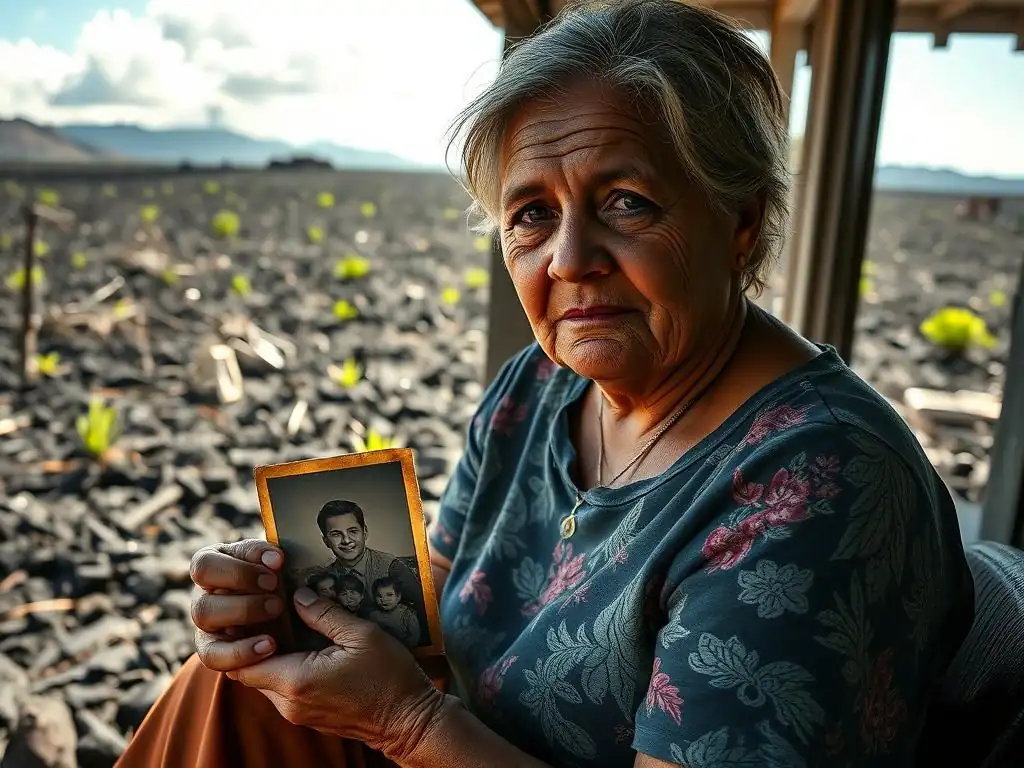
The Kilauea 2018 crisis is best understood through the personal accounts of those who lived through it. These first-hand narratives reveal the raw emotions of loss, the challenges of displacement, and the incredible resilience of individuals and families facing an unprecedented natural disaster. The Kilauea 2018 eruption human stories are not just statistics; they are deeply personal experiences of survival and adaptation in the face of overwhelming odds.
First-Hand Narratives: Evacuation Experiences and the Disruption of Daily Life
For residents of Leilani Estates and Lanipuna Gardens, the Kilauea 2018 eruption began with an unsettling series of earthquakes and steam vents opening in their backyards. The initial warnings were often vague, creating a climate of uncertainty and anxiety. Then, on May 3rd, 2018, fissure 1 opened in Leilani Estates, spewing lava and toxic gases, and the order to evacuate became immediate. Families had mere hours, sometimes minutes, to gather essential belongings and flee their homes, unsure if they would ever see them again. Daily life was instantly and irrevocably disrupted.
Evacuation experiences varied, but common threads emerged in the Kilauea 2018 eruption human stories. Many describe the surreal feeling of leaving everything behind, the emotional weight of deciding what to take and what to leave, and the fear of the unknown. One resident recounted packing their car with family photos and important documents, leaving behind a lifetime of memories and possessions.
Another described the chaotic scenes at evacuation shelters, the uncertainty of not knowing when or if they could return home, and the struggle to maintain a sense of normalcy amidst the upheaval. The disruption extended to every aspect of daily life – work, school, social connections – forcing residents to adapt to a new reality defined by displacement and uncertainty.
Stories of Displacement: The Challenges of Finding Shelter and Rebuilding
The immediate evacuation was just the beginning of a long and arduous period of displacement for thousands of Puna residents. Emergency shelters provided temporary refuge, but as the eruption persisted, the need for more sustainable housing solutions became critical. Finding shelter was a significant challenge, particularly on an island with limited housing availability and existing affordable housing shortages.
Many evacuees relied on the generosity of friends and family, while others struggled to find temporary rentals or navigate the complexities of emergency housing assistance. The Kilauea 2018 eruption human stories are filled with accounts of families living in overcrowded conditions, experiencing housing insecurity, and grappling with the emotional toll of prolonged displacement.
Rebuilding after the eruption presented its own unique set of challenges. For those whose homes were directly destroyed by lava, the process of recovery was particularly daunting. Land covered by lava is essentially unusable for the foreseeable future, and even properties that survived faced new risks and uncertainties.
Navigating insurance claims, securing permits, and finding contractors were all significant hurdles. Furthermore, the emotional burden of rebuilding was immense, requiring not only financial resources but also immense emotional strength and resilience to overcome the trauma of loss and the daunting task of starting over. The Kilauea 2018 eruption human stories highlight the long and complex journey of rebuilding lives and communities in the aftermath of volcanic devastation.
The Emotional Toll: Trauma, Grief, and the Struggle for Mental Wellbeing after Kilauea
Beyond the physical destruction and displacement, the Kilauea 2018 eruption inflicted a significant emotional toll on the affected communities. Witnessing the relentless advance of lava, the destruction of homes and landscapes, and the disruption of entire communities was a traumatic experience for many. The Kilauea 2018 eruption human stories often speak of the pervasive sense of grief – grief for lost homes, lost communities, and lost ways of life. This grief was compounded by the ongoing uncertainty and the prolonged nature of the crisis, creating a sustained period of stress and anxiety.
The emotional impact of the eruption extended beyond immediate trauma and grief. Many residents experienced symptoms of post-traumatic stress disorder (PTSD), anxiety, and depression. The disruption of social networks and community support systems further exacerbated these mental health challenges. Children, in particular, were vulnerable to the emotional consequences of the disaster, experiencing fear, anxiety, and disruption to their routines and sense of security. Recognizing and addressing the mental health needs of the affected communities became a crucial aspect of the long-term recovery efforts, highlighting the importance of emotional wellbeing in the Kilauea 2018 eruption human stories.
Community Bonds Forged in the Fires of Kilauea: Tales of Solidarity
Amidst the devastation and loss, the Kilauea 2018 eruption also revealed the remarkable strength and resilience of the Puna community. The crisis fostered an extraordinary outpouring of solidarity, neighborly support, and collective action. These tales of community bonds forged in the fires of Kilauea are integral to the Kilauea 2018 eruption human stories, demonstrating the power of human connection in the face of adversity.
Neighbors Helping Neighbors: Acts of Kindness and Support Amidst the Volcanic Devastation
In the immediate aftermath of the eruption, spontaneous acts of kindness and support were widespread. Neighbors helped neighbors evacuate, offering transportation, shelter, and practical assistance. Those with resources opened their homes to evacuees, sharing food, supplies, and emotional support. Community centers and churches became hubs for donations and volunteer efforts, demonstrating the deep-seated spirit of aloha and community within Puna. The Kilauea 2018 eruption human stories are filled with examples of individuals going above and beyond to help their neighbors in need, embodying the true meaning of community solidarity.
Beyond immediate relief efforts, neighbors also provided ongoing support to one another throughout the crisis. Community kitchens were established to provide meals for evacuees and volunteers. Donation drives collected essential supplies, from clothing and toiletries to pet food and household items.
Perhaps most importantly, neighbors offered emotional support and a sense of community during a time of profound uncertainty and stress. These acts of kindness, large and small, played a vital role in helping the community cope with the challenges of the eruption and fostered a deeper sense of connection and mutual support that became a defining aspect of the Kilauea 2018 eruption human stories.
Rebuilding Together: Community Initiatives and Collaborative Efforts for Recovery
The spirit of community collaboration extended beyond immediate relief efforts into the long-term recovery phase. Grassroots community groups emerged, organizing rebuilding initiatives, advocating for affected residents, and coordinating volunteer efforts. Community meetings became vital forums for sharing information, addressing concerns, and fostering a sense of collective agency in the recovery process. The Kilauea 2018 eruption human stories showcase the power of community-led initiatives in shaping the recovery trajectory and ensuring that the needs and voices of affected residents were central to the rebuilding process.
Collaborative efforts extended to partnerships between community organizations, government agencies, and non-profit organizations. These partnerships facilitated access to resources, streamlined aid distribution, and supported long-term recovery planning. Community development corporations and volunteer organizations worked together to rebuild homes, restore infrastructure, and provide support services to displaced families. This collaborative approach, rooted in the community's inherent resilience and the desire to rebuild together, was crucial in navigating the complex challenges of recovery and ensuring a more equitable and community-driven rebuilding process, a testament to the strength found within the Kilauea 2018 eruption human stories.
The Power of Collective Resilience: How Communities Overcame Adversity
The Kilauea 2018 eruption tested the Puna community in unprecedented ways, yet it also revealed the remarkable power of collective resilience. The community's ability to mobilize, support one another, and engage in collaborative recovery efforts demonstrated a deep wellspring of strength and determination. The Kilauea 2018 eruption human stories are ultimately stories of resilience – not just individual resilience, but collective community resilience – the ability of a group of people to withstand adversity, adapt to change, and emerge stronger from a crisis.
This collective resilience was evident in the community's proactive engagement in the recovery process, its commitment to mutual aid, and its unwavering spirit of aloha. Despite facing immense loss and hardship, the community found ways to support one another, rebuild their lives, and reimagine their future. The Kilauea 2018 eruption human stories serve as a powerful reminder that even in the face of devastating natural disasters, the strength of community bonds and the power of collective action can be transformative forces, enabling communities to overcome adversity and build a more resilient future.
The Economic Impact of Kilauea's 2018 Eruption: Human Cost and Recovery Efforts
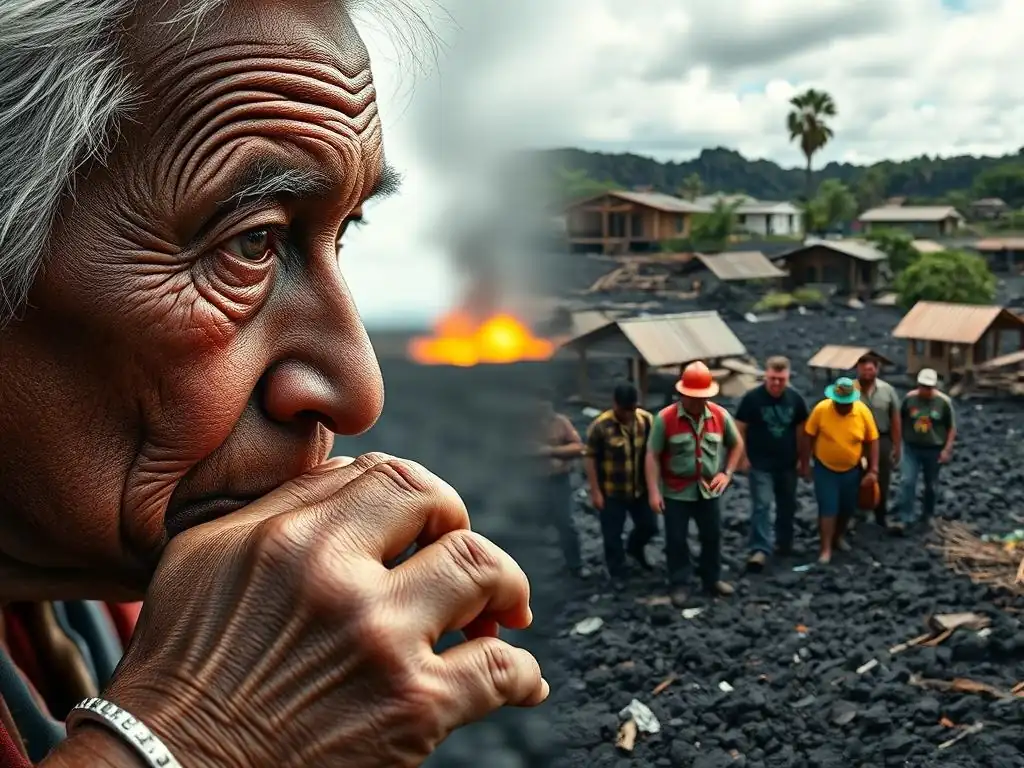
The economic impact of the Kilauea 2018 eruption was substantial, significantly affecting livelihoods, local businesses, and the tourism industry that is vital to the Big Island's economy. The Kilauea 2018 eruption human stories also include the economic hardships faced by individuals and families, and the community-wide efforts undertaken to mitigate these impacts and support economic recovery.
Livelihoods Lost: The Impact on Local Businesses and Employment
The eruption had a devastating impact on local businesses, particularly those in the directly affected areas of lower Puna. Businesses were destroyed by lava flows, access was cut off due to road closures, and the overall disruption to daily life significantly impacted consumer spending. Agricultural businesses, including farms and nurseries, suffered significant losses as lava flows destroyed crops, livestock, and agricultural infrastructure.
Many small businesses, already operating on thin margins, were forced to close permanently, resulting in job losses and economic hardship for local residents. The Kilauea 2018 eruption human stories include numerous accounts of businesses struggling to survive and families facing economic uncertainty due to lost livelihoods.
The tourism sector, a major employer on the Big Island, also experienced significant disruption. While the eruption was geographically localized, the negative media coverage and perceptions of danger led to a sharp decline in visitor arrivals across the island. Hotels, restaurants, tour operators, and related businesses experienced cancellations and reduced bookings, impacting employment and revenue. The economic ripple effects extended throughout the island's economy, highlighting the interconnectedness of various sectors and the far-reaching consequences of the volcanic crisis on livelihoods and employment, as documented in the Kilauea 2018 eruption human stories.
The Tourism Industry's Struggle: Adapting to a Changed Landscape
The tourism industry faced a significant challenge in adapting to the changed landscape and perceptions following the Kilauea 2018 eruption. Initially, there was a sharp decline in tourism as visitors understandably hesitated to travel to an area perceived as dangerous. However, as the eruption subsided, the tourism industry began to adapt, reframing the narrative and highlighting the unique opportunity to witness the volcanic landscape's dramatic transformation. The Kilauea 2018 eruption human stories also include accounts of tourism businesses innovating and finding new ways to attract visitors while ensuring safety and respecting the affected communities.
Tour operators began offering guided tours to view the volcanic landscape from safe distances, showcasing the new black sand beaches, lava fields, and dramatic coastline created by the eruption. Hotels and resorts emphasized the island's continued safety and beauty, promoting areas unaffected by the lava flows.
Marketing campaigns focused on the resilience of the island and the unique geological spectacle created by the eruption, gradually attracting visitors interested in witnessing this extraordinary natural event. This adaptive approach, coupled with the inherent appeal of Hawaiʻi as a destination, contributed to the gradual recovery of the tourism industry, a key aspect of the Kilauea 2018 eruption human stories.
Financial Aid and Support: Resources for Affected Residents and Businesses
Recognizing the significant economic hardship faced by residents and businesses, various forms of financial aid and support were made available. Government agencies, including FEMA and the Small Business Administration (SBA), provided disaster assistance programs to individuals and businesses affected by the eruption. These programs offered grants, loans, and other forms of financial assistance to help with housing, business recovery, and other needs. The Kilauea 2018 eruption human stories include accounts of residents and businesses navigating the complexities of accessing these aid programs and the challenges of securing adequate financial support for recovery.
Charitable organizations and community foundations also played a crucial role in providing financial assistance. Donations from individuals and organizations worldwide were channeled through these organizations to support relief and recovery efforts. Community funds were established to provide direct financial assistance to affected families and businesses, complementing government aid programs. While financial aid was essential for recovery, the Kilauea 2018 eruption human stories also highlight the ongoing need for sustained support and the challenges of ensuring that aid reaches those who need it most, particularly in the long-term recovery phase.
Long-Term Perspectives: Lessons Learned from Kilauea's 2018 Eruption
The Kilauea 2018 eruption provided invaluable lessons for volcanically active regions worldwide. It underscored the importance of preparedness, community resilience, and adaptive strategies for living with volcanic hazards. The Kilauea 2018 eruption human stories continue to inform long-term perspectives on risk mitigation, community planning, and fostering a more resilient future in volcanic landscapes.
Adapting to Volcanic Hazards: Planning for the Future in Volcanically Active Regions
One of the key lessons from the Kilauea 2018 eruption is the critical need for proactive planning and adaptation in volcanically active regions. Traditional land-use planning approaches may not adequately account for the dynamic and unpredictable nature of volcanic hazards. The eruption highlighted the need for more comprehensive volcanic hazard assessments, incorporating not only lava flow paths but also other hazards such as gas emissions, ashfall, and ground deformation. The Kilauea 2018 eruption human stories underscore the importance of integrating volcanic hazard information into land-use planning decisions, building codes, and infrastructure development.
Adapting to volcanic hazards also requires community education and preparedness programs. Residents living in volcanic areas need to be well-informed about the risks, understand evacuation procedures, and be prepared to respond effectively in the event of an eruption. Community-based early warning systems, regular evacuation drills, and accessible information resources are essential components of a comprehensive volcanic hazard preparedness strategy. The Kilauea 2018 eruption human stories emphasize the need for ongoing community engagement and education to foster a culture of preparedness and resilience in volcanically active regions.
Rethinking Community Resilience: Strategies for Mitigation and Preparedness
The Kilauea 2018 eruption highlighted the multifaceted nature of community resilience and the importance of strengthening various dimensions of resilience in volcanically vulnerable areas. Beyond physical infrastructure and emergency response plans, community resilience encompasses social, economic, and psychological dimensions. The Kilauea 2018 eruption human stories demonstrate that strong social networks, community cohesion, and access to mental health support are crucial components of community resilience in the face of volcanic disasters.
Strategies for enhancing community resilience include fostering social capital through community-building initiatives, supporting local economies to reduce vulnerability to economic shocks, and investing in mental health services to address the psychological impacts of volcanic events. Community-based disaster preparedness programs, empowering local residents to take ownership of their safety and preparedness, are also essential. The Kilauea 2018 eruption human stories underscore the need for a holistic approach to community resilience, recognizing that preparedness is not just about physical safety but also about social, economic, and emotional wellbeing.
The Enduring Spirit of Puna: Finding Hope and Healing After Kilauea
Despite the immense challenges and losses, the Kilauea 2018 eruption human stories ultimately convey a message of hope and healing. The enduring spirit of the Puna community, its resilience, and its commitment to rebuilding offer inspiration and demonstrate the human capacity to overcome adversity. The eruption, while devastating, also fostered a deeper sense of community, strengthened social bonds, and spurred innovation in community-led recovery and preparedness initiatives.
The healing process is ongoing, and the landscape of Puna has been irrevocably altered. However, the Kilauea 2018 eruption human stories emphasize that even in the face of profound loss, communities can find strength, adapt to change, and build a future rooted in resilience, hope, and a renewed appreciation for the power of community and the dynamic forces of nature that shape their home. The lessons learned from Kilauea continue to resonate, informing efforts to enhance volcanic hazard preparedness and community resilience in Hawaiʻi and around the world.
Remembering the Human Cost: Kilauea 2018 Eruption Memorials and Reflections
Remembering the human cost of the Kilauea 2018 eruption is essential for honoring those who lost homes and livelihoods, acknowledging the trauma experienced by the community, and ensuring that lessons learned are not forgotten. Memorials and remembrance events serve as important spaces for collective grieving, reflection, and community healing. The Kilauea 2018 eruption human stories are kept alive through these acts of remembrance, ensuring that the experiences and lessons of this event continue to inform and guide future preparedness efforts.
Honoring the Lost: Community-Led Memorials and Remembrance Events
Community-led memorials and remembrance events have emerged as powerful expressions of collective grief and solidarity following the Kilauea 2018 eruption. These memorials take various forms, from informal gatherings at community centers to dedicated remembrance sites in areas affected by the lava flows. These spaces provide a place for residents to come together, share their stories, remember what was lost, and find solace in community. The Kilauea 2018 eruption human stories are often shared and honored at these events, ensuring that the personal experiences of those affected are central to the process of remembrance and healing.
Remembrance events, often held annually on the anniversary of the eruption's onset, serve as important opportunities for community reflection and collective mourning. These events may include ceremonies, storytelling sessions, music, and art installations, all aimed at honoring the resilience of the community and remembering the human cost of the eruption. The Kilauea 2018 eruption human stories are kept alive through these ongoing acts of remembrance, ensuring that the event's impact and lessons are not forgotten by the community or future generations.
Learning from the Past: Ensuring a Safer Future for Volcanic Communities
The Kilauea 2018 eruption serves as a powerful case study for volcanic hazard preparedness and community resilience. The lessons learned from this event are invaluable for ensuring a safer future for volcanic communities worldwide. By studying the Kilauea 2018 eruption human stories, researchers, policymakers, and community leaders can gain a deeper understanding of the complex interplay between volcanic hazards, community vulnerability, and effective mitigation strategies.
Learning from the past requires ongoing research, data analysis, and community engagement. It also necessitates a commitment to translating lessons learned into concrete actions, such as improved early warning systems, enhanced land-use planning, and strengthened community preparedness programs. The Kilauea 2018 eruption human stories serve as a constant reminder of the human cost of volcanic disasters and the imperative to prioritize preparedness, resilience, and community well-being in volcanically active regions around the globe, ensuring a safer and more resilient future for those who live in the shadow of volcanoes.
Frequently Asked Questions
What was the most significant impact of the Kilauea 2018 eruption on the local population?
The most significant impact was the destruction of homes and communities due to lava flows and volcanic activity. Many residents experienced displacement and loss, leading to long-term emotional and financial hardship. The eruption drastically altered their way of life.
How did VolcanoExplorers.org document the human experiences during the Kilauea 2018 eruption?
VolcanoExplorers.org documented human experiences through personal accounts, interviews, and photography, highlighting the challenges and resilience of the affected communities. We aimed to showcase the emotional toll and human impact beyond the scientific data.
What types of support were available to residents affected by the Kilauea 2018 eruption?
Support included emergency shelters, financial aid, and counseling services. Community organizations and government agencies worked together to provide basic necessities and long-term recovery assistance to displaced residents.
What lessons were learned from the human stories of the Kilauea 2018 eruption regarding disaster preparedness?
The stories emphasized the importance of comprehensive evacuation plans, community communication, and mental health support. They also highlighted the need for long-term resilience planning to help communities recover after volcanic disasters.
How can I contribute to supporting communities affected by volcanic eruptions, based on the Kilauea 2018 experiences?
You can contribute by donating to reputable relief organizations, volunteering your time, and raising awareness about the ongoing needs of affected communities. Supporting sustainable recovery efforts helps rebuild lives and livelihoods.
Final Reflection: Resilience Forged in Fire
The stories recounted here, of loss and adaptation amidst the Kilauea 2018 eruption, are not just historical accounts; they are a testament to the enduring power of the human spirit. The unwavering resilience displayed by the people of Puna in the face of such overwhelming devastation serves as a potent reminder of our capacity to rebuild, both physically and emotionally, even when confronted with seemingly insurmountable odds. These narratives offer a vital counterpoint to purely scientific or geological analyses, grounding the event in the lived experiences of those most affected.
The eruption's impact continues to ripple through the cultural and social fabric of the Big Island, shaping community bonds and influencing future planning. Witnessing these stories firsthand, or even through the written word, fosters a deeper understanding of the interconnectedness between humanity and nature, and the profound responsibility we have to support one another in times of crisis. The human spirit is stronger than anything that can happen to it.
- George C. Scott. This quote encapsulates the essence of what we've explored: the indomitable will to persevere, to find hope amidst the ashes, and to create a new future from the remnants of the old.
As you reflect on the stories shared, consider how you might embody that same spirit of resilience in your own life. How can you cultivate a deeper connection to your community, and how can you prepare yourself to face unexpected challenges with courage and compassion? Let the lessons learned from the Kilauea 2018 eruption inspire you to embrace change, to support those around you, and to build a future founded on empathy and understanding.
Okay, here is a CTA for the article "Beyond Devastation: Exploring the Human Stories Behind Kilauea's Relentless 2018 Eruption" for Volcano Explorers (volcanoexplorers.org):
Unearth the Resilience: Take Your Next Step
Thank you for diving deep into the powerful stories of those affected by Kilauea's 2018 eruption. We hope you’ve gained a new appreciation for the human spirit in the face of nature's raw force. Now, let's turn that appreciation into action.
- Share Your Support: Consider donating to local Hawaiian organizations that are still assisting communities rebuilding after the devastation.
- Learn More: Explore our archives for first-hand accounts from other volcanic eruptions and discover the unique coping mechanisms employed by affected cultures.
- Become an Ambassador: Spread awareness by sharing this article with your network to help ensure these stories of resilience are never forgotten.
What small act of kindness can you perform today to help someone affected by a natural disaster, near or far?