
The Volcano's Palette: Mastering the Earthy Tones of Volcanic Landscapes in Design

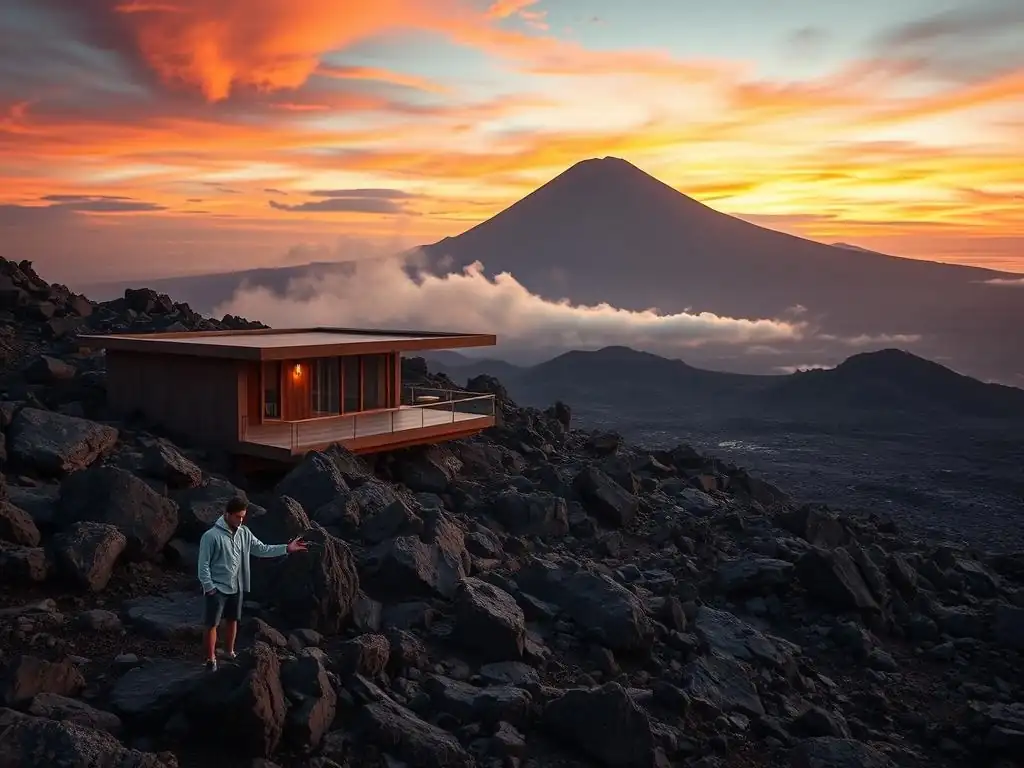
Welcome to Volcano Explorers, where the Earth breathes fire! Ever wondered how the raw, untamed beauty of a volcanic landscape could inspire breathtaking designs? Our journey begins with " Volcanic Landscape Design Inspiration," where we uncover the secrets to harnessing the power and artistry of these fiery terrains. Prepare to be captivated by the unexpected elegance hidden within the ashen slopes and molten textures... Dare to explore the volcano's palette?
- Volcanoes in Fashion and Design: Finding Inspiration in Volcanic Landscapes
- Unveiling the Earthy Color Palette of Volcanic Landscapes for Design
- Volcanic Landscape Design Inspiration: Translating Nature's Power into Art
- The Psychological Impact of Earthy Tones Inspired by Volcanoes
- Case Studies: Successful Applications of Volcanic Landscape Design Inspiration
- Practical Tips for Incorporating Volcanic Colors into Your Design Projects
- Sustainable Design Practices Inspired by Volcanic Materials
- The Future of Volcanic-Inspired Design: Trends and Innovations
- Preserving the Beauty of Volcanic Landscapes: A Call to Action for Designers
-
Frequently Asked Questions
- What is Volcanic Landscape Design Inspiration and where can I find it?
- What are some key earthy tones associated with volcanic landscapes?
- How can I incorporate volcanic textures into a landscape design?
- Is it safe to use volcanic materials in my garden?
- Where can I learn more about the science behind volcanic landscapes?
- Final Reflection: Embracing the Earth's Raw Beauty
- Unleash Your Inner Earth Artist!
Volcanoes in Fashion and Design: Finding Inspiration in Volcanic Landscapes
Volcanoes, often perceived as symbols of destruction and chaos, are also powerful sources of inspiration for artists and designers. The raw energy and dramatic landscapes forged by volcanic activity offer a unique aesthetic that is increasingly influencing fashion and design. From the fiery hues of lava flows to the somber greys of volcanic ash, these natural elements provide a rich palette of colors and textures that can be translated into captivating designs. This exploration goes beyond mere imitation, seeking to capture the essence of volcanic landscapes and infuse it into creative expressions.
The integration of volcanic themes into design is not simply about aesthetics; it's about connecting with the Earth's primal forces. Volcanoes represent the planet's dynamic nature, constantly reshaping and renewing itself. Designers who draw inspiration from these landscapes tap into this powerful symbolism, imbuing their creations with a sense of strength, resilience, and natural beauty. This connection resonates with a growing audience seeking authenticity and a deeper connection to the natural world in their surroundings and personal style.
Unveiling the Earthy Color Palette of Volcanic Landscapes for Design
Volcanic landscapes present a diverse and surprisingly subtle color palette that moves far beyond just fiery reds and oranges. The true beauty lies in the earthy tones – the deep browns, muted greys, rich blacks, and ochre yellows that characterize volcanic rock, ash, and soil. These colors are not just visually appealing; they are inherently grounding and evoke a sense of natural stability and timelessness, qualities highly sought after in contemporary design.
Understanding the origin of these colors is key to appreciating their depth and complexity. Volcanic colors are derived from the specific minerals present in the magma and lava, as well as the weathering processes that these materials undergo over time. This geological origin lends a unique authenticity to the volcanic color palette, making it a compelling source of inspiration for designers looking to create spaces and objects that feel both organic and powerful.
Exploring the Unique Tones of Volcanic Rock and Ash
Volcanic rock, formed from cooled lava, exhibits a remarkable range of tones depending on its mineral composition and cooling rate. Basalt, a common volcanic rock, is typically dark grey or black due to its high iron and magnesium content. Obsidian, volcanic glass formed from rapidly cooled lava, presents a glossy black sheen, sometimes with streaks of red or brown depending on impurities. Andesite, another volcanic rock type, often displays lighter grey or even brownish hues. These variations provide a spectrum of greys and blacks, offering designers a sophisticated and nuanced palette.
Volcanic ash, composed of fine particles of pulverized rock and glass erupted during explosive volcanic events, adds another layer of complexity to the color story. Fresh volcanic ash can range from light grey to almost white, depending on its composition and the type of eruption. As ash weathers over time, it can develop subtle earthy tones, incorporating hints of brown, ochre, and even reddish hues due to oxidation and interaction with the environment. This weathering process creates a naturally muted and textured color palette that is both subtle and visually rich.
The Influence of Minerals on Volcanic Color Variations
The vibrant colors sometimes observed in volcanic landscapes, beyond the greys and blacks, are largely attributed to the presence of specific minerals. Sulfur deposits, often found around volcanic vents and fumaroles, contribute bright yellows and oranges. Iron oxides, formed through the weathering of iron-rich minerals, produce reddish-brown and rust-colored hues. Copper minerals can introduce greens and blues, although these are less common and typically found in specific geological contexts.
The interplay of these minerals, combined with the base colors of volcanic rock and ash, creates a complex and fascinating color palette. For example, the famous hot springs of Yellowstone National Park, a volcanically active region, owe their vivid yellows, oranges, and greens to thermophilic bacteria thriving in mineral-rich waters, further enhancing the volcanic color spectrum. Understanding the mineralogical origins of these colors allows designers to appreciate the natural processes at play and to accurately replicate or interpret these hues in their work.
Capturing the Subtle Hues of Volcanic Soil and Vegetation
Volcanic soil, formed from the breakdown of volcanic rock and ash, is surprisingly fertile and contributes unique colors to the overall volcanic landscape. While often dark brown or black due to its high organic matter content derived from decomposed volcanic materials and subsequent vegetation, volcanic soil can also exhibit reddish or yellowish tones depending on the parent rock and weathering processes. These soil colors are more muted and earthy than the raw rock and ash, offering a softer and more organic dimension to the volcanic palette.
Vegetation growing in volcanic regions, while seemingly contrasting with the stark volcanic landscape, actually complements and enhances its color palette. The greens of mosses, lichens, and hardy plants that colonize volcanic slopes provide a striking contrast against the darker tones of the rock and ash, creating visual interest and depth.
Furthermore, the seasonal changes in vegetation, from vibrant greens in spring and summer to autumnal browns and reds, add another layer of color variation to the volcanic landscape throughout the year. Designers can draw inspiration from these natural color pairings, incorporating the muted greens and browns of volcanic vegetation to soften and balance the stronger tones of rock and ash.
Volcanic Landscape Design Inspiration: Translating Nature's Power into Art
The raw power and dramatic beauty of volcanic landscapes offer a profound source of inspiration for various design disciplines. Translating this natural power into art involves capturing not just the visual elements but also the underlying feelings of strength, resilience, and transformative energy associated with volcanoes. This inspiration goes beyond direct imitation, seeking to evoke the essence of volcanic landscapes through color, texture, and form.
From interior design to fashion and graphic arts, the volcanic aesthetic can be interpreted and applied in diverse ways. The key is to understand the core elements of volcanic landscapes – the earthy color palette, the rugged textures, and the dramatic forms – and to translate these elements into design principles that resonate with the desired aesthetic and emotional impact. By drawing on the inherent power and beauty of volcanic nature, designers can create impactful and meaningful works that connect with audiences on a visceral level.
Incorporating Volcanic Textures into Interior Design
Volcanic textures, characterized by their ruggedness, porosity, and natural variations, can add depth and character to interior spaces. Materials like volcanic rock, pumice stone, and even textured finishes inspired by solidified lava flows can be incorporated into walls, flooring, and decorative elements. These textures create a tactile experience, bringing a sense of the natural world indoors and evoking the raw, unrefined beauty of volcanic landscapes.
Imagine a living room featuring a fireplace clad in dark basalt rock, its rough surface contrasting with smooth plaster walls. Or a bathroom incorporating pumice stone tiles, their porous texture providing both visual interest and a non-slip surface. Textured fabrics and wall coverings mimicking the patterns of lava flows or volcanic ash deposits can further enhance the volcanic aesthetic. By strategically using volcanic textures, interior designers can create spaces that feel both grounded and visually dynamic, reminiscent of the powerful forces shaping the Earth.
Utilizing Volcanic Color Schemes in Fashion and Textiles
The earthy color palette of volcanic landscapes translates beautifully into fashion and textiles. Designers can draw inspiration from the muted greys, blacks, browns, and ochre tones of volcanic rock and ash to create sophisticated and timeless clothing collections. These colors are versatile and flattering, lending themselves to both casual and formal wear. Furthermore, the subtle variations within these earthy tones allow for nuanced color combinations and layering, adding depth and visual interest to garments.
Consider a collection featuring dresses in charcoal grey and obsidian black, accented with subtle hints of rust and ochre inspired by oxidized volcanic minerals. Textured fabrics mimicking the rough surface of lava rock or the fine grain of volcanic ash can further enhance the volcanic theme.
Prints and patterns inspired by volcanic formations, such as columnar jointing in basalt or the swirling patterns of lava flows, can add a unique and artistic touch to textiles. By embracing the volcanic color palette and textures, fashion designers can create garments that are both stylish and imbued with the powerful essence of nature.
Applying Volcanic-Inspired Aesthetics to Graphic Design
Graphic designers can leverage the volcanic aesthetic to create visually striking and impactful designs across various media. The strong contrasts between light and shadow often found in volcanic landscapes, combined with the earthy color palette, provide a powerful visual language. Designers can utilize these elements to create logos, branding materials, websites, and marketing collateral that convey strength, resilience, and natural authenticity.
Imagine a logo for an outdoor adventure company featuring a stylized silhouette of a volcano in shades of dark grey and rust orange. Or a website design using a background texture inspired by volcanic rock, with typography in a clean, modern font to create a sense of rugged sophistication. Color palettes inspired by volcanic landscapes can be used to create visual hierarchies and emphasize key information. By incorporating volcanic-inspired aesthetics, graphic designers can create visually compelling and memorable designs that resonate with audiences seeking authenticity and a connection to the natural world.
The Psychological Impact of Earthy Tones Inspired by Volcanoes
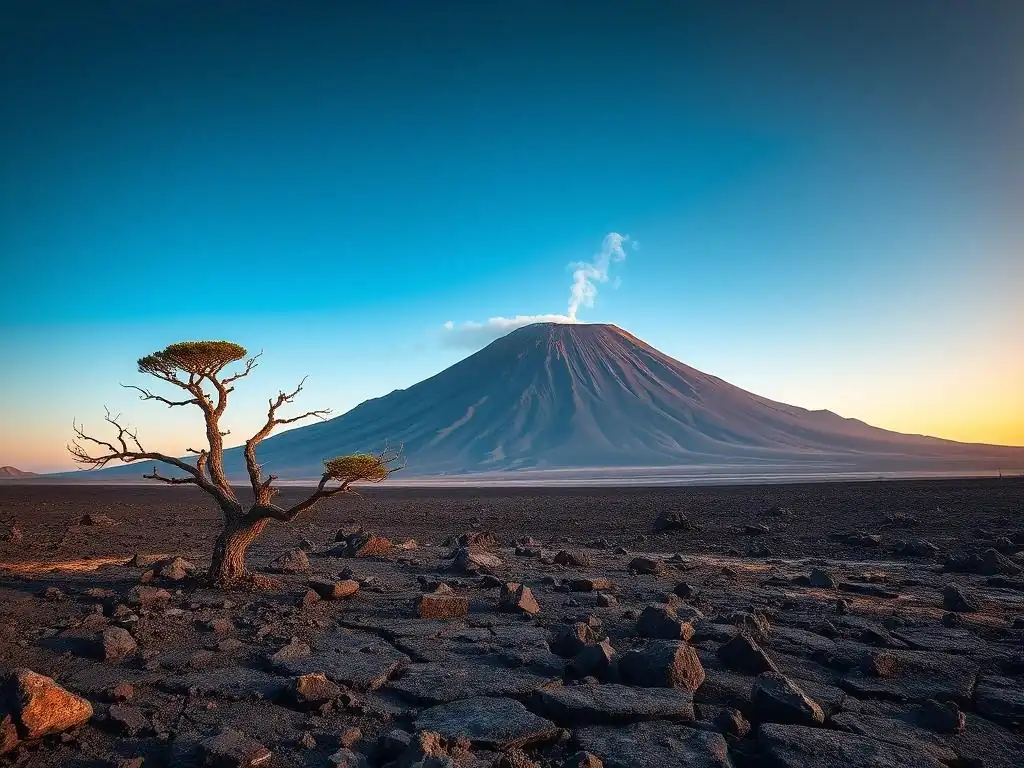
Earthy tones, particularly those derived from volcanic landscapes, have a profound psychological impact on humans. These colors are deeply rooted in nature and evoke primal feelings of connection to the Earth, stability, and resilience. Understanding these psychological associations allows designers to strategically use volcanic colors to create spaces and objects that not only look aesthetically pleasing but also resonate emotionally with users.
The psychological impact of volcanic colors stems from both cultural associations and innate human responses to the natural world. Throughout history, earthy tones have been linked to concepts of grounding, security, and naturalness. Volcanoes themselves, while representing destructive forces, also symbolize creation and renewal, adding another layer of complexity to the psychological associations of their color palettes.
Evoking Feelings of Strength and Resilience with Volcanic Colors
Volcanic colors, particularly the darker shades of grey, black, and deep brown, inherently evoke feelings of strength and resilience. These colors are associated with the solid, unyielding nature of volcanic rock, forged under immense pressure and heat. In design, incorporating these colors can imbue spaces and objects with a sense of power and permanence.
Imagine a corporate office designed with dark grey walls and basalt accents, conveying a sense of stability and authority. Or a piece of furniture crafted from dark, volcanic-toned wood, suggesting durability and lasting quality. Fashion designers using black and charcoal grey in their collections often aim to project an image of strength and sophistication. By leveraging the psychological associations of volcanic colors, designers can effectively communicate messages of power, resilience, and unwavering stability.
Creating a Sense of Groundedness and Stability through Design
Earthy tones, in general, are known for their ability to create a sense of groundedness and stability. Volcanic earthy tones, with their direct connection to the Earth's crust, amplify this effect. These colors are calming and reassuring, providing a visual anchor in a fast-paced and often chaotic world. In design, using volcanic colors can help create spaces and objects that feel secure, comfortable, and inherently stable.
Consider a bedroom designed with warm, earthy brown and grey tones inspired by volcanic soil and ash, promoting relaxation and restful sleep. Or a public space incorporating natural stone elements in volcanic colors, creating a welcoming and grounding atmosphere. In graphic design, using earthy tones in backgrounds and layouts can provide a sense of visual stability and trustworthiness. By consciously applying volcanic earthy tones, designers can foster feelings of security, comfort, and a deep connection to the physical world.
Color Psychology: Red for Passion, Black for Mystery, Grey for Serenity
While the volcanic palette is primarily defined by earthy tones, flashes of red, black, and grey each contribute distinct psychological nuances. Red, often associated with lava flows and volcanic eruptions, represents passion, energy, and intensity. Black, the color of obsidian and solidified lava, evokes mystery, sophistication, and power. Grey, the dominant color of volcanic ash and rock, symbolizes serenity, neutrality, and timelessness.
Understanding these color psychology principles allows designers to strategically incorporate these hues within the broader volcanic palette. A touch of red can add a dynamic and energetic element, while black can introduce a sense of sophistication and intrigue. Grey provides a neutral and calming backdrop, allowing other colors and design elements to stand out. By thoughtfully combining these colors, designers can create nuanced and psychologically resonant designs inspired by the full spectrum of volcanic landscapes.
Case Studies: Successful Applications of Volcanic Landscape Design Inspiration
Examining real-world examples of how volcanic landscape design inspiration has been successfully applied across various fields provides valuable insights and practical ideas. These case studies showcase the versatility and effectiveness of the volcanic aesthetic, demonstrating its ability to enhance both visual appeal and emotional resonance in diverse contexts. From hospitality to fashion and media, these examples highlight the power of nature-inspired design.
Analyzing these successful applications allows designers to understand how the principles of volcanic color palettes, textures, and forms can be translated into tangible design solutions. These case studies serve as inspiration and practical guides, illustrating the potential of volcanic landscape design inspiration to create impactful and meaningful works.
Hotel Katla Höfn: Interior Design Inspired by Icelandic Volcanoes
Hotel Katla Höfn in Iceland is a prime example of interior design deeply inspired by the volcanic landscapes of its location. The hotel’s interior palette is dominated by earthy tones – dark greys, blacks, and warm browns – mirroring the colors of Icelandic volcanic rock, ash, and moss-covered lava fields. Natural materials like wood and stone are extensively used, further enhancing the connection to the surrounding environment.
The hotel's design goes beyond mere color imitation, incorporating textures and forms reminiscent of volcanic landscapes. Rough-hewn wood and stone surfaces evoke the ruggedness of lava rock, while soft lighting and natural fabrics create a sense of warmth and comfort amidst the stark volcanic aesthetic. The overall effect is a cohesive and immersive experience that seamlessly blends the interior space with the dramatic natural beauty of Iceland's volcanic regions. Hotel Katla Höfn exemplifies how volcanic landscape design inspiration can create a unique and authentic sense of place.
Iris van Herpen's 'Hypnosis' Collection: Volcanic Rock Textures
Iris van Herpen, a renowned fashion designer known for her innovative and avant-garde creations, drew inspiration from volcanic rock textures for her 'Hypnosis' collection. This collection showcased garments that mimicked the intricate patterns and organic forms found in solidified lava flows and volcanic rock formations. Van Herpen utilized 3D printing and laser-cutting techniques to create textures that were both visually striking and tactilely engaging, directly referencing the rugged beauty of volcanic landscapes.
The color palette of the 'Hypnosis' collection also echoed volcanic tones, featuring deep blacks, greys, and metallic accents that suggested molten rock and mineral deposits. The collection demonstrated how volcanic textures could be translated into high fashion, creating garments that were both sculptural and wearable. Iris van Herpen's 'Hypnosis' collection exemplifies the power of volcanic landscape design inspiration to push creative boundaries in fashion and textile design, merging natural forms with cutting-edge technology.
National Geographic's Krakatoa Documentary: Volcanic Color Palettes
National Geographic documentaries, particularly those focusing on natural phenomena like volcanic eruptions, often utilize volcanic color palettes to enhance the visual storytelling and emotional impact. The Krakatoa documentary, for example, effectively employed the dramatic contrasts of fiery reds and oranges against the dark greys and blacks of volcanic ash and rock to convey the power and intensity of the volcanic eruption.
The use of volcanic colors in the documentary is not merely decorative; it serves to immerse the viewer in the volcanic environment and evoke the raw energy and drama of the event. The color grading and visual effects are carefully calibrated to enhance the realism and emotional impact of the footage, drawing viewers into the heart of the volcanic narrative. National Geographic's Krakatoa documentary demonstrates how volcanic color palettes can be effectively used in visual media to communicate powerful emotions and enhance storytelling, making complex natural phenomena more accessible and engaging to a wide audience.
Practical Tips for Incorporating Volcanic Colors into Your Design Projects
Integrating volcanic colors into design projects effectively requires a thoughtful and strategic approach. It's not simply about applying earthy tones indiscriminately; it's about understanding the nuances of the volcanic palette and how to use it to achieve specific design goals. These practical tips provide guidance on how to incorporate volcanic colors successfully, ensuring a cohesive and impactful final result.
From identifying the right tones to balancing intensity and combining volcanic colors with other elements, these tips offer actionable advice for designers across various disciplines. By following these guidelines, designers can confidently and creatively utilize volcanic landscape design inspiration to enhance their projects and achieve their desired aesthetic and emotional impact.
Identifying the Right Volcanic Tones for Your Specific Needs
The volcanic color palette is diverse, ranging from deep blacks and greys to warmer browns and ochres. Identifying the right volcanic tones for a specific design project depends on the desired mood, style, and context. For projects aiming to evoke strength and sophistication, darker greys and blacks inspired by basalt and obsidian may be ideal. For projects seeking warmth and naturalness, warmer browns and ochres reminiscent of volcanic soil and weathered ash might be more appropriate.
Consider the specific message and feeling you want to convey. Are you aiming for a sense of raw power or subtle serenity? Are you designing for a modern urban setting or a rustic natural environment? Analyzing these factors will help you narrow down the volcanic color palette and select the tones that best align with your project's objectives. Experimenting with different color combinations and considering the overall context are crucial steps in identifying the right volcanic tones.
Combining Volcanic Colors with Other Design Elements
Volcanic colors work best when integrated thoughtfully with other design elements. Texture plays a crucial role in enhancing the volcanic aesthetic. Rough textures, such as natural stone, textured fabrics, and raw wood, complement the earthy tones and amplify the sense of naturalness and ruggedness. Form and shape are also important considerations. Geometric shapes and clean lines can create a modern contrast with the organic nature of volcanic colors, while more fluid and irregular forms can further enhance the natural aesthetic.
Lighting is another key element to consider. Warm lighting can enhance the warmth of brown and ochre volcanic tones, while cooler lighting can accentuate the sophistication of greys and blacks. Consider the interplay of light and shadow on textured surfaces to further enhance the visual depth and drama of volcanic-inspired designs. By carefully considering texture, form, and lighting, designers can create rich and layered designs that effectively utilize volcanic colors.
Balancing Intensity: Pairing Volcanic Colors with Neutral Tones
While volcanic colors are inherently powerful, balancing their intensity is crucial for creating harmonious and visually appealing designs. Pairing volcanic colors with neutral tones is an effective strategy for achieving balance. Light greys, whites, creams, and beiges can provide a calming backdrop that allows the volcanic colors to stand out without overwhelming the overall design.
Using neutral tones as accents or negative space can create visual breathing room and prevent the volcanic palette from becoming too heavy or monotonous. Consider using a dominant volcanic color, such as dark grey, and then incorporating lighter neutral tones in furniture, textiles, or wall accents to create contrast and visual interest. Experimenting with different ratios of volcanic and neutral tones will help you find the perfect balance for your specific project, ensuring a design that is both impactful and visually harmonious.
Sustainable Design Practices Inspired by Volcanic Materials
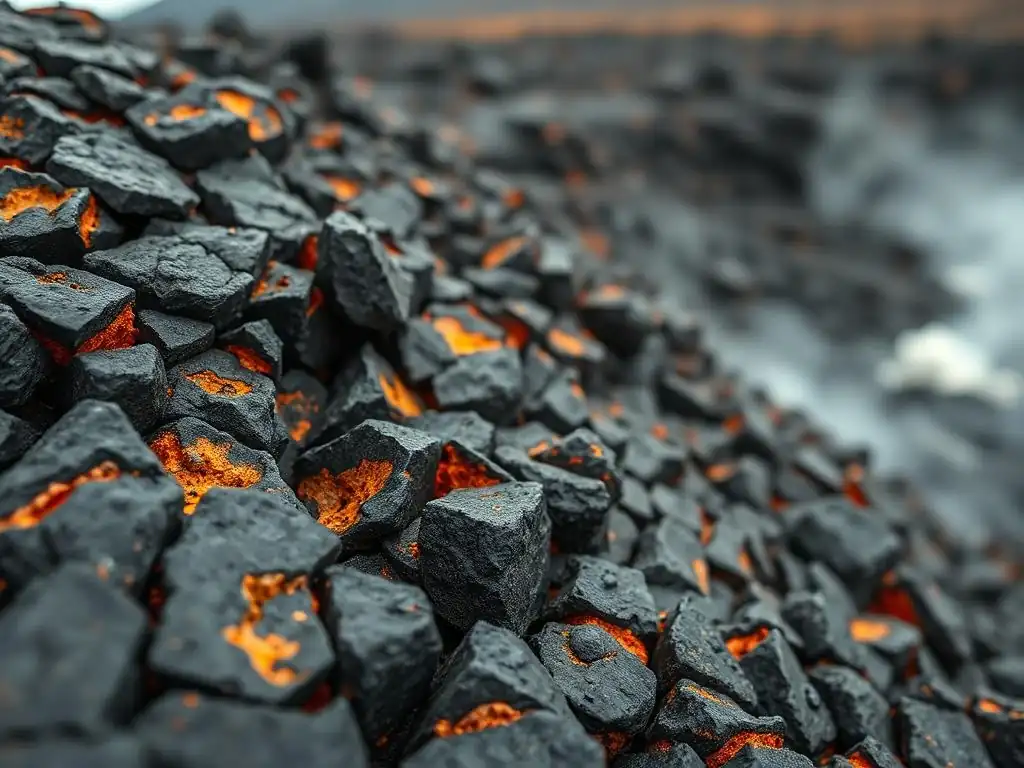
Volcanic landscapes, while seemingly barren, can inspire sustainable design practices, particularly in the use of volcanic materials. Volcanic ash and rock, abundant resources in volcanic regions, offer unique properties that can be utilized in construction, art, and various design applications. Exploring these sustainable applications not only promotes eco-friendly design but also celebrates the inherent beauty and utility of natural volcanic materials.
Embracing sustainable design practices inspired by volcanic materials aligns with a growing global awareness of environmental responsibility. Utilizing locally sourced volcanic resources reduces transportation costs and carbon footprint, while also supporting local economies in volcanic regions. Furthermore, the durability and natural properties of volcanic materials often contribute to the longevity and sustainability of designed objects and structures.
Utilizing Volcanic Ash and Rock in Construction and Art
Volcanic ash and rock have been used in construction and art for centuries, particularly in regions with volcanic activity. Volcanic ash, when mixed with lime or cement, can create a durable and lightweight concrete alternative. This "pozzolanic" concrete has been used in Roman architecture and continues to be explored for its sustainable properties. Volcanic rock, such as basalt and pumice, is also used as building stone, insulation material, and aggregate in concrete.
In art, volcanic rock and ash offer unique textural and visual qualities. Artists utilize volcanic rock for sculptures and installations, capitalizing on its natural forms and earthy colors. Volcanic ash can be incorporated into paints and glazes, creating unique textures and surface effects. The use of volcanic materials in construction and art not only promotes sustainability but also connects design with the specific geological and cultural context of volcanic regions, fostering a sense of place and authenticity.
Promoting Eco-Friendly Design with Earth-Toned Palettes
Earth-toned palettes, inspired by volcanic landscapes and other natural environments, inherently promote eco-friendly design. These colors are derived from natural pigments and materials, reducing reliance on synthetic dyes and chemicals that can be harmful to the environment. Choosing earth-toned palettes in interior design, fashion, and graphic design contributes to a more sustainable and responsible approach to aesthetics.
Furthermore, earth-toned palettes often evoke a sense of calm and connection to nature, promoting biophilic design principles that prioritize human well-being and environmental harmony. By embracing earth-toned palettes inspired by volcanic landscapes, designers can contribute to a broader movement towards sustainable and nature-connected design practices, fostering a more environmentally conscious and aesthetically pleasing world.
Sustainable Art: Volcanic Rock Sculptures and Installations
Volcanic rock, with its natural beauty and durability, is an ideal material for sustainable art forms, particularly sculptures and installations. Artists are increasingly utilizing volcanic rock sourced locally to create site-specific artworks that celebrate the geological and cultural heritage of volcanic regions. These sculptures and installations often blend seamlessly with the natural landscape, further emphasizing the connection between art and environment.
Using volcanic rock for art reduces the need for resource-intensive and environmentally damaging materials like concrete or steel. Furthermore, volcanic rock sculptures and installations can be designed to be long-lasting and require minimal maintenance, contributing to their overall sustainability. By embracing volcanic rock as a medium for sustainable art, artists can create impactful and meaningful works that promote environmental awareness and celebrate the beauty of natural materials, directly inspired by the powerful forms of volcanic landscapes.
The Future of Volcanic-Inspired Design: Trends and Innovations
The influence of volcanic landscapes on design is poised to grow in the future, driven by emerging trends and technological innovations. Biophilic design, which emphasizes the connection between humans and nature, is gaining momentum, and volcanic aesthetics align perfectly with this approach. Technological advancements, such as 3D printing, are opening new possibilities for incorporating volcanic textures and forms into design.
Exploring future trends and innovations in volcanic-inspired design allows designers to anticipate emerging aesthetics and technologies, positioning themselves at the forefront of this evolving design landscape. The future of volcanic-inspired design promises to be both innovative and deeply rooted in nature, offering exciting possibilities for creative expression and sustainable practices.
Emerging Trends: Biophilic Design and Volcanic Materials
Biophilic design, the practice of incorporating natural elements and patterns into the built environment, is a significant emerging trend that strongly supports the use of volcanic-inspired design. Volcanic colors, textures, and forms resonate deeply with biophilic principles, evoking a sense of connection to the Earth and promoting well-being through nature-inspired aesthetics. As biophilic design gains wider adoption, the demand for volcanic materials and volcanic-inspired design elements is likely to increase.
Architects and interior designers are increasingly incorporating natural stone, including volcanic rock, into building facades, interior walls, and landscaping. Textured finishes and materials mimicking volcanic textures are also becoming more popular in interior design, creating spaces that feel both modern and grounded in nature. The growing trend of biophilic design provides a strong impetus for the continued exploration and application of volcanic-inspired aesthetics and materials.
Technological Advancements: 3D Printing Volcanic Textures
Technological advancements, particularly in 3D printing, are revolutionizing the way designers can incorporate volcanic textures and forms into their work. 3D printing allows for the creation of complex and intricate textures that mimic the natural patterns of lava flows, volcanic rock formations, and ash deposits. Designers can use 3D printing to create textured wall panels, furniture elements, decorative objects, and even clothing and accessories with highly realistic volcanic textures.
This technology opens up new possibilities for incorporating volcanic aesthetics in a more accessible and versatile way. Designers can customize textures and forms with precision, creating unique and bespoke volcanic-inspired designs. 3D printing also allows for the use of sustainable materials, including recycled volcanic ash and bio-based polymers, further enhancing the eco-friendly potential of volcanic-inspired design.
Future Applications: Volcanic-Inspired Architecture and Urban Planning
The future applications of volcanic-inspired design extend beyond interior and product design to encompass architecture and urban planning. Architects are exploring the use of volcanic materials and forms in building design, creating structures that blend seamlessly with volcanic landscapes or evoke the powerful forms of volcanoes. Urban planners are considering incorporating volcanic elements into urban spaces, such as volcanic rock gardens, lava flow-inspired pathways, and public art installations using volcanic materials.
Imagine buildings clad in volcanic rock facades, with roofs mimicking the slopes of volcanoes, or urban parks featuring pathways paved with volcanic ash concrete. Volcanic-inspired urban planning can create unique and memorable cityscapes that celebrate the natural environment and promote a sense of place. The future of volcanic-inspired design holds exciting potential for transforming our built environment, creating spaces that are both aesthetically compelling and deeply connected to the Earth's powerful forces.
Preserving the Beauty of Volcanic Landscapes: A Call to Action for Designers
As designers draw inspiration from volcanic landscapes, it is essential to acknowledge the importance of preserving the beauty and integrity of these natural environments. Volcanic landscapes are fragile ecosystems that are vulnerable to human impact, including tourism, resource extraction, and climate change. Designers have a responsibility to promote sustainable practices and advocate for the conservation of these unique and valuable environments.
This call to action emphasizes the ethical dimension of volcanic landscape design inspiration, urging designers to go beyond aesthetic appreciation and actively contribute to the preservation of these natural wonders. By adopting responsible sourcing practices, promoting sustainable design, and raising awareness about the importance of volcanic landscape conservation, designers can play a vital role in safeguarding these environments for future generations.
Appreciating and Respecting the Natural Environment
The first step in preserving volcanic landscapes is to cultivate a deep appreciation and respect for their natural beauty and ecological significance. Designers should educate themselves about the geological processes that shape volcanic landscapes, the unique ecosystems they support, and the cultural significance they hold for local communities. Understanding the inherent value of these environments is crucial for fostering a sense of responsibility and stewardship.
Visiting volcanic landscapes, learning from volcanologists and local communities, and engaging with conservation efforts are all ways to deepen appreciation and respect for these natural wonders. This appreciation should inform design practices, guiding designers towards sustainable and responsible approaches that minimize environmental impact and celebrate the natural beauty of volcanic landscapes.
Promoting Sustainable Design Practices
Designers can actively promote sustainable practices in their work, minimizing their environmental footprint and contributing to the conservation of volcanic landscapes. This includes choosing eco-friendly materials, reducing waste in design and production processes, and designing for durability and longevity. When sourcing volcanic materials, designers should prioritize responsible and ethical suppliers who adhere to sustainable extraction practices.
Furthermore, designers can advocate for sustainable tourism in volcanic regions, promoting responsible travel that minimizes environmental impact and supports local communities. By integrating sustainability into every stage of the design process, from material selection to end-of-life considerations, designers can contribute to a more environmentally responsible and ethical design industry.
Responsible Sourcing of Volcanic Materials
When utilizing volcanic materials in design, responsible sourcing is paramount. Designers should prioritize sourcing volcanic rock and ash from local and sustainable suppliers who adhere to ethical extraction practices and minimize environmental disruption. Avoid materials sourced from protected volcanic areas or regions where extraction negatively impacts local ecosystems or communities.
Transparency in sourcing is crucial. Designers should inquire about the origin of volcanic materials and ensure that suppliers are committed to sustainable practices. Consider using recycled or repurposed volcanic materials whenever possible, further reducing environmental impact. By prioritizing responsible sourcing, designers can ensure that their use of volcanic materials contributes to sustainable practices and supports the long-term conservation of volcanic landscapes.
Frequently Asked Questions
What is Volcanic Landscape Design Inspiration and where can I find it?
Volcanic landscape design inspiration draws on the unique colors, textures, and formations found around volcanoes. You can find inspiration on sites like VolcanoExplorers.org, which showcases photography and information on volcanic regions.
What are some key earthy tones associated with volcanic landscapes?
Typical earthy tones include shades of black, grey, brown, and red, reflecting the colors of lava rock, ash, and volcanic soil. These colors can be incorporated into designs to create a sense of drama and natural beauty.
How can I incorporate volcanic textures into a landscape design?
You can use materials like crushed lava rock, gravel, and irregularly shaped stones to mimic the rough, uneven surfaces of volcanic landscapes. Consider incorporating boulders and rock formations for added visual interest.
Is it safe to use volcanic materials in my garden?
Generally, yes. Volcanic rock is often inert and can be beneficial for drainage in certain soil types. However, ensure the materials are sourced responsibly and are free from any contaminants.
Where can I learn more about the science behind volcanic landscapes?
Websites like VolcanoExplorers.org offer educational content on the geological processes that shape volcanic landscapes. You can also find information on different types of volcanic formations and their characteristics.
Final Reflection: Embracing the Earth's Raw Beauty
The exploration of volcanic landscapes as a source of design inspiration culminates in a powerful realization: nature's most dramatic events can yield the most harmonious and grounding aesthetics. We've seen how the fiery birth of these terrains, etched in shades of ash, lava, and mineral-rich earth, offers a unique palette for creating spaces that resonate with authenticity and primal energy. This isn't merely about mimicking colors; it's about capturing the essence of resilience and transformation.
The influence of volcanic landscapes extends far beyond the realm of interior design and architecture. It speaks to a deeper human connection with the earth, a reminder of its power and beauty, even in its most destructive forms. This connection is vital, especially as we navigate an increasingly disconnected world. Look deep into nature, and then you will understand everything better.
- Albert Einstein. This quote perfectly encapsulates the essence of drawing inspiration from the natural world, and volcanic landscapes offer a particularly potent lesson in finding beauty within apparent chaos.
Now, as you embark on your own design journey, consider the lessons learned from the volcano's palette. Let the earthy tones and rugged textures inspire you to create spaces that are not only visually stunning but also deeply meaningful. Embrace the imperfections, celebrate the raw beauty, and allow the spirit of the volcanic landscape to infuse your creations with a sense of grounding, resilience, and enduring strength. Let the earth's fiery heart guide your hand, and watch as your designs erupt with life.
Unleash Your Inner Earth Artist!
Thanks for joining us on this journey through the volcano's earthy palette! We hope you've discovered inspiration in the raw beauty and unique color schemes of volcanic landscapes. Now it's time to translate that inspiration into action.
Here are a few ways to ignite your creative spark:
- Embrace the Earth: Begin by incorporating volcanic-inspired color palettes into your next design project. Think deep charcoals, fiery oranges, and ashy greys – dare to be bold!
- Dive Deeper: Explore the work of other artists and designers who draw inspiration from natural landscapes. Find unique techniques and adapt them to your own style.
- Share the Inspiration: Post your own volcanic-inspired designs using #VolcanoExplorers and #EarthyDesign – let's build a community of earth-inspired artists!
What's one small way you can incorporate the volcano's palette into your work today?