Customizing Your Volcano Gear: Tailoring Safety to Your Adventure
VolcanoExplorers.org shows you how customizing your volcano safety gear ensures optimal protection during your adventure. Tailor your equipment to the specific volcanic…
Read article
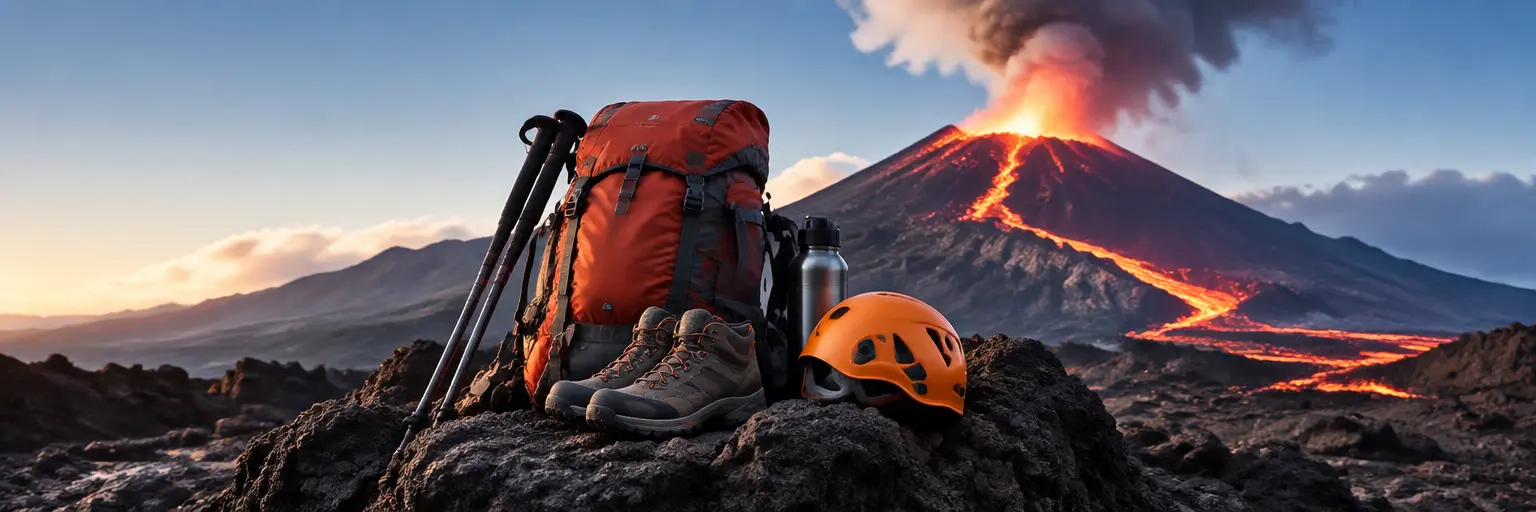
Embark on the ultimate adventure with Volcano Explorers’ curated collection of volcano travel and adventure gear, designed for thrill-seekers and science enthusiasts alike. From rugged backpacks that withstand ash-laden trails to advanced protective clothing that shields against extreme heat, our selection ensures you’re safe, prepared, and ready to conquer the fiery landscapes. Discover cutting-edge navigation tools, durable cameras for capturing breathtaking eruptions, and essential hiking equipment tailored for volcanic terrains. Whether you’re a seasoned volcanologist or a curious traveler, gear up to explore the raw power of Earth’s most dynamic forces with confidence and style.
VolcanoExplorers.org shows you how customizing your volcano safety gear ensures optimal protection during your adventure. Tailor your equipment to the specific volcanic…
Read article
Capture breathtaking volcano images without breaking the bank! VolcanoExplorers.org reveals the best mid-range cameras for stunning volcano photography, ensuring you capture the…
Read article
VolcanoExplorers.org unveils the secrets to efficient volcano exploration. Discover how specialized backpacking gear for volcano exploration, highlighted in "Organizational Oasis," streamlines access…
Read article
Explore the fiery heart of the Earth safely and affordably! VolcanoExplorers.org guides you through essential, budget-friendly volcano gear, ensuring your adventure is…
Read article
VolcanoExplorers.org equips you to conquer volcanic landscapes. Learn to select the right gear for volcanic conditions—essential for safe and rewarding exploration of…
Read article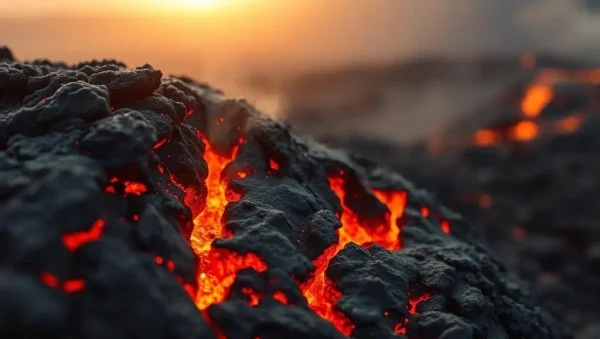
Master the art of extreme close-up volcano photography! VolcanoExplorers.org reveals essential macro lens techniques and expert tips for capturing breathtaking images of…
Read article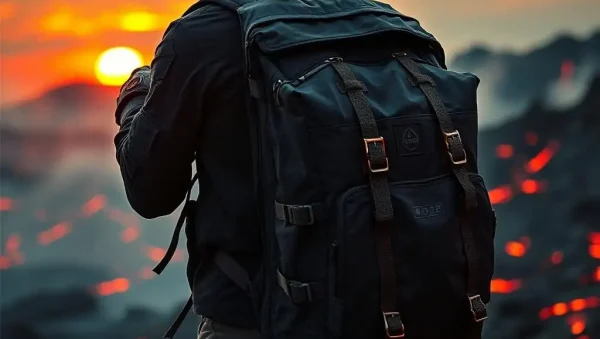
Conquer active volcanoes safely and stylishly! VolcanoExplorers.org showcases specialized packs for volcano trips, ensuring you're equipped for any eruption—from essential safety gear…
Read article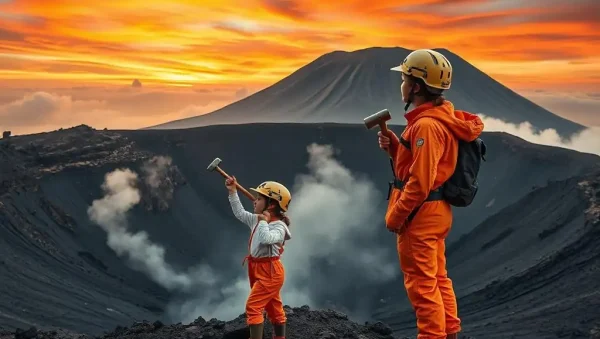
VolcanoExplorers.org helps families explore volcanoes safely! Learn about age-appropriate protective gear for kids, ensuring exciting adventures near these powerful natural wonders.
Read article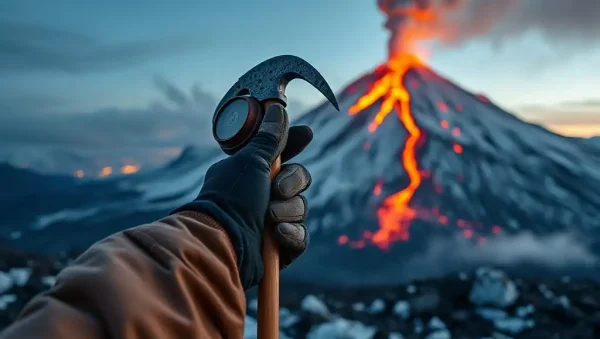
Conquer challenging ascents! VolcanoExplorers.org guides you through essential high-altitude volcano climbing gear and crucial navigation strategies for safe and successful expeditions to…
Read article
VolcanoExplorers.org reveals crucial volcano safety communication strategies to mitigate eruption disasters. Learn how effective communication saves lives and protects communities near active…
Read article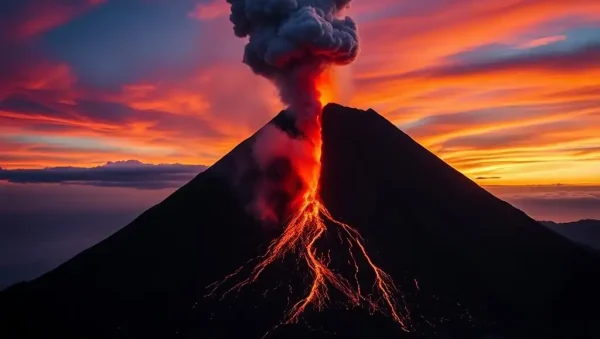
Capture breathtaking aerial volcano photography. VolcanoExplorers.org reveals expert techniques and essential equipment for capturing stunning images from above, showcasing the raw power…
Read article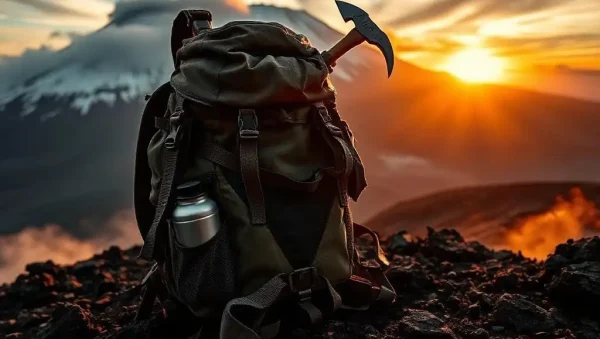
Conquering volcanoes requires careful planning. This guide helps you select the perfect backpack volume for volcano trips, ensuring you have everything you…
Read articleEmbarking on a volcano expedition requires specialized equipment that balances safety, durability, and performance. Whether you are trekking across hardened lava fields, photographing glowing craters, or navigating ash-covered trails, the right gear can mean the difference between an unforgettable adventure and a hazardous ordeal. This guide covers the essential categories of volcano travel and adventure gear, helping you prepare for extreme heat, rugged terrain, and unpredictable volcanic conditions.
Your backpack is your lifeline on a volcano expedition, needing to withstand abrasive volcanic rock, fine ash infiltration, and sudden temperature shifts. Look for models with reinforced bases, sealed zippers, and abrasion-resistant fabrics like Cordura or ballistic nylon. A capacity of 40-60 liters suits day treks, while multi-day expeditions require 70+ liters with adjustable suspension systems. Key features include hip belts with load distribution, external attachment points for trekking poles, and compartments that keep dust out of your electronics and spare clothing.
For luggage used during travel to volcanic regions, prioritize wheeled duffels with rugged wheels and protective hard-shell options that resist crushing from overhead bins. Avoid backpacks with exposed foam that can absorb caustic ash or sulfurous fumes. Consider hydration compatibility and quick-access pockets for respirators or goggles. Always test weight distribution before departure, since volcanic terrain amplifies fatigue, and opt for pack covers that double as ash barriers during unexpected eruptions.
Volcano environments demand layers that shield against radiant heat, sharp rock, and respiratory hazards. Base layers should be moisture-wicking synthetic or merino wool, never cotton, as sweat plus ash creates abrasive paste. Mid-layers offer insulation that adjusts to rapid altitude changes, while outer shells must be heat-resistant up to 300°C for close approach scenarios. Mandatory items include volcanic gas masks with particulate filters (P100 or higher), impact-resistant goggles, and sturdy leather gloves with heat-resistant palms. For footwear, choose insulated, lug-soled boots with ankle support and steel toe caps to protect against falling debris.
Safety gear extends beyond clothing: carry a lightweight emergency blanket, a portable gas detector (SO₂ or CO₂ sensors), and a heat-reflective hood for sudden fumarole exposure. Helmets with chin straps are non-negotiable when walking near unstable crater rims. Brightly colored outer layers improve visibility in ash clouds, and reflective strips aid rescue teams. Never skimp on respiratory protection—volcanic ash contains crystalline silica, which can cause permanent lung damage with even short-term exposure.
Volcano terrain often disrupts standard GPS signals due to magnetic anomalies from iron-rich rocks, so rely on multi-band GPS units that combine GLONASS, Galileo, and BeiDou constellations. Pair them with topographic maps printed on waterproof, tear-resistant paper, plus a declination-adjustable compass for manual bearings. Satellite messengers like Garmin InReach or Spot X provide two-way texting and SOS activation, crucial when cellular coverage vanishes in remote volcanic zones. Carry spare batteries in insulated cases, as extreme cold drains lithium cells rapidly, and invest in solar panels or hand-crank chargers for multi-day trips.
Communication planning includes pre-set check-in times with local authorities and a clear itinerary shared with at least two contacts. Use VHF/UHF handheld radios with submersible ratings for short-range coordination among group members, especially in valleys where line-of-sight is blocked. Learn to read volcanic hazard maps before departure, noting exclusion zones and evacuation routes. Download offline maps on your phone as backup, but keep it in airplane mode to save battery and avoid radiation interference near active vents.
Capturing volcanic activity requires cameras that handle low light, heat shimmer, and abrasive ash while delivering high dynamic range. Full-frame mirrorless cameras (like Sony A7 series or Canon EOS R) excel in low-light sensitivity for incandescent lava shots, while weather-sealed bodies prevent ash intrusion. Pair with fast prime lenses (f/1.8 or faster) for night photography, and use telephoto zoom for distant crater details. For extreme close-ups of lava flows, add a macro lens with protective UV filter. Tripods must be sturdy with spiked feet for unstable ground, and remote triggers eliminate camera shake during long exposures.
Drones offer breathtaking aerial views, but only fly models with propeller guards and heat-tolerant batteries, and check local regulations—many volcano parks ban flights. Action cameras like GoPro HERO models mount on helmets for hands-free shots of descending ash slopes. Protect every lens with clear filters that you can replace after each shoot, since volcanic ash scratches glass permanently. Keep sensor cleaning kits accessible, and use blower brushes before swapping lenses. Shoot in RAW to preserve highlights and shadows, and carry multiple memory cards in waterproof cases, as heat can corrupt data.
Sturdy hiking poles with carbide tips are vital for crossing uneven lava tubes and scree slopes, reducing knee strain by up to 25%. Use insulated, collapsible water bladders or bottles with dust-proof caps, and carry a water filtration system that removes sulfur compounds and heavy minerals from streams near volcanic areas. Headlamps with red-light modes prevent glare on ash, and bring extra batteries plus a backup flashlight. For rope sections on steep craters, choose 30-meter dynamic ropes with locking carabiners and ascenders. Pack a repair kit containing duct tape, cable ties, and a multitool, which can fix broken straps or shelter tears in emergency situations.
Exploration gear also includes portable gas stoves designed for high-altitude wind resistance, lightweight bivouac shelters that block ash infiltration, and vacuum-insulated thermoses for hot drinks that pace out cold morning starts. Use gaiters to keep debris out of your boots, and bring insulated sit pads for resting on scorching rock surfaces. Check your gear’s temperature ratings—plastics crack below -10°C, and rubber seals fail above 60°C. Finally, carry a first-aid kit with burn gel, eye rinse, and thermal blankets, since minor burns and abrasions are common on volcanic terrain.
Respiratory protection is non-negotiable. A high-filtration mask (P100 or N95 with volcanic ash rating) shields your lungs from silica, sulfur dioxide, and fine particles. Also carry safety goggles to prevent eye damage from ash, and sturdy, heat-resistant gloves. These three items significantly reduce immediate health risks during volcanic exposure.
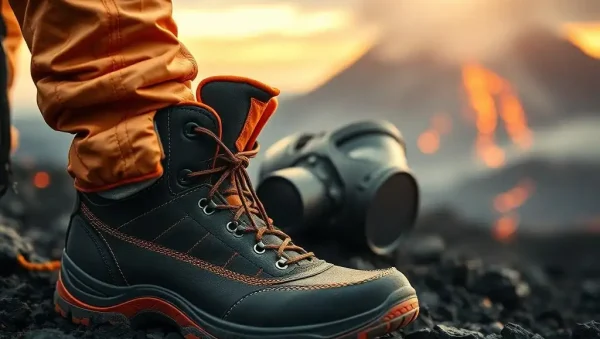
Regular hiking boots are inadequate. Volcanic rock is razor-sharp and can cut through standard soles, while heat from lava flows melts rubber adhesives. Choose boots with lugged, heat-resistant soles (rated to at least 150°C), ankle support for unstable slopes, and reinforced toe caps to protect against falling debris.
Use a disposable filter over each lens and seal camera bodies with waterproof, breathable cases. Avoid changing lenses in open air; instead, use a dust-free changing bag. After each session, gently brush off ash with a soft brush, then use a blower—never wipe ash, as its sharp particles scratch surfaces. Keep sensor cleaning kits handy.
GPS can be unreliable near volcanic vents due to magnetic anomalies and dense gas plumes that disrupt signals. Always carry topographical maps and a compass as primary tools. Modern multi-band receivers improve accuracy, but verify your route with visual landmarks and pre-marked waypoints before relying solely on triangulation.
For a single-day excursion, pack a 30-40 liter backpack with 3 liters of water, high-energy snacks, a full respiratory mask, goggles, gloves, a headlamp, a compact first-aid kit, a multi-tool, an emergency blanket, and a phone with offline maps. Additionally, wear layered clothing and bring rain protection, as sudden weather shifts are common.