Volcano Travel Backpacks and Luggage: Buyer's Guide
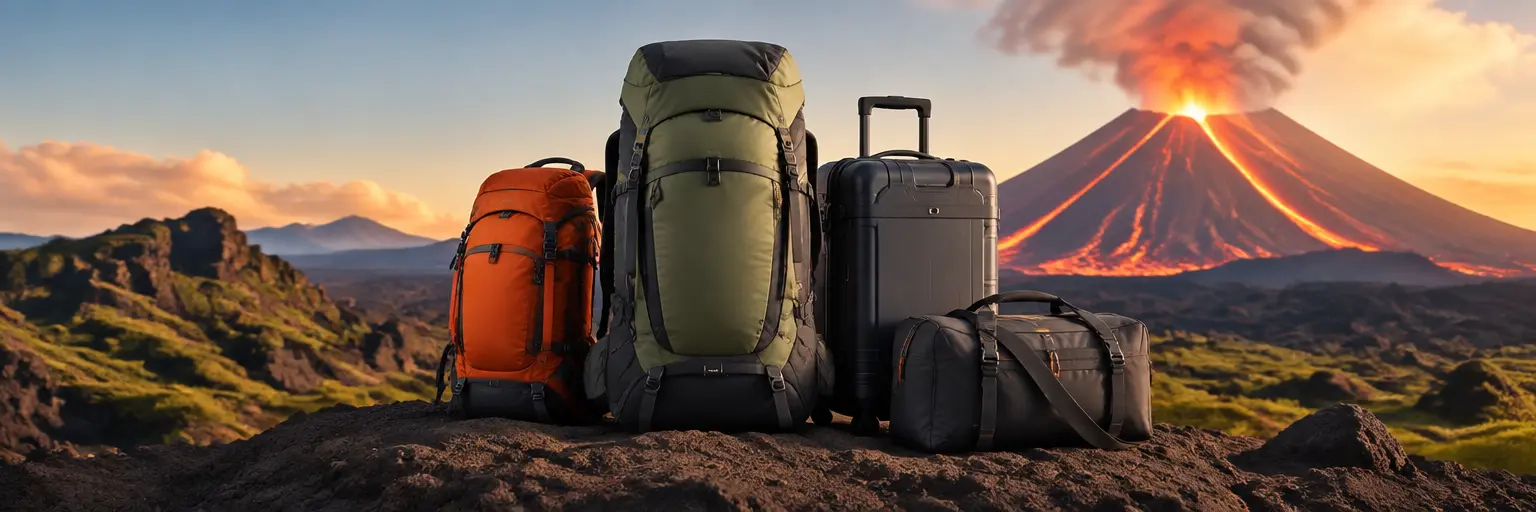
When your adventure leads you to the rugged slopes of an active volcano, your gear must be as resilient as the terrain. This buyer's guide focuses on the specialized backpacks and luggage engineered for volcanic expeditions, where abrasive ash, sharp basalt, and intense heat are the norm. We help you select the right pack for summit treks, base camp setups, or multi-day volcano hopping, ensuring your equipment survives the harsh environment.
🌋 Key Materials and Durability for Volcanic Terrain
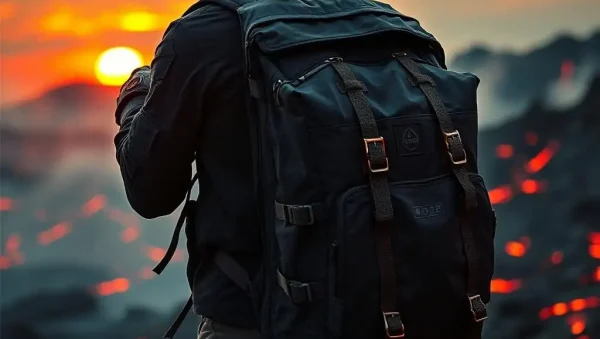
Volcanic rock and ash are brutally abrasive, wearing down ordinary fabrics quickly. Look for backpacks made from high-denier nylon (e.g., 1000D Cordura) or ripstop polyester with a reinforced base. These materials resist tearing against sharp lava edges and minimize abrasion from coarse ash. Additionally, seek packs with water-resistant coatings or dry-bag compartments, as volcanic regions often experience sudden rain or steam vents that can soak your gear.
Heat resistance is non-negotiable, especially when setting your pack down near fumaroles or warm rock surfaces. Ensure the bottom of your backpack has a heat-shielded layer or a raised frame to avoid melting. Also, consider zippers and buckles made from metal or heat-resistant plastic—standard clips can warp under intense sunlight on barren lava fields. A durable pack is your first line of defense against the unpredictable volcanic environment.
🎒 Backpack Types: Daypacks, Frameless, and Multi-Day Options
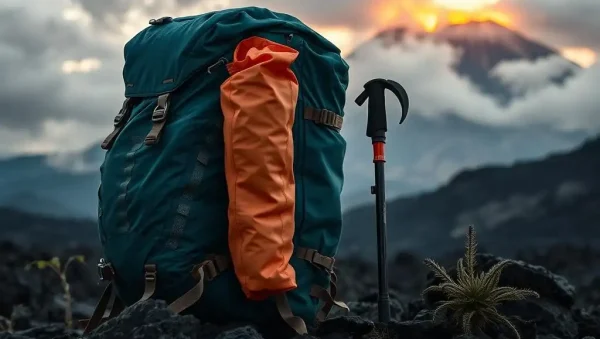
For a quick sunrise summit hike, a 20-30 liter daypack with a hydration reservoir and breathable back panel is ideal. It should have external straps for a helmet or trekking poles, since volcanic slopes are often steep and loose. Choose a pack with an adjustable sternum strap and load lifters to keep the weight stable when scrambling over uneven lava flows.
For longer expeditions, a 45-70 liter framed backpack distributes heavy loads (camera gear, climbing ropes, extra water) efficiently. A suspended mesh back panel keeps your spine cool in volcanic deserts, while a removable rain cover protects against ash storms. Frameless packs are lighter but only suit minimalist trips where you carry less than 10kg, perfect for volcanologists who need hands-free mobility during fieldwork.
🧳 Luggage Solutions: Wheeled vs. Duffel Bags for Volcano Travel
If your journey includes flights or base camp logistics, a rugged duffel bag (70-100 liters) is the best choice. Look for one with heavy-duty zippers, a water-resistant tarpaulin base, and multiple reinforced handles. Duffels are easy to slide into overhead bins on small planes and can be strapped to pack animals or Jeeps when heading to remote volcano trails.
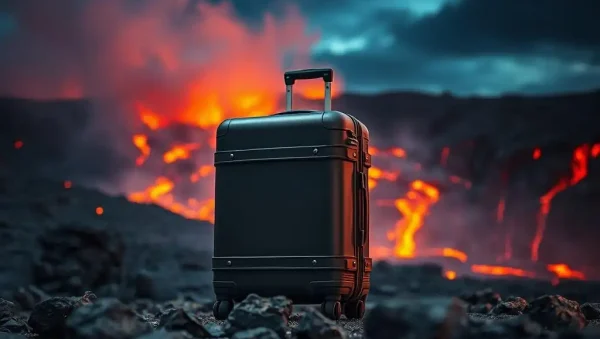
Wheeled luggage is only recommended for smooth airport surfaces and hotel transfers—not for gravel paths around volcanic craters. However, hybrid options exist: a wheeled duffel with hideable straps that converts to a backpack. This is perfect for volcano explorers who mix city stays with rough terrain. Always choose wheels with large, rubberized bearings to handle dusty, uneven ground without locking up.
🛡️ Essential Features: Ash Protection, Straps, and Organization
Volcanic ash is like fine sand that infiltrates every seam. Ensure your backpack has YKK waterproof zippers or at least storm flaps. Consider a pack with an integrated rain cover that also doubles as an ash cover. Internal organization is crucial: separate compartments for your gas mask, goggles, and rock samples. Expandable side pockets are handy for water bottles or a small shovel.
Security and comfort go hand in hand. A hip belt with gear loops allows attachment of carabiners and small pouches, keeping your hands free. Look for load lifters and a sternum strap with a whistle buckle. Also, test the shoulder straps’ padding under load—volcano hikes can last 8+ hours, and pressure points can ruin your focus. Anti-microbial fabrics also help reduce odor after sweaty ascents.
📦 Sizing, Fit, and Packing Strategies for Volcano Expeditions
Getting the right torso length is vital. Most brands offer multiple sizes (S/M/L), so measure your back from C7 vertebra to iliac crest. A long torso on a small pack causes poor weight transfer, while a short torso on a large pack leads to hip belt discomfort. Always test with a weighted load at the store—simulate 10-15 kg to see how the harness settles.
Packing strategy matters more than size. Place dense items (e.g., climbing hardware) vertically near your spine, with lighter gear (sleeping bag) at the bottom. Use compression sacks for clothes to free up space. On the outside, attach your helmet via an externally bungee system. Remember that volcanic expeditions often require quick access to your first-aid kit—store it in the top lid pocket, not buried deep.
🧰 Maintenance and Care for Volcanic-Grade Gear
After every expedition, clean zippers and buckles with a dry brush to remove abrasive ash. Never machine wash a technical backpack—use a damp cloth and mild soap. Treat the fabric with a seam-sealing spray (like Nikwax) to restore waterproofing. Periodically check for wear at stress points, especially where the frame meets the hip belt.
Store your backpack away from direct sunlight and extreme heat, as UV rays degrade nylon over time. If you’ve been near sulfurous fumaroles, air out the pack thoroughly to avoid acidic corrosion on metal parts. Lubricate zipper tracks with a silicone spray quarterly. Proper care ensures your investment lasts for many volcanic adventures, saving you money and preventing gear failure at critical moments.
Frequently Asked Questions
What is the best backpack capacity for a day trip to a volcano?
A 20-30 liter daypack is optimal. It holds 3 liters of water, snacks, a camera, and extra layers for sudden temperature changes. Choose one with external attachment points for a trekking pole and helmet. A hydration reservoir is highly recommended. Ensure it has a reinforced bottom to withstand hot rocks when you set it down.
Can I use a regular hiking backpack on a volcano?
Yes, but it’s risky. Standard packs lack abrasion-resistant fabrics and heat shielding, so straps and bases may wear out quickly. You can temporarily reinforce the bottom with duct tape and add a rain cover to minimize ash ingress. However, for repeated volcano travel, investing in a purpose-built pack is safer and more durable.
How do I protect my luggage from volcanic ash during transport?
Use a zippered duffel with an internal dry bag for clothes. Wrap electronic devices in plastic bags. Alternatively, insert your duffel inside a large garbage bag before loading onto vehicles. After travel, brush off ash immediately—it’s hygroscopic and can cause corrosion if left wet. Also, keep luggage off the ground on a tarp.
Are wheeled backpacks suitable for volcano trekking?
Only for airport-to-hotel segments. On volcanic trails, wheels get jammed with loose rocks and ash. Instead, opt for a hybrid duffel with backpack straps. If you need wheels, choose large, rubber-tired models and pull slowly. Never rely on wheels for summit approaches—stash them in your car or at base camp before hiking.
What features should I prioritize for hiking near active craters?
Prioritize heat resistance at the base, a sealed main compartment (to block gases), and easy access to your respirator. Metal buckles are preferable over plastic. Also, a bright color (orange or red) helps rescuers spot you in low visibility. Finally, ensure your pack can hold a small gas mask and a thermal blanket for emergency escape.