Best Cameras and Equipment for Volcano Photography
Welcome to the ultimate guide for capturing the raw, molten power of the Earth. Choosing the right gear for volcano photography is not just about image quality—it’s about surviving harsh environments while securing once-in-a-lifetime shots. From heat-resistant housings to low-light sensors, this subcategory covers everything you need to safely and effectively photograph active craters, lava flows, and ash plumes. Whether you’re a professional or an enthusiast, our expert recommendations balance durability, optical performance, and portability for the most demanding volcanic terrains on the planet.
🌋 Top Camera Bodies for Extreme Heat & Dust
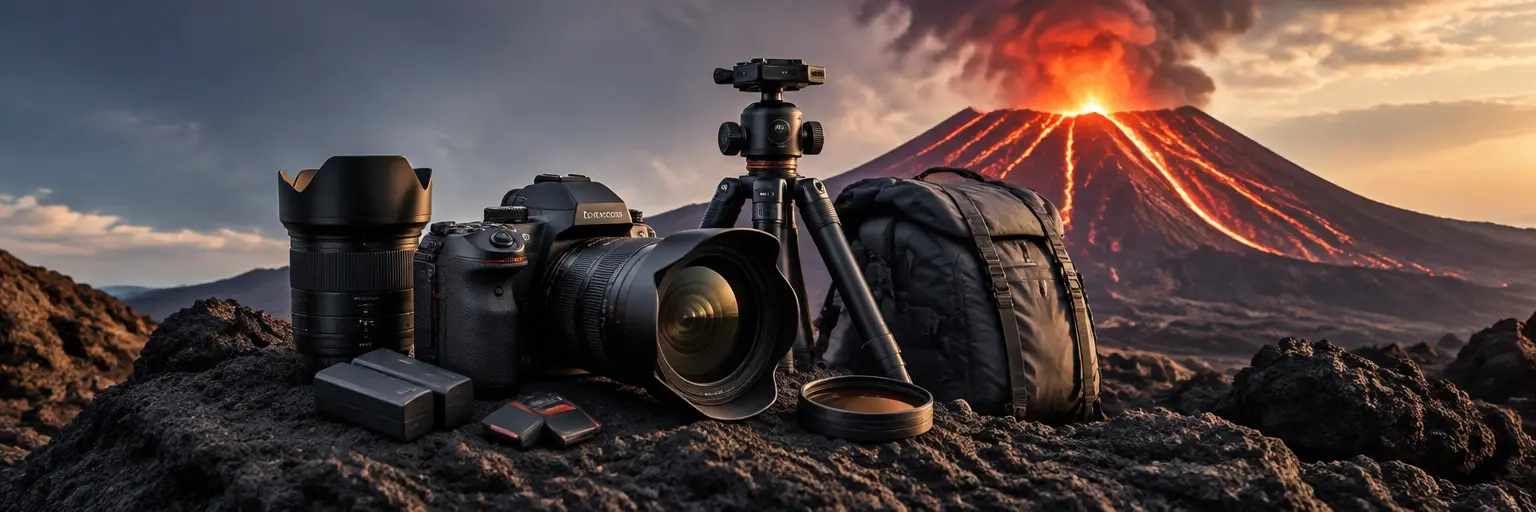
Your camera body must withstand volcanic ash, sulfuric gases, and extreme temperature swings. We highly recommend weather-sealed mirrorless or DSLR bodies like the Canon EOS R5, Sony A7R V, or Nikon Z8, which offer robust magnesium alloy frames and sealing against fine particles. For budget-conscious adventurers, the Fujifilm X-T5 provides similar resilience in a lighter package. Look for cameras with mechanical shutters to avoid sensor overheating during prolonged lava viewing.
Equally critical is sensor performance at twilight and dawn, when volcanic glow contrasts sharply with dark rock. A full-frame sensor with high dynamic range, like the 45MP sensor in the Nikon Z8, lets you capture both glowing lava and shadowy terrain in a single frame. Avoid compact point-and-shoots; their sensors overheat quickly and lack manual controls needed for long exposures. Remember to bring multiple batteries, as cold ash can drain power fast, and always carry a rocket blower to clear dust from the sensor between shots.
🔥 Lenses That Capture Lava Detail & Wide Landscapes
For volcano photography, a versatile zoom lens is your best friend. Our top pick is the Canon RF 24-70mm f/2.8L or Sony FE 24-70mm f/2.8 GM II, offering wide angles for epic landscapes and moderate telephoto for crater details. For close-up lava textures, the Sigma 14mm f/1.8 DG HSM Art lets you capture glowing rivulets with beautiful bokeh. If you need reach, the Sony FE 70-200mm f/2.8 GM OSS II is ideal for shooting ash plumes from a safe distance.
Wide-angle lenses with f/2.8 or faster apertures are essential for low-light conditions around lava, but also consider a macro lens (60mm or 100mm) for extreme detail like cooling lava folds or pahoehoe ropes. Always use a UV filter to protect the front element from acidic ash, and carry a lens pen for quick cleaning. For night shots, prime lenses with f/1.4 or f/1.8 let you keep ISO low while freezing the movement of flowing lava. Test your lenses in humid, windy conditions before your trip to ensure they don’t fog internally.
🛡️ Essential Filters & Protective Gear
Neutral density (ND) filters are non-negotiable for volcano photography, especially for daylight lava flows. A 10-stop ND filter (e.g., Lee Big Stopper) transforms roaring red rivers into silky, ethereal streams. Additionally, a circular polarizer reduces glare on wet rock and enhances the deep contrast of volcanic glass. However, avoid glass filters near extremely active vents; acidic aerosol can etch them permanently. Instead, use a clear protective filter that you can replace cheaply if damaged.
Protecting your optics from abrasive ash is crucial. Use a weather-sealed camera cover like the Think Tank Hydrophobia, or a simple rain sleeve with elastic openings. For lens bodies, keep lens caps on whenever possible and use a UV filter with a hydrophobic coating to repel ash and moisture. Also, carry a compressed air duster with a soft brush attachment for immediate cleaning. Never wipe dry ash off the glass—always use a blower first to avoid scratches. For your own safety, wear nitrile gloves while changing lenses, as volcanic ash is abrasive to both skin and camera internals.
📸 Tripods, Monopods & Remote Triggers
Long exposures of lava flows require rock-solid support. The Gitzo Mountaineer Series 1 or Benro Mach3 carbon-fiber tripods offer the stiffness and corrosion resistance needed on volcanic rocks. Carbon fiber is lighter and won’t conduct heat from hot ground like aluminum. Pair your tripod with a ball head that has friction control (e.g., Really Right Stuff BH-40) to prevent sudden drops. For close-to-ground shots, a mini tripod like the Joby GorillaPod 5K gives flexibility on uneven lava fields.
Remote triggers are essential for avoiding camera shake and for safety when fireside. Use a wired remote (Shutter Release Cable) or a wireless intervalometer like the Vello ShutterBoss to capture timed sequences of eruptions. For selfies or group shots, a smartphone app-controlled trigger (e.g., Canon Camera Connect or Sony Imaging Edge) works fine. But for videography of flowing lava, a motion time-lapse slider adds cinematic smoothness. Always set your tripod on a stable, non-flammable surface and weigh it down with a hook bag filled with rocks—never hang your camera bag off the hook if you are near heat.
🧤 Safety Accessories & Bags for Volcanic Terrain
Volcano photography demands specialized carrying solutions. The Lowepro Whistler BP 450 AW II is a rugged backpack with a built-in rain cover and padded compartments that protect against ash infiltration. For quick access, a Think Tank Photo Airport Commuter is ideal, but add a custom-cut foam insert for lenses. Also, invest in heat-resistant neoprene sleeves to wrap around your camera when not in use. For your tripod, use a tripod bag with straps that attach to your backpack, keeping hands free for balance on loose scree.
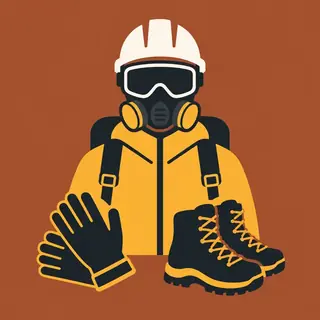
Beyond gear, safety is paramount. Always wear closed-toe boots with thick soles (like Hiking boots rated for volcanic rock) and heat-resistant gloves that can handle temperatures up to 300°C (570°F) if you must touch near old lava. Carry a portable gas mask with filters rated for sulfur dioxide (SO2) and particulate matter, especially when downwind of vents. Keep a portable fire extinguisher in your vehicle, and never set up your tripod on or below unstable lava mounds. Lastly, pack a first-aid kit with burn cream, and always inform local volcano observatories of your photography location and time frame.
Frequently Asked Questions
What is the best camera for beginners in volcano photography?
For beginners, the Fujifilm X-T30 II or Canon EOS R50 offer excellent lightweight builds with weather sealing. Their APS-C sensors perform well in low light, and available lens options like the Fujifilm 18-55mm f/2.8-4 provide versatility without breaking the bank. Use Auto mode to start, then experiment with manual exposure.
How do I protect my camera from volcanic ash and gas?
Use a transparent camera rain cover or a dedicated ash-proof housing to shield the body and lens. Avoid changing lenses in open air—use a ziplock bag with a small opening. After each session, gently blow off ash with a blower and wipe with a microfiber cloth dampened with distilled water.
What shutter speed is ideal for capturing lava movement?
For sharp liquid lava, use a shutter speed of 1/1000s to freeze motion. For silky, flowing streams, switch to 0.5-2 seconds with a tripod and low ISO (100-400). For ash plumes, 1/500s works well. Always use aperture priority with spot metering on lava.
Can I use a regular drone to film volcanoes?
Yes, but many active volcanoes are in restricted airspace. Use a DJI Mavic 3 Enterprise or Autel EVO II with heat-resistant propellers, and check local law. Keep a safe altitude and avoid flying over lava lakes due to rising thermals. Always fly with a spotter for debris.
What is the most essential accessory for volcano photography?
A high-quality UV filter with a hydrophobic coating is the single most important accessory. It protects the lens from acidic ash and scratches while allowing easy cleaning. Additionally, bring extra batteries, as cold ash reduces battery life by up to 50%.