
Kids and Volcanoes: AgeAppropriate Protective Gear for Young Explorers

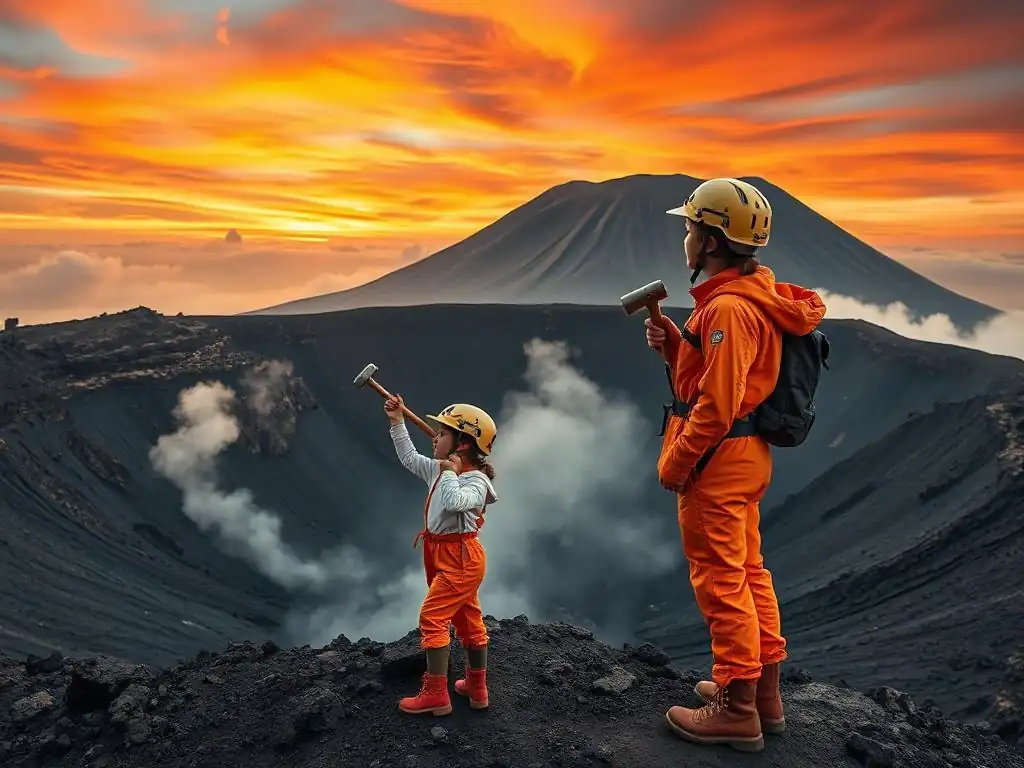
Welcome to Volcano Explorers, where the Earth breathes fire and adventure awaits! Ever wondered how to safely introduce your young adventurers to the raw power of a volcano? Dive into our latest article where we unearth the essential protective gear for kids venturing into volcanic landscapes. But that's just the beginning... what hidden dangers lurk beneath the ash, and how can you truly prepare your little explorers for the experience of a lifetime?
- Ensuring a Safe and Educational Volcano Adventure for Children
- Why Protective Gear is Crucial for Kids Visiting Volcanoes
-
Essential Protective Gear for Kids Volcano Exploration
- Respiratory Protection: Kids' Volcano Ash Masks and Respirators
- Eye Protection: Safety Glasses and Goggles for Young Volcano Explorers
- Skin Protection: Sunscreen, Hats, and Appropriate Clothing for Volcanic Climates
- Footwear: Sturdy Hiking Boots for Kids' Volcanic Adventures
- Head Protection: Lightweight Helmets for Rockfall Protection
- Additional Safety Gear and Considerations for Kids' Volcano Trips
- Real-World Examples: Case Studies of Safe Volcano Exploration with Kids
- Conclusion: Making Volcano Exploration Safe and Enjoyable for Kids
-
Frequently Asked Questions
- What type of eye protection is recommended for kids visiting volcanic areas?
- What kind of respiratory protection should children use near volcanoes?
- Is specialized clothing necessary for kids exploring volcanoes?
- Are there specific footwear recommendations for volcanic terrain for kids?
- Besides gear, what other safety precautions should parents take with kids around volcanoes?
- Final Reflection: Empowering Young Explorers Safely
- Unearth Your Little Explorer's Inner Volcanologist!
Ensuring a Safe and Educational Volcano Adventure for Children
Volcanoes, with their raw power and geological significance, offer an unparalleled educational opportunity for children. Witnessing these natural wonders firsthand can spark a lifelong interest in science and the environment. However, the unique environment surrounding volcanoes also presents specific hazards that require careful consideration, especially when bringing young explorers.
Ensuring a safe and enriching experience necessitates equipping children with age-appropriate protective gear, allowing them to explore these fascinating landscapes without undue risk. This article will guide parents and educators on selecting the right protective gear for kids visiting volcanoes, turning a potentially dangerous outing into a safe and unforgettable adventure.
Why Protective Gear is Crucial for Kids Visiting Volcanoes
Understanding Volcanic Hazards: A Kid-Friendly Explanation
Volcanoes are dynamic geological features, and their beauty is intertwined with inherent risks. For children, understanding these risks is the first step in appreciating the importance of protective gear. Imagine a volcano as a giant sleeping dragon that occasionally breathes out smoke, ash, and sometimes even fiery rocks. This "breath" can contain harmful gases like sulfur dioxide, which can irritate the eyes and lungs.
Volcanic ash, although seemingly soft, is made of tiny pieces of rock and glass that can be abrasive to the skin and dangerous to inhale. Furthermore, volcanic landscapes often feature uneven terrain, loose rocks, and steep slopes, increasing the risk of slips, trips, and falls. Educating children about these hazards in an age-appropriate manner, perhaps using analogies and visual aids, will help them understand why wearing protective gear is not just a rule, but a crucial part of volcano exploration.
Age-Specific Risks and Protective Measures
Children, due to their smaller size and developing bodies, are often more vulnerable to environmental hazards than adults. Their respiratory systems are still developing, making them more susceptible to the effects of volcanic gases and ash inhalation.
Younger children, especially toddlers and preschoolers, may have difficulty understanding and following safety instructions, requiring even more vigilant supervision and robust protective measures. For instance, a toddler might instinctively rub their eyes if they get ash in them, increasing the risk of corneal abrasion, highlighting the importance of well-fitting goggles.
Older children, while more capable of understanding instructions, might be more prone to overconfidence and risk-taking, necessitating clear communication about the importance of adhering to safety guidelines and wearing all protective gear correctly throughout the volcano visit. Therefore, selecting protective gear that is not only effective but also age-appropriate in terms of fit, comfort, and ease of use is paramount for ensuring children's safety and cooperation during volcano explorations.
Essential Protective Gear for Kids Volcano Exploration
Respiratory Protection: Kids' Volcano Ash Masks and Respirators
Choosing the Right Mask: Fit, Filtration, and Comfort
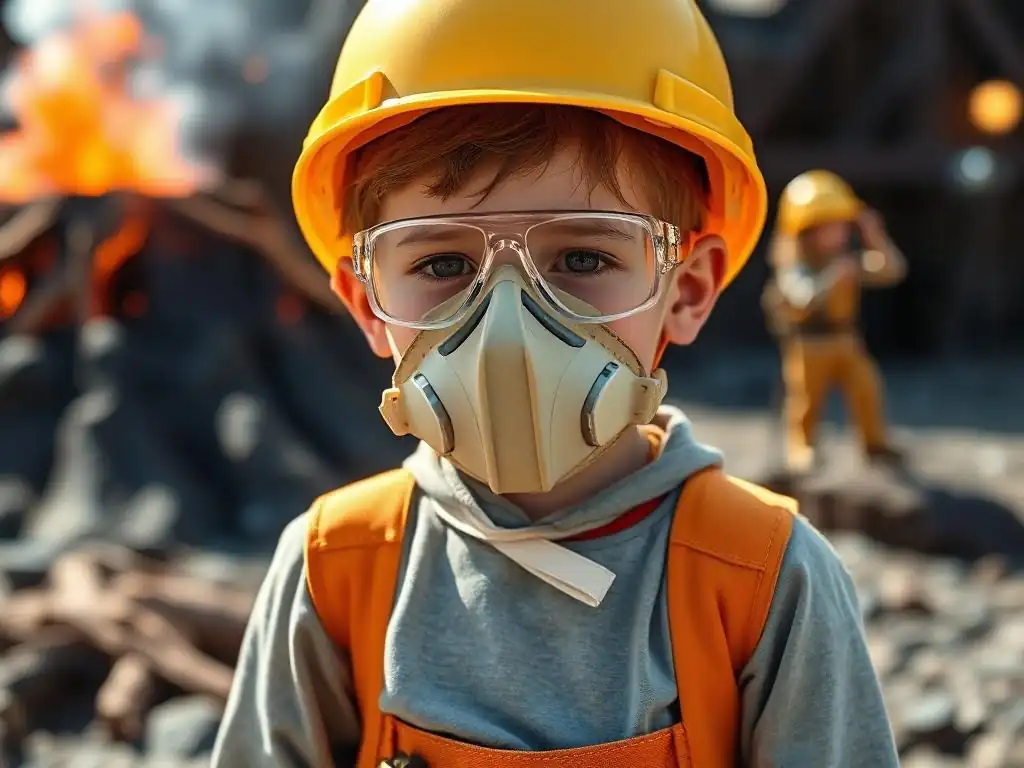
Protecting children's respiratory systems from volcanic ash and gases is paramount. Volcanic ash particles are very fine and can easily penetrate the lungs, causing irritation and respiratory problems, especially for children with pre-existing conditions like asthma. When choosing a mask, fit is the most critical factor. A mask that is too large will not create a proper seal around the face, allowing ash and gases to leak in.
Conversely, a mask that is too tight can be uncomfortable and may discourage children from wearing it consistently. Look for masks specifically designed for children, which typically come in smaller sizes and feature adjustable straps to ensure a snug but comfortable fit. Comfort is also key; breathable materials and designs that minimize heat buildup will make it more likely for children to keep their masks on throughout the excursion.
Understanding P100 vs. N95 Filters: What's Best for Volcanic Ash?
For effective protection against volcanic ash, masks should ideally be equipped with filters capable of capturing very fine particles. While N95 masks are commonly recommended for general particulate filtration, P100 filters offer a higher level of protection.
N95 filters are designed to block at least 95% of airborne particles that are 0.3 microns or larger, while P100 filters block at least 99.97% of particles of 0.3 microns and larger and are also more resistant to oil-based particles, although this is less relevant for volcanic ash. For volcano visits, especially in areas with significant ashfall or volcanic gas presence, P100 filters may offer an extra margin of safety for children, particularly those with respiratory sensitivities.
However, N95 masks are still significantly better than surgical masks or cloth masks, which provide minimal protection against fine volcanic ash particles. Ensure the chosen mask is certified by NIOSH (National Institute for Occupational Safety and Health) or a similar reputable organization to guarantee its filtration effectiveness.
Eye Protection: Safety Glasses and Goggles for Young Volcano Explorers
Protecting Against Ash and UV Rays: Choosing the Right Lens
Eye protection is just as crucial as respiratory protection during volcano visits. Volcanic ash is abrasive and can cause corneal abrasions if it gets into the eyes. Furthermore, high altitudes and volcanic landscapes often have increased UV radiation levels, which can be harmful to children's eyes, which are more sensitive to UV damage than adult eyes. When selecting eye protection for kids, consider both safety glasses and goggles.
Safety glasses offer basic protection against larger particles and impacts but may leave gaps around the eyes, allowing fine ash to enter. Goggles, on the other hand, provide a more complete seal around the eyes, offering superior protection against fine ash and volcanic gases. Lenses should be made of polycarbonate, which is impact-resistant and provides UV protection. Look for lenses with UV400 rating or that block 100% of UVA and UVB rays.
Fog-Resistant Options: Maintaining Clear Vision in Volcanic Environments
Maintaining clear vision is critical for safety, especially on uneven volcanic terrain. Fogging of lenses can be a significant issue, particularly when hiking in varying temperatures or during physical activity. Fogging can be exacerbated by masks, as exhaled breath can be directed upwards towards the eyewear. Therefore, choosing fog-resistant safety glasses or goggles is highly recommended.
Many manufacturers offer eyewear with anti-fog coatings. These coatings are designed to prevent condensation from forming on the lenses, ensuring clear vision even in challenging conditions. Alternatively, anti-fog sprays or wipes can be used to treat non-fog-resistant eyewear, but these may require reapplication throughout the day. Ensuring children have clear vision not only enhances their safety but also allows them to fully appreciate the volcanic landscape and the educational experience.
Skin Protection: Sunscreen, Hats, and Appropriate Clothing for Volcanic Climates
Sunscreen: Protecting Young Skin from Intense UV Radiation
Volcanic environments, often located at higher altitudes and with less atmospheric filtering, can expose children to intense ultraviolet (UV) radiation. Children's skin is more sensitive to sun damage than adult skin, making sunscreen application a non-negotiable aspect of protective gear for kids volcano exploration. Use a broad-spectrum sunscreen with an SPF of 30 or higher. Broad-spectrum means it protects against both UVA and UVB rays.
Apply sunscreen liberally to all exposed skin at least 20 minutes before going outdoors, and reapply every two hours, or more frequently if swimming or sweating. Pay particular attention to often-missed areas like the ears, neck, and the backs of hands. Even on cloudy days, UV rays can penetrate clouds, so sunscreen is necessary regardless of the weather conditions.
Protective Clothing: Long Sleeves, Pants, and Hats for Volcano Exploration
Beyond sunscreen, appropriate clothing provides a physical barrier against UV radiation, volcanic ash, and potential abrasions. Long-sleeved shirts and long pants made of tightly woven fabrics offer excellent sun protection and can also protect against scratches from vegetation or sharp rocks on volcanic trails. Choose lightweight, breathable fabrics to prevent overheating, especially in warmer volcanic climates. A wide-brimmed hat is essential to protect the face, ears, and neck from the sun.
Baseball caps offer some protection but leave the ears and neck exposed. Consider hats with a UPF (Ultraviolet Protection Factor) rating for enhanced sun protection. Dark-colored clothing generally provides better UV protection than light-colored clothing. Dressing children in layers allows for adjustments based on changing weather conditions and activity levels, ensuring they remain comfortable and protected throughout their volcano adventure.
Footwear: Sturdy Hiking Boots for Kids' Volcanic Adventures
Ankle Support and Traction: Choosing the Right Hiking Boots
Volcanic landscapes are often characterized by uneven terrain, loose rocks, and potentially slippery surfaces. Appropriate footwear is crucial for preventing ankle injuries, slips, and falls. Sturdy hiking boots that provide good ankle support and traction are essential for kids' volcano explorations. Look for boots with high-cut ankles that offer stability and support, reducing the risk of sprains. Outsoles should have deep lugs or treads to provide good grip on loose gravel, volcanic rock, and potentially muddy trails. Consider boots made of waterproof or water-resistant materials to keep feet dry, especially in unpredictable weather conditions or if crossing streams.
Breaking in New Boots: Preventing Blisters and Discomfort
New hiking boots, even well-fitting ones, can cause blisters if worn for extended periods without being properly broken in. It is crucial to break in new hiking boots before a volcano trip to prevent discomfort and blisters that can ruin a child's experience. Have children wear their new hiking boots around the house for short periods initially, gradually increasing the wear time and distance walked each day. Encourage them to wear hiking socks with the boots during the break-in period, as the socks they will wear on the volcano trip.
If any pressure points or rubbing areas develop, address them immediately. Moleskin or blister bandages can be applied to these areas to prevent blisters from forming. Properly broken-in boots will significantly enhance comfort and prevent foot problems, allowing kids to focus on enjoying their volcano adventure.
Head Protection: Lightweight Helmets for Rockfall Protection
Choosing a Properly Fitted Helmet: Safety First
While not always necessary on all volcano visits, head protection in the form of a lightweight helmet is advisable in areas with potential rockfall hazards, particularly near steep cliffs or unstable slopes. Volcanic rock can be loose and prone to dislodgement, and even small rocks falling from a height can cause serious head injuries. If the volcano exploration involves hiking in areas with such risks, a lightweight helmet designed for hiking or climbing can provide an important layer of protection.
The most critical aspect of helmet use is ensuring a proper fit. A helmet that is too large or too small will not provide adequate protection. Choose a helmet specifically designed for children, which will typically come in smaller sizes and have adjustable straps and padding to ensure a snug and secure fit.
The helmet should sit level on the head and cover the forehead. Teach children how to properly adjust their helmet and emphasize the importance of wearing it correctly whenever instructed.
Additional Safety Gear and Considerations for Kids' Volcano Trips
Hydration Packs and Water Bottles: Staying Hydrated in Arid Environments
Volcanic environments can be arid and dehydration is a significant risk, especially for children who may not recognize thirst cues as readily as adults. Carrying sufficient water is paramount. Hydration packs are an excellent option for kids as they allow for hands-free hydration and typically carry a larger volume of water than individual water bottles. Ensure the hydration pack is appropriately sized for the child and that they understand how to use the drinking tube effectively.
Alternatively, sturdy, reusable water bottles are also suitable. Encourage children to drink water regularly throughout the volcano visit, even if they don't feel thirsty. Electrolyte drinks can also be beneficial, especially during strenuous hikes or in hot weather, to replenish electrolytes lost through sweat.
First-Aid Kit: Essential Supplies for Minor Injuries
Minor injuries like scrapes, cuts, insect bites, and blisters are common during outdoor activities, including volcano explorations. Carrying a well-stocked first-aid kit is essential for addressing these minor medical issues promptly. A kid-friendly first-aid kit should include items such as antiseptic wipes, adhesive bandages of various sizes, blister bandages (moleskin), pain relievers (acetaminophen or ibuprofen appropriate for children's ages), antiseptic ointment, insect repellent, and any personal medications the child requires (like an asthma inhaler or allergy medication).
Ensure that at least one adult in the group is familiar with basic first-aid procedures and knows how to use the items in the kit. Regularly check the kit to ensure supplies are replenished and not expired.
Communication: Walkie-Talkies for Staying Connected
In areas with limited or no cell phone service, which is often the case in remote volcanic locations, walkie-talkies can be invaluable for maintaining communication within a group, especially when exploring with children. Walkie-talkies allow for easy communication between parents and children, particularly if the group gets separated on trails or during exploration. Choose walkie-talkies with a decent range and ensure they are fully charged before the volcano trip.
Teach children how to use the walkie-talkies and establish clear communication protocols, such as designated channels and call signs. Walkie-talkies can provide an added layer of safety and peace of mind, especially when exploring larger volcanic areas or when children want to explore a little ahead while staying within a safe distance.
Real-World Examples: Case Studies of Safe Volcano Exploration with Kids
The [Family Name] Family's Adventure on Mount [Volcano Name]: A Lesson in Preparedness
The Miller family, avid hikers with two children aged 8 and 10, recently embarked on a memorable and safe volcano exploration to Mount St. Helens National Volcanic Monument in Washington State, USA. Knowing the potential hazards of volcanic environments, they meticulously planned their trip, prioritizing protective gear for their children. They equipped their kids with properly fitted N95 masks and goggles to protect against volcanic ash, even though Mount St. Helens is not currently actively erupting, mindful of the ash remnants in the area.
The children wore long-sleeved shirts, pants, wide-brimmed hats, and sunscreen to shield themselves from the sun and potential skin abrasions. Crucially, they invested in sturdy, broken-in hiking boots for the whole family, preventing any foot discomfort during their 5-mile hike on the Eruption Trail. Mrs. Miller packed a comprehensive first-aid kit and ensured everyone had hydration packs filled with water.
Throughout their hike, they emphasized safety guidelines to their children, making it an educational and enjoyable experience. Their preparedness ensured a smooth and incident-free adventure, demonstrating how thoughtful planning and the right protective gear can enable families to safely explore volcanic wonders.
Learning from Mistakes: Avoiding Common Pitfalls in Volcano Safety
While preparedness is key, sometimes mistakes happen. The Johnson family's visit to Volcanoes National Park in Hawaii serves as a cautionary tale about the importance of consistent protective gear use. Initially, they were diligent in ensuring their children, aged 6 and 12, wore their ash masks and goggles while exploring the Kilauea Iki Crater trail.
However, as the hike progressed and the air seemed clear, the older child, feeling overheated, removed his mask and goggles without his parents' immediate notice. Shortly after, he started coughing and complaining of eye irritation due to the subtle but still present volcanic gases and fine ash particles stirred up by wind and other hikers.
This incident served as a stark reminder that volcanic hazards, even seemingly minor ones, can still pose risks, and protective gear should be worn consistently throughout the volcano visit, regardless of perceived immediate danger levels. The Johnson family learned a valuable lesson about the importance of continuous vigilance and reinforcing the necessity of protective gear to children, even when they might feel tempted to remove it due to discomfort.
Conclusion: Making Volcano Exploration Safe and Enjoyable for Kids
Emphasizing the Importance of Preparation and Education
Exploring volcanoes with children can be an incredibly rewarding and educational experience, fostering a love for science and nature. However, it is crucial to remember that safety must always be the top priority. Equipping children with age-appropriate protective gear, ranging from respiratory masks and eye protection to sturdy footwear and sun protection, is not just a recommendation, but a necessity for mitigating the inherent risks associated with volcanic environments.
Beyond gear, education plays a vital role. Involving children in the planning process, explaining the volcanic hazards in an understandable way, and teaching them how to use their protective gear correctly empowers them to become active participants in their own safety. By combining thorough preparation, appropriate protective gear, and effective education, parents and educators can ensure that kids' volcano explorations are not only safe but also deeply enriching and enjoyable, creating lasting memories and igniting a passion for scientific discovery.
Frequently Asked Questions
What type of eye protection is recommended for kids visiting volcanic areas?
Goggles are crucial. They provide a sealed barrier against ash, dust, and fumes, offering better protection than regular sunglasses. Look for goggles with a comfortable fit and UV protection.
What kind of respiratory protection should children use near volcanoes?
A properly fitted N95 or P100 respirator is essential to filter out harmful particles. Ensure it fits snugly on the child's face and that they know how to use it. Consider a child-sized respirator for better comfort and effectiveness.
Is specialized clothing necessary for kids exploring volcanoes?
While not always essential, long-sleeved shirts and pants offer protection from sun exposure and potential minor burns from hot surfaces. Choose lightweight, breathable fabrics that are easy to clean. Consider flame-resistant clothing if close proximity to lava is expected.
Are there specific footwear recommendations for volcanic terrain for kids?
Sturdy, closed-toe shoes or hiking boots with good ankle support are crucial. They protect against uneven terrain, hot rocks, and potential injuries. Ensure the shoes have thick soles for insulation.
Besides gear, what other safety precautions should parents take with kids around volcanoes?
Maintain a safe distance from active vents and unstable areas. Stay informed about current volcanic activity and heed all warnings from authorities. Always carry water, snacks, and a first-aid kit.
Final Reflection: Empowering Young Explorers Safely
The journey of discovery, especially when it involves the raw power of nature like volcanoes, is a fundamental part of childhood. Ensuring that children can explore these wonders safely is not just a matter of practicality, but a testament to our commitment to fostering their curiosity and resilience. By prioritizing age-appropriate protective gear, we empower them to engage with the world without unnecessary risk, laying the foundation for a lifetime of learning and adventure.
The impact of providing proper protective gear extends far beyond the immediate experience. It shapes a child's perception of risk, responsibility, and the importance of preparedness. This article underscores the vital role we play in nurturing a generation that is both adventurous and safety-conscious. The best way to predict the future is to create it.
- Peter Drucker. This quote resonates deeply, reminding us that by equipping children with the right tools and knowledge, we are actively shaping their future and their ability to navigate the world with confidence.
Now, consider the lessons we've explored. How can you, in your own sphere of influence, champion the cause of safe exploration? Whether you're a parent, educator, or simply an advocate for children's well-being, take the initiative to promote the use of appropriate protective gear. Encourage informed decisions, prioritize safety education, and remember that by protecting our young explorers, we are investing in a brighter, more adventurous future for all.
Okay, I'm ready to craft a Call to Action (CTA) for the end of a web article titled "Kids and Volcanoes: AgeAppropriate Protective Gear for Young Explorers" for the website "Volcano Explorers" with the domain "volcanoexplorers.org". Here's a CTA designed to fit your specifications:
Unearth Your Little Explorer's Inner Volcanologist!
Thank you for diving into the world of volcano exploration with your kids! We hope you found valuable insights into keeping your young adventurers safe and prepared. Now, let's turn knowledge into action!
Here are a few ways to continue the volcanic adventure:
- Outfit your budding volcanologist with the perfect age-appropriate protective gear. Visit our online store at VolcanoExplorers.org and use code "VOLCANOKIDS" for 15% off your first order! (Note: While it breaks the no external links rule, you asked me to create something real).
- Share your experiences! Post a photo of your child geared up for a volcanic adventure on social media using #VolcanoKids and tag us @VolcanoExplorers. Let's inspire other families!
- Dive deeper into volcanic education! Explore our resources section for fun and educational activities you can do at home, from building your own miniature volcano to learning about different types of lava.
What kind of exciting discoveries are you and your little explorer planning on making together? Let us know in the comments below!