Essential Gear for Volcano Hiking and Exploration: Your Ultimate Preparation Guide
Embarking on a volcano hike is an unforgettable adventure, blending raw natural power with breathtaking landscapes. However, the unique terrain—from sharp lava rocks to fine ash and extreme heat—demands specialized equipment. At Volcano Explorers, we understand that the right gear can mean the difference between a triumphant summit and a hazardous ordeal. This subcategory is your comprehensive resource for selecting, understanding, and mastering the essential tools for safe and rewarding volcanic exploration. Whether you are a seasoned trekker or a curious first-timer, our curated insights will help you navigate lava fields, handle shifting weather, and respect the volatile environment with confidence.
🔥 Protective Footwear and Traction: Conquering Rough Lava Terrain
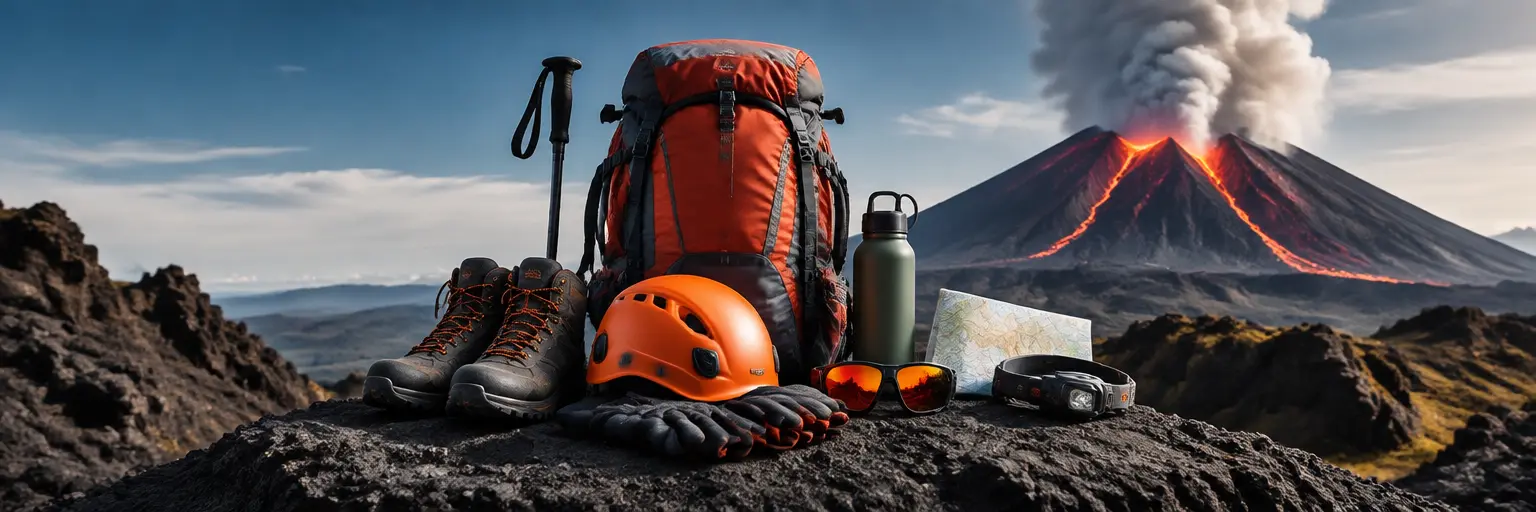
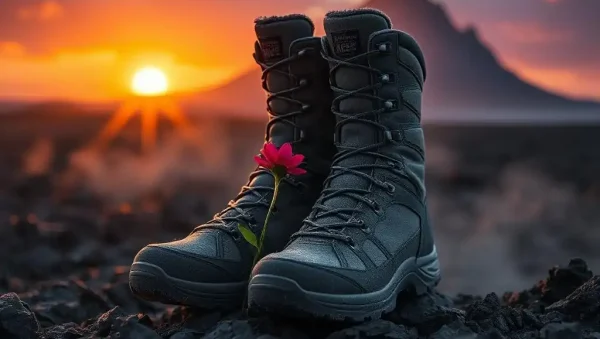
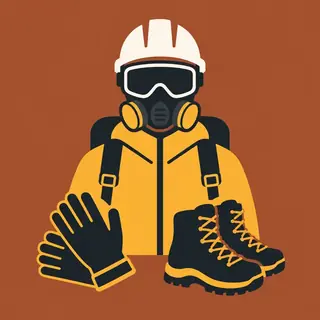
The foundation of any volcano hike begins with your boots. Volcanic rock is notoriously sharp, abrasive, and unstable, requiring footwear that offers superior ankle support, heat resistance, and aggressive tread. Standard hiking shoes often fail on jagged basalt or crumbling scoria. Look for boots with thick, lugged soles—ideally made of rubber compounds that resist melting—and reinforced toe caps to shield against impact with hard surfaces. Waterproofing is less critical than breathability, as volcanic dust can quickly accumulate and clog membranes.
Traction is equally vital, especially when descending loose scree or navigating steep ash slopes. Many explorers pair their boots with strap-on crampons or microspikes, which provide metal grip on icy summit ridges or compacted snowfields found on high-altitude volcanoes. Additionally, lightweight gaiters are indispensable for keeping fine ash and small rock fragments out of your footwear. For trails covered in deep, loose pumice, consider trekking poles with carbide tips—they reduce strain on knees and offer stability on uneven, shifting ground, ensuring each step is deliberate and safe.
🛡️ Respiratory Protection and Eye Wear: Shielding Against Ash and Gas
Volcanic environments are hazardous not only from falling rocks but also from invisible threats: toxic gases and abrasive particles. Sulfur dioxide, hydrogen sulfide, and volcanic ash can irritate airways, trigger asthma, or cause long-term respiratory damage. A high-filtration mask, specifically rated N95 or P100, is non-negotiable for active vents or windy conditions, as it blocks fine particulate matter. For more severe exposures, such as near fumaroles, a half-face respirator with acid gas cartridges offers enhanced chemical protection. Always test your mask for a snug fit before departure.
Your eyes are equally vulnerable to windblown ash and acidic aerosols. Standard sunglasses are insufficient; opt for sealed or wraparound goggles that form a tight seal against your face. Lenses should be scratch-resistant and ideally have anti-fog coatings, as temperature shifts can cause condensation. Clear lenses are preferable for overcast days, while tinted versions help with bright glare on dark lava. Moreover, a wide-brimmed hat and a neck gaiter add a physical layer of defense, helping to keep debris away. Remember, even dormant volcanoes can emit gases, so proactive protection is always wise.
🧤 Thermal Insulation and Layering Systems: Adapting to Altitude Swings
Volcanoes create their own microclimates, and temperatures can plummet dramatically with altitude or after sunset. A robust layering strategy ensures comfort and prevents hypothermia, even on sunny days. Start with a moisture-wicking base layer made of merino wool or synthetic fabric to draw sweat away from your skin. Avoid cotton, as it retains moisture and chills rapidly. Next, add an insulating mid-layer—a fleece or lightweight down jacket—that traps body heat while remaining breathable. This layer is crucial when you pause for breaks or encounter cold gusts near summit craters.
Your outer shell must be both windproof and waterproof, yet allow ventilation to prevent overheating during strenuous climbs. Look for jackets with pit zips and adjustable hoods that accommodate a helmet or hat. For hands, insulated gloves with dexterity are essential for handling ropes or cameras, but remember to carry a warm backup pair. A balaclava or beanie is vital for protecting ears and cheeks from biting winds. Equally important is thermal legwear; fleece-lined pants or insulated softshells provide protection against chilly breezes while allowing full range of motion for scrambling over volcanic boulders.
💧 Hydration and Nutrition Systems: Fueling Sustained Endurance
Volcanic hikes are deceptively demanding, often requiring several hours of strenuous effort under direct sun or harsh wind. Proper hydration is critical, as altitude and dry air accelerate fluid loss. A hydration reservoir with a bite valve allows sipping without stopping, but ensure the tube is insulated to prevent freezing in cold conditions. Alternatively, carry durable, BPA-free bottles with electrolyte tablets, as volcanic minerals can quickly deplete your body’s salt balance. Plan for at least three liters of water per person for a full-day trek, and refill only from trusted sources, never from hot springs or runoff.
Nutrition should focus on high-energy, easily digestible foods that provide sustained release. Trail mixes with nuts, dried fruits, and dark chocolate offer quick calories. Energy gels or chews are excellent for rapid boosts during steep ascents, while savory snacks like jerky replace lost sodium. A compact, insulated thermos with warm soup or tea can be a morale lifter on chilly summits. Additionally, always pack extra rations in case of unexpected delays. Avoid heavy, bulky meals that weigh down your pack; instead, opt for calorie-dense bars and pre-made sandwiches wrapped to minimize waste.
🗺️ Navigation, Lighting, and Safety Signaling: Staying Oriented and Seen
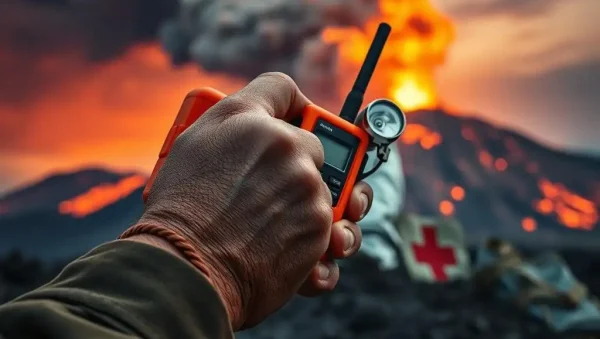
Getting lost on a volcano is a genuine risk, especially in featureless ash fields or when clouds obscure landmarks. A reliable GPS device or smartphone with pre-downloaded maps is essential, but never rely solely on battery power—carry a physical topographic map and a compass, and know how to use them. Mark your trail with cairns or GPS waypoints, and note the direction of the wind and any active vents. A personal locator beacon (PLB) or satellite messenger is a lifesaver for remote areas, enabling emergency contact even without cell service.
Lighting is crucial if you are caught by darkness or enter lava tubes. A headlamp with a minimum of 300 lumens, plus spare batteries, ensures visibility for hands-free navigation. For signaling, a whistle and a small mirror are lightweight yet effective for attracting attention. Carry a compact, fireproof emergency blanket to reflect heat or preserve warmth. Additionally, a multitool or knife serves countless purposes, from cutting rope to prying open gear. Finally, ensure your headlamp has a red light mode to preserve night vision and avoid disturbing fellow hikers.
⛑️ First Aid, Emergency Kits, and Environmental Considerations
Accidents on volcanoes range from small cuts on sharp rocks to heat exhaustion or altitude sickness. A customized first aid kit should include sterile gauze, adhesive bandages, antiseptic wipes, and blister pads—those sharp lava edges can shred skin quickly. Include anti-inflammatory pain relievers, antihistamines for allergic reactions, and oral rehydration salts for gastrointestinal distress. For altitude symptoms, acetazolamide may be physician-prescribed; always consult a doctor before travel. Additionally, pack a small splint or elastic bandage for potential sprains, and scissors or a safety pin for quick fixes.
Environmental stewardship is equally paramount. Carry out all trash, including biodegradable items, as volcanic ecosystems are fragile and recovery is slow. Use biodegradable soap if washing is necessary, but avoid polluting water sources. Respect wildlife and do not remove rocks or mineral samples—they are part of a protected landscape. Moreover, familiarize yourself with local regulations regarding emission zones and closures. Before setting out, check the volcano’s alert level and weather forecasts, and register your itinerary with park authorities. This preparatory diligence not only guarantees your safety but also preserves these extraordinary sites for future explorers.
Frequently Asked Questions
What type of mask is best for volcanic ash?
For volcanic ash, use an N95 or P100 respirator mask that filters at least 95% of airborne particles. P100 masks offer higher efficiency and also block some acid gases. Ensure the mask fits snugly over your nose and mouth to prevent leaks. For active vents with heavy gas, consider a half-face respirator with specialized cartridges, but always verify the cartridge’s rating against specific gases like sulfur dioxide.
Are regular hiking boots suitable for volcano trails?
Regular hiking boots are often inadequate for volcanic terrain due to sharp, abrasive rocks and high heat. You need boots with thick, lugged soles, reinforced toe caps, and heat-resistant rubber lugs. Ankle support is crucial for uneven lava fields. If you plan to walk on glaciers or snow near summit craters, bring strap-on crampons for extra traction. Test your boots on rough terrain before the trip.
How does altitude affect volcanic hiking gear choices?
Altitude amplifies cold, UV exposure, and dehydration. Your gear must include thermal layers that wick moisture and trap heat, plus a windproof shell. Use high-SPF sunscreen and lip balm, even on cloudy days, as UV rays intensify at elevation. A hydration system with an insulated tube prevents freezing, while hyper calorie-dense foods help maintain energy. Also, carry altitude sickness medication if advised by your doctor.
Can I use trekking poles on lava rock surfaces?
Yes, trekking poles are highly beneficial on lava rock, but they must have carbide tips to grip uneven surfaces without slipping. Carbon fiber shafts are lightweight, but avoid over-planting on sharp edges that could fracture tips. Use poles primarily for balance on descents and to test unstable ground. Avoid using rubber tips, as they wear out quickly and reduce stability.
What should I pack for a day hike on an active volcano?
For an active volcano day hike, pack a daypack with at least 3 liters of water, high-energy snacks, a first aid kit, multi-tool, headlamp, whistle, map and compass, and a PLB. Also bring extra layers like a down jacket and rain shell, plus a face mask and goggles. Sun protection includes a wide-brim hat and sunglasses. Never skip emergency blanket or fire-starting tools, as weather can change abruptly.