Customizing Your Volcano Gear: Tailoring Safety to Your Adventure
VolcanoExplorers.org shows you how customizing your volcano safety gear ensures optimal protection during your adventure. Tailor your equipment to the specific volcanic…
Read article
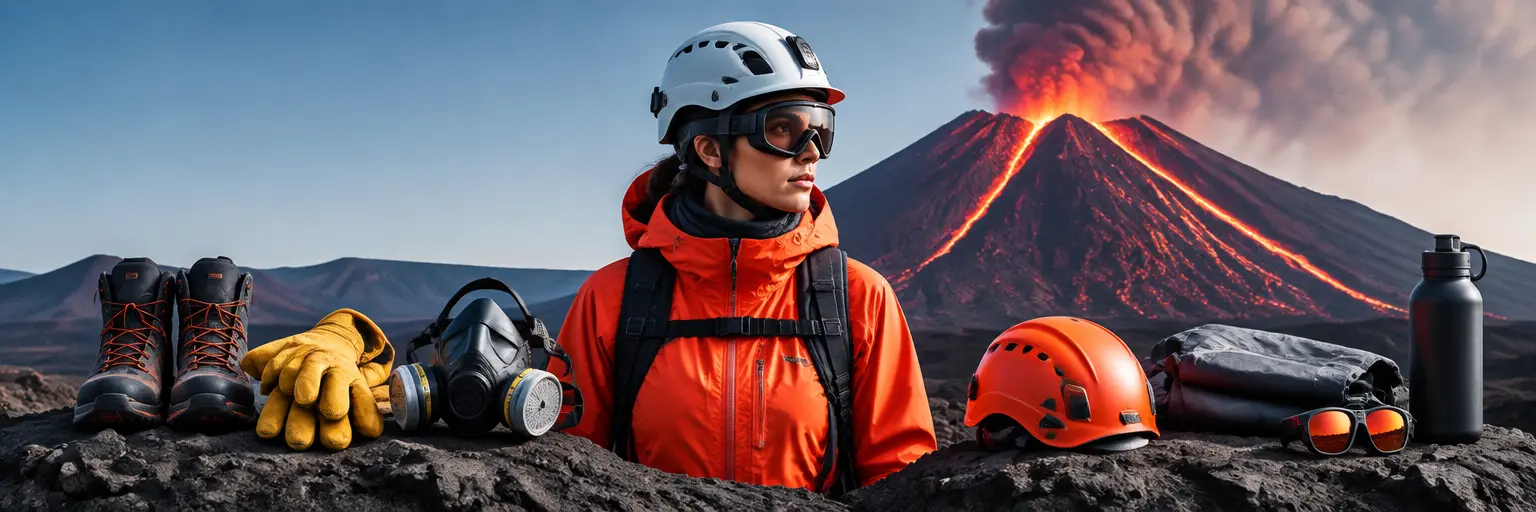
Volcano visits demand specialized protection—ordinary hiking gear simply won’t cut it when you’re facing abrasive ash, sharp volcanic rock, and noxious gases. Protective clothing and safety gear for volcano visits is your first line of defense against burns, cuts, and respiratory irritation. From heat-resistant boots and thick gloves to ash-proof goggles and high-filtration respirators, the right kit ensures you can safely admire lava flows or traverse hardened basalt fields without compromising your health. Built for extreme terrain and unpredictable conditions, this gear is designed to keep you cool, agile, and shielded while you explore Earth’s most primal landscapes. Whether you’re a seasoned volcanologist or an adventurous traveler, investing in certified, durable safety equipment means the difference between a breathtaking memory and a dangerous misstep. Prioritize layered fabrics, abrasion-resistant reinforcements, and sealed seals to withstand volcanic grit—so you can focus on the fire, not your footing.
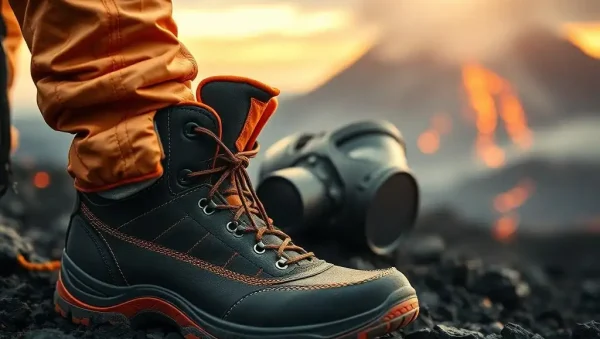
VolcanoExplorers.org shows you how customizing your volcano safety gear ensures optimal protection during your adventure. Tailor your equipment to the specific volcanic…
Read article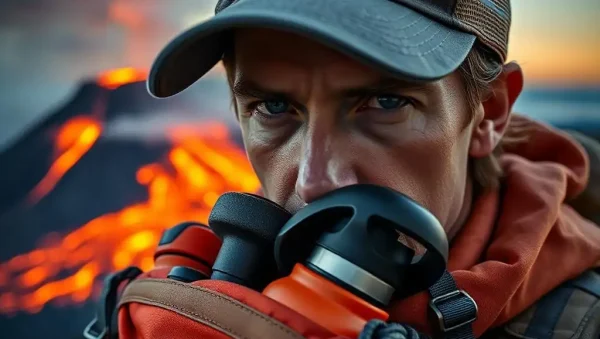
Explore the fiery heart of the Earth safely and affordably! VolcanoExplorers.org guides you through essential, budget-friendly volcano gear, ensuring your adventure is…
Read article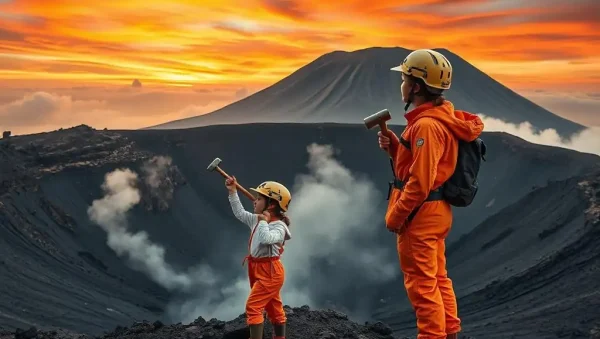
VolcanoExplorers.org helps families explore volcanoes safely! Learn about age-appropriate protective gear for kids, ensuring exciting adventures near these powerful natural wonders.
Read article
VolcanoExplorers.org explores the awe-inspiring power of volcanoes. For those venturing near active vents, mastering respiratory protection in volcanic environments is crucial. Learn…
Read article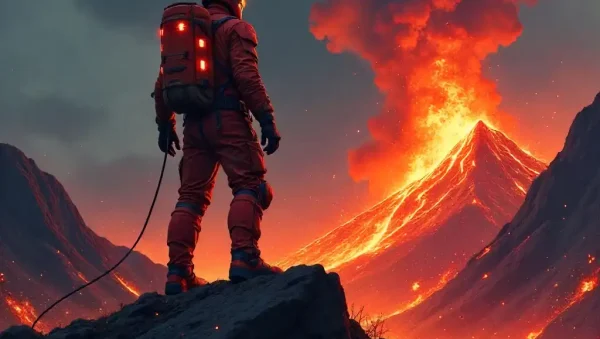
Uncover the crucial Volcanologist field gear essentials that safeguard experts amidst erupting volcanoes. VolcanoExplorers.org reveals the protective clothing and equipment enabling them…
Read articleVolcano trekking merges raw adventure with geology, but it demands specialized gear designed for extreme heat, rough terrain, and airborne ash. At VolcanoExplorers.org, we equip you with the knowledge to choose protective clothing and safety equipment that balances breathability, insulation, and impact resistance. From lava-field hiking to crater rim observation, this subcategory covers every layer and accessory you need to stay safe while savoring the planet’s most dramatic landscapes. Expect practical, field-tested recommendations that prioritize your well-being without compromising comfort.
The foundation of volcano safety begins with what you wear directly against your skin. Natural fibers like merino wool and treated synthetics wick moisture away, preventing chafing and heat rash under heavy outer layers. For close proximity to lava or hot rocks, look for Nomex or Kevlar blended garments that resist melting and offer temporary thermal shielding. Cotton is a strict no-go—it retains sweat and can freeze or burn unpredictably. Choose long-sleeved tops and full-length bottoms to minimize exposed skin, and always test fabric flexibility before committing to a climb.
Layering is your strategic defense against volcanic microclimates. Start with a lightweight, breathable base layer that regulates temperature even during strenuous ascents. Over that, add a mid-layer of insulating fleece or wool, which traps heat while allowing vapor to escape. This system lets you adapt quickly as you move from shaded, windy ridges to sun-baked ash plains. Consider zip-neck tops for rapid ventilation, and avoid bulky seams that can rub against backpack straps or harnesses during extended hikes.
Volcanic ash is more than an inconvenience—it’s a health hazard composed of sharp, abrasive particles that can scratch corneas and irritate lungs. Sealed goggles with indirect ventilation are essential, as standard sunglasses leave gaps where fine dust can infiltrate. Look for polycarbonate lenses with anti-fog coatings, and ensure the strap fits snugly over your helmet or hood. For respiratory defense, use N95 or P100 masks rated for particulate filtration; surgical masks are ineffective against microscopic volcanic glass. Carry multiple filters, as ash quickly clogs their pores.
When walking through ash clouds or near fumaroles, your eyes and airways need immediate protection. Practice donning your mask and goggles quickly, even on clear days, because gas plumes can shift without warning. For extra safety, pack a compact emergency respirator with exhalation valves to reduce heat buildup. Remember to clean your gear after each trip—ash residue is corrosive and can degrade rubber seals and straps over time. Store masks in zip-lock bags to prevent contamination of other equipment.
Rugged volcanic terrain punishes ordinary boots, so invest in sturdy hiking boots with thick lug soles and ankle support. Look for leather or reinforced synthetic uppers that resist cuts from sharp basalt and lightweight pumice. For lava fields, add gaiters made of fire-resistant canvas or Cordura to keep small rocks and ash out of your boots while protecting shins from abrasive contact. Some adventurers prefer overboots with aluminum soles for standing on cooling flows, but these are heavy and only necessary for extreme thermal exposure.
Your footwear strategy should account for both traction and heat reflection. Rubber outsoles with deep treads handle loose scree, but they can soften near active vents—keep a safe distance from glowing rock. Break in new boots weeks before your trip to prevent blisters, and pack spare laces and insoles. For lower legs, knee-length gaiters offer added protection against lava bombs that may land near your path. Always carry a small repair kit with duct tape and fabric patches for emergency fixes on the trail.
Your hands are essential for gripping ropes, using tools, and stabilizing yourself on uneven slopes, so they need layered protection. Leather-palm gloves with insulated liners provide both dexterity and heat resistance for handling rocks and gear. For high-heat zones, consider aluminized gloves that reflect radiant energy, though they limit flexibility—use them only for brief, close-range tasks. Cotton or wool liners inside leather gloves add warmth during chilly summit winds, and removable inserts simplify drying after rain or sweat exposure.
Choosing the right glove thickness depends on your itinerary. Thin, touch-screen-compatible liners let you operate cameras and GPS devices without exposure, but they offer minimal burn protection. Heavier mittens with articulated fingers balance warmth and grip, yet they can make fine motor tasks clumsy. Test your gloves while climbing stairs or handling carabiners before departure. Also, pack a second pair of lightweight work gloves for collecting samples or manipulating ropes that may be abrasive on your primary pair.
Volcanoes are dynamic environments where falling rocks and volcanic projectiles pose serious risks near crater edges or during eruptions. A climbing helmet with a secure chin strap and impact-resistant shell is non-negotiable for any crater rim excursion. Choose models with adjustable inner padding that fit over hoods or caps comfortably. Brimmed shields or face guards add extra protection against small debris and sulfuric aerosols, but ensure they don’t obstruct your peripheral vision. Many volcanologists opt for mountaineering helmets that meet UIAA safety standards.
Beyond impact resistance, your helmet should accommodate headlamps for early morning or dusk starts. Some designs feature clip-on mounts specifically for lighting equipment. Inspect your helmet before each use for cracks, dents, or worn straps, and replace it if you’ve taken a significant fall. Pair your helmet with a neck gaiter or bandana to shield your neck from sun and wind. Remember that helmets also protect against sunburn—many have breathable vents that keep your scalp cool while covering the top of your head.
Merino wool and flame-retardant synthetics like Nomex are top choices because they resist melting and wick moisture. Avoid cotton, which absorbs sweat and can cause hypothermia or burns. Always layer wool under a windproof shell for optimal temperature control.
Yes, especially near steep crater walls or active vents where rockfalls are common. Even quiet volcanoes can dislodge loose boulders. A certified climbing helmet protects against impact and is essential for guided trips on unstable terrain.
Select N95 or P100 particulate respirators with exhalation valves, as they filter 95% of airborne particles. Fit-test the mask to ensure a tight seal around your nose and cheeks. Replace filters after heavy exposure or if breathing resistance increases.
Standard hiking boots lack heat resistance and may deform on hot surfaces. For thermal terrain, use boots with thick lug soles and add gaiters. For standing on cooling lava, specialized overboots with aluminum soles are necessary but only for advanced guides.
Eye protection is often underestimated—many trekkers rely on sunglasses that fail against ash. Always carry sealed goggles with anti-fog lenses. Also, pack a small emergency whistle and heat-reflective blanket in case you become separated from your group.