Volcano Preparedness Kits: What to Include
Living near an active volcano demands more than just awareness—it requires a well-stocked, strategically assembled emergency kit. At VolcanoExplorers.org, we understand that volcanic emergencies bring unique challenges: ashfall, toxic gases, lava flows, and potential evacuation. Your preparedness kit is your lifeline during these unpredictable events. This guide details the essential components for a volcano-specific survival kit, helping you protect your family and navigate ash-filled environments with confidence. Whether you’re a seasoned resident or a newcomer to volcanic regions, these recommendations cover everything from respiratory protection to document safety, ensuring you’re ready when the earth rumbles.
🌋 Respiratory Protection and Eye Safety
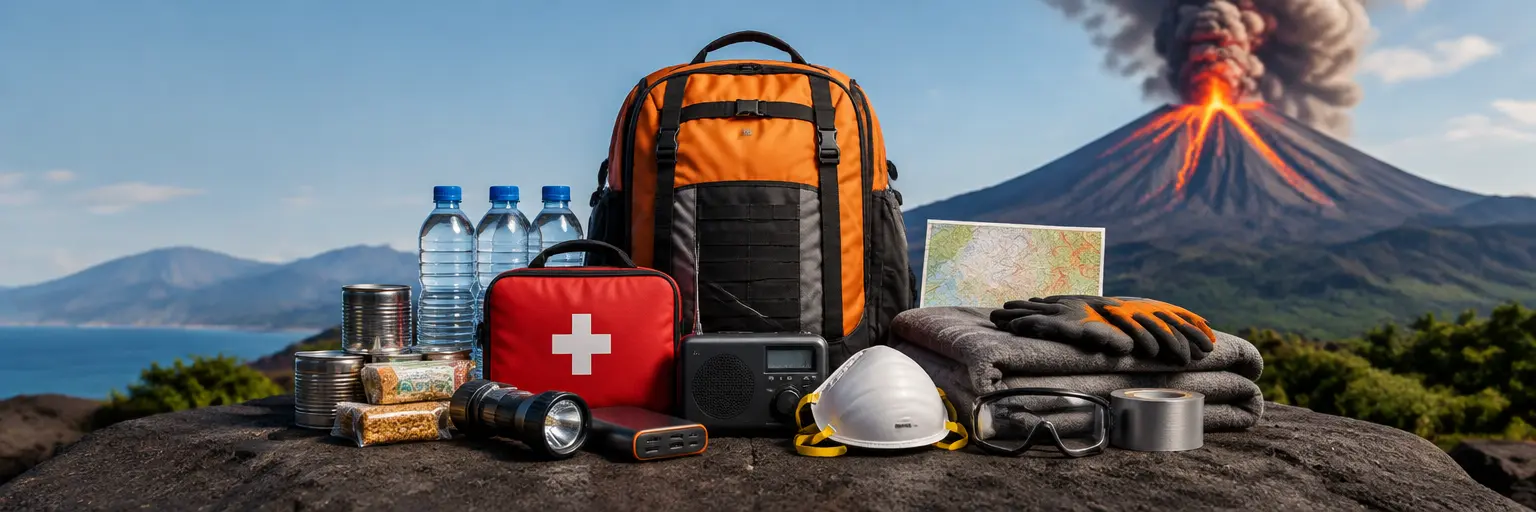
Volcanic ash is not ordinary dust—it consists of sharp, abrasive particles that can severely damage lungs and eyes. Your kit must include N95 or P100 respirator masks for every family member, as standard surgical masks offer insufficient filtration. Goggles with sealed frames are equally critical, protecting against fine ash that can scratch corneas and cause painful irritation. For infants, consider specialized hoods or adapters that fit over car seats. Remember, ash can remain suspended in the air for hours after an eruption, so having multiple masks per person ensures you can rotate them as they become clogged. Opt for masks with exhalation valves to reduce heat buildup during extended wear, and store them in resealable bags to maintain cleanliness.
Beyond masks, stock safety goggles that provide a snug fit without fogging, and include spare lenses if possible. For contact lens wearers, add a backup pair of glasses, as ash particles can become trapped under lenses, causing corneal abrasions. Eye wash solution is a must-have for flushing out any debris that bypasses your goggles. In severe ashfall, visibility can drop to near zero, so headlamps with red-light modes help preserve night vision while navigating dusty streets. Practicing putting on your respirator and goggles regularly ensures that you can do so quickly during an emergency, when every second counts.
🏠 Shelter and Ash-Proofing Essentials
Volcanic ash can collapse roofs, contaminate water supplies, and infiltrate every crevice of your home. Your kit should include heavy-duty plastic sheeting and duct tape to seal doors, windows, and vents against ash ingress. A sturdy shovel and wheelbarrow are vital for clearing ash from walkways and roofs—remember, wet ash is heavier than concrete, so only remove it when dry. Include disposable coveralls and work gloves to protect your skin during cleanup, as ash can cause chemical burns when mixed with moisture. For temporary shelter if evacuation is delayed, pack a tent or tarp that can create a clean-air zone indoors, along with battery-powered fans and filters to circulate purified air.
Consider adding fire-resistant blankets to your kit, as pyroclastic flows and radiant heat can ignite structures even miles from the vent. Seal all food storage containers in airtight bags to prevent ash contamination, and stock wet wipes for cleaning surfaces and hands before eating. If you have pets, include lightweight plastic covers for their kennels and extra litter or bedding, as ash can cause respiratory distress in animals. Practice setting up your shelter quickly, and designate a clean room in your home that can be sealed off efficiently. Remember, ash can remain a hazard for weeks after an eruption, so your kit should sustain you for at least 14 days of indoor living.
💧 Water Purification and Food Storage
Volcanic eruptions can contaminate local water supplies with sulfur, heavy metals, and fine sediment. Your kit must include multiple water purification methods: portable filters with pore sizes below 0.5 microns, purification tablets (iodine or chlorine dioxide), and a lightweight boiling pot. Store at least one gallon of water per person per day for two weeks, but also pack additional collapsible containers to collect and treat water from safe sources. Ashfall can clog outdoor water collection systems, so include a tarp that can channel rainwater into a clean container—but only use this if the ash has settled and you can filter thoroughly. Test your purification tools annually and replace filters as needed.
For food, prioritize non-perishable, high-energy items that require no cooking, such as energy bars, dried fruits, nuts, peanut butter, and canned goods with pull-top lids. Avoid salty foods, as they increase thirst, and pack comfort foods like chocolate or hard candies to boost morale. Include a manual can opener, disposable utensils, and biodegradable plates to minimize water use. For infants or pets, stock specialized food and formula in sealed containers. Rotate your food supply every six months to ensure freshness, and keep a detailed inventory with expiration dates visible. In the event of prolonged ashfall, you may be unable to venture outdoors, so your kit should support your household’s caloric needs for at least 14 days without resupply.
📡 Communication and Information Tools
During volcanic events, cellular networks often fail due to power outages or tower damage. Your kit needs multiple redundant communication devices: a hand-crank or solar-powered AM/FM radio with NOAA weather alerts, a satellite messenger (e.g., Garmin inReach), and a power bank with solar charging capability. Pre-program your radio to local emergency frequencies and practice using the satellite messenger to send pre-set messages. Include physical maps of your area with evacuation routes highlighted, as GPS apps may be unreliable. Write down emergency contact numbers in a waterproof notebook, including out-of-state relatives who can serve as a central communication hub. Also, pack a whistle and signal mirror for attracting rescuers if you become trapped.
Add FRS/GMRS two-way radios for family communication if you get separated, ensuring they are fully charged and tested monthly. Store a printed list of nearby shelters, medical facilities, and the local volcano observatory’s hotline. If you have a smart device, download offline maps and volcano alert apps that work without cellular data. Consider including a battery-powered laptop with a pre-loaded PDF of your county’s emergency plan. Remember that ash can interfere with antennas, so elevate your radio and keep it dry in a sealed bag. Practice sending test messages bi-monthly to ensure all devices function properly, and share your communication plan with neighbors and family members who live outside the hazard zone.
🧾 Documentation, Medications, and Special Needs
Evacuation orders can happen with little notice, so your kit must include photocopies of essential documents in a waterproof pouch: identification, insurance policies, property deeds, medical records, and prescriptions. Store digital copies on a password-protected USB drive and in cloud storage. For medications, pack at least a 14-day supply of all prescription drugs, along with over-the-counter pain relievers, antacids, and allergy medications. Include a first-aid kit with burn dressings, antiseptic wipes, and saline solution for eye irrigation. If you have a medical condition requiring electricity (e.g., CPAP), pack a portable battery backup and note your needs on a medical alert card. For those with mobility issues, include a lightweight foldable wheelchair or walking aids, and practice evacuation routes with these tools.
Pets are family too—include a pet emergency kit with leashes, carriers, food, water, and recent photos in case you’re separated. For elderly family members, stock adult diapers, hearing aid batteries, and denture supplies. Always include a list of allergies and blood types for each household member, and note any special dietary restrictions. Rotate all perishable medications quarterly and check expiration dates on OTC items. In the chaos of an eruption, having clear documentation streamlines medical care and insurance claims. Finally, add cash in small denominations, as ATMs may be offline, and consider prepaid debit cards for emergencies. Reassess your kit every six months to accommodate changing family needs or new prescriptions.
🚨 Evacuation and Post-Eruption Survival Gear
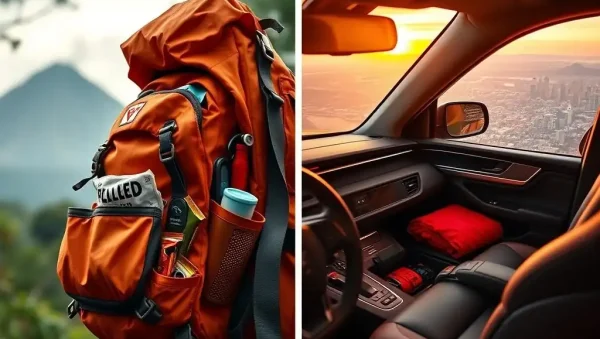
When volcanic activity escalates, you may need to evacuate within minutes. Your kit should be stored in a rolling duffel or backpack that’s ready to grab, with a smaller “go-bag” for quick trips. Include sturdy, closed-toe boots with thick soles, long-sleeved shirts, and pants that cover your legs—exposed skin is vulnerable to ash burns. Pack a tent, sleeping bags rated for cold weather, and a portable camping stove with fuel. For post-eruption recovery, add a dustpan, brush, and heavy-duty trash bags to collect ash inside your home, plus a HEPA vacuum cleaner with spare filters. Include a portable air quality monitor to check particulate levels before removing your mask, and a crowbar for opening doors sealed by ash accumulation.
Stock headlamps with extra batteries, waterproof matches, and a fire extinguisher rated for multiple hazards. For hygiene, pack biodegradable soap, shampoo, and a portable toilet or waste bags, as sewer systems may be overwhelmed. Add a solar shower bag for bathing if water is available. Your kit should also contain a wire saw for cutting debris and a multi-tool for repairs. Remember to include a change of clothes for each person, stored in vacuum-sealed bags to save space. After the eruption subsides, ash can become airborne again with wind, so maintain your kit for at least a year following the event. Review and replenish your gear annually, and join a local volcano preparedness group to learn from others’ experiences.
Frequently Asked Questions
What is the most critical item for a volcano preparedness kit?
Respiratory protection tops the list—specifically N95 or P100 respirators for every person. Volcanic ash is sharp, abrasive, and can cause permanent lung damage. Without proper masks, you risk severe respiratory distress, even indoors. Always choose masks with FDA approval and replace them once clogged. Pair with airtight goggles for complete protection.
How much water should I store for volcanic emergencies?
Store at least one gallon per person per day for a minimum of 14 days, totaling 14 gallons per person. This covers drinking, cooking, and basic hygiene. Additionally, include water purification tablets and filters for emergency sources. Rotate stored water every six months to prevent bacterial growth.
Can I use regular dust masks or cloth masks instead of N95?
No. Regular dust masks and cloth face coverings do not filter fine volcanic ash particles effectively. Ash particles are less than 10 microns and can bypass these materials. Only use NIOSH-approved N95 or P100 respirators that form a tight seal. For infants and young children, use specialized pediatric respirators or hoods.
How often should I update my volcano preparedness kit?
Reassess your kit every six months: check expiration dates on food, medications, water, and batteries. Replace used items and adjust supplies as your household changes (new baby, new medications). Practice evacuation drills quarterly and re-test all electronic devices. After any volcanic event, replenish immediately, as ash can degrade gear.
What should I include for pets in a volcano emergency kit?
Pack a separate bag for each pet: 14-day supply of food and water, leash and harness, carrier or crate, recent photos, vet records, medications, and a first-aid kit. Include absorbent pads and waste bags. Keep a comfortable blanket and familiar toy to reduce stress. If evacuation shelters don’t accept pets, identify pet-friendly hotels or boarding facilities beforehand.