
After the Ash Settles: PostEruption Kit Items for Recovery and Resilience

Welcome to Volcano Explorers, where the Earth's fiery heart comes to life! Ever wondered what happens after the eruption? Delve into our essential guide, " After the Ash Settles: PostEruption Kit Items for Recovery and Resilience," and uncover the vital supplies you need to navigate the aftermath. But that's just the beginning – explore further and discover the captivating science, stunning photography, and crucial safety information that makes volcanoes both terrifying and breathtaking. What secrets does the next page hold?
- Understanding the Need for a Post-Eruption Recovery Kit
-
Building Your Post-Eruption Recovery Kit: Essential Items List
- Respiratory Protection: Safeguarding Your Lungs from Volcanic Ash
- Skin Protection: Minimizing Contact with Irritating Volcanic Ash
- Water and Hydration: Staying Hydrated in a Contaminated Environment
- Food and Nutrition: Sustaining Energy Levels During Recovery
- First Aid and Medical Supplies: Addressing Injuries and Health Concerns
- Cleanup and Sanitation: Restoring Hygiene and Livability
- Communication and Information: Staying Informed and Connected
- Shelter and Comfort: Providing Protection and Warmth
- Post-Eruption Recovery Kit Essentials: Beyond the Basics
- Storing and Maintaining Your Post-Eruption Recovery Kit
- Staying Informed: Monitoring Volcanic Activity and Receiving Alerts
- Conclusion: Building Resilience and Preparing for Future Volcanic Events
-
Frequently Asked Questions
- What are the most essential items for a post-eruption recovery kit?
- Why is respiratory protection so crucial after a volcanic eruption?
- Besides physical protection, what other supplies are recommended for a post-eruption kit?
- How long should I expect to rely on my post-eruption recovery kit?
- Where should I store my post-eruption recovery kit for easy access?
- Final Reflection: Embracing Renewal After Volcanic Disruption
- Equip Yourself for Tomorrow: Rebuild with Resilience!
Understanding the Need for a Post-Eruption Recovery Kit
The Challenges of Post-Volcanic Eruption Environments
Volcanic eruptions are powerful geological events that dramatically alter the environment. Beyond the immediate dangers of lava flows, pyroclastic flows, and volcanic bombs, the aftermath of an eruption presents a unique set of challenges. One of the most pervasive is the widespread deposition of volcanic ash. This is not the soft, fluffy ash from a fireplace; volcanic ash consists of fine particles of rock, mineral, and volcanic glass.
It can blanket entire regions, disrupting daily life and posing significant health hazards. For instance, after the Mount St. Helens eruption in 1980, ashfall was recorded as far away as Oklahoma, highlighting the extensive reach of these events. Furthermore, volcanic eruptions can contaminate water sources, damage infrastructure, and disrupt essential services like power and transportation, creating a complex recovery scenario that demands specific preparedness measures.
The post-eruption environment is also characterized by potential ongoing seismic activity, lahars (volcanic mudflows), and gas emissions. While the explosive phase of an eruption might subside, the risks can persist for days, weeks, or even months. Lahars, for example, can occur even after the eruption has ceased, triggered by rainfall mobilizing volcanic ash deposits on steep slopes.
These flows can be incredibly destructive, traveling at high speeds and carrying debris that can overwhelm communities downstream. Similarly, volcanic gases, such as sulfur dioxide, can continue to be released, causing respiratory problems and acid rain. The combination of these factors underscores the necessity of being prepared for the specific challenges that arise after a volcanic eruption, moving beyond general emergency preparedness to address the unique post-eruption landscape.
Why a Standard Emergency Kit Isn't Enough After a Volcanic Event
While a standard emergency preparedness kit is crucial for various disasters, a volcanic eruption necessitates a specialized post-eruption recovery kit. Standard kits typically focus on immediate survival needs like food, water, and basic first aid for scenarios like earthquakes or power outages. However, they often lack items specifically designed to mitigate the hazards unique to volcanic events, particularly volcanic ash.
For example, a typical dust mask found in a general emergency kit may not provide adequate protection against the fine particles of volcanic ash, which can penetrate deep into the respiratory system. Similarly, standard kits may not include sufficient eye protection against the abrasive nature of ash, or tools needed for the extensive cleanup efforts required after significant ashfall.
The sheer volume of ash produced by even moderate volcanic eruptions distinguishes the post-eruption environment. Consider the 2010 Eyjafjallajökull eruption in Iceland; while relatively small in volcanic explosivity index (VEI) terms, it deposited significant ash across Europe, disrupting air travel and highlighting the far-reaching impact of volcanic ash. Cleanup after such events is not just about tidying up; it involves removing tons of heavy, abrasive material from roofs, roads, and infrastructure.
Therefore, a post-eruption recovery kit must include specialized items like heavy-duty respirators, eye protection, shovels, and robust cleaning supplies, items often absent from a generic emergency kit. This specialized approach ensures that individuals and communities are equipped to handle the specific challenges of post-volcanic environments, promoting a more effective and safer recovery process.
Prioritizing Health and Safety After a Volcanic Eruption
In the aftermath of a volcanic eruption, prioritizing health and safety becomes paramount. Volcanic ash, though seemingly innocuous, poses significant health risks. The fine particles can irritate the respiratory system, exacerbate pre-existing conditions like asthma and bronchitis, and cause silicosis with prolonged exposure. Data from past eruptions, like the 1991 Cerro Negro eruption in Nicaragua, showed a marked increase in respiratory illnesses in affected populations following ashfall. Therefore, respiratory protection is not just advisable; it's an essential component of post-eruption safety. Similarly, eye irritation and corneal abrasion are common due to ash exposure, making eye protection equally critical.
Beyond respiratory and eye health, skin irritation and dryness are frequent complaints after volcanic ashfall. The abrasive nature of ash can strip the skin of its natural oils, leading to discomfort and potential skin damage. Furthermore, contaminated water sources pose a significant risk of waterborne diseases.
Volcanic ash can carry bacteria and other contaminants, and infrastructure damage can compromise water treatment and distribution systems. Ensuring access to safe drinking water and maintaining hygiene are therefore crucial for preventing illness. In essence, a post-eruption recovery kit must be strategically designed to address these immediate health threats, focusing on respiratory protection, eye and skin safety, water purification, and basic hygiene to safeguard the well-being of individuals and communities in the face of volcanic aftermath.
Building Your Post-Eruption Recovery Kit: Essential Items List
Respiratory Protection: Safeguarding Your Lungs from Volcanic Ash
High-Quality Respirator Masks (N95 or P100): Selection and Proper Fit
Protecting your respiratory system from volcanic ash is paramount. High-quality respirator masks, specifically N95 or P100 rated, are essential components of a post-eruption recovery kit. These masks are designed to filter out at least 95% (N95) or 99.97% (P100) of airborne particles, including the fine ash particles that can penetrate deep into the lungs. It's crucial to choose respirators that are NIOSH (National Institute for Occupational Safety and Health) certified, ensuring they meet recognized safety standards. The selection should consider the needs of all family members, with appropriate sizes available for adults and children if applicable.
Proper fit is as important as the mask rating. A respirator mask must create a tight seal around the nose and mouth to prevent unfiltered air from entering. Follow the manufacturer's instructions for fitting, which typically involves placing the mask over the nose and mouth, securing the straps, and performing a fit check. A simple fit check involves covering the mask with your hands and inhaling sharply.
If you feel air leaking around the edges, readjust the straps for a tighter fit. For individuals with facial hair, achieving a proper seal can be challenging; therefore, consider clean-shaving if possible or exploring alternative respirator types designed for bearded individuals. Having multiple respirators in your post-eruption recovery kit ensures that everyone has access to respiratory protection immediately after an eruption.
Replacement Filters: Ensuring Continued Protection
For prolonged exposure to volcanic ash, respirators with replaceable filters offer a more sustainable solution than disposable masks. Respirator masks often come in half-face or full-face configurations and utilize cartridges or filters that can be replaced once they become clogged or their filtering capacity is diminished. Volcanic ash can quickly clog filters, reducing their effectiveness and making breathing more difficult. Therefore, stocking an adequate supply of replacement filters is crucial for maintaining continuous respiratory protection during the recovery period.
The lifespan of a filter depends on the concentration of ash in the air and the breathing rate of the wearer. As a general guideline, filters may need to be changed every few hours in heavy ashfall conditions, or less frequently in lighter conditions. It's essential to monitor filter condition and replace them when breathing becomes difficult or you can smell or taste ash.
Store replacement filters in a sealed plastic bag within your post-eruption recovery kit to protect them from contamination and moisture. Having a generous supply of replacement filters ensures that respiratory protection remains effective throughout the recovery phase, especially if ashfall persists for an extended period.
Eye Protection: Goggles to Shield Against Irritation and Damage from Ash
Volcanic ash is not only a respiratory hazard but also a significant irritant to the eyes. The fine, abrasive particles can cause immediate discomfort, redness, itching, and even corneal abrasions if eyes are not properly protected. Including goggles in your post-eruption recovery kit is essential for shielding your eyes from ash and preventing potential damage. Choose goggles that create a tight seal around the eyes to prevent ash from entering. Look for models that are comfortable to wear for extended periods and offer good visibility.
Regular eyeglasses or contact lenses are insufficient for protecting against volcanic ash. Eyeglasses leave gaps around the sides and bottom, allowing ash to enter, while contact lenses can trap ash against the cornea, exacerbating irritation and potentially leading to infection. Goggles, on the other hand, provide a complete barrier.
For contact lens wearers, it is advisable to switch to eyeglasses during and after ashfall events to minimize the risk of complications. Ensure goggles are readily accessible in your kit and that everyone knows how to wear them correctly. Protecting your eyes from volcanic ash is a simple yet crucial step in maintaining health and comfort during the post-eruption recovery phase.
Skin Protection: Minimizing Contact with Irritating Volcanic Ash
Long-Sleeved Clothing and Pants: Creating a Protective Barrier
Volcanic ash can cause skin irritation, dryness, and itching upon contact. Minimizing skin exposure to ash is a proactive step in preventing discomfort and potential skin damage. Packing long-sleeved shirts and pants in your post-eruption recovery kit is a simple yet effective strategy to create a physical barrier against ash. Choose clothing made from tightly woven fabrics that offer good coverage and reduce ash penetration. Lightweight, breathable materials are preferable for comfort, especially in warmer climates or during strenuous cleanup activities.
Consider including extra sets of clothing in your kit, particularly if you anticipate prolonged exposure to ash or if clothing becomes heavily contaminated during cleanup. Changing into clean clothes can help reduce skin irritation and prevent the transfer of ash to indoor environments. For outdoor activities in ashfall areas, tucking shirts into pants and pants into socks or boots can further minimize exposed skin and enhance protection. While not as specialized as respirators or goggles, long-sleeved clothing and pants are fundamental components of personal protective equipment in a post-eruption setting, contributing significantly to overall comfort and health.
Gloves: Protecting Hands During Cleanup and Recovery
Hands are often the most exposed part of the body during cleanup and recovery efforts after a volcanic eruption. Handling ash-covered objects, clearing debris, and performing various tasks can lead to significant hand exposure to volcanic ash. Including durable gloves in your post-eruption recovery kit is essential for protecting hands from irritation, cuts, and abrasions. Heavy-duty work gloves, such as leather or nitrile gloves, are recommended for their durability and resistance to ash penetration.
Choose gloves that fit well and allow for dexterity, enabling you to perform tasks effectively while maintaining hand protection. Consider including both heavy-duty gloves for cleanup and lighter-weight gloves for tasks requiring finer motor skills. If working in wet ash conditions, waterproof gloves are advisable to prevent moisture from soaking through and causing skin maceration.
Having multiple pairs of gloves in your kit ensures that you have replacements available if gloves become damaged or contaminated. Protecting your hands with gloves is a fundamental aspect of personal safety during post-eruption recovery, preventing skin irritation and injuries that can hinder recovery efforts.
Skin Moisturizer: Combating Ash-Induced Dryness and Irritation
Volcanic ash is inherently drying and abrasive, capable of stripping the skin of its natural oils and causing dryness, cracking, and irritation. Including a moisturizing lotion or cream in your post-eruption recovery kit is essential for combating these effects and maintaining skin health. Choose a moisturizer that is fragrance-free and hypoallergenic to minimize the risk of further skin irritation, especially on already sensitive skin. Look for moisturizers containing ingredients like glycerin, hyaluronic acid, or ceramides, which are known for their hydrating and skin-barrier-repairing properties.
Apply moisturizer liberally and frequently, particularly after washing your hands or face, or whenever your skin feels dry or irritated. Keeping skin well-hydrated helps to maintain its protective barrier function and reduces susceptibility to irritation and infection. Consider including a lip balm with SPF in your kit as well, as lips are also vulnerable to dryness and sun exposure, especially when working outdoors in post-eruption environments. Regular moisturizing is a simple yet vital step in mitigating the skin-drying effects of volcanic ash and promoting overall comfort and well-being during the recovery phase.
Water and Hydration: Staying Hydrated in a Contaminated Environment
Bottled Water: Ensuring a Safe and Reliable Water Source
Volcanic eruptions can compromise water sources through contamination with ash, volcanic gases, and disruption of water infrastructure. Ensuring access to safe drinking water is a top priority in the post-eruption environment. Stocking bottled water in your post-eruption recovery kit provides an immediately available and reliable source of clean water. Calculate the amount of bottled water needed based on the number of people in your household and recommended daily water intake, generally at least one gallon per person per day for drinking and sanitation.
Store bottled water in a cool, dark place to prolong its shelf life. Check expiration dates and replace water as needed to maintain freshness and quality. While bottled water is a crucial immediate solution, consider the limitations of relying solely on it for extended periods, especially in areas prone to volcanic activity. For long-term preparedness, explore supplementary water purification methods. However, in the immediate aftermath of an eruption, bottled water provides the most convenient and safest way to ensure hydration and minimize the risk of waterborne illnesses from potentially contaminated sources.
Water Purification Tablets or Filter: Treating Potentially Contaminated Water
While bottled water is essential for immediate needs, having a backup water purification method is crucial for longer-term resilience in a post-eruption scenario. Water purification tablets or a portable water filter are valuable additions to your post-eruption recovery kit. These tools allow you to treat potentially contaminated water sources, such as rainwater, streams, or even tap water if the municipal supply is compromised, making them safe for drinking.
Water purification tablets typically use chlorine dioxide or iodine to kill bacteria, viruses, and protozoa in water. Follow the manufacturer's instructions carefully regarding dosage and waiting time for effective purification. Portable water filters use physical filtration mechanisms to remove sediment, bacteria, and protozoa. Some advanced filters also remove viruses.
Choose a filter with a pore size small enough to effectively remove pathogens. Consider the lifespan of the filter and the availability of replacement cartridges when selecting a model. Practicing using your chosen water purification method beforehand ensures you are familiar with the process when needed in an emergency situation. Having both purification tablets and a filter provides redundancy and flexibility in accessing safe drinking water from various sources after a volcanic eruption.
Electrolyte Replacement Drinks: Replenishing Lost Nutrients
Physical exertion during cleanup and recovery activities, combined with potential dehydration from ash exposure and disrupted routines, can lead to electrolyte imbalances. Electrolytes, such as sodium, potassium, and magnesium, are essential minerals that the body loses through sweat and bodily fluids. Including electrolyte replacement drinks or powder packets in your post-eruption recovery kit can help replenish these lost nutrients and maintain proper bodily function.
Electrolyte drinks help to prevent dehydration, muscle cramps, and fatigue, common symptoms associated with electrolyte imbalance. Choose electrolyte drinks that are low in sugar and artificial additives. Powder packets are a lightweight and space-saving alternative to pre-mixed drinks and can be easily added to purified water. Consider including electrolyte options suitable for children and individuals with specific dietary needs. While not as critical as water itself, electrolyte replacement drinks can significantly contribute to overall well-being and sustained energy levels during the demanding recovery period following a volcanic eruption.
Food and Nutrition: Sustaining Energy Levels During Recovery
Non-Perishable Food Items: Stocking Nutritious and Long-Lasting Options
Disruptions to transportation and supply chains are common after volcanic eruptions, potentially limiting access to fresh food. Stocking non-perishable food items in your post-eruption recovery kit ensures a reliable source of nutrition when regular food supplies may be unavailable. Choose a variety of nutritious, non-perishable foods that require minimal preparation, such as canned goods (fruits, vegetables, beans, meats), shelf-stable milk, granola bars, dried fruits, and nuts.
Select food items that are familiar and palatable to your household to ensure they will be consumed when needed. Consider dietary restrictions and allergies when stocking food supplies. Check expiration dates regularly and rotate stock to maintain freshness.
Aim for a food supply that can sustain your household for at least three days, and ideally for a week or longer, depending on your location's vulnerability to volcanic events. Proper food storage, in airtight containers and in a cool, dry place, is essential to prevent spoilage and pest infestation. Having a well-stocked supply of non-perishable food is crucial for maintaining energy levels and overall health during the recovery phase.
Energy Bars and Snacks: Providing Quick and Accessible Fuel
During the immediate aftermath of a volcanic eruption and throughout the recovery period, quick and easily accessible energy sources are invaluable. Energy bars and snacks are ideal additions to your post-eruption recovery kit for providing rapid fuel and sustenance, especially when time or resources for preparing full meals are limited. Choose energy bars and snacks that are high in calories, carbohydrates, and protein for sustained energy release.
Look for options that are individually wrapped, require no refrigeration, and have a long shelf life. Variety is beneficial to prevent flavor fatigue; include a mix of granola bars, protein bars, fruit and nut mixes, and other portable snacks. Energy bars and snacks are particularly useful for individuals engaged in cleanup efforts or emergency response activities, providing a convenient way to maintain energy levels on the go.
They are also helpful for children and individuals who may have difficulty consuming larger meals in stressful situations. Keep energy bars and snacks readily accessible within your kit for quick access when hunger strikes or energy levels dip.
Considerations for Infants and Individuals with Dietary Restrictions
When preparing your post-eruption recovery kit, it's essential to consider the specific needs of all household members, including infants and individuals with dietary restrictions. For infants, include sufficient quantities of formula, baby food, and diapers in your kit. Breastfeeding mothers should also prioritize their own nutrition and hydration to maintain milk supply. For individuals with allergies, diabetes, or other medical conditions requiring specific diets, ensure your kit includes appropriate food items that meet their needs.
For example, individuals with celiac disease require gluten-free options, while those with diabetes need to manage their carbohydrate intake carefully. Clearly label and separate food items for individuals with allergies to prevent cross-contamination. If possible, consult with a healthcare professional or registered dietitian to create a personalized list of essential food items for individuals with specific dietary needs.
Failing to address these considerations can lead to health complications and added stress during an already challenging time. Tailoring your food supplies to meet the diverse needs of your household ensures that everyone has access to appropriate and safe nutrition during post-eruption recovery.
First Aid and Medical Supplies: Addressing Injuries and Health Concerns
Comprehensive First Aid Kit: Treating Minor Injuries and Ailments
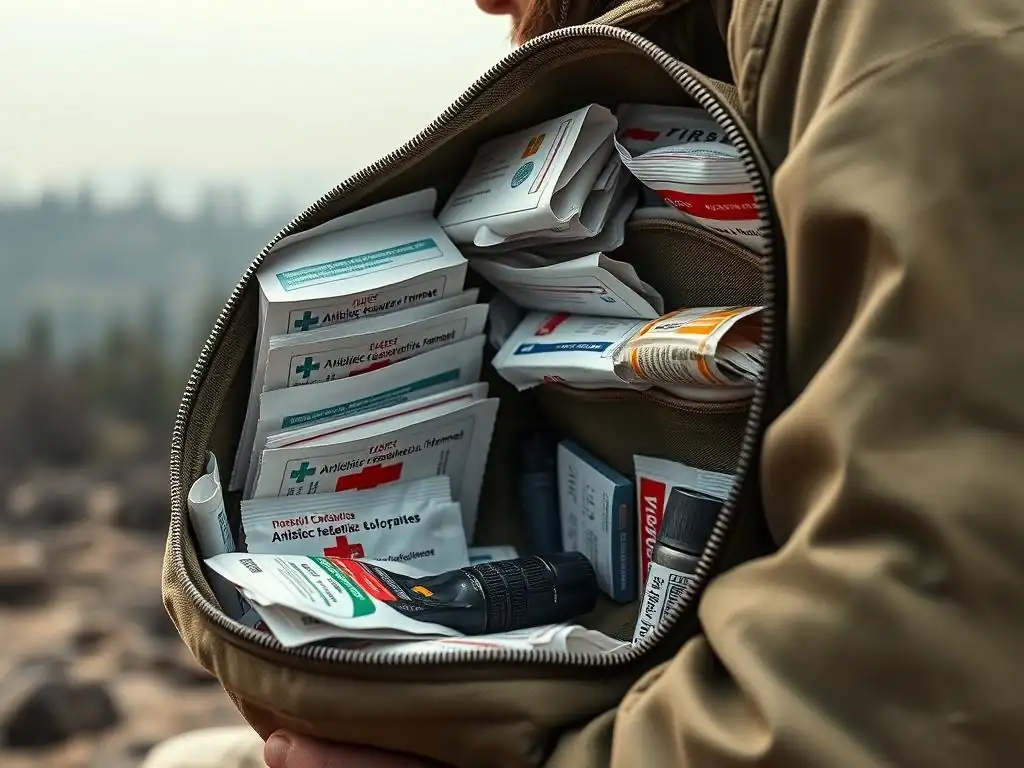
A comprehensive first aid kit is an indispensable component of any emergency preparedness plan, and it is particularly crucial in a post-eruption recovery kit. Volcanic ash-related injuries, such as minor cuts, abrasions, eye irritation, and respiratory discomfort, are common. A well-stocked first aid kit allows you to address these minor health concerns promptly and prevent them from escalating. Ensure your kit includes essential items such as adhesive bandages, antiseptic wipes, gauze pads, medical tape, pain relievers (acetaminophen, ibuprofen), antibiotic ointment, and burn cream.
Consider including specialized items relevant to volcanic ash exposure, such as eyewash solution for flushing out ash particles from the eyes, and saline nasal spray to help clear nasal passages irritated by ash. Include a first aid manual or guide for reference in treating various injuries and ailments. Regularly check your first aid kit to ensure supplies are not expired and replenish items as needed.
Knowing how to use the items in your first aid kit is just as important as having them; consider taking a basic first aid course to enhance your preparedness skills. A well-maintained and comprehensive first aid kit empowers you to address minor medical needs effectively and contributes to overall health and safety during post-eruption recovery.
Prescription Medications: Ensuring a Continuous Supply
For individuals who take prescription medications regularly, ensuring a continuous supply is critical in a post-eruption scenario where access to pharmacies may be disrupted. Include a sufficient supply of all necessary prescription medications in your post-eruption recovery kit. Aim for at least a one-week supply, and ideally a two-week supply if possible, to cover potential disruptions. Store medications in their original containers with clear labeling of dosage and instructions.
If possible, obtain copies of prescriptions from your doctor to facilitate refills if needed. Be aware of the storage requirements for your medications; some may require refrigeration or protection from extreme temperatures. Regularly check expiration dates and replace medications before they expire. For medications that require refrigeration, consider using a cooler with ice packs if power outages are anticipated. Keeping a readily available supply of prescription medications in your post-eruption recovery kit is essential for managing chronic health conditions and preventing medical emergencies when access to healthcare services may be limited.
Over-the-Counter Medications: Managing Common Post-Eruption Symptoms
In addition to prescription medications, over-the-counter (OTC) medications can be invaluable for managing common symptoms that may arise after a volcanic eruption, such as headaches, fever, pain, allergies, and gastrointestinal upset. Include a selection of essential OTC medications in your post-eruption recovery kit to address these common ailments. Consider including pain relievers (acetaminophen, ibuprofen), antihistamines for allergic reactions to ash, decongestants for nasal congestion, anti-diarrheal medication, and antacids for stomach upset.
Choose OTC medications that are appropriate for all members of your household, including children, and be mindful of dosage instructions. Check expiration dates regularly and replace medications as needed. Store OTC medications in a cool, dry place, away from direct sunlight and moisture. Having a readily accessible supply of OTC medications allows you to manage common post-eruption symptoms effectively, providing relief and preventing minor ailments from becoming more serious.
Cleanup and Sanitation: Restoring Hygiene and Livability
Shovels and Brushes: Removing Volcanic Ash from Surfaces
Volcanic ash accumulation can be substantial, weighing heavily on roofs and covering outdoor surfaces, making cleanup a necessary and often arduous task. Including shovels and brushes in your post-eruption recovery kit is essential for removing ash from roofs, walkways, driveways, and other areas around your home. Choose lightweight shovels made of aluminum or plastic for easier handling, especially when dealing with large volumes of ash. Sturdy brooms or brushes with stiff bristles are effective for sweeping ash from flat surfaces.
For roof cleanup, prioritize safety; if you are not comfortable working at heights, seek professional assistance. Use caution when removing ash from roofs, as accumulated ash can be heavy and slippery, posing a fall risk. Regularly removing ash from roofs is crucial to prevent structural damage and roof collapse, especially if rain is anticipated, as wet ash is significantly heavier. Shovels and brushes are fundamental tools for post-eruption cleanup, enabling you to restore access to your property and prevent structural damage caused by ash accumulation.
Buckets and Containers: Collecting and Disposing of Ash
Efficiently collecting and disposing of volcanic ash is crucial for effective cleanup. Including buckets and containers in your post-eruption recovery kit facilitates the collection and transport of ash for disposal. Durable plastic buckets are versatile and can be used for collecting ash, transporting water, or mixing cleaning solutions. Larger containers, such as trash cans or storage bins, can be used for temporary ash storage before disposal.
Line buckets and containers with heavy-duty trash bags to facilitate easier ash disposal and prevent contamination of the containers themselves. When disposing of volcanic ash, follow local guidelines and regulations. In many areas, volcanic ash can be disposed of in regular trash, but check with your local waste management authority for specific instructions. Avoid sweeping ash into storm drains or sewers, as it can clog drainage systems. Buckets and containers are essential for managing volcanic ash during cleanup, allowing for efficient collection, transport, and disposal, contributing to a cleaner and safer post-eruption environment.
Soap and Hand Sanitizer: Maintaining Hygiene in the Absence of Clean Water
Maintaining hygiene is crucial in preventing the spread of illness after a volcanic eruption, especially when access to clean water for handwashing may be limited. Including soap and hand sanitizer in your post-eruption recovery kit is essential for promoting hygiene and preventing infection. Liquid soap is preferable to bar soap as it is more hygienic and less likely to harbor bacteria. Antibacterial hand sanitizer, with at least 60% alcohol content, provides a convenient alternative to soap and water when handwashing is not feasible.
Encourage frequent handwashing with soap and water whenever possible, especially before eating, after using the restroom, and after being outdoors or handling ash-covered items. Use hand sanitizer when soap and water are unavailable. Proper hand hygiene is a simple yet highly effective way to reduce the risk of illness and maintain health in the potentially contaminated post-eruption environment. Include both soap and hand sanitizer in your kit to ensure hygiene can be maintained even when water access is limited.
Heavy-Duty Trash Bags: Containing and Disposing of Ash and Debris
Heavy-duty trash bags are indispensable for post-eruption cleanup. They are essential for containing and disposing of volcanic ash, debris, and contaminated materials. Stock a generous supply of heavy-duty trash bags in your post-eruption recovery kit, considering the potentially large volume of ash and debris that may need to be managed. Choose bags that are thick and puncture-resistant to prevent tearing and spills, especially when handling heavy, abrasive volcanic ash.
Use trash bags to line buckets and containers for ash collection, for bagging contaminated clothing or items, and for general waste disposal. When filling trash bags with ash, avoid overfilling them, as overly heavy bags are difficult to handle and prone to tearing. Tie bags securely to prevent ash from escaping and to facilitate safe transport and disposal. Heavy-duty trash bags are versatile and essential for containing and managing waste during post-eruption cleanup, contributing to a cleaner and safer recovery environment.
Communication and Information: Staying Informed and Connected
Battery-Powered or Hand-Crank Radio: Receiving Emergency Broadcasts and Updates
In the aftermath of a volcanic eruption, power outages and disruptions to communication infrastructure are common. Relying solely on internet-based information sources or cell phones may be unreliable. A battery-powered or hand-crank radio is a crucial component of your post-eruption recovery kit for receiving emergency broadcasts and official updates when other communication channels are unavailable. Choose a radio that can receive NOAA (National Oceanic and Atmospheric Administration) weather radio broadcasts and local emergency frequencies.
Battery-powered radios offer convenience, but ensure you have an ample supply of fresh batteries. Hand-crank radios provide a reliable backup power source, allowing you to generate power manually if batteries run out. Familiarize yourself with local emergency broadcast frequencies and practice tuning your radio to receive these broadcasts. Staying informed about the ongoing situation, including safety advisories, evacuation orders, and resource distribution information, is essential for making informed decisions and ensuring your safety during the recovery period. A reliable radio is a vital link to information when other communication methods are compromised.
Extra Batteries: Powering Essential Devices
Many essential items in your post-eruption recovery kit, such as radios, flashlights, and potentially medical devices, rely on batteries. Power outages are a common consequence of volcanic eruptions, making battery power essential for maintaining functionality of these devices. Stock a generous supply of extra batteries in your post-eruption recovery kit, in various sizes (AA, AAA, D, etc.) to match the needs of your battery-operated devices. Choose long-lasting batteries and store them in a cool, dry place to maximize their shelf life.
Consider including rechargeable batteries and a portable solar charger or power bank for a more sustainable power solution, especially for longer-duration emergencies. Regularly check battery expiration dates and replace batteries as needed. Organize batteries in a waterproof container or bag within your kit to protect them from moisture and damage. Having an ample supply of extra batteries ensures that your essential battery-powered devices remain functional throughout the recovery period, providing light, information, and potentially life-saving capabilities.
Local Emergency Contact Information: Keeping Vital Contacts Readily Available
In an emergency situation, having quick access to essential contact information is crucial. Include a readily accessible list of local emergency contact information in your post-eruption recovery kit. This list should include phone numbers for local emergency services (police, fire, ambulance), your local volcano observatory or emergency management agency, your doctor, and other relevant contacts. Consider including contact information for family members, neighbors, or community support groups as well.
Store this information in a waterproof and easily accessible location within your kit, such as a laminated card or a sealed plastic bag. Consider creating both a paper copy and a digital copy stored on a USB drive or your phone, if feasible. Ensure that all family members are aware of where this contact information is located and how to use it. Having vital contact information readily available can save precious time in an emergency and facilitate communication with essential services and support networks.
Shelter and Comfort: Providing Protection and Warmth
Tarp or Plastic Sheeting: Creating Temporary Shelter or Covering Damaged Structures
Volcanic eruptions can cause damage to homes and infrastructure, potentially leaving people without adequate shelter. Including a tarp or plastic sheeting in your post-eruption recovery kit provides versatile material for creating temporary shelter or covering damaged structures. A large, heavy-duty tarp can be used to create a makeshift shelter, repair damaged roofs or walls, or protect belongings from ash and rain. Plastic sheeting can be used to cover broken windows or doorways, or to create a temporary barrier against ash infiltration.
Choose a tarp or plastic sheeting that is durable, waterproof, and tear-resistant. Reinforced grommets or edges enhance durability and make it easier to secure the tarp. Consider including ropes or cords to facilitate tarp deployment and securing. Practice setting up a temporary shelter with your tarp beforehand to familiarize yourself with the process. Tarp or plastic sheeting is a versatile and essential item for providing temporary shelter and protection from the elements in the aftermath of a volcanic eruption.
Duct Tape: Repairing and Securing Materials
Duct tape is renowned for its versatility and usefulness in emergency situations. Including a roll of duct tape in your post-eruption recovery kit provides a valuable tool for repairing and securing various materials. Duct tape can be used to temporarily repair damaged tarps or plastic sheeting, seal gaps around windows or doors to prevent ash infiltration, secure loose items, and countless other applications. Choose a heavy-duty, waterproof duct tape for maximum effectiveness.
Store duct tape in a dry place within your kit to prevent degradation. Duct tape is a simple yet incredibly useful item for improvisational repairs and securing materials in a post-eruption environment. Its versatility makes it an indispensable addition to any emergency preparedness kit.
Blankets or Sleeping Bags: Providing Warmth and Comfort
Power outages and disruptions to heating systems are common after volcanic eruptions, potentially leading to temperature drops, especially in cooler climates or at higher elevations. Including blankets or sleeping bags in your post-eruption recovery kit is essential for providing warmth and comfort, especially during sleep or when shelter is compromised. Choose blankets or sleeping bags that are warm, lightweight, and compact for easy storage and portability. Mylar blankets, also known as space blankets, are lightweight and effective at retaining body heat, making them a good option for emergency situations.
Sleeping bags offer greater insulation and warmth, particularly for colder conditions. Consider including both blankets and sleeping bags in your kit to provide options for varying temperature conditions and individual preferences. Store blankets and sleeping bags in waterproof bags or containers within your kit to keep them dry and protected from ash. Providing warmth and comfort is essential for maintaining morale and preventing hypothermia, particularly for vulnerable individuals, during the post-eruption recovery period.
Post-Eruption Recovery Kit Essentials: Beyond the Basics
Protecting Electronics from Volcanic Ash Damage
Volcanic ash is highly abrasive and conductive, posing a significant threat to electronic devices. Ash can infiltrate computers, smartphones, radios, and other electronics, causing damage to internal components and rendering them inoperable. Protecting electronics from volcanic ash damage is crucial for maintaining communication, access to information, and functionality of essential devices. Consider including resealable plastic bags or waterproof containers in your post-eruption recovery kit for storing and protecting electronic devices when not in use.
When ashfall is occurring, keep electronics powered off and stored in sealed bags or containers. Avoid using compressed air to clean electronics, as this can force ash particles deeper into internal components. Instead, gently wipe exterior surfaces with a soft, slightly damp cloth. For sensitive equipment, consider using specialized electronic cleaning wipes. Protecting electronics from ash damage ensures their continued functionality, which is vital for communication, information access, and overall recovery efforts.
Considerations for Families with Children, Seniors, or Individuals with Disabilities
Post-eruption recovery kits should be tailored to the specific needs of all household members, particularly families with children, seniors, or individuals with disabilities. For children, include age-appropriate items such as comfort toys, games, and books to help alleviate stress and anxiety. Infant formula, diapers, and baby wipes are essential for families with babies. For seniors, consider including extra medications, mobility aids (canes, walkers), and items to address specific medical conditions.
For individuals with disabilities, tailor the kit to address their specific needs, such as extra batteries for hearing aids or wheelchairs, communication devices, and specialized medical supplies. Ensure that all members of the household are involved in the kit preparation process and are aware of the location and contents of the kit. Practicing emergency plans and drills that consider the needs of all family members enhances overall preparedness and ensures that everyone's needs are met during post-eruption recovery.
Pet Supplies: Don't Forget Your Furry Friends
Pets are integral members of many households, and their needs should be considered in post-eruption preparedness planning. Include pet supplies in your post-eruption recovery kit to ensure the well-being of your furry friends. Essential pet supplies include pet food, water, bowls, leashes, carriers or crates, pet first aid kit, and any necessary medications. Consider including comfort items for pets, such as toys or blankets, to help reduce stress and anxiety in a disrupted environment.
Ensure pet identification tags are up-to-date and that you have copies of pet vaccination records. If evacuation is necessary, plan for pet evacuation and ensure you have appropriate carriers and supplies for transporting your pets safely. Locate pet-friendly shelters or accommodations in advance in case evacuation is required. Including pet supplies in your post-eruption recovery kit ensures that your pets are cared for and protected during and after a volcanic eruption, contributing to the overall well-being of your entire household.
Storing and Maintaining Your Post-Eruption Recovery Kit
Choosing a Safe and Accessible Storage Location
The effectiveness of a post-eruption recovery kit relies not only on its contents but also on its storage location. Choosing a safe and accessible storage location ensures that your kit is readily available when needed and protected from damage or deterioration. Store your kit in a cool, dry, and easily accessible location within your home, such as a closet, basement, or garage. Avoid storing it in attics or areas prone to extreme temperatures or humidity, which can damage supplies.
Ensure that all household members know the location of the kit and can access it quickly in an emergency. Consider storing your kit in a durable, waterproof container or bag to protect contents from moisture, dust, and pests. If you have multiple kits, store them in different locations for redundancy and accessibility. The storage location should be easily accessible even if parts of your home are damaged or inaccessible. A well-chosen storage location ensures that your post-eruption recovery kit is ready to be deployed effectively when needed.
Regularly Inspecting and Replenishing Supplies
Maintaining your post-eruption recovery kit is an ongoing process that involves regular inspection and replenishment of supplies. Schedule regular checks of your kit, ideally every three to six months, to ensure that items are in good condition, not expired, and that quantities are adequate. Check expiration dates on food, water, medications, and batteries, and replace items as needed. Inspect clothing, blankets, and other items for damage or wear and tear and replace them if necessary.
Replenish any items that have been used or are running low. Consider seasonal adjustments to your kit contents based on weather conditions and potential hazards. Regular inspection and replenishment ensures that your post-eruption recovery kit remains complete, functional, and ready for use when needed. Make kit maintenance a routine part of your emergency preparedness plan.
Creating a Checklist for Easy Inventory Management
To facilitate efficient inspection and maintenance of your post-eruption recovery kit, create a checklist of all kit contents. This checklist serves as an inventory management tool, allowing you to quickly verify the presence and condition of each item during regular inspections. List all items in your kit, including quantities, expiration dates (if applicable), and any other relevant details. Keep the checklist readily accessible with your kit, either as a paper copy or a digital document.
During kit inspections, use the checklist to systematically verify each item. Mark off items as checked and note any items that need to be replaced or replenished. Update the checklist as needed when adding or removing items from your kit. A checklist simplifies kit maintenance, ensures that no items are overlooked during inspections, and provides a clear record of your kit's contents and status. Effective inventory management contributes to the overall readiness and reliability of your post-eruption recovery kit.
Staying Informed: Monitoring Volcanic Activity and Receiving Alerts
Reliable Sources for Volcanic Activity Updates
Staying informed about volcanic activity is crucial for preparedness and safety in volcanically active regions. Reliable sources for volcanic activity updates include official volcano observatories and reputable scientific organizations. For example, the USGS (United States Geological Survey) Volcano Hazards Program provides comprehensive information on volcanic activity in the United States, including real-time monitoring data, alerts, and educational resources. Globally, organizations like the Smithsonian Institution's Global Volcanism Program offer worldwide volcano information.
Local volcano observatories, often affiliated with geological surveys or universities in volcanically active countries, provide the most specific and localized information on volcanic activity in their regions. Consult official government websites and reputable news sources for volcanic activity updates. Be wary of unofficial or unverified sources of information, especially on social media, which may spread misinformation or rumors. Relying on credible sources ensures that you receive accurate and timely information about volcanic activity, enabling you to make informed decisions and take appropriate safety measures.
Understanding Volcanic Alert Levels and Evacuation Orders
Volcano observatories and emergency management agencies use volcanic alert levels to communicate the status of volcanic activity and associated hazards to the public. Understanding volcanic alert levels is crucial for interpreting official information and knowing when to take protective actions. Alert levels typically range from normal or green (volcano is at normal background levels) to warning or red (eruption is imminent or in progress). Intermediate alert levels, such as advisory or yellow and watch or orange, indicate increasing levels of volcanic unrest and potential for eruption.
Each alert level is associated with specific recommended actions, ranging from increased monitoring and preparedness at lower levels to evacuation orders at higher levels. Familiarize yourself with the volcanic alert level system used in your region and understand the corresponding recommended actions for each level. Pay close attention to official evacuation orders issued by emergency management agencies. Evacuation orders are issued when the risk to life is deemed too high, and compliance is essential for safety. Understanding volcanic alert levels and evacuation orders empowers you to respond appropriately to volcanic activity and protect yourself and your community.
Community Resources and Support Groups
Post-eruption recovery is often a community-wide effort, and accessing community resources and support groups can be invaluable for individuals and families affected by volcanic events. Local emergency management agencies, volunteer organizations, and community groups often provide assistance with shelter, food, water, cleanup, and other recovery needs. Identify local community resources and support groups in advance and know how to access them in an emergency. Community centers, churches, and non-profit organizations often serve as distribution points for aid and support services after a volcanic eruption.
Connect with neighbors and community members to build social networks and support systems. Community support groups can provide emotional support, practical assistance, and a sense of solidarity during the recovery process. Volunteering in community recovery efforts can also be a meaningful way to contribute and build resilience. Engaging with community resources and support groups enhances individual and collective recovery capacity and fosters a stronger, more resilient community in the face of volcanic hazards.
Conclusion: Building Resilience and Preparing for Future Volcanic Events
The Importance of Proactive Preparedness
Proactive preparedness is the cornerstone of resilience in volcanically active regions. Building a post-eruption recovery kit is not just about assembling a collection of items; it's about adopting a mindset of preparedness and taking proactive steps to mitigate the impacts of future volcanic events. The time and effort invested in preparing a comprehensive recovery kit, developing emergency plans, and staying informed about volcanic hazards pay significant dividends in terms of safety, well-being, and recovery capacity when an eruption occurs.
Proactive preparedness reduces reliance on external aid in the immediate aftermath of an eruption, allowing individuals and communities to be more self-sufficient and resilient. It empowers individuals to take control of their safety and well-being, rather than being solely reliant on emergency responders or government assistance. Preparedness also fosters a sense of confidence and reduces anxiety in the face of potential volcanic threats. Investing in proactive preparedness is an investment in safety, resilience, and peace of mind for individuals and communities living in volcanically active areas.
Empowering Yourself and Your Community
Volcano preparedness is not solely an individual responsibility; it is also a community endeavor. Empowering yourself and your community through collective preparedness efforts strengthens overall resilience and enhances the capacity to recover from volcanic events. Share preparedness information and resources with family, friends, neighbors, and community groups. Participate in community preparedness workshops and drills to enhance knowledge and skills. Work together with community organizations and local authorities to develop community-wide preparedness plans and initiatives.
Building community resilience involves fostering social cohesion, mutual support networks, and collective action. Empowered communities are better equipped to respond effectively to emergencies, support vulnerable individuals, and work together towards recovery. Collective preparedness efforts amplify individual preparedness actions and create a stronger, more resilient community capable of weathering volcanic hazards and other emergencies.
Resources for Further Learning and Support
Continuous learning and access to reliable resources are essential for maintaining and enhancing volcano preparedness. Utilize resources from official volcano observatories, emergency management agencies, and reputable scientific organizations to stay informed about volcanic hazards and preparedness best practices. Explore online resources, websites, and educational materials provided by these organizations. Attend community workshops, webinars, and training sessions on volcano preparedness and emergency response.
Connect with local emergency management agencies and community preparedness groups to access localized information and support. Share preparedness resources and information with others in your community to promote collective learning and resilience. Continuously updating your knowledge and skills, and accessing reliable resources ensures that you remain informed, prepared, and empowered to face the challenges of living in a volcanically active environment.
Frequently Asked Questions
What are the most essential items for a post-eruption recovery kit?
The most essential items include respiratory protection like N95 masks, eye protection such as goggles, and a supply of clean water and food. These will protect you from ash and ensure basic survival.
Why is respiratory protection so crucial after a volcanic eruption?
Volcanic ash contains fine particles that can cause serious lung irritation and respiratory problems. N95 masks are vital for filtering out these particles and protecting your respiratory system.
Besides physical protection, what other supplies are recommended for a post-eruption kit?
A first-aid kit with necessary medications, a battery-powered or hand-crank radio for receiving emergency broadcasts, and sturdy clothing to protect your skin from ash exposure are all highly recommended.
How long should I expect to rely on my post-eruption recovery kit?
The duration depends on the severity of the eruption and the extent of the ashfall. It's wise to have enough supplies to last for at least 72 hours, allowing time for authorities to assess the situation and provide assistance.
Where should I store my post-eruption recovery kit for easy access?
Store your kit in a cool, dry, and easily accessible location, such as a closet near an exit or in your car. Make sure everyone in your household knows where the kit is and what it contains.
Final Reflection: Embracing Renewal After Volcanic Disruption
The aftermath of a volcanic eruption is a stark reminder of nature's power, but it also underscores the resilience of the human spirit. Preparing for the inevitable, as this article has outlined, is not merely about survival; it's about fostering hope and rebuilding lives. The post-eruption recovery kit essentials we've discussed are more than just tools; they are symbols of preparedness and a commitment to a future where communities can thrive even after facing unimaginable challenges.
The impact of volcanic eruptions extends far beyond the immediate devastation. It reshapes landscapes, displaces communities, and leaves an indelible mark on the collective psyche. The process of recovery is long and arduous, requiring not only material resources but also emotional and psychological support. As the Roman philosopher Seneca eloquently stated, Every new beginning comes from some other beginning's end.
This sentiment encapsulates the essence of post-eruption recovery: the opportunity to rebuild stronger, more resilient communities from the ashes of the past.
Now, as you reflect on the contents of a post-eruption recovery kit, consider the broader implications of preparedness and resilience in your own life. What challenges do you anticipate, and what resources – both material and emotional – can you cultivate to weather those storms? Let this article serve as a catalyst for proactive planning, not just for volcanic eruptions, but for any adversity that may come your way. Embrace the spirit of renewal, and remember that even after the ash settles, the potential for growth and transformation remains.
Equip Yourself for Tomorrow: Rebuild with Resilience!
Thank you for exploring crucial post-eruption preparedness with us. We hope you've gained valuable insights into building a kit that will empower you to face the future with greater confidence and security. Now it's time to turn knowledge into action.
Here's how you can solidify your readiness:
- Prioritize your safety: Assemble your complete post-eruption kit today! Knowing you're prepared will bring invaluable peace of mind.
- Share this article with your friends, family, and neighbors. Spreading awareness helps build a more resilient community.
- Explore the "Volcano Preparedness Forum" on our website. Connect with other Volcano Explorers, share your experiences, and learn from each other.
What are the first three items you plan to pack in your post-eruption kit this week, and how will they help you feel more secure? Let us know in the comments below!