
The Economic Lifeline of Lava Lands: How Tourism Supports Communities in Volcanic Regions


Welcome to Volcano Explorers, where the Earth's fiery heart beats loud! Ever wondered how communities thrive in the shadow of these magnificent, yet volatile giants? Dive into our latest exploration of tourism in volcanic regions and uncover the surprising economic lifeline woven into landscapes sculpted by lava. Prepare to be amazed by the resilience and ingenuity born from the embrace of the earth's raw power. The adventure begins now...
- The Economic Lifeline of Volcanic Regions: How Tourism Supports Communities
- Introduction: Tourism and Local Economies in Volcanic Areas
- Understanding the Economic Impact of Tourism
- Case Studies: Successful Tourism Initiatives
- Challenges and Opportunities
- The Role of Tour Operators in Promoting Responsible Tourism
- Community Benefits: Beyond Monetary Value
- The Future of Tourism: Trends and Predictions
- Conclusion: Sustainable Tourism for Thriving Communities
-
Frequently Asked Questions
- What are the primary economic benefits of tourism in volcanic regions?
- How does tourism contribute to the conservation of volcanic landscapes?
- What are some of the risks associated with tourism in active volcanic areas?
- How can tourism be made more sustainable in volcanic regions?
- What types of activities are commonly offered to tourists visiting volcanic regions?
- Final Reflection: Embracing the Volcanic Legacy
- Ignite Your Inner Explorer: Support Volcanic Communities!
The Economic Lifeline of Volcanic Regions: How Tourism Supports Communities
Introduction: Tourism and Local Economies in Volcanic Areas
The Symbiotic Relationship Between Volcanoes and Communities
Volcanic landscapes, often perceived as barren and dangerous, paradoxically hold a unique appeal that draws visitors from across the globe. This attraction forms the basis of a fascinating symbiotic relationship between volcanoes and the communities that reside near them. For generations, people living in volcanic regions have faced the challenges of living alongside these powerful geological forces, adapting their lives and livelihoods to the rhythm of eruptions and geothermal activity.
However, in recent decades, a new dynamic has emerged – tourism. The awe-inspiring beauty of volcanic formations, coupled with the scientific intrigue they represent, has transformed these areas into sought-after tourist destinations. This influx of visitors brings with it economic opportunities that can significantly impact local communities, offering a lifeline that supports livelihoods and fosters regional development.
The relationship is indeed symbiotic because while volcanoes provide the raw material for tourism – the dramatic landscapes, hot springs, and unique geological features – tourism, when managed sustainably, can in turn contribute to the preservation of these natural wonders and the well-being of the communities that are their custodians. The income generated from tourism can be reinvested in local infrastructure, conservation efforts, and educational programs, creating a positive feedback loop.
This delicate balance, however, requires careful planning and a commitment to responsible tourism practices to ensure that the very resources that attract visitors are not degraded by their presence.
Tourism for Sustainable Development
Tourism in volcanic regions presents a compelling model for sustainable development, particularly in areas where traditional industries may be limited or declining. For many communities located near volcanoes, agriculture, often constrained by volcanic soils and unpredictable weather patterns, may not be sufficient to sustain economic growth. Similarly, reliance on resource extraction industries can be environmentally damaging and offer volatile employment prospects. Tourism, on the other hand, offers a more diversified and potentially more sustainable economic pathway.
When developed thoughtfully, tourism can align economic growth with environmental and cultural preservation. By focusing on geotourism and ecotourism, volcanic regions can attract visitors who are not only interested in experiencing the spectacle of volcanoes but also in learning about the science behind them, the local culture, and the importance of conservation.
This approach fosters a more responsible and respectful form of tourism that benefits both the visitors and the host communities. Furthermore, tourism revenue can be channeled into projects that enhance the sustainability of the region, such as renewable energy initiatives utilizing geothermal resources, improved waste management systems, and the protection of biodiversity in volcanic ecosystems.
Understanding the Economic Impact of Tourism
Direct Revenue: Entrance Fees, Accommodation, and Local Businesses
The most immediate and visible economic impact of tourism in volcanic regions is the direct revenue generated through various channels. Entrance fees to national parks and protected areas encompassing volcanoes contribute directly to government coffers, often earmarked for park maintenance, conservation projects, and community development initiatives.
For example, Volcanoes National Park in Hawaii, USA, generates millions of dollars annually in entrance fees, which are reinvested in park operations and resource protection. Similarly, in Rwanda, gorilla trekking permits, often combined with visits to the Volcanoes National Park, are a significant source of revenue, supporting both conservation efforts and local communities living around the park.
Beyond entrance fees, the accommodation sector flourishes with the influx of tourists. Hotels, guesthouses, and eco-lodges, ranging from budget-friendly to luxury options, cater to diverse traveler preferences. Local businesses also benefit significantly.
Restaurants, cafes, souvenir shops, and tour operators thrive on tourist spending. In towns and villages near popular volcanic sites, such as those surrounding Mount Fuji in Japan or the villages near Pacaya Volcano in Guatemala, small businesses become integral to the tourism ecosystem, providing goods and services that enhance the visitor experience and contribute to the local economy. These direct revenue streams form the bedrock of the economic benefits derived from tourism in volcanic areas.
Indirect Benefits: Infrastructure Development and Job Creation
The economic impact of tourism extends far beyond direct revenue, creating a ripple effect of indirect benefits that contribute to broader regional development. The need to accommodate and cater to tourists often necessitates significant infrastructure improvements.
Roads leading to volcanic sites are upgraded, airports are expanded to handle increased air traffic, and communication networks are enhanced to meet the demands of both tourists and tourism-related businesses. In Iceland, for example, the dramatic growth in tourism over the past decade has spurred massive investments in road infrastructure, particularly in the south and west of the island, improving accessibility to volcanic attractions and benefiting local residents as well.
Job creation is another crucial indirect benefit. Tourism generates employment opportunities across a wide spectrum of sectors. Beyond direct tourism jobs in hotels, tour companies, and restaurants, there are numerous supporting roles in transportation, agriculture (supplying food to the tourism sector), construction (for infrastructure development), and handicrafts. In regions like the Azores islands in Portugal, where volcanic landscapes are a major draw, tourism has diversified the job market, providing alternatives to traditional fishing and agricultural employment, particularly for younger generations. This diversification helps to strengthen the local economy and reduce reliance on single industries.
The Multiplier Effect of Tourist Spending
The "multiplier effect" is a key concept in understanding the full economic impact of tourism. It describes how initial tourist spending circulates through the local economy, generating further rounds of income and economic activity. When a tourist spends money at a local hotel, for example, that money not only pays for the hotel room but also supports the salaries of hotel staff, the purchase of local produce for the hotel restaurant, and the maintenance of the hotel building, often using local contractors. These individuals and businesses, in turn, spend their earnings within the local economy, further stimulating economic activity.
This multiplier effect can be substantial in volcanic regions where tourism is a significant economic driver. Studies have shown that for every dollar spent by a tourist, the overall economic impact can be two to three times greater due to this ripple effect.
In the Canary Islands, Spain, where volcanic landscapes and beaches are major tourist attractions, tourism accounts for a significant portion of the GDP, and the multiplier effect ensures that the benefits are widely distributed throughout the local economy, supporting a diverse range of businesses and livelihoods beyond the immediate tourism sector. This highlights the powerful and far-reaching economic influence of tourism in these regions.
Case Studies: Successful Tourism Initiatives
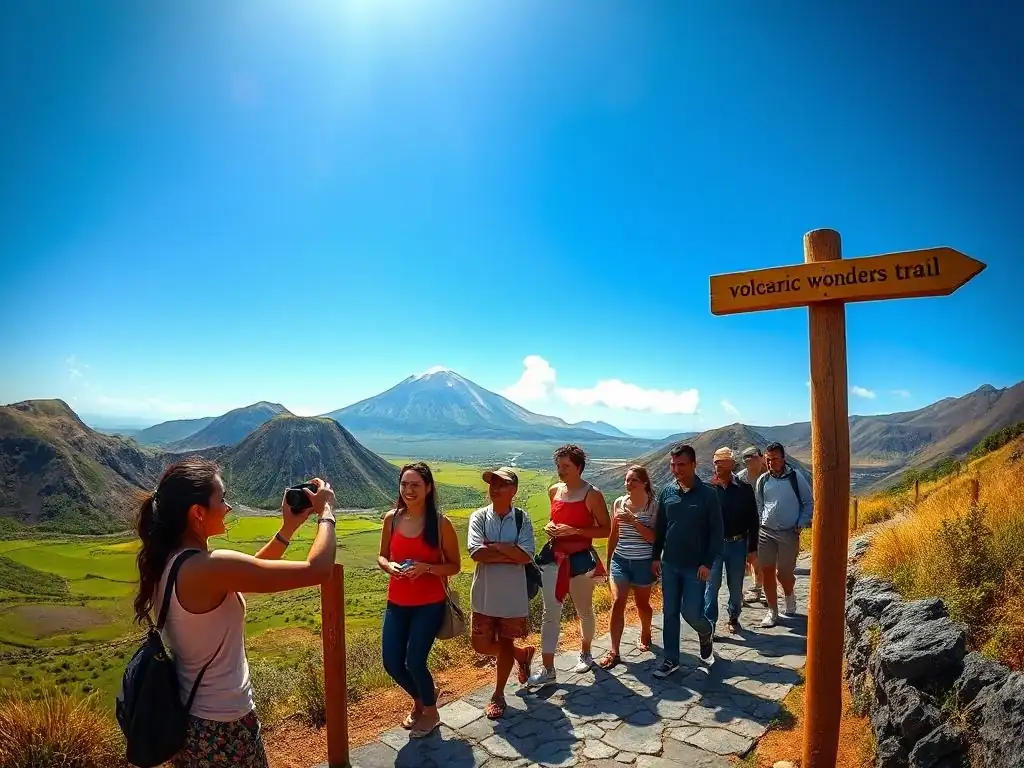
Mount Etna, Italy: Sustainable Tourism in Active Volcanic Areas
Mount Etna, Europe's largest active volcano, in Sicily, Italy, offers a compelling case study of successful and sustainable tourism in an active volcanic area. Despite the inherent risks associated with an active volcano, Etna attracts hundreds of thousands of tourists annually, drawn to its dramatic landscapes, volcanic activity, and unique biodiversity. The Parco dell'Etna (Etna Park), established in 1987, plays a crucial role in managing tourism and ensuring its sustainability. The park implements regulations to protect the environment, promotes responsible tourism practices, and works closely with local communities to maximize the economic benefits of tourism while minimizing negative impacts.
Tourism around Mount Etna is diverse, ranging from guided hikes to the summit craters (when activity permits) to wine tasting tours in the fertile volcanic soils at its foothills. Local communities are actively involved in tourism, providing accommodation, guiding services, and selling local products, including wine, honey, and handicrafts. The success of tourism at Mount Etna lies in its integrated approach, balancing visitor access with environmental protection and community involvement.
The park's management emphasizes education and awareness, informing tourists about volcanic hazards and responsible behavior, ensuring a safer and more sustainable tourism experience. This model demonstrates that even in highly active volcanic areas, tourism can be a powerful force for economic development when managed responsibly.
Iceland: Geothermal Energy, Tourism, and Volcanic Landscapes
Iceland stands as a global exemplar of how to leverage volcanic landscapes and geothermal activity for both energy production and tourism. The island nation's unique geological setting, characterized by active volcanoes, glaciers, and geothermal areas, has become a major tourist draw, attracting millions of visitors each year.
Iceland has successfully integrated tourism with its renewable energy sector, showcasing geothermal power plants and hot springs as tourist attractions while simultaneously utilizing geothermal energy to power homes and businesses across the country. The Blue Lagoon, a geothermal spa, is perhaps Iceland's most famous tourist destination, attracting visitors from around the world and generating significant revenue.
Beyond the Blue Lagoon, Iceland offers a vast array of volcanic tourism experiences, including glacier hikes on volcanic ice caps, visits to lava caves, and exploration of volcanic craters and geothermal areas. The country's tourism industry is built on principles of sustainability, emphasizing responsible travel and environmental stewardship. Icelandic tour operators prioritize eco-friendly practices, and the government actively promotes sustainable tourism development. The success of Iceland's model lies in its ability to capitalize on its volcanic resources in a way that is both economically beneficial and environmentally responsible, creating a synergy between tourism and sustainable energy production.
Arenal Volcano, Costa Rica: Ecotourism and Community Development
Arenal Volcano in Costa Rica provides a compelling example of how ecotourism can drive community development in volcanic regions. Following a period of intense volcanic activity in the late 20th century, the area around Arenal transformed from a relatively remote agricultural region into a thriving ecotourism destination. The iconic conical shape of Arenal Volcano, often shrouded in mist, and the surrounding lush rainforest, teeming with biodiversity, became major attractions for nature lovers and adventure seekers. Local communities played a central role in this transformation, establishing eco-lodges, guiding services, and community-based tourism initiatives.
Ecotourism in Arenal focuses on nature-based activities, such as hiking, wildlife watching, zip-lining through the rainforest canopy, and soaking in hot springs heated by volcanic activity. Many tourism businesses are locally owned and operated, ensuring that the economic benefits directly reach the community. Furthermore, tourism revenue has been reinvested in local infrastructure, education, and conservation projects, contributing to the overall well-being of the region. The Arenal case study demonstrates the power of ecotourism to empower local communities, promote environmental conservation, and create a sustainable economic model based on the natural assets of a volcanic landscape.
Challenges and Opportunities
Balancing Economic Growth with Environmental Protection
While tourism in volcanic regions offers significant economic benefits, it also presents challenges, particularly in balancing economic growth with environmental protection. Increased tourist traffic can put pressure on fragile volcanic ecosystems, leading to habitat degradation, erosion, and pollution. For instance, in areas with sensitive geothermal features, uncontrolled tourism can damage delicate formations and alter natural processes. The challenge lies in managing tourism in a way that minimizes environmental impact while maximizing economic gains.
Strategies for balancing these competing demands include implementing carrying capacity limits in sensitive areas, developing sustainable infrastructure (such as trails and visitor centers) that minimizes environmental footprint, and enforcing strict regulations regarding waste management and pollution control. Education and awareness campaigns for both tourists and local communities are also crucial to promote responsible behavior and foster a culture of environmental stewardship. Successful volcanic tourism destinations prioritize environmental protection as an integral part of their tourism development strategy, recognizing that the long-term sustainability of tourism depends on the health of the natural environment.
Managing Tourist Flows and Minimizing Environmental Impact
Effective management of tourist flows is essential to minimize environmental impact and ensure a positive visitor experience. Concentrated tourist activity in specific areas can lead to overcrowding, trail erosion, and damage to natural features. Implementing strategies to disperse tourists and manage visitor numbers is crucial. This can include promoting alternative attractions within the region, developing trail networks to distribute foot traffic, and utilizing time-based entry systems or permits to limit visitor numbers at peak times.
Zoning regulations can also play a vital role in managing tourist flows and protecting sensitive areas. Designating specific zones for different types of tourism activities, such as core protected areas with limited access and tourism zones with higher visitor capacity, helps to concentrate development and minimize impact on the most vulnerable ecosystems. Investing in sustainable transportation options, such as shuttle buses and cycling paths, can also reduce traffic congestion and pollution in volcanic regions, further minimizing the environmental footprint of tourism.
Sustainable Tourism Practices: Eco-Lodges and Community-Based Tourism
Sustainable tourism practices are paramount for ensuring the long-term viability of tourism in volcanic regions. Eco-lodges and community-based tourism initiatives are key components of this approach. Eco-lodges are designed and operated with a focus on minimizing environmental impact, often incorporating features such as renewable energy, water conservation, and waste recycling. They also prioritize employing local staff and sourcing local products, contributing to community economic development. Examples include eco-lodges around volcanoes in Costa Rica and Indonesia, which demonstrate how accommodation can be integrated with environmental sustainability.
Community-based tourism empowers local communities to directly benefit from tourism and participate in its management. These initiatives involve local communities in owning and operating tourism businesses, such as guesthouses, tour companies, and craft cooperatives. This ensures that tourism revenue directly benefits the community and fosters a sense of ownership and stewardship over natural and cultural resources. Community-based tourism projects around volcanoes in Ecuador and the Philippines illustrate how tourism can be a tool for poverty reduction and community empowerment while promoting cultural preservation and environmental conservation.
Risk Management: Volcanic Activity and Tourist Safety
The inherent risk of volcanic activity is a significant challenge for tourism in volcanic regions. Volcanic eruptions, ashfall, lava flows, and other volcanic hazards pose potential threats to tourist safety and infrastructure. Effective risk management is therefore crucial for ensuring the safety of visitors and the sustainability of tourism operations. This involves comprehensive monitoring of volcanic activity, developing early warning systems, and implementing evacuation plans in case of eruptions.
Tourist education and awareness are also vital components of risk management. Tour operators and park authorities have a responsibility to inform tourists about volcanic hazards, safety guidelines, and emergency procedures. Clearly marked trails, warning signs, and trained guides can help to minimize risks and ensure that tourists are aware of potential dangers. Contingency plans for volcanic emergencies, including communication protocols, evacuation routes, and emergency shelters, are essential for ensuring tourist safety and minimizing disruption to tourism operations in the event of volcanic activity.
The Role of Tour Operators in Promoting Responsible Tourism
Educating Tourists about Volcanic Hazards and Responsible Travel
Tour operators play a pivotal role in promoting responsible tourism in volcanic regions, starting with educating tourists about volcanic hazards and responsible travel practices. Before and during tours, operators should provide clear and accurate information about potential volcanic risks, safety guidelines, and emergency procedures. This includes briefing tourists on the types of volcanic hazards they may encounter, such as ashfall, gas emissions, or lava flows, and explaining how to respond in case of an eruption or other volcanic event.
Beyond safety, tour operators should also educate tourists about responsible environmental and cultural behavior. This includes promoting Leave No Trace principles, encouraging respect for local cultures and traditions, and highlighting the importance of supporting local businesses. By fostering a culture of responsible travel among tourists, tour operators contribute to minimizing the negative impacts of tourism and maximizing its positive contributions to volcanic regions. Well-informed and responsible tourists are more likely to appreciate the natural and cultural heritage of these areas and contribute to their long-term preservation.
Supporting Local Businesses and Promoting Cultural Heritage
Responsible tour operators actively support local businesses and promote the cultural heritage of volcanic regions. This can involve prioritizing partnerships with locally owned hotels, restaurants, and transportation providers, ensuring that tourism revenue directly benefits local communities. Tour operators can also incorporate visits to local craft workshops, cultural centers, and community-based tourism projects into their itineraries, providing tourists with authentic cultural experiences and supporting local livelihoods.
Promoting cultural heritage involves showcasing the unique traditions, customs, and historical significance of communities living in volcanic regions. This can include incorporating cultural performances, storytelling, and interactions with local residents into tour experiences. By highlighting the cultural richness of these areas, tour operators contribute to preserving cultural heritage and fostering cross-cultural understanding between tourists and local communities. This approach not only enhances the visitor experience but also strengthens the cultural fabric of volcanic regions.
Advocating for Sustainable Tourism Policies and Practices
Tour operators, as key stakeholders in the tourism industry, have a responsibility to advocate for sustainable tourism policies and practices in volcanic regions. This can involve working with government agencies, park authorities, and local communities to develop and implement sustainable tourism strategies. Tour operator associations can play a collective role in advocating for policies that promote environmental protection, community participation, and responsible tourism development.
This advocacy can take various forms, including participating in tourism planning processes, supporting the establishment of protected areas, and promoting regulations that ensure sustainable tourism practices. Tour operators can also lead by example by adopting and promoting sustainable business practices within their own operations, such as reducing waste, conserving energy, and supporting local communities. By actively engaging in policy advocacy and promoting best practices, tour operators can contribute to creating a more sustainable and responsible tourism industry in volcanic regions.
Collaboration with Local Communities
Effective collaboration with local communities is paramount for responsible tourism in volcanic regions. Tour operators should engage in meaningful dialogue and partnerships with local communities to ensure that tourism benefits them and aligns with their values and aspirations. This collaboration should go beyond simply employing local staff or sourcing local products; it should involve genuine consultation and participation in tourism planning and decision-making processes.
Community participation can take various forms, such as involving local communities in the design of tourism products, sharing tourism revenue with community development projects, and supporting community-based tourism initiatives. Building trust and fostering mutually beneficial relationships between tour operators and local communities is essential for creating a sustainable and equitable tourism industry. This collaborative approach ensures that tourism is not only economically viable but also socially and culturally responsible, contributing to the long-term well-being of volcanic regions and their inhabitants.
Community Benefits: Beyond Monetary Value

Preservation of Cultural Heritage and Traditions
Tourism in volcanic regions can offer benefits to local communities that extend far beyond monetary value, including the preservation of cultural heritage and traditions. As tourism brings increased attention and economic value to these regions, it can create incentives for communities to maintain and celebrate their unique cultural identities. Traditional crafts, dances, music, and storytelling, which might otherwise be at risk of being lost, can be revitalized and showcased to tourists, fostering cultural pride and continuity.
Tourism revenue can be directly invested in cultural preservation projects, such as restoring historical sites, supporting cultural festivals, and establishing cultural centers. The interaction between tourists and local communities can also lead to a renewed appreciation for cultural traditions and a stronger sense of cultural identity among younger generations. In regions where traditional livelihoods are declining, tourism can provide alternative economic opportunities that are rooted in cultural heritage, ensuring the survival and flourishing of unique cultural expressions.
Increased Awareness and Education about Volcanic Science
Tourism in volcanic regions can significantly increase public awareness and education about volcanic science and geology. Volcanic tourism destinations often serve as outdoor classrooms, providing opportunities for visitors to learn about volcanic processes, plate tectonics, and the Earth's dynamic systems. Visitor centers, guided tours, and interpretive displays can educate tourists about the science behind volcanoes, fostering a deeper understanding and appreciation for these natural phenomena.
This increased awareness can extend beyond tourists to local communities as well. Tourism can create opportunities for local residents to become involved in science education and outreach, working as guides, interpreters, or educators at visitor centers. Volcanic tourism can also support scientific research by providing access to volcanic sites and generating revenue that can be reinvested in scientific studies and monitoring programs. By promoting scientific literacy and engagement, tourism in volcanic regions contributes to a broader understanding of our planet and the natural forces that shape it.
Empowerment Through Tourism Ownership
Tourism, when developed in a community-led manner, can be a powerful tool for empowerment, particularly in marginalized or remote volcanic regions. Community-based tourism initiatives, where local communities own and manage tourism businesses, can provide economic autonomy and decision-making power to local residents. This empowerment extends beyond economic benefits to include social and political empowerment, as communities gain a stronger voice in local development and resource management decisions.
Tourism ownership can also foster entrepreneurship and skills development within communities. Local residents gain experience in business management, customer service, and marketing, enhancing their skills and employability. Furthermore, tourism can create opportunities for women and youth to participate in the economy and take on leadership roles, promoting gender equality and intergenerational equity. By empowering local communities through tourism ownership, volcanic regions can build more resilient and equitable societies that benefit from sustainable economic development and cultural preservation.
The Future of Tourism: Trends and Predictions
The Rise of Adventure Tourism and Volcano Expeditions
Adventure tourism is a rapidly growing trend in the tourism industry, and volcanic regions are increasingly popular destinations for adventure travelers. The dramatic landscapes and challenging terrain of volcanic areas offer opportunities for a wide range of adventure activities, such as volcano trekking, ice climbing on glaciers, lava cave exploration, and off-road driving. Volcano expeditions, which involve guided climbs to the summits of active volcanoes, are becoming increasingly sought after by thrill-seeking tourists.
This trend is likely to continue to grow in the future, driven by increasing demand for unique and experiential travel. Volcanic regions that can offer safe and well-managed adventure tourism experiences are poised to benefit from this growing market. However, it is crucial to ensure that adventure tourism is developed responsibly, with a focus on safety, environmental sustainability, and respect for local communities. Properly trained guides, safety protocols, and environmental impact assessments are essential for managing adventure tourism in volcanic areas sustainably.
The Importance of Geotourism and Educational Travel
Geotourism, which focuses on geological and natural heritage, is gaining prominence as a niche market within the tourism industry. Volcanic regions are prime geotourism destinations, offering rich geological stories and landscapes that appeal to intellectually curious travelers. Educational travel, with a focus on learning and discovery, is also becoming increasingly popular. Volcanic tourism can effectively combine geotourism and educational travel, providing opportunities for tourists to learn about volcanology, geology, and environmental science in situ.
Visitor centers, interpretive trails, and guided tours led by knowledgeable experts can enhance the educational value of volcanic tourism experiences. Partnerships between tourism operators and scientific institutions can further enrich educational offerings, providing access to research findings and scientific expertise. As travelers become more interested in meaningful and enriching experiences, geotourism and educational travel in volcanic regions are expected to grow, offering a more sustainable and intellectually stimulating form of tourism.
Adapting to Climate Change and its Impact on Volcanic Landscapes
Climate change poses significant challenges and uncertainties for tourism in volcanic regions. Changes in temperature, precipitation patterns, and sea levels can impact volcanic landscapes, ecosystems, and tourism infrastructure. Glacier retreat, altered vegetation patterns, and increased frequency of extreme weather events are potential consequences of climate change that could affect the attractiveness and accessibility of volcanic destinations.
Adapting to climate change requires proactive planning and management. This includes investing in climate-resilient infrastructure, diversifying tourism offerings to reduce reliance on climate-sensitive activities, and implementing conservation measures to protect vulnerable ecosystems. Monitoring climate change impacts and adapting tourism strategies accordingly is crucial for ensuring the long-term sustainability of tourism in volcanic regions in the face of a changing climate.
Growth of Niche Markets: Scientific and Wellness Tourism
Beyond adventure tourism and geotourism, niche markets like scientific tourism and wellness tourism are also showing growth potential in volcanic regions. Scientific tourism involves attracting researchers, students, and citizen scientists to volcanic areas for research, monitoring, and educational purposes. Volcanic regions offer unique opportunities for scientific study, and tourism can provide logistical support and funding for research activities.
Wellness tourism, which focuses on health and well-being, can also be integrated with volcanic tourism. Geothermal hot springs, volcanic mud baths, and the clean air and natural beauty of volcanic landscapes offer opportunities for relaxation, rejuvenation, and therapeutic experiences. Developing wellness tourism offerings that are aligned with the natural assets of volcanic regions can attract a new segment of tourists seeking health and well-being benefits. These niche markets offer opportunities to diversify tourism offerings and enhance the economic and social benefits of tourism in volcanic regions.
Conclusion: Sustainable Tourism for Thriving Communities
Long-Term Benefits of Responsible Tourism
Responsible tourism, when implemented effectively, offers significant long-term benefits for volcanic regions and the communities that inhabit them. Sustainable tourism practices ensure the preservation of natural and cultural resources, safeguarding the very assets that attract tourists in the first place. Economic benefits are sustained over time, providing stable livelihoods and contributing to long-term regional development. Community participation and empowerment foster social equity and ensure that tourism benefits are shared broadly within local populations.
Furthermore, responsible tourism promotes environmental stewardship and cultural preservation, strengthening the resilience of volcanic regions in the face of environmental and social changes. By prioritizing sustainability, volcanic tourism destinations can create a virtuous cycle, where tourism contributes to the well-being of both the environment and the community, ensuring a thriving future for generations to come. The long-term success of tourism in volcanic regions depends on a commitment to responsible practices and a holistic approach that integrates economic, environmental, and social considerations.
Call to Action: Supporting Sustainable Tourism Initiatives
Supporting sustainable tourism initiatives in volcanic regions is a collective responsibility that involves tourists, tour operators, governments, and local communities. Tourists can play a crucial role by choosing responsible tour operators, respecting local cultures and environments, and making conscious consumption choices. Tour operators should prioritize sustainable practices, educate tourists about responsible travel, and advocate for sustainable tourism policies. Governments should create enabling policy frameworks, invest in sustainable infrastructure, and enforce regulations that protect natural and cultural resources. Local communities should actively participate in tourism planning and management, ensuring that tourism benefits them and aligns with their values.
By working together, stakeholders can contribute to building a more sustainable and responsible tourism industry in volcanic regions. Supporting community-based tourism projects, choosing eco-friendly accommodation, and participating in conservation initiatives are concrete actions that can make a positive difference. Every effort, no matter how small, contributes to creating a more sustainable and equitable future for volcanic tourism and the communities that depend on it.
Connection Between Volcanoes, Communities, and Tourism
The connection between volcanoes, communities, and tourism is a powerful and dynamic one. Volcanoes, with their awe-inspiring beauty and geological significance, provide the foundation for tourism. Tourism, in turn, can provide an economic lifeline for communities living in volcanic regions, supporting livelihoods, driving development, and fostering cultural preservation. When managed sustainably, this relationship can be mutually beneficial, creating thriving communities that coexist harmoniously with these powerful natural wonders.
However, this relationship requires careful stewardship and a commitment to responsible practices. Balancing economic growth with environmental protection, managing tourist flows effectively, and ensuring community participation are essential for realizing the full potential of volcanic tourism while minimizing negative impacts. By embracing sustainable tourism principles, volcanic regions can harness the economic power of tourism to create thriving communities, protect natural and cultural heritage, and build a resilient and prosperous future.
Frequently Asked Questions
What are the primary economic benefits of tourism in volcanic regions?
Tourism provides a significant source of revenue for local communities through visitor spending on accommodations, food, tours, and souvenirs. This revenue can support local businesses and create employment opportunities.
How does tourism contribute to the conservation of volcanic landscapes?
Tourism can incentivize the preservation of volcanic landscapes by generating funds for conservation efforts and raising awareness about the importance of protecting these unique environments. It can also lead to the creation of protected areas.
What are some of the risks associated with tourism in active volcanic areas?
The risks include the possibility of volcanic eruptions, lahars (mudflows), and gas emissions, which can pose a danger to tourists and local residents. Careful risk assessment and management are crucial.
How can tourism be made more sustainable in volcanic regions?
Sustainable tourism practices include minimizing environmental impact, supporting local communities, and educating tourists about responsible behavior. Promoting ecotourism is a key aspect.
What types of activities are commonly offered to tourists visiting volcanic regions?
Popular activities include hiking and trekking, geothermal spa visits, volcano observation tours, and exploring lava caves. Often, there are also educational centers offering insights into volcanology.
Final Reflection: Embracing the Volcanic Legacy
The exploration of tourism's role in sustaining communities within volcanic regions reveals a powerful truth: economic vitality and natural wonder can coexist and thrive. This delicate balance, where the allure of volcanic landscapes fuels local economies, highlights the importance of responsible and sustainable practices to ensure these communities continue to prosper.
The enduring influence of these volcanic regions on our collective imagination, and the vital role tourism plays in preserving their unique cultural and natural heritage, cannot be overstated. These landscapes, shaped by forces both destructive and creative, offer invaluable lessons about resilience and adaptation. We do not inherit the earth from our ancestors; we borrow it from our children.
This proverb reminds us that our actions today will determine the future of these volcanic communities and the landscapes they call home.
As we conclude this journey through the economic lifeline of lava lands, consider the profound impact of your own travel choices. Let us all strive to be mindful visitors, supporting local businesses, respecting the environment, and contributing to the long-term sustainability of these remarkable volcanic regions. By embracing responsible tourism, we can ensure that the economic lifeline continues to flow, allowing these communities to flourish for generations to come.
Here's a CTA tailored for the end of the "The Economic Lifeline of Lava Lands: How Tourism Supports Communities in Volcanic Regions" article on Volcano Explorers (volcanoexplorers.org):
Ignite Your Inner Explorer: Support Volcanic Communities!
Thanks for diving deep into the impact of tourism on communities nestled near volcanic regions. We hope you've gained a new appreciation for the vital role responsible exploration plays in sustaining these unique cultures and environments. Now, it's time to take action!
- Plan Your Visit Responsibly: Make your next adventure a conscious one by choosing locally-owned businesses and eco-friendly tour operators when exploring volcanic areas.
- Share the Stories: Amplify the voices of these communities by posting about your experiences (or this article!) on social media using #VolcanoTourism and #ResponsibleTravel. Let others know how their travels can make a real difference.
- Adopt a Local Product: Find a unique, locally-made souvenir from a volcanic region and share its story with your friends and family. From obsidian jewelry to volcanic rock pottery, each purchase supports artisans and their craft.
What small step will you take today to support the communities living in these incredible volcanic landscapes?