
Volcano Tourism's Tipping Point: When Does Popularity Undermine Economic Sustainability?

Welcome to Volcano Explorers!
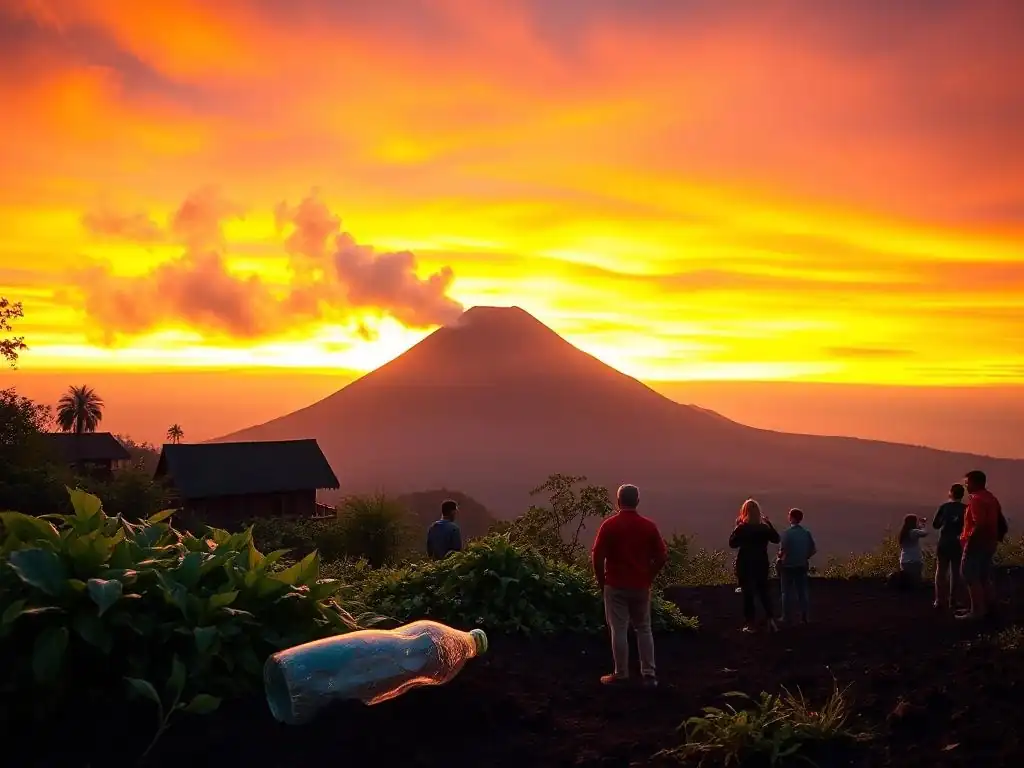
Prepare to journey into the heart of fiery landscapes and uncover the hidden truths behind these geological giants. But what happens when the allure of the volcano clashes with its own fragile ecosystem? Dive into our exploration of volcano tourism's economic sustainability issues, and discover if we're loving these natural wonders to death. The answer might surprise you... Are we approaching a tipping point?
- Introduction: Balancing Volcano Tourism and Long-Term Economic Health
- The Economic Benefits of Volcano Tourism
- The Dark Side: Economic Sustainability Issues in Volcano Tourism
- Factors Contributing to Economic Unsustainability in Volcano Tourism
- Case Studies: Volcano Tourism Successes and Failures
-
Strategies for Promoting Volcano Tourism Economic Sustainability
- Sustainable Tourism Practices: Minimizing Environmental Impact
- Community Involvement: Empowering Local Populations in Tourism Development
- Diversification of Tourism Products: Beyond the Volcano Itself
- Responsible Marketing: Attracting Tourists While Protecting Resources
- Implementing Tourism Management Plans: Collaborative Planning and Enforcement
- Mitigating the Risks: Planning for Volcanic Activity and Economic Downturns
- The Role of Volcanologists in Sustainable Volcano Tourism
- Conclusion: Achieving Long-Term Economic Viability in Volcano Tourism
-
Frequently Asked Questions
- How does increased volcano tourism potentially harm economic sustainability?
- What role do local communities play in ensuring the economic sustainability of volcano tourism?
- What are some strategies for mitigating the negative environmental impacts of volcano tourism?
- How can volcano tourism balance economic benefits with the need to protect the surrounding environment?
- What are the long-term risks of ignoring the economic sustainability issues related to volcano tourism?
- Final Reflection: Navigating the Lava Flow of Tourism
- Ignite Your Inner Explorer: Take Action Now!
Introduction: Balancing Volcano Tourism and Long-Term Economic Health
The Allure of Volcano Tourism: A Double-Edged Sword
Volcanoes, with their raw power and dramatic displays of nature's force, exert a powerful pull on the human imagination. This fascination has translated into a burgeoning tourism sector in volcanically active regions worldwide. From the fiery glow of lava lakes to the stark beauty of volcanic landscapes, these geological wonders offer unique and compelling experiences that attract millions of visitors annually.
The allure of witnessing active geological processes firsthand, combined with the stunning scenery often associated with volcanic areas, makes volcano tourism a significant and growing segment within the broader tourism industry. This attraction, however, presents a double-edged sword: while it brings economic opportunities, it also introduces significant challenges to the long-term economic sustainability of these often fragile environments and local communities.
The draw of volcano tourism stems from a variety of factors. For adventure seekers, activities like hiking on volcanic trails, exploring lava tubes, or even witnessing eruptions from a safe distance provide an unparalleled adrenaline rush. For nature enthusiasts, the unique ecosystems that develop in volcanic regions, often characterized by rare flora and fauna, offer scientific and aesthetic interest.
Moreover, volcanoes hold cultural significance for many communities, featuring in myths, legends, and traditional practices, adding another layer of attraction for culturally curious travelers. This multifaceted appeal positions volcano tourism as a potentially lucrative industry, yet it also necessitates careful management to ensure that the very qualities that attract tourists are not degraded or destroyed by unchecked growth.
Defining Economic Sustainability in the Context of Volcano Tourism
Economic sustainability in volcano tourism goes beyond simply generating short-term profits. It encompasses the ability of volcano tourism to contribute to long-term economic prosperity for local communities and national economies, while simultaneously preserving the natural and cultural resources upon which this tourism depends.
This definition requires a holistic approach that considers not only revenue and job creation but also the resilience of the tourism sector in the face of volcanic hazards, the equitable distribution of benefits within the community, and the minimization of negative environmental and social impacts. Ultimately, sustainable volcano tourism aims to create a mutually beneficial relationship between tourism, the environment, and the local population, ensuring that the economic gains are not achieved at the expense of long-term well-being.
Achieving economic sustainability in this context requires careful planning and management across multiple dimensions. It involves diversifying economic activities beyond tourism to reduce vulnerability to fluctuations in visitor numbers or volcanic events. It necessitates investing in infrastructure that supports tourism while minimizing environmental footprint and respecting local cultures.
Furthermore, it demands robust regulatory frameworks to manage tourism development, protect natural resources, and ensure that tourism revenues are reinvested in local communities and conservation efforts. In essence, defining economic sustainability in volcano tourism means focusing on creating a tourism model that is economically viable, environmentally sound, and socially equitable over the long term, rather than simply maximizing immediate economic returns.
The Economic Benefits of Volcano Tourism
Revenue Generation: Local Businesses and National Economies
Volcano tourism injects significant revenue into both local and national economies. Locally, businesses directly catering to tourists, such as hotels, restaurants, tour operators, and souvenir shops, experience increased sales and profitability. For instance, communities near Volcanoes National Park in Hawaii have seen substantial economic boosts from visitor spending. In 2019, before the COVID-19 pandemic, visitor spending in Hawai'i Volcanoes National Park contributed \$388 million to the local economy and supported 4,580 jobs. This revenue stream is crucial for small businesses and entrepreneurs in often remote or economically challenged volcanic regions, providing vital income and opportunities for local populations.
On a national level, volcano tourism contributes to the GDP through various channels including tourism taxes, park entrance fees, and the wider economic activity stimulated by the tourism sector. Countries like Iceland, heavily reliant on tourism, see a considerable portion of their national income derived from attractions including volcanoes and geothermal areas. Tourism accounted for approximately 8.5% of Iceland’s GDP in 2018.
This revenue enables governments to invest in public services, infrastructure, and conservation efforts. Furthermore, the international appeal of volcano tourism can enhance a country's global image and attract foreign investment in related sectors, demonstrating the broader economic impact beyond direct tourism spending.
Job Creation: Opportunities within the Volcano Tourism Sector
The volcano tourism sector is a significant job creator, offering a diverse range of employment opportunities for local communities. These jobs span various skill levels and sectors, from highly specialized roles like volcanology guides and park rangers to more general positions in hospitality, transportation, and retail. For example, in areas surrounding Mount Etna in Sicily, Italy, local communities have seen a surge in employment related to guided tours, vineyard operations capitalizing on volcanic soil, and agritourism ventures. These jobs not only provide income but also contribute to skill development and professional growth within the local workforce.
The multiplier effect of job creation in volcano tourism is also noteworthy. The growth of the tourism sector stimulates demand in supporting industries, such as agriculture (supplying restaurants), construction (building and maintaining tourism infrastructure), and local crafts (producing souvenirs). Moreover, tourism jobs often provide opportunities for entrepreneurship, empowering local residents to start their own businesses and contribute to the economic diversification of their communities. In regions with limited alternative employment options, volcano tourism becomes a vital source of livelihoods and economic stability, particularly for younger generations who might otherwise seek opportunities elsewhere.
Infrastructure Development Fueled by Tourism Revenue
Volcano tourism often acts as a catalyst for infrastructure development in and around volcanic regions. The need to accommodate tourists and provide them with access to volcanic sites necessitates investments in transportation networks, accommodation facilities, and essential utilities. For instance, the development of tourism in Costa Rica's Arenal Volcano area led to significant improvements in road networks, the construction of hotels and resorts, and the upgrade of local airports. These infrastructure improvements not only benefit tourists but also enhance the quality of life for local residents, providing better access to services and markets.
Furthermore, tourism revenue can be specifically earmarked for infrastructure projects that directly support volcano tourism and conservation. Entrance fees to national parks, for example, are often reinvested in trail maintenance, visitor centers, and conservation programs. In some cases, tourism revenue has funded the development of specialized infrastructure like geothermal power plants that harness volcanic energy, creating a synergy between tourism and sustainable energy production. This infrastructure development, driven by tourism, leaves a lasting positive impact on the region, extending beyond the immediate benefits to the tourism sector and contributing to long-term regional development.
The Dark Side: Economic Sustainability Issues in Volcano Tourism
Over-Reliance on a Single Industry: Vulnerability to Disasters and Trends
One of the most significant economic sustainability issues in volcano tourism is the potential for over-reliance on a single industry. When a local economy becomes heavily dependent on tourism, particularly volcano tourism, it becomes acutely vulnerable to external shocks and unforeseen events. Volcanic eruptions, for example, can have devastating impacts on tourism, leading to temporary or even prolonged closures of tourist sites and a drastic decline in visitor numbers. The 2010 eruption of Eyjafjallajökull in Iceland, while not directly causing widespread damage, disrupted air travel across Europe and led to cancellations and losses for the Icelandic tourism industry.
Beyond volcanic events, shifts in tourism trends, economic downturns, or global crises like pandemics can severely impact volcano tourism-dependent economies. If visitor preferences change, or if a global recession reduces discretionary spending on travel, regions heavily reliant on volcano tourism may face significant economic hardship. This lack of economic diversification creates instability and makes these regions susceptible to boom-and-bust cycles, hindering long-term sustainable development. Therefore, while volcano tourism can be a valuable economic driver, over-dependence on it can create significant economic vulnerability.
Leakage of Tourism Revenue: Cruise Ship Excursions Primarily Benefiting Foreign Companies
A significant challenge to the economic sustainability of volcano tourism, particularly in island nations or coastal regions, is the leakage of tourism revenue. This occurs when a substantial portion of the money spent by tourists does not stay within the local economy but instead flows out to foreign-owned companies or international entities.
A common example of this is cruise ship tourism. While cruise ships may bring large numbers of tourists to a volcanic island or coastal area for excursions, the majority of the revenue generated often goes to the cruise lines, which are often headquartered and registered outside of the destination country.
Cruise ship excursions, while offering short-term economic activity, often utilize foreign tour operators, buses, and guides, further limiting the economic benefits for local businesses. Tourists on cruise excursions may spend only a small amount of money on local goods and services, as their accommodation, meals, and entertainment are primarily provided onboard the ship.
This leakage of revenue reduces the potential for volcano tourism to contribute to local economic development and can exacerbate economic disparities within the host community. Addressing revenue leakage requires strategies to encourage cruise ship companies and tour operators to utilize local businesses and services more extensively, ensuring a greater share of tourism revenue benefits the destination economy.
Short-Term Gains vs. Long-Term Economic Planning
The allure of quick economic gains from volcano tourism can sometimes overshadow the need for long-term economic planning and sustainable development. The immediate influx of revenue and job creation can lead to a focus on maximizing short-term profits, potentially at the expense of environmental protection, community well-being, and long-term economic diversification. This short-sighted approach can result in unsustainable tourism practices, over-exploitation of natural resources, and a lack of investment in alternative economic sectors.
For instance, rapid, uncontrolled development of tourism infrastructure near volcanic sites, driven by the desire to capitalize on immediate tourist demand, can lead to environmental degradation, loss of biodiversity, and strain on local resources like water and energy. Furthermore, neglecting to invest in education, skills training, or diversification initiatives in favor of solely focusing on tourism can leave local economies vulnerable in the long run.
Sustainable volcano tourism requires a shift from prioritizing short-term gains to adopting a long-term perspective that integrates economic development with environmental stewardship and community resilience. This necessitates strategic planning, robust regulatory frameworks, and a commitment to reinvesting tourism revenues in sustainable development initiatives.
Factors Contributing to Economic Unsustainability in Volcano Tourism
Uncontrolled Development: Impact on Natural Resources and Local Communities
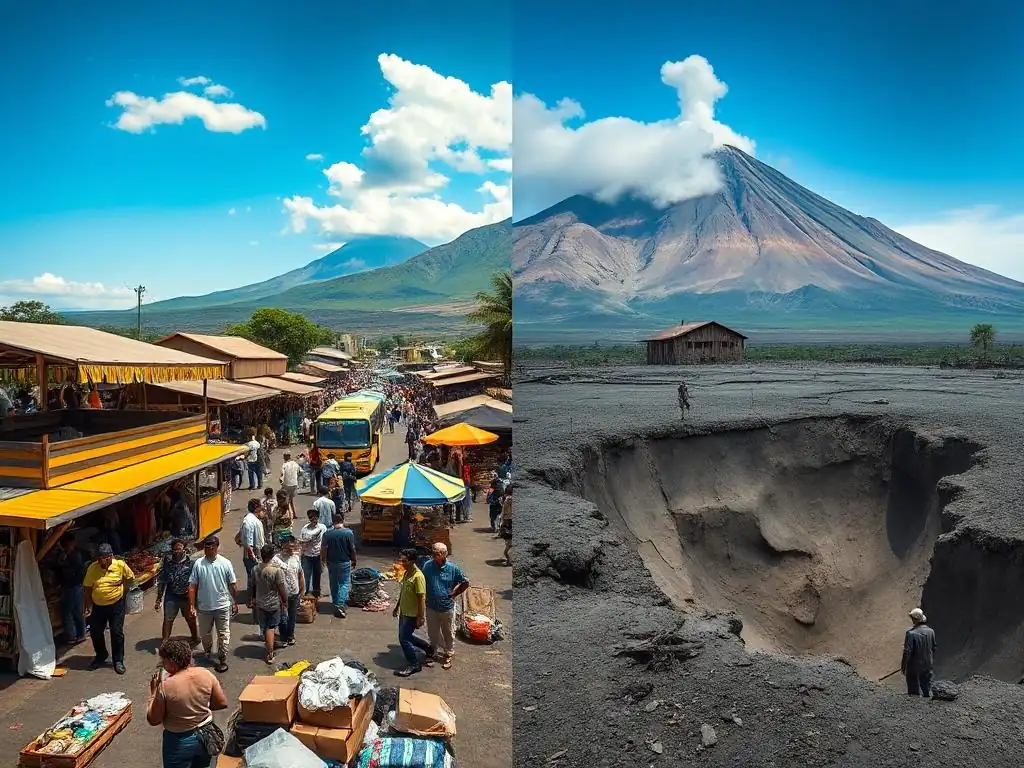
Uncontrolled development is a major factor contributing to economic unsustainability in volcano tourism. When tourism development proceeds without proper planning, regulation, or consideration for environmental and social impacts, it can lead to the degradation of the very resources that attract tourists in the first place. This often manifests as over-construction of hotels and tourism facilities, encroachment on natural habitats, and inadequate waste management, especially in fragile volcanic environments. For example, in some volcanic areas, rapid tourism growth has resulted in deforestation, soil erosion, and water pollution, diminishing the natural beauty and ecological integrity of the landscape.
Furthermore, uncontrolled development can negatively impact local communities. Over-tourism can lead to overcrowding, increased prices for essential goods and services, and the displacement of local residents as land values rise. It can also erode local culture and traditions as tourism becomes the dominant economic and social force.
The long-term economic consequences of uncontrolled development include a decline in the quality of the tourism experience, environmental damage that reduces the attractiveness of the destination, and social unrest within local communities. Sustainable volcano tourism requires proactive planning and regulation to guide development, ensuring that it is environmentally responsible, culturally sensitive, and benefits local communities in the long term.
Lack of Diversification: Dependence on Specific Volcanic Features or Activities
Economic unsustainability in volcano tourism can also arise from a lack of diversification, specifically, over-dependence on specific volcanic features or activities. If a tourism destination focuses solely on one type of volcanic attraction, such as a particular crater lake or a specific hiking trail, its economic viability becomes highly vulnerable to changes or disruptions affecting that single feature. For example, if a popular volcanic crater becomes inaccessible due to increased volcanic activity or environmental degradation, the entire tourism economy built around that feature could collapse.
Similarly, reliance on a narrow range of tourism activities, such as solely offering guided hikes or volcano viewing tours, limits the appeal to a broader tourist market and increases vulnerability to shifts in tourist preferences. A lack of diversification also reduces the resilience of the tourism sector to external shocks, such as natural disasters or economic downturns. To enhance economic sustainability, volcano tourism destinations need to diversify their tourism products and experiences.
This could involve developing attractions and activities beyond the volcano itself, such as cultural tourism, adventure sports, or ecotourism focused on the broader volcanic landscape and its biodiversity. Diversification creates a more robust and resilient tourism economy, less susceptible to the risks associated with over-reliance on a single volcanic feature or activity.
Inadequate Infrastructure: Straining Resources and Limiting Growth
Inadequate infrastructure poses a significant challenge to the economic sustainability of volcano tourism. Volcanic regions are often remote and geographically challenging, requiring substantial investment in infrastructure to support tourism development. Insufficient transportation networks, inadequate accommodation facilities, limited access to clean water and sanitation, and unreliable energy supplies can all strain resources and limit the potential for sustainable tourism growth. For example, in some developing countries with volcanic tourism potential, poor road conditions and a lack of public transportation can hinder access to volcanic sites, limiting visitor numbers and the economic benefits for local communities.
Furthermore, inadequate infrastructure can lead to environmental problems. Overburdened waste management systems can result in pollution, while insufficient water and energy resources can strain local ecosystems. The lack of proper infrastructure can also compromise visitor safety and the quality of the tourism experience, potentially deterring future visitors. Addressing infrastructure deficits is crucial for promoting sustainable volcano tourism. This requires strategic investment in transportation, utilities, and tourism facilities, ensuring that infrastructure development is planned in an environmentally responsible manner and supports the long-term growth and resilience of the volcano tourism sector.
Case Studies: Volcano Tourism Successes and Failures
Mount Vesuvius, Italy: Challenges of Balancing Preservation and Mass Tourism
Mount Vesuvius, overlooking the Bay of Naples, Italy, presents a compelling case study in the challenges of balancing preservation and mass tourism in a volcanic area. Vesuvius National Park, established in 1995, aims to protect the volcano's unique ecosystem and manage the large influx of tourists who come to see the crater and the ruins of Pompeii and Herculaneum nearby. The park attracts over 2.5 million visitors annually, generating significant revenue for the local economy through entrance fees, guided tours, and tourism-related businesses. However, this massive influx of tourists also presents considerable challenges.
The sheer volume of visitors puts immense pressure on the park's infrastructure, including trails, parking areas, and visitor facilities. Traffic congestion on the winding roads leading up Vesuvius is a persistent problem, contributing to air pollution and detracting from the visitor experience. Furthermore, the delicate volcanic ecosystem is vulnerable to trampling, erosion, and littering.
Balancing the economic benefits of mass tourism with the need to preserve the natural and cultural heritage of Vesuvius requires ongoing management efforts, including visitor quotas, improved infrastructure, and stricter enforcement of park regulations. The case of Vesuvius highlights the delicate balance between capitalizing on tourism and safeguarding a fragile volcanic environment under intense pressure.
Kilauea, Hawaii: The Economic Impact of Eruptions and Rerouting Tourism
Kilauea volcano on the Big Island of Hawaii provides a stark example of the economic impact of eruptions and the need for flexibility and resilience in volcano tourism. For decades, Kilauea's Puʻuʻōʻō eruption was a major tourist attraction, drawing visitors to Hawai'i Volcanoes National Park to witness the lava flows. Volcano tourism was a significant contributor to the Big Island's economy, supporting numerous businesses and jobs. However, the 2018 Kilauea eruption, which dramatically altered the landscape and destroyed residential areas, also profoundly impacted tourism.
The eruption initially led to a sharp decline in visitor numbers as parts of the park were closed and concerns about volcanic hazards deterred tourists. However, as the eruption subsided and new volcanic features emerged, tourism began to adapt and reroute. Boat tours to view the lava entry into the ocean became popular, and helicopter tours offered aerial views of the altered landscape.
The eruption, while devastating in many ways, also created new tourism attractions and opportunities. The Kilauea case demonstrates the dynamic nature of volcano tourism, its vulnerability to volcanic events, and the importance of adaptability and diversification in managing tourism in active volcanic regions.
Iceland's Volcanic Regions: Managing Geothermal Energy Use and Tourism Growth
Iceland's volcanic regions offer a contrasting case study, showcasing how a country can successfully manage geothermal energy use and tourism growth while leveraging its volcanic landscape for economic benefit. Iceland has harnessed its abundant geothermal resources for electricity generation and heating for decades, contributing to its energy independence and green economy. Simultaneously, Iceland's dramatic volcanic landscapes, including glaciers, geysers, and lava fields, have become major tourist attractions, driving significant economic growth in recent years.
Iceland's success lies in its integrated approach to managing its volcanic resources. Geothermal energy development is carefully regulated to minimize environmental impacts, and tourism development is guided by sustainable principles. The country has invested heavily in infrastructure to support both geothermal energy production and tourism, including roads, power grids, and visitor facilities.
Furthermore, Iceland has actively promoted its unique blend of geothermal energy and volcanic tourism, creating a positive image and attracting environmentally conscious travelers. Iceland's example demonstrates the potential for synergistic development, where geothermal energy and volcano tourism can coexist and contribute to a sustainable and diversified economy, provided there is careful planning and management.
Strategies for Promoting Volcano Tourism Economic Sustainability
Sustainable Tourism Practices: Minimizing Environmental Impact
Implementing sustainable tourism practices is paramount for ensuring the long-term economic sustainability of volcano tourism. This involves adopting measures to minimize the environmental impact of tourism activities, protecting the natural resources that attract visitors, and ensuring the long-term viability of the tourism sector. Key sustainable practices include responsible waste management, minimizing water and energy consumption, and reducing carbon emissions from transportation and tourism operations. For example, encouraging the use of public transportation, promoting eco-friendly accommodation options, and implementing strict regulations against littering and environmental damage are crucial steps.
Furthermore, sustainable practices extend to the design and construction of tourism infrastructure. Using locally sourced materials, minimizing building footprints, and incorporating green building technologies can reduce the environmental impact of tourism development. Promoting low-impact tourism activities such as hiking, nature observation, and cultural tours, rather than resource-intensive activities, can also contribute to sustainability. Educating tourists and local businesses about sustainable practices is essential for fostering a culture of environmental responsibility within the volcano tourism sector. By prioritizing environmental sustainability, volcano tourism destinations can safeguard their natural assets and ensure their long-term economic appeal.
Community Involvement: Empowering Local Populations in Tourism Development
Meaningful community involvement is crucial for ensuring that volcano tourism benefits local populations and contributes to equitable and sustainable economic development. This involves actively engaging local communities in the planning, development, and management of tourism initiatives, ensuring that their voices are heard and their interests are represented. Empowering local communities can take various forms, including involving them in decision-making processes, providing training and employment opportunities within the tourism sector, and supporting local businesses and entrepreneurs. For example, establishing community-based tourism enterprises, such as locally owned tour companies or craft cooperatives, can ensure that tourism revenue directly benefits local residents.
Furthermore, community involvement can help to preserve local culture and traditions, which are often an integral part of the volcano tourism experience. Integrating local cultural elements into tourism offerings, respecting local customs and values, and ensuring that tourism does not displace or marginalize local communities are essential aspects of sustainable volcano tourism. By empowering local populations and ensuring that they are active participants and beneficiaries of tourism development, volcano tourism destinations can foster a sense of ownership, promote social equity, and enhance the long-term sustainability of the tourism sector.
Diversification of Tourism Products: Beyond the Volcano Itself
Diversifying tourism products beyond the volcano itself is a key strategy for enhancing the economic sustainability and resilience of volcano tourism destinations. Over-reliance on a single volcanic feature or activity makes the tourism sector vulnerable to disruptions and limits its appeal to a broader market. Expanding the range of tourism offerings can attract a wider variety of visitors, reduce dependence on specific volcanic attractions, and create a more robust and diversified tourism economy. This diversification can include developing cultural tourism experiences, showcasing local cuisine, promoting adventure sports, and highlighting the biodiversity and natural beauty of the broader volcanic region.
For example, destinations could develop hiking trails that explore the surrounding landscape beyond the immediate volcanic area, offer cultural tours that showcase local traditions and heritage, or create agritourism experiences that connect visitors with local agriculture and food production. Developing wellness tourism centered around geothermal hot springs or spas can also attract a different segment of tourists. By diversifying tourism products and experiences, volcano tourism destinations can reduce their vulnerability to changes affecting specific volcanic features, broaden their market appeal, and create a more sustainable and resilient tourism economy that benefits a wider range of local businesses and communities.
Responsible Marketing: Attracting Tourists While Protecting Resources
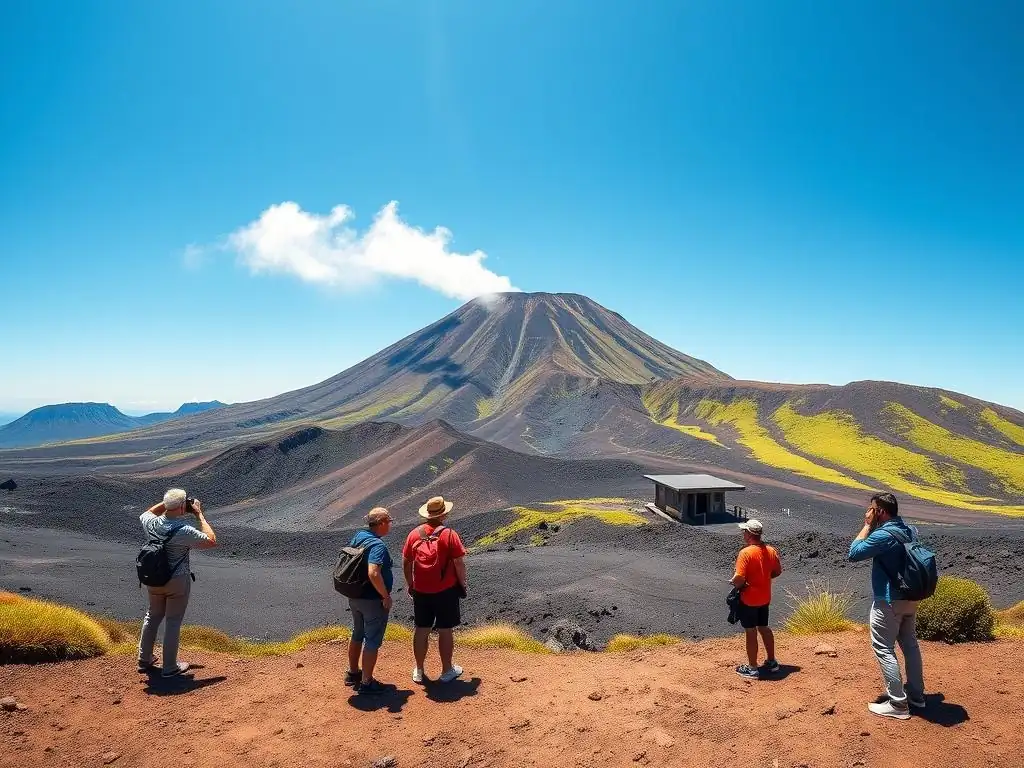
Responsible marketing plays a vital role in promoting volcano tourism economic sustainability. Marketing efforts should focus on attracting tourists who are environmentally conscious, respectful of local cultures, and willing to engage in sustainable tourism practices. Avoidance of mass-market, "cheap" tourism marketing that prioritizes quantity over quality is crucial. Instead, marketing campaigns should emphasize the unique natural and cultural values of the volcano destination, promoting authentic experiences and responsible travel. This can involve targeting niche markets, such as ecotourists, adventure travelers, and cultural enthusiasts, who are more likely to appreciate and support sustainable tourism practices.
Responsible marketing also involves providing accurate and transparent information to tourists about volcanic hazards, environmental sensitivities, and appropriate visitor behavior. Educating tourists about the importance of respecting park regulations, minimizing their environmental impact, and supporting local communities is an essential aspect of responsible marketing. Marketing materials should also promote sustainable tourism practices and encourage tourists to make environmentally and socially responsible choices during their visit. By adopting a responsible marketing approach, volcano tourism destinations can attract a more discerning and sustainable tourist base, contributing to the long-term economic and environmental viability of the tourism sector.
Implementing Tourism Management Plans: Collaborative Planning and Enforcement
Implementing comprehensive tourism management plans is essential for ensuring the sustainable development of volcano tourism. These plans should be developed through a collaborative process involving government agencies, local communities, tourism businesses, scientists, and other stakeholders. A tourism management plan should outline clear objectives for sustainable tourism development, identify strategies for minimizing environmental and social impacts, and establish mechanisms for monitoring and evaluating tourism performance. The plan should address key issues such as visitor management, infrastructure development, resource protection, community involvement, and marketing.
Effective implementation of a tourism management plan requires strong regulatory frameworks, clear guidelines for tourism development, and robust enforcement mechanisms. This includes establishing zoning regulations to control development in sensitive areas, implementing visitor quotas or permits to manage overcrowding, and enforcing environmental regulations to prevent pollution and resource degradation.
Regular monitoring and evaluation of the plan's effectiveness are crucial for adaptive management and ensuring that tourism development remains on a sustainable path. By developing and implementing comprehensive tourism management plans through collaborative planning and effective enforcement, volcano tourism destinations can create a framework for sustainable tourism development that balances economic benefits with environmental protection and community well-being.
Mitigating the Risks: Planning for Volcanic Activity and Economic Downturns
Risk Assessment and Mitigation Strategies: Preparing for Volcanic Eruptions
Planning for volcanic activity is paramount for mitigating risks and ensuring the economic resilience of volcano tourism destinations. Volcanic eruptions are a natural hazard that can have significant impacts on tourism, ranging from temporary disruptions to long-term economic setbacks. Conducting thorough risk assessments to identify potential volcanic hazards, evaluate vulnerabilities, and develop mitigation strategies is crucial. Risk assessments should consider various volcanic scenarios, including different types of eruptions, ashfall, lava flows, and gas emissions, and their potential impacts on tourism infrastructure, visitor safety, and local economies.
Mitigation strategies can include developing early warning systems for volcanic activity, establishing evacuation plans for tourists and local communities, and investing in infrastructure that is resilient to volcanic hazards. For example, constructing ash-resistant buildings, developing alternative transportation routes in case of road closures, and establishing emergency communication networks can enhance preparedness. Training tourism operators and local communities in emergency response procedures is also essential. By proactively planning for volcanic activity and implementing effective risk mitigation strategies, volcano tourism destinations can reduce their vulnerability to volcanic hazards and enhance their economic resilience.
Economic Diversification: Reducing Dependence on Volcano Tourism
Economic diversification is a critical strategy for reducing dependence on volcano tourism and enhancing the long-term economic sustainability of volcanic regions. Over-reliance on a single industry, such as volcano tourism, makes local economies vulnerable to external shocks, including volcanic eruptions, economic downturns, and shifts in tourism trends. Diversifying the economy by developing alternative sectors can create a more resilient and stable economic base. This diversification can involve promoting other forms of tourism, such as ecotourism, cultural tourism, or adventure tourism, that are less directly tied to volcanic activity.
Furthermore, diversification can extend beyond tourism to include developing other economic sectors, such as agriculture, renewable energy, or light manufacturing. Investing in education, skills training, and infrastructure that supports diversification is crucial. For example, promoting sustainable agriculture, developing geothermal energy resources, or attracting businesses in other sectors can create alternative employment opportunities and reduce dependence on volcano tourism. By diversifying their economies, volcano tourism destinations can reduce their vulnerability to economic shocks and create a more sustainable and resilient economic future.
Insurance and Emergency Funds: Protecting Local Businesses and Communities
Establishing insurance schemes and emergency funds is an important mechanism for protecting local businesses and communities from economic losses resulting from volcanic activity and other unforeseen events. Volcanic eruptions can cause significant damage to tourism infrastructure, disrupt business operations, and lead to loss of income for local communities. Insurance schemes can provide financial protection to tourism businesses against property damage, business interruption, and liability claims resulting from volcanic events. Developing affordable and accessible insurance options that are tailored to the specific risks of volcano tourism is crucial.
In addition to insurance, establishing emergency funds can provide immediate financial assistance to local communities and businesses in the aftermath of a volcanic eruption or other crisis. These funds can be used to support emergency relief efforts, provide temporary income support, and assist with business recovery. Funding for these schemes and funds can come from various sources, including tourism revenue, government contributions, and international aid. By establishing insurance mechanisms and emergency funds, volcano tourism destinations can create a safety net to protect local businesses and communities from economic hardship and facilitate a quicker recovery after a crisis.
The Role of Volcanologists in Sustainable Volcano Tourism
Providing Scientific Expertise: Informing Tourism Planning and Management
Volcanologists play a crucial role in promoting sustainable volcano tourism by providing scientific expertise to inform tourism planning and management. Their knowledge of volcanic processes, hazards, and monitoring techniques is essential for ensuring visitor safety and minimizing environmental impacts. Volcanologists can contribute to risk assessments by identifying potential volcanic hazards, mapping hazard zones, and providing probabilistic assessments of eruption likelihood. This information is vital for guiding land-use planning, infrastructure development, and tourism zoning in volcanic areas.
Furthermore, volcanologists can provide scientific input into the design of tourism infrastructure, ensuring that it is located in safe areas and constructed to withstand potential volcanic hazards. They can also advise on the development of visitor safety protocols, evacuation plans, and emergency response procedures. Volcanologists can contribute to environmental impact assessments by evaluating the potential effects of tourism development on volcanic ecosystems and recommending mitigation measures. By providing scientific expertise, volcanologists play a critical role in ensuring that volcano tourism is developed and managed in a safe, responsible, and sustainable manner.
Monitoring Volcanic Activity: Ensuring Visitor Safety
Continuous monitoring of volcanic activity by volcanologists is essential for ensuring visitor safety in volcano tourism destinations. Volcanic activity can change rapidly, and early detection of changes is crucial for providing timely warnings and implementing safety measures. Volcanological monitoring networks typically include a range of instruments, such as seismometers, GPS stations, gas sensors, and thermal cameras, to detect and track volcanic unrest. Real-time data from these monitoring networks is analyzed by volcanologists to assess volcanic activity levels and identify potential eruption precursors.
Volcanologists provide regular updates on volcanic activity to tourism authorities, park managers, and the public. They issue alerts and warnings when volcanic activity increases and recommend appropriate safety measures, such as closing trails, restricting access to certain areas, or evacuating visitors. Effective communication of volcanic hazards information to tourists and tourism operators is crucial for ensuring visitor safety. By continuously monitoring volcanic activity and providing timely warnings, volcanologists play a vital role in mitigating volcanic risks and ensuring the safety of visitors in volcano tourism destinations.
Educating Tourists and Local Communities: Promoting Responsible Behavior
Volcanologists contribute to sustainable volcano tourism by educating tourists and local communities about volcanic processes, hazards, and responsible behavior in volcanic areas. Educational programs can enhance visitor understanding and appreciation of volcanoes, promote responsible tourism practices, and improve safety awareness. Volcanologists can participate in developing educational materials for visitor centers, trails, and online resources, explaining volcanic phenomena in accessible terms and highlighting the importance of respecting park regulations and minimizing environmental impacts.
They can also conduct public outreach programs, giving talks and presentations to local communities and schools to raise awareness about volcanic hazards and preparedness measures. Engaging local communities in volcano education can foster a sense of ownership and responsibility for volcano tourism and promote community-based disaster preparedness. By educating tourists and local communities, volcanologists contribute to a more informed and responsible approach to volcano tourism, enhancing both visitor safety and environmental sustainability.
Conclusion: Achieving Long-Term Economic Viability in Volcano Tourism
The Future of Volcano Tourism: A Call for Sustainable Practices
The future of volcano tourism hinges on a global commitment to sustainable practices. As demand for unique and adventurous travel experiences continues to grow, volcano tourism is poised for further expansion. However, unchecked growth without a strong focus on sustainability risks undermining the very attractions that draw tourists, jeopardizing the long-term economic viability of this sector.
A shift towards prioritizing quality over quantity in tourism, emphasizing responsible travel, and investing in environmental protection and community well-being is essential. The future of volcano tourism must be built upon principles of sustainability, ensuring that it benefits both local communities and the environment while providing enriching experiences for visitors.
This call for sustainable practices extends to all stakeholders involved in volcano tourism, including governments, tourism businesses, local communities, and tourists themselves. Governments need to implement robust regulatory frameworks and management plans. Tourism businesses must adopt sustainable operating practices and promote responsible tourism.
Local communities need to be empowered and actively involved in tourism planning and management. Tourists must become more conscious of their environmental and social footprint and choose responsible tourism options. Only through a collective commitment to sustainability can volcano tourism realize its full potential as a long-term economic driver and a force for positive change in volcanic regions worldwide.
Balancing Economic Growth with Environmental Protection and Community Well-being
Achieving long-term economic viability in volcano tourism requires a delicate balancing act between economic growth, environmental protection, and community well-being. These three pillars of sustainability are interconnected and interdependent. Economic growth cannot be pursued at the expense of environmental degradation or social inequity. Environmental protection is essential for maintaining the long-term attractiveness of volcano tourism destinations and ensuring the resilience of volcanic ecosystems. Community well-being is paramount for ensuring that tourism benefits local populations and fosters social harmony.
Finding the right balance requires integrated planning and management approaches that consider the economic, environmental, and social dimensions of volcano tourism. This involves setting clear sustainability goals, implementing appropriate policies and regulations, and fostering collaboration among stakeholders. It also requires ongoing monitoring and evaluation to track progress towards sustainability goals and adapt management strategies as needed. By prioritizing this balance, volcano tourism destinations can create a model of development that is not only economically successful but also environmentally responsible and socially equitable, ensuring long-term viability and benefits for all.
Investing in the Future: Ensuring the Long-Term Economic Benefits of Volcano Tourism
Investing in the future is crucial for ensuring the long-term economic benefits of volcano tourism. This investment must go beyond simply building more hotels and infrastructure. It requires strategic investments in environmental conservation, community development, education, and economic diversification. Investing in protecting volcanic ecosystems, managing natural resources sustainably, and mitigating environmental impacts is essential for preserving the long-term attractiveness of volcano tourism destinations. Investing in community development, education, and skills training empowers local populations to participate fully in the tourism sector and benefit equitably from tourism revenue.
Furthermore, investing in economic diversification reduces dependence on volcano tourism and enhances the resilience of local economies. Investing in research and innovation can also contribute to sustainable volcano tourism, developing new technologies and approaches for monitoring volcanic activity, minimizing environmental impacts, and enhancing the visitor experience. Long-term economic benefits of volcano tourism are not guaranteed; they require proactive investment in sustainability, resilience, and the well-being of both the environment and local communities. By making these strategic investments, volcano tourism destinations can secure a prosperous and sustainable future for generations to come.
Frequently Asked Questions
How does increased volcano tourism potentially harm economic sustainability?
Increased tourism can lead to environmental degradation, putting a strain on local resources and infrastructure. This can, in turn, reduce the attractiveness of the destination and ultimately impact long-term tourism revenue. The lack of sustainable practices is also a key issue.
What role do local communities play in ensuring the economic sustainability of volcano tourism?
Local communities are crucial; their involvement ensures that tourism benefits them directly and that their cultural heritage is respected and preserved. They can also play a vital role in monitoring and managing tourism's impact on the environment. Community-led initiatives are most effective.
What are some strategies for mitigating the negative environmental impacts of volcano tourism?
Implementing strict regulations on waste management, limiting visitor numbers, and promoting eco-friendly transportation are essential. Supporting conservation efforts and educating tourists about responsible behavior are also key strategies.
How can volcano tourism balance economic benefits with the need to protect the surrounding environment?
By adopting a holistic approach that considers both economic gains and environmental preservation. This means investing in sustainable infrastructure, diversifying tourism offerings beyond the immediate volcano area, and promoting responsible tourism practices.
Ignoring these issues can lead to resource depletion, environmental damage, and the eventual decline of the tourism industry itself. This can result in economic hardship for local communities and the loss of valuable natural and cultural assets. Unsustainable practices are the greatest threat.
The exploration of volcano tourism's economic sustainability issues reveals a critical juncture: the balance between economic gain and environmental preservation. The allure of active volcanoes draws tourists, generating revenue, but unchecked growth threatens the very landscapes that attract them. This delicate equilibrium demands careful consideration and proactive management to prevent the destruction of these unique ecosystems.
The impact of volcano tourism extends beyond mere economics; it shapes the cultural narratives and environmental integrity of surrounding communities. Witnessing the raw power of nature firsthand is a transformative experience, but it also carries the responsibility of stewardship. We do not inherit the earth from our ancestors; we borrow it from our children.
This poignant reminder underscores the urgency of sustainable practices in volcano tourism, ensuring future generations can marvel at these wonders without compromising their well-being.
As we conclude this exploration, I invite you to reflect on your own role in preserving these volcanic landscapes. Consider the choices you make as a traveler, the businesses you support, and the conversations you initiate. Let us strive to be conscious custodians, ensuring that the fiery beauty of volcanoes continues to inspire and sustain, rather than be consumed by unsustainable practices.
Ignite Your Inner Explorer: Take Action Now!
Thanks for diving into the dynamic world of volcano tourism and its impact on sustainable economies! We hope you've gained a fresh perspective on balancing exploration with responsible practices. Ready to make a difference?
Here are a few ways to fuel your passion and contribute to a more sustainable future:
- Plan a trip to a volcanic region, but choose to support local, eco-conscious tour operators who prioritize minimizing their environmental impact and directly benefit the community. This is the most impactful thing you can do!
- Share this article with fellow adventurers and spark a conversation about the importance of responsible volcano tourism on your social media channels. Spread the knowledge!
- Research and support organizations dedicated to preserving volcanic ecosystems. Even small donations can make a big difference in protecting these incredible landscapes.
What specific steps will you take to ensure your next volcanic adventure leaves a positive impact? Share your thoughts in the comments below!