
Responsible Volcano Adventures: Tread Lightly on Earth's Fiery Giants

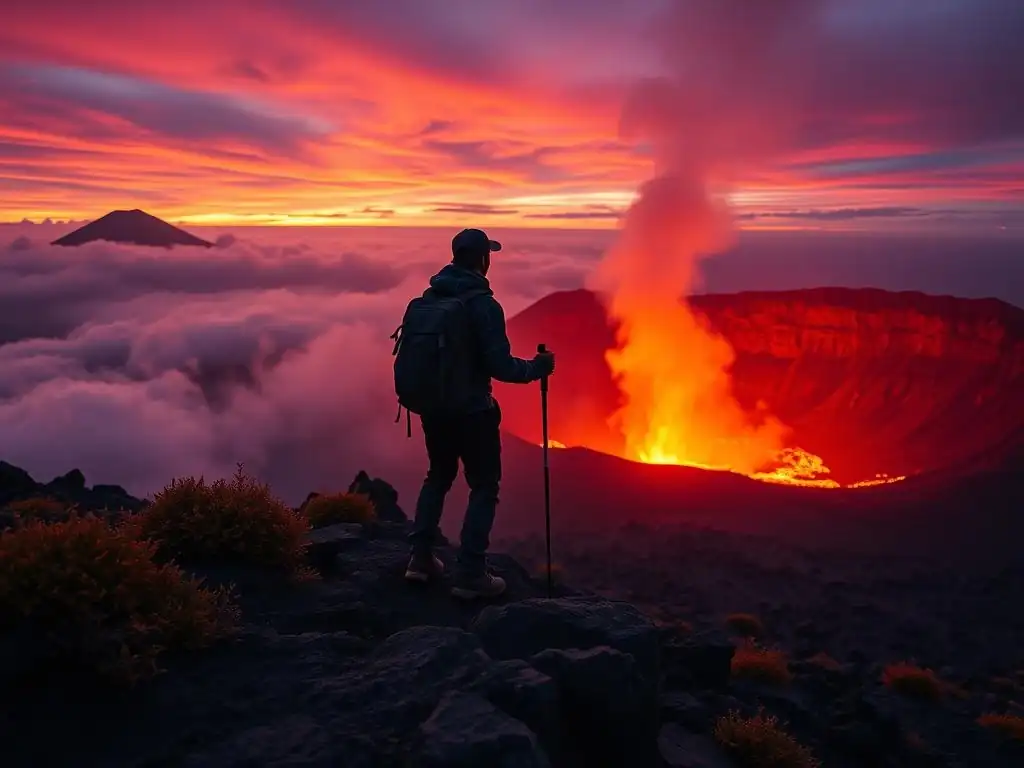
Welcome to Volcano Explorers, where the Earth's fiery heart beats strongest. Prepare to journey into a world of molten rock and breathtaking landscapes, but before you embark on your own volcanic odyssey, ask yourself: Are you ready to tread lightly on these geological giants? Our latest article dives deep into responsible volcano adventure tips, revealing how to experience the raw power and beauty of these wonders while minimizing your impact. Uncover the secrets to safe and sustainable exploration, and ignite your passion for volcanoes responsibly. Let the adventure begin... if you dare.
- Introduction: Exploring Volcanoes Responsibly with Volcano Explorers
- Understanding the Impact: Why Responsible Volcano Tourism Matters
- Responsible Volcano Adventure Tips: Planning Your Trip
- On the Volcano: Minimizing Your Impact
- Photography Ethics: Capturing Memories Responsibly
- Supporting Sustainable Volcano Tourism Initiatives
- Safety First: Prioritizing Your Well-being on Volcano Adventures
- Conclusion: Embracing Responsible Volcano Tourism for Future Generations
-
Frequently Asked Questions
- What does "Responsible Volcano Adventure" mean, according to VolcanoExplorers.org?
- What are some key safety precautions to take when visiting a volcano?
- How can I minimize my environmental impact while exploring a volcano?
- Does VolcanoExplorers.org offer guidance on how to respect local communities near volcanoes?
- Where can I find real-time updates on volcanic activity worldwide?
- Final Reflection: Embracing the Earth's Raw Power Responsibly
- Ignite Your Respect: Commit to Conscious Volcano Exploration!
Introduction: Exploring Volcanoes Responsibly with Volcano Explorers
Volcanoes, majestic monuments of Earth's power, draw adventurers from across the globe. VolcanoExplorers.org is dedicated to unveiling the wonders of these geological marvels, from their scientific intricacies to their breathtaking landscapes. As we venture into these dynamic environments, it's crucial to adopt a mindset of responsibility.
Responsible volcano tourism is not just about personal safety; it’s about safeguarding the delicate ecosystems, respecting local communities, and preserving the cultural heritage intrinsically linked to these fiery giants. This article serves as a guide to responsible volcano adventures, ensuring that our exploration leaves a positive impact and allows future generations to marvel at these natural wonders.
Understanding the Impact: Why Responsible Volcano Tourism Matters
Volcano tourism, when approached thoughtfully, can be a powerful force for conservation and community development. However, unchecked tourism can have detrimental effects. Irresponsible practices can damage fragile volcanic landscapes, disrupt local ecosystems, and disrespect the cultural significance these sites hold for indigenous populations. Understanding the potential impacts is the first step towards becoming a responsible volcano explorer. By being mindful of our actions, we can minimize our footprint and contribute to the long-term well-being of these extraordinary places and the people who call them home.
The Fragile Volcanic Ecosystem: Minimizing Environmental Footprint
Volcanic environments, often perceived as barren and desolate, are in fact unique ecosystems teeming with specialized life. From extremophile bacteria thriving in hot springs to hardy plant species colonizing lava flows, these areas support a surprising biodiversity. For instance, studies in Iceland have shown that volcanic soils, although young, can support complex microbial communities crucial for nutrient cycling and the establishment of vegetation.
Tourism activities, if not managed responsibly, can disrupt these delicate balances. Trampling vegetation, disturbing soil crusts, and introducing foreign materials can hinder the natural processes of ecological succession and even lead to habitat degradation. Responsible volcano tourism emphasizes minimizing our environmental footprint through practices like staying on designated trails, properly disposing of waste, and avoiding the introduction of invasive species – even unintentionally through contaminated hiking gear.
Furthermore, volcanic areas are often sensitive to erosion. The loose volcanic ash and pumice that characterize many landscapes are easily disturbed, and off-trail hiking can exacerbate erosion, leading to habitat loss and visual scarring of the landscape. In places like Mount Etna in Sicily, Italy, unregulated off-roading has contributed to significant soil erosion and damage to unique volcanic formations. By adhering to marked paths and respecting the fragility of volcanic terrain, we play a crucial role in conserving these unique and often slow-to-recover ecosystems. Responsible volcano adventure tips always include respecting the delicate balance of these environments.
Supporting Local Communities: Ethical Considerations in Volcano Tourism
Many volcanoes are located in or near communities that have a deep cultural and economic connection to these natural features. For some, volcanoes are sacred sites, integral to their spiritual beliefs and traditions. For others, volcano tourism provides crucial economic opportunities. Responsible volcano tourism recognizes and respects these connections. It means engaging with local communities in a way that is ethical and beneficial, ensuring that tourism revenues contribute positively to their livelihoods and cultural preservation. This can involve choosing locally-owned tour operators, purchasing goods and services from local vendors, and respecting local customs and traditions.
Conversely, irresponsible tourism can exploit local communities, leading to cultural commodification, environmental degradation that impacts local livelihoods, and a displacement of traditional practices. For example, in some regions of Indonesia, rapid, unsustainable tourism development around volcanoes has led to disputes over land use and access to resources, negatively impacting local farming communities. By prioritizing ethical considerations, responsible volcano tourism can empower local communities, foster cultural exchange, and ensure that tourism benefits are shared equitably. Seeking out authentic experiences, respecting cultural sites, and directly supporting local economies are key components of responsible volcano adventure tips.
Preserving Volcanic Heritage: Respecting Cultural Significance
Volcanoes have shaped not only landscapes but also human history and culture. Many volcanic regions are rich in archaeological sites, historical landmarks, and cultural traditions deeply intertwined with volcanic activity. From the ancient lava tube dwellings in Jeju Island, South Korea, a UNESCO World Heritage Site, to the spiritual significance of Mount Fuji in Japan, volcanoes hold profound cultural meaning for diverse societies. Responsible volcano tourism entails respecting this heritage. It means being mindful of archaeological sites, adhering to regulations designed to protect historical landmarks, and learning about and appreciating the cultural narratives associated with the volcano.
Disrespecting volcanic heritage can manifest in various forms, from vandalism of historical sites to the insensitive treatment of sacred areas. In Hawaii, for instance, the active volcanoes are revered as the home of the goddess Pele, and certain areas are considered sacred. Responsible visitors are expected to show respect by adhering to cultural guidelines and avoiding disruptive behavior.
Preserving volcanic heritage is not just about protecting physical sites; it's about safeguarding the intangible cultural values and traditions associated with volcanoes, ensuring that these stories and connections continue to inspire and educate future generations. Understanding and respecting this heritage is a fundamental aspect of responsible volcano adventure tips.
Responsible Volcano Adventure Tips: Planning Your Trip
Planning a responsible volcano adventure requires forethought and consideration. It’s about making informed choices that minimize your impact and maximize the positive contributions of your trip. From researching your destination to selecting sustainable tour operators and packing thoughtfully, every step of the planning process offers an opportunity to embrace responsible practices.
Research and Preparation: Know Before You Go
Thorough research is the cornerstone of any responsible trip, especially when venturing into volcanic environments. Understanding the specific volcano you plan to visit – its geological history, ecosystem, cultural significance, and potential hazards – is crucial. Websites like the Smithsonian Institution's Global Volcanism Program provide detailed information on volcanoes worldwide, including their activity levels and geological characteristics. Furthermore, researching local regulations, permit requirements, and safety guidelines is essential for responsible planning. For example, some volcanic areas may require permits for hiking or camping, or have restricted access zones due to volcanic activity or environmental sensitivity.
Preparation also extends to understanding the local culture and customs. Learning a few basic phrases in the local language, researching cultural etiquette, and being aware of any specific cultural sensitivities related to the volcano can significantly enhance your experience and demonstrate respect for the local community. For instance, in some cultures, certain clothing or behaviors may be considered inappropriate in volcanic areas that are also considered sacred sites. By investing time in research and preparation, you not only ensure a safer and more enjoyable trip but also demonstrate a commitment to responsible volcano adventure tips.
Choosing Sustainable Tour Operators: Look for Responsible Practices
Selecting a tour operator committed to sustainable and responsible practices is a pivotal decision in planning a responsible volcano adventure. Sustainable tour operators prioritize environmental protection, community benefit, and cultural sensitivity. Look for operators that demonstrate a commitment to minimizing their environmental impact through practices like waste reduction, energy conservation, and responsible transportation. Enquire about their policies on trail maintenance, wildlife protection, and engagement with local communities. Reputable organizations like the Adventure Travel Trade Association (ATTA) offer resources and certifications that can help identify sustainable tour operators.
Furthermore, consider the operator's commitment to fair labor practices and community benefit. Do they employ local guides and staff? Do they contribute to local conservation efforts or community development projects? Choosing operators that prioritize these aspects ensures that your tourism dollars directly benefit the local community and contribute to the long-term sustainability of volcano tourism in the region. Asking direct questions about their sustainability practices and seeking out certifications or affiliations with reputable sustainability organizations are valuable responsible volcano adventure tips when selecting a tour operator.
Essential Gear for Responsible Volcano Exploration: Packing with Purpose
Packing for a volcano adventure requires careful consideration of both personal needs and environmental responsibility. Opt for durable, reusable gear to minimize waste. Instead of single-use plastic water bottles, bring a refillable water bottle or hydration pack. Choose reusable food containers and cutlery to avoid disposable packaging. When selecting clothing and equipment, prioritize items made from sustainable materials and designed for longevity. For example, hiking boots made from recycled materials or backpacks constructed from durable, repairable fabrics are more environmentally conscious choices.
Furthermore, consider the specific environmental conditions of your volcano destination. Volcanic areas can have harsh climates, ranging from extreme heat to cold and unpredictable weather. Pack appropriate layers of clothing for varying conditions, including sun protection, rain gear, and warm layers if necessary. Bringing your own reusable toiletries in travel-sized containers minimizes plastic waste and reduces the environmental impact of your trip. Packing with purpose, prioritizing reusable and sustainable gear, and considering the specific environmental conditions are essential responsible volcano adventure tips for minimizing your footprint on your volcano exploration.
On the Volcano: Minimizing Your Impact
Once you are on the volcano, your responsible practices continue. Every action, from waste disposal to trail etiquette, has an impact on the environment and the experience of others. Being mindful of your behavior and adhering to responsible guidelines ensures that your presence is minimally disruptive and respectful of the volcanic environment.
Leave No Trace: Practicing Responsible Waste Management
The Leave No Trace principles are paramount in responsible volcano tourism. "Pack it in, pack it out" should be your mantra. This means taking responsibility for all your waste and removing it from the volcanic environment. This includes not only obvious trash like food wrappers and plastic bottles but also biodegradable waste like fruit peels and tissues, which can still be visually polluting and disrupt natural decomposition processes in fragile ecosystems. Carry reusable trash bags and ensure that all waste is properly disposed of in designated bins or taken with you until you can dispose of it responsibly.
Furthermore, minimize waste generation in the first place by opting for reusable packaging, bringing your own water bottle, and avoiding single-use items. Be particularly mindful of micro-litter, such as small pieces of plastic or cigarette butts, which can be easily overlooked but have a cumulative negative impact on the environment. Practicing responsible waste management is a fundamental aspect of responsible volcano adventure tips and ensures that volcanic landscapes remain pristine for future visitors and for the health of the ecosystem.
Staying on Marked Trails: Protecting Volcanic Landscapes
Staying on marked trails is crucial for protecting fragile volcanic landscapes and minimizing your environmental impact. Volcanic terrain is often characterized by loose soils, delicate vegetation, and unique geological formations that are easily damaged by off-trail travel. Deviating from marked paths can lead to soil erosion, vegetation trampling, and disturbance of wildlife habitats. Trails are designed to minimize impact by concentrating foot traffic in designated areas and avoiding sensitive zones.
Furthermore, venturing off-trail can increase your risk of getting lost or injured in often challenging volcanic terrain. Marked trails are typically designed with safety in mind, considering terrain hazards and navigational challenges. By adhering to marked trails, you not only protect the volcanic environment but also ensure your own safety and contribute to a more sustainable and responsible tourism experience for everyone. Following marked trails is a cornerstone of responsible volcano adventure tips and demonstrates respect for the environment and for fellow visitors.
Respecting Wildlife: Observing from a Distance
Volcanic environments, despite their often harsh appearance, can support a surprising array of wildlife. From birds nesting in volcanic craters to specialized insects adapted to geothermal areas, these ecosystems harbor unique species. Responsible volcano tourism emphasizes respecting wildlife by observing animals from a distance and avoiding any disturbance to their natural behaviors. Never approach, feed, or attempt to interact with wildlife. Feeding animals can disrupt their natural foraging patterns and make them dependent on human food sources, which can be detrimental to their health and survival.
Furthermore, loud noises and close proximity can stress wildlife and disrupt their breeding or feeding activities. Use binoculars or telephoto lenses to observe wildlife from a respectful distance. Be particularly mindful of nesting birds or animals with young, as they are especially vulnerable to disturbance. Respecting wildlife is not only an ethical imperative but also contributes to the preservation of biodiversity in volcanic ecosystems. Observing wildlife responsibly from a distance is a key component of responsible volcano adventure tips and ensures that these magnificent creatures continue to thrive in their natural habitats.
Avoiding Disturbance of Volcanic Features: Leave Only Footprints
Volcanic landscapes are sculpted by unique geological processes, creating fascinating formations like lava tubes, fumaroles, and mineral deposits. These features are often fragile and irreplaceable. Responsible volcano tourism emphasizes avoiding any disturbance of these volcanic features. Do not collect rocks, minerals, or volcanic glass as souvenirs. Removing geological materials can damage the integrity of the landscape and deplete natural resources. Leave volcanic features as you find them for others to appreciate and for the continued study of these geological wonders.
Furthermore, avoid touching or climbing on fragile volcanic formations, as this can cause erosion or breakage. Be particularly mindful of sensitive areas like geothermal features, where hot springs and fumaroles can be easily damaged by trampling or the introduction of foreign materials. "Take only pictures, leave only footprints" is a guiding principle for responsible volcano exploration. Preserving the integrity of volcanic features ensures that these unique landscapes remain intact for future generations and for the ongoing scientific study of volcanic processes. Avoiding disturbance and leaving only footprints is a fundamental aspect of responsible volcano adventure tips.
Photography Ethics: Capturing Memories Responsibly
Photography is often a central part of volcano adventures, allowing us to capture the awe-inspiring beauty of these landscapes. However, responsible photography goes beyond simply taking a good picture. It involves ethical considerations related to cultural sensitivity, environmental impact, and respect for others.
Respecting Local Customs: Cultural Sensitivity in Photography
In many volcanic regions, there are local communities with unique cultural traditions and sensitivities related to photography. Before taking photos of people, always ask for their permission. Respect their wishes if they decline to be photographed. Be mindful of cultural norms regarding photography in sacred sites or during religious ceremonies. Some places may have restrictions or prohibitions on photography altogether. Researching and respecting local customs related to photography is essential for responsible volcano tourism.
Furthermore, avoid intrusive or exploitative photography that may disrespect local communities or portray them in a negative light. Be sensitive to issues of privacy and dignity, especially when photographing vulnerable populations. Engage with local communities respectfully and ethically, and ensure that your photography contributes to positive cultural exchange rather than perpetuating stereotypes or causing offense. Cultural sensitivity in photography is a crucial element of responsible volcano adventure tips and fosters respectful interactions with local communities.
Minimizing Drone Use: Protecting the Environment and Privacy
Drones can offer unique perspectives for volcano photography, but their use should be approached with responsibility and consideration for environmental and privacy impacts. Unregulated drone use can disturb wildlife, disrupt the tranquility of natural landscapes, and intrude on the privacy of others. Before using a drone in a volcanic area, check local regulations and obtain necessary permits. Many protected areas have restrictions or outright bans on drone use.
If drone use is permitted, operate drones responsibly and minimize your impact. Maintain a safe distance from wildlife and avoid flying drones in sensitive habitats or during critical times like nesting seasons. Be mindful of noise pollution, as drones can be disruptive to both wildlife and other visitors seeking a peaceful natural experience. Respect the privacy of others and avoid flying drones over populated areas or private property without permission. Minimizing drone use or operating them responsibly is a crucial aspect of responsible volcano adventure tips for protecting the environment and respecting the experience of others.
Avoiding Flash Photography: Protecting Volcanic Wildlife
Flash photography can be detrimental to volcanic wildlife, particularly nocturnal animals or species sensitive to light. Sudden flashes of bright light can startle or disorient animals, disrupt their natural behaviors, and even cause temporary blindness. Avoid using flash photography when photographing wildlife, especially at night or in enclosed spaces like lava tubes where animals may be more vulnerable.
Instead of flash, utilize natural light or adjust camera settings to capture images in low-light conditions. If artificial light is necessary, use a gentle, diffused light source and avoid directing it directly at animals' eyes. Respecting the sensitivity of volcanic wildlife to light and avoiding flash photography is an important responsible volcano adventure tip for minimizing disturbance and protecting these unique creatures.
Supporting Sustainable Volcano Tourism Initiatives
Responsible volcano tourism is not just about individual actions; it's also about supporting broader initiatives that promote sustainability and conservation in volcanic regions. By consciously choosing accommodations, participating in conservation efforts, and sharing responsible practices, we can collectively contribute to the long-term well-being of these extraordinary places.
Choosing Accommodations Wisely: Supporting Eco-Friendly Lodges
Selecting eco-friendly accommodations is a powerful way to support sustainable volcano tourism. Eco-lodges prioritize environmental sustainability through practices like energy efficiency, water conservation, waste reduction, and responsible sourcing of materials. Look for accommodations that have certifications or demonstrate a commitment to sustainable practices. Enquire about their environmental policies and initiatives. Do they use renewable energy? Do they have water-saving measures in place? Do they support local conservation efforts?
Furthermore, consider staying in locally-owned accommodations that benefit the local community directly. This ensures that your tourism dollars contribute to the local economy and support community development. Choosing accommodations wisely, prioritizing eco-friendly and locally-owned options, is a significant responsible volcano adventure tip for supporting sustainable tourism initiatives and minimizing your environmental footprint.
Participating in Conservation Efforts: Giving Back to the Volcano
Volcano tourism offers opportunities to actively participate in conservation efforts and give back to the places we visit. Many volcanic regions have conservation organizations or volunteer programs that welcome visitor involvement. Consider participating in trail maintenance projects, reforestation initiatives, or wildlife monitoring programs. These activities not only contribute directly to conservation but also provide a deeper connection to the volcanic environment and a more meaningful travel experience.
Even without formal volunteer programs, you can contribute to conservation by supporting local conservation organizations through donations or by purchasing goods and services from businesses that donate a portion of their proceeds to conservation. Every small contribution, whether through time, resources, or financial support, makes a difference in protecting volcanic ecosystems and ensuring their long-term sustainability. Participating in conservation efforts is a proactive responsible volcano adventure tip that allows you to give back to the volcanoes you explore.
Educating Others: Sharing Responsible Volcano Adventure Tips
One of the most impactful ways to promote responsible volcano tourism is to educate others and share responsible volcano adventure tips. Talk to your friends, family, and fellow travelers about the importance of responsible practices. Share your experiences and insights on social media and online platforms, highlighting responsible tourism initiatives and promoting ethical travel. By raising awareness and encouraging others to adopt responsible behaviors, you can amplify the positive impact of responsible volcano tourism.
Consider writing reviews of tour operators or accommodations that demonstrate strong sustainability practices, highlighting their efforts and encouraging others to support them. Share articles and resources on responsible volcano tourism with your network. Every conversation, every post, every shared piece of information contributes to a growing movement of responsible travelers who are committed to protecting our planet's natural wonders. Educating others and sharing responsible volcano adventure tips is a powerful way to create a ripple effect and promote a more sustainable future for volcano tourism.
Safety First: Prioritizing Your Well-being on Volcano Adventures
Volcanoes are dynamic and potentially hazardous environments. Safety must be the top priority on any volcano adventure. Understanding volcanic hazards, following safety guidelines, and being prepared for emergencies are crucial for ensuring a safe and enjoyable experience.
Understanding Volcanic Hazards: Awareness is Key
Being aware of potential volcanic hazards is the first step in ensuring your safety. Volcanic hazards can range from lava flows and pyroclastic flows to ashfall, volcanic gases, and lahars (volcanic mudflows). Research the specific hazards associated with the volcano you plan to visit. Websites like the USGS Volcano Hazards Program provide detailed information on volcanic hazards and risk assessments. Understand the warning signs of volcanic activity and be prepared to heed warnings and evacuation orders.
Furthermore, be aware of other environmental hazards associated with volcanic areas, such as steep terrain, unstable ground, and extreme weather conditions. Hypothermia, heatstroke, and altitude sickness are potential risks in some volcanic environments. Understanding the full spectrum of potential hazards and being prepared to mitigate those risks is essential for responsible and safe volcano adventure tips.
Following Safety Guidelines: Heeding Expert Advice
Always follow safety guidelines and heed the advice of local authorities and experienced guides. Volcanic areas often have designated safe zones and restricted areas due to volcanic activity or other hazards. Adhere to all posted warnings and regulations. If hiking or climbing, stay on marked trails and follow recommended routes. Do not venture into restricted areas or attempt to approach active volcanic vents without proper authorization and guidance.
Listen carefully to safety briefings provided by tour operators or park rangers. They are knowledgeable about local conditions and hazards and can provide valuable advice on how to stay safe. Respect their expertise and follow their instructions. Following safety guidelines and heeding expert advice is a non-negotiable aspect of responsible volcano adventure tips and ensures your personal well-being on your volcano exploration.
Emergency Preparedness: Having a Plan
Even with careful planning and adherence to safety guidelines, emergencies can still occur. Being prepared for emergencies is crucial for mitigating risks and ensuring a swift and effective response. Carry a first-aid kit and know how to use it. Bring communication devices, such as a satellite phone or personal locator beacon, in areas with limited cell phone coverage. Inform someone of your itinerary and expected return time.
In case of volcanic activity or other emergencies, have a pre-determined evacuation plan. Know the designated evacuation routes and assembly points. Carry emergency supplies, such as food, water, and warm clothing, in case of delays or unexpected situations. Emergency preparedness is not about expecting the worst, but about being responsible and proactive in ensuring your safety and the safety of your fellow travelers. Having a plan and being prepared is a critical responsible volcano adventure tip for any volcano exploration.
Conclusion: Embracing Responsible Volcano Tourism for Future Generations
Responsible volcano tourism is not just a trend; it's a necessity for ensuring the long-term sustainability of these magnificent natural wonders and the communities that depend on them. By embracing responsible practices, we become stewards of these fiery giants, protecting their fragile ecosystems, respecting their cultural significance, and contributing to their preservation for future generations.
The Future of Volcano Exploration: Sustainability and Preservation
The future of volcano exploration hinges on our collective commitment to sustainability and preservation. As tourism to volcanic regions continues to grow, it is imperative that we manage this growth responsibly, prioritizing environmental protection, community benefit, and cultural heritage. Sustainable volcano tourism is not about limiting access; it's about managing tourism in a way that minimizes negative impacts and maximizes positive contributions. This requires collaboration between governments, tourism operators, local communities, and visitors, working together to implement responsible practices and promote a culture of sustainability in volcano tourism.
Technological advancements can also play a role in enhancing sustainability. Remote monitoring systems, virtual reality experiences, and sustainable transportation options can help reduce the environmental footprint of volcano tourism and provide alternative ways to experience these landscapes. The future of volcano exploration is bright if we embrace innovation and prioritize sustainability and preservation as guiding principles.
Call to Action: Pledge to Explore Volcanoes Responsibly
The call to action is clear: pledge to explore volcanoes responsibly. Embrace the responsible volcano adventure tips outlined in this article and make a conscious effort to minimize your impact and maximize your positive contributions on your next volcano trip. Choose sustainable tour operators, respect local communities, protect volcanic ecosystems, and share responsible practices with others.
Every individual action, multiplied across millions of volcano visitors worldwide, can create a powerful force for positive change. Let us all commit to being responsible volcano explorers, ensuring that these fiery giants continue to inspire awe and wonder for generations to come. Join VolcanoExplorers.org in our mission to promote responsible and sustainable volcano tourism and help us tread lightly on Earth's fiery giants.
Frequently Asked Questions
What does "Responsible Volcano Adventure" mean, according to VolcanoExplorers.org?
It means engaging with volcanoes in a way that minimizes environmental impact, respects local communities, and prioritizes personal safety.
What are some key safety precautions to take when visiting a volcano?
Always check the latest volcanic activity reports, wear protective gear (like masks and sturdy shoes), and adhere to official evacuation routes.
How can I minimize my environmental impact while exploring a volcano?
Stay on designated trails, avoid disturbing fragile ecosystems, and pack out all your trash and waste.
Does VolcanoExplorers.org offer guidance on how to respect local communities near volcanoes?
Yes, we advocate for supporting local businesses, learning about local customs, and avoiding any behavior that could be seen as disrespectful or intrusive.
Where can I find real-time updates on volcanic activity worldwide?
VolcanoExplorers.org provides links to official monitoring agencies and volcanic observatories that offer the most up-to-date information on eruption status and potential hazards.
Final Reflection: Embracing the Earth's Raw Power Responsibly
The allure of volcanoes, with their raw power and breathtaking landscapes, is undeniable, and the desire to witness their majesty firsthand is a natural human impulse. However, the privilege of experiencing these fiery giants comes with a profound responsibility. We must acknowledge that these are not mere tourist destinations, but dynamic and potentially dangerous environments that demand respect and careful consideration.
The impact of our choices when engaging in volcano tourism reverberates far beyond the immediate experience. It shapes the future of these fragile ecosystems, influences the livelihoods of local communities, and ultimately reflects our commitment to a sustainable and ethical relationship with the planet. We do not inherit the Earth from our ancestors; we borrow it from our children.
This ancient proverb reminds us that our actions today will determine the legacy we leave for generations to come, and it is crucial that we tread lightly and thoughtfully.
As you embark on your own volcano adventures, I urge you to reflect on the principles outlined in this article. Choose operators committed to sustainable practices, support local communities, and minimize your environmental footprint. Let your journey be one of discovery and respect, leaving behind only footprints and taking away only memories. By embracing responsible volcano adventure tips, you can contribute to the preservation of these magnificent landscapes and ensure that future generations can also marvel at the Earth's fiery giants.
Okay, here's a CTA tailored for the end of a web article titled "Responsible Volcano Adventures: Tread Lightly on Earth's Fiery Giants" on the website "Volcano Explorers" with the domain "volcanoexplorers.org":
Ignite Your Respect: Commit to Conscious Volcano Exploration!
Thank you for diving into the fascinating world of volcano exploration! We hope you’ve gained a deeper appreciation for these powerful forces of nature and the importance of responsible tourism. Now, let's turn that knowledge into action!
Here's how you can champion responsible volcano adventures:
- Pledge to minimize your impact on future expeditions. Visit volcanoexplorers.org/pledge and sign our Responsible Exploration Pledge, committing to sustainable and ethical travel practices.
- Share this article with fellow adventurers and spark conversations about responsible tourism. Let's build a community of conscious explorers!
- Research local initiatives supporting the conservation of volcanic regions and consider donating or volunteering your time.
Ready to become a more conscious volcano explorer? What's one small change you'll make on your next adventure to protect these incredible landscapes?