
From Crater Rim to Community Resilience: The Power of Responsible Tourism

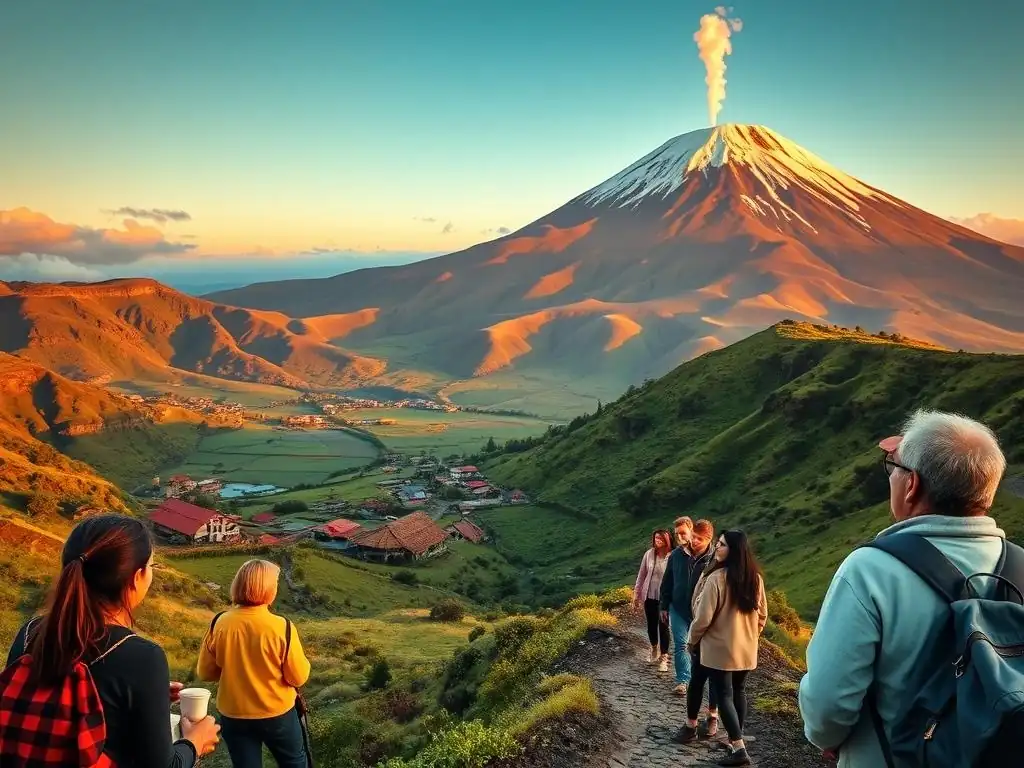
Welcome to Volcano Explorers!
Prepare to be captivated. Are you ready to experience the raw power and breathtaking beauty of volcanoes, but also understand the delicate balance required to coexist with these forces of nature? Our journey begins now. Dive into the heart of responsible tourism near volcanoes, and discover how we can explore these magnificent landscapes while respecting the environment and supporting local communities. What secrets will you uncover? Let's explore...
- Exploring Volcanoes: A Call for Responsible Tourism
- Understanding the Impact of Tourism on Volcano Regions
- What is Responsible Tourism Near Volcanoes?
- Case Studies: Success Stories in Responsible Volcano Tourism
- Practical Tips for Responsible Volcano Travelers
- The Role of Volcano Explorers in Promoting Responsible Tourism
- The Future of Responsible Tourism Near Volcanoes
- Ensuring the Future: Protecting Volcanoes Through Responsible Tourism
-
Frequently Asked Questions
- How does responsible tourism contribute to communities near volcanoes?
- What are some key principles of responsible tourism near volcanoes?
- How can I ensure my volcanic tourism is sustainable and responsible?
- Why is it important to follow safety guidelines when visiting volcanoes?
- What role does VolcanoExplorers.org play in promoting responsible tourism near volcanoes?
- Final Reflection: Embracing Volcanic Vitality Through Responsible Tourism
- Ignite Your Inner Explorer: Help Communities Thrive!
Exploring Volcanoes: A Call for Responsible Tourism
Volcanoes, with their raw power and breathtaking beauty, have always captivated humanity. They are natural wonders that draw us in with their dramatic landscapes and the promise of witnessing earth's immense forces at play. From the fiery glow of lava flows to the stark beauty of volcanic craters, these geological giants offer unparalleled experiences for travelers.
However, the allure of volcanoes brings with it a crucial responsibility. As we venture to explore these magnificent sites, it is imperative that our tourism practices are sustainable and respectful, ensuring the preservation of these unique environments and the well-being of the communities that call these volcanic regions home. The growing interest in volcano tourism necessitates a conscious shift towards responsible tourism near volcanoes, a paradigm that prioritizes conservation, community engagement, and mindful exploration.
The very nature of volcanic landscapes, often fragile ecosystems with unique biodiversity and significant cultural heritage, demands a more thoughtful approach to tourism. Uncontrolled tourism can lead to environmental degradation, disruption of local cultures, and even safety hazards in these dynamic and sometimes unpredictable environments.
Therefore, embracing responsible tourism near volcanoes is not just an ethical choice; it is a necessity for ensuring that these incredible destinations remain vibrant and accessible for generations to come. This article will delve into the principles of responsible tourism within volcanic regions, explore successful case studies, and provide practical guidance for travelers seeking to experience the wonder of volcanoes in a sustainable and meaningful way.
Understanding the Impact of Tourism on Volcano Regions
Tourism, in its various forms, exerts a multifaceted influence on the regions it touches, and volcanic areas are no exception. While the influx of visitors can bring significant economic opportunities, it also presents a range of environmental and socio-cultural challenges that must be carefully managed to ensure the long-term sustainability of these destinations. Understanding these impacts is the first step towards implementing responsible tourism practices near volcanoes.
The Economic Benefits of Volcano Tourism
Volcano tourism can act as a significant economic engine for local communities residing near these geological wonders. In regions where traditional industries like agriculture or fishing may be limited, tourism can provide alternative and often more lucrative income streams. For example, communities surrounding Mount Etna in Sicily, Italy, have seen a flourishing tourism sector develop, providing employment in guiding services, accommodation, restaurants, and local crafts.
It is estimated that tourism related to Mount Etna contributes tens of millions of euros annually to the regional economy, supporting thousands of jobs directly and indirectly. This economic boost can lead to improved infrastructure, better education, and overall enhanced living standards for local populations.
Furthermore, volcano tourism often fosters the growth of small and medium-sized enterprises (SMEs) within local communities. Family-run guesthouses, locally owned tour operators, and artisan workshops thrive on the visitor economy. This dispersal of economic benefits is crucial for ensuring that tourism revenue directly benefits the people who live in and are custodians of these volcanic landscapes.
The development of tourism infrastructure, such as trails, visitor centers, and transportation, can also stimulate local construction and service sectors, creating a ripple effect of economic growth throughout the region. Responsible tourism seeks to maximize these positive economic impacts while mitigating potential negative consequences.
The Environmental Challenges of Increased Foot Traffic
Despite the economic advantages, increased tourism foot traffic in volcanic regions can pose substantial environmental challenges. Volcanic landscapes are often delicate ecosystems, characterized by fragile soils, unique flora and fauna, and sensitive geological formations. Uncontrolled visitor numbers and unsustainable tourism practices can lead to habitat degradation, soil erosion, and pollution.
For instance, the trails around popular volcanic craters can suffer from compaction and erosion due to heavy foot traffic, leading to the loss of vegetation and increased runoff. In Iceland, a country renowned for its volcanic landscapes, studies have shown that unchecked tourism has contributed to soil erosion in sensitive areas, impacting the visual appeal and ecological integrity of these environments.
Beyond physical damage, tourism can also contribute to pollution. Increased waste generation, from plastic bottles to food wrappers, can litter volcanic landscapes if waste management infrastructure is inadequate. Air and noise pollution from transportation, particularly tour buses and off-road vehicles, can also negatively impact the environment and the tranquility of natural areas. Furthermore, the construction of tourism infrastructure, such as hotels and roads, can encroach on natural habitats and disrupt ecosystems. Responsible tourism near volcanoes actively seeks to minimize these environmental impacts through sustainable practices like trail management, waste reduction, and promoting eco-friendly transportation options.
Volcanic regions are often home to communities with deep-rooted cultural connections to the land and the volcanoes themselves. For many indigenous populations, volcanoes are not just geological features but sacred sites imbued with spiritual significance and cultural heritage. Tourism, if not managed responsibly, can lead to the commodification of culture, disrespect for sacred sites, and disruption of traditional ways of life.
For example, in Hawai'i, Volcanoes National Park holds immense cultural significance for Native Hawaiians, who consider the volcano goddess Pele to reside within Kīlauea and Mauna Loa. It is crucial that tourism respects these cultural sensitivities and engages with local communities in a way that honors their traditions and beliefs.
Responsible tourism emphasizes community involvement and benefit-sharing. It seeks to ensure that local communities are not just passive recipients of tourism but active participants in its planning and management. This can involve employing local guides, supporting community-based tourism initiatives, and ensuring that tourism revenue contributes to community development projects. Furthermore, responsible tourism promotes cultural exchange and understanding, encouraging visitors to learn about and respect the local culture and traditions. By prioritizing social and cultural considerations, responsible tourism can foster positive relationships between visitors and host communities, ensuring that tourism benefits all stakeholders.
What is Responsible Tourism Near Volcanoes?

Responsible tourism near volcanoes extends beyond simply admiring the scenery; it's about actively contributing to the well-being of these unique environments and the communities that live alongside them. It's a conscious approach to travel that minimizes negative impacts and maximizes positive contributions, ensuring that future generations can also experience the awe-inspiring power of volcanoes.
Defining Responsible Tourism in the Context of Volcanic Landscapes
In the specific context of volcanic landscapes, responsible tourism encompasses a set of principles and practices designed to protect the fragile ecosystems, respect local cultures, and support the sustainable development of communities living near volcanoes. It recognizes the unique challenges and opportunities presented by these dynamic environments and seeks to create a harmonious balance between tourism and conservation. Responsible tourism near volcanoes is not just about minimizing harm; it's about actively contributing to the preservation and enhancement of these remarkable places.
This definition acknowledges that volcanic regions are often characterized by geological instability, delicate ecosystems, and significant cultural heritage. Therefore, responsible tourism in these areas must be particularly sensitive to environmental protection, cultural preservation, and visitor safety. It also emphasizes the importance of community involvement, ensuring that local populations benefit from tourism and are empowered to manage it sustainably. Ultimately, responsible tourism near volcanoes aims to create a mutually beneficial relationship between tourism, conservation, and local communities, ensuring the long-term viability of these extraordinary destinations.
Key Principles of Responsible Volcano Tourism
Responsible volcano tourism is built upon several key principles that guide sustainable practices and ensure a positive impact on both the environment and local communities. These principles provide a framework for travelers, tourism operators, and destination managers to adopt a more ethical and sustainable approach to volcano tourism.
Minimizing Environmental Impact
The cornerstone of responsible volcano tourism is minimizing environmental impact. This involves adopting practices that reduce pollution, conserve resources, and protect fragile ecosystems. Simple actions like staying on marked trails, properly disposing of waste, and avoiding disturbance to wildlife can significantly reduce the environmental footprint of tourism.
Choosing tour operators committed to sustainable practices, such as using fuel-efficient vehicles and implementing waste reduction programs, further contributes to environmental protection. For example, some operators near Arenal Volcano in Costa Rica have adopted carbon offsetting programs to mitigate the environmental impact of their operations, demonstrating a proactive approach to minimizing their carbon footprint.
Beyond individual actions, minimizing environmental impact also requires responsible infrastructure development. Tourism facilities should be designed and built in a way that minimizes habitat disruption and blends harmoniously with the natural landscape. Sustainable construction materials, energy-efficient designs, and responsible waste and water management systems are crucial for reducing the environmental impact of tourism infrastructure. Furthermore, carrying capacity limits and visitor management strategies can help prevent overcrowding and protect sensitive areas from excessive foot traffic.
Respecting Local Cultures and Traditions
Responsible tourism places a strong emphasis on respecting local cultures and traditions. This involves learning about and appreciating the cultural heritage of the communities living near volcanoes, being mindful of local customs and etiquette, and supporting cultural preservation efforts. Engaging with local guides and participating in community-based tourism initiatives can provide valuable opportunities for cultural exchange and understanding. For instance, in regions around Mount Fuji in Japan, respecting Shinto shrines and local customs is an integral part of the responsible tourism experience.
Furthermore, responsible tourism actively discourages the commodification of culture and the exploitation of local communities. It promotes fair and ethical interactions between visitors and host communities, ensuring that cultural exchanges are respectful and mutually beneficial. Supporting local artisans and businesses, rather than purchasing mass-produced souvenirs, helps to sustain traditional crafts and contribute to the local economy. By prioritizing cultural sensitivity and respect, responsible tourism can foster positive relationships between visitors and host communities, enriching the travel experience for everyone involved.
Supporting the Local Economy
Supporting the local economy is a vital principle of responsible volcano tourism. This involves prioritizing local businesses and services, ensuring that tourism revenue benefits the communities living in volcanic regions. Choosing locally owned accommodations, restaurants, and tour operators directly contributes to the economic well-being of these communities. Purchasing locally made products and souvenirs, rather than imported goods, further strengthens the local economy. For example, in communities near Pacaya Volcano in Guatemala, supporting local coffee farmers and craft producers is an important aspect of responsible tourism.
Responsible tourism also advocates for fair wages and working conditions for tourism employees. Ensuring that local guides, hotel staff, and other tourism workers are paid fairly and treated ethically is crucial for promoting social justice and sustainable development. Furthermore, responsible tourism encourages investment in community development projects, such as schools, healthcare facilities, and infrastructure improvements, using tourism revenue to benefit the entire community. By prioritizing local economic benefits, responsible tourism can contribute to poverty reduction and improved livelihoods in volcanic regions.
Ensuring Visitor Safety and Education
Visitor safety is paramount in responsible volcano tourism, given the inherent risks associated with volcanic environments. Providing accurate and up-to-date information about volcanic hazards, safety guidelines, and emergency procedures is essential for ensuring visitor well-being. Tour operators and destination managers have a responsibility to prioritize visitor safety and implement appropriate risk management measures. This may include providing safety briefings, equipping visitors with necessary gear, and establishing clear evacuation plans. For example, in areas near active volcanoes like Stromboli in Italy, mandatory guided tours are often implemented to ensure visitor safety and provide expert guidance.
Furthermore, responsible tourism emphasizes visitor education. Providing visitors with information about the geological processes, ecological significance, and cultural heritage of volcanic regions enhances their understanding and appreciation of these destinations. Educational materials, interpretive signage, and guided tours can contribute to a more enriching and responsible tourism experience. By educating visitors about the importance of conservation and responsible behavior, responsible tourism can foster a greater sense of environmental stewardship and cultural awareness among travelers.
Case Studies: Success Stories in Responsible Volcano Tourism
While the challenges of responsible tourism near volcanoes are significant, numerous success stories demonstrate that it is indeed possible to balance tourism with conservation and community well-being. Examining these case studies provides valuable insights and inspiration for developing and implementing responsible tourism practices in other volcanic regions.
Mount Bromo, Indonesia: Community-Based Tourism and Environmental Conservation
Mount Bromo, an active volcano in East Java, Indonesia, offers a compelling example of how community-based tourism can contribute to both environmental conservation and local economic development. The Tenggerese people, who inhabit the region surrounding Mount Bromo, have long held a deep cultural connection to the volcano, considering it sacred. In recent decades, tourism to Mount Bromo has grown significantly, presenting both opportunities and challenges for the Tenggerese community and the environment. Recognizing the potential impacts of uncontrolled tourism, local communities, with support from NGOs and government agencies, have developed community-based tourism initiatives that prioritize environmental conservation and benefit-sharing.
These initiatives include community-managed guesthouses, locally guided tours, and cultural performances, all operated and owned by Tenggerese villagers. Tourism revenue is reinvested in community development projects, such as improving infrastructure, supporting education, and promoting environmental conservation. Furthermore, local communities are actively involved in managing tourism activities, ensuring that they are conducted in a culturally sensitive and environmentally sustainable manner.
For instance, restrictions on vehicle access to the caldera and the promotion of trekking and horse riding have helped to reduce environmental impact and enhance the visitor experience. The Mount Bromo case study demonstrates that community-based tourism can be a powerful tool for empowering local communities, protecting cultural heritage, and promoting environmental stewardship in volcanic regions.
Volcanoes National Park, Hawai'i: Balancing Cultural Preservation and Visitor Access
Volcanoes National Park in Hawai'i offers a unique example of balancing cultural preservation and visitor access in a volcanic landscape of immense cultural significance. The park encompasses two active volcanoes, Kīlauea and Mauna Loa, and holds deep spiritual and cultural meaning for Native Hawaiians. The park management faces the challenge of providing access to millions of visitors annually while protecting the natural and cultural resources of this sacred landscape. To address this challenge, the park has implemented a range of responsible tourism practices, including cultural interpretation programs, visitor education initiatives, and partnerships with Native Hawaiian communities.
Cultural interpretation programs at Volcanoes National Park educate visitors about the cultural significance of the volcanoes and the traditions of Native Hawaiians. Park rangers and cultural practitioners share stories, legends, and traditional practices, fostering a deeper understanding and respect for Hawaiian culture. Visitor education initiatives emphasize responsible behavior, such as staying on marked trails, respecting sacred sites, and minimizing environmental impact.
Furthermore, the park collaborates with Native Hawaiian communities in the management of cultural resources and the development of tourism programs. For example, the park consults with cultural advisors on issues related to sacred sites and traditional practices, ensuring that tourism activities are conducted in a culturally sensitive manner. Volcanoes National Park exemplifies how responsible tourism can be integrated into park management to protect cultural heritage and provide meaningful visitor experiences.
Lessons Learned From Successful Responsible Tourism Models
Examining these and other successful responsible tourism models reveals several key lessons. Firstly, community involvement is crucial. Empowering local communities to participate in tourism planning and management ensures that tourism benefits them directly and is aligned with their values and priorities. Secondly, environmental conservation must be prioritized. Implementing sustainable practices, such as waste reduction, trail management, and visitor education, is essential for protecting fragile volcanic ecosystems.
Thirdly, cultural sensitivity is paramount. Respecting local cultures and traditions, engaging in cultural exchange, and supporting cultural preservation efforts are vital for fostering positive relationships between visitors and host communities. Finally, collaboration and partnerships are key. Effective responsible tourism requires collaboration among various stakeholders, including local communities, tourism operators, government agencies, and NGOs, to ensure a coordinated and comprehensive approach to sustainable tourism development. These lessons provide a valuable framework for developing and implementing responsible tourism practices in volcanic regions worldwide.
Practical Tips for Responsible Volcano Travelers
For travelers eager to explore the wonders of volcanoes while minimizing their impact and contributing positively to local communities, adopting responsible travel practices is essential. These practical tips offer guidance on how to be a responsible volcano traveler, ensuring a more meaningful and sustainable travel experience.
Planning Your Trip: Choosing Sustainable Operators and Accommodations
The journey towards responsible volcano tourism begins even before departure, with careful planning and conscious choices about operators and accommodations. When selecting tour operators, prioritize those with a demonstrable commitment to sustainability and responsible practices. Look for operators who are certified by recognized sustainable tourism organizations or who have publicly stated environmental and social policies. Inquire about their environmental practices, community engagement initiatives, and staff training on responsible tourism principles. For example, some operators may use fuel-efficient vehicles, implement waste reduction programs, or support local conservation projects.
Similarly, when choosing accommodations, opt for locally owned guesthouses, eco-lodges, or hotels that prioritize sustainability. Look for accommodations that use renewable energy sources, conserve water, minimize waste, and support local communities. Eco-lodges, in particular, are often designed and operated with sustainability in mind, offering environmentally friendly accommodations and supporting local conservation efforts. Reading online reviews and checking websites for sustainability certifications can help identify responsible accommodations. By consciously choosing sustainable operators and accommodations, travelers can significantly reduce their environmental footprint and support businesses that are committed to responsible tourism.
On the Ground: Minimizing Your Impact and Supporting Local Businesses
Once on the ground in a volcanic region, there are numerous ways to minimize your impact and support local communities. Staying on marked trails is crucial for protecting fragile vegetation and preventing soil erosion. Avoid venturing off-trail, particularly in sensitive areas, as this can damage ecosystems and disturb wildlife. Dispose of waste responsibly by packing out everything you pack in and using designated waste bins whenever available. Reduce plastic consumption by bringing a reusable water bottle and shopping bag. Support local businesses by eating at local restaurants, purchasing locally made souvenirs, and using local transportation services.
When participating in tours and activities, choose those that are conducted in a responsible and sustainable manner. Avoid activities that may harm the environment or disturb wildlife, such as off-road driving in sensitive areas or feeding wild animals. Respect wildlife by observing animals from a distance and avoiding any actions that may stress or disturb them. Be mindful of noise levels, particularly in natural areas and residential areas. By practicing responsible behavior on the ground, travelers can minimize their environmental impact and contribute to the preservation of volcanic landscapes.
Respecting Local Customs and Traditions: A Guide for Visitors
Respecting local customs and traditions is an essential aspect of responsible volcano tourism. Before traveling to a volcanic region, take the time to learn about the local culture and customs. Research basic etiquette, dress codes, and social norms to avoid unintentional offense.
Be mindful of local customs related to religious sites and sacred places, such as removing shoes or covering shoulders and knees when required. Ask for permission before taking photographs of people, particularly in rural communities, and be respectful of their wishes if they decline. Learn a few basic phrases in the local language as a sign of respect and willingness to engage with local culture.
When interacting with local communities, be polite, courteous, and respectful. Avoid making assumptions or generalizations about local cultures and be open to learning from local people. Engage in cultural exchange respectfully, asking questions and showing genuine interest in local traditions and ways of life. Be mindful of cultural sensitivities related to topics of conversation and avoid discussing sensitive or controversial issues unless invited to do so. By demonstrating respect for local customs and traditions, travelers can foster positive relationships with host communities and enrich their travel experience.
Supporting Conservation Efforts: Contributing to the Long-Term Health of Volcano Regions
Responsible volcano travelers can actively support conservation efforts and contribute to the long-term health of volcanic regions. One way to do this is by donating to local conservation organizations or park foundations that are working to protect volcanic ecosystems and biodiversity. Many national parks and protected areas have associated non-profit organizations that rely on donations to fund conservation projects, research, and education programs. Volunteering for conservation projects, such as trail maintenance, habitat restoration, or wildlife monitoring, is another way to contribute directly to conservation efforts. Check with local park authorities or conservation organizations for volunteer opportunities.
Furthermore, travelers can support businesses that are actively involved in conservation initiatives. Some tour operators and accommodations contribute a portion of their profits to conservation projects or participate in environmental monitoring programs. Choosing these businesses directly supports conservation efforts and encourages other businesses to adopt responsible practices. By actively supporting conservation efforts, responsible volcano travelers can contribute to the long-term protection of these extraordinary landscapes and the biodiversity they harbor.
The Role of Volcano Explorers in Promoting Responsible Tourism
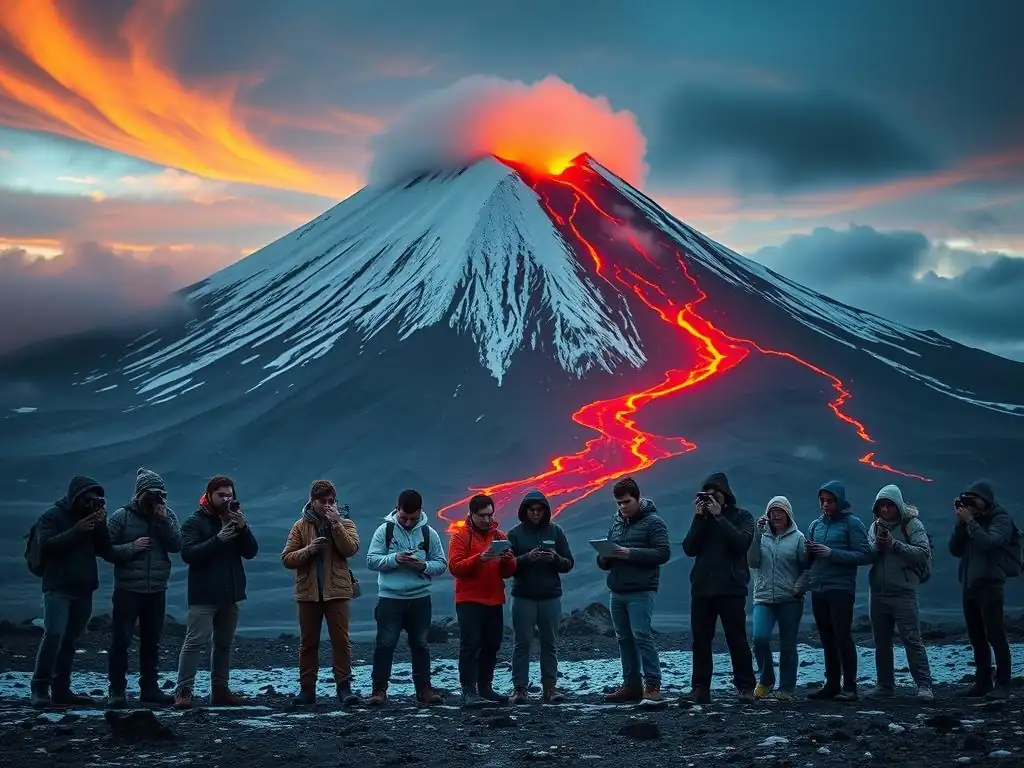
Volcano Explorers, as a platform dedicated to exploring and appreciating volcanoes, has a crucial role to play in promoting responsible tourism near volcanoes. We are committed to fostering a community of volcano enthusiasts who are not only passionate about exploring these geological wonders but also dedicated to protecting them and supporting the communities that live alongside them.
Our Commitment to Sustainable and Ethical Travel
Our commitment to responsible tourism is deeply ingrained in our mission. We believe that exploring volcanoes should be done in a way that minimizes environmental impact, respects local cultures, and benefits local communities. We strive to provide information and resources that empower travelers to make responsible choices and engage in sustainable travel practices. Our content emphasizes the importance of environmental conservation, cultural sensitivity, and community engagement in volcano tourism. We actively promote responsible tourism principles and showcase examples of sustainable practices and successful community-based tourism initiatives.
Furthermore, we are committed to operating ethically and transparently. We strive to ensure that our own activities and partnerships align with responsible tourism principles. We are continuously seeking ways to improve our sustainability practices and reduce our environmental footprint. We believe that by leading by example, we can inspire others to adopt a more responsible approach to volcano tourism.
Partnering with Local Communities and Conservation Organizations
Recognizing the importance of collaboration, Volcano Explorers actively seeks to partner with local communities and conservation organizations working in volcanic regions. We believe that working together is essential for achieving meaningful and lasting impact in promoting responsible tourism. We collaborate with local communities to showcase their cultures, support their businesses, and promote community-based tourism initiatives. We provide a platform for local voices to be heard and for their perspectives to be shared with a wider audience.
We also partner with conservation organizations to raise awareness about environmental challenges in volcanic regions and support conservation efforts. We highlight the work of conservation organizations, promote their projects, and encourage our community to support their initiatives. We believe that by fostering partnerships and collaborations, we can amplify our collective impact and contribute more effectively to responsible tourism and conservation in volcanic regions.
Educating Visitors on the Importance of Responsible Practices
Education is a cornerstone of our approach to promoting responsible tourism. We believe that informed travelers are more likely to make responsible choices and engage in sustainable practices. We provide educational content on various aspects of responsible volcano tourism, including environmental conservation, cultural sensitivity, visitor safety, and community engagement. Our articles, guides, and resources aim to equip travelers with the knowledge and tools they need to be responsible volcano explorers.
We utilize our platform to raise awareness about the importance of responsible tourism and to challenge unsustainable practices. We share information about the environmental and social impacts of tourism and advocate for more ethical and sustainable approaches. We believe that by educating visitors and fostering a greater understanding of responsible tourism principles, we can contribute to a shift towards more sustainable and ethical travel practices in volcanic regions.
The Future of Responsible Tourism Near Volcanoes
The future of volcano tourism hinges on the widespread adoption of responsible practices. As the demand for travel experiences continues to grow, particularly for nature-based and adventure tourism, it is imperative that volcano tourism evolves in a sustainable and responsible direction. The future of responsible tourism near volcanoes is characterized by several key trends and developments.
The Growing Demand for Sustainable Travel Experiences
There is a clear and growing global demand for sustainable travel experiences. Travelers are increasingly aware of the environmental and social impacts of tourism and are actively seeking out travel options that minimize harm and maximize positive contributions. This trend is particularly evident among younger generations, who are more environmentally conscious and socially responsible. This growing demand for sustainable travel presents a significant opportunity for volcano tourism to evolve in a responsible direction. Volcano regions that embrace responsible tourism practices and cater to this demand are likely to thrive in the future.
The rise of eco-tourism, adventure tourism, and community-based tourism reflects this growing demand for sustainable travel experiences. Travelers are increasingly seeking authentic and meaningful experiences that connect them with nature, culture, and local communities. Volcano tourism, with its inherent connection to nature and often rich cultural heritage, is well-positioned to capitalize on this trend. By focusing on responsible practices and offering sustainable travel options, volcano tourism can attract a growing segment of travelers who are seeking authentic and impactful experiences.
Innovations in Eco-Tourism and Community-Based Tourism
Innovations in eco-tourism and community-based tourism are constantly emerging, providing new tools and approaches for promoting responsible volcano tourism. Technological advancements, such as eco-friendly transportation options, sustainable infrastructure materials, and digital platforms for connecting travelers with local communities, are contributing to more sustainable tourism practices. Community-based tourism initiatives are becoming increasingly sophisticated, offering diverse and authentic experiences that empower local communities and promote cultural preservation.
Examples of innovation include the development of electric vehicles for volcano tours, the use of recycled materials in constructing visitor facilities, and the creation of online platforms that connect travelers directly with local guides and accommodations. Furthermore, community-based tourism models are evolving to incorporate participatory planning, benefit-sharing mechanisms, and capacity-building programs that ensure local ownership and sustainability. These innovations are paving the way for a more responsible and sustainable future for volcano tourism, offering exciting possibilities for both travelers and host communities.
The Importance of Collaboration and Long-Term Planning
Collaboration and long-term planning are essential for ensuring the future sustainability of volcano tourism. Effective responsible tourism requires collaboration among various stakeholders, including local communities, tourism operators, government agencies, conservation organizations, and travelers themselves. A coordinated and collaborative approach is needed to address the complex challenges of sustainable tourism development and to ensure that tourism benefits all stakeholders. Long-term planning is crucial for anticipating future trends, managing tourism growth, and ensuring the long-term protection of volcanic regions.
Destination management organizations, government agencies, and tourism associations have a key role to play in fostering collaboration and long-term planning for responsible volcano tourism. Developing sustainable tourism strategies, implementing regulatory frameworks, and investing in sustainable infrastructure are essential steps for ensuring the long-term viability of volcano tourism. Furthermore, engaging local communities in the planning and decision-making processes is crucial for ensuring that tourism development is aligned with their needs and priorities. By prioritizing collaboration and long-term planning, stakeholders can work together to create a more responsible and sustainable future for volcano tourism.
Ensuring the Future: Protecting Volcanoes Through Responsible Tourism
The future of volcanoes and the communities that depend on them is inextricably linked to the adoption of responsible tourism practices. By embracing responsible tourism, we can ensure that these magnificent natural wonders are protected for future generations and that tourism contributes positively to the well-being of local communities.
The Long-Term Benefits of Sustainable Practices
The long-term benefits of responsible tourism practices far outweigh any short-term gains from unsustainable tourism. Sustainable tourism protects the natural environment, ensuring the long-term viability of volcano tourism destinations. It conserves biodiversity, preserves cultural heritage, and enhances the visitor experience. Responsible tourism also contributes to the economic well-being of local communities, creating jobs, supporting local businesses, and fostering sustainable development. By prioritizing long-term sustainability, we can ensure that volcano tourism remains a valuable asset for both the environment and local communities for generations to come.
Unsustainable tourism, on the other hand, can lead to environmental degradation, cultural commodification, and social disruption, ultimately undermining the very attractions that draw tourists in the first place. The short-term economic gains from unsustainable tourism are often outweighed by the long-term costs of environmental damage, social conflict, and loss of cultural heritage. Therefore, embracing responsible tourism is not just an ethical choice; it is a pragmatic and essential approach for ensuring the long-term viability of volcano tourism.
A Call to Action: How You Can Make a Difference in Volcano Conservation
Every individual has a role to play in promoting responsible tourism and contributing to volcano conservation. As travelers, we can make conscious choices to support responsible operators and accommodations, minimize our environmental impact, and respect local cultures. We can educate ourselves about responsible tourism principles and share our knowledge with others. We can also support conservation organizations and advocate for policies that promote sustainable tourism. Even small actions, when taken collectively, can make a significant difference in protecting volcanoes and ensuring a sustainable future for volcano tourism.
By choosing responsible tourism, you become a steward of these incredible landscapes, contributing to their preservation and ensuring that future generations can marvel at the power and beauty of volcanoes. Let us all commit to being responsible volcano explorers, ensuring that our travels leave a positive legacy for both the environment and the communities that call these volcanic regions home. The power to make a difference lies in each of our hands.
Frequently Asked Questions
How does responsible tourism contribute to communities near volcanoes?
Responsible tourism bolsters local economies by supporting businesses and creating jobs. It also promotes cultural preservation and helps fund community development projects.
What are some key principles of responsible tourism near volcanoes?
Respecting the local environment and culture is paramount. Supporting local businesses and minimizing your environmental impact are also crucial.
How can I ensure my volcanic tourism is sustainable and responsible?
Choose eco-friendly accommodations and tour operators. Educate yourself about the local environment and culture. Avoid activities that harm the environment or exploit communities.
Why is it important to follow safety guidelines when visiting volcanoes?
Volcanoes are inherently dangerous environments. Following guidelines minimizes the risk of injury or death from eruptions, landslides, or toxic gases.
What role does VolcanoExplorers.org play in promoting responsible tourism near volcanoes?
We provide educational resources on volcanic activity and safety. We also highlight sustainable tourism practices and connect travelers with responsible tour operators.
Final Reflection: Embracing Volcanic Vitality Through Responsible Tourism
The journey from understanding the raw power of volcanic landscapes to fostering thriving communities through responsible tourism is a testament to human ingenuity and empathy. The delicate balance between respecting nature's force and supporting local livelihoods is not just a theoretical ideal, but a tangible reality shaping the future of regions near volcanoes. This article has explored how responsible tourism can transform potentially dangerous environments into engines of sustainable growth, benefiting both visitors and residents alike.
The impact of responsible tourism extends far beyond economic gains; it fosters a deeper appreciation for the cultural heritage and ecological significance of these unique environments. Witnessing firsthand the resilience and resourcefulness of communities living in the shadow of volcanoes has been profoundly inspiring, highlighting the importance of ethical travel and mindful engagement. We do not inherit the earth from our ancestors; we borrow it from our children.
This timeless proverb underscores the responsibility we all share to protect these precious landscapes and ensure their vitality for generations to come.
As we conclude this exploration of responsible tourism near volcanoes, I invite you to consider your own role in shaping a more sustainable future. Let us all strive to be conscious travelers, supporting local businesses, respecting cultural traditions, and minimizing our environmental impact. By embracing responsible tourism, we can transform our adventures into acts of positive change, contributing to the resilience of these remarkable communities and the preservation of these awe-inspiring landscapes.
Ignite Your Inner Explorer: Help Communities Thrive!
Thank you for exploring the journey from dramatic volcanic landscapes to community empowerment. We hope this article has illuminated the incredible potential of responsible tourism to uplift communities near volcanoes. Now, let's turn insight into action and make a real difference!
Here are a few ways you can contribute:
- Book your next volcano adventure with a local, responsible tour operator. This is the most impactful way to directly support community resilience and ensure your travels benefit those who need it most. Look for operators committed to fair wages, sustainable practices, and community involvement.
- Share this article with your friends and family and inspire others to travel responsibly. Let's spread the word about the importance of sustainable tourism!
- Discover more stories of resilient communities and innovative tourism initiatives by exploring the resources available on volcanoexplorers.org.
Ready to choose your next adventure and empower a community at the same time? Consider how you can make even small changes to ensure your travels leave a positive impact.