
Local Legends of Volcanoes: Stories Unveiled on Hiking Trails

Welcome to Volcano Explorers!
Dare to tread where legends ignite? Local Legends of Volcanoes, our feature article, whispers tales carried on the wind along famous volcano hiking trails. These aren't just paths; they're living stories etched into the landscape, waiting to be discovered. What secrets lie hidden beneath the ash and hardened lava? Prepare to uncover the mysteries that have captivated generations and continue to shape the cultural heart of these fiery giants. Your journey begins now...
- Discovering Volcano Hiking Trail Legends: An Introduction
- The Allure of Volcano Hiking and Local Storytelling
- Volcano Hiking Trail Legends Around the World: A Comparative Look
- Unveiling the Stories: Examples of Volcano Hiking Trail Legends
- The Impact of Local Volcano Legends on Tourism and Conservation
- Tips for Respectfully Engaging with Volcano Legends on Your Hike
- Conclusion: The Enduring Magic of Volcano Hiking Trail Legends
-
Frequently Asked Questions
- What are "volcano hiking trail legends" and why are they important?
- Where can I find these volcano hiking trail legends?
- Do these legends always accurately reflect the scientific reality of volcanoes?
- Are there any safety precautions I should take when exploring volcanoes based on these legends?
- How can I contribute to preserving these volcano hiking trail legends?
- Final Reflection: Echoes in the Volcanic Wind
- Unearth the Magic: Your Volcanic Adventure Awaits!
Discovering Volcano Hiking Trail Legends: An Introduction
Exploring the Intersection of Nature and Folklore on Volcanoes
Volcanoes, with their raw power and dramatic landscapes, have always captivated human imagination. For millennia, these geological titans have stood as focal points in the natural world, shaping not only the land but also the cultural and spiritual landscapes of the communities that live in their shadows. The intersection of nature and folklore is particularly potent around volcanoes, where the awe-inspiring forces of creation and destruction are readily apparent.
Volcanic eruptions, the fertile soil they create, and the imposing presence of the mountains themselves have inspired countless stories, myths, and legends that are woven into the fabric of local cultures. These narratives often serve as explanations for the inexplicable, moral lessons, or simply as a way to connect with the powerful forces of nature.
The rugged terrain surrounding volcanoes, crisscrossed by hiking trails, becomes a natural stage for these narratives to unfold. As hikers ascend volcanic slopes, they are not just traversing geographical space but also stepping into a realm imbued with centuries of storytelling. The rustling of leaves in a volcanic forest, the hiss of fumaroles, or the panoramic views from a caldera rim can all evoke the spirits and tales associated with the volcano.
These legends transform the hiking experience, adding layers of meaning and intrigue to the already breathtaking environment. Exploring volcano hiking trail legends offers a unique way to engage with both the natural wonders and the rich cultural heritage surrounding these magnificent mountains.
VolcanoExplorers.org: Your Guide to Volcanic Tales and Trails
VolcanoExplorers.org serves as your premier online portal to the fascinating world of volcanoes, extending beyond scientific explanations to embrace the captivating realm of local legends. We understand that volcanoes are not just geological formations; they are cultural landmarks, deeply intertwined with the history and folklore of the regions they dominate.
Our platform aims to guide you through this multifaceted understanding of volcanoes, providing not only scientific insights into volcanic activity but also unveiling the captivating stories and myths that have been passed down through generations. Whether you are a seasoned volcanologist, a passionate hiker, or simply an individual intrigued by the power of nature and human storytelling, VolcanoExplorers.org offers a wealth of information and resources.
Here, you will find a curated collection of articles, guides, and insights designed to enrich your exploration of volcanoes. From detailed explanations of volcanic processes to breathtaking photography showcasing volcanic landscapes, and now, a dedicated focus on the legends and folklore associated with volcano hiking trails, VolcanoExplorers.org is your comprehensive resource.
We believe that understanding the local legends enhances the volcano hiking experience, fostering a deeper appreciation for both the natural environment and the cultural heritage of volcanic regions worldwide. Join us as we delve into the enchanting world of volcano hiking trail legends, uncovering the stories etched into the very landscapes we explore.
The Allure of Volcano Hiking and Local Storytelling
Why Volcano Hiking Trails Are Perfect for Legend Hunting
Volcano hiking trails offer an unparalleled setting for "legend hunting" due to a confluence of factors that amplify the storytelling experience. Firstly, the physical act of hiking itself creates a sense of journey and discovery, mirroring the narrative quest often found in legends.
As hikers traverse varied terrains, from lush forests at lower elevations to barren, volcanic rock higher up, they experience a tangible transformation of the environment, much like the protagonists in myths who undergo trials and transformations. The effort and exertion involved in ascending a volcano heighten sensory perception, making hikers more receptive to the subtle cues and atmospheres that can evoke legendary tales.
Secondly, the inherent drama and grandeur of volcanic landscapes naturally lend themselves to storytelling. Towering peaks, steaming vents, and ancient lava flows are visual reminders of powerful geological forces at play, prompting contemplation about the origins and meaning of these phenomena. Historically, in the absence of scientific understanding, people turned to myth and legend to explain these dramatic natural events.
Volcano hiking trails often lead to locations with significant geological features – crater rims, lava caves, or panoramic viewpoints – which are precisely the kinds of places where legends are likely to be anchored. The trails themselves, often carved through ancient pathways or traditional routes, may even carry their own historical or legendary associations, further enriching the "legend hunting" experience.
The Enduring Power of Oral Traditions Around Volcanoes
Oral traditions hold a particularly significant place in the context of volcanoes and their associated legends. For many cultures living near volcanoes, storytelling has been the primary method of preserving history, transmitting cultural values, and explaining the natural world for countless generations.
Before the advent of written records and scientific documentation, oral narratives served as crucial repositories of knowledge about volcanic activity, safe practices, and the spiritual significance of these mountains. These stories, passed down through families and communities, are not merely entertainment; they are living documents, constantly evolving yet retaining core elements that connect present generations to their ancestors and their environment.
The power of oral traditions around volcanoes lies in their ability to adapt and resonate across time. Legends are often interwoven with practical information, such as warnings about eruption cycles or guidance on navigating treacherous volcanic terrain. They also serve to reinforce social cohesion and cultural identity, creating a shared understanding of the community's relationship with the volcano.
In an age of rapid technological advancement and information dissemination, oral traditions retain their unique power to connect people on an emotional and personal level. Hearing a volcano legend recounted by a local guide, or discovering a story passed down through a family living in the shadow of a volcano, provides an intimate and authentic encounter that transcends the written word and deepens the volcano hiking experience.
Volcano Hiking Trail Legends Around the World: A Comparative Look
Mount Fuji and its Mystical Guardians: A Japanese Legend
Mount Fuji, an iconic symbol of Japan, is not merely a volcano but a sacred entity steeped in mythology and legend. One prominent legend revolves around Konohanasakuya-hime, the Shinto goddess of Mount Fuji and blossoms, often considered the volcano's guardian. She is revered for her beauty and power, and stories depict her controlling the eruptions of Fuji, ensuring its balance and harmony. Another prevalent legend speaks of Okuninushi, a deity from Izumo, who is said to have dedicated Mount Fuji to Konohanasakuya-hime. These narratives are deeply embedded in Japanese culture, influencing art, literature, and spiritual practices for centuries.
Hiking trails on Mount Fuji, particularly the Yoshida Trail, are not just paths to the summit but routes through a landscape imbued with these mystical associations. Pilgrims and hikers alike often invoke Konohanasakuya-hime for safe passage and a successful ascent. Traditional practices, such as carrying a kongōzue (pilgrim's staff) and chanting mantras, further connect the physical act of hiking with the spiritual and legendary dimensions of Mount Fuji.
The mountain's perfectly symmetrical cone, often shrouded in mist, enhances its mystical aura, making it easy to imagine the presence of divine guardians and the unfolding of ancient legends on its slopes. It's estimated that over 300,000 people climb Mount Fuji annually, many drawn not only by the physical challenge but also by the desire to connect with its spiritual and legendary heritage.
Etna and the Cyclops: Ancient Greek Myths on Volcanic Slopes
Mount Etna, Europe's largest active volcano, has been a source of fascination and fear since antiquity, prominently featured in Greek mythology. The most famous legend links Etna to the Cyclops, one-eyed giants who, according to Homer's Odyssey, resided within the volcano's fiery depths. These Cyclops, particularly Polyphemus, were blacksmiths for the gods, forging Zeus' thunderbolts within Etna's volcanic furnaces. The rumbling and eruptions of Etna were interpreted as the sounds of the Cyclops at work, hammering and stoking their subterranean forges. This myth not only explained the volcanic activity but also imbued Etna with a mythical and terrifying presence.
Hiking trails around Mount Etna, especially those on the southern and eastern flanks, offer hikers the chance to traverse the very landscapes envisioned by ancient Greeks as the domain of Cyclops. The Valle del Bove, a massive caldera on Etna's eastern side, could easily be imagined as the Cyclops' workshop, a vast and dramatic arena shaped by volcanic forces. The black lava fields and steaming fumaroles serve as tangible reminders of the volcano's fiery nature, enhancing the connection to the Cyclops myth.
Even today, local Sicilians sometimes refer to Etna's eruptions with a nod to the ancient legends, demonstrating the enduring power of these myths in shaping perceptions of the volcano. Mount Etna's tourism sector, attracting hundreds of thousands of visitors yearly, benefits from this rich mythological heritage, offering a unique blend of natural beauty and ancient storytelling.
Popocatépetl and Iztaccíhuatl: A Tragic Love Story in Mexico
Popocatépetl and Iztaccíhuatl, two majestic volcanoes dominating the Valley of Mexico, are linked by a poignant and enduring Aztec legend of tragic love. Popocatépetl, the "Smoking Mountain," and Iztaccíhuatl, the "Sleeping Woman," are said to be a warrior and a princess, respectively. According to the legend, Popocatépetl returned from war to find that Iztaccíhuatl had died of grief, believing him lost. Overcome with sorrow, Popocatépetl carried her body to the mountaintops and laid her down, forming the shape of the "Sleeping Woman." He then knelt beside her, his torch smoking eternally, becoming the volcano Popocatépetl.
Hiking trails around and between these volcanoes offer breathtaking views of their iconic shapes, forever linked by this tragic narrative. The Paso de Cortés, a mountain pass situated between the two, is a popular hiking route that provides panoramic perspectives of both Popocatépetl and Iztaccíhuatl. As hikers ascend, the silhouettes of the volcanoes, particularly Iztaccíhuatl’s distinct outline resembling a reclining woman, become increasingly prominent, making the legend vividly real.
Local guides often recount the love story during hikes, enhancing the experience and connecting visitors to the cultural heart of the region. The legend has become a powerful symbol of love, loss, and enduring devotion in Mexican culture, deeply influencing art, literature, and the collective imagination surrounding these majestic volcanoes. The volcanoes, attracting millions of visitors annually to the surrounding national park, stand as a testament to both natural grandeur and the enduring power of human storytelling.
Unveiling the Stories: Examples of Volcano Hiking Trail Legends
The Legend of Pele, the Hawaiian Volcano Goddess
Understanding Pele's Influence on Hawaiian Volcano Culture
Pele, the Hawaiian goddess of fire, lightning, wind, and volcanoes, is arguably the most iconic figure in Hawaiian mythology. Her legends are not mere stories; they are integral to Hawaiian cultural identity, spirituality, and understanding of the natural world. Pele is believed to reside in Kilauea volcano on the Big Island of Hawaii, her fiery temperament reflecting the dynamic and sometimes destructive nature of volcanic activity. Her stories explain volcanic eruptions, lava flows, and the formation of the Hawaiian Islands themselves, attributing these phenomena to her actions, emotions, and journeys across the archipelago.
Pele's influence extends far beyond explaining natural events. She is revered as a powerful force of creation and destruction, embodying both the beauty and the danger of volcanoes. Traditional Hawaiian practices, such as offering gifts to Pele in the form of ohelo berries or lei made of lehua blossoms, demonstrate the deep respect and reverence accorded to her.
Legends of Pele often carry moral lessons, emphasizing the importance of respecting nature, honoring family ties, and the consequences of anger and jealousy – traits often attributed to the goddess. Even today, Pele's presence is deeply felt in Hawaii, influencing environmental awareness, cultural preservation efforts, and the way people interact with the volcanic landscape. It is estimated that over 1.8 million visitors come to Hawai'i Volcanoes National Park each year, in part drawn by the mystique and power of Pele's legends.
Exploring Kilauea: Tracing Pele's Footsteps on Volcano Hiking Trails
Hiking trails within Hawai'i Volcanoes National Park, particularly around Kilauea volcano, offer a unique opportunity to "trace Pele's footsteps" and experience the landscape through the lens of her legends. The Crater Rim Trail, for example, encircles Kilauea Caldera, providing dramatic views into the volcano's active vent, Halemaʻumaʻu Crater, traditionally considered Pele's home. As hikers traverse this trail, the steaming vents, sulfurous smells, and constantly changing volcanic landscape vividly evoke Pele’s fiery presence. Signs along the trail often incorporate traditional Hawaiian knowledge and stories, linking specific geological features to Pele’s actions.
The Thurston Lava Tube trail, a walk through a massive lava cave formed by ancient flows, also connects hikers to Pele’s realm beneath the surface. Legends speak of Pele traveling through underground tunnels, and exploring the cool, dark interior of a lava tube offers a tangible sense of entering her domain. Rangers and local guides within the park frequently share Pele legends, enriching the hiking experience and providing cultural context to the volcanic features.
Respectful engagement with the landscape, mindful of Pele's significance, is emphasized, encouraging visitors to appreciate not only the geological wonders but also the deep cultural heritage intertwined with these volcano hiking trails. The park actively promotes responsible tourism that respects Hawaiian traditions and the enduring legacy of Pele.
The Legend of the Watchers of Mount Ararat
Exploring the Origins of the Watchers Legend
Mount Ararat, straddling the borders of Turkey and Armenia, is not only a prominent geological feature but also a site of profound historical and biblical significance, most famously associated with Noah's Ark. However, a lesser-known but equally intriguing legend surrounding Ararat speaks of "The Watchers," celestial beings or angels who, according to ancient apocryphal texts like the Book of Enoch, descended to Earth and interacted with humans.
These Watchers are often depicted as powerful and knowledgeable beings who, in some versions of the legend, taught humanity forbidden arts and interbred with human women, leading to the birth of giants and ultimately contributing to the corruption of the pre-flood world.
The origins of the Watchers legend are complex, drawing from ancient Mesopotamian, Canaanite, and Jewish traditions, pre-dating even the biblical flood narrative. Mount Ararat, with its imposing height and remote location, may have been naturally perceived as a place where the earthly and celestial realms intersected, making it a fitting location for the descent of these mythical beings.
The legend of the Watchers adds a layer of mystery and ancient spirituality to the already significant historical and religious associations of Mount Ararat. While not as widely known as the Noah's Ark story, the Watchers legend provides an alternative, more esoteric narrative that has persisted for centuries, particularly within certain esoteric and religious circles.
Hiking Mount Ararat: Experiencing the Landscape and Recalling the Legend
Hiking Mount Ararat is a challenging and rewarding experience, offering breathtaking views and a profound sense of historical and spiritual connection. As hikers ascend the rugged slopes of Ararat, the vast and desolate landscape can easily evoke a sense of ancientness and isolation, perhaps mirroring the setting envisioned for the Watchers' descent. The summit, often shrouded in snow and clouds, feels remote and otherworldly, enhancing the atmosphere of mystery associated with the legend. While hiking, recalling the Watchers legend adds a layer of intrigue to the already awe-inspiring natural environment.
While not officially part of mainstream tours, some local guides familiar with regional folklore may share the Watchers legend with hikers interested in exploring the less-known narratives associated with Ararat. Experiencing the physical challenge of the climb, combined with contemplating the ancient and enigmatic Watchers legend, can create a unique and reflective hiking experience.
The sheer scale and grandeur of Ararat, towering over the surrounding plains, lends itself to contemplation about both earthly and celestial realms, making the Watchers legend a compelling, if less mainstream, narrative to consider while exploring this historically and mythologically rich mountain. Tourism to the Ararat region, while present, is often more focused on the Noah's Ark narrative, but the Watchers legend offers an alternative, deeper dive into the mountain's layered history.
The Legend of the Thunderbird on Mount Rainier
Investigating the Origins of the Thunderbird Phenomenon
Mount Rainier, a majestic stratovolcano in Washington State, USA, is associated with a powerful and widespread Native American legend: the Thunderbird. Across numerous indigenous cultures of North America, the Thunderbird is a mythical creature, often depicted as a colossal bird capable of creating thunder and lightning with its wings and eyes.
On Mount Rainier, the Thunderbird legend is particularly significant for the tribes who traditionally inhabited the region, such as the Puyallup, Nisqually, and Yakima peoples. For them, the Thunderbird is not just a myth but a powerful spirit being connected to the mountain itself, embodying the forces of nature and the power of the sky.
The origins of the Thunderbird phenomenon are rooted in observations of natural events – thunderstorms, lightning, and the dramatic weather patterns often associated with mountains like Rainier. The booming sound of thunder may have been interpreted as the flapping of the Thunderbird's immense wings, and lightning as flashes from its eyes. The creature often represents power, protection, and a connection to the spiritual realm.
Variations of the Thunderbird legend exist across different tribes, but the core elements of a giant, storm-creating bird spirit remain consistent. For the indigenous peoples of the Pacific Northwest, the Thunderbird legend is deeply intertwined with their cultural identity, spiritual beliefs, and understanding of their relationship with the natural world, particularly mountains like Mount Rainier.
Hiking Mount Rainier: Experiencing the Atmosphere and Recalling the Legend
Hiking trails on Mount Rainier, particularly those that ascend to higher elevations and offer expansive views of the surrounding landscape, provide an immersive experience for recalling the Thunderbird legend. As hikers climb through ancient forests, emerge onto alpine meadows, and approach the glaciers and snowfields of Rainier, the dramatic weather changes and powerful atmosphere can easily evoke the presence of the Thunderbird.
The sudden appearance of clouds, the rumble of distant thunder, or the flash of lightning in the distance can all be interpreted through the lens of the legend, enhancing the sense of awe and respect for the mountain’s power.
Trails like the Skyline Trail at Paradise or the Burroughs Mountain Trail offer panoramic vistas where one can imagine the Thunderbird soaring through the skies, its wings spanning vast distances and its gaze encompassing the entire region. Learning about the Thunderbird legend before or during a hike on Mount Rainier adds a layer of cultural depth to the experience.
Respectful engagement with the landscape, mindful of the indigenous traditions and the significance of the Thunderbird, encourages a deeper appreciation for both the natural beauty and the cultural heritage of Mount Rainier National Park. Park interpretive programs and cultural centers often share information about the Thunderbird legend, promoting understanding and respect for the Native American traditions associated with the mountain, further enriching the volcano hiking trail experience.
The Impact of Local Volcano Legends on Tourism and Conservation
How Legends Enhance the Volcano Hiking Experience
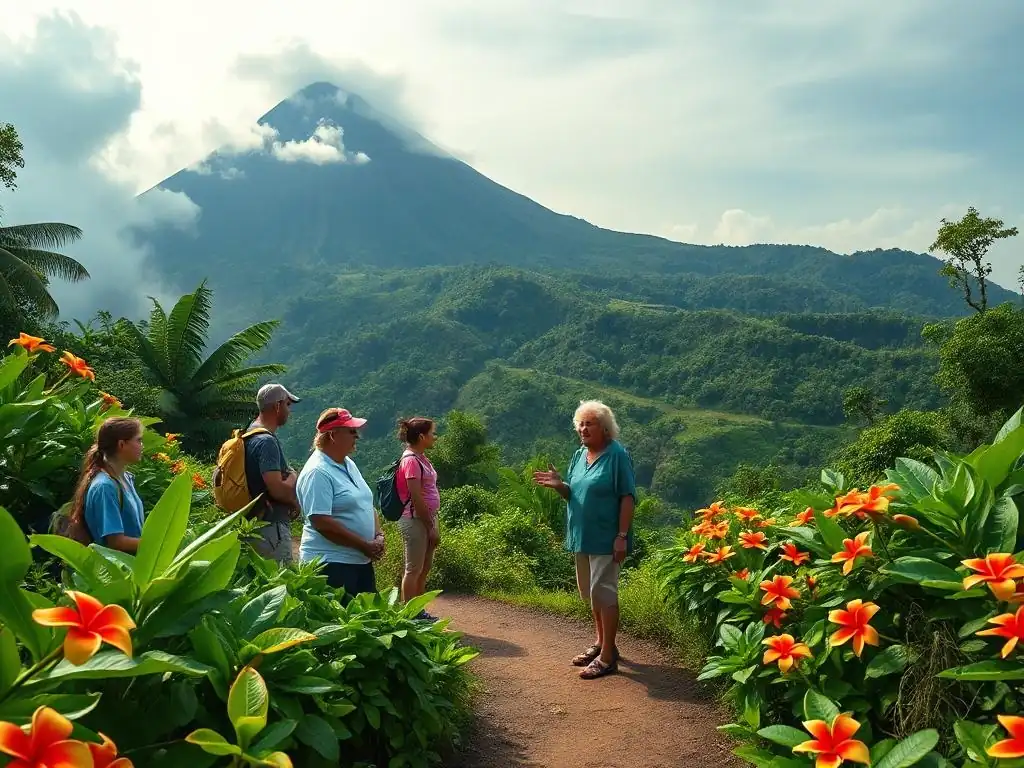
Local volcano legends significantly enhance the volcano hiking experience by adding layers of cultural meaning, intrigue, and emotional connection to the natural environment. These stories transform a purely physical activity into a richer, more multi-dimensional journey. Instead of simply observing geological formations, hikers become participants in a living narrative, tracing the footsteps of mythical figures and engaging with centuries of storytelling. Legends provide a framework for understanding the landscape, imbuing specific locations and geological features with deeper significance and prompting contemplation beyond mere scientific observation.
The allure of legends can also foster a stronger sense of place attachment. Knowing the stories associated with a volcano makes it feel less like a generic tourist destination and more like a unique, culturally significant location. This enhanced sense of place can lead to a greater appreciation for the environment and a stronger motivation to protect it.
For many hikers, learning about local legends becomes an integral part of their volcano adventure, sparking curiosity, enriching their understanding of the region's culture, and creating lasting memories that extend beyond the physical accomplishment of reaching a summit. The integration of storytelling into volcano tourism, therefore, offers a more holistic and engaging experience for visitors.
Promoting Responsible Tourism and Respect for Local Traditions
Volcano legends, while enhancing tourism, also carry a responsibility for promoting responsible tourism and respect for local traditions. The narratives are often deeply rooted in the cultural and spiritual heritage of indigenous or local communities, and their commercialization or misrepresentation can be detrimental. Responsible tourism in this context involves ensuring that the presentation of volcano legends is accurate, respectful, and benefits the communities from which they originate. This includes working with local communities to develop tourism initiatives that are culturally sensitive and economically beneficial to them.
Promoting ethical storytelling is crucial. This means avoiding sensationalism, respecting intellectual property rights related to indigenous knowledge, and ensuring that local voices and perspectives are included in the interpretation and sharing of legends. Tourism operators and guides should be trained to present legends accurately and respectfully, acknowledging their cultural significance and avoiding perpetuation of stereotypes or misinformation. Furthermore, a portion of tourism revenue should ideally be directed back into local communities and conservation efforts, ensuring that the benefits of volcano tourism are shared and contribute to the preservation of both the natural and cultural heritage of volcanic regions.
Preserving Volcano Hiking Trail Legends for Future Generations
Preserving volcano hiking trail legends is essential not only for cultural continuity but also for enriching future generations' understanding and appreciation of both nature and culture. These legends are valuable intangible heritage, representing a wealth of traditional knowledge, cultural values, and historical understanding of the relationship between humans and volcanoes. Documenting and archiving these stories is crucial, especially as oral traditions face the risk of being lost in an increasingly globalized and digitally driven world.
Efforts to preserve volcano legends can include recording oral histories from elders and storytellers within local communities, creating accessible digital archives of these narratives, and integrating legend storytelling into educational programs and tourism initiatives. Collaborating with local communities in these preservation efforts is paramount, ensuring that their voices and perspectives are central to the process. By actively preserving and sharing volcano hiking trail legends, we can ensure that future generations have the opportunity to connect with these rich cultural narratives, fostering a deeper appreciation for the interconnectedness of nature, culture, and human storytelling in volcanic landscapes around the world.
Tips for Respectfully Engaging with Volcano Legends on Your Hike
Listen to Local Guides and Storytellers
One of the most enriching ways to respectfully engage with volcano legends on your hike is to listen attentively to local guides and storytellers. These individuals often possess a deep understanding of the legends, their cultural context, and their significance to the community. They can provide insights that go beyond readily available information, sharing nuances, personal anecdotes, and interpretations that bring the stories to life. Engaging with local storytellers provides a direct connection to the oral traditions and cultural heritage associated with the volcano.
When listening to local guides, be respectful and attentive. Ask thoughtful questions, show genuine interest in their stories, and avoid interrupting or dismissing their narratives. Remember that these legends are often deeply personal and culturally significant, so approaching them with humility and openness is essential. Supporting local guides and storytellers also contributes to responsible tourism, directly benefiting the communities that are the custodians of these valuable cultural traditions. Seek out tours or hiking experiences that prioritize local guides and cultural interpretation, ensuring a more authentic and respectful engagement with volcano legends.
Be Mindful of Sacred Sites and Cultural Significance
Many volcano legends are intrinsically linked to specific locations considered sacred sites by local communities. These sites may include crater rims, volcanic vents, specific rock formations, or even entire areas within the volcanic landscape. When hiking in volcanic regions, it is crucial to be mindful of these sacred sites and their cultural significance. Learn about any designated sacred areas or protocols before your hike, respecting any restrictions or guidelines in place. This might include avoiding certain trails, refraining from taking specific actions at certain locations (like removing rocks or leaving offerings without permission), or maintaining a respectful demeanor.
Treat sacred sites with reverence and avoid treating them as mere photo opportunities or tourist attractions. Understand that these locations may hold deep spiritual meaning for local communities, and your respectful behavior demonstrates cultural sensitivity and awareness. If unsure about the cultural significance of a particular site or area, err on the side of caution and seek guidance from local guides or park authorities. Respecting sacred sites is a fundamental aspect of responsible volcano tourism and ensures that these culturally important locations are preserved for future generations and continue to be respected by visitors.
Avoid Spreading Misinformation or Exploiting Legends
In the age of rapid information dissemination, it is crucial to avoid spreading misinformation or exploiting volcano legends. Be discerning about the sources of information you encounter, particularly online. Not all information about volcano legends is accurate or respectfully presented. Rely on reputable sources, such as academic research, cultural centers, and information provided by local communities and park authorities. Be wary of sensationalized or romanticized versions of legends that may distort or misrepresent their original meaning and cultural context.
Avoid perpetuating stereotypes or contributing to the commercial exploitation of volcano legends. Refrain from using legends in a way that is disrespectful, trivializes their significance, or appropriates cultural heritage for personal gain or entertainment. When sharing volcano legends with others, whether through social media or conversations, strive for accuracy and cultural sensitivity. Acknowledge the source of the legend and its cultural context, and avoid presenting it in a way that is disrespectful or misrepresents its original meaning. Responsible engagement with volcano legends involves not only learning about them but also ensuring their accurate and respectful representation and preservation.
Conclusion: The Enduring Magic of Volcano Hiking Trail Legends
Connecting with Nature and Culture Through Volcanic Tales
Volcano hiking trail legends offer a powerful and enduring magic – the ability to seamlessly connect us to both the raw power of nature and the rich tapestry of human culture. These stories are more than just entertaining narratives; they are bridges that span millennia, linking us to the experiences, beliefs, and interpretations of those who came before us. Through legends, we gain a deeper understanding of how different cultures have perceived and interacted with volcanoes, transforming these geological giants into cultural landmarks imbued with meaning and significance.
By embracing volcano hiking trail legends, we enrich our experience of the natural world. The trails become more than just paths to summits; they become routes through landscapes alive with stories, spirits, and cultural heritage. The act of hiking transforms from a purely physical endeavor into a cultural and spiritual journey, fostering a deeper sense of connection to the environment and a greater appreciation for the human stories interwoven with volcanic landscapes. This connection between nature and culture, facilitated by volcano legends, is a vital element in fostering environmental stewardship and cultural preservation.
Continue Exploring the World of Volcanoes with VolcanoExplorers.org
VolcanoExplorers.org invites you to continue your journey of discovery into the captivating world of volcanoes. Our platform remains your dedicated resource for exploring not only the science and geology of volcanoes but also the fascinating realm of volcano hiking trail legends. Delve deeper into our extensive collection of articles, guides, and resources to uncover more legends from around the globe, learn about responsible volcano tourism practices, and discover new trails to explore.
Whether you are planning your next volcano hiking adventure or simply seeking to expand your knowledge and appreciation of these magnificent natural wonders, VolcanoExplorers.org is here to guide you. Join our community of volcano enthusiasts and continue exploring the enduring magic of volcanoes, where nature and culture converge in a symphony of power, beauty, and timeless storytelling.
Frequently Asked Questions
What are "volcano hiking trail legends" and why are they important?
"Volcano hiking trail legends" refer to the local stories and folklore associated with specific volcano hiking trails. They are important because they add cultural and historical context to the natural landscape, enriching the hiking experience.
Where can I find these volcano hiking trail legends?
Many are passed down through oral tradition from local communities. Some are also documented in local historical societies or tourist information centers near volcano hiking trails. VolcanoExplorers.org may also feature some!
Do these legends always accurately reflect the scientific reality of volcanoes?
Not always. They often incorporate supernatural elements and symbolic interpretations of volcanic phenomena. It's important to distinguish between scientific explanations and cultural narratives.
Are there any safety precautions I should take when exploring volcanoes based on these legends?
While legends are interesting, always prioritize official safety guidelines and warnings from volcanologists and park authorities. Don't let legends influence your risk assessment or decision-making during your hike.
How can I contribute to preserving these volcano hiking trail legends?
Engage with local communities, listen to their stories, and support efforts to document and preserve them. Sharing your own experiences and respectfully acknowledging the cultural significance of the legends helps keep them alive.
Final Reflection: Echoes in the Volcanic Wind
The stories we've explored, these local legends of volcano hiking trails, are more than just entertaining anecdotes. They are living threads connecting us to the raw power of nature and the enduring spirit of those who came before us. They remind us that even in the face of geological forces that dwarf our existence, humanity seeks meaning, finds solace, and crafts narratives that resonate across generations.
The impact of these legends extends beyond the trail itself. They shape our understanding of the landscape, imbuing it with a sense of history and mystery. My own experiences on these trails have been profoundly enriched by knowing the stories, transforming a physical challenge into a journey through time and culture. We are all storytellers. We live in a network of stories. There isn't a stronger connection between people than storytelling.
- Jimmy Neil Smith. This quote perfectly captures the essence of how these volcanic legends bind us to the land and to each other.
As you lace up your boots and prepare to explore your own volcano hiking trail, I urge you to listen for the whispers of the past. Seek out the local legends, learn their origins, and consider the lessons they hold. Let these stories not only guide your steps but also ignite your imagination and deepen your appreciation for the powerful forces that have shaped our world. Embrace the adventure, respect the land, and become a part of the ongoing narrative of these majestic volcanoes.
Unearth the Magic: Your Volcanic Adventure Awaits!
Thank you for exploring the captivating local legends surrounding our volcanoes! We hope these stories have sparked a newfound appreciation for the rich history woven into these magnificent landscapes. Now, it's time to turn your newfound knowledge into an unforgettable experience.
Here's how you can take the next step:
- Plan Your Own Volcanic Hike: Embark on one of the trails mentioned in the article and share your experience and any legends you discover with us!
- Uncover more forgotten stories by exploring local libraries and historical societies. Document your findings and share them on our blog.
- Connect with fellow enthusiasts! Share this article with your hiking buddies and plan a group expedition to experience these legends firsthand.
Which volcanic trail will you explore first, and what legend are you most excited to uncover? Share your plans in the comments below!