
Volcano Hiking Safety: Navigating Nature's Power with Respect

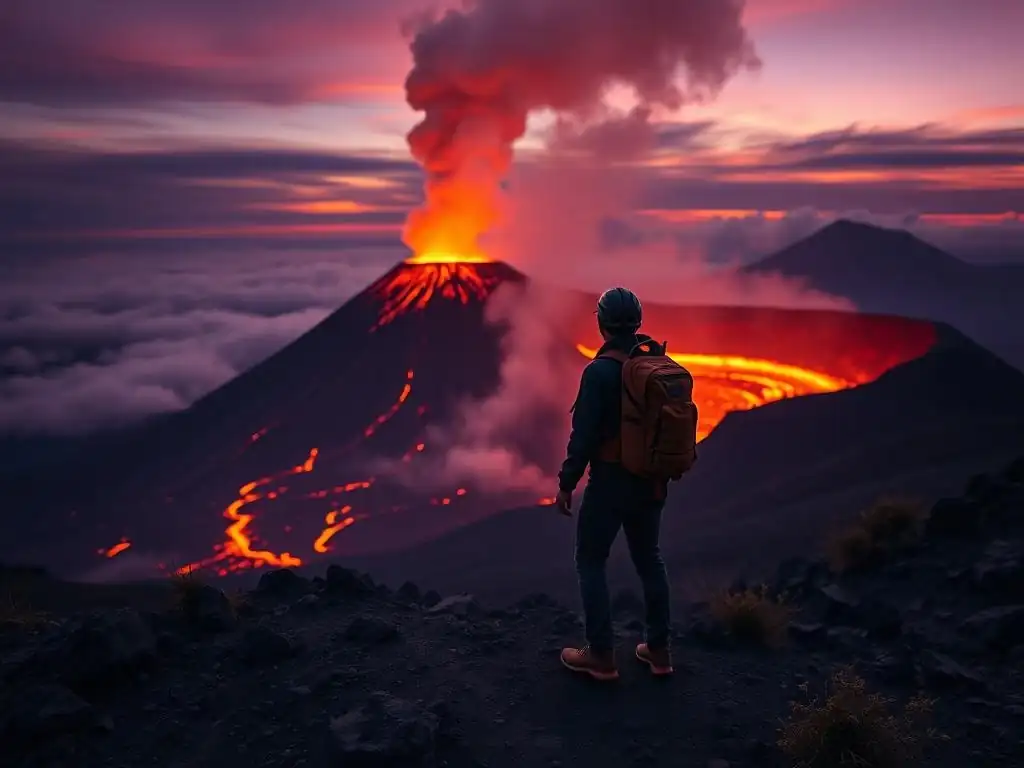
Welcome to Volcano Explorers, where we invite you to uncover the raw power and breathtaking beauty of Earth's fiery giants. Ever wondered how to safely witness these geological marvels firsthand? This article delves into Volcano Hiking Safety Tips, providing essential knowledge for navigating these dynamic landscapes with respect. But that's just the beginning... what secrets do these majestic peaks hold, and how can you experience their wonders responsibly? Prepare to ignite your curiosity and explore further!
- Introduction to Volcano Hiking and Safety
- Pre-Hike Planning for Volcano Treks
- On the Trail: Volcano Hiking Safety Guidelines
- Emergency Preparedness on Volcanoes
- Post-Hike Considerations and Conservation
- Advanced Volcano Hiking Safety Tips
- Conclusion: Enjoying Volcanoes Responsibly
-
Frequently Asked Questions
- What are the most important pre-hike precautions I should take before volcano hiking?
- What specific gear is essential for volcano hiking, beyond standard hiking equipment?
- How can I identify potential hazards while hiking near a volcano?
- What should I do if a volcanic eruption begins while I am hiking?
- What are some key considerations for respecting the cultural significance of volcanoes?
- Final Reflection: Embracing the Volcano's Majesty Responsibly
- Conquer Your Fears: Embark on Your Volcanic Adventure!
Introduction to Volcano Hiking and Safety
The Allure and Risks of Volcano Hiking
Volcanoes, with their majestic peaks and powerful geological forces, exert a powerful draw on adventurers and nature enthusiasts alike. Hiking on or near a volcano offers a unique and unforgettable experience, providing breathtaking views, the chance to witness geothermal features up close, and a profound connection to the Earth's raw power. From the gentle slopes of Mauna Kea in Hawaii to the challenging terrains of Mount Etna in Italy, volcanoes around the world attract hikers seeking adventure and unparalleled landscapes. The allure is undeniable, promising an encounter with nature on a grand scale.
However, the very forces that make volcanoes so captivating also present inherent risks. Volcanoes are dynamic geological features, and their activity can change rapidly. Hiking in volcanic environments exposes individuals to hazards not typically encountered on standard trails. These can range from sudden eruptions and releases of toxic gases to unstable terrain and extreme weather conditions. Therefore, understanding and mitigating these risks through diligent volcano hiking safety measures is absolutely paramount for a safe and enjoyable experience.
Why Volcano Hiking Safety Tips are Crucial
Volcano hiking safety tips are not merely suggestions; they are essential guidelines designed to minimize risks and ensure hiker well-being in a potentially hazardous environment. Unlike typical mountain hikes, volcano hikes often involve navigating active or dormant volcanic areas where the Earth's internal processes are still at play. This means hikers might encounter unique dangers such as fumaroles emitting superheated steam and gases, areas of unstable ground prone to collapse, and the possibility of sudden changes in volcanic activity.
Ignoring volcano hiking safety tips can lead to severe consequences. Examples abound of hikers getting lost in volcanic fog, suffering burns from unexpected hot springs, or being caught off guard by minor eruptions. In 2014, for instance, the eruption of Mount Ontake in Japan tragically caught many hikers by surprise, highlighting the unpredictable nature of volcanic activity and the critical need for preparedness. Proper planning, awareness of potential hazards, and adherence to safety guidelines are not just recommended—they are crucial for a safe and responsible volcano hiking experience.
Pre-Hike Planning for Volcano Treks
Researching the Volcano's Activity Level and Potential Hazards
Before embarking on a volcano hike, thorough research into the volcano's current activity level is non-negotiable. Volcanic activity can fluctuate, and what might be a safe hike one day could become dangerous the next. Consult official sources such as the local volcano observatory or geological survey website for the most up-to-date information. For example, the USGS Volcano Hazards Program (www.usgs.gov/volcanoes) provides detailed information on US volcanoes, including alert levels and recent activity. Similar organizations exist worldwide for volcanoes in other regions.
Beyond the general activity level, research specific potential hazards associated with the chosen volcano. Are there known areas of fumaroles or hot springs along the trail? Is the terrain known for loose rocks or steep drop-offs? Are there any historical accounts of sudden eruptions or gas releases in the area? Understanding these specific risks allows hikers to tailor their preparation and be more vigilant on the trail. For example, if hiking near a volcano known for sulfur dioxide emissions, carrying a gas mask might be a prudent safety measure.
Checking Weather Conditions and Forecasts for Volcano Hikes
Weather conditions on volcanoes can be particularly unpredictable and challenging. Due to their elevation and often exposed locations, volcanoes are prone to rapid weather changes, including sudden shifts in temperature, strong winds, and dense fog or rain. Always check detailed weather forecasts specifically for the volcano summit or hiking area, not just the general surrounding region. Websites like mountain-forecast.com or local meteorological services often provide specialized forecasts for mountainous areas, including volcanoes.
Pay close attention to forecasts for wind speed, temperature fluctuations (especially potential for freezing temperatures at higher elevations), and precipitation. Volcanic fog, also known as "vog," can reduce visibility dramatically and may contain volcanic gases that can irritate the respiratory system. Be prepared for the possibility of sudden storms, even if the initial forecast appears favorable. Weather conditions can change rapidly at higher altitudes, and being caught unprepared can quickly turn a pleasant hike into a dangerous situation.
Essential Gear and Equipment for Safe Volcano Hiking
Hiking Boots and Appropriate Clothing
Sturdy hiking boots with good ankle support are fundamental for volcano hiking safety. Volcanic terrain is often uneven, rocky, and potentially unstable, requiring robust footwear to prevent slips, trips, and ankle injuries. Ensure boots are properly broken in before the hike to avoid blisters. The soles should provide excellent traction on loose gravel, volcanic ash, and potentially slippery surfaces.
Appropriate clothing is equally crucial. Dress in layers to adapt to changing temperatures and weather conditions. Moisture-wicking base layers, insulating mid-layers (like fleece or down), and a waterproof and windproof outer shell are recommended. Avoid cotton clothing, as it retains moisture and can lead to hypothermia in cold or wet conditions. Consider wearing long pants and long-sleeved shirts to protect skin from sun exposure, scratches from vegetation (if present), and potential volcanic ash.
Water and Food Supplies for Volcano Treks
Adequate hydration and nutrition are vital for any hike, but especially so on volcanoes where exertion levels can be high and conditions can be demanding. Carry significantly more water than you think you'll need, especially in warmer climates or at higher altitudes where dehydration can occur more quickly. A general guideline is to carry at least 2-3 liters of water per person for a moderate day hike, adjusting upwards for longer or more strenuous hikes.
Pack high-energy snacks and meals. Energy bars, trail mix, dried fruits, nuts, and sandwiches are good options. Volcano hiking can be physically demanding, and maintaining energy levels is crucial for safety and stamina. Electrolyte drinks or tablets can also help replenish lost minerals through sweat, particularly in hot weather.
Navigation Tools: Maps, Compass, and GPS
Reliable navigation tools are essential for volcano hiking safety, even on well-marked trails. Carry a detailed topographic map of the volcano area and a compass, and know how to use them. While GPS devices and smartphone apps can be helpful, they should not be relied upon as the sole navigation method, as batteries can fail, and signal can be unreliable in remote volcanic areas.
Familiarize yourself with the trail map before starting the hike, noting key landmarks, elevation changes, and potential hazards marked on the map. Learn basic compass navigation skills and practice using your map and compass together. A GPS device can be a valuable supplementary tool, especially in low visibility conditions or if you stray off the marked trail, but always carry and know how to use traditional navigation tools as a backup.
Informing Others of Your Hiking Plans and Expected Return
Before heading out for a volcano hike, always inform someone reliable about your detailed hiking plans. This includes the specific volcano you are hiking, the trail you intend to take, your planned route, and your estimated time of return. Provide them with contact information and any relevant details about your hiking group.
This simple step is crucial for safety. If you encounter problems on the trail, get lost, or are delayed for any reason, someone will know to expect you back and can initiate a search and rescue if necessary. Leave a copy of your itinerary with a friend, family member, or even the park ranger station if available. Be sure to check in with your contact person upon your safe return to close the loop and avoid any unnecessary worry or search efforts.
On the Trail: Volcano Hiking Safety Guidelines
Staying on Marked Trails to Avoid Dangerous Areas
Adhering to marked trails is a fundamental volcano hiking safety guideline. Trails are typically designed to avoid known hazardous areas and to minimize environmental impact. Venturing off-trail on a volcano can significantly increase risks. Unmarked areas may contain unstable ground, hidden fumaroles, or other volcanic hazards that are not immediately apparent.
Respect trail closures and warnings. If a trail is closed, there is a reason, usually due to safety concerns or volcanic activity. Do not attempt to bypass closures. Staying on marked trails also helps to protect the delicate volcanic environment and minimizes your impact on fragile ecosystems. Following designated paths is a key aspect of responsible and safe volcano hiking.
Recognizing and Avoiding Volcanic Hazards
Identifying Fumaroles and Hot Springs
Fumaroles are vents that release volcanic gases and steam, often at very high temperatures. Hot springs are surface expressions of geothermal heated groundwater. Both fumaroles and hot springs are common features in volcanic areas, and while they can be visually interesting, they pose significant burn risks. Fumaroles can emit gases at temperatures exceeding 200°C (almost 400°F), and hot springs can be scalding.
Visually, fumaroles are often characterized by plumes of steam or gas rising from the ground, sometimes accompanied by a sulfurous odor. Hot springs are pools of hot water, often with colorful mineral deposits around their edges. Maintain a safe distance from both fumaroles and hot springs, and never touch the water or steam. The ground around these features can also be unstable and weakened by hydrothermal activity.
Understanding the Risks of Volcanic Gases
Volcanic gases, such as sulfur dioxide (SO2), carbon dioxide (CO2), and hydrogen sulfide (H2S), can be invisible and odorless (in the case of CO2) or have a strong, pungent smell (like SO2 and H2S). These gases can be harmful or even deadly, especially in concentrated areas or enclosed spaces. Sulfur dioxide can irritate the respiratory system, eyes, and skin. Carbon dioxide, being heavier than air, can accumulate in low-lying areas and displace oxygen, leading to asphyxiation. Hydrogen sulfide is also toxic and has a characteristic "rotten egg" smell.
Be aware of potential gas accumulation in valleys or depressions where heavier gases can pool. If you smell a strong sulfurous odor or experience any respiratory irritation, move to higher ground and away from the source of the smell. In areas known for significant gas emissions, consider carrying a portable gas detector and a respirator mask as a precautionary measure, especially if you have respiratory sensitivities.
Awareness of Loose Rocks and Unstable Terrain
Volcanic terrain is often characterized by loose rocks, volcanic ash, and unstable slopes. Erosion and volcanic activity can create areas of loose scree, steep drop-offs, and potentially collapsing ground. Be particularly cautious when hiking on slopes covered in loose rocks, as these can easily give way underfoot, leading to falls and injuries.
Pay attention to the stability of the ground as you walk. Avoid stepping on loose rocks or areas that appear to be unstable. Test the stability of rocks before putting your full weight on them. Be extra cautious on steep slopes and near crater rims where the terrain can be particularly precarious. Wear sturdy hiking boots with good ankle support to minimize the risk of ankle sprains on uneven terrain.
Maintaining a Safe Distance from the Crater Rim
The crater rim of a volcano offers spectacular views, but it is also a potentially dangerous area. Crater rims can be unstable, with loose rocks and steep drop-offs. Wind conditions can also be stronger and more unpredictable at the rim. Maintaining a safe distance from the edge is crucial for volcano hiking safety.
Avoid getting too close to the crater rim, especially if it appears crumbly or unstable. Follow any marked viewpoints or designated safe viewing areas. Be mindful of wind gusts that could push you closer to the edge. Never lean over the rim or attempt to look directly down into the crater if it requires getting dangerously close to the edge. Respect the power of the volcano and maintain a safe and respectful distance.
Hiking in Groups and Communicating Effectively
Hiking in groups is generally safer than hiking alone, especially in potentially hazardous environments like volcanoes. In a group, you can assist each other in case of emergencies, share navigation responsibilities, and provide mutual support. If hiking in a group, establish clear communication protocols before starting the hike.
Designate a group leader and ensure everyone knows the planned route and safety procedures. Maintain visual contact with each other, especially in areas with low visibility or challenging terrain. Use hand signals or verbal communication to alert each other to hazards or changes in conditions. If someone in the group is experiencing difficulty, stop and assist them. Effective communication and teamwork are essential for group safety on volcano hikes.
Monitoring Changes in Volcanic Activity and Weather
Continuously monitor for any changes in volcanic activity or weather conditions while hiking. Volcanoes are dynamic systems, and activity levels can change quickly. Be alert for any unusual signs, such as increased steam or gas emissions, new fumaroles or hot springs, changes in ground deformation, or any unusual noises coming from the volcano.
Keep an eye on the weather and be prepared for rapid changes. Watch for approaching storms, increasing wind speeds, or decreasing visibility due to fog or volcanic smog. If you observe any concerning changes in volcanic activity or weather, be prepared to turn back or seek shelter. Err on the side of caution and prioritize safety over reaching your destination. Having a portable weather radio can be beneficial for receiving up-to-date weather information while on the trail.
Emergency Preparedness on Volcanoes
First Aid Basics for Volcano Hiking Injuries
Being prepared to handle minor injuries is an essential aspect of volcano hiking safety. Carry a well-stocked first-aid kit that includes items to treat common hiking injuries such as cuts, scrapes, blisters, sprains, and burns. Include bandages, antiseptic wipes, pain relievers, blister treatment, and any personal medications.
Familiarize yourself with basic first-aid procedures, especially for treating burns (both thermal and chemical, if relevant to the specific volcano), sprains, and dehydration. Consider taking a wilderness first-aid course to gain more in-depth knowledge and skills. Knowing how to administer basic first aid can make a significant difference in managing minor injuries on the trail and preventing them from becoming more serious.
Knowing How to Respond to Volcanic Eruptions
While large-scale volcanic eruptions during a hike are rare, it's crucial to know how to respond in the unlikely event of an eruption. Even small eruptions can pose hazards from flying rocks, ashfall, and pyroclastic flows (fast-moving currents of hot gas and volcanic debris). Prioritize your safety and move away from the eruption source immediately.
If an eruption occurs, follow these general guidelines: protect your head and face from flying debris using your backpack or arms. If possible, seek shelter behind large rocks or in a sturdy building if one is nearby. If pyroclastic flows are a risk (consult volcano hazard information beforehand), move to higher ground as quickly as possible, as these flows tend to follow valleys and low-lying areas. Cover your mouth and nose with a cloth or mask to avoid inhaling volcanic ash. Follow any instructions from park rangers or emergency personnel.
Evacuation Procedures and Routes
Before hiking, familiarize yourself with the designated evacuation procedures and routes for the volcano area. Park authorities or volcano observatories often have pre-established evacuation plans in case of increased volcanic activity or eruption. Know the location of evacuation assembly points and the primary and secondary evacuation routes.
Pay attention to any evacuation signals or announcements from park rangers or authorities. If an evacuation order is issued, follow the designated evacuation routes promptly and calmly. Do not deviate from the established routes, as they are designed to lead to safe areas. Assist others if possible and remain patient and orderly during the evacuation process.
Signaling for Help in Case of Emergency
In the event of a serious emergency, such as a major injury or getting lost, knowing how to signal for help is critical. Carry a whistle and a signaling mirror in your emergency kit. Three whistle blasts or three flashes of a mirror are internationally recognized distress signals. Repeat the signal in sets of three, followed by a pause, and then repeat.
If you have cell phone service, attempt to call for help, but do not rely on cell service being available in remote volcanic areas. If you have a personal locator beacon (PLB) or satellite communication device, activate it to send a distress signal to emergency responders. Stay in place once you have signaled for help, unless your location becomes unsafe. Conserve energy and stay warm while waiting for rescue.
Post-Hike Considerations and Conservation
Reporting Any Unusual Volcanic Activity
After your hike, if you observed any unusual volcanic activity, such as increased steam or gas emissions, new fumaroles, unusual smells, or ground deformation, report it to the local volcano observatory or park authorities. Your observations can be valuable in monitoring volcanic activity and ensuring the safety of future hikers.
Provide specific details about what you observed, including the location, time, and description of the unusual activity. Your report can contribute to a better understanding of the volcano's current state and help in making informed decisions about trail closures or safety measures. Reporting unusual activity is a responsible and helpful action for volcano hiking safety and monitoring.
Leave No Trace Principles on Volcanoes
Practice Leave No Trace principles during your volcano hike to minimize your impact on the fragile volcanic environment. Pack out everything you pack in, including trash, food scraps, and waste. Stay on established trails to avoid damaging vegetation and soil. Minimize campfire impacts (campfires may be prohibited in volcanic areas due to fire risk or environmental sensitivity).
Respect wildlife and do not feed or disturb animals. Leave natural objects such as rocks and plants undisturbed. Be considerate of other visitors and avoid excessive noise. Following Leave No Trace principles helps to preserve the natural beauty and ecological integrity of volcanic areas for future generations to enjoy.
Respecting Local Regulations and Cultural Sites
Volcanic areas are often subject to specific regulations designed to protect the environment, cultural sites, and visitor safety. Before your hike, research and adhere to all local regulations and guidelines. This may include permits required for hiking, restrictions on certain areas, or rules regarding camping or fires.
Some volcanoes are considered sacred or culturally significant to local communities. Respect any cultural sites or areas of significance and follow any guidelines provided by local communities or park authorities. Behave respectfully and avoid actions that could be considered disrespectful or damaging to cultural heritage. Responsible volcano hiking includes respecting both the natural and cultural environment.
Advanced Volcano Hiking Safety Tips
Dealing with Altitude Sickness on High-Altitude Volcanoes
Many volcanoes are high-altitude peaks, and altitude sickness can be a significant risk. Ascending to high altitudes rapidly can lead to altitude sickness, with symptoms ranging from headache and nausea to more severe conditions like high-altitude pulmonary edema (HAPE) or high-altitude cerebral edema (HACE), which can be life-threatening.
If hiking a high-altitude volcano, ascend gradually to allow your body to acclimatize. Spend a night or two at intermediate altitudes before attempting the summit. Stay well hydrated, avoid alcohol and caffeine, and eat light meals. Recognize the symptoms of altitude sickness and descend to a lower altitude if symptoms develop. Carry medication for altitude sickness if recommended by your doctor, and consult with a physician before undertaking high-altitude volcano hikes, especially if you have pre-existing health conditions.
Night Hiking on Volcanoes: Safety Precautions
Night hiking on volcanoes can offer unique experiences, such as stargazing from high elevations or witnessing sunrise from a summit. However, night hiking also presents additional safety challenges. Visibility is significantly reduced, increasing the risk of getting lost or injured. Navigation becomes more challenging, and hazards may be harder to spot.
If planning a night hike, ensure you have excellent navigation skills and are very familiar with the trail in daylight. Carry a reliable headlamp or flashlight with extra batteries. Hike with a group and stick together. Be extra cautious about footing and terrain in the dark. Inform someone of your specific night hiking plans and expected return time. Night hiking requires increased preparedness and vigilance.
Hiking in Extreme Weather Conditions on Volcanoes
Hiking in extreme weather conditions on volcanoes, such as during heavy rain, snow, or high winds, significantly increases risks. Extreme weather can reduce visibility, make trails slippery and dangerous, and increase the risk of hypothermia or heatstroke. Strong winds can make hiking difficult and potentially blow hikers off balance, especially near crater rims.
Avoid hiking in extreme weather conditions if possible. Check the forecast carefully and postpone your hike if severe weather is predicted. If you are caught in extreme weather on a volcano, seek shelter if possible and wait for conditions to improve. If you must continue hiking in challenging weather, proceed with extreme caution, reduce your pace, and be prepared to turn back if conditions worsen. Prioritize safety over summiting in adverse weather.
Conclusion: Enjoying Volcanoes Responsibly
Emphasizing the Importance of Respecting Nature's Power
Volcanoes are awe-inspiring natural wonders that showcase the immense power of the Earth. Hiking on volcanoes offers a unique opportunity to experience this power firsthand, but it also demands a deep respect for the inherent risks and the forces at play. Volcano hiking safety is not just about personal protection; it's about responsible interaction with a dynamic and potentially hazardous environment.
By adhering to volcano hiking safety tips, planning meticulously, being aware of potential hazards, and acting responsibly on the trail, hikers can minimize risks and enjoy the incredible experience of volcano exploration safely and sustainably. Remember that volcanoes are powerful and unpredictable forces of nature. Approach them with humility, respect, and a commitment to responsible exploration, ensuring both personal safety and the preservation of these magnificent landscapes for generations to come.
Frequently Asked Questions
What are the most important pre-hike precautions I should take before volcano hiking?
Before hiking, always check the current volcanic activity reports from reputable sources. Secondly, inform someone of your hiking plans and expected return time. Finally, ensure you have the necessary gear and supplies, including water, food, and a first-aid kit.
What specific gear is essential for volcano hiking, beyond standard hiking equipment?
Beyond standard hiking gear, consider items like a dust mask or respirator to protect against volcanic ash. Also, wear sturdy boots suitable for uneven terrain and pack eye protection from flying debris.
How can I identify potential hazards while hiking near a volcano?
Be vigilant for signs of increased volcanic activity, such as steam vents, sulfurous odors, or ground deformation. Also, be aware of loose rocks and unstable slopes, which are common in volcanic landscapes. Lastly, avoid areas prone to landslides or flash floods.
What should I do if a volcanic eruption begins while I am hiking?
If an eruption starts, seek immediate shelter if possible, preferably indoors. If shelter isn't available, move to higher ground away from valleys and waterways. Protect yourself from ashfall with a mask and goggles.
What are some key considerations for respecting the cultural significance of volcanoes?
Remember that many cultures view volcanoes as sacred sites, so respect local customs and traditions. Avoid disturbing any artifacts or religious symbols you may encounter. Obtain necessary permits and permissions before entering restricted areas.
Final Reflection: Embracing the Volcano's Majesty Responsibly
The allure of standing on a volcano, witnessing the raw power of the Earth, is undeniable. Volcano hiking safety, however, is paramount, transforming a potentially perilous adventure into an unforgettable and enriching experience. Ignoring the inherent risks undermines not only personal safety but also disrespects the immense forces at play. This isn't about fear, but about informed preparation and a deep reverence for nature's grandeur.
The impact of responsible volcano hiking extends beyond individual well-being. It fosters a culture of environmental stewardship and ensures these magnificent landscapes remain accessible for generations to come. My own experiences hiking near volcanic regions have instilled in me a profound respect for their volatile beauty, reinforcing the need for meticulous planning and unwavering adherence to safety guidelines. Nature, to be commanded, must be obeyed.
- Francis Bacon. This quote encapsulates the essence of volcano hiking: understanding and respecting the environment is key to a safe and rewarding journey.
Now, armed with these volcano hiking safety tips, I encourage you to approach these majestic giants with both awe and caution. Let your adventures be guided by knowledge, respect, and a commitment to preserving these incredible landscapes. Embrace the challenge, but always remember that the greatest reward lies not just in reaching the summit, but in returning home safely, enriched by the experience and with a deeper appreciation for the Earth's untamed power.
Conquer Your Fears: Embark on Your Volcanic Adventure!
Thank you for reading our guide to volcano hiking safety! We hope you've gained valuable insights to prepare for a safe and unforgettable experience. Now it's time to put that knowledge into action and explore the raw beauty of volcanic landscapes.
Here are a few ways to continue your journey:
- Plan your next volcano hike. Use our resources to research trails, check conditions, and pack essential safety gear. Choose trails appropriate for your experience level.
- Share this article with your fellow hikers and anyone interested in volcanic adventures! Let's build a community of informed and responsible explorers.
- Document your volcanic adventure using our exclusive safety checklist, and upload it to our forum for personalized feedback from experienced volcano hikers!
What's the first step you'll take to prepare for your next volcanic adventure, and which safety measure will you prioritize? Share your plans in the comments below!