
Argentinian Patagonia: VolcanoInfluenced Landscapes and Gaucho Traditions

Welcome!
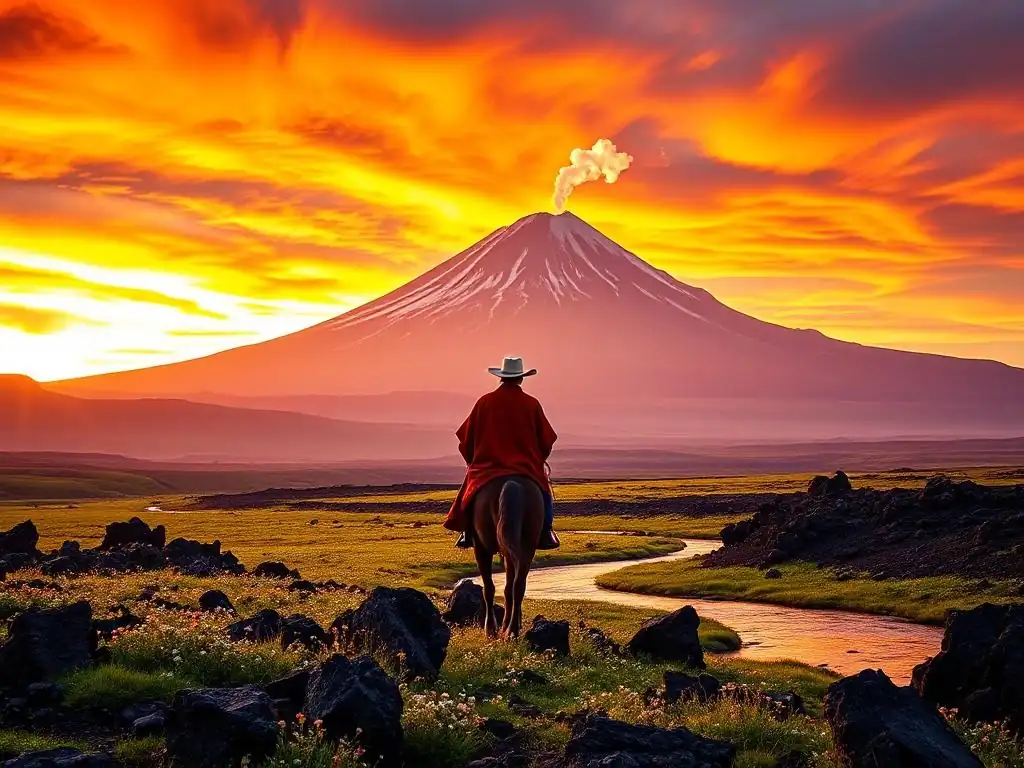
Dare to venture into a realm where fire and ice collide? At Volcano Explorers, we ignite your curiosity with the raw power and stunning beauty of these geological titans. Intrigued by how volcanic forces shape not only the land but also the very culture of a region? Then delve into our exploration of Patagonia volcano landscapes and culture, where we uncover the secrets etched in the Argentinian earth, from the fiery peaks to the traditions of the Gauchos who call this dramatic land home. Prepare to be captivated by a world forged in fire!
- Patagonia Volcanoes: A Geological Introduction
-
Frequently Asked Questions
- What makes the Argentinian Patagonia landscape unique, particularly regarding volcanic influence?
- How does VolcanoExplorers.org tie together the themes of volcanoes and culture in Argentinian Patagonia?
- What types of volcanic features might someone expect to see while exploring Patagonia?
- What safety advice does VolcanoExplorers.org provide for those visiting areas near active volcanoes in Patagonia?
- How are volcanologists studying the volcanoes in the Argentinian Patagonia region?
- Final Reflection: Echoes of Fire and Tradition
- Ignite Your Inner Explorer: Venture into Argentinian Patagonia!
Patagonia Volcanoes: A Geological Introduction
The Andean Volcanic Belt in Patagonia
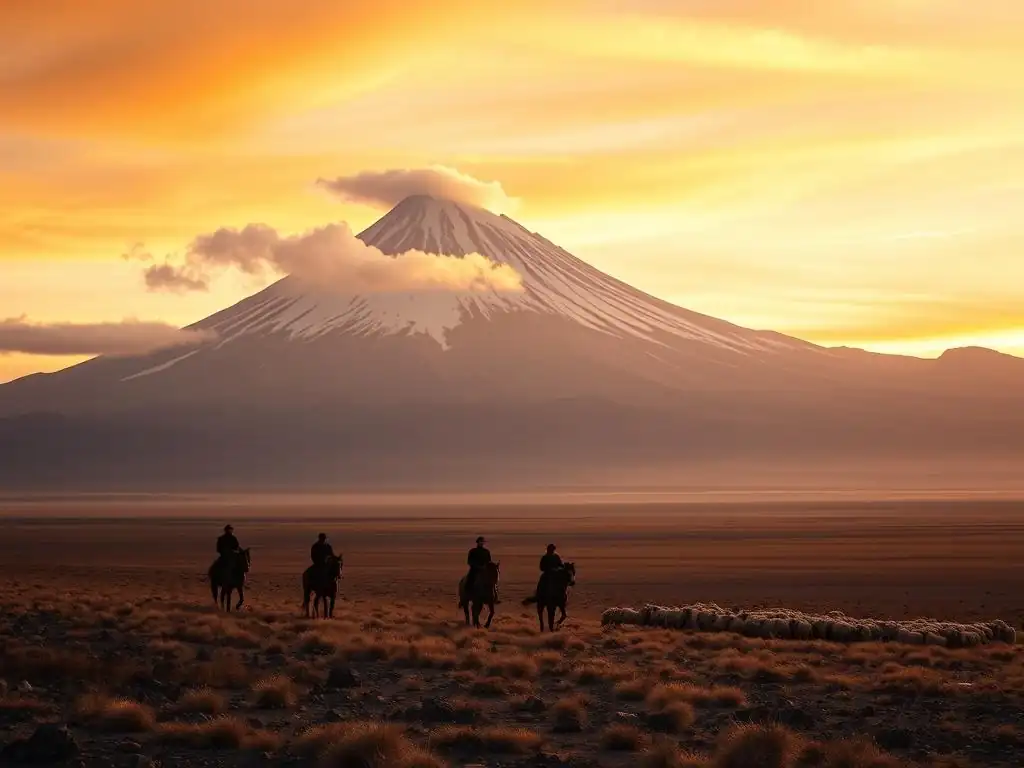
Patagonia's dramatic landscapes are intrinsically linked to its location along the Andean Volcanic Belt, a major volcanic zone that stretches along the western edge of South America. This belt is a direct result of the Nazca Plate subducting beneath the South American Plate, a process that has been ongoing for millions of years.
The immense pressure and heat generated by this collision melt the mantle rock, creating magma that rises to the surface, resulting in volcanic activity. In the Patagonian section of the Andes, this subduction has given rise to a complex and diverse array of volcanic features, shaping the region's geology and influencing its ecosystems.
The Patagonian Andes are characterized by a significant concentration of volcanoes, both active and dormant, reflecting a long history of tectonic activity. The Southern Volcanic Zone (SVZ), a segment of the Andean Volcanic Belt, is particularly prominent in Patagonia. This zone is home to numerous volcanoes, including some of the region's most iconic peaks. The volcanic activity in this area is not just a geological phenomenon; it's a powerful force that has sculpted the mountains, valleys, and lakes that define the breathtaking scenery of Argentinian Patagonia.
Types of Volcanoes Found in Argentinian Patagonia
Argentinian Patagonia showcases a fascinating variety of volcano types, each with its unique characteristics and formation processes. Stratovolcanoes, also known as composite volcanoes, are particularly common. These majestic, cone-shaped volcanoes are built up over time by layers of hardened lava, tephra, pumice, and volcanic ash. Examples like Lanín Volcano and Tronador Volcano are classic stratovolcanoes, towering over the Patagonian landscape and offering stunning visual examples of this volcanic form. Their steep slopes and periodically explosive eruptions are typical features of stratovolcanoes found within subduction zones.
Beyond stratovolcanoes, Patagonia also features other volcanic forms such as calderas and volcanic fields. Calderas are large, basin-shaped depressions formed after a volcano's magma chamber empties and the summit collapses inward, often following a massive eruption. While less visually prominent than stratovolcanoes, calderas represent significant past volcanic events and can influence drainage patterns and lake formation. Volcanic fields, on the other hand, are areas with numerous smaller volcanic vents and cones, indicating a more distributed volcanic activity across a region. The diversity in volcano types contributes to the varied and dynamic geological tapestry of Patagonia.
Volcanic Activity and Landscape Formation in Southern Argentina
Volcanic activity has been a fundamental architect of Patagonia's dramatic landscapes, shaping everything from towering mountains to serene lakes and fertile valleys. Over millennia, eruptions have deposited layers of ash and lava, creating the bedrock for many of the region's geological formations. The Andes themselves owe their height and ruggedness in part to volcanic uplift and the accumulation of volcanic materials. Furthermore, glacial activity, heavily influenced by the volcanic terrain, has further sculpted the landscape, carving out valleys and creating the stunning lake districts that Patagonia is famous for.
The impact of volcanic activity extends beyond the immediate vicinity of volcanoes. Volcanic ash, for example, is carried by wind and deposited over vast areas, enriching soils with minerals and influencing vegetation patterns. The presence of geothermal features like hot springs and fumaroles, common in volcanic regions, also shapes local ecosystems and creates unique habitats.
Even the color palette of Patagonia's landscapes, from the dark volcanic rock to the vibrant turquoise lakes, is a testament to the ongoing interplay between volcanic forces and natural processes. The region’s identity is deeply intertwined with its volcanic origins, evident in its geography, ecology, and even its cultural heritage.
Frequently Asked Questions
What makes the Argentinian Patagonia landscape unique, particularly regarding volcanic influence?
The Argentinian Patagonia's landscape is unique due to past volcanic activity that has shaped the terrain. This includes features like lava fields, calderas, and ash deposits that contribute to the region's distinct beauty.
How does VolcanoExplorers.org tie together the themes of volcanoes and culture in Argentinian Patagonia?
VolcanoExplorers.org highlights the cultural significance of volcanoes by exploring how indigenous communities and gaucho traditions have adapted to and been influenced by the volcanic landscapes of Argentinian Patagonia.
What types of volcanic features might someone expect to see while exploring Patagonia?
Visitors to Patagonia can expect to see various volcanic features, including stratovolcanoes, cinder cones, and evidence of past lava flows. These formations contribute significantly to the region's geological diversity.
What safety advice does VolcanoExplorers.org provide for those visiting areas near active volcanoes in Patagonia?
VolcanoExplorers.org offers essential safety guides and evacuation tips for visitors. It emphasizes the importance of staying informed about current volcanic activity and following local authorities' instructions.
How are volcanologists studying the volcanoes in the Argentinian Patagonia region?
Volcanologists study Patagonian volcanoes using methods like geochemical analysis, seismic monitoring, and satellite imagery. This allows them to understand the magmatic processes and assess the potential for future eruptions.
Final Reflection: Echoes of Fire and Tradition
The raw beauty of Argentinian Patagonia, sculpted by both volcanic fury and the enduring spirit of the gaucho, is more than just a scenic destination; it's a testament to the powerful interplay between nature and culture. Today, as we grapple with the impacts of climate change and the preservation of cultural heritage, understanding regions like Patagonia, where these forces are so vividly intertwined, becomes critically important.
The legacy of volcanic activity, shaping the dramatic landscapes, and the gaucho traditions, weaving through the fabric of Patagonian life, continue to resonate deeply. This exploration has personally reinforced the idea that true understanding of a place requires acknowledging both its geological history and the human stories etched upon it. Tradition is not the worship of ashes, but the preservation of fire.
- Gustav Mahler. This fire, both literal and metaphorical, burns brightly in Patagonia, reminding us of the resilience and adaptability of both the land and its people.
As you reflect on the landscapes and culture of Argentinian Patagonia, consider how you can contribute to preserving such unique and vulnerable environments. Let the echoes of ancient volcanoes and the spirit of the gaucho inspire you to seek out and appreciate the complex tapestry of nature and culture in your own world, and to advocate for their protection for generations to come.
Ignite Your Inner Explorer: Venture into Argentinian Patagonia!
Thank you for exploring the mesmerizing landscapes and vibrant traditions of Argentinian Patagonia. We hope this article has inspired you to discover the wonders of this volcanic wonderland. Now, it's time to turn that inspiration into action!
Here are a few ways to continue your Patagonian journey:
- Plan your own unforgettable adventure: Use our detailed trip-planning guide (coming soon!) to chart your course through the volcanic trails and experience the rich gaucho culture.:
- Share the wonder: Inspire fellow travelers by sharing this article on your favorite social media platforms. Help us spread the word about Patagonia's unique beauty.
- Dive deeper: Explore our other articles on volcanic landscapes around the world and leave a comment sharing your favorite.
What aspect of Patagonian culture or volcanic landscapes excites you most?