Explore the Fascinating World of Volcanic Rocks and Minerals
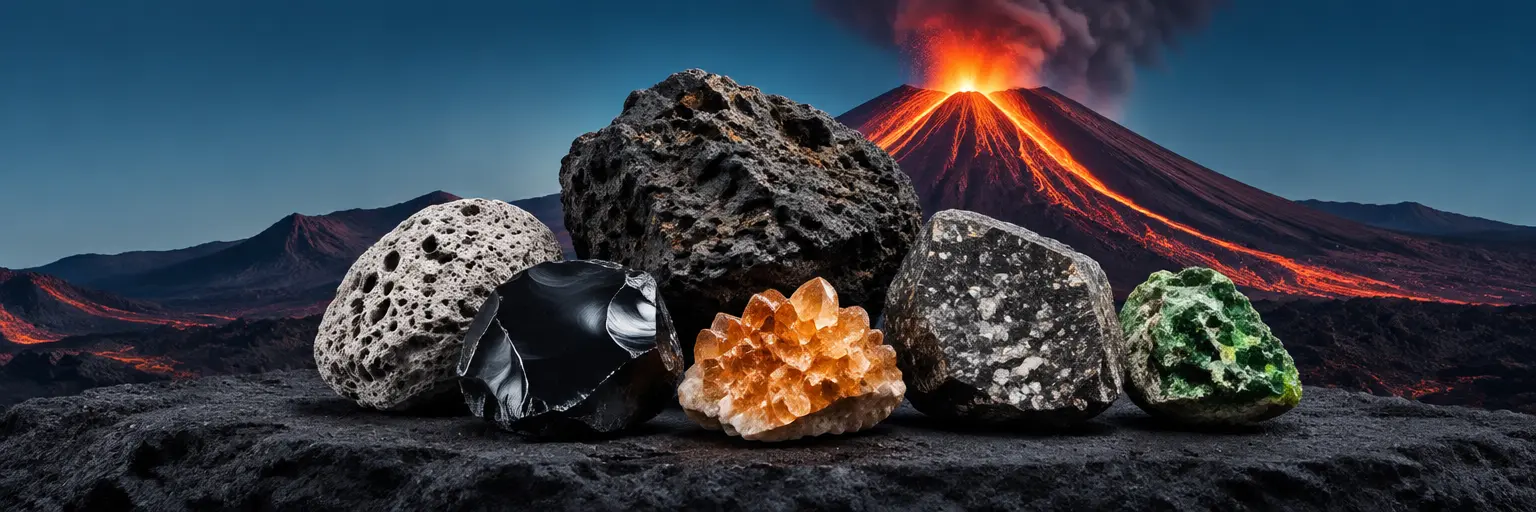
Welcome to the Volcanic Rocks and Minerals subcategory at VolcanoExplorers.org, where the fiery origins of our planet come alive through stone. Here, we decode the unique geological signatures left by eruptions—from lightweight pumice to glittering olivine crystals. Whether you are a geology enthusiast, a student, or a collector, this section offers a deep dive into how magma cools, crystallizes, and forms some of Earth’s most intriguing materials. Get ready to discover the hidden stories locked inside every basalt column and obsidian flake, and learn how these rocks shape landscapes and human history.
🌋 Understanding Igneous Rock Classification
In this section, we break down the three main categories of volcanic (extrusive) rocks—felsic, intermediate, mafic, and ultramafic—based on silica content and cooling rates. You’ll learn the critical differences between rhyolite, andesite, basalt, and komatiite, and how each forms under specific eruption conditions. We also clarify the distinction between volcanic rocks (cooled quickly on the surface) and plutonic rocks (cooled slowly underground), which affects crystal size and texture. Practical identification tips help you classify samples you might collect or encounter in the field.
Beyond simple naming, this classification informs everything from hazard assessment to economic value. For example, high-silica rocks like rhyolite often produce violent, ash-rich eruptions, while low-silica basalt flows gently across landscapes. Understanding these categories lets you predict volcanic behavior and appreciate why certain rocks are used in construction or as gemstones. We include easy-to-follow charts and real-world examples from famous volcanoes like Krakatoa and Mauna Loa, making classification accessible even for beginners.
💎 Precious Minerals Found in Volcanic Deposits
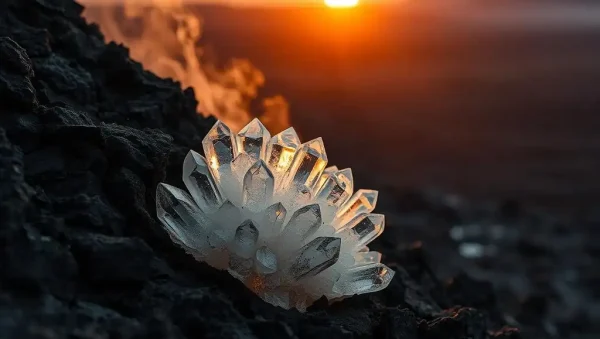
Volcanoes are nature’s treasure chests, and this segment highlights the minerals that form within cooling magma and hydrothermal systems. You’ll encounter dazzling olivine (peridot), pyroxene, amphibole, and feldspar, plus rarer finds like gold, silver, and sulfur crystals. We explain how volatile gases and water interact with molten rock to precipitate these minerals, creating veins and vugs that miners and collectors covet. Learn where to look on volcanic terrains, such as near fumaroles or cooling lava tubes, and how to identify nail-head sulfur or cubic pyrite.
For collectors, we provide guidance on legal and safe mineral collecting, respecting protected park lands. You’ll discover how some volcanic minerals, like obsidian (a natural glass), were used by ancient cultures for tools and ornaments, while others, such as zeolites, are industrial workhorses in water filtration. This section bridges geology with economics, showing how volcanic environments fuel both modern industries and lapidary hobbies. Expect vivid photo galleries and a glossary of mineral terms to enhance your learning.
🏔️ Famous Volcanic Rock Formations Around the World
Journey with us to iconic sites where volcanic rocks create breathtaking landscapes. From the Giant’s Causeway in Ireland with its hexagonal basalt columns to the Devils Tower in Wyoming, we explore how cooling and erosion produce striking shapes. You’ll also visit the Hawaiian lava fields with their ropey pahoehoe and jagged ‘a‘ā textures, and the Capadoccia fairy chimneys in Turkey, carved from soft tuff. Each location tells a unique story of eruption style, chemistry, and time—perfect for armchair travelers and field study alike.
Beyond visual appeal, these formations offer clues about past volcanic activity and planetary geology. For example, the columnar jointing at Fingal’s Cave indicates uniform cooling rates, while pillow lavas on ocean floors reveal underwater eruptions. We also cover lesser-known but scientifically vital sites, such as Yellowstone’s rhyolite flows, which shape one of the largest volcanic systems on Earth. This section is designed to inspire your next trip while deepening your appreciation for the raw power that crafts these natural monuments.
🔍 How to Identify Volcanic Rocks: A Field Guide
Put your knowledge into practice with our hands-on identification guide. We cover essential field tests, including streak color, hardness (using the Mohs scale), reaction with acid, and texture analysis like vesicular (bubbly) or porphyritic (mixed crystal sizes). You’ll learn to distinguish scoria from pumice—one sinks, one floats—and recognize tuff versus ash deposits. High-resolution photos and comparison tables make this an indispensable toolkit for hikers, students, and rockhounds, with tips on using a hand lens and simple tools like a steel nail or glass plate.
We also address common mistakes, such as confusing obsidian with industrial glass or misreading flow banding in rhyolite. Safety advice is included, like avoiding unstable slopes or hot ground, and respecting private property. Moreover, we explain how to record your findings—GPS coordinates, rock context, and photos—so you can contribute citizen science data to volcanic observatories. This guide isn’t just academic; it’s a practical companion for anyone exploring volcanic regions, from national parks to remote island arcs.
🌍 Environmental and Economic Impacts of Volcanic Rocks
Volcanic rocks and minerals are far more than scientific curiosities—they shape ecosystems and economies. Here, we discuss how volcanic soils (andisols) are exceptionally fertile, supporting agriculture in regions like Indonesia and Italy. We also examine quarrying of basalt for road aggregate, pumice for abrasives, and perlite for insulation, linking geology to construction markets. Additionally, we highlight geothermal energy extraction from hot rock reservoirs, a clean power source that relies on volcanic permeability and heat gradients.
From an environmental perspective, we cover the legacy of mining these materials, including habitat disruption and reclamation efforts. You’ll learn about the carbon sequestration potential of certain volcanic minerals that react with CO2, turning a climate problem into a storage solution. Furthermore, we explore how volcanic eruptions affect air quality by releasing fine ash that can damage lungs, yet also fertilize oceans with iron. This balanced view helps you understand both benefits and risks, encouraging responsible stewardship of volcanic landscapes for future generations.
Frequently Asked Questions
What is the difference between lava rock and volcanic rock?
Lava rock specifically refers to rock formed from lava that erupts onto the surface and cools quickly, such as basalt or obsidian. Volcanic rock is a broader term covering all igneous rocks formed from magma or lava at the surface, including ash, tuff, and pumice. Essentially, all lava rocks are volcanic rocks, but not all volcanic rocks come from lava flows—many form from pyroclastic material.
Can volcanic rocks contain real gemstones?
Yes, volcanic rocks can host gemstones, including peridot (olivine), zircon, garnet, and sometimes opal or agate. These gems form within cooling magma or in gas cavities (vugs) filled with silica-rich fluids. For example, peridot is often found in basaltic lava, and fire opal occurs in rhyolite. However, gem-quality specimens are rare and often require careful extraction.
How do I safely collect volcanic rocks and minerals?
Always check local regulations—many parks prohibit collecting. On private land, obtain permission first. Wear sturdy gloves and safety glasses, as sharp edges like obsidian can cut deeply. Avoid areas with active fumaroles or hot ground, and never enter unstable lava tubes. Only take small, loose samples, and record their coordinates for educational purposes.
Are volcanic rocks dangerous to keep at home?
Most volcanic rocks are safe, but some may contain traces of toxic elements like arsenic or sulfur minerals. Wash hands after handling, and do not grind them indoors without a mask. Pumice can be abrasive but is harmless, while obsidian is sharp—store it carefully. Radioactive minerals are extremely rare in common volcanic rocks, so no special precautions are needed for typical samples.
Why do some volcanic rocks float on water?
Pumice floats because it is extremely vesicular—filled with air pockets trapped when gas bubbles escape from cooling lava. Its density is lower than water, so it remains buoyant until water slowly fills the pores. Scoria, which has larger vesicles, usually sinks because its walls are thicker and more solid. This is a classic test to tell the two apart.