Understanding Phreatic and Phreatomagmatic Eruptions
Welcome to the fascinating intersection of water and fire. Phreatic and phreatomagmatic eruptions represent some of the most sudden and hazardous volcanic phenomena, driven not by fresh magma alone but by explosive interactions with groundwater, surface water, or ice. Unlike classic magmatic eruptions, these events often occur with minimal warning, making them a critical focus for volcanologists and safety planners. On this page, we unravel the mechanics, warning signs, and historical examples of these powerful steam-driven blasts, giving you a deep, SEO-rich understanding of how water can turn a sleeping volcano into a catastrophic steam boiler.
🔥 What Defines a Phreatic vs. Phreatomagmatic Eruption?
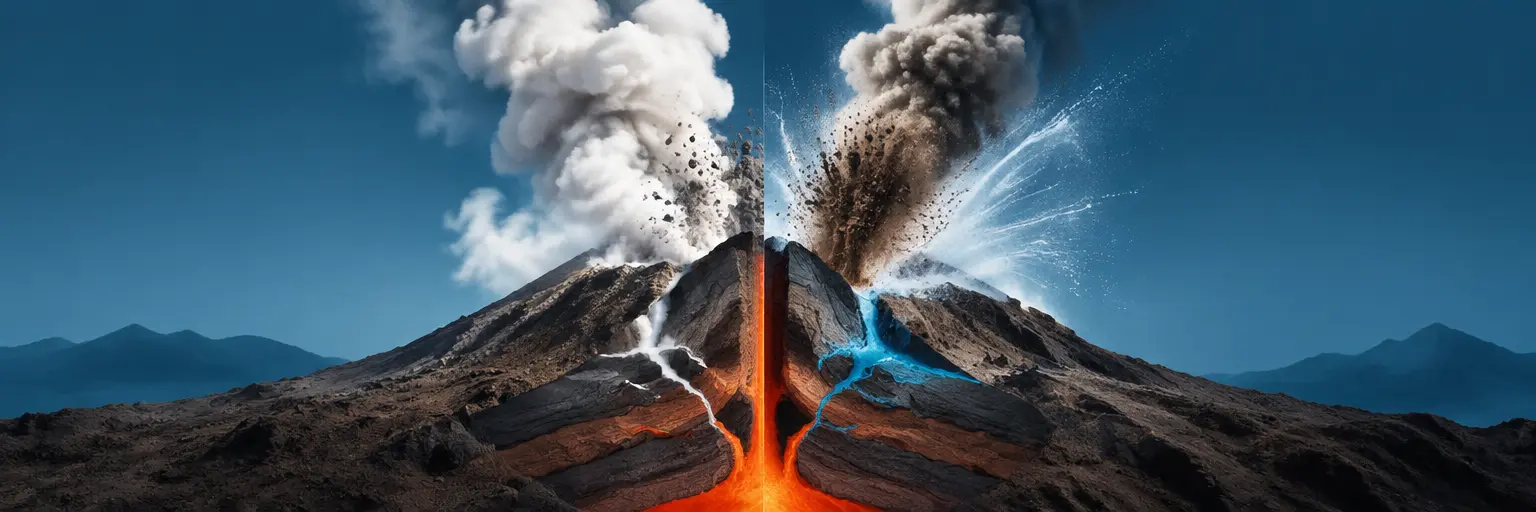
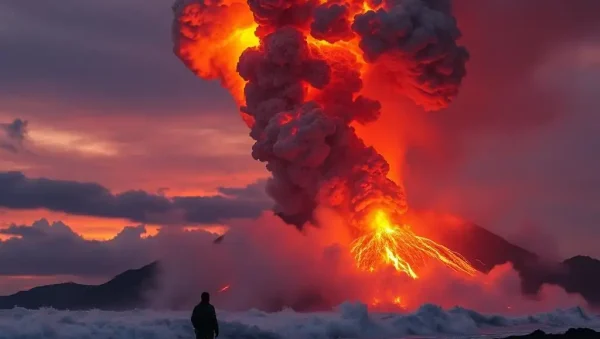
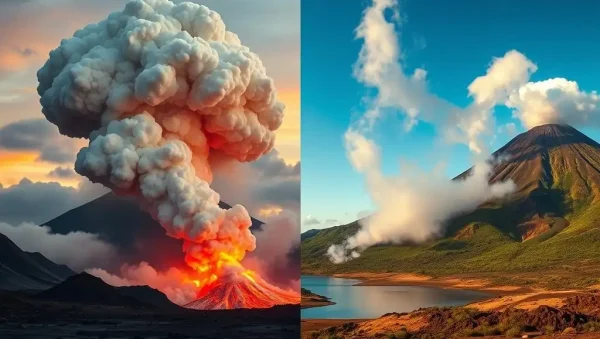
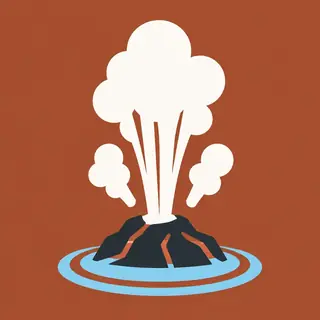
A phreatic eruption (also called a steam-blast eruption) occurs when hot rocks or magma heat groundwater or surface water into steam, creating immense pressure that violently fractures the overlying rock. Crucially, no new magma is ejected—only fragmented older rock, ash, and steam. In contrast, a phreatomagmatic eruption involves direct contact between rising magma and external water, resulting in the explosive fragmentation of both the water and the magma itself. This distinction is vital for hazard assessment because phreatomagmatic events can produce juvenile tephra and are often more prolonged and energetic than purely phreatic blasts.
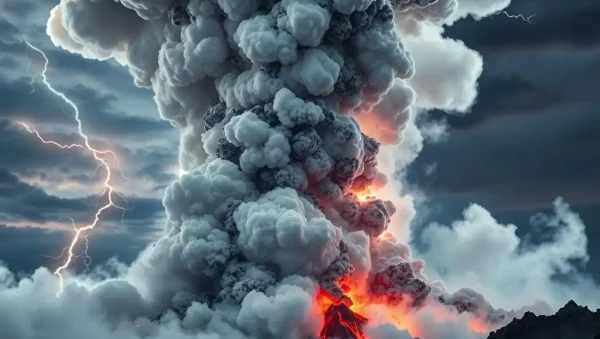
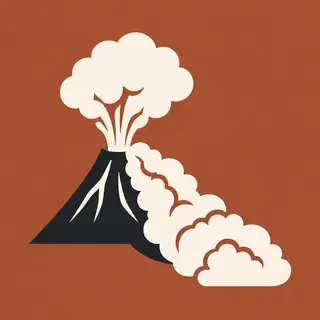
Understanding this difference helps scientists predict eruptive styles. Phreatic eruptions are notoriously difficult to anticipate since they can occur without seismic swarms or ground deformation. However, when magma rises through a water-saturated aquifer, the resulting phreatomagmatic phase often produces base surges—rapidly expanding, ground-hugging clouds of steam and debris that devastate everything in their path. For readers tracking volcanic activity, recognizing these terms clarifies why some eruptions look like a classic lava fountain while others generate towering, mile-high ash columns from boiling groundwater.
💥 The Explosive Mechanics: How Water Meets Magma
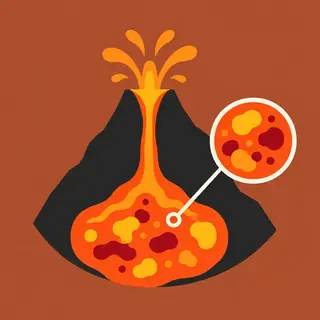
The energy in these eruptions comes from the rapid conversion of water to steam, which expands by a factor of 1,600 to 1,700 times its liquid volume. When magma (at temperatures of 800–1,200°C) contacts water, the water flashes to steam almost instantly, creating a supersonic pressure wave that shatters surrounding rock. This process, called "fuel-coolant interaction," is the same principle behind industrial steam explosions. The result is a violent fragmentation that produces fine ash, accretionary lapilli (mud balls), and distinctive craters like maars and tuff rings.
In phreatomagmatic eruptions, the magma is quenched and broken into glassy shards called pyroclasts, which are ejected alongside steam and older rock fragments. This creates highly mobile, turbulent flows known as base surges that can travel several kilometers at speeds exceeding 100 km/h. For hazard planning, this means the danger zone extends far beyond the crater. Monitoring agencies use seismic signals—particularly continuous harmonic tremor—to detect magma-water interaction before visible surface activity, giving communities precious hours of warning.
🌋 Famous Historical Examples and Lessons Learned
The most infamous phreatic event in modern history is the 2014 Mount Ontake eruption in Japan, which killed 63 hikers who were caught unaware on a calm autumn morning. The eruption had no notable precursory seismicity just minutes before, highlighting the extreme difficulty of forecasting steam-driven blasts. Similarly, the 2019 Whakaari/White Island eruption in New Zealand—another phreatic event—claimed 22 lives, underscoring the lethal proximity of tourists to active volcanic craters. These tragedies have spurred renewed research into real-time gas monitoring and acoustic sensors.
On the phreatomagmatic side, the 1963–65 Surtsey eruption in Iceland created a brand-new island as magma explosively interacted with seawater, teaching scientists how submarine eruptions build tuff cones. Also notable is the 1980 Mount St. Helens blast, which began with a phreatic steam venting phase for two months before the catastrophic sector collapse and magmatic explosion. These examples show that a volcano transitioning from phreatic to phreatomagmatic activity can escalate rapidly—a key reason why early evacuation is crucial even during "minor" steam emissions.
🛡️ Hazard Assessment and Safety Measures for Steam-Driven Blasts
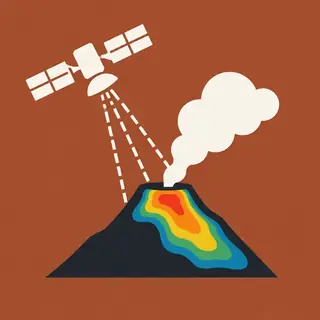
Because phreatic eruptions can occur with almost no warning, hazard assessment relies heavily on monitoring ground deformation, gas emissions (especially SO₂ and CO₂), and seismic activity. However, many steam-blast events are triggered by changes in the hydrothermal system—such as increased boiling or clogging of vents—rather than by fresh magma ascent. Therefore, volcanologists now use continuous GPS and satellite radar (InSAR) to detect subtle inflation, alongside thermal cameras to spot rising ground temperatures in crater lakes and fumarole fields.
For communities living near volcanoes, safety guides emphasize immediate evacuation if a sudden ash column or steam vent appears, even without official warnings. Unlike lava flows, which move slowly and predictably, base surges and ballistic blocks from phreatomagmatic eruptions travel in seconds. Volcanic hazard maps often designate exclusion zones of 2–5 km around active craters, but recent events show that small phreatic blasts can hurl rocks up to 3 km away. The key takeaway: never enter a volcano's crater area if there are signs of steaming, mud pools, or recent seismic activity, and always check local volcano observatory alerts.
🌍 How to Stay Informed and Observe Safely
For volcano enthusiasts and adjacent residents, reliable real-time updates are available from agencies like the USGS Volcano Hazards Program, Smithsonian Global Volcanism Program, and regional observatories (e.g., GNS Science in New Zealand, JMA in Japan). These agencies issue color-coded alert levels (Green, Yellow, Orange, Red) that climb from "normal" to "warning" as monitoring parameters change. However, for phreatic systems, a sudden jump from Green to Red is possible, so always pair official alerts with a personal safety plan that includes escape routes and protective masks (N95) in case of ashfall.
If you wish to observe these eruptions safely, never approach within the exclusion zone, and never park near river valleys that can channel base surges. Live webcams—like those on Whakaari, Etna, and Popocatépetl—offer a zero-risk way to witness these phenomena. For deeper learning, consider exploring scientific papers on "hydrothermal eruption mechanisms" or joining online forums where volcanologists discuss recent steam explosions. Remember, the most awe-inspiring sight is best enjoyed from a safe distance, with a healthy respect for the explosive power of water meeting magma.
Frequently Asked Questions
What is the main difference between phreatic and phreatomagmatic eruptions?
Phreatic eruptions involve steam-driven explosions of pre-existing rock, with no new magma ejected. Phreatomagmatic eruptions occur when ascending magma directly interacts with water, producing juvenile volcanic fragments alongside steam. The latter is typically more energetic and creates base surges, while the former may be a single, short-lived blast.
Can phreatic eruptions be predicted in advance?
Not reliably. They often have minimal precursors like small earthquakes or gas changes, but can also strike with seconds of warning. Monitoring of ground deformation, hydrothermal temperatures, and acoustic signals improves odds, but current science cannot forecast them with certainty. That's why maintaining a safe distance from active craters is mandatory.
Why are phreatomagmatic eruptions more dangerous than typical lava flows?
They generate fast-moving, ground-hugging base surges that travel at hurricane speeds, plus large ballistic blocks hurled kilometers away. In contrast, lava flows crawl and allow escape. The sudden expansion of steam also sends ash columns high, disrupting aviation and causing rapid, widespread ashfall that collapses roofs and chokes engines.
Are phreatic eruptions common at all volcano types?
They occur wherever volcanoes interact with water, including stratovolcanoes, calderas, and submarine vents. However, they are most frequent at volcanoes with active hydrothermal systems, such as crater lakes (e.g., Ruapehu, Kelud) or those near glaciers and seas. Even dormant volcanoes (like Yellowstone's hot springs) can host phreatic explosions.
What should tourists do if they hear a sudden steam explosion while near a crater?
Immediately drop to the ground and seek cover behind a large rock or in a depression, while protecting your head from falling rocks. Do not run uphill if a base surge is approaching; instead, move laterally out of its path. After the blast, leave the area swiftly, avoid ash inhalation, and report your location to park authorities.