
Mica's Marvel: The Shiny Secrets Hidden Within Volcanic Landscapes

Welcome to Volcano Explorers!
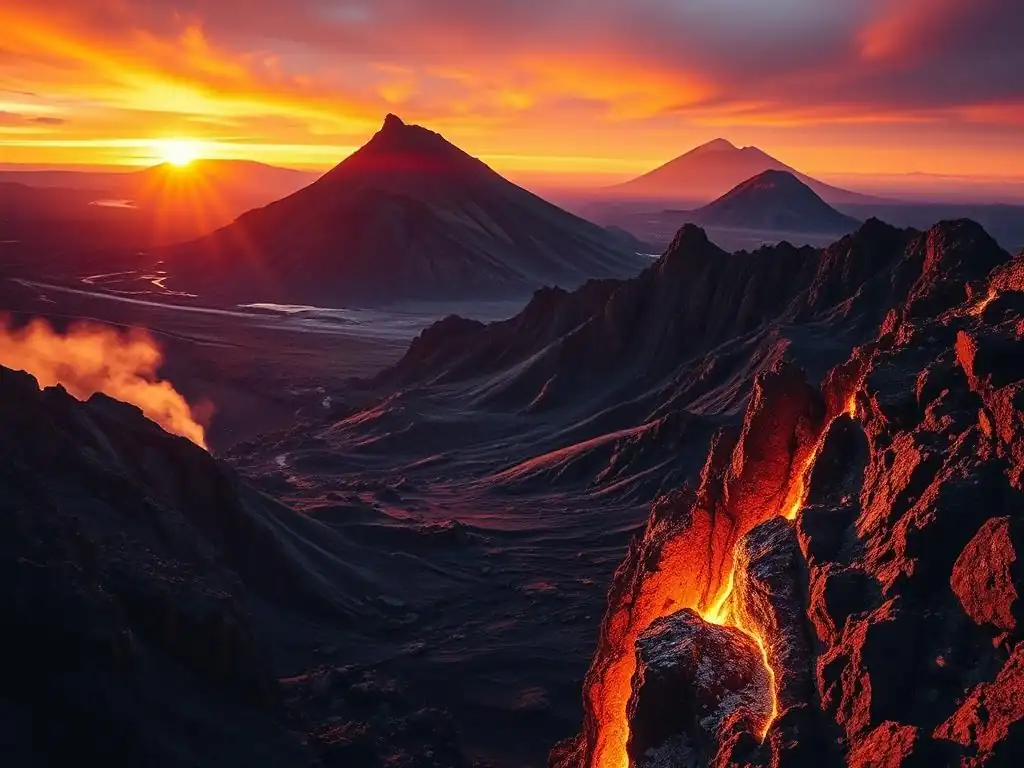
Prepare to be captivated. Beneath the fiery surface lies a world of hidden wonders, waiting to be unearthed. Ever wondered what shimmering secrets are concealed within volcanic landscapes? Our latest exploration dives deep into the Secrets of Volcanic Landscapes, focusing on the surprising story of Mica's Marvel. Uncover the science, the beauty, and the untold tales that lie dormant in these breathtaking, yet dangerous, formations. Are you ready to explore?
- Phlogopite's Brilliance: Unveiling Secrets Within the Canadian Shield
- Unveiling Secrets of the Canadian Shield: A Phlogopite Exploration
- What is Phlogopite and Why is it Found in the Canadian Shield?
- Phlogopite's Distinctive Properties: Identifying Phlogopite in the Field
- The Geological Significance of Phlogopite in Shield Formations
- Where to Find Phlogopite: Exploring Regions of the Canadian Shield
- Phlogopite Beyond Geology: Industrial and Everyday Uses
- The Future of Phlogopite Research in Shield Geology
-
Frequently Asked Questions
- What is Mica and why is it often found in volcanic landscapes?
- How does Mica contribute to the unique appearance of volcanic landscapes?
- What are some of the secrets Mica can reveal about the history of a volcano?
- Are there any practical uses for Mica found in volcanic regions?
- What are the potential dangers associated with collecting Mica in volcanic areas?
- Final Reflection: Unveiling Earth's Glimmering Truths
- Unearth Your Own Sparkling Discovery!
Phlogopite's Brilliance: Unveiling Secrets Within the Canadian Shield
Unveiling Secrets of the Canadian Shield: A Phlogopite Exploration
The Canadian Shield, a vast geological expanse forming the ancient core of North America, is renowned for its rugged landscapes and rich mineral deposits. Within this Precambrian bedrock, secrets of Earth's history are locked away, waiting to be discovered. Among the many fascinating minerals found here, phlogopite, a magnesium-rich mica, stands out with its golden to reddish-brown hues and distinctive shimmer.
This mineral is not just aesthetically pleasing; it's a key to unlocking the secrets of volcanic landscapes and metamorphic processes that have shaped the Canadian Shield over billions of years. Exploring the occurrence, properties, and geological significance of phlogopite offers a captivating journey into the depths of geological time and the dynamic forces that molded our planet.
What is Phlogopite and Why is it Found in the Canadian Shield?
Phlogopite, pronounced "flog-o-pite," is a member of the mica group of minerals, characterized by its perfect basal cleavage, which allows it to be easily split into thin, flexible sheets. Its chemical formula is ideally KMg₃(AlSi₃O₁₀)(OH)₂, indicating it is a potassium, magnesium, aluminum, and silicate hydroxide mineral. The presence of magnesium is crucial, differentiating it from other common micas like muscovite (rich in aluminum) and biotite (rich in iron and magnesium). Phlogopite's formation is intrinsically linked to specific geological environments, particularly those involving metamorphic and igneous processes within the Earth's crust and upper mantle.
Understanding Phlogopite's Chemical Composition and Formation
Phlogopite's chemical composition reveals its kinship to other micas, sharing the sheet silicate structure. The essential elements—potassium (K), magnesium (Mg), aluminum (Al), silicon (Si), oxygen (O), and hydrogen (H)—arrange themselves in a layered structure. Magnesium is the dominant cation in the octahedral site, giving phlogopite its magnesium-rich character. Iron can substitute for magnesium to a limited extent, leading to a compositional spectrum with biotite at the iron-rich end. Trace elements like titanium and fluorine can also be incorporated into the phlogopite structure, influencing its properties and color.
The formation of phlogopite is primarily associated with metamorphic processes, particularly contact and regional metamorphism of magnesium-rich rocks like dolomitic limestones, ultramafic rocks, and some types of shales. During metamorphism, pre-existing minerals react under elevated temperatures and pressures in the presence of fluids to form new mineral assemblages, including phlogopite. The presence of potassium-bearing fluids is essential, as potassium is a key component of phlogopite's structure. Igneous phlogopite is less common but can occur in alkaline igneous rocks and kimberlites, often crystallizing from late-stage magmatic fluids or through metasomatic alteration of mantle peridotites.
The Role of Metamorphism in Phlogopite Crystallization
Metamorphism, the transformation of rocks by heat, pressure, and chemically active fluids, plays a pivotal role in the crystallization of phlogopite. In the Canadian Shield, a region extensively shaped by metamorphic events spanning billions of years, phlogopite is a common mineral in various metamorphic rock types.
Contact metamorphism, occurring adjacent to igneous intrusions, can lead to the formation of phlogopite in the surrounding country rocks. For example, when a granite intrusion heats up dolomitic limestone, the heat and fluids released from the granite can drive reactions that convert minerals like calcite and dolomite into phlogopite, along with other metamorphic minerals such as diopside and tremolite.
Regional metamorphism, affecting vast areas due to tectonic forces, is also crucial for phlogopite formation. During orogenesis (mountain building), rocks are subjected to intense pressure and temperature increases over large regions. In such environments, magnesium-rich sedimentary and igneous rocks undergo complex mineralogical transformations.
Hydrous fluids, often released from deeper crustal levels during metamorphism, facilitate the necessary chemical reactions. The grade of metamorphism, referring to the intensity of temperature and pressure, directly influences the type and abundance of phlogopite formed. Higher-grade metamorphism may lead to the breakdown of phlogopite into other mineral phases, while lower to medium grades are most favorable for its stability and crystallization.
Common Occurrences of Phlogopite in the Canadian Shield
Within the Canadian Shield, phlogopite is not uniformly distributed but is concentrated in specific geological settings reflecting its formation conditions. One prominent occurrence is in association with marbles, metamorphic rocks derived from limestone or dolomite. Regions within the Grenville Province of the Canadian Shield, particularly in Ontario and Quebec, are well-known for their marble deposits containing notable amounts of phlogopite. For instance, the Bancroft area in Ontario is famous for its marble quarries that have yielded large crystals of phlogopite, often associated with other minerals like apatite, calcite, and various silicate minerals.
Phlogopite is also found in metamorphic aureoles surrounding intrusive igneous bodies across the Shield. These aureoles represent zones of contact metamorphism where the heat from the intrusion has altered the surrounding rocks. In areas like Sudbury, Ontario, known for its massive impact structure and associated magmatic intrusions, phlogopite can be found in the metamorphic rocks surrounding the Sudbury Igneous Complex.
Furthermore, phlogopite is a component of some ultramafic rocks within the Shield, such as komatiites and peridotites, particularly those that have undergone serpentinization or other forms of alteration. These occurrences, though less common than in marbles, provide valuable insights into the mantle-derived components and metamorphic history of the Canadian Shield.
Phlogopite's Distinctive Properties: Identifying Phlogopite in the Field
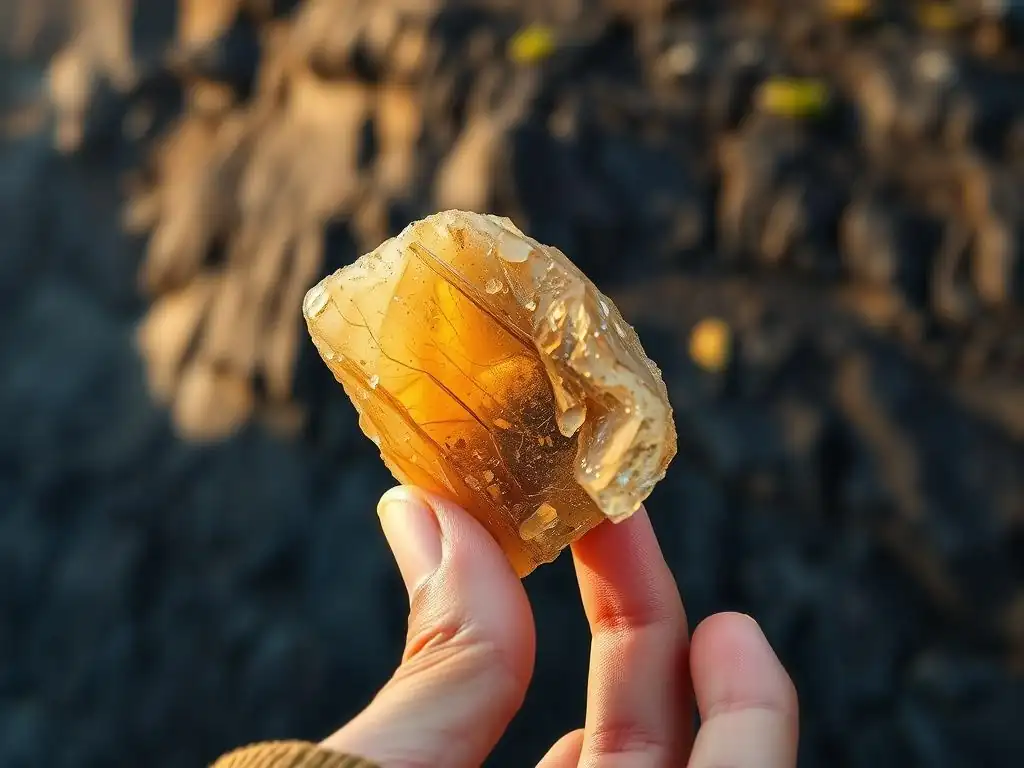
Identifying phlogopite in the field requires attention to its characteristic physical properties. While its golden to reddish-brown color is a helpful initial indicator, it is crucial to consider other properties like cleavage, luster, and hardness to distinguish it from similar minerals. Understanding these properties allows geologists and mineral enthusiasts to confidently identify phlogopite and appreciate its presence in volcanic landscapes and metamorphic terrains.
The Characteristic Cleavage of Phlogopite Minerals
Cleavage is arguably the most defining physical property of mica minerals, including phlogopite. It refers to the tendency of a mineral to break along specific crystallographic planes of weakness, resulting in smooth, flat surfaces. Phlogopite, like all micas, exhibits perfect basal cleavage, meaning it cleaves readily into thin sheets parallel to its base. This cleavage is so perfect that even thin flakes of phlogopite can be easily separated with a fingernail or a knife point. When examining a phlogopite specimen, one can observe these parallel cleavage planes as stacked layers.
The perfect basal cleavage originates from the sheet-like structure of mica minerals. The silicate layers are strongly bonded internally, but the bonds between these layers are weaker, allowing for easy separation. This property is not only crucial for identification but also for the industrial applications of phlogopite, where its ability to be split into thin, flexible, and insulating sheets is highly valued. In the field, observing this perfect cleavage is a primary step in recognizing phlogopite.
Phlogopite's Color Variations and Luster: A Visual Guide
Phlogopite typically displays a color range from golden-yellow to brown, often with reddish or greenish tints. The specific color is influenced by minor variations in its chemical composition, particularly the presence and oxidation state of iron. Lower iron content tends to result in lighter, golden hues, while increasing iron can lead to darker brown or reddish-brown colors. Some phlogopite specimens may also exhibit a silvery or even greenish tint due to trace elements or alteration.
The luster of phlogopite is described as vitreous to pearly, sometimes even submetallic, on cleavage surfaces. Luster refers to the way a mineral surface reflects light. Vitreous luster is glassy, while pearly luster is reminiscent of the sheen of a pearl.
The pearly luster is particularly noticeable on the cleavage flakes of phlogopite due to the reflection of light from the parallel cleavage planes. This shiny, somewhat reflective appearance, combined with its characteristic color range, makes phlogopite visually distinctive. When examining a potential phlogopite sample, rotating it in light will often reveal its characteristic shimmer and luster, aiding in its identification.
Distinguishing Phlogopite from Biotite and Muscovite
While phlogopite's color and cleavage are helpful, it is important to differentiate it from other mica minerals, especially biotite and muscovite, which can sometimes occur in similar geological settings. Biotite, another common mica, is also magnesium and iron-rich, and shares the perfect basal cleavage with phlogopite. However, biotite is typically darker in color, ranging from dark brown to black, due to its higher iron content. In contrast, phlogopite is generally lighter, with golden-brown to reddish-brown hues. Although there is a color overlap, especially in iron-rich phlogopite, the overall color tendency is a key distinguishing factor.
Muscovite, or white mica, is chemically distinct from phlogopite and biotite, being aluminum-rich and essentially iron and magnesium-poor. Muscovite is typically colorless to silvery-white, although it can have pale shades of yellow, brown, or green. Its color is generally much lighter than phlogopite and biotite.
While all three micas share perfect basal cleavage, their color and associated minerals in a rock sample can help differentiate them. In metamorphic rocks, phlogopite is often associated with magnesium-rich minerals like olivine, serpentine, and carbonates, while muscovite is more commonly found with aluminum-rich minerals like quartz, feldspar, and garnet. Careful observation of color, luster, and mineral associations is crucial for accurate identification of phlogopite and distinguishing it from other mica minerals in the field.
The Geological Significance of Phlogopite in Shield Formations
Phlogopite, beyond its aesthetic appeal, holds significant geological value, particularly in understanding the history and processes that shaped shield formations like the Canadian Shield. Its presence and composition provide insights into metamorphic conditions, weathering processes, and even geochronology, making it a valuable mineral for geological research.
Phlogopite as an Indicator of Metamorphic Grade and History
Phlogopite serves as an important petrogenetic indicator mineral, meaning its presence and chemical composition can reveal information about the metamorphic conditions under which rocks formed. The stability field of phlogopite, defined by temperature and pressure ranges, is well-established in experimental petrology. The presence of phlogopite in a metamorphic rock indicates that the rock experienced temperatures and pressures within its stability range. Furthermore, the chemical composition of phlogopite, particularly the ratios of magnesium to iron and the content of trace elements like titanium and fluorine, can be used to estimate the metamorphic grade, or intensity, more precisely.
In the Canadian Shield, the distribution and composition of phlogopite in different metamorphic terrains help geologists reconstruct the metamorphic history of the region. Variations in phlogopite composition across different metamorphic zones can reflect changes in temperature, pressure, and fluid composition during metamorphism.
For example, the presence of fluorine-rich phlogopite might indicate the involvement of fluorine-bearing fluids during metamorphism, which can be linked to specific geological events or processes. By studying phlogopite in conjunction with other metamorphic minerals in a rock assemblage, geologists can develop a detailed understanding of the P-T (pressure-temperature) paths and metamorphic evolution of different parts of the Canadian Shield.
Phlogopite's Contribution to the Weathering and Soil Formation
Although mica minerals like phlogopite are generally considered relatively resistant to weathering compared to some other rock-forming minerals, they do undergo chemical and physical breakdown processes at the Earth's surface. The weathering of phlogopite contributes to soil formation and the release of essential nutrients into the environment. Physical weathering, such as frost wedging and abrasion, can break down phlogopite-bearing rocks into smaller fragments, increasing the surface area exposed to chemical weathering.
Chemical weathering of phlogopite involves hydrolysis and oxidation reactions. Hydrolysis, the reaction with water, breaks down the silicate structure, releasing potassium, magnesium, and silicon into solution. Potassium, in particular, is an essential plant nutrient, and the weathering of potassium-bearing minerals like phlogopite is a significant source of potassium in soils.
The magnesium released from phlogopite also contributes to soil fertility. Iron in phlogopite, if present, can be oxidized during weathering, leading to the formation of iron oxides and hydroxides, which contribute to the reddish-brown color of many soils. The clay minerals formed as weathering products of phlogopite, such as vermiculite and smectite, also play a crucial role in soil properties, influencing water retention, cation exchange capacity, and overall soil fertility.
The Use of Phlogopite in Argon-Argon Dating
Phlogopite, being a potassium-bearing mineral, is suitable for radiometric dating using the potassium-argon (K-Ar) and argon-argon (⁴⁰Ar/³⁹Ar) methods. These methods are based on the radioactive decay of potassium-40 (⁴⁰K) to argon-40 (⁴⁰Ar). Potassium-40 has a long half-life (approximately 1.25 billion years), making it suitable for dating geological events spanning millions to billions of years, such as those recorded in the ancient rocks of the Canadian Shield.
In argon-argon dating, phlogopite samples are irradiated with neutrons in a nuclear reactor to convert a stable isotope of potassium (³⁹K) into argon-39 (³⁹Ar). The sample is then incrementally heated in a vacuum, and the ratios of ⁴⁰Ar to ³⁹Ar are measured at each temperature step. This step-heating process allows for the identification of any argon loss or contamination and provides more robust and reliable age determinations compared to the traditional K-Ar method.
Argon-argon dating of phlogopite from metamorphic rocks in the Canadian Shield has been instrumental in determining the timing of metamorphic events, tectonic activity, and crustal evolution. For example, dating phlogopite from marble units can help constrain the age of metamorphism associated with orogenic events, providing crucial time markers in the complex geological history of the Shield.
Where to Find Phlogopite: Exploring Regions of the Canadian Shield
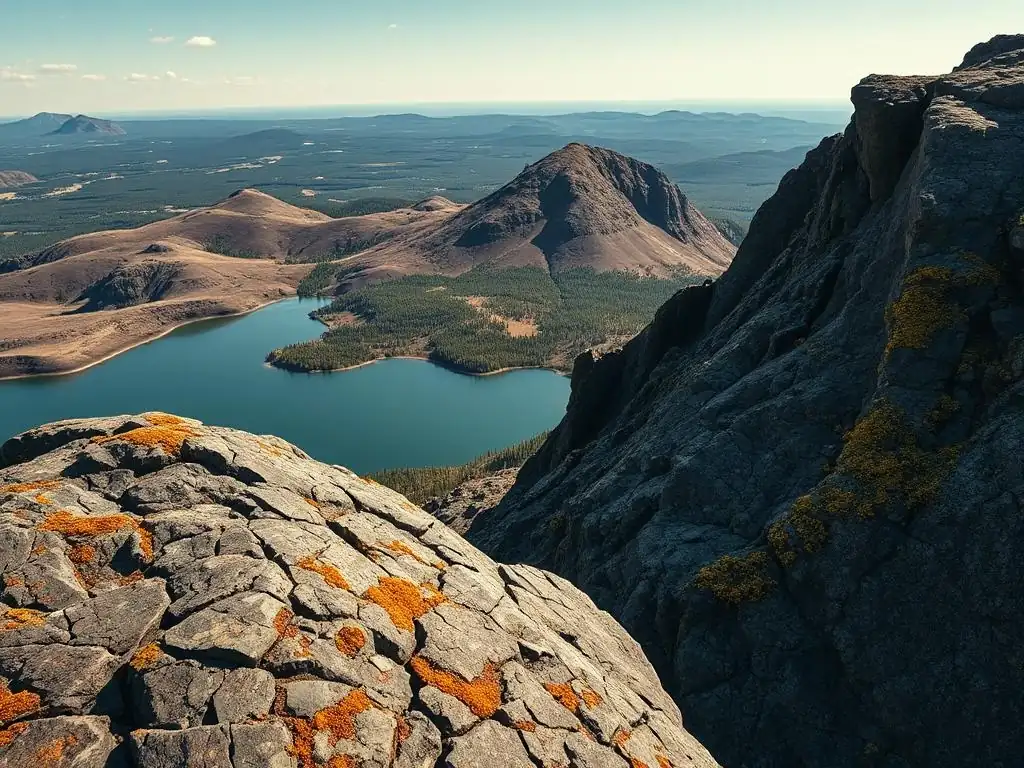
For mineral enthusiasts and amateur geologists eager to discover phlogopite, the Canadian Shield offers numerous opportunities. Knowing the regions known for phlogopite deposits and employing effective identification tips can enhance the exploration experience. However, ethical considerations for mineral collecting must always be prioritized.
Famous Regions of the Canadian Shield Known for Phlogopite Deposits
Several regions within the Canadian Shield are particularly renowned for phlogopite occurrences. The Bancroft area in southeastern Ontario is a classic locality, famous for its marble quarries that have yielded exceptional phlogopite crystals. The marbles around Bancroft, part of the Grenville Province, are metamorphosed dolomitic limestones that are rich in magnesium and have undergone contact metamorphism associated with nearby igneous intrusions. Quarries in this area, such as the famous Faraday Mine (now closed), have historically produced large, well-formed phlogopite crystals, often associated with apatite, calcite, diopside, and other metamorphic minerals.
Another significant region is the Otter Lake area in western Quebec, also within the Grenville Province. Similar to Bancroft, this area features marble deposits that are hosts to phlogopite mineralization. The phlogopite from Otter Lake is known for its rich golden-brown color and sometimes occurs in large books (stacks of cleavage flakes). Other areas within the Grenville Province, both in Ontario and Quebec, with marble formations are potential locations for phlogopite finds. Exploring geological maps and mineral locality databases can help identify specific areas known for phlogopite occurrences.
Tips for Identifying Phlogopite While Exploring Shield Landscapes
When exploring the Canadian Shield for phlogopite, several practical tips can aid in identification. Firstly, focus on areas with metamorphic rocks, particularly marbles and skarns (contact metamorphic rocks). Look for outcrops of marble, often recognizable by their light color and crystalline texture. Examine the rock surfaces closely for flakes or crystals of mica. Remember phlogopite's characteristic golden-brown to reddish-brown color and its pearly luster. Use a hand lens to better observe the mineral's properties.
Test for cleavage by attempting to insert a thin object, like a knife blade or a thin piece of rock, between layers. Phlogopite should exhibit perfect basal cleavage, splitting easily into thin, flexible sheets. Be mindful of biotite, which can be darker brown to black, and muscovite, which is typically much lighter in color. If possible, compare your potential phlogopite sample with known specimens or mineral guides. Local rock and mineral clubs or geological surveys can also be valuable resources for identification assistance.
Ethical Considerations for Collecting Mineral Specimens
Collecting mineral specimens, including phlogopite, should always be conducted ethically and responsibly. Before collecting on any land, determine land ownership and obtain permission from private landowners. On public lands, be aware of any regulations or restrictions on mineral collecting. National and provincial parks often prohibit or restrict collecting. Respect "no trespassing" signs and avoid damaging property or disturbing the natural environment.
Practice responsible collecting techniques. Do not excavate excessively or use heavy tools that can cause significant damage to outcrops or surrounding vegetation. Fill in any holes you create and minimize your impact on the site. Collect only what you need and leave enough specimens for others to enjoy and for future study. Consider joining a local mineral club or organization that promotes ethical collecting practices and mineral conservation. Remember that responsible collecting ensures the preservation of mineral resources and access for future generations of mineral enthusiasts and researchers.
Phlogopite Beyond Geology: Industrial and Everyday Uses
While geologists value phlogopite for its scientific significance, this mineral also has important industrial applications due to its unique properties, particularly its thermal and electrical insulation capabilities. From high-temperature electrical components to automotive applications, phlogopite plays a role in various aspects of modern technology and industry.
Phlogopite in High-Temperature Electrical Insulation
Phlogopite mica possesses exceptional thermal stability and electrical insulation properties, making it ideal for high-temperature electrical insulation applications. Its high melting point (around 1300°C or 2372°F) and resistance to heat degradation allow it to maintain its insulating properties even at elevated temperatures where many other insulating materials fail. Phlogopite also exhibits excellent dielectric strength, meaning it can withstand high voltages without electrical breakdown. These properties make it crucial for various electrical and electronic devices operating in high-temperature environments.
Phlogopite is used in the production of high-temperature electrical insulation components such as commutator segments in motors and generators, heating elements in appliances and industrial furnaces, and insulation in high-voltage equipment. Mica-based insulation materials are often used in critical applications where reliability and safety are paramount, such as in aerospace, military, and industrial settings. Phlogopite's natural resistance to heat and electricity makes it a superior choice for these demanding applications compared to synthetic insulators that may degrade or lose their properties at high temperatures.
Phlogopite in Brake Linings and Automotive Applications
Beyond electrical insulation, phlogopite finds applications in the automotive industry, particularly in brake linings and friction materials. The same properties that make phlogopite valuable for electrical insulation—thermal stability and resistance to wear—are also beneficial in brake systems. Brake linings in vehicles are subjected to high temperatures and friction during braking, and the materials used must withstand these conditions without degrading or losing their effectiveness.
Phlogopite mica is used as a filler material in brake linings and clutch facings. Its inclusion in these materials enhances their friction properties, improves wear resistance, and helps dissipate heat generated during braking. Phlogopite's layered structure and resistance to high temperatures contribute to the durability and performance of brake systems. While synthetic materials have also been developed for brake linings, phlogopite remains a valuable component, particularly in certain types of brake formulations, due to its natural properties and cost-effectiveness. The automotive industry's demand for reliable and durable brake systems contributes to the ongoing use of phlogopite in these applications.
Sustainable Mining Practices: Environmental Considerations
The mining of phlogopite, like any mining activity, has environmental considerations that need to be addressed through sustainable mining practices. Phlogopite is typically mined from open-pit mines or quarries, often associated with marble deposits. Mining operations can have impacts on land use, habitat destruction, water quality, and air quality. Sustainable mining practices aim to minimize these environmental impacts and promote responsible resource extraction.
Environmental considerations in phlogopite mining include proper site selection to avoid sensitive ecosystems, responsible waste management to prevent contamination of soil and water, and air quality control to minimize dust and emissions. Rehabilitation of mined areas is crucial, including re-vegetation and restoration of landscapes to their natural or productive state. Water management is also important, including controlling runoff and preventing water pollution.
Adopting best management practices, implementing environmental monitoring programs, and engaging with local communities are essential components of sustainable phlogopite mining. Promoting recycling and reducing waste in the manufacturing and application of phlogopite products can also contribute to overall sustainability in the phlogopite industry.
The Future of Phlogopite Research in Shield Geology
Research on phlogopite continues to advance our understanding of shield geology and metamorphic processes. Ongoing investigations explore new applications of phlogopite in metamorphic studies and utilize advanced analytical techniques to delve deeper into its composition and structure. The quest to unravel the secrets held within shield minerals like phlogopite remains a vibrant and evolving field of geological research.
Exploring New Applications of Phlogopite in Metamorphic Studies
Future research will likely focus on further refining the use of phlogopite as a petrogenetic indicator in metamorphic rocks. This includes improving our understanding of the thermodynamic properties of phlogopite under various metamorphic conditions and developing more sophisticated geothermobarometers (tools for estimating temperature and pressure) based on phlogopite composition. Investigating the role of fluids in phlogopite formation and the incorporation of trace elements will also be crucial. Analyzing the isotopic composition of phlogopite, such as oxygen and hydrogen isotopes, can provide insights into the sources of fluids involved in metamorphism and the fluid-rock interaction processes.
Studies of phlogopite in different metamorphic terrains within the Canadian Shield and other shield areas worldwide will continue to contribute to our understanding of regional metamorphic gradients, tectonic evolution, and the formation of continental crust. Integrating phlogopite data with other geological and geophysical datasets will provide a more comprehensive picture of the complex processes that have shaped shield regions over geological time.
Advanced Techniques for Analyzing Phlogopite Composition and Structure
Advanced analytical techniques are playing an increasingly important role in phlogopite research. Electron microprobe analysis allows for precise determination of the major element composition of phlogopite at micrometer-scale resolution, enabling detailed studies of compositional zoning and variations within individual crystals. Secondary ion mass spectrometry (SIMS) and laser ablation inductively coupled plasma mass spectrometry (LA-ICP-MS) are powerful techniques for measuring trace element concentrations in phlogopite with high sensitivity and spatial resolution. These techniques can reveal valuable information about the petrogenesis of phlogopite and the geochemical environments in which it formed.
Transmission electron microscopy (TEM) and atomic force microscopy (AFM) provide insights into the microstructure and nanoscale properties of phlogopite, including the arrangement of atoms, crystal defects, and surface characteristics. Spectroscopic techniques, such as Mössbauer spectroscopy and X-ray absorption spectroscopy, can probe the oxidation state and coordination environment of iron and other elements in the phlogopite structure, providing information about its crystal chemistry and formation conditions. The application of these advanced techniques will continue to enhance our understanding of phlogopite at the atomic and micro-scale levels.
The Ongoing Quest to Understand the Secrets Held Within Shield Minerals
The study of phlogopite and other minerals within shield formations like the Canadian Shield is an ongoing quest to unlock the secrets of Earth's deep history. Shield regions represent ancient continental crust that has preserved a record of billions of years of geological processes, including early Earth differentiation, plate tectonics, and crustal evolution. Minerals like phlogopite act as time capsules, recording information about the conditions under which they formed and the events they have witnessed.
Future research will continue to explore the mineralogical, geochemical, and geochronological information encoded within phlogopite and other shield minerals. By combining field observations, laboratory analyses, and computational modeling, geologists are progressively unraveling the complex history of shield regions and gaining deeper insights into the fundamental processes that have shaped our planet. The "secrets of volcanic landscapes" and metamorphic terrains, as revealed through minerals like phlogopite, are a testament to the enduring fascination and scientific importance of mineral exploration and geological research.
Frequently Asked Questions
What is Mica and why is it often found in volcanic landscapes?
Mica is a group of sheet silicate minerals with a distinctive layered structure. It's commonly found in volcanic landscapes because it can crystallize from magma or form during the alteration of volcanic rocks by hydrothermal fluids.
How does Mica contribute to the unique appearance of volcanic landscapes?
Mica's shiny, reflective properties can add a sparkling or glittering effect to volcanic rocks and soils. This can create visually stunning landscapes, especially when the mica is abundant and exposed to sunlight.
What are some of the secrets Mica can reveal about the history of a volcano?
The type and composition of mica can provide clues about the temperature and pressure conditions during magma formation and eruption. It can also help determine the age and origin of volcanic rocks.
Are there any practical uses for Mica found in volcanic regions?
Yes, mica has various industrial applications due to its electrical insulation and heat resistance. It can be used in electronics, cosmetics, and construction materials, making it a valuable resource.
What are the potential dangers associated with collecting Mica in volcanic areas?
Volcanic areas can be unstable and hazardous, with risks such as volcanic gases, landslides, and sudden eruptions. Always prioritize safety and follow local regulations when exploring volcanic landscapes.
Final Reflection: Unveiling Earth's Glimmering Truths
The journey through volcanic landscapes, as we've explored, reveals far more than just geological formations; it unearths the secrets of resilience and transformation embedded within the Earth itself. The presence of mica, that shimmering mineral born from intense heat and pressure, serves as a potent reminder that even in the most extreme environments, beauty and value can emerge. This understanding is particularly relevant today as we grapple with our own challenges, seeking inspiration from the natural world to navigate change and find hidden potential within ourselves.
The enduring allure of mica, and the volcanic landscapes that cradle it, speaks to our innate human fascination with the Earth's mysteries. This exploration has deepened my appreciation for the interconnectedness of geology, beauty, and human ingenuity. The discovery and utilization of mica throughout history, from ancient adornments to modern technology, underscores its profound impact on our cultural and social landscape. Look deep into nature, and then you will understand everything better.
- Albert Einstein. This quote encapsulates the essence of our journey, highlighting the wisdom that can be gleaned from the Earth's silent narratives.
Now, as you reflect on the secrets of volcanic landscapes and the shimmering marvel of mica, consider how you can apply these lessons of resilience and transformation to your own life. Embrace the challenges you face as opportunities for growth, seek beauty in unexpected places, and remember that even under immense pressure, you too can shine. Let the Earth's hidden treasures inspire you to uncover your own potential and contribute your unique brilliance to the world.
Unearth Your Own Sparkling Discovery!
Thank you for exploring the fascinating world of mica with us! We hope you've gained a new appreciation for this dazzling mineral and its connection to volcanic landscapes. Ready to put your newfound knowledge to the test?
Here's how you can continue your adventure:
- Plan a visit to a nearby volcanic region and search for mica yourself! Remember to be respectful of the environment and follow all local regulations regarding sample collection.
- Expand your knowledge of mineral identification by researching other minerals commonly found alongside mica in volcanic environments.
- Share your mica discoveries or fascinating facts about volcanic landscapes in the comments below! Let's build a community of volcano and mineral enthusiasts.
What's the most surprising thing you learned about mica, and how will you apply this knowledge on your next adventure?