Explore the Wonders of Hydrothermal Activity and Geysers
Welcome to the steaming, bubbling heart of volcanic science! At VolcanoExplorers.org, our Hydrothermal Activity and Geysers subcategory uncovers the hidden plumbing systems beneath Earth’s crust. Here, you’ll learn how cold groundwater meets scorching magma, creating geysers, hot springs, fumaroles, and mud pots. This is where geology meets chemistry and physics in spectacular displays of natural power. Whether you’re a student, a traveler, or a curious mind, these pages will transport you to Yellowstone, Iceland, and beyond—offering expert breakdowns of eruption mechanics, safety tips for visiting thermal areas, and the latest research on geothermal energy. Dive in and feel the heat!
🌋 The Science Behind Geyser Eruptions
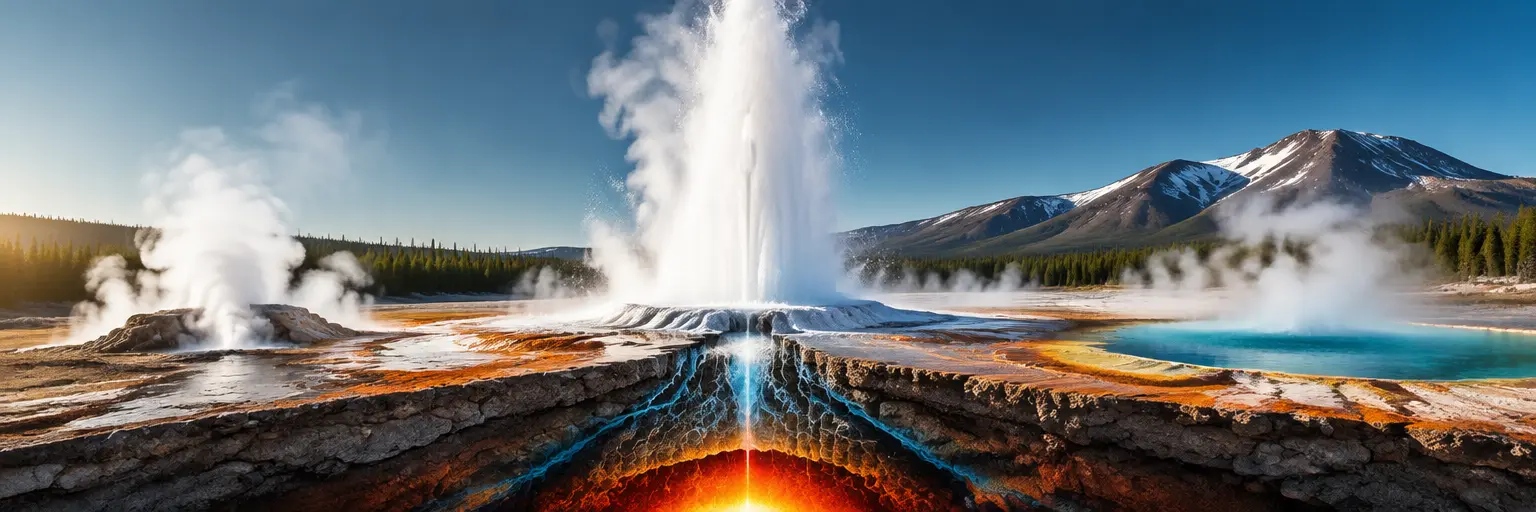
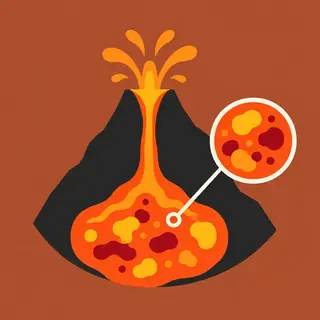
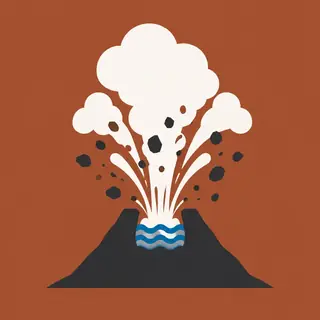
Geysers are rare and mesmerizing, with only about 1,000 active worldwide. This section explains the precise conditions needed: a heat source, a water supply, and a unique underground geometry of fractures and chambers. You’ll discover how water seeps down, gets superheated past boiling point, and then flashes into steam, forcing a column of liquid skyward. We break down the eruption cycle—from recharge to discharge—using real examples like Old Faithful’s predictable schedule and Steamboat Geyser’s chaotic bursts.
Understanding geyser mechanics isn’t just academic; it helps scientists monitor volcanic unrest. Sudden changes in geyser activity can signal shifts in underground pressure or temperature. By reading our detailed diagrams and eruption logs, you’ll gain insight into how volcanologists use these natural gauges to predict potential hazards. Expect clear explanations of terms like conduit boiling, hydrothermal recharge, and steam-driven eruptions, all tailored for non-specialists.
♨️ Hot Springs, Fumaroles, and Mud Pots: Thermal Diversity
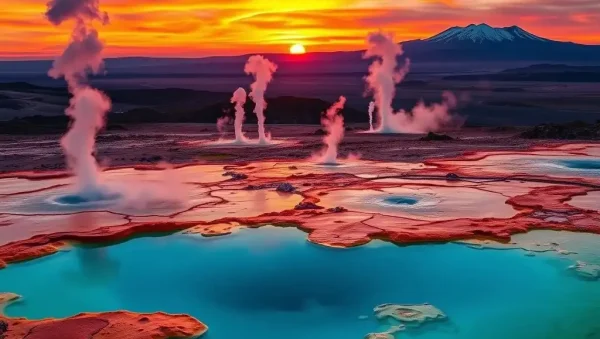
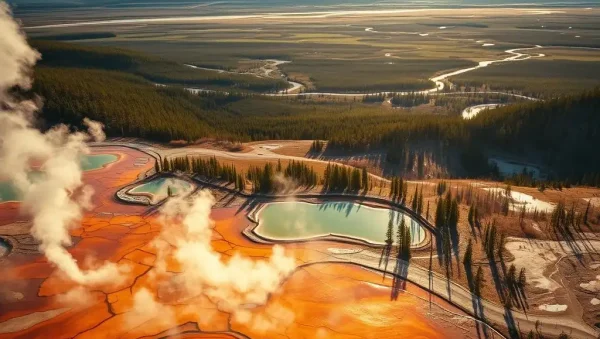
Not all hydrothermal features erupt. Hot springs are the most tranquil, with mineral-rich waters creating vibrant terraces like those at Pamukkale, Turkey, or the Grand Prismatic Spring in Yellowstone. This subcategory explores how dissolved silica, sulfur, and iron paint these landscapes in kaleidoscopic colors. We also cover fumaroles—steam vents that release volcanic gases—and mud pots, where acidic gases break down rock into bubbling clay. Each feature tells a story about the local geology and heat flux.
You’ll learn to read these features like a scientist: a hissing fumarole with high sulfur content might indicate a shallow magma body, while an alkaline hot spring suggests deeper circulation. We also connect these systems to microbial life, showcasing extremophiles that thrive in boiling acid. For visitors, we provide practical advice on boardwalk etiquette, trail safety, and why you should never—ever—jump into a hot spring. This section is your field guide to interpreting thermal landscapes.
🔍 Famous Geyser Fields and Geothermal Regions
From Yellowstone’s Upper Geyser Basin to Iceland’s Geysir and Strokkur, our global tour highlights the most iconic hydrothermal areas on Earth. This section offers detailed profiles of each site, including eruption frequencies, water chemistry, and visitor facilities. You’ll also learn about lesser-known fields in Russia’s Kamchatka Peninsula or New Zealand’s Rotorua, where Māori culture is deeply intertwined with geothermal activity. For each destination, we include insider tips on the best time to visit and how to capture stunning photographs without disturbing fragile formations.
Beyond tourism, we examine geothermal energy plants that harness these natural steam vents for electricity. Countries like Iceland get nearly 30% of their power from geothermal sources. We discuss the environmental trade-offs, such as induced seismicity and water drawdown, and how modern engineering mitigates these risks. Whether you’re planning a geyser road trip or just armchair traveling, this section enriches your appreciation of human and natural interactions with the planet’s internal heat.
⚠️ Safety and Environmental Preservation in Thermal Zones
Hydrothermal areas are stunning but deadly. Boiling water, acidic gases, and unstable ground have caused numerous fatalities. This section delivers essential safety guidelines: stay on marked trails, keep children close, and never touch or taste pool water. We explain the science behind why crusts over hot springs can be thin and break underfoot, leading to severe burns. Additionally, we cover gas hazards—particularly carbon dioxide and hydrogen sulfide—which can accumulate in depressions and cause asphyxiation or toxic exposure.
Preservation is another critical theme. Human litter, coins, and even sunscreen alter the delicate chemical balance of thermal pools, harming microbial mats and changing eruption dynamics. We highlight conservation efforts, like Yellowstone’s visitor education programs and closure of sensitive areas. You’ll also learn how to be a responsible explorer: pack out everything, use designated viewing platforms, and report any vandalism. By respecting these environments, we ensure future generations can experience their wonder.
🌍 Hydrothermal Systems and Volcanic Monitoring
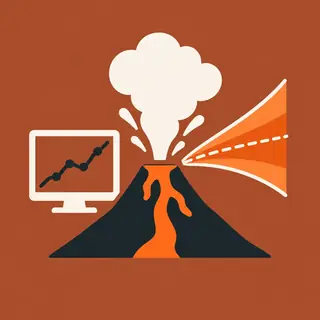
Hydrothermal activity serves as an early warning system for volcanic eruptions. An increase in steam output, rising temperatures, or changes in gas chemistry can precede explosive events. This section shows how scientists deploy seismometers, tiltmeters, and gas sensors around thermal areas to detect anomalies. We profile real case studies, such as the 1995–1996 phreatic eruptions at La Soufrière, Guadeloupe, where hydrothermal pressurization triggered blasts without new magma. Understanding these signals helps authorities issue timely evacuations and save lives.
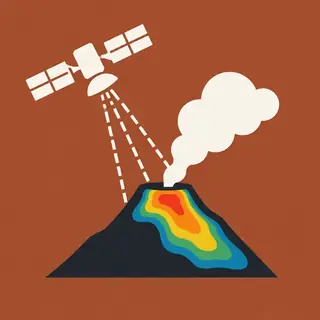
We also explore cutting-edge techniques like satellite thermal imaging and drone-based gas sampling. Citizen science plays a role too—many parks encourage visitors to report changes in geyser activity. Learning about monitoring not only demystifies the science but empowers you to contribute to volcanic hazard mitigation. With clear infographics and interviews with volcanologists, this section bridges pure research and public safety.
Frequently Asked Questions
What makes a geyser erupt instead of just bubbling?
A geyser requires a constriction in its underground plumbing that allows pressure to build before the water flashes to steam. This pressure cooker effect forces the column of water upward explosively. Hot springs lack this constriction, so water circulates freely without pressure buildup.
Are geothermal energy plants harmful to geysers?
They can be if over-extracted. Removing large volumes of water or steam reduces pressure in the underground reservoir, lengthening eruption intervals or stopping geysers entirely. In Iceland, monitoring ensures sustainable use, but some sites like Beowawe in Nevada saw geysers die due to nearby drilling.
Can you swim in hot springs?
Most natural hot springs are dangerously hot and acidic. Soaking is prohibited in protected areas like Yellowstone. Some developed hot springs, like those in Iceland’s Blue Lagoon, are safe because they’re engineered and cooled, but never enter an undeveloped geothermal pool.
Why do mud pots smell like rotten eggs?
Mud pots release hydrogen sulfide gas, which has a distinctive rotten egg odor. This gas comes from deep magma degassing and reacts with water to form sulfuric acid, breaking down rocks into clay and creating the bubbling mud away.
How often do geysers erupt?
It varies hugely. Old Faithful erupts every 60–110 minutes, while Steamboat Geyser may go years between major eruptions. Minor activity can occur more frequently, but the interval depends on heat supply, water recharge, and the underground plumbing’s geometry.