
Volcanic Rocks & Resources: Mining Earth's Fiery Past for Modern Needs

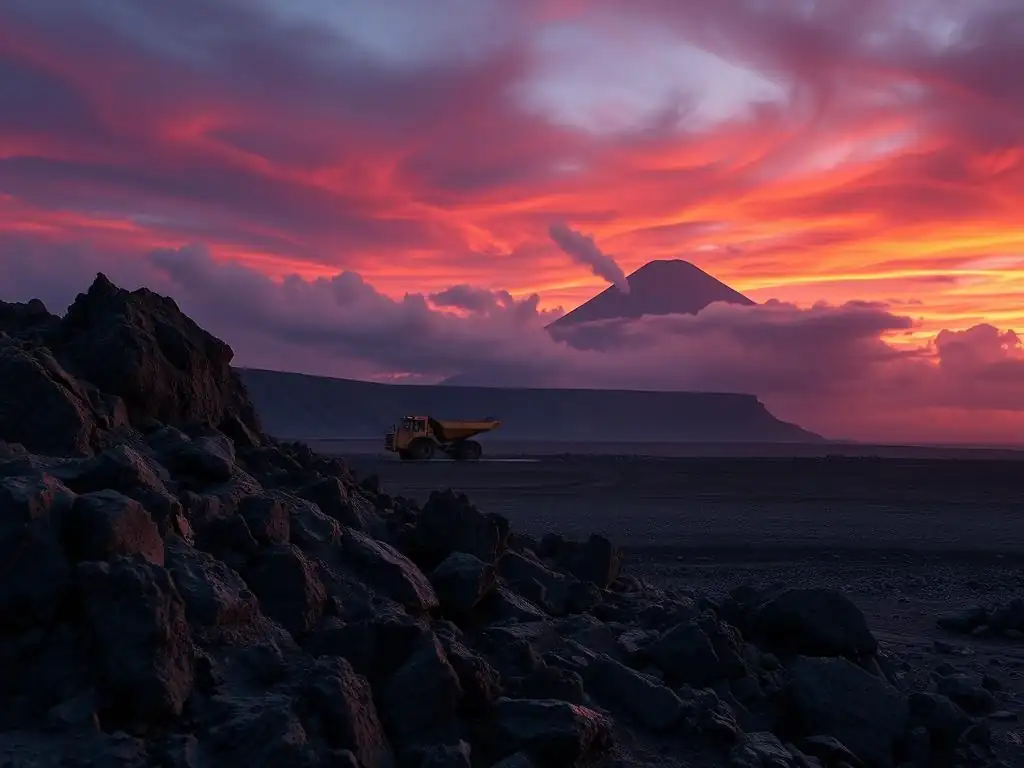
Welcome to Volcano Explorers, where the Earth's fiery secrets are unveiled! Ever wondered how volcanoes, architects of destruction, also provide the building blocks of our modern world? Prepare to ignite your curiosity as we delve into the fascinating realm of volcanic rock mining resources. Discover the surprising ways these geological treasures, forged in the heart of volcanic eruptions, are shaping industries and fueling innovation. But the question remains: are we truly harnessing the power of volcanoes sustainably, or are we awakening a sleeping giant? Read on to uncover the answers...
- Introduction to Volcanic Rock Mining Resources
- Types of Volcanic Rocks and Their Economic Significance
- Volcanic Rock Mining Processes and Techniques
- Environmental Considerations of Volcanic Rock Mining
- The Role of Volcanic Rocks in Geothermal Energy
- The Future of Volcanic Rock Mining Resources
- Case Studies: Volcanic Rock Mining Operations
- Conclusion: Volcanic Rocks - A Sustainable Resource?
-
Frequently Asked Questions
- What are some of the key volcanic rock mining resources that VolcanoExplorers.org discusses?
- How does volcanic rock mining contribute to modern needs, according to VolcanoExplorers.org?
- What are some of the environmental considerations associated with volcanic rock mining?
- Where can I find real-time updates on volcanic activity that might impact volcanic rock mining operations?
- Does VolcanoExplorers.org offer guidance on the economic importance of volcanic rock mining resources?
- Final Reflection: Harnessing Earth's Fiery Legacy
- Ignite Your Curiosity: Unearth the Secrets Volcanoes Hold!
Introduction to Volcanic Rock Mining Resources
Understanding the Formation of Volcanic Rocks
Volcanic rocks, also known as extrusive rocks, are born from the fiery depths of our planet. They are formed when molten rock, or magma, rises to the Earth's surface. If this magma erupts onto the surface, it is then called lava.
The rapid cooling of lava or volcanic ash upon contact with the atmosphere or water leads to the solidification and crystallization of minerals, creating the diverse array of volcanic rocks we see today. The speed of cooling plays a crucial role in the texture of the rock; rapid cooling often results in fine-grained or glassy textures, while slower cooling can lead to coarser grains.
Different types of eruptions and magma compositions also contribute to the variety. For instance, basalt forms from mafic lava, which is low in silica and flows readily, while rhyolite is derived from felsic lava, high in silica, making it more viscous and prone to explosive eruptions.
The geological processes involved in volcanic rock formation are dynamic and powerful. Consider the Hawaiian Islands, a prime example of volcanic rock creation. These islands are the result of hotspot volcanism, where a plume of hot mantle material rises and melts through the Pacific Plate.
As the plate moves over this stationary hotspot, a chain of volcanoes is formed, each built from layer upon layer of solidified basaltic lava flows. Similarly, the dramatic landscapes of Iceland are sculpted by volcanic activity along the Mid-Atlantic Ridge, a divergent plate boundary where new crust is constantly being generated from basaltic magma. Understanding these formation processes is fundamental to appreciating the distribution and characteristics of volcanic rock deposits and recognizing their potential as valuable volcanic rock mining resources.
Why are Volcanic Rocks Valuable Resources?
Volcanic rocks, far from being just geological curiosities, are incredibly valuable volcanic rock mining resources due to a combination of their unique physical and chemical properties, abundance, and accessibility in many regions. Their formation processes imbue them with characteristics that make them ideal for a wide range of applications in construction, manufacturing, agriculture, and even high-tech industries.
For example, the rapid cooling of basalt creates a dense, hard, and durable rock, making it an excellent material for road construction and building foundations. Pumice and scoria, on the other hand, are lightweight and porous due to trapped gas bubbles, making them perfect as lightweight aggregates in concrete and landscaping.
Beyond their physical attributes, the chemical composition of volcanic rocks also contributes to their resource potential. Basalt, rich in minerals like plagioclase feldspar, pyroxene, and olivine, is a source material for basalt fiber, a sustainable alternative to fiberglass with applications in automotive and construction industries. Obsidian, a volcanic glass, is prized for its sharpness and is used in surgical blades and artistic applications.
Furthermore, volcanic regions are often associated with geothermal activity, and the fractured and porous nature of certain volcanic rocks makes them excellent reservoirs for geothermal energy. The widespread availability of volcanic rocks across the globe, from island arcs to continental volcanic fields, further enhances their significance as readily accessible and economically viable volcanic rock mining resources, driving the industry of volcanic rock mining resources to meet diverse modern needs.
Types of Volcanic Rocks and Their Economic Significance
Basalt Mining and Its Applications
Basalt, one of the most common volcanic rocks on Earth, is a dark-colored, fine-grained rock primarily composed of plagioclase feldspar and pyroxene. Its formation from the rapid cooling of mafic lava flows gives it a dense and robust structure. Globally, basalt deposits are extensive, found in regions like the Deccan Traps in India, the Columbia River Basalt Group in the United States, and Iceland.
The sheer volume and widespread distribution of basalt make it a highly accessible and significant volcanic rock mining resource. Mining operations for basalt are typically large-scale quarries, often employing open-pit methods to extract the rock efficiently.
The economic significance of basalt is substantial, particularly in the construction and manufacturing sectors. In 2022, the global basalt fiber market was estimated at around \$200 million, with projections indicating significant growth in the coming years. This growth is driven by the increasing demand for sustainable and high-performance materials. Beyond fiber, the global market for basalt aggregate, used in construction, is even larger, estimated in billions of dollars annually. The relatively low cost of extraction and processing, combined with basalt's versatile properties, ensures its continued importance as a key volcanic rock mining resource.
Basalt as a Construction Material
Basalt's inherent properties, such as high compressive strength, durability, and resistance to weathering and abrasion, make it an ideal construction material. Historically, basalt has been used for centuries in construction, from ancient Roman roads paved with basalt blocks to modern infrastructure projects. Today, crushed basalt is a primary aggregate in concrete and asphalt, providing strength and stability to roads, highways, airport runways, and building foundations.
For instance, a significant portion of road aggregate used in countries with extensive basalt deposits, such as India and parts of the United States, is derived from basalt quarries. The construction of the Hoover Dam in the USA utilized basalt aggregate in its concrete mix, demonstrating its capacity to withstand immense loads and environmental stresses.
Furthermore, basalt dimension stone, though less common than granite or marble, is utilized for building facades, flooring, and paving in architectural projects seeking a dark, natural aesthetic. In regions like Italy and Japan, basalt columns and tiles are incorporated into both traditional and contemporary designs. The longevity and low maintenance requirements of basalt construction contribute to its cost-effectiveness over the lifespan of structures, making it a preferred material for large-scale and long-term infrastructure developments. The demand for basalt in construction continuously fuels the volcanic rock mining resources industry, particularly in rapidly urbanizing regions.
Basalt Fiber Production
Beyond its use as aggregate and dimension stone, basalt is increasingly recognized for its potential in fiber production. Basalt fiber is manufactured by melting crushed basalt rock and then extruding it into fine fibers. Unlike fiberglass, basalt fiber production is considered more environmentally friendly due to the natural origin of the raw material and the absence of chemical additives in many production processes. Basalt fiber boasts superior properties compared to fiberglass, including higher tensile strength, better chemical resistance, and improved thermal stability. For example, basalt fiber can withstand temperatures up to 800°C, whereas standard fiberglass degrades at around 550°C.
Applications of basalt fiber are expanding rapidly. In the automotive industry, basalt fiber is used in composite materials for car bodies and interior components, offering weight reduction and enhanced safety. The construction sector utilizes basalt fiber in reinforcing concrete, producing stronger and more durable structures.
Basalt fiber textiles are also finding applications in fire-resistant clothing and industrial fabrics. Companies like Mafic in the USA and Kamenny Vek in Russia are leading producers of basalt fiber, demonstrating the growing commercial viability of this application of volcanic rock mining resources. The drive for sustainable and high-performance materials is expected to further propel the growth of the basalt fiber market, enhancing the value of basalt as a volcanic rock mining resource.
Pumice and Scoria: Lightweight Aggregates
Pumice and scoria are both lightweight volcanic rocks characterized by their vesicular texture, formed by trapped gas bubbles during the rapid cooling of lava. While both are formed through similar volcanic processes, pumice is typically lighter in color (often pale gray or white) and more porous than scoria, which is usually darker (reddish-brown to black) and has larger, less interconnected vesicles.
These differences in texture and density dictate their specific applications and economic value as volcanic rock mining resources. Major pumice and scoria deposits are found in volcanic regions around the world, including Italy, Greece, Turkey, the United States (particularly in the western states), and Iceland.
The lightweight nature of pumice and scoria makes them highly valuable as aggregates, especially where weight reduction is critical. The global pumice market is estimated to be worth hundreds of millions of dollars annually, driven primarily by demand from the construction, horticulture, and abrasive industries. Scoria, while sometimes used interchangeably with pumice, also has its distinct market, particularly in landscaping and drainage applications. The accessibility and relatively low processing costs of pumice and scoria contribute to their economic attractiveness as volcanic rock mining resources.
Pumice Mining for Abrasives and Concrete
Pumice, with its highly porous and abrasive nature, has long been used as a natural abrasive material. Finely ground pumice is a key ingredient in various abrasive products, including hand soaps, cleaning compounds, and polishing agents. Its gentle yet effective abrasive action makes it suitable for exfoliation in personal care products and for polishing delicate surfaces in industrial applications.
Historically, pumice from the Mediterranean region, particularly from Italy and Greece, was highly prized for its abrasive qualities and traded widely. Even today, Italy remains a significant producer of pumice, with the island of Lipari being renowned for its pumice deposits.
In the construction industry, pumice is utilized as a lightweight aggregate in concrete. Pumice concrete is significantly lighter than conventional concrete, reducing the dead load on structures and offering benefits in seismic zones and high-rise buildings. Furthermore, pumice concrete exhibits good thermal and sound insulation properties, contributing to energy efficiency and improved building comfort.
The use of pumice in concrete is particularly prevalent in regions with abundant pumice deposits, such as parts of the western United States and Iceland. The demand for lightweight and sustainable building materials continues to drive the volcanic rock mining resources industry focused on pumice extraction.
Scoria's Use in Landscaping and Drainage
Scoria, while sharing the lightweight nature of pumice, is generally denser and has larger, less interconnected vesicles, making it less abrasive and more suitable for different applications. Scoria's reddish-brown to black color and irregular shapes make it a popular choice for landscaping and decorative purposes. It is used as mulch in gardens and flowerbeds, providing weed suppression, moisture retention, and aesthetic appeal.
Scoria is also employed in pathways, driveways, and rock gardens, adding a natural volcanic texture to outdoor spaces. The landscaping market for scoria is substantial, particularly in regions with arid or semi-arid climates where its water retention properties are beneficial.
Beyond landscaping, scoria's excellent drainage characteristics make it valuable in construction and civil engineering. It is used as a drainage layer in road construction, foundations, and septic systems, preventing waterlogging and improving soil stability. Scoria's angular fragments interlock well, providing good load-bearing capacity while maintaining permeability. In agriculture, scoria can be incorporated into soil mixes to improve drainage and aeration, particularly for container gardening and hydroponics. The diverse applications of scoria in landscaping, drainage, and agriculture contribute to its economic value as a volcanic rock mining resource, often mined in conjunction with pumice deposits.
Obsidian: From Ancient Tools to Modern Surgical Blades
Obsidian is a volcanic glass formed from the rapid cooling of viscous felsic lava. Its extremely rapid cooling prevents the formation of crystal structures, resulting in a smooth, glassy texture and conchoidal fracture. Obsidian is typically black, but can also be found in shades of brown, red, or even green depending on trace impurities. Historically, obsidian has been highly valued for its sharp edges, making it an essential material for tools and weapons for millennia. Today, while still appreciated for its sharpness in specialized applications, obsidian also finds use in art, jewelry, and surprisingly, in modern surgery.
The economic significance of obsidian is multifaceted. While the volume of obsidian mining is smaller compared to basalt or pumice, its high value in niche markets and historical importance make it a noteworthy volcanic rock mining resource. The global market for obsidian is difficult to quantify precisely due to its varied applications, but it supports livelihoods in regions where obsidian deposits are found and provides unique materials for specialized industries.
Obsidian Mining Locations and Techniques
Obsidian deposits are found in volcanic regions worldwide, often associated with rhyolitic lava flows and domes. Major obsidian mining locations include the United States (particularly in Oregon, California, and Arizona), Mexico, Iceland, Italy (Lipari Islands), Turkey, and Japan. In the United States, for example, Glass Buttes in Oregon and the Big Obsidian Flow in California are well-known obsidian sources. Historically, indigenous populations in these regions extensively mined obsidian for toolmaking, and some of these sites continue to be sources of obsidian today.
Obsidian mining techniques vary depending on the scale of operation and the nature of the deposit. Small-scale mining, often for artisanal purposes or lapidary use, may involve hand-picking obsidian fragments from surface outcrops or shallow pits. Larger-scale commercial mining typically employs open-pit methods, similar to quarrying, but with careful extraction to minimize breakage of the brittle obsidian.
Due to obsidian's glassy nature and conchoidal fracture, specialized techniques may be used to extract larger, less fractured pieces, especially for lapidary or surgical applications. Environmental considerations are important in obsidian mining, as with all volcanic rock mining resources, to minimize habitat disturbance and visual impact in often scenic volcanic landscapes.
The Unique Properties of Obsidian
Obsidian's most renowned property is its extreme sharpness. When fractured, obsidian produces edges that can be significantly sharper than even the finest steel surgical scalpels. This sharpness is due to the glassy, non-crystalline structure of obsidian, which allows for incredibly fine and clean breaks. Archaeological evidence demonstrates the use of obsidian blades and points dating back hundreds of thousands of years. Obsidian tools were crucial for hunting, butchering, and various crafting activities in many ancient cultures.
In modern times, obsidian's sharpness has found a niche application in surgery. Obsidian scalpels, though not widely used due to their brittleness compared to steel, are employed in specialized surgical procedures, particularly in ophthalmic and microsurgery. The incredibly fine and clean incisions made by obsidian scalpels are believed to reduce scarring and tissue damage in delicate surgeries.
While representing a small fraction of the overall surgical scalpel market, obsidian scalpels exemplify the continued relevance of this volcanic rock mining resource due to its unique properties. Beyond sharpness, obsidian's glassy luster and variety of colors also make it a popular material for jewelry, ornamental objects, and artistic creations, further contributing to its economic and cultural value.
Rhyolite: Applications in Ceramics and Aggregate
Rhyolite is a felsic volcanic rock, meaning it is rich in silica and lighter in color compared to basalt or andesite. It is the extrusive equivalent of granite and often exhibits fine-grained to glassy textures. Rhyolite forms from viscous, silica-rich lava, which can produce explosive eruptions and characteristic volcanic landforms like lava domes and ash-flow tuffs. Rhyolite deposits are found in various volcanic regions globally, including parts of North America, Europe, and Asia, often associated with continental volcanism and caldera systems.
The economic significance of rhyolite stems from its mineral composition, particularly its feldspar content, and its physical properties as a rock material. While perhaps less widely known than basalt or pumice, rhyolite serves important roles in ceramics production and as a construction aggregate, making it a valuable, though sometimes overlooked, volcanic rock mining resource.
Volcanic Rock Mining Processes and Techniques
Exploration and Identification of Volcanic Rock Deposits
The process of volcanic rock mining resources begins with exploration and identification of suitable deposits. This involves a combination of geological surveys, remote sensing techniques, and geophysical investigations. Geological surveys are fundamental, involving field mapping of volcanic terrains to identify rock outcrops and assess the extent and quality of potential deposits. Geologists analyze rock samples to determine their mineral composition, physical properties, and suitability for various applications. Existing geological maps and databases, often compiled by geological surveys in various countries (like the USGS in the USA or BGS in the UK), provide valuable baseline information for exploration.
Remote sensing technologies, such as satellite imagery and aerial surveys, play an increasingly important role in volcanic rock exploration. Multispectral and hyperspectral imagery can detect variations in mineralogy and vegetation cover, helping to identify areas with potential volcanic rock outcrops. LiDAR (Light Detection and Ranging) can create high-resolution topographic maps, aiding in the delineation of volcanic landforms and deposit boundaries.
Geophysical methods, including seismic surveys, gravity surveys, and magnetic surveys, provide subsurface information about the geological structure and extent of volcanic rock formations. For example, seismic refraction surveys can help determine the depth and thickness of basalt flows, while gravity surveys can identify dense volcanic intrusions. Finally, drilling and borehole logging are often employed to obtain subsurface samples and confirm the characteristics of a potential volcanic rock mining resource deposit at depth.
Extraction Methods: Surface Mining vs. Quarrying
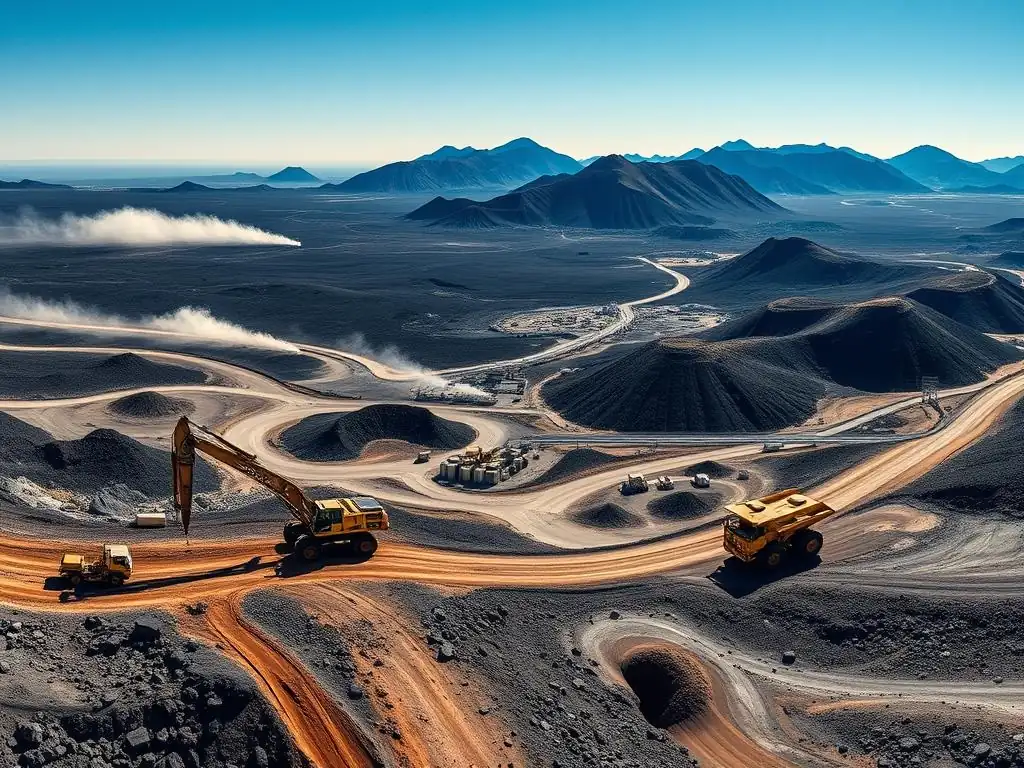
The primary extraction methods for volcanic rock mining resources are surface mining and quarrying, with the choice depending on the depth, geometry, and consolidation of the deposit. Surface mining, often in the form of open-pit mining, is typically employed for relatively shallow and extensive deposits, such as basalt flows, pumice fields, and scoria cones.
Open-pit mining involves removing the overburden (soil and vegetation) to expose the volcanic rock deposit and then extracting the rock using heavy machinery like excavators, loaders, and trucks. Bench mining, a common technique in open-pit operations, involves creating a series of steps or benches in the pit walls to improve stability and access.
Quarrying, on the other hand, is more suited for extracting consolidated volcanic rocks, such as massive basalt formations or rhyolite domes, where the rock is more deeply buried or requires more controlled extraction. Quarrying often involves drilling and blasting to fracture the rock mass into manageable blocks. Dimension stone quarries, for example, require careful blasting and cutting techniques to produce large, intact blocks of volcanic rock for architectural applications. Both surface mining and quarrying for volcanic rock mining resources require careful planning and environmental management to minimize impacts on the landscape, water resources, and local ecosystems.
Processing and Refining Volcanic Rock Materials
Once extracted, volcanic rock mining resources typically undergo various processing and refining steps to prepare them for specific applications. The processing methods vary depending on the type of rock and the desired end product. Crushing and grinding are fundamental processes for producing aggregate, sand, and powders from volcanic rocks like basalt, rhyolite, pumice, and scoria.
Jaw crushers, cone crushers, and impact crushers are used to reduce the size of the rock fragments, followed by grinding mills (like ball mills or rod mills) to produce finer particles. Screening and sieving are used to separate the crushed and ground material into different size fractions, meeting the specifications for various aggregate grades or powder fineness.
Washing and cleaning processes are often employed to remove dust, clay, and other impurities from volcanic rock aggregates, improving their quality for concrete and asphalt production. For pumice and scoria, processing may also involve air classification to separate different density fractions, enhancing their suitability for specific lightweight applications. For basalt fiber production, the basalt rock is melted in high-temperature furnaces (around 1450-1500°C) and then extruded through spinnerets to form continuous fibers.
Obsidian processing, for lapidary or surgical applications, requires specialized cutting, grinding, and polishing techniques to shape and refine the brittle volcanic glass. Throughout the processing and refining stages of volcanic rock mining resources, quality control measures are essential to ensure that the final products meet the required standards for their intended uses.
Environmental Considerations of Volcanic Rock Mining
Impact on Local Ecosystems
Volcanic rock mining resources, like all mining activities, can have significant environmental impacts on local ecosystems. Habitat destruction is a primary concern, as mining operations directly remove vegetation, topsoil, and underlying rock strata, displacing or eliminating plant and animal communities. Quarrying and open-pit mining can fragment habitats, isolating populations and reducing biodiversity. For example, a large basalt quarry can convert a natural grassland or woodland into an industrial landscape, impacting wildlife corridors and nesting sites.
Soil erosion and sedimentation are also major environmental risks associated with volcanic rock mining resources. The removal of vegetation cover and topsoil during mining exposes the land surface to wind and water erosion, leading to soil loss and increased sediment runoff into streams and rivers. Sedimentation can degrade water quality, harm aquatic habitats, and impact downstream ecosystems.
Water contamination is another concern, particularly if mining operations involve the use of chemicals or if acid mine drainage is generated from sulfide-bearing volcanic rocks. Dust generation from mining activities can also affect air quality and deposit on surrounding vegetation, impacting plant health. Careful environmental planning, mitigation measures, and reclamation efforts are crucial to minimize the ecological impacts of volcanic rock mining resources.
Dust Control and Air Quality Management
Dust generation is a significant environmental challenge in volcanic rock mining resources operations, impacting air quality and posing health risks to workers and nearby communities. Dust is produced during various stages of mining, including drilling, blasting, crushing, grinding, and transportation of materials. Fine dust particles, particularly silica dust from rocks like rhyolite and pumice, can be respirable and cause respiratory problems, including silicosis, a serious lung disease. Visible dust plumes can also reduce visibility and create nuisance for surrounding areas.
Effective dust control and air quality management are essential components of responsible volcanic rock mining resources practices. Water spraying is a common dust suppression technique, used to dampen haul roads, stockpiles, and working areas, reducing the generation of airborne dust. Dust suppressants, such as chemical binders or polymers, can be applied to surfaces to stabilize dust and prevent it from becoming airborne. Enclosed processing equipment, such as crushers and grinders, can minimize dust emissions at the source.
Ventilation systems and dust collectors are used in processing plants to capture and remove dust particles from the air. Air quality monitoring is crucial to assess the effectiveness of dust control measures and ensure compliance with air quality standards. Personal protective equipment, such as respirators, is essential for workers in dusty environments to minimize exposure to respirable dust.
Reclamation and Rehabilitation of Mining Sites
Reclamation and rehabilitation are critical aspects of responsible volcanic rock mining resources management, aiming to restore mined sites to a stable and productive state after mining operations cease. Reclamation involves reshaping the land surface, stabilizing slopes, and controlling erosion to create a safe and environmentally sound post-mining landscape. This may include backfilling pits, contouring slopes, and establishing drainage systems to prevent water accumulation and erosion. Topsoil replacement is a key step in reclamation, involving the respreading of salvaged topsoil or soil amendments to create a suitable substrate for vegetation.
Rehabilitation focuses on re-establishing vegetation and ecosystem functions on reclaimed mining sites. This may involve planting native trees, shrubs, and grasses to restore plant communities and provide habitat for wildlife. The selection of plant species should be appropriate for the local climate and soil conditions and aim to promote biodiversity and ecosystem resilience.
Monitoring the success of reclamation and rehabilitation efforts is essential to ensure that the site is progressing towards a stable and self-sustaining ecosystem. In some cases, reclaimed mining sites can be repurposed for other land uses, such as recreation areas, wildlife reserves, or even agricultural land, demonstrating the potential for volcanic rock mining resources to be managed in a way that minimizes long-term environmental impacts and contributes to sustainable land use.
The Role of Volcanic Rocks in Geothermal Energy
Harnessing Geothermal Energy from Volcanic Regions
Volcanic regions are intrinsically linked to geothermal energy due to the Earth's internal heat associated with volcanic activity. The same magmatic processes that create volcanic rocks also generate significant heat flow to the surface. This heat can be harnessed to produce geothermal energy, a renewable and sustainable energy source. Volcanic rocks themselves play a crucial role in geothermal systems, acting as both heat sources and reservoirs for geothermal fluids. Regions with active or recent volcanism, such as Iceland, New Zealand, Italy, and parts of the western United States, are prime locations for geothermal energy development.
Geothermal power plants utilize steam or hot water extracted from geothermal reservoirs to drive turbines and generate electricity. In volcanic regions, high-temperature geothermal resources are often associated with hydrothermal systems, where groundwater is heated by underlying magma bodies or hot rocks. The hot water or steam is brought to the surface through wells and used to power turbines.
Geothermal energy offers a consistent and reliable energy source, operating 24/7 and not dependent on weather conditions like solar or wind power. The development of geothermal energy in volcanic regions represents a significant opportunity to utilize volcanic rock mining resources in a broader context of sustainable energy production.
Volcanic Rocks as Geothermal Reservoirs
Volcanic rocks frequently serve as excellent geothermal reservoirs due to their inherent geological characteristics. The fractured and porous nature of many volcanic rocks, particularly basalt and andesite flows, allows for the storage and circulation of geothermal fluids. Faults and fractures in volcanic terrains create pathways for groundwater to penetrate deep into the Earth's crust, where it is heated by geothermal gradients or magmatic heat sources. Volcanic rocks with high permeability and porosity, such as fractured lava flows and volcanic breccias, can hold large volumes of hot water or steam, forming productive geothermal reservoirs.
The geological structure of volcanic regions, including caldera systems, volcanic grabens, and fault zones, often controls the distribution and characteristics of geothermal reservoirs. Geothermal exploration in volcanic areas involves geological surveys, geophysical investigations (including magnetotellurics and seismic surveys), and drilling to identify and characterize potential geothermal reservoirs within volcanic rock formations. Understanding the petrology, structure, and hydrogeology of volcanic rocks is crucial for successful geothermal energy development. The utilization of volcanic rock mining resources in geothermal energy production highlights the interconnectedness of geological resources and sustainable energy solutions.
Sustainable Geothermal Energy Extraction
Sustainable geothermal energy extraction is essential to ensure the long-term viability of geothermal resources in volcanic regions. Geothermal energy is considered a renewable resource because the Earth's internal heat is constantly replenished. However, geothermal reservoirs are not inexhaustible, and unsustainable extraction rates can lead to reservoir depletion and reduced energy production. Sustainable geothermal energy extraction practices focus on managing reservoir pressure, temperature, and fluid levels to ensure long-term productivity.
Reinjection of cooled geothermal fluids back into the reservoir is a key technique for maintaining reservoir pressure and extending the lifespan of geothermal systems. Reinjection also helps to minimize water consumption and reduce the environmental impact of geothermal operations. Monitoring reservoir performance, including temperature, pressure, and fluid chemistry, is crucial for optimizing extraction rates and detecting any signs of reservoir depletion or environmental issues.
Closed-loop geothermal systems, which circulate geothermal fluids within a closed circuit, are being developed to further enhance sustainability and minimize water usage. The responsible development and management of geothermal energy in volcanic regions, utilizing volcanic rock mining resources as reservoirs, is vital for transitioning to a cleaner and more sustainable energy future.
The Future of Volcanic Rock Mining Resources
Innovations in Volcanic Rock Utilization
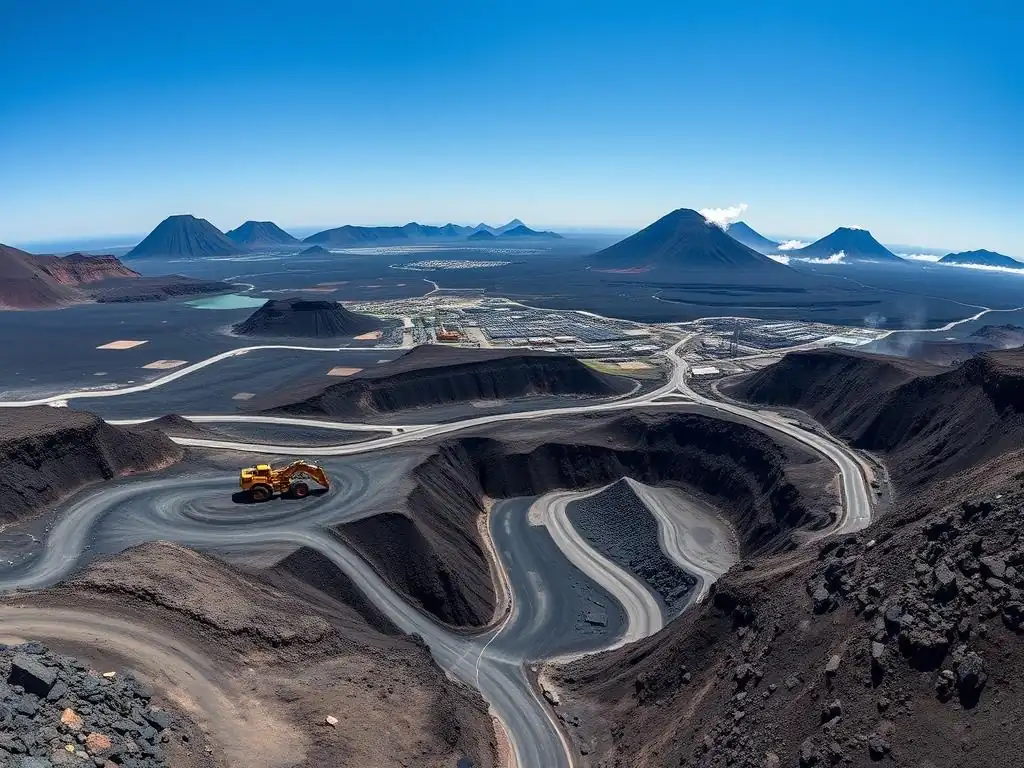
The future of volcanic rock mining resources is poised for innovation, with ongoing research and development exploring new and enhanced applications for these versatile materials. One promising area is the development of advanced materials based on volcanic rocks. Geopolymers, for example, are cement-like materials produced by chemically activating aluminosilicate-rich materials, such as volcanic ash and pumice, with alkaline solutions. Geopolymers offer several advantages over traditional Portland cement, including lower carbon footprint, higher strength, and improved durability, making them a sustainable alternative in construction.
Carbon capture and utilization is another emerging area where volcanic rocks could play a significant role. Certain volcanic rocks, particularly basalt, react with carbon dioxide (CO2) through a natural process called mineral carbonation, permanently sequestering CO2 in solid form. Enhanced weathering techniques, utilizing crushed basalt or other volcanic rocks, are being investigated as a potential method for large-scale CO2 removal from the atmosphere.
Basalt fiber research is also advancing, with efforts focused on improving fiber properties, reducing production costs, and expanding applications in high-performance composites for aerospace, automotive, and infrastructure sectors. Nanotechnology is also being explored to enhance the properties of volcanic rock-based materials, creating new possibilities for their use in advanced applications. These innovations promise to expand the utilization of volcanic rock mining resources and contribute to a more sustainable and resource-efficient future.
Sustainable Mining Practices for Long-Term Resource Management
The long-term sustainability of volcanic rock mining resources depends on the adoption of responsible and sustainable mining practices. This includes minimizing environmental impacts, optimizing resource utilization, and ensuring social responsibility. Reduced impact mining techniques are being developed to minimize habitat disturbance, soil erosion, and water pollution. This may involve selective mining methods, minimizing the footprint of mining operations, and implementing best management practices for erosion and sediment control.
Circular economy principles are increasingly relevant to volcanic rock mining resources. This includes maximizing resource efficiency, reducing waste generation, and promoting the recycling and reuse of volcanic rock materials. For example, recycled concrete aggregate, which may contain volcanic rock aggregate, can be used in new construction projects, reducing the demand for virgin materials.
Mine site rehabilitation and restoration are crucial for ensuring the long-term ecological and social value of mining areas. Engaging with local communities and stakeholders is essential for responsible volcanic rock mining resources development, ensuring that mining operations contribute to local economic development and social well-being while respecting environmental and cultural values. Adopting a holistic and sustainable approach to volcanic rock mining resources is crucial for ensuring their availability for future generations.
Advancements in Remote Sensing for Volcanic Rock Exploration
Advancements in remote sensing technologies are revolutionizing volcanic rock exploration, making it more efficient, cost-effective, and environmentally friendly. Hyperspectral and thermal infrared remote sensing can provide detailed information about the mineralogy and alteration of volcanic terrains, helping to identify potential ore deposits and geothermal resources. Improved spatial and spectral resolution of satellite imagery allows for more accurate mapping of volcanic rock outcrops and geological structures. Airborne geophysical surveys, including magnetic, gravity, and electromagnetic methods, can provide high-resolution subsurface data, aiding in the delineation of volcanic rock formations and buried deposits.
Unmanned Aerial Vehicles (UAVs) or drones are increasingly used for high-resolution surveys of volcanic areas, providing detailed topographic data, imagery, and thermal information at a fraction of the cost of traditional airborne surveys. Machine learning and artificial intelligence are being applied to remote sensing data analysis, improving the efficiency and accuracy of mineral mapping and resource assessment. These advancements in remote sensing technologies are enhancing our ability to explore and identify volcanic rock mining resources more effectively, reducing the need for extensive and invasive ground-based exploration, and contributing to more sustainable resource management.
Case Studies: Volcanic Rock Mining Operations
Basalt Mining in the Columbia River Basalt Group, USA
The Columbia River Basalt Group (CRBG) in the northwestern United States is one of the largest continental flood basalt provinces on Earth, covering an area of approximately 163,700 square kilometers across Washington, Oregon, and Idaho. This massive basalt formation, emplaced during the Miocene epoch, is a significant source of basalt aggregate and other volcanic rock mining resources.
Basalt mining operations in the CRBG are extensive, supplying aggregate for construction projects throughout the region and beyond. The sheer volume and accessibility of the basalt deposits have made the CRBG a major contributor to the construction materials industry in the Pacific Northwest.
Basalt quarries in the CRBG range in size from small local operations to large-scale industrial quarries. Open-pit mining methods are predominantly used to extract basalt from the relatively flat-lying lava flows. The basalt aggregate produced is used in a wide range of construction applications, including road construction, concrete production, railway ballast, and erosion control.
The economic impact of basalt mining in the CRBG is substantial, supporting numerous jobs and contributing significantly to the regional economy. Environmental management and reclamation are important aspects of basalt mining operations in the CRBG, with companies implementing measures to control dust, minimize water usage, and rehabilitate mined sites. The CRBG exemplifies the large-scale economic potential of basalt as a volcanic rock mining resource.
Pumice Extraction on the Island of Lipari, Italy
The island of Lipari, part of the Aeolian archipelago off the coast of Sicily, Italy, is renowned for its extensive pumice deposits, formed by explosive eruptions from the Lipari volcano. Pumice extraction on Lipari has a long history, dating back to ancient Roman times, and has been a vital part of the island's economy for centuries.
The unique white pumice from Lipari is highly prized for its quality and is exported globally for various applications, including abrasives, lightweight concrete, horticulture, and personal care products. Pumice mining on Lipari represents a significant example of volcanic rock mining resources sustaining a local island economy.
Pumice extraction on Lipari is primarily conducted through open-pit mining methods, carefully removing the unconsolidated pumice deposits. The mining operations are often located on the flanks of the volcano, creating distinctive white terraces on the landscape. While pumice mining has been economically important for Lipari, it has also raised environmental concerns regarding landscape alteration and dust generation.
Sustainable pumice mining practices are increasingly emphasized, focusing on minimizing environmental impacts, rehabilitating mined areas, and diversifying the island's economy beyond pumice extraction. The case of Lipari highlights the complex interplay between economic benefits and environmental considerations in volcanic rock mining resources, particularly in historically and culturally significant volcanic landscapes.
Conclusion: Volcanic Rocks - A Sustainable Resource?
Balancing Economic Benefits with Environmental Responsibility
Volcanic rocks are undeniably valuable volcanic rock mining resources, providing essential materials for modern society, from construction aggregates to high-tech applications and geothermal energy. Their abundance, diverse properties, and widespread distribution make them economically attractive and strategically important resources. The economic benefits of volcanic rock mining resources are substantial, supporting industries, creating jobs, and contributing to infrastructure development and technological advancements. However, the extraction and utilization of these resources are not without environmental consequences.
Balancing the economic benefits of volcanic rock mining resources with environmental responsibility is paramount for ensuring their sustainable use. Mining activities can have significant impacts on ecosystems, air and water quality, and landscapes. Therefore, responsible mining practices, environmental mitigation measures, and effective reclamation are essential to minimize these impacts and ensure the long-term sustainability of volcanic rock mining resources. Technological innovations, circular economy approaches, and sustainable resource management strategies are crucial for maximizing the benefits of volcanic rock mining resources while minimizing their environmental footprint.
The Importance of Responsible Volcanic Rock Mining Practices
Responsible volcanic rock mining resources practices are not just an environmental imperative but also a social and economic necessity. Adopting best practices in exploration, extraction, processing, and reclamation is crucial for minimizing environmental damage, protecting worker health and safety, and ensuring community well-being. Environmental regulations and monitoring are important tools for ensuring compliance and accountability in the volcanic rock mining resources industry. Stakeholder engagement, including local communities, environmental organizations, and government agencies, is essential for fostering transparency, building trust, and promoting collaborative approaches to sustainable resource management.
The future of volcanic rock mining resources hinges on our ability to extract and utilize them responsibly, balancing economic needs with environmental protection and social equity. By embracing sustainable mining practices, investing in innovation, and fostering a commitment to environmental stewardship, we can ensure that volcanic rocks continue to serve as valuable resources for present and future generations, contributing to a more sustainable and resilient future for our planet.
Frequently Asked Questions
What are some of the key volcanic rock mining resources that VolcanoExplorers.org discusses?
The site likely highlights resources such as pumice, basalt, and obsidian. These rocks are valued for their unique properties and various industrial applications.
How does volcanic rock mining contribute to modern needs, according to VolcanoExplorers.org?
Volcanic rock mining provides materials used in construction, agriculture, and manufacturing. The site likely details the specific uses of different volcanic resources.
What are some of the environmental considerations associated with volcanic rock mining?
Mining can lead to habitat destruction and air and water pollution. VolcanoExplorers.org may offer insights on sustainable mining practices to mitigate these effects.
Where can I find real-time updates on volcanic activity that might impact volcanic rock mining operations?
VolcanoExplorers.org provides real-time updates, and you can also find information from geological surveys and volcano observatories worldwide.
Does VolcanoExplorers.org offer guidance on the economic importance of volcanic rock mining resources?
The site likely discusses the economic benefits of mining operations, including job creation and the contribution to local and global economies, while also highlighting potential risks.
Final Reflection: Harnessing Earth's Fiery Legacy
The exploration of volcanic rocks and their resources, as we've seen, is not merely an academic exercise; it's a vital link to understanding and utilizing Earth's dynamic processes for modern needs. From construction materials to geothermal energy, the legacy of volcanic activity continues to shape our world, offering sustainable alternatives and innovative solutions to pressing challenges.
The enduring impact of volcanic rock mining resources is undeniable, influencing everything from infrastructure development to renewable energy initiatives. This connection to the Earth's raw power and potential deeply resonates, reminding us of our responsibility to harness these resources sustainably and ethically. We are part of the Earth and it is part of us.
- Chief Seattle, a sentiment that underscores the interconnectedness of humanity and the environment, especially when dealing with powerful natural resources.
Now, as you reflect on the potential of volcanic rock mining resources, consider how you can contribute to a more sustainable future. What innovative applications can you envision? How can you advocate for responsible extraction and utilization? The Earth's fiery past holds the key to a brighter tomorrow; it's up to us to unlock its potential with wisdom and foresight.
Ignite Your Curiosity: Unearth the Secrets Volcanoes Hold!
Thank you for exploring the fascinating world of volcanic rocks and resources. We hope you've gained a new appreciation for how these fiery formations shape our modern world and provide valuable materials. Now, let's put that knowledge to work!
Here are some ways to continue your exploration:
- Become a Citizen Scientist: Identify a volcanic rock in your area and share your findings and photos with the Volcano Explorers community forum!: This helps expand our understanding of volcanic resources worldwide.
- Research how volcanic minerals like pumice, obsidian, or basalt are used in various industries and technologies.
- Share this article with friends, family, or anyone interested in the geological wonders of our planet.
What's the most surprising application of volcanic rock you learned about, and how could its sustainable use benefit your community?