Are Volcanic Gases Cooling or Warming the Planet? The Climate Paradox
Volcanoes, forces of nature capable of reshaping landscapes, present a climate paradox. This article explores the complex impact of volcanic gases on…
Read article
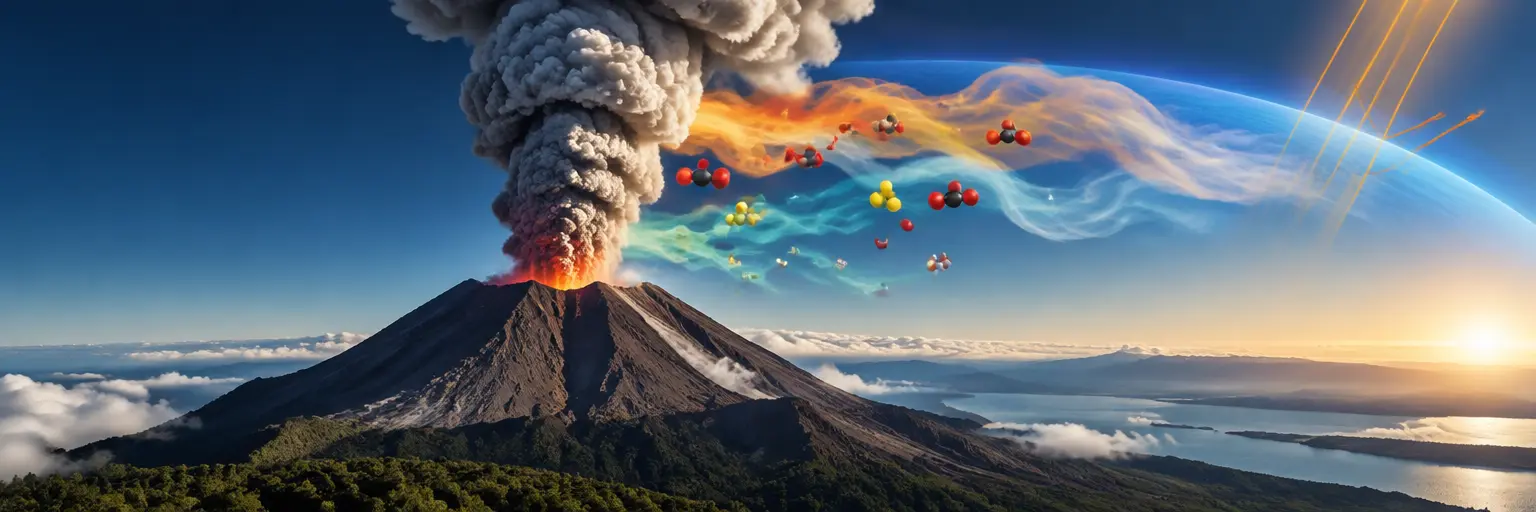
Volcanic eruptions don’t just reshape landscapes—they also release a complex cocktail of gases that can influence weather, climate, and even global atmospheric chemistry. From water vapor and carbon dioxide to sulfur dioxide and hydrogen sulfide, these emissions interact with sunlight and airborne particles, sometimes creating vivid volcanic hazes or stratospheric aerosols that temporarily cool the planet. At VolcanoExplorers.org, we break down the science of magma degassing, track gas plumes with modern monitoring tools, and explain how volcanic outgassing has shaped Earth’s atmosphere over millions of years. Whether you’re curious about the role of CO₂ in past mass extinctions or the short-term cooling effects of major eruptions like Pinatubo, this section connects the dots between what a volcano exhales and the air we breathe. Dive in to understand the invisible, yet powerful, influence of volcanic gases—a vital piece of the puzzle in both volcanology and climate science.
Volcanoes, forces of nature capable of reshaping landscapes, present a climate paradox. This article explores the complex impact of volcanic gases on…
Read article
Water's impact on volcanic activity is profound. This article explores how water, interacting with magma, triggers steam explosions and influences the style…
Read article
Volcanic gases, often overlooked, play a surprisingly significant role in shaping global temperatures. Discover how these emissions impact climate change and learn…
Read article
Volcanic gases release reactive halogens into the atmosphere, impacting climate and ozone. Discover how these potent gases, formed deep within the Earth,…
Read article
Volcanic gas clouds, often unseen killers, pose a significant threat beyond the dramatic lava flows. Learn about these deadly volcanic gas cloud…
Read article
VolcanoExplorers.org unveils the hidden power of volcanoes. Discover the crucial role of volcanic gas emissions, explained through compelling science and stunning visuals.…
Read articleVolcanic eruptions are not just spectacular displays of molten rock; they are powerful chemical reactors that release a complex cocktail of gases into the atmosphere. These emissions—ranging from water vapor and carbon dioxide to sulfur dioxide and ash particles—have profound, lasting effects on our climate, air quality, and even the ozone layer. At VolcanoExplorers.org, we break down the science behind these invisible forces, revealing how a single eruption can influence weather patterns for years. Explore the hidden world of volcanic plumes and discover the intricate connection between the Earth’s fiery interior and its atmospheric shield.
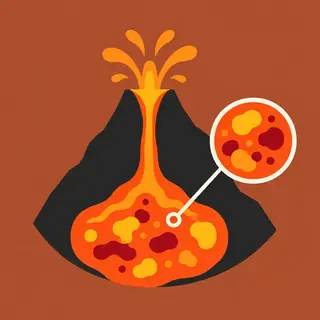
When magma rises toward the surface, pressure drops, allowing dissolved gases to expand and escape. The primary components include water vapor (H2O), carbon dioxide (CO2), sulfur dioxide (SO2), hydrogen sulfide (H2S), and hydrogen halides like hydrogen chloride (HCl). Each gas has a unique origin and behavior—water vapor often dominates, but the trace gases are what drive environmental change. Understanding these chemical signatures helps volcanologists predict eruption styles, as gas compositions shift in response to magma movement.
For instance, an increase in SO2 relative to CO2 can signal fresh magma ascending, while a spike in HCl suggests interaction with shallow groundwater. Monitoring these ratios is crucial for early warning systems. Gas ratios act like a fingerprint, providing real-time insight into the magmatic system’s state. We explore how scientists collect gas samples using drones, ground-based spectrometers, and satellite sensors, translating invisible emissions into actionable data for hazard assessment.
When an eruption injects sulfur dioxide into the stratosphere, it undergoes a chemical transformation, converting to sulfate aerosols. These tiny particles reflect incoming solar radiation, leading to a temporary cooling effect on the global climate. The 1991 Mount Pinatubo eruption, for example, released about 20 million tons of SO2, lowering global temperatures by roughly 0.5°C for over a year. Satellite missions like NASA’s OMI and CALIPSO track these plumes in near-real time, mapping their dispersion across hemispheres.
The persistence of these aerosols depends on the eruption’s intensity and latitude—tropical eruptions spread globally, while high-latitude ones remain confined. Beyond cooling, sulfate aerosols also catalyze chemical reactions that destroy ozone, as seen in the Antarctic ozone hole. We delve into how volcanic winters have shaped historical famines, such as the 1815 Tambora eruption, and how modern modeling helps predict the atmospheric impact of future large-scale events.
At ground level, volcanic gases mix with moisture and atmospheric particles to form vog—a toxic haze containing sulfuric acid, fine particulates, and metal oxides. Residents near active vents, such as those in Hawaii’s Kilauea or Iceland’s Reykjanes, experience eye irritation, respiratory distress, and aggravated asthma. Volcanic air pollution is a public health emergency in densely populated regions, with sulfur dioxide levels exceeding WHO guidelines during persistent emissions.
We examine how wind patterns disperse these pollutants, creating downwind hotspots, and the role of acid rain in damaging crops and infrastructure. Early warning systems now integrate air quality monitoring with eruption forecasts, giving communities vital time to reduce exposure. We also highlight protective measures, from wearing N95 masks to staying indoors with sealed windows, and how government agencies issue health advisories based on real-time gas data from volcanic observatories.
Beyond sulfur, volcanic emissions include halogens—chlorine, bromine, and fluorine—which can have dual effects. In the troposphere, they contribute to atmospheric chemistry by forming reactive species that destroy ozone, especially in the presence of sunlight and bromide. Large halogen-rich eruptions can cause significant ozone depletion, akin to human-produced CFCs. During the 2011 Nabro eruption, satellite data revealed anomalous ozone loss in the northern hemisphere, underscoring the power of volcanic halogens.
On the climate side, halogens also influence the lifetime of methane and other greenhouse gases. For example, chlorine atoms react with methane, shortening its atmospheric residence time. Modeling these complex interactions requires integrating volcanic emission inventories with global circulation models. We show how researchers use ice core records to reconstruct past halogen loadings, linking eruptive events to historical climate anomalies and helping refine future projections of volcanic forcing on global warming.
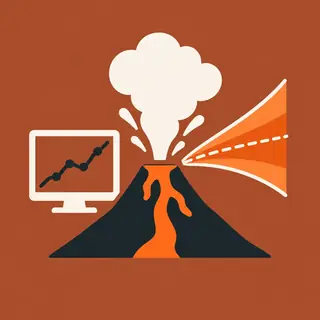
Today’s monitoring networks use a multi-sensor approach: ground-based Fourier-transform infrared spectrometers (FTIR) measure gas ratios continuously, while drones and UAVs enter hazardous plumes for in-situ sampling. Satellite constellations, such as Sentinel-5P and TROPOMI, provide daily global maps of SO2 and ash, allowing for rapid detection of remote eruptions. Machine learning algorithms now analyze voluminous data streams to identify anomalous gas emissions hours before seismic shocks.
Future research focuses on integrating gas data into physics-based eruption prediction models, improving volcanic impact assessments for aviation, and exploring the role of degassing in triggering phreatic explosions. Citizen science projects also empower local communities to report unusual smells or haze, enhancing reduce false alarms. By combining high-resolution satellite remote sensing with deep learning and expanded ground networks, the next decade promises unprecedented accuracy in predicting both eruption timing and atmospheric consequences.
Water vapor is the most abundant volcanic gas, typically making up more than 50% of total emissions during eruptions. It originates from groundwater, seawater, or hydrated minerals within the crust. While harmless globally, it can contribute to local weather patterns and occasionally severe rain near active vents. The second most common is carbon dioxide, followed by sulfur dioxide and hydrogen sulfide.
Yes, sulfur dioxide and hydrogen chloride released during eruptions react with water vapor and oxygen to form sulfuric and hydrochloric acids. These acids lower the pH of rainwater, leading to acid rain that can corrode buildings, harm vegetation, and acidify lakes. The 2014–2015 Holuhraun eruption in Iceland caused acid rain across Scotland, damaging crops and altering soil chemistry.
Water vapor and carbon dioxide remain for decades to centuries, as they are prominent greenhouse gases. Sulfur dioxide lasts only weeks to months in the troposphere but can persist for one to two years if injected into the stratosphere. Halogens like bromine have residence times of a few months, while ash particles settle within days to weeks depending on their size and wind speed.
Large explosive eruptions that inject sulfur dioxide into the stratosphere can create sulfate aerosols that reflect sunlight, temporarily cooling the Earth’s surface by up to 0.5°C. This effect typically lasts one to three years. The 1991 Mount Pinatubo eruption demonstrated this climatically, but smaller eruptions have negligible impact. Long-term cooling is limited by the short aerosol lifetime.
Scientists use a combination of ground-based spectrometers like DOAS (Differential Optical Absorption Spectroscopy), drone-mounted sensors, and satellite instruments. NASA’s OMI and the European TROPOMI provide near-daily SO2 measurements globally. Continuous monitoring from permanent stations measures gas flux, while machine learning models analyze data to detect anomalies, enabling rapid warnings for aviation and public health officials.