
Kamchatka's Valley of Geysers: Russia's Remote and Spectacular Hydrothermal Wonderland

Welcome to Volcano Explorers!
Prepare to be amazed. The earth breathes fire, and nowhere is that more evident than in the world's volcanic landscapes. Are you ready to witness the raw power of nature? This month, we're venturing to a truly extraordinary location, a place where scalding water erupts from the ground in a symphony of steam and color.
Our journey begins now, with an exclusive Kamchatka geysers travel guide. But be warned: once you've glimpsed the majesty of Russia's Valley of Geysers, you'll never look at the world the same way again. What secrets does this remote and spectacular hydrothermal wonderland hold? Read on to find out...
- Discovering Kamchatka's Valley of Geysers: A Unique Volcanic Wonder
- Kamchatka Geysers Travel Guide: Planning Your Adventure to the Valley of Geysers
- The Geology and Hydrothermal Activity of Kamchatka's Geyser Valley
- Exploring the Valley of Geysers: A Detailed Look at Key Sites
- Wildlife in the Valley of Geysers: Observing Kamchatka's Fauna
- Safety Tips for Exploring Kamchatka's Valley of Geysers
- Protecting the Valley of Geysers: Conservation Efforts and Responsible Tourism
- Kamchatka Geysers Photography: Capturing the Beauty of Hydrothermal Landscapes
- Alternatives to the Valley of Geysers: Other Hydrothermal Areas in Kamchatka
- Frequently Asked Questions
- Final Reflection: Embracing the Earth's Raw Power
- Unleash Your Inner Explorer: Discover More of Kamchatka!
Discovering Kamchatka's Valley of Geysers: A Unique Volcanic Wonder
Nestled within the rugged, volcanic landscapes of Russia's Kamchatka Peninsula lies a natural marvel of global significance: the Valley of Geysers. This extraordinary geothermal area, part of the Kronotsky Nature Reserve, is one of the largest geyser fields in the world, rivaling even Yellowstone National Park in the United States and Iceland's Haukadalur valley in scale and spectacle.
Discovered relatively recently in 1941 by local scientist Tatyana Ustinova, the valley remained largely inaccessible to the outside world for decades due to its remote location and the challenging terrain. Today, it stands as a testament to the raw power and breathtaking beauty of volcanic processes, attracting adventurous travelers and researchers alike eager to witness its unique hydrothermal wonders.
The Valley of Geysers is not just a collection of spouting hot springs; it's a dynamic ecosystem where boiling water and steam sculpt the landscape, creating a surreal and ever-changing environment. Imagine a canyon carved by the Geysernaya River, its slopes adorned with vibrant colors from thermophilic bacteria and mineral deposits. Dozens of geysers, hot springs, mud pots, and fumaroles are scattered throughout, each with its own character and rhythm.
From the towering eruptions of Velikan (Giant) Geyser to the smaller, more frequent bursts of Maly (Small) Geyser, the valley offers a continuous display of geothermal activity. This remote corner of Kamchatka is a true natural sanctuary, offering an unparalleled experience for those seeking adventure and geological fascination.
Kamchatka Geysers Travel Guide: Planning Your Adventure to the Valley of Geysers
Embarking on a journey to Kamchatka's Valley of Geysers is an adventure unlike any other. This remote destination demands careful planning and preparation, but the reward is an encounter with one of the most spectacular natural wonders on Earth. Understanding the logistical aspects of a Kamchatka geysers travel guide is crucial for a successful trip. Given its location within a protected nature reserve and the challenging accessibility, independent travel is not permitted. The most common and practical way to visit the valley is through organized tours, typically involving helicopter flights from Petropavlovsk-Kamchatsky, the main city in Kamchatka.
These tours, while often costly due to the helicopter transport, provide the necessary permits, experienced guides, and safety measures required to explore the valley responsibly. Planning your trip well in advance is highly recommended, especially during peak tourist season (summer months from June to September), as tour slots are limited and permits need to be secured.
When considering your Kamchatka geysers travel guide, factor in the time required for travel to and from Kamchatka, the duration of the valley excursion, and potential weather-related delays. Packing appropriately for varying weather conditions, including sturdy hiking boots, layers of clothing, and rain gear, is also essential for a comfortable and enjoyable experience in this remarkable volcanic landscape.
Best Time to Visit Kamchatka's Valley of Geysers: Seasonal Considerations
The best time to plan your Kamchatka geysers travel guide adventure and visit the Valley of Geysers is during the summer months, from June to September. This period offers the most favorable weather conditions in Kamchatka, with milder temperatures, longer daylight hours, and reduced chances of heavy snowfall that can hinder access. Summer in Kamchatka sees average temperatures ranging from 10°C to 20°C (50°F to 68°F), making hiking and exploring the valley more comfortable. Moreover, wildlife viewing is often at its peak during summer, as brown bears are more active and birds are abundant.
While summer is the most popular and generally recommended time to visit, each season offers a unique perspective. Spring (April-May) can be beautiful with snow still present on the surrounding mountains, creating dramatic contrasts with the geothermal features. However, access can still be limited due to lingering snow and potentially unstable weather.
Autumn (September-October) brings vibrant fall colors to the landscape, providing stunning photographic opportunities, though temperatures start to cool down, and the risk of rain increases. Winter (November-March) is generally not recommended for visiting the Valley of Geysers due to extremely harsh weather conditions, heavy snowfall, and limited daylight, which significantly restrict access and tour operations. Therefore, for the optimal experience, a summer visit is usually the best choice for your Kamchatka geysers travel guide itinerary.
Getting to Kamchatka: Transportation Options to Petropavlovsk-Kamchatsky
Reaching Kamchatka, the gateway to the Valley of Geysers, is the first step in your Kamchatka geysers travel guide journey. Petropavlovsk-Kamchatsky (PKC) is the primary arrival point, served by Yelizovo Airport (PKC), the main airport in the region. The most common and practical way to get to Kamchatka is by air, primarily through domestic flights from major Russian cities like Moscow, Vladivostok, and Khabarovsk. Direct flights from Moscow to Petropavlovsk-Kamchatsky take approximately 8-9 hours, highlighting the peninsula's remoteness. Several Russian airlines, including Aeroflot and S7 Airlines, operate regular flights to PKC.
International travelers will typically need to fly to Moscow and then connect to a domestic flight to Petropavlovsk-Kamchatsky. While there are no direct international flights to Kamchatka currently, discussions about opening up the region to more international routes are ongoing. Upon arrival at Yelizovo Airport, which is located about 30 kilometers from Petropavlovsk-Kamchatsky, transportation options to the city include taxis, pre-booked transfers through tour operators, and local buses.
For onward travel to the Valley of Geysers, helicopter tours are the standard and almost exclusive mode of transport due to the valley's remote location and lack of road access. Therefore, when planning your Kamchatka geysers travel guide, focus on securing flights to Petropavlovsk-Kamchatsky as the initial and crucial step.
Permits and Regulations for Visiting the Valley of Geysers
Access to Kamchatka's Valley of Geysers is strictly regulated as it is located within the Kronotsky Nature Reserve, a UNESCO World Heritage Site. A crucial aspect of any Kamchatka geysers travel guide is understanding and securing the necessary permits and adhering to regulations. Independent travel to the valley is prohibited to protect its fragile ecosystem and ensure visitor safety. Therefore, all visits must be conducted through authorized tour operators who handle the permit acquisition process as part of their tour packages.
These tour operators work closely with the Kronotsky Nature Reserve administration to obtain the required permits, which are essential for legally entering the protected area. The permit system helps to control visitor numbers, minimizing the environmental impact on the delicate geothermal environment and wildlife habitats. When booking a tour, ensure that the operator explicitly states that permits are included in the package price.
It is advisable to book your tour well in advance, especially during peak season, as permit availability can be limited. Regulations within the valley are also strictly enforced, including staying on marked trails, avoiding approaching geysers too closely, and adhering to guidelines regarding wildlife interaction. Respecting these regulations is paramount to preserving the Valley of Geysers for future generations and ensuring a safe and responsible travel experience as outlined in any comprehensive Kamchatka geysers travel guide.
The Geology and Hydrothermal Activity of Kamchatka's Geyser Valley
The Valley of Geysers in Kamchatka owes its spectacular hydrothermal activity to its unique geological setting. Located within a volcanically active zone, the valley is a direct manifestation of the Earth's internal heat escaping to the surface. Understanding the geology and hydrothermal processes is fundamental to appreciating the wonders of a Kamchatka geysers travel guide experience. The Kamchatka Peninsula is part of the Pacific Ring of Fire, a region characterized by intense seismic and volcanic activity due to the subduction of the Pacific Plate beneath the Eurasian Plate.
This tectonic setting results in a high concentration of volcanoes, geothermal areas, and, consequently, geyser fields. The Valley of Geysers is situated in a canyon carved by the Geysernaya River, which itself is warmed by underground geothermal sources.
The underlying geology consists of volcanic rocks, which are permeable and fractured, allowing groundwater to circulate deep into the Earth's crust where it is heated by magma. This heated water, under pressure, then rises back to the surface, creating the diverse range of hydrothermal features, including the iconic geysers that make this valley so extraordinary and a prime destination for any Kamchatka geysers travel guide.
Formation of Geysers: Understanding the Hydrothermal System
The formation of geysers, like those in Kamchatka's Valley of Geysers, is a fascinating process driven by specific geological conditions. A Kamchatka geysers travel guide often delves into the science behind these natural fountains. Geysers are essentially hot springs with a plumbing system that causes them to erupt periodically. The process begins with groundwater seeping down through fissures and permeable volcanic rocks beneath the Earth's surface. This water comes into contact with hot rocks heated by magma at depth, reaching temperatures well above boiling point.
However, the immense pressure from the overlying water column prevents the water from boiling immediately. As the superheated water rises, it enters a constricted conduit or chamber system, often composed of irregular rock formations. This constriction further increases pressure.
Eventually, the temperature reaches a point where steam bubbles begin to form at the bottom of the conduit. These bubbles rise rapidly, pushing water out of the geyser's vent and reducing the pressure on the remaining water column. This pressure release allows the superheated water to flash into steam explosively, causing a geyser eruption.
After the eruption, the conduit refills with groundwater, and the heating cycle begins again, leading to the next eruption. The precise timing and characteristics of each geyser's eruption are determined by the unique geometry of its underground plumbing system and the rate of heat supply, making each geyser in the Kamchatka geysers travel guide a unique natural phenomenon.
Volcanic Activity and its Influence on the Valley's Geothermal Features
The intense geothermal activity in Kamchatka's Valley of Geysers is inextricably linked to ongoing volcanic processes in the region. Any comprehensive Kamchatka geysers travel guide will highlight this connection. The Kamchatka Peninsula is home to approximately 30 active volcanoes, and their subterranean magma chambers provide the heat source that drives the hydrothermal system of the valley. Magma, molten rock beneath the surface, releases tremendous amounts of heat as it cools and crystallizes. This heat is conducted through the surrounding rocks and transferred to groundwater circulating in the subsurface.
The proximity of the Valley of Geysers to active volcanic centers ensures a continuous and abundant supply of geothermal energy. While there are no volcanoes directly within the valley itself, nearby volcanoes like the Uzon Caldera and Kikhpinych volcano contribute to the overall geothermal gradient. Changes in volcanic activity can indirectly influence the geyser field.
For instance, increased volcanic unrest or magma movement at depth could potentially alter the heat flow, affecting the eruption patterns and intensity of geysers. Furthermore, volcanic eruptions, even those relatively distant, can deposit ash and volcanic materials that can, over time, influence the valley's landscape and hydrothermal system. Therefore, the Valley of Geysers serves as a dynamic window into the ongoing volcanic processes shaping the Kamchatka Peninsula, a key aspect emphasized in any Kamchatka geysers travel guide.
Unique Geothermal Features: Beyond Geysers in Kamchatka
While geysers are the star attraction of Kamchatka's Valley of Geysers, the area boasts a diverse array of other fascinating hydrothermal features, making it a comprehensive destination for a Kamchatka geysers travel guide. Beyond the spouting geysers, visitors can witness a captivating landscape sculpted by boiling water and steam. Hot springs, for example, are abundant, ranging from small pools of gently simmering water to larger, more vigorous thermal springs. These springs often exhibit vibrant colors due to thermophilic microorganisms and dissolved minerals, creating painterly patterns on the valley floor.
Mud pots, another intriguing feature, are areas where hot water mixes with volcanic ash and clay to form bubbling pools of mud. These mud pots can vary in consistency from watery to thick and viscous, sometimes emitting gurgling sounds and releasing steam. Fumaroles, or steam vents, are also prevalent, releasing jets of steam and volcanic gases into the atmosphere.
These vents can be found hissing and roaring from cracks in the ground, adding to the valley's dramatic atmosphere. In addition to these common hydrothermal features, the Valley of Geysers also contains unique formations like thermal terraces, built up by mineral deposits from flowing hot water, and acid springs, characterized by their low pH and often associated with distinct mineral precipitation. Exploring these diverse geothermal manifestations enriches the Kamchatka geysers travel guide experience, showcasing the full spectrum of hydrothermal activity in this volcanic wonderland.
Exploring the Valley of Geysers: A Detailed Look at Key Sites
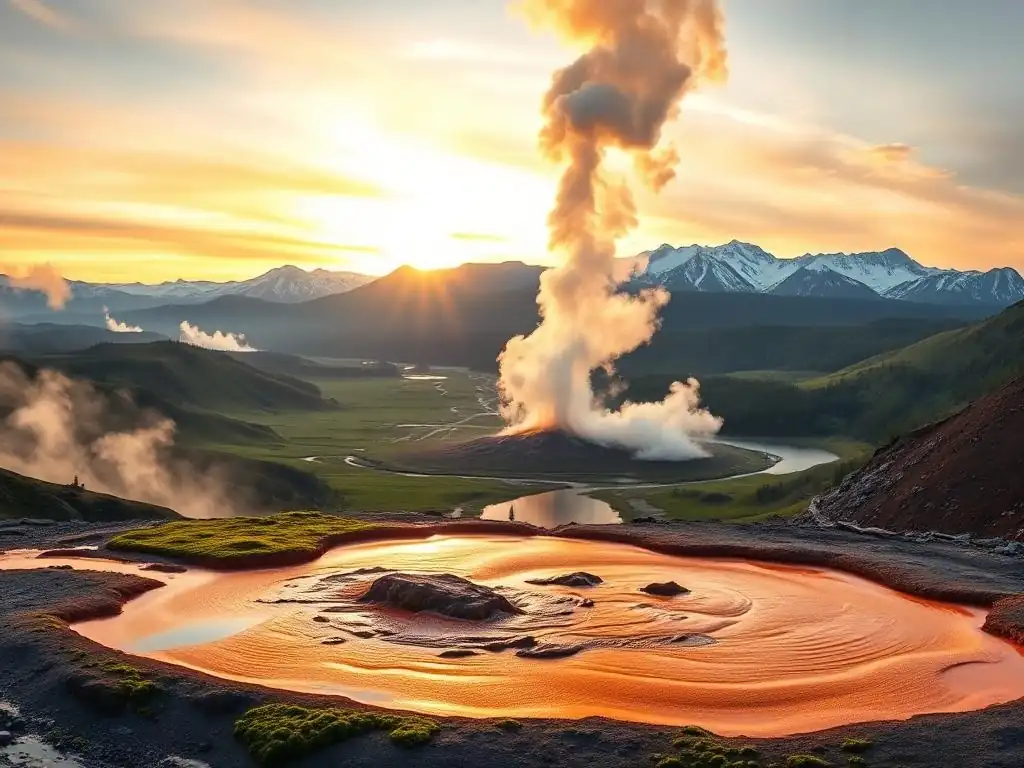
A journey through Kamchatka's Valley of Geysers is like stepping into a living, breathing geological museum. A well-structured Kamchatka geysers travel guide highlights the key sites within the valley, each with its own unique character and geothermal displays. While the valley is relatively compact, boardwalks and designated viewing platforms allow visitors to safely observe the diverse hydrothermal features. The Geysernaya River meanders through the valley, serving as a central axis around which many of the most prominent geysers and hot springs are concentrated.
Among the must-see locations are the major geyser groups, each named and known for its particular eruption style and frequency. These include the Upper Geyser Field, the Lower Geyser Field, and the areas around specific large geysers like Bolshoy (Great) Geyser and Velikan (Giant) Geyser. Beyond the geyser fields, the valley also presents colorful hot spring terraces, steaming fumarole fields, and bubbling mud pots.
Guided tours typically lead visitors along established routes, providing informative commentary on the geological processes, individual geyser characteristics, and the overall ecology of this remarkable geothermal ecosystem. Understanding the layout and key features of the valley enhances the Kamchatka geysers travel guide experience, allowing for a more focused and rewarding exploration.
The Bolshoy (Great) Geyser: Witnessing a Major Eruption
The Bolshoy (Great) Geyser, or Bolshoi Geyser, is one of the most impressive and predictably erupting geysers in Kamchatka's Valley of Geysers, a highlight for any Kamchatka geysers travel guide. True to its name, Bolshoy is known for its powerful and voluminous eruptions, sending columns of boiling water and steam high into the air. Located in the central part of the valley, Bolshoy Geyser is a major attraction and a frequent stop on guided tours. Eruptions of Bolshoy Geyser typically occur every 5 to 7 hours, though the precise interval can vary slightly.
Each eruption cycle begins with a period of increased steaming and bubbling from its vent. This pre-eruption activity serves as a natural warning, signaling that a major eruption is imminent. The eruption itself is a spectacular display, lasting for several minutes and ejecting a mixture of hot water and steam jets that can reach heights of up to 25-30 meters (80-100 feet).
The volume of water discharged during each eruption is substantial, contributing significantly to the overall hydrothermal output of the valley. Due to its relative predictability and impressive eruptions, Bolshoy Geyser offers excellent opportunities for observation and photography, making it a key feature of any Kamchatka geysers travel guide itinerary. Witnessing Bolshoy in full eruption is an unforgettable experience, showcasing the raw power of geothermal energy.
The Velikan (Giant) Geyser: A Hydrothermal Spectacle
Velikan (Giant) Geyser is another of the valley's most iconic and awe-inspiring hydrothermal features, a must-see for any Kamchatka geysers travel guide enthusiast. As its name suggests, Velikan is renowned for its exceptionally tall eruptions, often reaching heights of up to 40 meters (130 feet), making it one of the tallest geysers in the Valley of Geysers and globally significant.
Located near the Bolshoy Geyser, Velikan is part of the central geyser group and a prominent landmark within the valley. Unlike Bolshoy, Velikan's eruptions are less frequent and less predictable, occurring approximately every 6 to 8 hours, but sometimes with longer or shorter intervals.
The eruptions of Velikan Geyser are characterized by their immense power and the sheer volume of water and steam ejected. The eruption cycle typically starts with a gradual increase in steam emission, followed by a series of pulsating bursts before culminating in a towering, sustained jet of boiling water and steam. These eruptions can last for several minutes, creating a dramatic spectacle accompanied by roaring sounds and plumes of steam visible from a distance.
Due to its impressive height and powerful eruptions, witnessing Velikan Geyser in action is a truly unforgettable experience and a highlight of any Kamchatka geysers travel guide excursion. Its unpredictable nature adds to the thrill, making each eruption a unique and special event.
The Maly (Small) Geysers: Smaller but Still Spectacular Hydrothermal Vents
In contrast to the grand scale of Bolshoy and Velikan, the Maly (Small) Geysers, or Malye Geysers, offer a different yet equally captivating aspect of Kamchatka's Valley of Geysers, as detailed in many a Kamchatka geysers travel guide. While individually smaller in eruption size compared to their larger counterparts, the Maly Geysers are notable for their greater number and more frequent activity. This group of geysers is located in various parts of the valley, often clustered together, creating a dynamic and visually engaging landscape.
The eruptions of Maly Geysers are typically characterized by shorter bursts of water and steam, reaching heights of a few meters up to perhaps 10 meters (3 to 30 feet). However, what they lack in individual height, they compensate for in frequency and collective display. Many Maly Geysers erupt relatively frequently, some even almost continuously or at very short intervals, providing a constant backdrop of geothermal activity in certain sections of the valley.
This makes the areas with Maly Geysers particularly lively and photogenic. The variety in eruption styles and the sheer number of these smaller geysers contribute to the overall diversity and charm of the Valley of Geysers, making them an essential part of any comprehensive Kamchatka geysers travel guide experience. They showcase that even smaller hydrothermal vents can be remarkably spectacular in their own right.
Geyser Pertroglif: A Unique and Active Geyser
Geyser Pertroglif stands out as a particularly unique and interesting geyser within Kamchatka's Valley of Geysers, often highlighted in specialized Kamchatka geysers travel guide materials. Its name, "Petroglif," which translates to "Petroglyph" or rock carving, hints at its distinctive appearance. Unlike many other geysers that erupt from clearly defined vents, Geyser Pertroglif erupts from a relatively flat, rock-covered area, giving the impression of water and steam emerging directly from the stone itself. This unusual eruption style, combined with the surrounding rock formations, creates a visually striking and somewhat mysterious geothermal feature.
The eruptions of Geyser Pertroglif are typically moderate in size, reaching heights of a few meters, but they are characterized by a broad, fan-like spray of water and steam that spreads out across the rocky surface. The eruption pattern can be somewhat irregular, adding to its enigmatic nature. The area around Geyser Pertroglif is often adorned with colorful mineral deposits and thermophilic bacteria, further enhancing its visual appeal.
Due to its unique eruption style and the interesting geological context, Geyser Pertroglif is a popular point of interest for visitors and a subject of fascination for geologists studying the hydrothermal system of the valley. Its inclusion in a Kamchatka geysers travel guide emphasizes the diversity and unexpected wonders found within this geothermal wonderland.
Wildlife in the Valley of Geysers: Observing Kamchatka's Fauna
Kamchatka's Valley of Geysers is not only a geological marvel but also a haven for wildlife, adding another layer of richness to the Kamchatka geysers travel guide experience. The unique geothermal environment and surrounding pristine wilderness support a diverse array of animal species, making wildlife observation a significant aspect of visiting the valley. The most iconic and frequently encountered animal in the Valley of Geysers is the Kamchatka brown bear, a subspecies known for its large size and abundance in the region.
Beyond bears, the valley is also a birdwatcher's paradise, attracting a variety of avian species, including raptors, waterfowl, and songbirds. Smaller mammals, such as foxes and marmots, also inhabit the area, adding to the overall biodiversity. Wildlife encounters are a common occurrence in the Valley of Geysers, and responsible tourism practices emphasize respecting wildlife from a safe distance and adhering to guidelines to minimize disturbance. Combining the geological spectacle with opportunities for wildlife viewing makes a Kamchatka geysers travel guide truly exceptional, offering a holistic experience of Kamchatka's natural wonders.
Brown Bears: Coexisting with Wildlife in the Valley
Kamchatka brown bears are integral to the ecosystem of the Valley of Geysers and a major highlight for visitors, often featured prominently in a Kamchatka geysers travel guide. The valley provides a rich habitat for these magnificent creatures, offering abundant food sources, particularly salmon during spawning season in nearby rivers, and relatively undisturbed areas for foraging and raising cubs. Brown bears are frequently sighted within the valley, often near the Geysernaya River and surrounding vegetation, as well as occasionally near geothermal features, though they generally avoid the hottest areas.
Observing brown bears in their natural habitat is a privilege, but it's crucial to maintain a safe distance and follow guidelines provided by tour operators and park rangers. Bears are wild animals, and while generally tolerant of human presence at a distance, they can be unpredictable, especially mothers with cubs or bears protecting food sources. Guided tours ensure visitor safety by maintaining appropriate distances and employing bear safety protocols.
Photography of bears is a popular activity, but it should always be done responsibly, without approaching too closely or disturbing the animals. Understanding bear behavior and respecting their space is essential for both visitor safety and the well-being of the bears, a key aspect emphasized in any responsible Kamchatka geysers travel guide.
Birds of the Valley: A Birder's Paradise Amidst Geothermal Activity
For bird enthusiasts, Kamchatka's Valley of Geysers is a hidden gem, a birder's paradise nestled amidst dramatic geothermal landscapes, as highlighted in specialized Kamchatka geysers travel guide resources. The valley and its surrounding areas attract a diverse array of avian species, drawn to the varied habitats ranging from riverine corridors and meadows to shrublands and rocky slopes. The geothermal areas themselves, while seemingly inhospitable, can indirectly support birdlife by creating warmer microclimates and influencing vegetation patterns.
Among the birds commonly sighted in the Valley of Geysers are raptors like golden eagles and peregrine falcons, often seen soaring overhead. Waterfowl, such as ducks and geese, may be present along the Geysernaya River and in nearby wetlands. Various songbirds, including warblers, thrushes, and finches, inhabit the valley's vegetated areas. Waders and shorebirds may also be observed in riparian zones.
The unique juxtaposition of geothermal features and natural habitats makes birdwatching in the Valley of Geysers a particularly rewarding experience. While binoculars are essential for optimal viewing, respecting wildlife from a distance and avoiding disturbance is crucial. A dedicated Kamchatka geysers travel guide for birders would provide detailed information on species identification and best viewing locations within and around the valley.
Other Wildlife Encounters: Foxes and Marmots
Beyond the iconic brown bears and diverse birdlife, Kamchatka's Valley of Geysers is also home to other intriguing wildlife species, adding to the overall richness of the Kamchatka geysers travel guide experience. Red foxes are relatively common inhabitants of the valley, often sighted near the edges of the geyser fields and in surrounding meadows. These adaptable canids are known for their cunning and are often curious about human presence, though it's important not to feed them or approach too closely. Foxes contribute to the valley's ecosystem as predators and scavengers.
Another charming mammal frequently encountered is the marmot, specifically the Kamchatka marmot. These large ground squirrels are often seen in colonies on the slopes surrounding the valley, their burrows dotting the landscape. Marmots are diurnal and active during the warmer months, providing entertaining viewing opportunities as they forage, sunbathe, and interact with each other.
Other mammals that may occasionally be observed include hares and various smaller rodents. While wildlife encounters are a highlight of visiting the Valley of Geysers, responsible tourism practices emphasize maintaining a respectful distance from all animals, avoiding feeding them, and minimizing any disturbance to their natural behaviors and habitats. A comprehensive Kamchatka geysers travel guide will provide guidance on ethical wildlife viewing and appreciation.
Safety Tips for Exploring Kamchatka's Valley of Geysers
Exploring Kamchatka's Valley of Geysers is an adventurous undertaking that requires awareness and adherence to safety guidelines. A responsible Kamchatka geysers travel guide will always prioritize visitor safety. The valley presents unique hazards, primarily related to the geothermal features and wildlife encounters. Safety measures are crucial to ensure a positive and incident-free experience in this extraordinary natural environment. Tour operators play a vital role in ensuring visitor safety by providing experienced guides, establishing safe routes, and educating visitors about potential hazards and necessary precautions.
Key safety considerations include staying on marked trails and boardwalks to avoid stepping into unstable ground or scalding hot springs, maintaining a safe distance from geysers and other geothermal features to prevent burns, and following bear safety guidelines to minimize the risk of encounters. Proper footwear, appropriate clothing layers, and awareness of weather conditions are also important aspects of personal safety in the valley. By being informed, prepared, and following safety instructions, visitors can enjoy the wonders of the Valley of Geysers while minimizing risks and ensuring their well-being, as emphasized in any thorough Kamchatka geysers travel guide.
Staying Safe Near Geothermal Features: Avoiding Burns and Hazards
The geothermal features of Kamchatka's Valley of Geysers, while spectacular, pose potential hazards, primarily the risk of burns from hot water and steam. A crucial element of any Kamchatka geysers travel guide is emphasizing safety around these features. The water in geysers and hot springs can reach temperatures close to or even exceeding boiling point (100°C or 212°F), causing severe burns upon contact. Steam, even if not directly touching water, can also cause scalds. Therefore, maintaining a safe distance from all geothermal features is paramount.
Designated boardwalks and viewing platforms are strategically placed to allow safe observation of geysers and hot springs while keeping visitors at a safe distance. It is essential to stay strictly on these marked trails and boardwalks and never venture off-path. The ground around geothermal areas can be unstable and thin, potentially concealing hidden hot springs or mud pots. Avoid touching or reaching into any hot springs or geyser vents.
Be particularly cautious in areas with steam vents, as steam can be invisible in certain conditions. Children should be closely supervised at all times. Following these simple yet crucial safety guidelines is essential to prevent burns and ensure a safe exploration of the geothermal wonders of the Valley of Geysers, as reiterated in every responsible Kamchatka geysers travel guide.
Bear Safety: Precautions and Guidelines for Wildlife Encounters
Encountering brown bears in Kamchatka's Valley of Geysers is a thrilling possibility, but it also necessitates adhering to bear safety guidelines, a vital component of any Kamchatka geysers travel guide. While bears in the valley are generally accustomed to human presence at a distance, they are still wild animals and should be treated with respect and caution. The primary safety principle is to avoid approaching bears and maintain a safe distance, typically recommended to be at least 50 meters (164 feet) or more.
Guided tours are essential for bear safety, as guides are trained to recognize bear behavior and take appropriate precautions. Staying in groups is safer than hiking alone. Making noise while hiking, such as talking or occasionally clapping hands, can help alert bears to your presence and avoid surprise encounters.
Never feed bears, as this habituates them to humans and can lead to dangerous situations. Store food properly in bear-resistant containers or as instructed by your guide. If you encounter a bear at close range, remain calm, avoid direct eye contact, and slowly back away.
Do not run, as this may trigger a chase response. Carry bear spray and know how to use it, as advised by your tour operator. Following these bear safety guidelines is crucial for minimizing the risk of negative encounters and ensuring both visitor safety and the well-being of the bears in the Valley of Geysers, a key message in any comprehensive Kamchatka geysers travel guide.
Navigating Kamchatka's Valley of Geysers safely and responsibly relies heavily on staying oriented and following marked trails, an essential aspect of any Kamchatka geysers travel guide. The valley, while not vast, can be disorienting due to its complex terrain, steam plumes, and dense vegetation in some areas. Straying off marked trails can lead to getting lost, encountering unstable ground, or inadvertently approaching hazardous geothermal features. Therefore, adhering to designated paths and boardwalks is crucial for both safety and environmental protection.
Tour operators provide guided routes that are carefully planned to maximize sightseeing opportunities while minimizing risks. Pay attention to trail markers and signage, and stay within the designated areas. If you are unsure of the trail, consult your guide or backtrack to a known location. Carry a map of the valley if provided, and be aware of your surroundings.
Avoid shortcuts or exploring unmapped areas. In foggy or low-visibility conditions, extra caution is needed, and sticking closely to your group and guide is even more important. Using GPS devices or compasses can be helpful for orientation, but relying solely on marked trails and guided routes is the safest and most responsible approach to exploring the Valley of Geysers, as emphasized in all reputable Kamchatka geysers travel guide resources.
Protecting the Valley of Geysers: Conservation Efforts and Responsible Tourism
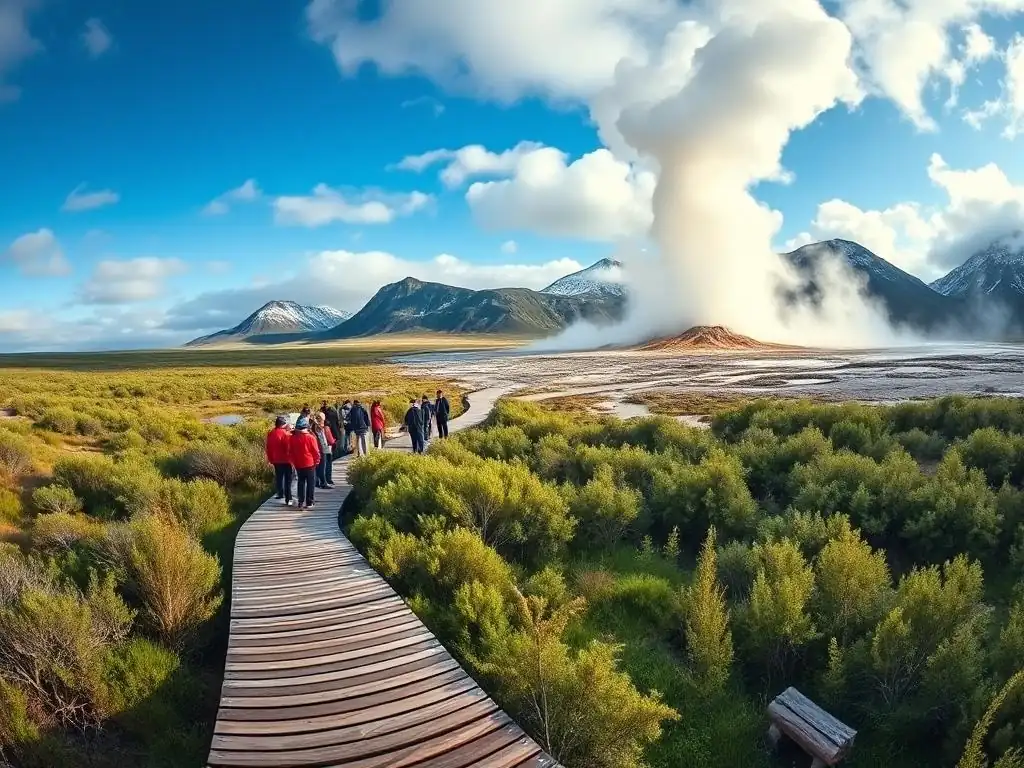
The long-term preservation of Kamchatka's Valley of Geysers hinges on effective conservation efforts and the practice of responsible tourism. Any ethical Kamchatka geysers travel guide must emphasize these aspects. The valley's unique geothermal ecosystem is fragile and vulnerable to human impacts, even from seemingly low-impact tourism. Therefore, sustainable tourism practices and active conservation initiatives are crucial for ensuring that future generations can also experience this natural wonder. The Kronotsky Nature Reserve, within which the Valley of Geysers is located, plays a central role in conservation, implementing regulations, monitoring the ecosystem, and managing tourism activities.
Visitor responsibility is equally important. This includes adhering to park regulations, minimizing environmental footprint, and supporting conservation initiatives. Sustainable tourism in the Valley of Geysers focuses on minimizing disturbance to wildlife, protecting vegetation, preventing pollution, and respecting the natural environment. Educating visitors about the importance of conservation and promoting responsible behavior are key components of ensuring the long-term health and integrity of this extraordinary geothermal landscape, a message central to any comprehensive Kamchatka geysers travel guide.
The Impact of Tourism on the Valley's Ecosystem
While tourism to Kamchatka's Valley of Geysers is carefully managed, it inevitably has some impact on the valley's delicate ecosystem. Understanding these impacts is crucial for promoting responsible tourism, a key element in a Kamchatka geysers travel guide focused on sustainability. Foot traffic, even when confined to boardwalks and trails, can cause soil compaction and vegetation damage, particularly in sensitive geothermal areas. Increased human presence can also potentially disturb wildlife, especially during sensitive periods like breeding or foraging.
Waste generation, even with responsible waste management practices, can pose a threat if not handled properly. Noise pollution from helicopters and visitor activities can also affect wildlife behavior, although efforts are made to minimize noise levels. The introduction of non-native species, though less likely in a remote area like the Valley of Geysers, is always a potential risk associated with human travel.
Furthermore, any infrastructure development, such as boardwalks or viewing platforms, can have localized impacts on the natural landscape. Recognizing these potential impacts is essential for tour operators and visitors alike to implement best practices for minimizing environmental footprint and ensuring the long-term sustainability of tourism in the Valley of Geysers, as advocated by any responsible Kamchatka geysers travel guide.
Sustainable Travel Practices: Minimizing Your Environmental Footprint
Adopting sustainable travel practices is paramount for minimizing your environmental footprint when visiting Kamchatka's Valley of Geysers. A conscientious Kamchatka geysers travel guide will always emphasize these practices. Staying on marked trails and boardwalks is the most fundamental step to prevent vegetation damage and soil erosion. Avoid taking shortcuts or venturing off designated paths. Pack out everything you pack in, including trash, food wrappers, and personal items. Minimize waste generation by using reusable water bottles and containers.
Respect wildlife by observing animals from a distance and never feeding them. Keep noise levels to a minimum to avoid disturbing wildlife and other visitors' experience of the natural serenity. Choose tour operators that demonstrate a commitment to sustainable tourism practices, such as responsible waste management, minimal impact helicopter operations, and support for local conservation initiatives.
When using restrooms, follow instructions carefully, as sanitation systems in remote areas may be sensitive. Support local communities and businesses where possible, contributing to the economic sustainability of the region. By consciously adopting these sustainable travel practices, visitors can help protect the Valley of Geysers and ensure its preservation for future generations, a core principle of any ethical Kamchatka geysers travel guide.
Supporting Conservation Initiatives: Kronotsky Nature Reserve
Supporting conservation initiatives is a vital way to contribute to the long-term protection of Kamchatka's Valley of Geysers and the surrounding Kronotsky Nature Reserve. A responsible Kamchatka geysers travel guide will encourage visitor support for these efforts. The Kronotsky Nature Reserve, as the managing authority of the valley, plays a crucial role in conservation, research, and sustainable tourism management. Visitors can support the reserve's work in several ways. Choosing tour operators that contribute a portion of their proceeds to the reserve's conservation funds is a direct way to provide financial support.
Donations directly to the Kronotsky Nature Reserve are also welcomed and can be made through their official website or partner organizations. Spreading awareness about the importance of conservation and responsible tourism in Kamchatka is another valuable contribution. Respecting park regulations and guidelines during your visit directly supports the reserve's management efforts.
Consider volunteering for conservation projects in Kamchatka if you have the opportunity and time. By actively supporting the Kronotsky Nature Reserve and its conservation initiatives, visitors become partners in protecting this extraordinary natural heritage for generations to come, a message that resonates throughout any environmentally conscious Kamchatka geysers travel guide.
Kamchatka Geysers Photography: Capturing the Beauty of Hydrothermal Landscapes
Kamchatka's Valley of Geysers offers unparalleled photographic opportunities, attracting photographers of all levels eager to capture its dramatic hydrothermal landscapes. A helpful Kamchatka geysers travel guide should include tips for photography enthusiasts. The combination of erupting geysers, colorful hot springs, steaming fumaroles, and the surrounding volcanic scenery creates a visually stunning subject. However, photographing geysers presents unique challenges due to the dynamic nature of eruptions, steam, and varying weather conditions.
Proper equipment, technique, and awareness of the environment are essential for capturing memorable images. Planning your photography around optimal lighting conditions, understanding geyser eruption patterns, and utilizing safe viewing locations are key strategies. Respecting the environment and wildlife while pursuing your photographic goals is also paramount. By being prepared and employing the right approach, photographers can effectively capture the beauty and dynamism of Kamchatka's Valley of Geysers, as guided by a comprehensive Kamchatka geysers travel guide for photography.
Essential Equipment for Geyser Photography
Having the right equipment is crucial for effectively photographing geysers in Kamchatka's Valley of Geysers, as outlined in any Kamchatka geysers travel guide focused on photography. A good quality DSLR or mirrorless camera with interchangeable lenses is recommended for versatility. A zoom lens with a range of at least 70-200mm is essential for capturing geyser eruptions from a safe distance and for isolating details. A wide-angle lens (e.g., 16-35mm) is useful for landscape shots and capturing the overall context of the valley.
A sturdy tripod is highly recommended for sharp images, especially in lower light conditions and for capturing long exposures of steam. A lens cleaning cloth and protective filters (UV or clear) are important for protecting your lenses from moisture and steam spray. Extra batteries and memory cards are essential, as you'll likely be taking many photos throughout the day.
Consider bringing rain gear for your camera and lenses, as weather in Kamchatka can be unpredictable, and steam and mist are common. A polarizing filter can be helpful for reducing glare and enhancing colors, particularly in bright sunlight. Having this essential equipment will significantly enhance your ability to capture stunning photographs of the geysers and hydrothermal landscapes, as advised by a detailed Kamchatka geysers travel guide for photographers.
Tips for Photographing Geysers in Action
Photographing geysers in action requires a combination of technique, anticipation, and patience. A practical Kamchatka geysers travel guide for photographers will offer valuable tips. Anticipate eruptions by observing pre-eruption signs, such as increased steaming or bubbling.
Learn the eruption patterns of specific geysers if possible, as some are more predictable than others. Use burst mode to capture a sequence of images during an eruption, increasing your chances of getting the perfect shot of the water plume at its peak. Experiment with different shutter speeds to convey motion – faster shutter speeds will freeze the water droplets, while slower speeds can create a sense of motion blur in the steam.
Pay attention to composition, using the surrounding landscape to frame the geyser eruptions. Consider shooting from different angles and perspectives to find the most dynamic viewpoints. Be mindful of lighting – early morning and late afternoon often provide the best light for landscape photography, with warmer tones and softer shadows. Protect your equipment from steam and moisture by using lens hoods and rain gear when necessary.
Be patient and persistent – capturing the perfect geyser eruption may require waiting and taking multiple shots. Review your images regularly and adjust your settings as needed. By applying these tips, photographers can significantly improve their chances of capturing stunning and memorable images of geysers in action, as detailed in a specialized Kamchatka geysers travel guide for photography.
Best Photography Spots: Helicopter Landing Sites and Boardwalks
Identifying the best photography spots in Kamchatka's Valley of Geysers is key to maximizing your photographic opportunities, a point often addressed in a Kamchatka geysers travel guide for photographers. Helicopter landing sites often provide elevated vantage points with panoramic views of the valley, offering excellent perspectives for capturing the overall landscape and geyser fields. These sites are strategically chosen for their accessibility and views, making them prime photography locations.
Boardwalks, which wind through the valley, offer safe and close-up access to many geysers and hot springs. Sections of the boardwalk near major geysers like Bolshoy and Velikan are particularly popular for photographing eruptions.
Look for boardwalk sections that offer unobstructed views of geysers and allow for diverse compositions. Areas with colorful hot springs and mud pots also provide excellent photographic subjects, especially when the light is favorable. The Geysernaya River itself, meandering through the valley, can serve as a leading line in landscape compositions.
Consider photographing from both elevated viewpoints and ground-level boardwalks to capture different perspectives. Pay attention to the direction of sunlight and how it illuminates the geysers and landscape at different times of day. By exploring various vantage points along helicopter landing sites and boardwalks, photographers can discover a wealth of stunning photographic opportunities in the Valley of Geysers, as highlighted in a practical Kamchatka geysers travel guide for photography.
Alternatives to the Valley of Geysers: Other Hydrothermal Areas in Kamchatka
While the Valley of Geysers is undoubtedly Kamchatka's most famous hydrothermal area, the peninsula boasts several other remarkable geothermal sites that offer alternative or complementary experiences. A comprehensive Kamchatka geysers travel guide might also introduce these alternatives. Exploring these other areas can provide a broader understanding of Kamchatka's volcanic and geothermal diversity. Uzon Caldera, for example, is another large volcanic depression with extensive hydrothermal activity, featuring mud volcanoes, hot springs, and acid lakes, offering a different kind of geothermal spectacle compared to the geysers.
The Mutnovsky Geothermal Area, located in the south of Kamchatka, is known for its powerful fumaroles, boiling mud pots, and acid crater lakes, showcasing a more rugged and volcanic landscape. For those seeking relaxation in natural hot springs, Bolshiye Banniye Hot Springs offer a more accessible and less geyser-centric geothermal experience. These alternative hydrothermal areas, while perhaps less famous than the Valley of Geysers, are equally fascinating and rewarding to explore, providing diverse perspectives on Kamchatka's rich geothermal heritage, and can be valuable additions to a broader Kamchatka geysers travel guide.
Uzon Caldera: Another Geothermal Hotspot
Uzon Caldera is a vast volcanic depression in Kamchatka, representing another significant geothermal hotspot and a compelling alternative to the Valley of Geysers, as often mentioned in a comprehensive Kamchatka geysers travel guide. Located not far from the Valley of Geysers, Uzon Caldera is a large collapsed volcano, forming a caldera approximately 9 by 12 kilometers in size.
Within this caldera, a diverse range of geothermal features thrives, creating a unique and colorful landscape. Unlike the Valley of Geysers, Uzon Caldera is characterized by a broader spectrum of hydrothermal activity beyond geysers, including numerous mud volcanoes, hot springs of varying temperatures and mineral compositions, fumaroles, and even acid lakes.
The mud volcanoes of Uzon Caldera are particularly distinctive, bubbling and gurgling pools of mud and clay, sometimes erupting with gases and hot water. The hot springs display a vibrant palette of colors due to thermophilic microorganisms and mineral deposits. Acid lakes, formed by volcanic gases and acidic hot springs, present a starkly beautiful and chemically extreme environment.
Uzon Caldera is also known for its unique microbial ecosystems adapted to these extreme conditions, attracting scientific interest. Exploring Uzon Caldera offers a different perspective on Kamchatka's geothermal wonders, showcasing a wider array of hydrothermal features in a larger, more expansive volcanic setting, making it a valuable addition to a Kamchatka geysers travel guide.
Mutnovsky Geothermal Area: Exploring Volcanic Landscapes
The Mutnovsky Geothermal Area, situated in southern Kamchatka near the Mutnovsky volcano, offers a dramatically different yet equally captivating hydrothermal experience compared to the Valley of Geysers, and is often presented as an alternative in a broader Kamchatka geysers travel guide. This area is characterized by a more rugged, high-altitude volcanic landscape, dominated by active fumaroles, boiling mud pots, and acid crater lakes.
Mutnovsky volcano itself is an active complex volcano, and the geothermal area is located on its flanks and within its caldera. Unlike the concentrated geyser field of the Valley of Geysers, Mutnovsky presents a more dispersed and raw display of geothermal power.
Powerful fumaroles, venting steam and volcanic gases at high temperatures and pressures, are a prominent feature of Mutnovsky. Boiling mud pots churn and bubble in volcanic craters, showcasing the intense heat flow from below. Acid crater lakes, often vividly colored due to dissolved minerals, fill volcanic depressions.
The landscape around Mutnovsky is stark and volcanic, with snowfields often present even in summer at higher elevations. Exploring the Mutnovsky Geothermal Area provides a more adventurous and challenging experience, requiring hiking and navigating volcanic terrain. It offers a closer encounter with the raw power of volcanic activity and a different perspective on Kamchatka's geothermal diversity, making it a noteworthy alternative in a Kamchatka geysers travel guide.
Bolshiye Banniye Hot Springs: Relaxing in Natural Thermal Waters
For those seeking a more relaxing and accessible geothermal experience in Kamchatka, Bolshiye Banniye Hot Springs offer a delightful alternative to the more intense geyser fields, and might be suggested in a Kamchatka geysers travel guide for relaxation. Located closer to Petropavlovsk-Kamchatsky and more easily accessible than the Valley of Geysers, Bolshiye Banniye is a popular destination for locals and tourists alike.
Unlike the dramatic geysers and fumaroles of other areas, Bolshiye Banniye is primarily known for its natural hot springs suitable for bathing and soaking. The area features several温泉 (onsen - Japanese for hot springs) or thermal pools, with varying temperatures, nestled in a scenic valley.
These hot springs are naturally heated geothermal waters, rich in minerals and believed to have therapeutic properties. Visitors can relax in these outdoor pools, enjoying the warm water and surrounding natural scenery. Bolshiye Banniye offers a more developed infrastructure compared to the Valley of Geysers or Mutnovsky, with some facilities like changing rooms and basic amenities available.
While it lacks the dramatic geyser eruptions, Bolshiye Banniye provides a more accessible and leisurely way to experience Kamchatka's geothermal resources, focusing on relaxation and温泉 bathing in a natural setting. For travelers looking for a less strenuous and more rejuvenating geothermal experience, Bolshiye Banniye Hot Springs are a worthwhile alternative, as noted in a diverse Kamchatka geysers travel guide.
Frequently Asked Questions
What makes Kamchatka's Valley of Geysers so special?
The Valley of Geysers is unique due to its high concentration of geysers and hot springs in a relatively small area. It boasts a remarkable diversity of hydrothermal features and is considered one of the largest geyser fields in the world.
Is it safe to travel to the Valley of Geysers?
While the Valley of Geysers is a safe destination, it's crucial to follow strict safety guidelines and travel with experienced guides. The area is remote and subject to unpredictable volcanic activity, so professional guidance is essential.
What is the best time to visit Kamchatka's Valley of Geysers?
The best time to visit is typically during the summer months (June-August). This period offers the most favorable weather conditions for helicopter tours and exploring the area.
How do I get to Kamchatka's Valley of Geysers?
Access to the Valley of Geysers is primarily by helicopter tour. Due to its remote location and challenging terrain, helicopter travel is the most practical and common way to reach this natural wonder.
What kind of wildlife can I expect to see in Kamchatka around the Valley of Geysers?
The region around the Valley of Geysers is home to a variety of wildlife, including brown bears, foxes, and various bird species. Be prepared for potential wildlife encounters and follow your guide's instructions.
Final Reflection: Embracing the Earth's Raw Power
The exploration of Kamchatka's Valley of Geysers, as detailed in this guide, transcends mere travel; it's a journey into the heart of our planet's raw, untamed power. This remote hydrothermal wonderland serves as a potent reminder of the Earth's dynamic forces, forces that shape landscapes and inspire awe in equal measure. In a world increasingly dominated by the artificial, the Valley offers a glimpse into a primordial realm, a place where nature reigns supreme and the boundaries between science and magic blur.
The enduring allure of the Valley of Geysers lies not only in its breathtaking beauty but also in its profound impact on our understanding of the natural world. Witnessing these geysers erupt, feeling the earth tremble beneath your feet, is a humbling experience that fosters a deeper appreciation for the delicate balance of our ecosystem. It reminds us of our responsibility to protect these fragile environments for future generations. As the renowned naturalist John Muir eloquently stated: In every walk with nature one receives far more than he seeks.
This sentiment perfectly encapsulates the transformative power of experiencing the Valley of Geysers firsthand.
Now, as you close this guide, consider the lessons learned from this journey to Kamchatka. Let the images of steaming vents and vibrant landscapes fuel your own sense of adventure and inspire you to seek out the wild places that still exist on our planet. More importantly, let the fragility of this ecosystem remind you of the importance of responsible travel and environmental stewardship. Embrace the Earth's raw power, but do so with respect, ensuring that future generations can also marvel at the wonders of Kamchatka's Valley of Geysers.
Unleash Your Inner Explorer: Discover More of Kamchatka!
Thank you for delving into the wonders of Kamchatka's Valley of Geysers! We hope this journey has sparked your curiosity about the world's geothermal marvels. Now, let's turn that inspiration into action!
Here are a few ways you can continue your adventure with Volcano Explorers:
- Plan your own virtual expedition: Use online resources like Google Earth and panoramic photos to further explore the Valley of Geysers and create your own digital travelogue. Share your findings with friends and family to inspire their own explorations. This is your primary action, go beyond the article!
- Dig Deeper: Research the specific geological processes that create geysers and hot springs. Understanding the science enhances the appreciation.
- Share the Wonder: Spread the word! Share this article on your social media platforms and let others discover the beauty of Kamchatka's Valley of Geysers.
What unique perspective or question does Kamchatka's volcanic landscape ignite within you? Share your thoughts in the comments below!