
Yellowstone's Hidden Heartbeat: Exploring the Geothermal Wonders of a Supervolcano

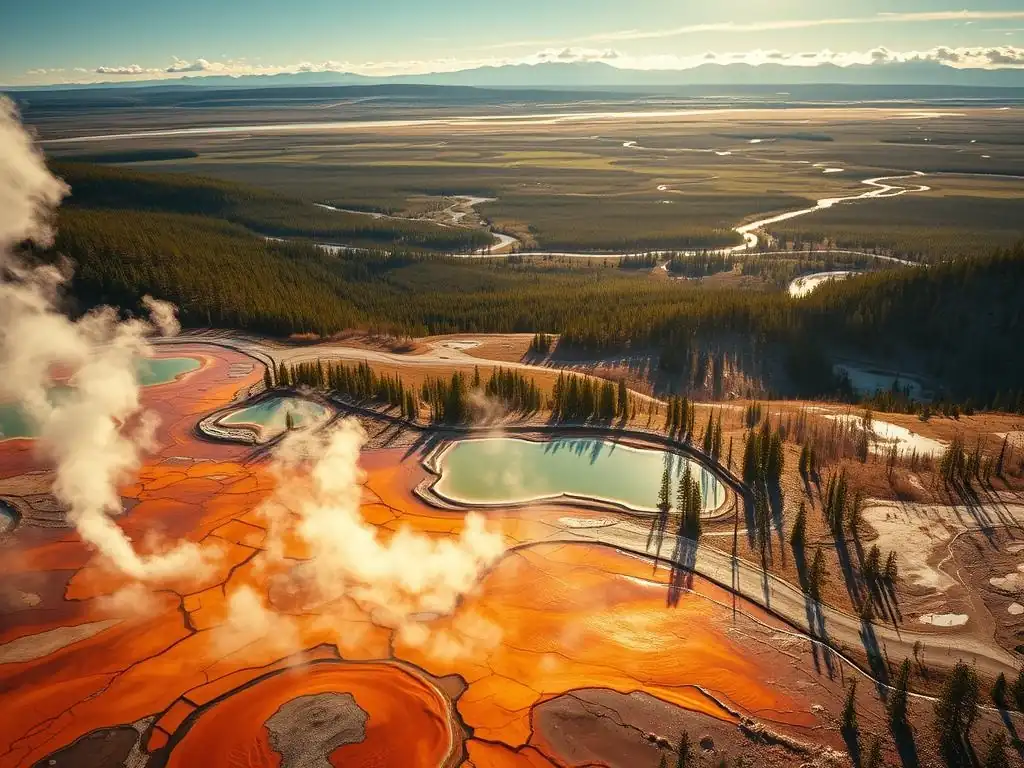
Welcome to Volcano Explorers!
Prepare to be mesmerized. Beneath the breathtaking landscapes of Yellowstone lies a sleeping giant, a supervolcano whose geothermal features whisper tales of immense power. But what secrets do these bubbling springs and hissing geysers truly hold? Our exploration of Yellowstone supervolcano geothermal features begins now, venturing into the heart of this extraordinary volcanic region to uncover the science, the beauty, and perhaps, a glimpse into its future. Are you ready to descend?
- Introduction: Unveiling Yellowstone's Geothermal Secrets
- Understanding Yellowstone's Geothermal System
- Exploring Yellowstone's Diverse Geothermal Features
- The Science Behind Yellowstone's Geothermal Features
- Geothermal Energy Potential in Yellowstone (and its limitations)
- Safety and Responsible Exploration of Yellowstone's Geothermal Areas
- The Future of Yellowstone's Geothermal Landscape
- Conclusion: Appreciating Yellowstone's Geothermal Wonders
-
Frequently Asked Questions
- What are the main types of geothermal features found in Yellowstone National Park?
- How does the Yellowstone supervolcano's activity create these geothermal features?
- What makes geysers like Old Faithful so predictable in their eruptions?
- Are the geothermal features in Yellowstone evidence of an imminent eruption?
- What safety precautions should visitors take when exploring Yellowstone's geothermal areas?
- Final Reflection: Embracing Yellowstone's Fiery Legacy
- Unearth Yellowstone's Secrets: Ignite Your Geothermal Adventure!
Introduction: Unveiling Yellowstone's Geothermal Secrets
The Yellowstone Supervolcano: More Than Just an Eruption Risk
Yellowstone National Park, a jewel in the crown of American wilderness, is globally renowned for its breathtaking landscapes and abundant wildlife. However, beneath this picturesque surface lies a geological giant: the Yellowstone supervolcano. While the term "supervolcano" often conjures images of catastrophic eruptions, Yellowstone's story is far more nuanced and continuous.
It's not just about potential volcanic explosions; it's about the constant, fascinating geothermal activity that shapes the park and makes it a unique place on Earth. This activity is a direct result of the immense volcanic system simmering beneath, a hidden heartbeat that manifests in spectacular displays of steam, water, and vibrant colors.
The geothermal features of Yellowstone are not merely a side note to its volcanic nature; they are integral to understanding the supervolcano itself. These features – geysers, hot springs, mud pots, and fumaroles – are surface expressions of the vast heat engine that powers Yellowstone.
They provide invaluable insights into the subterranean processes, offering scientists a window into the depths of the Earth. Exploring these geothermal wonders allows us to appreciate the dynamic and ever-changing nature of our planet, moving beyond the simplistic view of Yellowstone as solely an eruption risk and embracing it as a living, breathing geological marvel.
Hydrothermal Activity: Yellowstone's Continuous Show
Yellowstone's hydrothermal activity is a constant, mesmerizing spectacle, a testament to the immense energy radiating from below. Unlike volcanic eruptions, which are relatively infrequent and dramatic events, hydrothermal features offer a daily, ongoing display of the Earth's internal heat. Imagine a landscape dotted with erupting geysers, steaming hot springs painted with vibrant hues, bubbling mud pots, and hissing fumaroles – this is the reality of Yellowstone's geothermal areas. This continuous activity is driven by the heat from the Yellowstone supervolcano, making the park home to the largest concentration of geothermal features in the world, estimated to be over 10,000.
This constant hydrothermal activity is not static; it’s a dynamic system constantly evolving. Geysers erupt with varying frequency and intensity, hot springs change in temperature and color, and new features can appear while others fade away. This dynamism is a direct reflection of the complex interplay between heat, water, and geological structures beneath the surface. Understanding and appreciating this continuous, ever-changing show is key to truly grasping the geological significance of Yellowstone and the power of the Yellowstone supervolcano geothermal features.
Understanding Yellowstone's Geothermal System
The Heat Source: Magma Beneath Yellowstone
The driving force behind Yellowstone's spectacular geothermal features is the immense magma chamber residing beneath the surface. This is not a simple pool of molten rock, but a complex system of partially molten and solid rock extending deep into the Earth’s crust. Scientists estimate that the upper magma chamber, responsible for much of the geothermal activity, is roughly 50 miles long, 20 miles wide, and 5 miles thick. The heat emanating from this vast reservoir is the ultimate source of energy for all of Yellowstone's hydrothermal wonders.
This magma chamber is a remnant of Yellowstone's volcanic history, fueled by a plume of hot material rising from deep within the Earth's mantle. While the last major eruption occurred approximately 640,000 years ago, the heat from this magmatic system persists, radiating outwards and upwards. The temperature within the magma chamber is estimated to reach upwards of 1,472°F (800°C), providing an inexhaustible source of heat to drive the hydrothermal system and create the iconic Yellowstone supervolcano geothermal features.
Water's Role: Driving the Geothermal Processes
Water is the crucial medium that transforms the immense heat of the Yellowstone supervolcano into the visible geothermal phenomena we observe. Precipitation, primarily snow and rain, seeps into the ground, percolating downwards through porous rocks and fractured geological formations. This groundwater encounters the intense heat radiating from the magma chamber below, becoming superheated – reaching temperatures far exceeding the boiling point at the surface due to the pressure at depth.
This superheated water, now buoyant and carrying dissolved minerals, begins to rise back towards the surface through fissures and fractures in the Earth's crust. As it ascends, the pressure decreases, and the superheated water can flash to steam. This interplay of hot water and steam, along with the dissolved minerals picked up along the way, is the engine that powers geysers, hot springs, mud pots, and fumaroles. Without the abundant supply of groundwater in the Yellowstone region, the dramatic geothermal landscape would not exist, highlighting water's indispensable role in creating these Yellowstone supervolcano geothermal features.
Geological Structures: Pathways for Geothermal Activity
The geological structures beneath Yellowstone National Park act as the plumbing system for its geothermal wonders. Faults, fractures, and porous rock layers serve as pathways, channeling the superheated water from the depths towards the surface. These pathways are not random; they are dictated by the complex geological history of the region, shaped by tectonic forces, past volcanic eruptions, and ongoing geological processes. The specific arrangement of these structures significantly influences the type and location of geothermal features observed at the surface.
For example, geysers often form in areas with constricted pathways leading to the surface, allowing pressure to build up before a dramatic eruption. Hot springs, on the other hand, might emerge where broader, less constricted pathways allow for a more continuous flow of hot water. The composition of the rocks also plays a crucial role, influencing the mineral content of the geothermal waters and the types of hydrothermal features that develop. Understanding these intricate geological structures is essential for deciphering the distribution and behavior of Yellowstone's diverse Yellowstone supervolcano geothermal features.
Exploring Yellowstone's Diverse Geothermal Features
Geysers: Eruptions of Steam and Water
Geysers, perhaps the most iconic Yellowstone supervolcano geothermal features, are dramatic fountains of hot water and steam that erupt periodically into the air. These captivating displays are a result of a unique combination of heat, water, and constricted subsurface plumbing. Water heated far below the surface becomes superheated and pressurized. As steam bubbles form and expand, they push water upwards, eventually leading to a powerful eruption as the pressure is released. The intervals between eruptions can range from minutes to hours, or even days, depending on the specific geyser and its underground plumbing system.
Yellowstone boasts approximately 500 geysers, representing more than half of all geysers worldwide. These geysers vary significantly in size, eruption height, and eruption frequency, offering a diverse and fascinating spectacle for visitors. From small, predictable eruptions to towering, unpredictable displays, each geyser tells a unique story of the subsurface hydrothermal system and the dynamic processes at play within the Yellowstone supervolcano geothermal features landscape.
Old Faithful: Yellowstone's Iconic Geyser
Old Faithful, arguably the most famous geyser in the world, is a symbol of Yellowstone National Park and a prime example of the predictable beauty of Yellowstone supervolcano geothermal features. While not the largest or tallest geyser in Yellowstone, Old Faithful is renowned for its regularity. Eruptions occur approximately every 90 minutes, though intervals can range from about 60 to 110 minutes, projecting thousands of gallons of boiling water and steam high into the air. Eruption heights typically reach around 130-180 feet, and can sometimes exceed 200 feet.
The predictability of Old Faithful is due to its relatively simple and straightforward plumbing system. Water from underground reservoirs flows into a conduit, is heated by the surrounding hot rocks, and eventually erupts when enough steam pressure builds up. Scientists have studied Old Faithful extensively, using sophisticated techniques to understand its eruption patterns and the subsurface processes that govern its behavior. Despite being well-studied, Old Faithful continues to captivate millions of visitors each year, offering a reliable and awe-inspiring glimpse into Yellowstone's geothermal heart.
Steamboat Geyser: The World's Tallest Active Geyser
In stark contrast to the predictability of Old Faithful, Steamboat Geyser is known for its colossal, yet infrequent, major eruptions, making it a truly remarkable Yellowstone supervolcano geothermal feature. Steamboat Geyser holds the title of the world's tallest active geyser, capable of erupting water to heights exceeding 300 feet, and sometimes reaching over 400 feet. These major eruptions are powerful and dramatic events, ejecting vast quantities of water and steam with tremendous force.
However, major eruptions of Steamboat Geyser are unpredictable and infrequent, with intervals ranging from months to years, and sometimes even decades. Between major eruptions, Steamboat exhibits minor activity, with smaller bursts of water and steam. The plumbing system of Steamboat Geyser is believed to be far more complex than Old Faithful's, contributing to its erratic eruption behavior. Witnessing a major eruption of Steamboat Geyser is a rare and unforgettable experience, highlighting the immense power and unpredictability inherent in Yellowstone's geothermal system and the Yellowstone supervolcano geothermal features.
Hot Springs: Pools of Superheated Water
Hot springs are another prominent category of Yellowstone supervolcano geothermal features, characterized by pools of heated groundwater. Unlike geysers, hot springs do not erupt forcefully; instead, they are constantly releasing hot water and steam into the surrounding environment. The temperatures of hot springs can vary widely, ranging from pleasantly warm to scalding hot, sometimes reaching temperatures near boiling point. The vibrant colors often seen in hot springs are a result of thermophilic bacteria, microorganisms that thrive in these extreme, hot water environments.
Yellowstone is home to thousands of hot springs, each with unique characteristics influenced by water temperature, mineral content, and microbial communities. From small, bubbling pools to vast, terraced landscapes of steaming water, hot springs contribute significantly to the park's diverse geothermal landscape. They offer a mesmerizing display of color, steam, and the constant flow of geothermal energy, showcasing another facet of the Yellowstone supervolcano geothermal features.
Grand Prismatic Spring: A Rainbow of Microbial Life
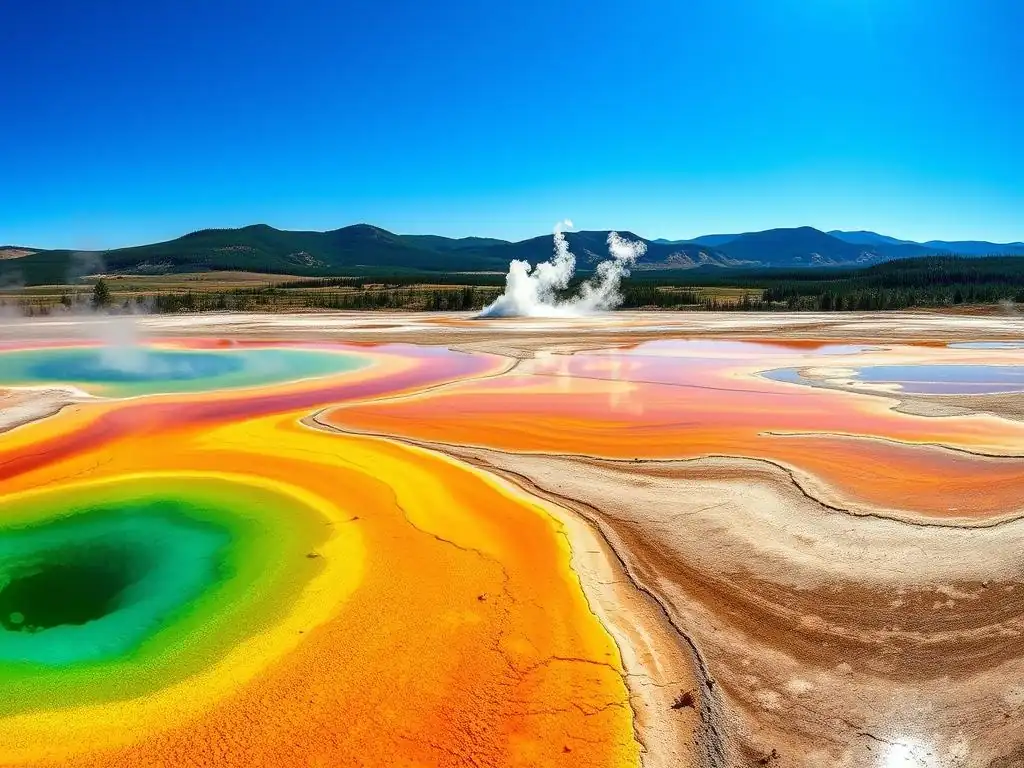
The Grand Prismatic Spring is the largest hot spring in Yellowstone and a globally recognized icon of Yellowstone supervolcano geothermal features. Its name, "Prismatic," aptly describes its stunning array of colors, resembling a rainbow. These vibrant hues, ranging from deep blues and greens in the center to yellows, oranges, and reds at the edges, are produced by different types of thermophilic bacteria thriving at varying temperatures within the spring. The hottest water, in the center, is typically sterile blue, while the cooler edges support diverse microbial communities that create the colorful rings.
Measuring approximately 370 feet in diameter and over 120 feet deep, the Grand Prismatic Spring is not only visually spectacular but also a significant geothermal feature. It continuously discharges a massive volume of superheated water, contributing significantly to the park's overall hydrothermal output. The Grand Prismatic Spring serves as a breathtaking example of the interplay between geology, biology, and chemistry, showcasing the unique ecosystems that thrive within Yellowstone's Yellowstone supervolcano geothermal features.
Morning Glory Pool: From Azure Beauty to Algae-Dominated Green
Morning Glory Pool, once famed for its intense azure blue color, serves as a cautionary tale about the fragility of Yellowstone supervolcano geothermal features and the impact of human actions. Historically, its deep blue hue, reminiscent of the morning glory flower, was due to the purity of the water and the way light scattered within the pool. However, over time, visitors began throwing objects, particularly coins and trash, into the pool, believing it brought good luck.
This debris partially blocked the vent of the hot spring, reducing water circulation and lowering the water temperature. As a result, cooler-temperature thermophiles, specifically algae, began to colonize the pool, gradually changing its color from vibrant blue to a less appealing greenish-yellow and now predominantly green. While still visually interesting, the Morning Glory Pool serves as a poignant reminder of the delicate balance within geothermal systems and the importance of responsible visitor behavior in preserving Yellowstone's natural wonders and Yellowstone supervolcano geothermal features.
Mud Pots: Bubbling Cauldrons of Clay
Mud pots are unique Yellowstone supervolcano geothermal features characterized by bubbling pools of hot, acidic mud. These features form in areas where hot water mixes with volcanic gases, particularly hydrogen sulfide, which reacts with the surrounding rock to create clay minerals. The bubbling action is caused by steam and other gases escaping from below, churning the mud into a thick, simmering slurry. Mud pots often exhibit a range of colors, from gray and brown to pink and even purplish hues, depending on the mineral content and oxidation state of the mud.
Unlike the clear waters of hot springs or the dramatic eruptions of geysers, mud pots offer a more visceral, almost primordial, geothermal experience. The constant bubbling, gurgling, and plopping sounds, combined with the earthy smells and the sight of thick mud churning, create a sensory encounter that highlights the raw power of Yellowstone's geothermal system and the diverse expressions of Yellowstone supervolcano geothermal features.
Fountain Paint Pot: A Colorful Display of Mud Volcanism
The Fountain Paint Pot area is a prime location to witness the colorful diversity of mud pots, showcasing the artistic side of Yellowstone supervolcano geothermal features. This area features a variety of mud pots with different colors and consistencies, ranging from thin, soupy mud to thick, pasty clay. The colors are derived from the oxidation of iron and other minerals within the mud, creating hues of white, pink, yellow, and red – reminiscent of paint pots.
The Fountain Paint Pot trail meanders through this geothermally active area, allowing visitors to observe mud pots up close, along with fumaroles and a small geyser. The varying textures and colors of the mud pots in this area provide a captivating visual display, demonstrating the diverse forms that Yellowstone supervolcano geothermal features can take, even within a relatively small area.
Mud Volcano Area: A Landscape Shaped by Acidic Waters
The Mud Volcano Area presents a dramatically different landscape compared to the Fountain Paint Pot, showcasing the erosive and transformative power of acidic Yellowstone supervolcano geothermal features. Here, the geothermal features are intensely acidic, with pH levels sometimes approaching those of battery acid. This high acidity is due to the oxidation of hydrogen sulfide gas into sulfuric acid, creating a harsh environment that drastically alters the surrounding landscape.
The Mud Volcano Area is characterized by features like the Mud Volcano itself, a large, collapsed mud pot, and Sulphur Caldron, one of the most acidic hot springs in the park. Trees are stunted or absent, and the ground is often barren and bleached white due to the acidic steam and gases. This area demonstrates the destructive yet creatively transformative power of geothermal activity, revealing another, more intense aspect of Yellowstone supervolcano geothermal features.
Fumaroles: Vents Releasing Steam and Gases
Fumaroles, also known as steam vents, are geothermal features that release steam and volcanic gases into the atmosphere. They are formed in areas where the groundwater is limited, or boils away completely before reaching the surface. Instead of water, fumaroles primarily emit steam, along with gases like carbon dioxide, sulfur dioxide, and hydrogen sulfide. The temperature of fumaroles can range from near boiling point to superheated steam exceeding 280°F (138°C).
Fumaroles are often characterized by a hissing or roaring sound as steam and gases are forcefully expelled from the vent. They are widespread throughout Yellowstone, particularly in areas of intense geothermal activity. While less visually dramatic than geysers or hot springs, fumaroles are an important component of the Yellowstone supervolcano geothermal features, representing the direct release of heat and gases from the subsurface volcanic system.
Roaring Mountain: A Symphony of Steam Vents
Roaring Mountain exemplifies the auditory aspect of fumaroles, creating a truly unique Yellowstone supervolcano geothermal feature experience. This mountainside is riddled with numerous fumaroles, emitting vast quantities of steam and gases. The sheer number and intensity of these vents create a constant, pervasive roaring sound, hence the mountain's name. This natural symphony of steam vents is audible from a considerable distance, announcing the intense geothermal activity within.
Roaring Mountain is a dramatic illustration of the degassing process of the Yellowstone supervolcano, with steam and volcanic gases escaping continuously from the fractured rock. The area is largely devoid of vegetation due to the intense heat and acidic gases. Visiting Roaring Mountain provides a sensory immersion into the raw power of Yellowstone's geothermal system, highlighting the less visible, yet equally significant, role of fumaroles within Yellowstone supervolcano geothermal features.
Norris Geyser Basin's Back Basin Fumaroles: Intense Steam Release
The Back Basin of Norris Geyser Basin is renowned for its concentration of highly acidic geothermal features, including some of the hottest and most intense fumaroles in Yellowstone, showcasing the extreme end of Yellowstone supervolcano geothermal features. Here, fumaroles release superheated steam and volcanic gases at temperatures exceeding 400°F (200°C) in some locations. These high-temperature fumaroles are indicative of a direct connection to the deep heat source beneath Yellowstone.
Features like Echinus Geyser, while technically a geyser, often exhibit fumarolic activity between eruptions, highlighting the close relationship between different types of Yellowstone supervolcano geothermal features. The Back Basin's fumaroles contribute significantly to the overall degassing of the Yellowstone volcanic system, releasing substantial amounts of heat and volcanic gases into the atmosphere and emphasizing the dynamic and powerful nature of Yellowstone's geothermal landscape.
The Science Behind Yellowstone's Geothermal Features
Geochemistry: Analyzing the Water and Gases
Geochemistry plays a crucial role in understanding Yellowstone supervolcano geothermal features. Scientists meticulously analyze the chemical composition of the water and gases emitted from geysers, hot springs, mud pots, and fumaroles. This analysis provides invaluable insights into the subsurface processes occurring within the Yellowstone hydrothermal system. By examining the concentrations of various elements and isotopes, researchers can determine the origin of the water, the temperature at depth, the types of rocks the water has interacted with, and the nature of the magmatic gases being released.
For instance, analyzing the ratio of helium isotopes can help differentiate between magmatic helium, originating from deep within the Earth, and crustal helium. The presence of specific dissolved minerals in hot spring water can indicate the types of rock formations the water has flowed through. Monitoring changes in the chemical composition of geothermal fluids over time can also provide early warnings of shifts in volcanic activity or alterations in the hydrothermal system, making geochemistry a vital tool in studying Yellowstone supervolcano geothermal features.
Monitoring: Tracking Changes in Geothermal Activity
Continuous monitoring is essential for tracking the dynamic nature of Yellowstone supervolcano geothermal features and assessing potential hazards. The Yellowstone Volcano Observatory (YVO), a consortium of scientists from the USGS, University of Utah, and Yellowstone National Park, employs a sophisticated network of instruments to monitor various aspects of Yellowstone's geothermal and volcanic activity. This network includes seismographs to detect earthquakes, GPS stations and tiltmeters to measure ground deformation, and gas sensors to monitor volcanic gas emissions.
Data from these monitoring instruments are continuously collected and analyzed to detect subtle changes in geothermal activity, such as variations in geyser eruption patterns, temperature fluctuations in hot springs, or shifts in ground deformation rates. These changes can provide clues about the underlying processes within the Yellowstone supervolcano and help scientists assess the likelihood of future volcanic or hydrothermal events. Regular monitoring is crucial for understanding the long-term behavior of Yellowstone supervolcano geothermal features and for providing timely warnings of potential hazards.
Microbes: Life Thriving in Extreme Environments
Yellowstone's geothermal features are not just geological wonders; they are also vibrant ecosystems teeming with microbial life. Thermophiles, or "heat-loving" microorganisms, thrive in the extreme temperatures and chemical conditions of hot springs, mud pots, and fumaroles. These microbes include bacteria, archaea, and viruses, exhibiting remarkable adaptations to survive and flourish in environments that would be lethal to most other forms of life. The vibrant colors observed in many hot springs, like the Grand Prismatic Spring, are often a direct result of these microbial communities.
These thermophilic microbes play a crucial role in the biogeochemical cycles within Yellowstone's geothermal systems. They contribute to the cycling of elements like sulfur, nitrogen, and carbon, and they are involved in the formation of unique mineral deposits. Furthermore, research into Yellowstone's thermophiles has significant biotechnological potential, with enzymes and other biomolecules derived from these organisms being used in various industrial and medical applications. The study of microbes in Yellowstone supervolcano geothermal features reveals the remarkable resilience and adaptability of life in extreme environments and highlights the interconnectedness of geological and biological processes.
Geothermal Energy Potential in Yellowstone (and its limitations)
Harnessing the Heat: A Controversial Topic
The immense geothermal heat emanating from Yellowstone supervolcano represents a vast potential source of clean, renewable energy. The idea of harnessing this heat to generate electricity or for direct heating purposes has been considered for decades. The geothermal gradient in Yellowstone is significantly higher than the global average, indicating a substantial heat resource at relatively shallow depths. Estimates suggest that the heat flow from Yellowstone could potentially generate a significant amount of power.
However, the prospect of developing geothermal energy within Yellowstone National Park is highly controversial. Yellowstone is a protected area, designated for its unique natural and geothermal resources. Any industrial development, including geothermal energy extraction, could potentially disrupt the delicate hydrothermal system, damage fragile geothermal features, and negatively impact the park's ecosystem and aesthetic values. Balancing the potential benefits of geothermal energy with the imperative to protect Yellowstone's unique environment is a complex and ongoing debate.
Environmental Considerations: Protecting Yellowstone's Ecosystem
Environmental concerns are paramount when considering geothermal energy development in or near Yellowstone National Park. The hydrothermal system is intricately linked to the park's ecosystem, supporting unique microbial communities, influencing water chemistry in rivers and lakes, and shaping the landscape. Geothermal energy extraction could potentially alter groundwater flow patterns, reduce the discharge of hot springs and geysers, and impact the habitats of thermophilic organisms and other wildlife.
Furthermore, drilling and infrastructure development associated with geothermal energy projects could lead to habitat fragmentation, noise pollution, and visual intrusion into the park's pristine landscapes. The potential for induced seismicity, although debated, is another environmental risk associated with geothermal extraction in tectonically active areas like Yellowstone. Thorough environmental impact assessments and stringent regulations would be essential to mitigate these risks and ensure the long-term protection of Yellowstone's ecosystem if geothermal development were to be pursued.
Sustainable Practices: Balancing Energy Needs and Conservation
If geothermal energy development were to be considered around Yellowstone, sustainable practices and careful planning would be absolutely critical. Closed-loop geothermal systems, which reinject the geothermal fluids back into the subsurface after heat extraction, are generally considered more environmentally friendly than traditional open-loop systems. Careful site selection, away from sensitive geothermal areas and critical wildlife habitats, would be essential. Rigorous monitoring of geothermal features, groundwater levels, and seismic activity would be necessary to detect and mitigate any potential impacts.
Furthermore, any geothermal energy development near Yellowstone would need to be carefully balanced with conservation goals and the long-term preservation of the park's unique resources. Public consultation and stakeholder engagement would be crucial to ensure transparency and address concerns from environmental groups, scientists, and the public. Ultimately, the decision of whether and how to harness geothermal energy near Yellowstone requires a comprehensive assessment of the potential benefits and risks, prioritizing the protection of this irreplaceable natural treasure and its Yellowstone supervolcano geothermal features.
Safety and Responsible Exploration of Yellowstone's Geothermal Areas
Staying on Marked Trails: Protecting Yourself and the Environment
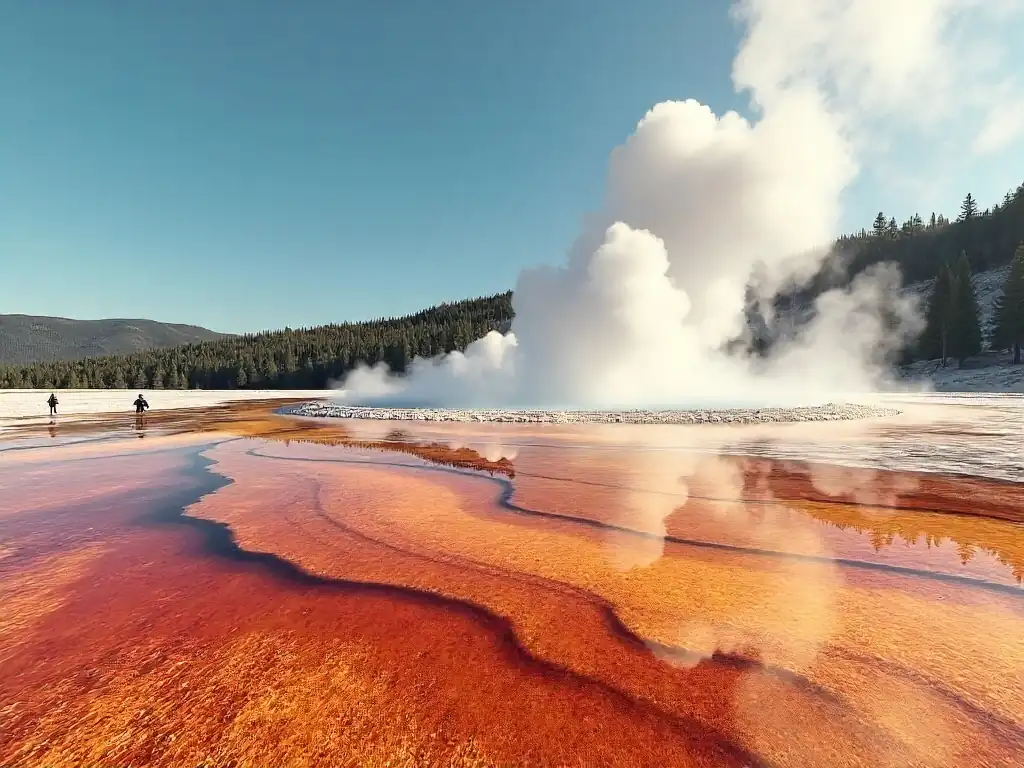
Safety is paramount when exploring Yellowstone's geothermal areas. The park's boardwalks and marked trails are carefully designed to provide safe access to geothermal features while minimizing environmental impact. Staying on designated trails is crucial for visitor safety, as the ground around geothermal features can be unstable, thin, and easily collapse, potentially leading to serious burns from scalding water or steam. Water temperatures in hot springs and geysers can reach boiling point, posing a significant burn hazard.
Venturing off-trail not only puts visitors at risk but also damages fragile geothermal formations and disturbs sensitive microbial habitats. Crusts around hot springs can be easily broken, and even walking on seemingly solid ground off-trail can compact soils and disrupt natural drainage patterns. Staying on marked trails ensures both personal safety and the preservation of Yellowstone's unique Yellowstone supervolcano geothermal features for future generations.
Understanding the Risks: Scalding Water and Unstable Ground
Visitors to Yellowstone's geothermal areas must be aware of the inherent risks associated with these dynamic environments. Scalding water is the primary hazard, with temperatures in hot springs and geysers often exceeding 170°F (77°C) and reaching boiling point (199°F or 93°C at Yellowstone's elevation). Even brief contact with this superheated water can cause severe burns. Children and pets are particularly vulnerable and require close supervision in geothermal areas.
Unstable ground is another significant risk. The thin crusts around hot springs and mud pots can collapse underfoot, and areas near fumaroles may be weakened by acidic steam and gases. Mud pots can splash hot mud, and geysers can erupt unexpectedly. Reading and heeding warning signs, maintaining a safe distance from geothermal features, and being aware of surroundings are essential safety precautions when exploring Yellowstone supervolcano geothermal features.
Leave No Trace: Preserving Yellowstone's Natural Beauty
Responsible exploration of Yellowstone’s geothermal areas also means practicing Leave No Trace principles. This includes packing out everything you pack in, staying on marked trails, and avoiding any disturbance to the natural environment. Do not throw objects into geothermal features, as this can alter water chemistry, clog vents, and harm microbial communities, as seen with the Morning Glory Pool. Do not collect rocks, plants, or other natural items from geothermal areas.
Respect wildlife by observing animals from a safe distance and never feeding them. Keep noise levels down to appreciate the natural sounds of the park and avoid disturbing other visitors. By practicing Leave No Trace principles, visitors can help preserve the beauty and integrity of Yellowstone's Yellowstone supervolcano geothermal features and ensure that these wonders remain for others to enjoy for years to come.
The Future of Yellowstone's Geothermal Landscape
Climate Change Impacts: Potential Effects on Geothermal Activity
Climate change poses a potential threat to Yellowstone's geothermal landscape, although the exact impacts are still being researched. Changes in precipitation patterns, such as altered snowpack and rainfall amounts, could affect groundwater recharge and the overall water balance of the hydrothermal system. Increased temperatures could lead to greater evaporation from hot springs and geysers, potentially altering their water levels and eruption patterns.
While the deep heat source of Yellowstone supervolcano is unlikely to be directly affected by climate change, the surface expressions of geothermal activity – the Yellowstone supervolcano geothermal features – could be modified. Some studies suggest that changes in snowmelt timing could influence geyser eruption intervals. Long-term monitoring and research are needed to fully understand the complex interactions between climate change and Yellowstone's geothermal system and to predict potential future changes in Yellowstone supervolcano geothermal features.
Research and Conservation Efforts: Protecting Yellowstone's Unique Ecosystem
Ongoing research and conservation efforts are crucial for protecting Yellowstone's unique geothermal ecosystem and the Yellowstone supervolcano geothermal features. The Yellowstone Volcano Observatory continues to monitor geothermal activity and conduct research to better understand the underlying processes and potential hazards. Scientists are studying the geochemistry of geothermal fluids, the microbiology of thermophilic communities, and the geological structures that control hydrothermal activity.
Conservation efforts focus on protecting geothermal areas from human impacts, such as vandalism, off-trail travel, and pollution. Park managers implement regulations, maintain trails and boardwalks, and educate visitors about responsible exploration practices. Collaborative efforts between scientists, park managers, and the public are essential to ensure the long-term preservation of Yellowstone's extraordinary geothermal resources and the Yellowstone supervolcano geothermal features.
Potential for Increased Geothermal Activity in Specific Regions
While major volcanic eruptions are infrequent events in Yellowstone's history, localized increases in geothermal activity are more common and can occur in specific regions of the park. Changes in geyser eruption patterns, increased steam discharge from fumaroles, or the appearance of new hot springs or mud pots are all indicators of potential shifts in geothermal activity. These changes can be caused by various factors, including subtle shifts in magma movement beneath the surface, changes in groundwater flow, or even seismic activity.
It is important to note that increased geothermal activity does not necessarily indicate an impending volcanic eruption. In most cases, these changes are part of the natural dynamic behavior of the Yellowstone hydrothermal system. However, monitoring these changes is crucial for understanding the ongoing processes within the Yellowstone supervolcano and for assessing any potential hazards associated with Yellowstone supervolcano geothermal features.
Conclusion: Appreciating Yellowstone's Geothermal Wonders
Yellowstone Supervolcano Geothermal Features: A Legacy to Protect
Yellowstone National Park's geothermal features are a globally significant natural wonder, a testament to the immense power and dynamic nature of the Earth's internal heat. From the iconic eruptions of Old Faithful to the vibrant colors of Grand Prismatic Spring and the bubbling mud pots of Fountain Paint Pot, these Yellowstone supervolcano geothermal features offer a captivating and educational glimpse into the subterranean forces shaping our planet. They are not just geological curiosities; they are integral components of a complex and interconnected ecosystem, supporting unique microbial life and influencing the broader landscape.
Protecting this legacy of Yellowstone supervolcano geothermal features is a shared responsibility. Responsible exploration, adherence to safety guidelines, and ongoing conservation efforts are essential to ensure that these remarkable wonders remain for future generations to appreciate and learn from. Understanding and valuing Yellowstone's geothermal treasures enriches our appreciation of the natural world and underscores the importance of stewardship in preserving these irreplaceable resources.
Further Exploration: Resources for Learning More About Yellowstone
For those eager to delve deeper into the fascinating world of Yellowstone supervolcano geothermal features, numerous resources are available. The Yellowstone National Park website (nps.gov/yell) provides comprehensive information on park geology, geothermal features, safety guidelines, and visitor information. The U.S. Geological Survey's Yellowstone Volcano Observatory (usgs.gov/volcanoes/yellowstone) offers scientific data, monitoring updates, and educational materials on Yellowstone's volcanic and geothermal activity.
Books, documentaries, and reputable online resources can further expand your knowledge of Yellowstone's geothermal wonders. Visiting Yellowstone National Park itself, exploring the boardwalks, and experiencing the geothermal features firsthand is undoubtedly the most immersive and rewarding way to appreciate the hidden heartbeat of this supervolcano and the captivating Yellowstone supervolcano geothermal features it creates.
Frequently Asked Questions
What are the main types of geothermal features found in Yellowstone National Park?
Yellowstone boasts a diverse range of geothermal features, including hot springs, geysers, and mud pots. These are all powered by the supervolcano beneath.
How does the Yellowstone supervolcano's activity create these geothermal features?
The underlying magma chamber heats groundwater, which then rises to the surface through cracks and fissures. This creates the thermal activity that drives Yellowstone's geysers and hot springs.
What makes geysers like Old Faithful so predictable in their eruptions?
Old Faithful's predictability is due to its unique underground plumbing system. This allows steam to build up in a predictable manner, leading to regular eruptions.
Are the geothermal features in Yellowstone evidence of an imminent eruption?
While the geothermal activity is a sign of the active supervolcano, it doesn't necessarily indicate an imminent eruption. Scientists continuously monitor the area for any changes.
What safety precautions should visitors take when exploring Yellowstone's geothermal areas?
Visitors should always stay on marked trails and boardwalks to avoid burns from hot water and unstable ground. Never approach or touch any geothermal feature.
Final Reflection: Embracing Yellowstone's Fiery Legacy
The vibrant tapestry of Yellowstone's geothermal features, as we've explored, is not merely a collection of hot springs and geysers; it's a living, breathing testament to the Earth's raw power. These wonders, born from the heart of a supervolcano, are not relics of the past, but dynamic forces shaping our present and influencing our future understanding of planetary processes. They serve as a constant reminder of the immense energy simmering beneath our feet, a force both awe-inspiring and humbling.
The enduring allure of Yellowstone's geothermal landscape lies in its ability to connect us to something far larger than ourselves. Witnessing Old Faithful erupt, or gazing into the mesmerizing depths of the Grand Prismatic Spring, evokes a profound sense of wonder and a deep appreciation for the delicate balance of nature. This connection is crucial, especially in an age where we often feel disconnected from the natural world. In wilderness is the preservation of the world,
Henry David Thoreau wisely stated, and Yellowstone, with its untamed geothermal heart, embodies this truth.
As we conclude this exploration of Yellowstone's hidden heartbeat, let us carry forward a renewed sense of respect and responsibility. Consider how you can contribute to the preservation of this extraordinary landscape, not just for ourselves, but for generations to come. Let the geothermal wonders of Yellowstone inspire you to seek out the hidden beauty and power within the natural world, and to become a steward of our planet's precious resources.
Unearth Yellowstone's Secrets: Ignite Your Geothermal Adventure!
Thanks for diving into the fascinating world of Yellowstone's geothermal wonders! We hope you've discovered a new appreciation for the powerful forces shaping this incredible landscape. Now, it's time to transform your newfound knowledge into action and further explore the magic.
Here are a few ways you can continue your Yellowstone journey:
- Plan Your Own Geothermal Pilgrimage: Research and map out a personalized tour focusing on Yellowstone's less-traveled geothermal areas. Consider off-season travel for a more intimate experience. This is your primary action!
- Share the Excitement: Create a compelling social media post with your favorite Yellowstone geothermal fact and use the hashtag #VolcanoExplorers to connect with fellow enthusiasts.
- Dive Deeper: Research one specific geothermal feature mentioned in the article (e.g., a particular geyser or hot spring) and uncover its unique history and scientific properties.
Ready to start planning your own Yellowstone geothermal expedition, or share your favorite fact with the world? What unexpected geothermal wonder are you most eager to uncover?