Volcanic Eruptions in Art and Literature Throughout History
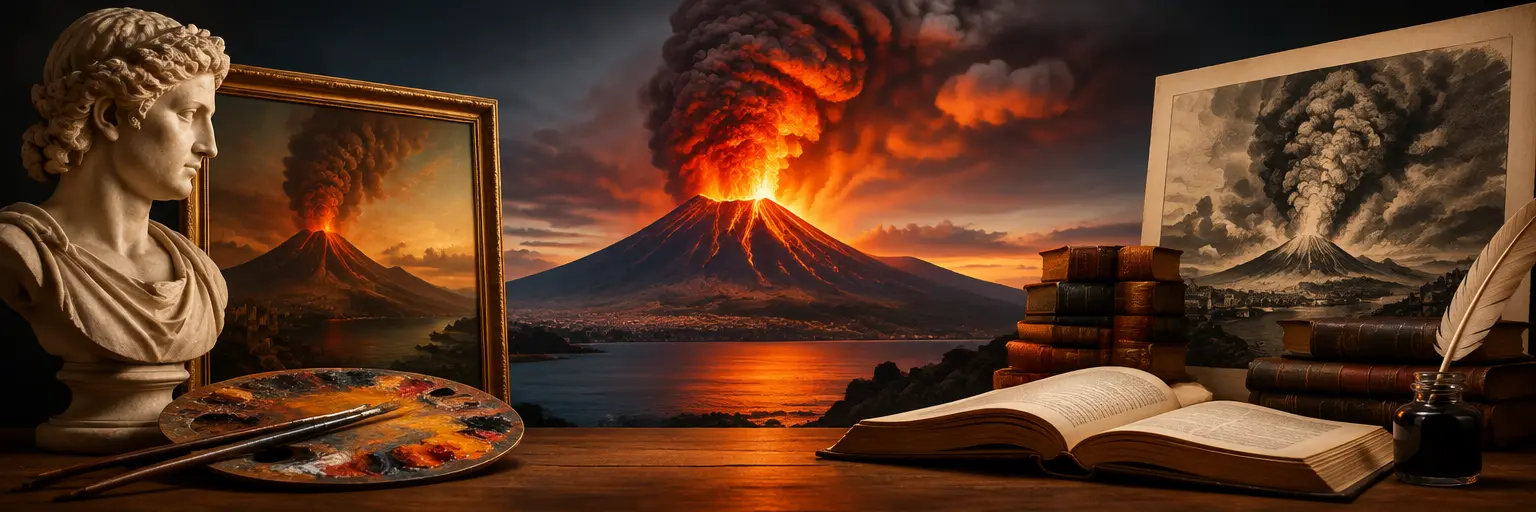
Explore how humanity has immortalized volcanic fury and beauty through the centuries. From ancient Pompeii frescoes to modern climate fiction, this subcategory uncovers the cultural lens through which we interpret eruptions. Discover how artists and writers transform geological catastrophe into lasting emotional and intellectual expression, bridging science with the human soul.
🌋 Classical Depictions: From Pompeii to Renaissance Allegory
Roman frescoes and Pliny the Younger’s letters provide the earliest vivid accounts of Vesuvius in 79 AD. These works blend eyewitness terror with divine punishment themes, setting a template for volcanic narrative. Renaissance artists later used eruptions as metaphors for divine wrath and human hubris, embedding volcanoes in allegorical landscapes.
Medieval illuminated manuscripts often depicted eruptions as flaming mountains, merging biblical symbolism with observed phenomena. The Bayeux Tapestry-like chronicles recorded eruption timelines, while poets like Dante imagined volcanic pits as gates to hell. These early works established volcanoes as recurring motifs for both literal and moral destruction, influencing later romantic and scientific interpretations.
📜 19th-Century Romanticism: Sublime Terror and the Rise of Travel Writing
Romantic poets like Lord Byron and Shelley transformed eruptions into symbols of untamed nature, contrasting industrialization’s control with volcanic chaos. Painters such as J.M.W. Turner captured Krakatoa’s 1883 glow, using dramatic light to evoke awe and insignificance. Travel narratives from explorers like Alexander von Humboldt made eruptions accessible to armchair audiences, blending science with personal peril.
This era saw the first illustrated volcanology books, combining copperplate engravings with scientific descriptions. Writers like Jules Verne incorporated eruptions into adventure plots, while American authors used Hawaiian volcanoes to explore manifest destiny and exoticism. The sublime aesthetic—terror mingled with beauty—dominated, shaping public perception of eruptions as both catastrophic and majestic.
🎨 Modernist and Surrealist Visions: Volcanoes as Psychological Landscapes
In the 20th century, artists like Georgia O’Keeffe and Salvador Dalí used volcanic forms to express internal states, from isolation to dreamlike anxiety. Literature from Graham Greene to Haruki Murakami employed eruptions as metaphors for repressed memory or societal collapse. Surrealist photography and film depicted molten flows as subconscious torrents, while abstract expressionists channeled volcanic energy into gestural brushstrokes.
Post-war Japanese literature, particularly after 1945, used volcanic imagery to process trauma and impermanence. Similarly, Latin American magical realism, as in Gabriel García Márquez, embedded eruptions in mythic village histories. Documentary films and photo essays from UNESCO sites further immortalized eruptions, blending advocacy with aesthetics to preserve vulnerable cultures.
📚 Contemporary Eco-Literature and Climate Fiction: Eruptions as Warning Signals
Recent novels and poetry increasingly frame eruptions within climate change discourse, viewing them as both natural cycles and human-induced crises. Works like Kim Stanley Robinson’s Forty Signs of Rain and Richard Powers’ The Overstory incorporate volcanic ash as a reset mechanism for ecosystems and societies. Graphic novels and video games, such as Frostpunk, use eruptions to simulate environmental collapse.
Contemporary indigenous artists, from Māori to Andean communities, reclaim volcanic narratives as ancestral knowledge, blending oral tradition with modern visual media. Climate fiction (cli-fi) often juxtaposes geological time with human urgency, urging readers to respect planetary forces. This subcategory highlights how current art and literature reposition eruptions from isolated disasters to interconnected ecological reminders.
🎭 Performance, Film, and Digital Media: Eruptions on Stage and Screen
Operas like La Wally and films such as Dante’s Peak dramatize eruptions with special effects, yet recent indie productions emphasize human fragility over spectacle. Theater pieces use volcanic soundscapes and projections to create immersive experiences, while virtual reality installations allow users to “witness” historical eruptions safely. Digital artists generate real-time data visualizations of seismic activity, turning science into art.
Documentaries like Fire of Love (2022) honor the Kraffts’ obsession, blending archival footage with poetic narration. Social media platforms now host eruption artists who create timelapse paintings, while meme culture turns eruptions into metaphors for personal meltdowns. This diversity underscores how technology democratizes volcanic storytelling, reaching global audiences instantaneously.
Frequently Asked Questions
How were volcanic eruptions depicted before photography?
Before photography, artists relied on eyewitness sketches, engravings, and paintings. These often exaggerated flames and flows for dramatic effect, as seen in 17th-century woodcuts of Vesuvius. Written accounts, like those from Pliny, also guided visual reconstruction, blending observation with artistic license to convey scale and horror.
What is the role of indigenous volcano mythology in literature?
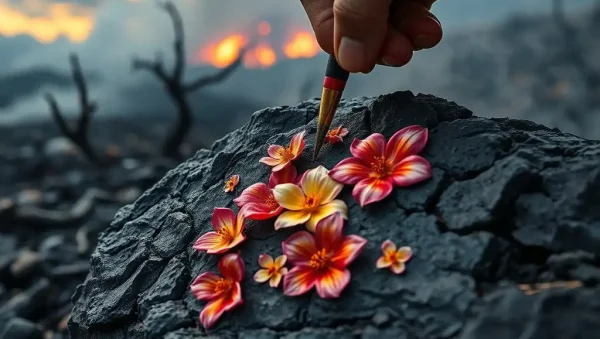
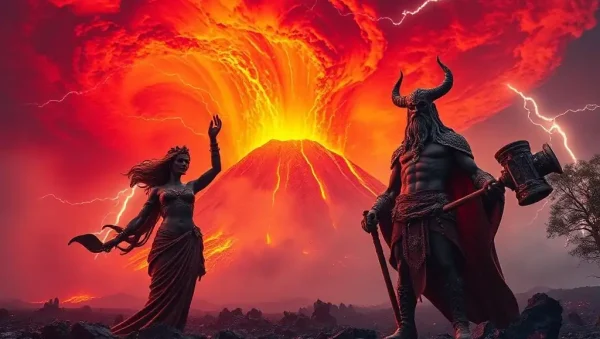
Indigenous myths, such as Pele from Hawaii or the Māori deity Ruumoko, frame eruptions as spiritual acts, not random disasters. Modern authors incorporate these perspectives into storytelling, emphasizing reciprocity with nature rather than dominion. This enriches narratives with cyclical time and ancestral memory, challenging Western catastrophic tropes.
Why did Romantic painters focus on volcanic eruptions?
Romantics valued the sublime—a mix of awe and terror—which eruptions embodied perfectly. They also responded to Enlightenment science, using volcanoes to question human control over nature. Painters like Copley and Turner exaggerated scale to remind viewers of their fragility, aligning with poetry that celebrated wild, untamed landscapes.
How has climate fiction changed eruption narratives?
Climate fiction reframes eruptions as warning signs of ecological imbalance, often linking them to human-induced warming or exploitation. Unlike earlier disaster tales, these stories focus on slow recovery, community resilience, and systemic critique. They use volcanic events to explore ethical choices rather than pure survival, mirroring current environmental debates.
What digital tools now allow artists to represent volcanic activity?
Artists use real-time seismic data, satellite images, and 3D simulations to create accurate yet expressive visualizations. VR headsets let viewers traverse virtual lava flows, while generative AI can produce eruption-inspired abstract art. These tools bridge scientific monitoring with emotional storytelling, enabling immersive education and novel aesthetic forms.