
Volcanic Hot Springs Cuisine: Slow Cooking Secrets of Geothermal Waters

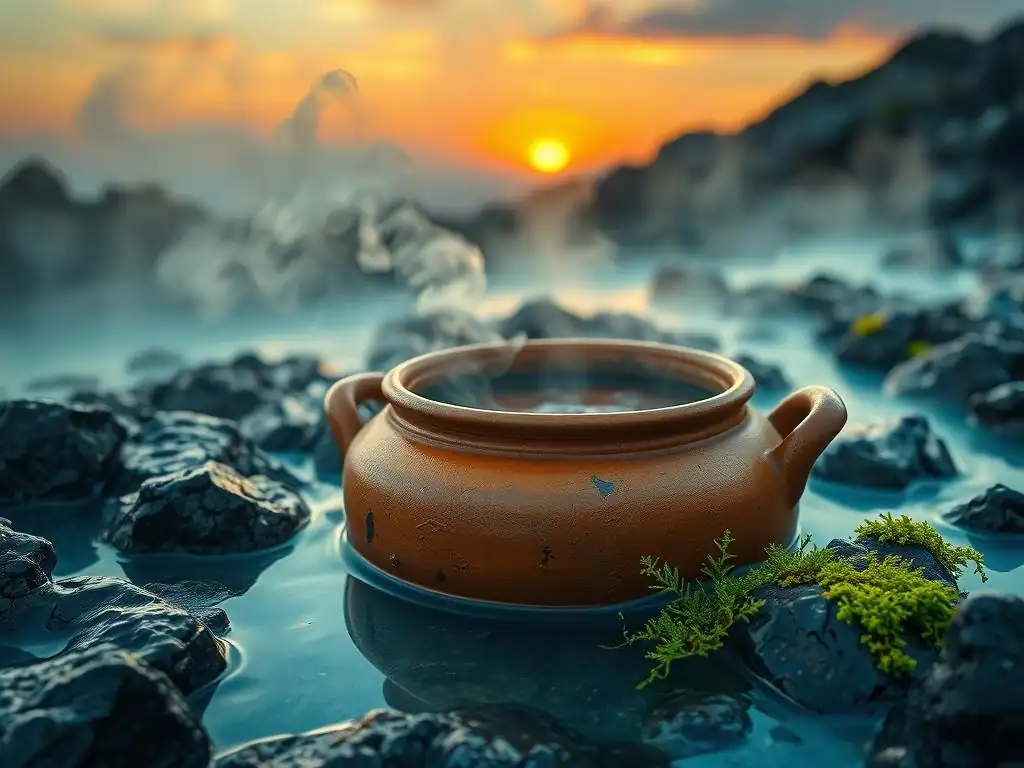
Welcome to Volcano Explorers!
Ever wondered how nature's raw power can transform into a culinary masterpiece? Prepare to be amazed! We're diving deep into the fascinating world of cooking with volcanic hot springs, uncovering the ancient traditions and modern techniques that harness geothermal energy for unique and delicious dishes. This isn't just about boiling an egg; it's about understanding a centuries-old connection between culture and the earth’s fiery heart. What secrets lie beneath the surface, and what incredible flavors are waiting to be discovered? Let's explore!
- Introduction to Geothermal Cooking: A Culinary Adventure
- Understanding Volcanic Hot Springs and Their Culinary Potential
- Traditional Methods of Cooking with Geothermal Resources
- The Unique Flavors of Geothermal Cuisine
- Recipes Using Geothermal Resources: A Step-by-Step Guide
- Health Benefits and Considerations of Geothermal Cooking
- The Future of Geothermal Cuisine: Innovation and Preservation
- Conclusion: Savoring the Flavors of the Earth
- Frequently Asked Questions
- Final Reflection: Embracing the Earth's Culinary Embrace
Introduction to Geothermal Cooking: A Culinary Adventure
Volcanoes and Culinary Traditions: Exploring the Connection
Volcanoes, often perceived as forces of destruction, are also surprisingly intertwined with culinary traditions across the globe. For centuries, communities living in volcanic regions have ingeniously harnessed the Earth's natural heat for cooking, a practice known as geothermal cooking.
This method is not just about utilizing a readily available energy source; it's a deep-rooted cultural practice that shapes local cuisines and connects people to their volcanic landscapes in a unique and flavorful way. From steaming pits in the ground to simmering hot springs, volcanic areas offer a diverse range of geothermal features that have been adapted for culinary purposes, creating dishes that are both distinctive and deeply connected to their environment.
The link between volcanoes and food goes beyond just cooking. Volcanic soils, rich in minerals, contribute to fertile lands that yield unique agricultural products. In areas like the slopes of Mount Etna in Sicily or the volcanic regions of Japan, the mineral-rich earth is celebrated for producing exceptional wines, fruits, and vegetables.
These ingredients, often cooked using geothermal energy, form a complete culinary ecosystem where the volcano's influence is felt from the soil to the plate. This holistic connection underscores the importance of volcanoes in shaping not just landscapes, but also the very essence of local food cultures, making geothermal cooking a fascinating chapter in the broader narrative of volcanic influence on human life.
The Allure of Cooking with Volcanic Hot Springs
The allure of cooking with volcanic hot springs extends beyond mere practicality; it's an experience that engages multiple senses and connects us to the primal forces of nature. Imagine preparing a meal using the Earth's internal heat, a source of energy that has shaped the planet for millennia. This is the essence of cooking with volcanic hot springs.
The steam rising from the vents, the bubbling mud pools, and the mineral-rich waters create a dramatic and captivating backdrop for culinary endeavors. This method of cooking is inherently slow, gentle, and imbued with a sense of tradition, offering a stark contrast to the fast-paced, technology-driven kitchens of modern life.
Beyond the captivating setting, cooking with volcanic hot springs imparts unique flavors and textures to food. The slow, moist heat tenderizes meats and vegetables, allowing for deep flavor development. The mineral composition of the geothermal waters can also subtly influence the taste, adding a distinct terroir to the dishes.
For example, the sulfurous notes in some hot springs can impart a delicate smoky flavor, while other minerals contribute subtle savory or earthy undertones. This combination of natural flavors, slow cooking, and the dramatic setting makes cooking with volcanic hot springs a truly unforgettable culinary adventure, attracting food enthusiasts and cultural explorers alike who seek authentic and deeply rooted gastronomic experiences.
Understanding Volcanic Hot Springs and Their Culinary Potential
What are Volcanic Hot Springs? Geothermal Features Explained
Volcanic hot springs are manifestations of geothermal activity, where groundwater is heated by magma beneath the Earth's surface and rises to the surface. These natural wonders are prevalent in volcanically active regions around the world, showcasing the Earth's internal heat in a tangible and often spectacular way. The temperature of hot springs can vary significantly, ranging from comfortably warm to scalding hot, sometimes exceeding boiling point. This temperature variation is crucial for their culinary applications, as different dishes require specific heat levels for optimal cooking.
Geothermal features associated with hot springs extend beyond just pools of hot water. They can include steaming vents (fumaroles), bubbling mud pots, and geysers, each offering different forms of geothermal energy that can be harnessed for cooking. For instance, fumaroles release steam and volcanic gases, which can be used for steaming foods.
Mud pots, while not directly used for cooking, are indicators of geothermal heat and often found in proximity to usable hot springs. Geysers, erupting hot water and steam, are less directly applicable to cooking due to their intermittent nature, but the broader geothermal area they represent often contains more consistent hot spring sources. Understanding these diverse geothermal features is key to appreciating the range of culinary possibilities they offer.
The Science Behind Geothermal Heat for Cooking
The science behind geothermal heat for cooking is rooted in the Earth's internal thermal energy. Radioactive decay in the Earth's core and mantle generates immense heat, which is conducted towards the surface. In volcanically active areas, magma, molten rock from the mantle, is closer to the surface, further intensifying the heat flow. Groundwater percolating through the earth's crust comes into contact with these hot rocks and magma reservoirs, heating it to significant temperatures. This heated water then rises to the surface through fissures and permeable rock layers, emerging as hot springs, fumaroles, and other geothermal features.
For cooking purposes, geothermal heat provides a consistent and moist heat source, ideal for slow cooking methods. Unlike conventional cooking methods that rely on direct flames or electric elements, geothermal heat is diffused and gentle. This slow, even heating is crucial for tenderizing tougher cuts of meat, allowing complex flavors to develop in stews and braises, and achieving the perfect texture in baked goods.
The steam from hot springs and fumaroles provides a naturally humid environment, preventing food from drying out during the cooking process. Furthermore, the mineral content of geothermal waters can influence the cooking process by affecting the boiling point of water and potentially interacting with food components, contributing to the unique characteristics of geothermal cuisine.
Safety Precautions When Using Geothermal Resources for Food Preparation
While the allure of cooking with geothermal resources is undeniable, safety must be the paramount consideration. Volcanic hot springs, while natural kitchens, are not without risks. Firstly, water temperatures can be extremely high and unpredictable. Boiling or near-boiling water can cause severe burns instantly. It is crucial to accurately assess the temperature before attempting to cook, using thermometers designed for high temperatures and exercising extreme caution. Never assume a hot spring is safe to touch or use without proper assessment.
Secondly, geothermal waters often contain dissolved minerals and gases, some of which can be harmful. High concentrations of sulfur, arsenic, mercury, and other elements can be present in volcanic hot springs. Ingesting food cooked in or with contaminated water can lead to health issues, ranging from mild gastrointestinal upset to more serious poisoning. It is essential to know the composition of the hot spring water being used.
Local authorities or geothermal experts can provide information on water safety. In areas where water quality is uncertain, indirect cooking methods, such as steaming food wrapped in heat-resistant materials over geothermal vents, are safer alternatives. Always prioritize safety and err on the side of caution when exploring geothermal cooking.
Traditional Methods of Cooking with Geothermal Resources
Iceland: Geothermal Baking of Rye Bread (Rúgbrauð)
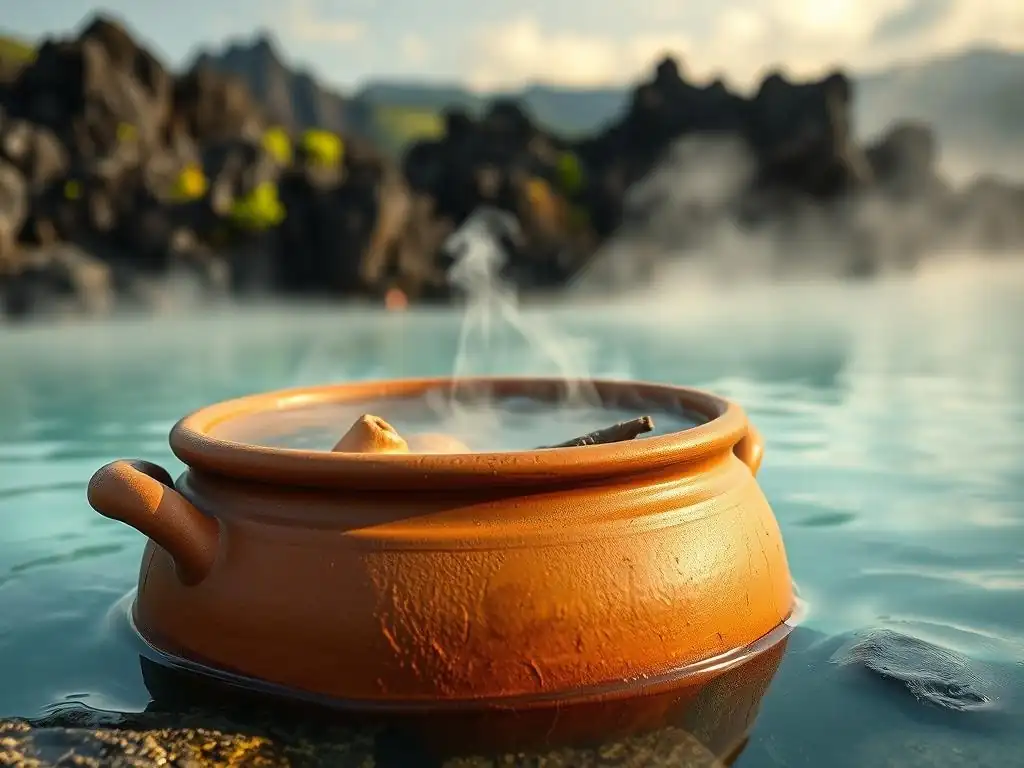
Iceland, a land forged by volcanic activity, has a long and rich tradition of geothermal cooking, most famously exemplified by Rúgbrauð, a dense, dark rye bread baked using geothermal heat. This unique bread is not baked in an oven in the conventional sense, but rather buried in the ground near hot springs or geothermal areas.
Traditionally, dough made from rye flour, water, and a touch of sweetener is placed in a tightly sealed pot or container. This container is then buried in the warm earth, often in designated geothermal fields where the ground temperature remains consistently high, typically around 100°C (212°F).
The slow, consistent heat of the earth bakes the Rúgbrauð for approximately 12 to 24 hours, depending on the ground temperature and desired texture. This extended cooking time, facilitated by geothermal energy, results in a bread that is incredibly moist, dense, and slightly sweet, with a distinctive earthy flavor. The geothermal baking process not only imparts a unique taste but also reflects Iceland's resourceful adaptation to its volcanic environment. Rúgbrauð is a staple in Icelandic cuisine, often enjoyed with butter, smoked salmon, or hangikjöt (smoked lamb), and serves as a delicious testament to the island's geothermal culinary heritage.
New Zealand: Māori Hāngi Cooking and Geothermal Steaming
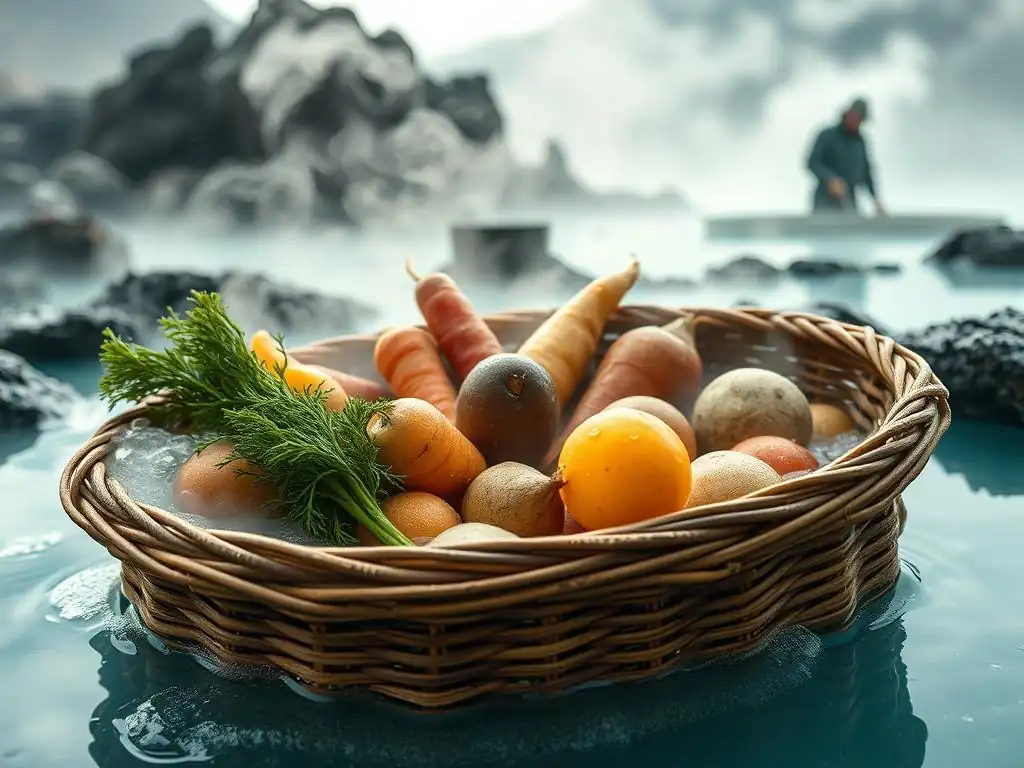
In New Zealand, the indigenous Māori people have ingeniously utilized geothermal resources for cooking for centuries, developing the hāngi and geothermal steaming techniques. While hāngi typically involves a pit oven using heated stones, geothermal areas offer a natural, readily available heat source that simplifies the process. In geothermal regions like Rotorua, Māori communities have adapted hāngi to leverage natural steam vents and hot grounds. Instead of digging a pit and heating stones, food is placed in baskets or wrapped in leaves and lowered directly into steaming vents or buried in thermally active soil.
Geothermal steaming is another prevalent Māori cooking method. Food, often consisting of root vegetables like potatoes and kumara (sweet potato), meats such as chicken or pork, and seafood, is wrapped in leaves or placed in baskets and then steamed over geothermal vents or hot springs.
The natural steam cooks the food gently and thoroughly, infusing it with a subtle earthy flavor and retaining its moisture. Geothermal cooking methods like hāngi and steaming are not merely about sustenance for Māori culture; they are deeply intertwined with cultural identity, communal gatherings, and a profound respect for the natural environment, particularly the geothermal landscapes.
Japan: Onsen Tamago (Hot Spring Eggs) and Jigoku Mushi (Hell Steaming)
Japan, another volcanically active nation, boasts a rich tradition of onsen (hot spring) culture, which naturally extends to culinary practices. Perhaps the most iconic geothermal food in Japan is Onsen Tamago, or hot spring eggs. These eggs are slowly cooked in the relatively low-temperature waters of onsen, typically around 60-70°C (140-158°F), for an extended period, often 30 to 60 minutes. This gentle cooking process results in a unique texture: the yolk becomes custard-like and creamy, while the egg white remains soft and barely set, a textural contrast highly prized in Japanese cuisine.
Beyond eggs, Japan utilizes geothermal steam for a cooking method known as Jigoku Mushi, literally "hell steaming." In regions like Beppu, known for its abundant jigoku (hell) hot springs, specialized steaming facilities are common. Ingredients such as seafood, vegetables, and meats are placed in bamboo baskets and steamed over powerful geothermal vents.
The intense steam cooks the food quickly while preserving its natural flavors and nutrients. Jigoku Mushi is not only a delicious cooking method but also a popular tourist attraction in geothermal areas, allowing visitors to experience the unique flavors of geothermal cuisine and witness the dramatic power of volcanic steam firsthand.
The Unique Flavors of Geothermal Cuisine
Mineral-Rich Waters and Their Impact on Food Taste
One of the defining characteristics of geothermal cuisine is the subtle yet distinctive flavor imparted by the mineral-rich waters of hot springs. Volcanic hot springs are not simply hot water; they are complex solutions containing a variety of dissolved minerals leached from the surrounding rocks and magma. The specific mineral composition varies depending on the geological context of each hot spring, leading to regional variations in the taste of geothermally cooked food. Minerals like sulfur, calcium, magnesium, and iron are commonly found in volcanic hot springs and can interact with food in various ways during the cooking process.
Sulfur, often present in volcanic gases and hot springs, can contribute a subtle smoky or umami-like flavor to food, particularly noticeable in eggs and vegetables. Other minerals can impart a slight saltiness or earthiness, enhancing the natural flavors of the ingredients.
While these mineral flavors are generally subtle, they add a layer of complexity and terroir that distinguishes geothermal cuisine from food cooked using conventional methods. The mineral content is also a key factor determining the suitability of a hot spring for cooking; springs with excessively high concentrations of certain minerals, or those with toxic elements, are unsuitable for culinary use.
Slow Cooking and the Development of Complex Flavors
Geothermal cooking inherently lends itself to slow cooking methods, and this slow, gentle process is crucial for developing complex and nuanced flavors in food. Unlike high-heat cooking methods that can quickly sear the surface of food, geothermal heat penetrates slowly and evenly, allowing for gradual transformations of flavors and textures. In meats, slow geothermal cooking breaks down tough connective tissues, resulting in incredibly tender and succulent results. The extended cooking time allows for the Maillard reaction, responsible for browning and savory flavors, to occur more subtly and deeply throughout the food, rather than just on the surface.
In vegetables, slow geothermal cooking retains moisture and prevents them from becoming mushy. The gentle heat coaxes out their natural sweetness and allows for a more concentrated flavor profile to develop.
For dishes like stews and braises, geothermal slow cooking allows flavors to meld and harmonize over time, creating a depth of taste that is difficult to achieve with faster cooking methods. This emphasis on slow, gentle cooking is a hallmark of geothermal cuisine, resulting in dishes that are not only tender and flavorful but also possess a unique depth and complexity that reflects the slow, patient nature of geothermal processes themselves.
Preserving Nutrients Through Geothermal Methods
Beyond flavor, geothermal cooking also offers potential advantages in terms of nutrient preservation. Traditional high-heat cooking methods, especially boiling in large volumes of water, can lead to significant nutrient loss, particularly water-soluble vitamins like vitamin C and B vitamins. Geothermal cooking, especially steaming and baking in the ground, often involves less water and gentler heat, which can help to retain more of the food's natural nutrients. Steaming, a common geothermal technique, is known to be one of the best methods for preserving vitamins and minerals in vegetables, as it minimizes leaching into cooking water.
Geothermal baking, as exemplified by Icelandic Rúgbrauð, also helps retain nutrients by cooking the food within a sealed environment, minimizing oxidation and nutrient degradation. Furthermore, the mineral content of geothermal waters themselves might contribute to the overall nutritional profile of the cooked food, although the extent of mineral absorption into food during geothermal cooking is a topic that requires further research.
While geothermal cooking is not solely driven by nutritional considerations, its inherent slow and gentle nature, combined with the use of steam and minimal water, suggests that it can be a nutrient-friendly approach to food preparation, complementing its unique flavors and cultural significance.
Recipes Using Geothermal Resources: A Step-by-Step Guide
Geothermal-Baked Icelandic Rye Bread (Rúgbrauð): Ingredients and Instructions
Ingredients:
- 500g rye flour (coarse or fine)
- 500ml lukewarm water
- 1 tsp salt
- 2 tbsp dark molasses or brown sugar (optional, for sweetness and color)
Instructions:
- Prepare the Dough: In a large bowl, combine the rye flour, salt, and molasses/brown sugar (if using). Gradually add the lukewarm water, mixing until a sticky dough forms. Do not knead.
- Prepare the Container: Find a heat-proof pot with a tight-fitting lid (cast iron or a sturdy metal pot works well). Grease the inside of the pot lightly.
- Place Dough in Pot: Transfer the sticky dough into the prepared pot. Seal the lid tightly to prevent moisture from escaping.
- Find a Geothermal Baking Spot (or simulate): Ideally, you would bury the pot in a geothermal area with ground temperatures around 100°C (212°F). However, for home simulation, proceed to step 5. If using a geothermal area, ensure it's a designated safe cooking spot and follow local guidelines.
- Home Simulation (Oven Baking): Preheat your oven to 100°C (212°F). Place the sealed pot in the preheated oven and bake for 12-18 hours, or even up to 24 hours for a denser loaf. The longer baking time at low temperature mimics the geothermal process.
- Check for Doneness: After the baking time, carefully remove the pot from the oven (or geothermal ground). Let it cool slightly before opening. The bread is done when it is firm to the touch and has pulled away slightly from the sides of the pot.
- Cool and Serve: Remove the Rúgbrauð from the pot and let it cool completely on a wire rack before slicing and serving. Rúgbrauð is best enjoyed sliced thinly with butter, smoked salmon, or cheese.
Note: This home simulation using an oven will not fully replicate the unique mineral flavors of geothermal baking, but it captures the slow-cooking essence and produces a delicious approximation of Rúgbrauð.
Onsen Tamago (Hot Spring Eggs): Achieving the Perfect Texture
Ingredients:
- Fresh eggs (as many as desired)
- Hot spring water (ideally around 65-70°C / 149-158°F) or a precise temperature-controlled water bath
Instructions:
- Prepare the Eggs: Gently place the fresh eggs into a basket or container that can be submerged in hot water. Using room temperature eggs is recommended to prevent cracking during cooking.
- Submerge in Hot Water: Carefully submerge the basket of eggs in the hot spring water (or temperature-controlled water bath). Ensure the eggs are fully submerged.
- Cook Time: Maintain the water temperature at 65-70°C (149-158°F) and cook the eggs for 30-45 minutes, depending on the desired yolk consistency. Shorter cooking times will result in a runnier yolk, while longer times will produce a more set, custard-like yolk.
- Check for Doneness: After the cooking time, carefully remove one egg and gently crack it open to check the yolk and white texture. The white should be softly set, and the yolk should be creamy and custard-like. Adjust cooking time as needed for your preferred texture.
- Cool Slightly and Serve: Once cooked to your liking, gently remove the eggs from the hot water and cool them slightly under cold running water to stop the cooking process.
- Serving Options: Onsen Tamago can be served warm or chilled. Crack the egg into a small bowl and enjoy it as is, or with a drizzle of soy sauce, dashi broth, or a sprinkle of chopped green onions. It's also a delicious topping for rice bowls or noodles.
Note: Achieving precise temperature control is crucial for Onsen Tamago. Using a thermometer and a temperature-controlled water bath or a very reliable hot spring source is key to success.
Tips for Replicating Geothermal Cooking Techniques at Home (Safely)
While truly replicating geothermal cooking at home is impossible without access to volcanic hot springs, you can adapt some techniques to capture the essence of this culinary tradition safely.
- Slow Cooker/Sous Vide for Gentle Heat: Utilize slow cookers or sous vide machines to mimic the gentle, consistent heat of geothermal cooking. These appliances allow for precise temperature control and extended cooking times, ideal for tenderizing meats and developing complex flavors. For example, use a slow cooker to simulate geothermal stews or braises, or sous vide to achieve Onsen Tamago-like egg textures.
- Steaming for Geothermal Vents: Steaming is a readily accessible home cooking method that mirrors geothermal steaming. Use a steamer basket over boiling water to cook vegetables, seafood, or dumplings. Add aromatic herbs or spices to the steaming water to infuse flavors, mimicking the mineral-rich steam of hot springs (in a flavor-enhanced way, not mineral-based).
- Earth Oven Simulation (Outdoor Caution): For a more adventurous (and cautious) approach to simulating geothermal baking, consider building a simple earth oven outdoors. This involves digging a pit, heating stones with a fire, and then using the retained heat to bake food wrapped in foil or placed in cast iron pots. However, this method requires careful planning, fire safety precautions, and knowledge of earth oven construction. It is not recommended without prior experience and thorough safety research.
- Mineral Water Infusion (Flavor Experiment): To subtly mimic the mineral flavor aspect, experiment with using mineral water or adding small amounts of edible mineral salts (like Himalayan pink salt, which contains trace minerals) to your cooking water or brines. This is a very subtle flavor influence and should be done sparingly to avoid overpowering the dish.
Safety First: Always prioritize safety when attempting to replicate geothermal cooking techniques at home. Never use unknown hot springs or geothermal areas without expert guidance. Home simulations should be done with standard, safe cooking equipment and techniques. Avoid any methods that involve open flames or uncontrolled heat sources without proper knowledge and precautions.
Health Benefits and Considerations of Geothermal Cooking
Mineral Content in Geothermally Cooked Foods
The mineral content of geothermally cooked foods is a fascinating aspect, though it's important to approach claims with a balanced perspective. While geothermal waters are rich in minerals, the extent to which these minerals are absorbed into food during cooking and their subsequent health benefits are complex and not fully understood. Some minerals present in hot springs, like magnesium and calcium, are essential nutrients for human health. It's plausible that trace amounts of these minerals could be absorbed into food during geothermal cooking, potentially contributing to dietary intake.
However, it's crucial to avoid overstating the nutritional benefits solely based on mineral absorption from geothermal waters. The concentration of minerals in hot springs varies significantly, and the amount absorbed by food is likely to be relatively small compared to the mineral content already present in the food itself or obtained from a balanced diet.
Furthermore, some minerals in high concentrations, or certain elements like arsenic that can be present in volcanic areas, are not beneficial and can even be harmful. Therefore, while the mineral content adds a unique flavor dimension to geothermal cuisine, attributing significant health benefits solely to mineral absorption from cooking water requires further scientific investigation and should be considered with caution.
Potential Risks and How to Mitigate Them
Despite the allure and potential benefits, geothermal cooking also presents potential risks that must be carefully considered and mitigated. The primary risks stem from the temperature and composition of geothermal waters. Scalding hot water poses a significant burn hazard, and extreme caution is needed when handling food in and around hot springs. Always use appropriate protective gear, such as gloves and long utensils, and maintain a safe distance from extremely hot areas.
The chemical composition of geothermal waters is another critical risk factor. As mentioned earlier, some hot springs can contain harmful substances like arsenic, mercury, or high concentrations of sulfur. Ingesting food cooked in or with contaminated water can lead to health problems. Mitigation strategies include:
- Water Testing: If you intend to use a hot spring for cooking, have the water tested for mineral content and potential contaminants by a qualified laboratory. Local authorities or geothermal research institutions may offer water testing services or information.
- Indirect Cooking Methods: Opt for indirect cooking methods, such as steaming food wrapped in heat-resistant materials over geothermal vents, rather than directly immersing food in hot spring water, especially if water quality is uncertain.
- Source Knowledge: Only use hot springs designated and known to be safe for cooking by local communities or authorities with established geothermal culinary traditions.
- Hygiene: Practice good food hygiene. Ensure food is properly cleaned before cooking and cooked to safe internal temperatures to prevent foodborne illnesses, as geothermal cooking, like any other method, does not eliminate the risk of bacterial contamination if hygiene is neglected.
Is Geothermal Cooking a Sustainable Practice?
The sustainability of geothermal cooking is a nuanced question. On one hand, geothermal energy is a renewable resource derived from the Earth's internal heat, making it a potentially sustainable alternative to fossil fuel-based cooking methods. In regions with abundant geothermal resources, utilizing hot springs and steam vents for cooking can reduce reliance on electricity or gas, contributing to a lower carbon footprint. Traditional geothermal cooking practices often have a minimal environmental impact, especially when integrated into local ecosystems and used responsibly.
However, geothermal resources are not limitless, and unsustainable practices can arise. Over-exploitation of geothermal fields for tourism, energy production, or even culinary activities can lead to resource depletion, reduced hot spring flow, and environmental damage. Unregulated tourism in geothermal areas can also lead to pollution and habitat destruction. Therefore, the sustainability of geothermal cooking depends heavily on responsible management and sustainable tourism practices. Promoting eco-tourism models that educate visitors about geothermal resources, support local communities, and minimize environmental impact is crucial for ensuring the long-term sustainability of geothermal culinary traditions and the precious natural resources they rely upon.
The Future of Geothermal Cuisine: Innovation and Preservation
Modern Chefs Embracing Geothermal Cooking
In recent years, there has been a growing interest among modern chefs in exploring and embracing geothermal cooking techniques. Driven by a desire for unique culinary experiences, sustainable practices, and a connection to local terroir, innovative chefs are incorporating geothermal methods into their menus and culinary philosophies. In Iceland, chefs are not only utilizing traditional geothermal baking for Rúgbrauð but also experimenting with geothermal steaming and slow cooking for a wider range of dishes, showcasing modern Icelandic cuisine with a geothermal twist.
In New Zealand, Māori chefs are revitalizing and reinterpreting traditional hāngi and geothermal steaming techniques, incorporating them into contemporary dining experiences that celebrate indigenous culinary heritage. Internationally, chefs are traveling to geothermal regions, learning from local traditions, and adapting geothermal principles to their own kitchens, often using sous vide and slow cooking methods to mimic the gentle heat of geothermal sources. This growing culinary movement is not just about novelty; it represents a deeper appreciation for sustainable cooking methods, unique flavors, and the cultural richness embedded in geothermal culinary traditions.
Promoting Sustainable Geothermal Tourism and Culinary Experiences
Promoting sustainable geothermal tourism is essential for preserving both the natural environment and the cultural heritage associated with geothermal cuisine. Geothermal regions are often fragile ecosystems, and uncontrolled tourism can lead to environmental degradation and damage to geothermal features. Sustainable tourism models should prioritize environmental protection, responsible waste management, and minimal impact on local ecosystems. Culinary experiences centered around geothermal cooking can be a key element of sustainable tourism, offering visitors a unique and authentic way to engage with the local culture and environment.
Geothermal culinary tours, cooking classes using geothermal resources, and restaurants featuring geothermally cooked dishes can attract tourists while simultaneously supporting local communities and raising awareness about geothermal sustainability. These experiences should be designed to educate visitors about the importance of geothermal resources, responsible tourism practices, and the cultural significance of geothermal cooking traditions. By integrating culinary tourism with environmental education and community involvement, we can create sustainable models that benefit both visitors and the preservation of these unique geothermal landscapes and culinary heritages.
Preserving Traditional Geothermal Cooking Techniques for Future Generations
Preserving traditional geothermal cooking techniques is crucial for safeguarding cultural heritage and ensuring the continuity of these unique culinary traditions for future generations. As modern cooking technologies become more prevalent, there is a risk that traditional geothermal methods may be overlooked or forgotten. Documenting and promoting these techniques is essential. This includes recording oral histories from communities with geothermal cooking traditions, documenting traditional recipes and cooking methods, and supporting cultural preservation initiatives that focus on geothermal cuisine.
Educational programs, culinary schools, and cultural centers can play a vital role in transmitting geothermal cooking knowledge to younger generations. By incorporating geothermal cooking into culinary curricula and community workshops, we can ensure that these traditions are not lost. Furthermore, supporting local artisans and producers who maintain traditional geothermal cooking practices can contribute to economic sustainability and cultural preservation. Preserving geothermal cooking techniques is not just about food; it's about preserving cultural identity, environmental knowledge, and a unique connection between people and the volcanic Earth.
Conclusion: Savoring the Flavors of the Earth
The Enduring Appeal of Cooking with Geothermal Resources
The enduring appeal of cooking with geothermal resources lies in its unique blend of practicality, cultural significance, and sensory experience. It is a testament to human ingenuity in harnessing natural resources for sustenance, a practice deeply rooted in the history of volcanic regions around the world.
Geothermal cooking offers a connection to the Earth's primal energy, a dramatic and captivating setting, and flavors that are subtly infused with the minerals of the volcanic landscape. In a world increasingly dominated by standardized and industrialized food systems, geothermal cuisine stands out as a reminder of the diverse and regionally specific ways humans have interacted with their environment to create food.
The slow, gentle heat of geothermal sources produces dishes with unique textures and complex flavors that cannot be replicated by conventional cooking methods. From the moist density of Icelandic Rúgbrauð to the creamy perfection of Japanese Onsen Tamago, geothermal cuisine offers a range of culinary delights that are both distinctive and deeply satisfying. This enduring appeal is not just about taste; it's about the entire experience – the steam rising from the earth, the communal aspect of geothermal cooking traditions, and the sense of connection to a powerful and awe-inspiring natural force.
Exploring the Culinary Wonders of Geothermal Regions
Exploring the culinary wonders of geothermal regions is an invitation to embark on a gastronomic adventure that goes beyond mere eating. It's an opportunity to experience food in a way that is intimately linked to the landscape, culture, and history of volcanic regions. Traveling to places like Iceland, New Zealand, Japan, or other geothermal hotspots offers a chance to taste authentic geothermal cuisine, learn about traditional cooking methods, and witness the dramatic geothermal features that make this culinary practice possible.
Engaging with local communities, visiting geothermal cooking sites, and participating in culinary tours or workshops can deepen your appreciation for this unique culinary tradition. By exploring the culinary wonders of geothermal regions, we not only savor new flavors but also gain a deeper understanding of the intricate relationship between food, culture, and the volcanic Earth. It's a journey that nourishes both the body and the soul, leaving a lasting impression of the flavors of the Earth and the ingenuity of human adaptation in volcanic landscapes.
Frequently Asked Questions
What is Volcanic Hot Springs Cuisine?
It refers to the practice of slow cooking food using the naturally heated waters of volcanic hot springs. This method utilizes geothermal energy to prepare meals.
What are the benefits of cooking with volcanic hot springs?
Cooking with volcanic hot springs provides a unique and sustainable cooking method, utilizing a natural heat source. It can also impart distinct mineral flavors to the food.
Is it safe to cook with volcanic hot springs?
Yes, if done properly. However, it's crucial to monitor the water's temperature and ensure no harmful contaminants are present. Always research the specific hot spring's safety before use.
What types of food can be cooked in volcanic hot springs?
Many foods can be cooked this way, including eggs, vegetables, and meats. The slow cooking method is particularly suited for tenderizing tougher cuts of meat.
Where can I find volcanic hot springs suitable for cooking?
Specific locations vary, but regions with high volcanic activity, like Iceland, Japan, and New Zealand, are known for their hot springs. Always check local regulations and obtain necessary permits before cooking.
Final Reflection: Embracing the Earth's Culinary Embrace
The journey through the world of volcanic hot springs cuisine reveals more than just unique cooking methods; it unveils a profound connection between humanity and the Earth's raw power. This ancient practice of harnessing geothermal energy for culinary purposes speaks to a sustainable and deeply rooted relationship with our planet, a relationship that feels increasingly vital in our modern, fast-paced world.
The enduring appeal of cooking with volcanic hot springs lies not only in the distinctive flavors it imparts but also in its cultural significance. It reminds us that food is more than sustenance; it's a story, a tradition, and a testament to human ingenuity in the face of nature's grandeur. We are part of the earth and it is part of us.
This Native American proverb perfectly encapsulates the spirit of this culinary art, urging us to remember our interconnectedness and respect for the natural world.
As we conclude this exploration, I invite you to consider the lessons learned from the slow, deliberate art of cooking with volcanic hot springs. Let it inspire you to seek out more sustainable practices in your own kitchen, to appreciate the origins of your food, and to embrace the wisdom of ancient traditions. Perhaps, you'll even be inspired to experiment with your own slow-cooking techniques, finding a deeper connection to the Earth's bounty and the simple pleasures of a well-prepared meal.
Ready to take the next step? Learn more and sign up today!