
Gods of Fire and Ash: How Roman Mythology Explained Volcanic Eruptions

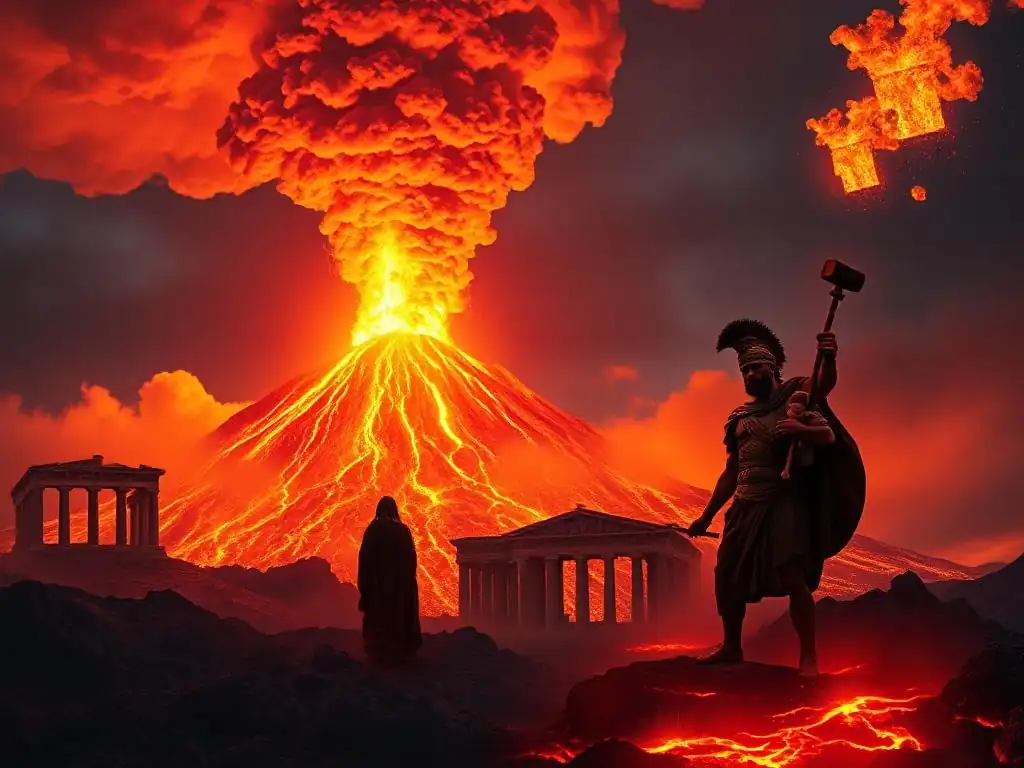
Welcome, intrepid explorers!
Prepare to journey into a realm where fire meets legend. Ever wondered how ancient civilizations interpreted the raw power of volcanoes? Dive into our latest article, "Gods of Fire and Ash: How Roman Mythology Explained Volcanic Eruptions," and uncover the fascinating stories behind these fiery mountains. But that's just the beginning... What other secrets lie buried beneath the ash and lava? Explore further and ignite your curiosity!
- Introduction: Roman Accounts of Volcanic Activity and Mythology
- Vulcan, The Roman God of Fire: The Divine Explanation for Volcanoes
- Other Deities Associated with Volcanic Phenomena in Roman Belief
- Roman Interpretations of Specific Volcanic Eruptions Through Mythology
- The Role of Omens and Divination in Predicting Volcanic Events
- Comparing Roman and Greek Volcanic Mythology
- The Legacy of Roman Mythology in Understanding Volcanoes Today
- Conclusion: Roman Mythology and Volcanoes – A Window into Ancient Understanding
-
Frequently Asked Questions
- How did Roman mythology explain volcanic eruptions?
- Who was Vulcan in Roman mythology and what was his role?
- Did the Romans believe other gods were involved in volcanic activity besides Vulcan?
- How did the Romans try to appease Vulcan to prevent volcanic eruptions?
- What can we learn from the Roman understanding of volcanoes?
- Final Reflection: The Enduring Power of Myth
- Unleash Your Inner Vulcanologist!
Introduction: Roman Accounts of Volcanic Activity and Mythology
The ground trembles, the sky darkens with ash, and molten rock bursts forth from the earth – volcanic eruptions have always been awe-inspiring and terrifying natural phenomena. For the ancient Romans, lacking modern scientific understanding, these dramatic events were explained through the lens of their rich and complex mythology. Roman mythology and volcanoes were inextricably linked, with deities embodying the raw power and unpredictable nature of these geological forces.
This article delves into how Roman beliefs and stories provided a framework for understanding volcanic eruptions, revealing a fascinating intersection of myth, fear, and early attempts to comprehend the natural world. We will explore the gods and goddesses who were believed to control volcanic activity, the rituals designed to appease them, and the lasting legacy of these interpretations on our understanding of volcanoes today.
Archaeological Evidence: Unveiling the Intersection of Roman Culture and Volcanic Phenomena
Archaeological findings across the Roman Empire provide tangible evidence of the profound impact volcanoes had on Roman culture and daily life. The Vesuvian cities of Pompeii and Herculaneum, tragically preserved by the eruption of Mount Vesuvius in 79 AD, offer a unique snapshot into Roman society living in the shadow of a volcano.
Excavations reveal not only the devastating effects of the eruption but also the pre-eruption awareness of volcanic activity in the region. Buildings damaged by earlier earthquakes, likely precursors to the major eruption, were being repaired, indicating an understanding, albeit perhaps not fully scientific, of the volatile nature of their environment.
Furthermore, the presence of thermal baths and settlements built around volcanic hot springs throughout the Roman world, from Italy to modern-day Turkey and beyond, highlights a practical engagement with volcanic phenomena, even as mythology provided the overarching explanatory framework. These sites were not merely exploited for their geothermal benefits; they were also often considered sacred spaces, further blurring the lines between practical utilization and mythological interpretation of volcanic landscapes within Roman culture.
Beyond the immediate vicinity of volcanoes, the broader Roman worldview was shaped by an awareness of these powerful forces. Roman literature and art frequently depict volcanic landscapes and mythical figures associated with them. Mosaics, frescoes, and sculptures often feature Vulcan, the god of fire and volcanoes, alongside scenes of mythological forges and volcanic eruptions, demonstrating the pervasive nature of these themes in Roman artistic and cultural expression.
Inscriptions found near volcanic areas sometimes invoke deities for protection against eruptions, further cementing the link between Roman religious practices and the perceived threat of volcanoes. The very name "volcano" itself, derived from Vulcan, the Roman god of fire, stands as a lasting testament to the Roman mythological interpretation of these geological wonders and its enduring influence on our modern understanding and vocabulary.
Vulcan, The Roman God of Fire: The Divine Explanation for Volcanoes
In the pantheon of Roman gods, Vulcan held a prominent position as the deity most directly associated with fire, metalworking, and, crucially, volcanoes. Often depicted as a strong, bearded god wielding a hammer and tongs, Vulcan was not just the god of destructive fire, but also the divine craftsman, responsible for forging weapons and armor for gods and heroes alike. His connection to volcanoes stemmed from the ancient Roman understanding that volcanic eruptions were fiery outbursts from deep within the earth, a realm naturally associated with a god of fire.
Therefore, it was logical within their mythological framework to attribute volcanic activity to Vulcan's divine actions. The fiery and forceful nature of eruptions perfectly mirrored Vulcan's domain and power, making him the primary mythological explanation for these dramatic geological events.
Vulcan's Forge: Understanding the Mythological Origins of Volcanic Eruptions
Roman mythology placed Vulcan's forge deep beneath volcanoes, envisioning these mountains not merely as geological formations, but as the very workshops of the divine blacksmith. The rumbling and tremors often preceding eruptions were interpreted as the sounds of Vulcan hammering away at his anvil, crafting weapons for the gods or engaging in other celestial metalworking. The smoke and ash plumes emanating from volcanoes were seen as byproducts of his fiery forge, the soot and fumes escaping from his subterranean workshop.
When a volcano erupted, it was understood as Vulcan unleashing the full force of his forge, a spectacular and sometimes destructive display of his power. This mythological interpretation provided a coherent explanation for the various phenomena associated with volcanoes, from the subtle rumblings to the explosive eruptions, all attributed to the activities of a powerful and divine craftsman working beneath the earth.
The Vulcanalia Festival: Honoring the God and Appeasing Volcanic Forces
Recognizing Vulcan's immense power and his association with potentially destructive fire, the Romans established the Vulcanalia festival to honor and appease the god. Celebrated annually on August 23rd, during the hottest and driest part of the Roman summer, Vulcanalia was a time to seek the god's favor and protection, particularly against uncontrolled fires, both domestic and volcanic. The festival involved various rituals, including sacrifices, often of red animals, symbolizing fire, and the throwing of live fish into fires, possibly as a symbolic offering to Vulcan to consume and thereby be satisfied, preventing more destructive outbursts.
These practices highlight the Roman understanding of their relationship with the divine forces they believed controlled the natural world. By honoring Vulcan and performing specific rituals, they hoped to mitigate the risks associated with his fiery domain, including volcanic eruptions, and ensure his continued favor.
Other Deities Associated with Volcanic Phenomena in Roman Belief
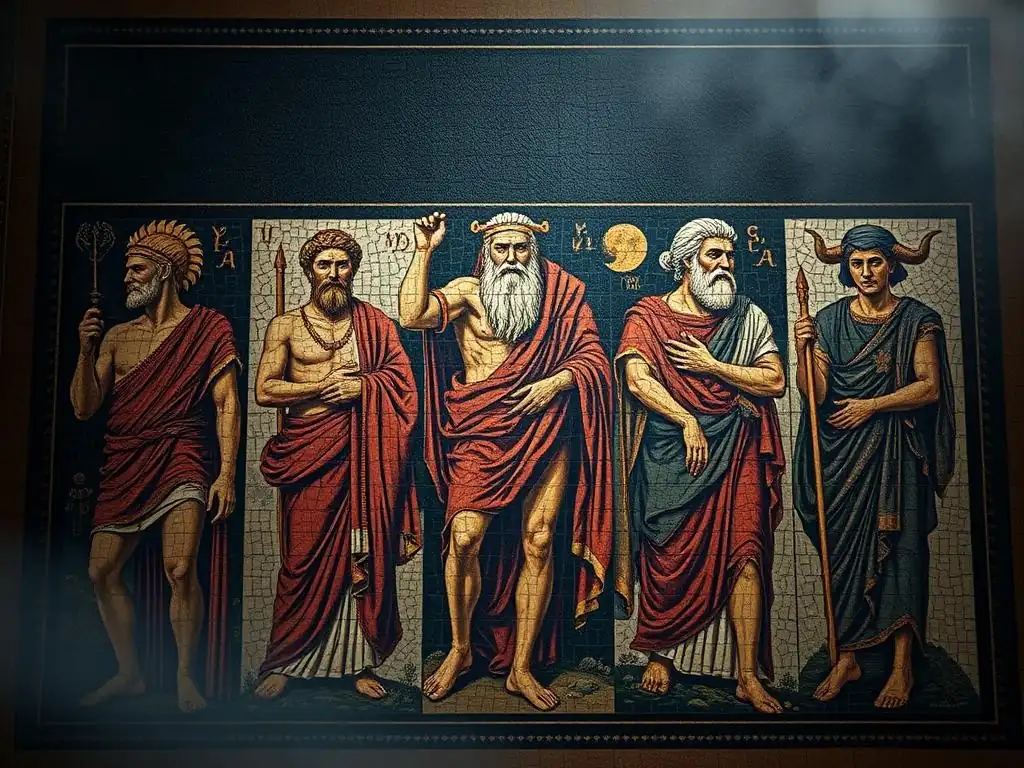
While Vulcan was the primary deity associated with volcanoes, Roman mythology also linked other gods and goddesses to various aspects of volcanic phenomena, reflecting the multifaceted nature of their understanding. These secondary associations further enriched the mythological tapestry woven around volcanoes and demonstrate a broader integration of these geological events into their religious and spiritual beliefs. These connections reveal that Roman mythology and volcanoes were not just about one god, but a complex interplay of divine forces.
Pluto and the Underworld: Connecting Volcanic Vents to the Realm of the Dead
Pluto, the Roman god of the underworld, also held a significant, albeit less direct, connection to volcanic phenomena. Volcanic vents and fissures, particularly those emitting noxious gases, were often perceived as entrances to the underworld, Pluto's dark and mysterious realm.
The sulfurous smells and fumes commonly associated with volcanic areas reinforced this association, aligning with the classical descriptions of the underworld as a place of fire and brimstone. The earth opening up to release smoke and fire seemed to mirror the mythical idea of the earth giving way to the underworld below.
Therefore, volcanic activity was not solely attributed to Vulcan's forge; it also carried connotations of the underworld and the realm of Pluto, adding another layer of mythological significance to these natural events. This perspective intertwined the fear of volcanic eruptions with the primal fear of death and the unknown depths of the underworld, further emphasizing the awe and trepidation with which Romans viewed volcanoes.
Styx and the Infernal Rivers: Lesser-Known Volcanic Associations
Beyond Pluto, other deities and mythical entities associated with the underworld were sometimes linked to volcanic regions, particularly infernal rivers like the Styx. In Roman mythology, the Styx was a river of the underworld, known for its dark and poisonous waters. Volcanic regions, with their hot springs, sulfuric pools, and potentially toxic gases, could evoke imagery and associations with these mythical rivers.
While not as prominent as Vulcan or Pluto, these lesser-known connections contributed to the overall mythological understanding of volcanoes as places of immense power, danger, and a link to the supernatural realm. The presence of hot springs and geothermal activity in volcanic areas might have been interpreted as manifestations of these infernal rivers seeping into the earthly realm, further solidifying the connection between Roman mythology and volcanoes in the landscape itself.
Roman Interpretations of Specific Volcanic Eruptions Through Mythology
Roman mythology wasn't just a general framework for understanding volcanoes; it was also applied to interpret specific volcanic eruptions, lending a divine narrative to real-world events. By attributing eruptions to the actions or emotions of their gods, Romans sought to make sense of these often unpredictable and devastating occurrences. This approach allowed them to integrate volcanic events into their broader understanding of the cosmos and the relationship between the divine and mortal realms. Specific volcanoes, particularly those in Italy like Etna and Vesuvius, became focal points for these mythological interpretations, their eruptions woven into the fabric of Roman storytelling.
Mount Etna's Fury: Vulcan's Temper and the Cyclopes' Hammer
Mount Etna, on the island of Sicily, was well-known to the Romans for its frequent and sometimes spectacular eruptions. Roman mythology readily explained Etna's activity through the figure of Vulcan. It was believed that Vulcan's main forge was located beneath Mount Etna, and the eruptions were attributed to his divine labors and, crucially, his temper.
When Etna erupted violently, it was seen as a manifestation of Vulcan's anger or displeasure, a divine outburst of fury. Furthermore, the Cyclopes, mythical one-eyed giants who were Vulcan's assistants in his forge, were also associated with Etna's eruptions.
The booming sounds and powerful tremors accompanying eruptions were interpreted as the hammering of the Cyclopes within Vulcan's subterranean workshop, forging weapons or other divine creations. Thus, Mount Etna's eruptions were not just natural events; they were dramatic displays of Vulcan's power and the tireless work of his mythical Cyclopean assistants, deeply embedding Roman mythology and volcanoes in the landscape.
Vesuvius and the Destruction of Pompeii: A Divine Punishment?
The catastrophic eruption of Mount Vesuvius in 79 AD, which buried Pompeii and Herculaneum, presented a profound challenge to Roman understanding. While contemporary Roman accounts of the eruption do not explicitly interpret it as divine punishment, later interpretations, particularly influenced by the rise of Christianity, often framed it as such.
However, within the existing Roman mythological framework, the sheer scale of the disaster might have been understood as a sign of immense divine displeasure, perhaps not necessarily punishment for specific sins, but rather a demonstration of the gods' overwhelming power and the fragility of human existence in the face of natural forces. Vulcan's wrath, or perhaps even the combined displeasure of multiple deities, could have been invoked to explain such a devastating event.
While direct contemporary Roman interpretations are scarce, the magnitude of the Vesuvian eruption undoubtedly reinforced the Roman understanding of volcanoes as manifestations of powerful and potentially wrathful divine forces, even if not explicitly framed as direct retribution for human actions within their original mythological context.
The Role of Omens and Divination in Predicting Volcanic Events
In Roman society, omens and divination played a crucial role in understanding and interpreting the will of the gods, and this extended to natural phenomena like volcanic eruptions. Romans believed that the gods communicated through signs and portents, and skilled interpreters, like priests and augurs, were tasked with deciphering these divine messages.
Regarding volcanoes, unusual natural occurrences, such as increased seismic activity, changes in animal behavior, or unusual atmospheric phenomena, might have been interpreted as omens foretelling an eruption. This system of divination provided a framework for anticipating, or at least attempting to anticipate, volcanic events within a mythological and religious context.
Reading the Signs: Roman Priests and the Interpretation of Natural Phenomena
Roman priests, particularly the haruspices and augurs, were responsible for observing and interpreting various natural phenomena as omens. Haruspices specialized in reading entrails of sacrificed animals, while augurs interpreted the flight of birds and other natural signs. In the context of volcanoes, these priests might have looked for subtle changes in the environment, such as increased ground swelling, changes in water sources, or unusual seismic activity.
Uncommon animal behavior, like birds fleeing an area or animals acting restless, could also have been seen as warnings. These interpretations, while not based on scientific understanding, represented a systematic attempt to detect early warning signs of volcanic unrest within the Roman worldview. The priests acted as intermediaries between the human and divine realms, seeking to understand the gods' intentions and provide guidance based on their interpretations of these natural omens related to volcanoes and other natural events.
Appeasing the Gods: Rituals and Sacrifices to Prevent Eruptions
If omens were interpreted as warnings of impending volcanic eruptions or divine displeasure, Romans would engage in rituals and sacrifices to appease the gods and avert disaster. These appeasement rituals could involve offerings to Vulcan, Pluto, or other deities associated with volcanoes. Sacrifices of animals, libations of wine or other liquids, and votive offerings placed at temples or near volcanic vents were all potential methods of seeking divine favor.
The Vulcanalia festival itself, with its sacrifices and offerings, served as an annual attempt to maintain Vulcan's goodwill and prevent destructive fires and eruptions. These ritualistic practices demonstrate the proactive role Roman religion played in their approach to natural hazards like volcanoes. By actively engaging with their gods through prayer, sacrifice, and ritual, they sought to influence divine will and mitigate the perceived risks associated with volcanic activity, deeply intertwining Roman mythology and volcanoes with practical religious actions.
Comparing Roman and Greek Volcanic Mythology
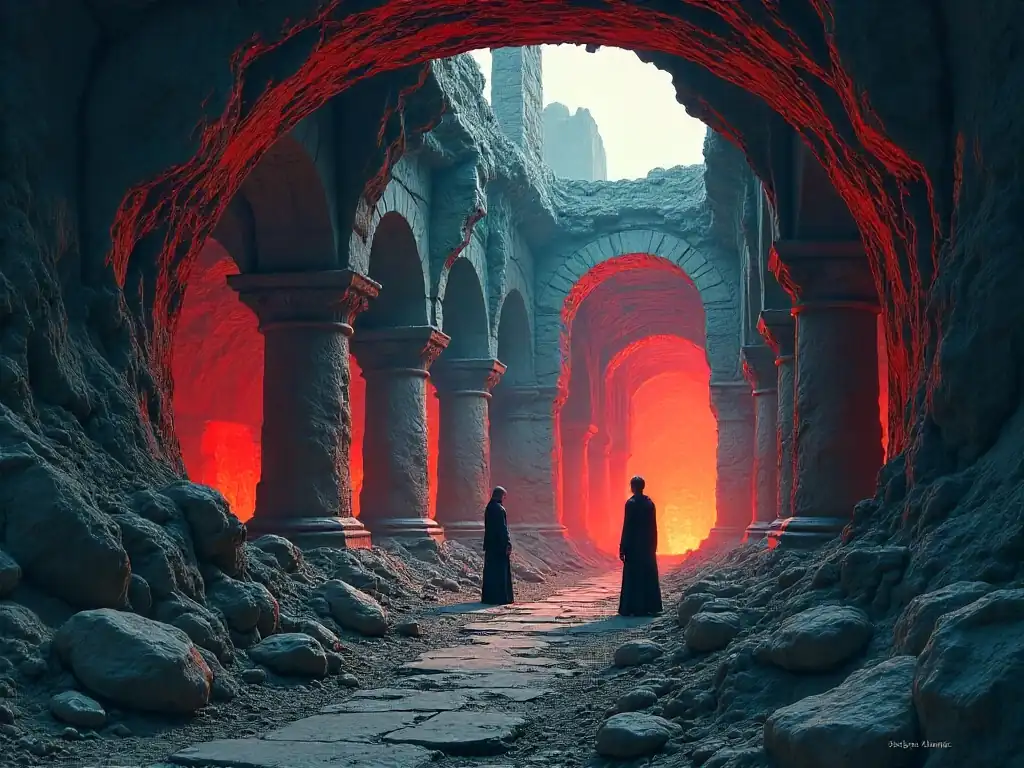
Roman mythology, while distinct, was heavily influenced by Greek mythology, and this influence is evident in their understanding of volcanoes as well. Both cultures developed rich mythological frameworks to explain these powerful natural phenomena, and comparing their approaches reveals both similarities and subtle differences in their divine portrayals and interpretations. Understanding the relationship between Roman and Greek mythology and volcanoes provides a broader perspective on ancient Mediterranean interpretations of these geological forces.
Hephaestus vs. Vulcan: Similarities and Differences in Divine Portrayals
The Roman god Vulcan is directly analogous to the Greek god Hephaestus. Both deities were gods of fire, metalworking, and volcanoes. Both were depicted as skilled blacksmiths, crafting weapons and armor for the gods. Mythologically, both Hephaestus and Vulcan were associated with forges located beneath volcanoes.
However, there are also subtle differences. Hephaestus, in Greek mythology, was often portrayed as physically deformed and somewhat marginalized within the Olympian pantheon, whereas Vulcan, in Roman mythology, while sometimes depicted as limping, did not carry the same degree of social stigma and was more integrated into Roman state religion, evidenced by the Vulcanalia festival. While both deities explained volcanoes as manifestations of divine fire and craftsmanship, their specific mythological narratives and cultural roles differed slightly, reflecting the distinct cultural contexts of Greece and Rome. Both however firmly established the link between divine blacksmith gods and volcanic activity within their respective mythologies.
Both Roman and Greek mythology featured myths that explained volcanic activity through the imagery of imprisoned monstrous beings beneath the earth. In Greek mythology, the myth of Typhoeus is particularly relevant. Typhoeus was a monstrous giant defeated by Zeus and buried beneath Mount Etna.
His struggles to escape his subterranean prison were said to cause earthquakes and volcanic eruptions. While Roman mythology doesn't have a direct equivalent to Typhoeus with the same name and specific details, the underlying concept of a powerful, imprisoned being causing volcanic activity is present in Roman interpretations as well.
The idea that volcanoes were vents to the underworld, or locations of powerful subterranean forces, resonates with the Typhoeus myth and indicates a shared ancient Mediterranean understanding of volcanoes as expressions of immense, often chaotic, power originating from deep within the earth, regardless of the specific mythological figure used to embody that power. This shared concept highlights a deeper connection between Roman and Greek mythology and volcanoes beyond just the figure of the divine blacksmith.
The Legacy of Roman Mythology in Understanding Volcanoes Today
While modern science has replaced mythological explanations for volcanic eruptions, the legacy of Roman mythology persists in our understanding of volcanoes even today. From the very terminology we use to describe these geological phenomena to the cultural associations that still linger, Roman mythology has left an indelible mark on how we perceive and talk about volcanoes. Acknowledging this historical context provides a richer understanding of our contemporary relationship with these powerful forces of nature.
From Divine Wrath to Scientific Understanding: A Historical Perspective
The Roman mythological interpretation of volcanoes as expressions of divine will or the workings of Vulcan's forge represents an early attempt to make sense of a natural phenomenon that was both awe-inspiring and frightening. Over centuries, scientific understanding gradually replaced these mythological explanations. The Renaissance and the Enlightenment saw the rise of geological studies that began to explain volcanoes through natural processes, like plate tectonics and magma formation, rather than divine intervention.
However, Roman mythology played a crucial role in shaping early human attempts to comprehend the world around them, and their interpretations of volcanoes reflect a sophisticated, albeit pre-scientific, understanding of natural forces within their cultural and religious context. Tracing this historical shift from mythological explanations to scientific understanding highlights the evolution of human knowledge and our changing relationship with the natural world, a journey that began with frameworks like Roman mythology and volcanoes.
Volcanic Terminology: Tracing the Names of Volcanoes to Roman Mythology
Perhaps the most enduring legacy of Roman mythology in our understanding of volcanoes is linguistic. The very word "volcano" is derived from "Vulcan," the Roman god of fire and volcanoes. This direct etymological link underscores the profound influence of Roman mythology on our modern vocabulary.
Furthermore, other volcanic terms, though less direct, can also be traced back to classical Roman and Greek influences. For example, terms related to fire and subterranean realms often carry connotations that resonate with the mythological associations of Vulcan, Pluto, and the underworld. The continued use of "volcano" and related terms rooted in Roman mythology serves as a constant reminder of the ancient world's attempts to understand these powerful natural forces through the lens of their gods and goddesses, a linguistic legacy that connects our modern scientific understanding to its mythological roots.
Conclusion: Roman Mythology and Volcanoes – A Window into Ancient Understanding
Roman mythology and volcanoes were deeply intertwined, providing a comprehensive framework for understanding these dramatic natural phenomena in the ancient world. Gods like Vulcan, Pluto, and even lesser underworld deities populated a mythological landscape where volcanic eruptions were not just geological events but expressions of divine power, temper, and even punishment.
Rituals, festivals, and divination practices further cemented this connection, demonstrating the proactive role Roman religion played in attempting to manage the perceived risks associated with volcanoes. While modern science offers a vastly different understanding, exploring Roman mythology and volcanoes provides a valuable window into ancient human attempts to comprehend and cope with the natural world, revealing a fascinating blend of fear, awe, and early explanatory frameworks.
Understanding Roman Perspectives on Natural Disasters
The Roman mythological understanding of volcanoes was part of a broader Roman perspective on natural disasters. Earthquakes, floods, storms, and other natural calamities were similarly interpreted through the lens of divine will and mythological narratives. These events were often seen as signs of the gods' displeasure, warnings, or even direct punishments.
Roman mythology provided a framework for understanding these unpredictable and often devastating events, offering explanations rooted in divine agency rather than natural processes. By examining Roman interpretations of volcanoes, we gain insight into their broader worldview, their relationship with the natural world, and their reliance on mythology and religion to make sense of forces beyond their immediate control. This perspective highlights the importance of understanding historical and cultural contexts when examining how different societies have interpreted and responded to natural disasters throughout history, and the crucial role that frameworks like Roman mythology played in shaping those responses.
Frequently Asked Questions
How did Roman mythology explain volcanic eruptions?
Roman mythology attributed volcanic eruptions to the actions of Vulcan, the god of fire and the forge. Eruptions were seen as displays of his divine power and often his anger.
Who was Vulcan in Roman mythology and what was his role?
Vulcan was the Roman god of fire, metalworking, and volcanoes. He was believed to have his forge beneath volcanoes, where he crafted weapons for the gods, and eruptions were his work.
Did the Romans believe other gods were involved in volcanic activity besides Vulcan?
While Vulcan was the primary deity associated with volcanoes, other gods like Neptune (god of the sea) were sometimes invoked to appease the forces of nature and prevent further destruction from eruptions.
How did the Romans try to appease Vulcan to prevent volcanic eruptions?
The Romans offered sacrifices and prayers to Vulcan in the hopes of appeasing him and preventing further eruptions. They believed that these rituals could placate the god's wrath.
What can we learn from the Roman understanding of volcanoes?
The Roman myths offer insight into how ancient civilizations attempted to understand and explain powerful natural phenomena. They demonstrate the cultural significance of volcanoes and the human need to find meaning in the face of destructive forces.
Final Reflection: The Enduring Power of Myth
The fiery narratives we've explored, linking Roman mythology and volcanoes, are not merely relics of a bygone era. They resonate even today, reminding us of humanity's perpetual quest to understand and contextualize the immense power of nature. The stories of Vulcan, the god of fire, and the volcanic landscapes he inhabited, offer a poignant glimpse into how ancient Romans grappled with forces beyond their control, imbuing them with meaning and purpose.
These myths continue to shape our cultural understanding of volcanoes, even if subconsciously. The association of volcanoes with creation and destruction, with divine wrath and earthly power, persists in our language and imagery. Myth is never an explanation in the sense of a reasoned argument, but rather a way of making sense of the world by giving it a human face.
This quote perfectly encapsulates the enduring legacy of Roman mythology, demonstrating how it provided a framework for understanding the volatile world around them, a framework that still echoes in our collective consciousness.
As we conclude this exploration of Roman mythology and volcanoes, I invite you to consider the stories you tell yourselves about the world. What forces, both internal and external, do you personify? What narratives do you create to make sense of the chaos and uncertainty? Embrace the power of myth, not as a literal explanation, but as a tool for understanding, for finding meaning, and for navigating the fiery landscapes of your own life.
Unleash Your Inner Vulcanologist!
Thanks for diving into the fiery world of Roman mythology and volcanic eruptions! We hope you've enjoyed discovering how the ancients used stories to understand these powerful natural phenomena. Ready to connect with the raw power of volcanoes?
Here are a few ways to ignite your passion:
- Visit a volcanic museum: Immerse yourself in the science and stories behind these geological marvels. Seeing artifacts and understanding the science firsthand can deepen your appreciation. This is your primary action to connect to the topic.
- Share this article with a friend who loves mythology or geology. Spark a conversation and share the knowledge!
- Research local folklore about natural disasters in your area. You might be surprised what tales your community holds!
What's one volcanic myth or legend that resonated with you the most and why? Let us know in the comments below!