
The Lost Years of Plenty: How Volcanoes Stole Food from the World's Table

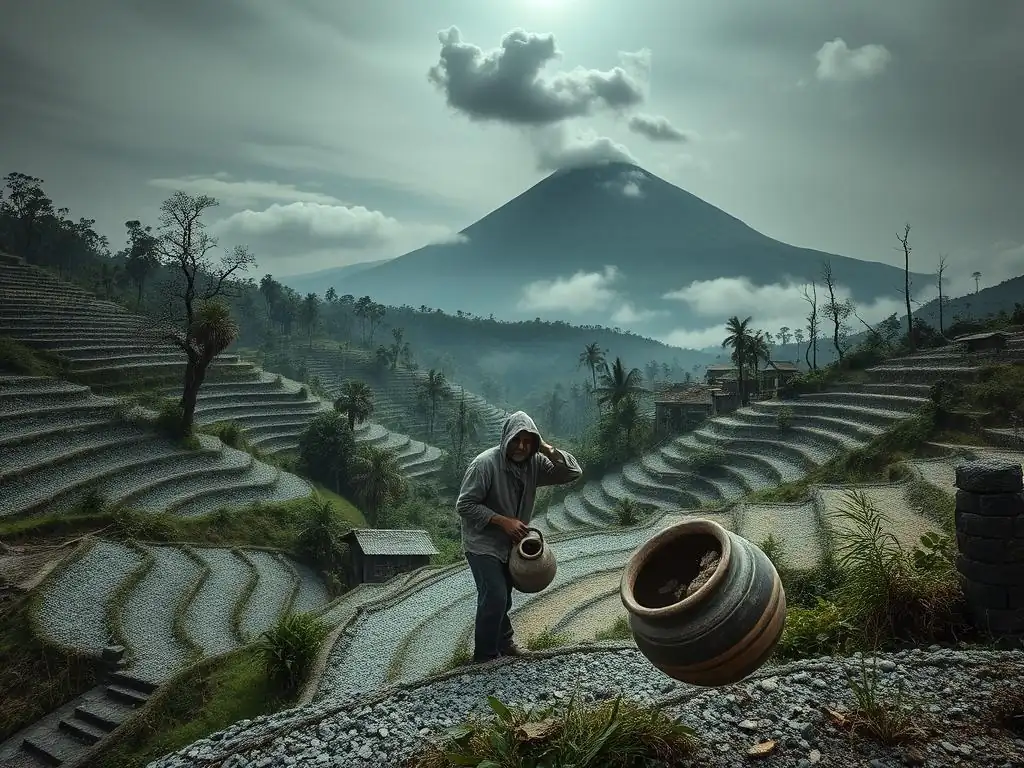
Welcome to Volcano Explorers! Ever wondered how something so destructive could also shape our daily lives in unexpected ways? Prepare to unravel the mysteries behind The Lost Years of Plenty, our latest exploration into the devastating – yet surprisingly impactful – impact of volcanoes on agriculture. Could a historical eruption truly starve the world? Dive in and discover the shocking truth lurking beneath the ash!
- Introduction: Volcanic Eruptions and the Global Food Supply
- Historical Eruptions and Famines
- The Science Behind Volcanic Impact on Crop Production
- Historical Case Studies: Volcanic Eruptions and Agricultural Collapse
- Long-Term Consequences: Social and Economic Disruptions
- Mitigating the Impact of Volcanoes on Agriculture: Lessons Learned
- Conclusion: Understanding and Preparing for the Future of Volcanic Agriculture
-
Frequently Asked Questions
- What is the main impact of volcanic eruptions on agriculture in the short term?
- How can volcanic ash actually benefit agriculture in the long run?
- Besides ash, what other volcanic factors can negatively affect agriculture?
- How do scientists monitor volcanoes to mitigate the impact on agriculture?
- Are there specific types of crops that are more vulnerable to volcanic eruptions?
- Final Reflection: Echoes of Ash, Seeds of Resilience
- Ignite Your Curiosity: Become a Volcanic Food Detective!
Introduction: Volcanic Eruptions and the Global Food Supply
Volcanic eruptions, often perceived as dramatic geological events reshaping landscapes and impacting local communities, have a far more extensive reach than many realize. Their influence stretches across continents and centuries, profoundly affecting global climate patterns and, critically, the world's food supply. Throughout history, these natural cataclysms have triggered periods of widespread famine and agricultural collapse, demonstrating the delicate balance between our planet's natural forces and human sustenance. Understanding the intricate relationship between volcanic activity and agriculture is crucial, especially in an era facing increasing climate variability and concerns about global food security.
The sheer power of a major volcanic eruption can inject massive quantities of gases and ash high into the stratosphere, creating a veil that can encircle the globe. This veil acts as a filter, reducing the amount of sunlight reaching the Earth's surface. While the immediate visual impact might be spectacular, the long-term consequences for agriculture are often devastating.
Reduced sunlight translates directly to decreased photosynthetic activity in plants, the very foundation of our food chain. Moreover, the chemical compounds released by volcanoes, such as sulfur dioxide, can interact with atmospheric moisture to produce acid rain, further damaging crops and altering soil chemistry. The historical record is replete with instances where these volcanic impacts have led to widespread crop failures, famine, and societal upheaval.
Historical Eruptions and Famines
Volcanic Eruptions and Famines in History
Throughout recorded history, numerous volcanic eruptions have been linked to periods of widespread famine. These events are not mere coincidences; the scientific evidence increasingly points to a causal relationship between large-scale volcanic activity and disruptions to agricultural productivity. From ancient civilizations to more recent times, the pattern emerges repeatedly: a major eruption occurs, followed by anomalous weather patterns, crop failures, and subsequent food shortages that can escalate into full-blown famines. These famines, in turn, have had profound social, economic, and political consequences, reshaping societies and altering the course of history.
The connection between volcanic eruptions and famines is not always immediately obvious or locally contained. The atmospheric effects of a large eruption can be global, affecting weather patterns and agricultural yields across vast distances. For example, eruptions in Iceland can impact weather systems across Europe and even beyond.
The historical record reveals instances where eruptions in one part of the world have been correlated with famine conditions in seemingly unrelated regions. This interconnectedness underscores the global reach of volcanic impacts and highlights the importance of understanding these events in a broader, planetary context. Studying historical eruptions and their agricultural consequences provides invaluable lessons for anticipating and mitigating the risks posed by future volcanic events.
The Science Behind Volcanic Impact on Crop Production
How Volcanic Ash Affects Plant Growth
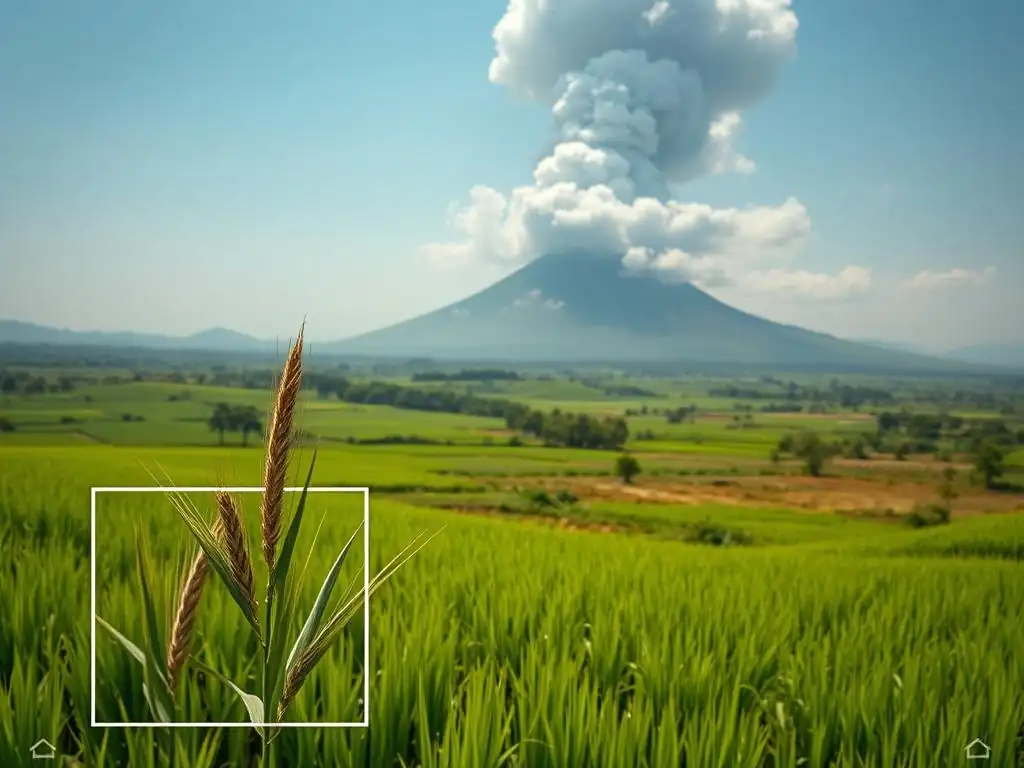
Volcanic ash, the gritty particulate matter ejected during eruptions, has a complex and multifaceted impact on plant growth. While initially, a thin layer of ash might seem like a mere nuisance, its effects can range from mildly disruptive to severely detrimental to agriculture. The immediate impact of ashfall is often physical: a thick layer of ash can smother plants, blocking sunlight essential for photosynthesis and physically weighing down crops, potentially leading to breakage or lodging, especially in cereal grains. Furthermore, the abrasive nature of ash can damage plant tissues, particularly leaves and fruits, reducing their photosynthetic capacity and marketability.
Beyond the immediate physical damage, volcanic ash can also alter soil properties. Depending on its composition, ash can change soil pH, nutrient availability, and water retention capacity. In some cases, ash can initially provide beneficial nutrients to the soil, such as potassium, calcium, and magnesium, which are essential for plant growth. However, this initial benefit can be short-lived, and the long-term effects can be more complex.
For instance, heavy ashfall can compact the soil, reducing aeration and drainage, which can be detrimental to root health and plant growth. The particle size distribution of ash also plays a crucial role; fine ash particles can clog stomata, the pores on plant leaves responsible for gas exchange, further hindering photosynthesis and plant respiration. The overall impact of volcanic ash on plant growth is therefore a complex interplay of physical damage, soil alteration, and nutrient dynamics.
Aerosols and Global Dimming: The Climate Connection
Volcanic eruptions inject not only ash but also vast quantities of gases, most notably sulfur dioxide (SO2), into the stratosphere. This SO2 reacts with water vapor in the atmosphere to form sulfate aerosols, tiny particles that can remain suspended in the stratosphere for months or even years. These aerosols are highly reflective, scattering incoming solar radiation back into space, effectively reducing the amount of sunlight reaching the Earth's surface. This phenomenon is known as "global dimming," and it has a significant cooling effect on the planet's climate.
The reduction in sunlight due to volcanic aerosols has direct and profound implications for agriculture. Photosynthesis, the process by which plants convert sunlight into energy, is directly dependent on solar radiation. Reduced sunlight translates to decreased photosynthetic rates, leading to lower crop yields and potentially widespread agricultural losses.
The magnitude of global dimming and its agricultural impact depends on the size and sulfur content of the eruption, as well as the prevailing atmospheric conditions. Large, sulfur-rich eruptions can cause significant global cooling and dimming, leading to what are sometimes referred to as "volcanic winters," periods of unusually cold and dark conditions that severely impact agriculture on a global scale.
Sulfur Dioxide (SO2) and Acid Rain: A Double Whammy
Sulfur dioxide (SO2), released in massive quantities during volcanic eruptions, not only contributes to global dimming but also leads to another significant environmental hazard: acid rain. When SO2 reacts with water vapor in the atmosphere, it forms sulfuric acid (H2SO4), a strong acid that is a primary component of acid rain. Acid rain can have devastating effects on both natural ecosystems and agricultural lands.
Acid rain directly damages plant tissues, causing leaf damage, reduced growth, and decreased crop yields. It can also leach essential nutrients, such as calcium and magnesium, from the soil, making them unavailable to plants and further reducing soil fertility. Furthermore, acid rain acidifies lakes and rivers, harming aquatic life and potentially impacting water resources used for irrigation.
The combination of global dimming and acid rain creates a "double whammy" effect on agriculture, reducing sunlight for photosynthesis while simultaneously damaging crops and degrading soil quality through acid deposition. This synergistic impact can exacerbate the severity of agricultural losses following volcanic eruptions, contributing to food shortages and famine.
Historical Case Studies: Volcanic Eruptions and Agricultural Collapse
The Tambora Eruption of 1815: "The Year Without a Summer"
The eruption of Mount Tambora in Indonesia in April 1815 stands as one of the most powerful volcanic events in recorded history. Rated a 7 on the Volcanic Explosivity Index (VEI), the eruption ejected an estimated 100 cubic kilometers of volcanic material into the atmosphere. The sheer scale of the eruption had profound global consequences, most notably triggering the infamous "Year Without a Summer" in 1816. The immense plume of volcanic aerosols from Tambora circled the globe, causing widespread global dimming and a significant drop in global temperatures.
The agricultural impact of the Tambora eruption was catastrophic. Across Europe and North America, 1816 was marked by unusually cold temperatures, persistent frosts, and torrential rains throughout the growing season. Summer crops failed across vast regions, leading to widespread famine. In Europe, grain harvests were drastically reduced, and livestock perished due to lack of fodder and harsh weather conditions.
Switzerland, for example, experienced widespread famine, and food riots erupted in several European cities. North America also suffered severe agricultural losses, particularly in New England, where snow fell in June and frosts continued throughout the summer. The "Year Without a Summer" serves as a stark reminder of the devastating potential of volcanic eruptions to disrupt global agriculture and trigger widespread famine, demonstrating the profound impact of volcanoes on agriculture.
The Laki Fissure Eruption of 1783: Iceland's Deadly Haze
The Laki fissure eruption in Iceland in 1783, while not as explosively powerful as Tambora, had a devastating and prolonged impact on both Iceland and Europe. This effusive eruption, lasting for eight months, released massive quantities of sulfur dioxide into the atmosphere. The resulting "Laki haze," a thick fog of sulfuric acid aerosols, blanketed Iceland and much of Europe, causing widespread environmental and agricultural devastation.
In Iceland, the Laki eruption had catastrophic consequences. Acid rain contaminated pastures, poisoning livestock and leading to the death of over 80% of the island's sheep, 50% of its cattle, and 50% of its horses. Crop yields plummeted due to acid rain damage and reduced sunlight from the haze. The resulting famine, known as the "Mist Hardships," killed an estimated 20-25% of Iceland's population.
The Laki haze also extended across Europe, causing unusually hot summers, followed by severe winters, and widespread agricultural disruptions. Crop failures and livestock losses were reported across Europe, contributing to food shortages and economic hardship. The Laki eruption highlights the devastating impact of even non-explosive, gas-rich volcanic eruptions on agriculture, particularly through the effects of acid rain and atmospheric haze.
Other Notable Eruptions with Agricultural Impacts
Beyond Tambora and Laki, numerous other volcanic eruptions throughout history have been linked to significant agricultural disruptions and famines. The eruption of Kuwae volcano around 1450 AD, for example, is believed to have contributed to a period of global cooling known as the "Little Ice Age," exacerbating already challenging agricultural conditions in many parts of the world. The eruption of Huaynaputina in Peru in 1600 also caused a "year without a summer" effect, although less severe than Tambora's, leading to crop failures and famine in Russia and other regions.
More recently, the eruption of Mount Pinatubo in the Philippines in 1991, while not causing widespread famine, demonstrated the continued potential of volcanic eruptions to impact global climate and agriculture. Pinatubo injected a significant amount of SO2 into the stratosphere, causing a measurable global cooling of about 0.5 degrees Celsius for several years.
While the agricultural impacts were less severe than in historical cases, the eruption served as a reminder of the ongoing vulnerability of global agriculture to volcanic forcing. Studying these diverse historical examples underscores the recurring pattern of volcanic eruptions leading to agricultural challenges and highlights the importance of understanding and preparing for these natural hazards.
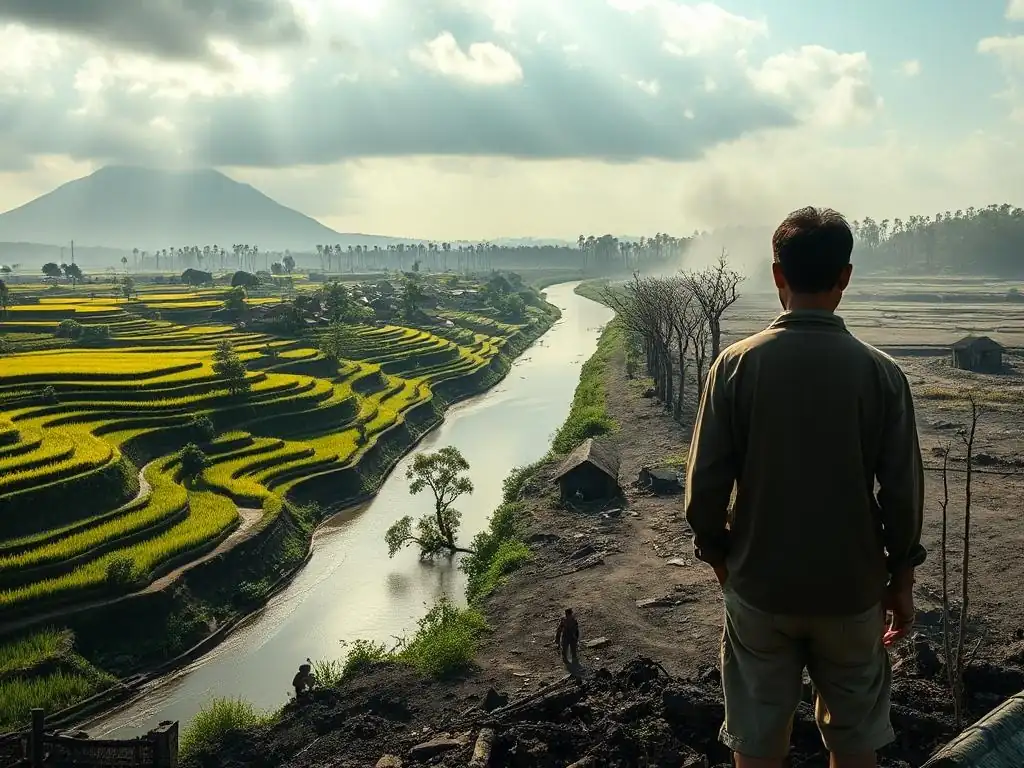
Famines triggered by volcanic eruptions have profound and far-reaching social consequences that extend well beyond immediate food shortages. When food becomes scarce, societies face a cascade of interconnected challenges, including migration, disease outbreaks, and increased social conflict. Desperate populations, facing starvation in their homelands, often resort to migration in search of food and sustenance, leading to mass movements of people and displacement. These migrations can strain resources in receiving areas, potentially leading to social tensions and conflicts over limited resources.
Famine conditions also create ideal breeding grounds for disease outbreaks. Malnutrition weakens immune systems, making populations more susceptible to infectious diseases. Crowded conditions in refugee camps and areas experiencing food shortages further facilitate the spread of diseases. Historically, famines have often been accompanied by devastating epidemics of diseases such as typhus, dysentery, and smallpox, further exacerbating human suffering and mortality.
Moreover, food scarcity can fuel social unrest and conflict. Competition for dwindling resources can lead to increased crime rates, social disorder, and even violent conflicts as communities struggle to survive. The social fabric of societies can be severely strained, and long-standing social structures can be disrupted by the stresses of famine conditions.
Economic Repercussions: Trade Disruption and Price Inflation
The agricultural disruptions caused by volcanic eruptions have significant and widespread economic repercussions. Crop failures lead to immediate losses in agricultural output, impacting farmers' livelihoods and reducing the overall food supply. This scarcity of food drives up prices, leading to food price inflation, which disproportionately affects the poorest and most vulnerable segments of society who spend a larger percentage of their income on food. Food price inflation can trigger broader economic instability, as consumers struggle to afford basic necessities and businesses face reduced consumer spending.
Furthermore, volcanic eruptions can disrupt trade networks. Ash clouds can close ports and airports, hindering the transportation of goods, including food supplies. Trade disruptions can exacerbate food shortages in regions reliant on imports and can further contribute to price inflation. The economic consequences of volcanic-induced agricultural crises can extend beyond the immediate period of famine. Long-term economic impacts can include reduced economic growth, increased poverty rates, and social instability, potentially hindering development for years or even decades following a major volcanic event.
Mitigating the Impact of Volcanoes on Agriculture: Lessons Learned
Early Warning Systems and Volcanic Monitoring
One of the most crucial lessons learned from historical volcanic eruptions is the importance of early warning systems and robust volcanic monitoring. Modern volcanology has made significant strides in understanding volcanic processes and developing tools to monitor volcanic activity. Seismic monitoring, ground deformation measurements, gas emission analysis, and thermal imaging are among the techniques used to detect changes in volcanic behavior that may indicate an impending eruption. Establishing and maintaining comprehensive volcanic monitoring networks in volcanically active regions is essential for providing timely warnings to populations at risk.
Early warning systems, based on scientific monitoring data, can provide crucial time for communities to prepare for volcanic hazards, including potential agricultural impacts. Warnings can allow for the evacuation of people and livestock from areas likely to be directly affected by eruptions, and can also facilitate the implementation of measures to protect crops and agricultural infrastructure.
For example, warnings can enable farmers to harvest crops early, protect livestock, and take measures to minimize ashfall contamination of agricultural lands. Investing in volcanic monitoring and early warning systems is a critical step in mitigating the agricultural and societal impacts of future volcanic eruptions.
Developing Resilient Agricultural Practices
Building resilience in agricultural systems is another crucial strategy for mitigating the impact of volcanoes on agriculture. This involves developing agricultural practices that are less vulnerable to volcanic hazards, such as ashfall, global dimming, and acid rain. Diversifying crop varieties and planting drought- and ash-tolerant crops can enhance agricultural resilience.
Implementing soil conservation practices, such as no-till farming and cover cropping, can help protect soil from erosion and degradation caused by ashfall and acid rain. Improving water management practices, such as rainwater harvesting and efficient irrigation systems, can help buffer against drought conditions that may be exacerbated by volcanic eruptions.
Furthermore, promoting agroforestry and integrated farming systems can enhance agricultural resilience. Trees can provide shade and protection from ashfall, and integrated systems can diversify income sources for farmers, reducing their vulnerability to crop failures. Developing and promoting these resilient agricultural practices requires research, extension services, and community engagement. Investing in agricultural research and development focused on volcanic hazard resilience is essential for building more robust and sustainable food systems in volcanically active regions.
International Cooperation and Food Security
Addressing the global challenges posed by volcanic eruptions and their impact on agriculture requires international cooperation and a coordinated approach to food security. Volcanic eruptions can have transboundary impacts, affecting multiple countries and regions. International collaboration is essential for sharing scientific expertise, monitoring data, and best practices for volcanic hazard mitigation and agricultural resilience. International organizations, such as the United Nations Food and Agriculture Organization (FAO) and the World Food Programme (WFP), play a critical role in coordinating international responses to volcanic-induced food crises.
Establishing international protocols for food aid and emergency assistance in the aftermath of volcanic eruptions is crucial for ensuring timely and effective responses to food shortages. Sharing resources and expertise among nations can enhance global capacity to cope with volcanic hazards and their agricultural consequences. Furthermore, international cooperation is needed to support research and development efforts aimed at improving volcanic monitoring, early warning systems, and resilient agricultural practices. A global, collaborative approach is essential for mitigating the impact of volcanoes on agriculture and ensuring food security in a world increasingly vulnerable to natural hazards.
Conclusion: Understanding and Preparing for the Future of Volcanic Agriculture
The historical record unequivocally demonstrates the profound and often devastating impact of volcanic eruptions on global agriculture and food security. From the "Year Without a Summer" triggered by Tambora to the "Mist Hardships" caused by Laki, volcanic events have repeatedly stolen food from the world's table, leading to famine, social upheaval, and economic disruption. Understanding the complex mechanisms by which volcanoes impact agriculture, including ashfall effects, global dimming, and acid rain, is crucial for preparing for future volcanic events.
Moving forward, a proactive and multi-faceted approach is essential to mitigate the risks posed by volcanoes to agriculture. Investing in robust volcanic monitoring networks and early warning systems is paramount for providing timely alerts and enabling communities to prepare. Developing and promoting resilient agricultural practices, tailored to volcanic hazard zones, can enhance the ability of food systems to withstand volcanic impacts.
Finally, fostering international cooperation and strengthening global food security mechanisms are vital for ensuring coordinated and effective responses to volcanic-induced agricultural crises. By learning from the lessons of history and embracing a proactive and collaborative approach, we can strive to minimize the "lost years of plenty" and build a more resilient and food-secure future in the face of volcanic hazards.
Frequently Asked Questions
What is the main impact of volcanic eruptions on agriculture in the short term?
The main short-term impact is crop damage and failure due to ashfall that blocks sunlight and contaminates soil. This can lead to significant food shortages and economic hardship for farmers.
How can volcanic ash actually benefit agriculture in the long run?
Over time, volcanic ash weathers and breaks down, releasing essential minerals like potassium, phosphorus, and calcium into the soil. This creates highly fertile land that can support abundant crop growth.
Besides ash, what other volcanic factors can negatively affect agriculture?
Besides ashfall, acid rain formed from volcanic gases can damage crops and contaminate water sources. Lahars, which are mudflows of volcanic debris, can also bury farmland.
How do scientists monitor volcanoes to mitigate the impact on agriculture?
Scientists use various methods, including seismic monitoring, gas emission measurements, and satellite imagery, to detect changes in volcanic activity. This allows for early warnings and evacuation orders, protecting both people and agricultural lands.
Are there specific types of crops that are more vulnerable to volcanic eruptions?
Crops with large surface areas, like leafy greens and fruits, are particularly vulnerable to ash accumulation and damage. Also, young and delicate plants are more susceptible to the toxic effects of volcanic gases.
Final Reflection: Echoes of Ash, Seeds of Resilience
The narrative of volcanic eruptions and their devastating impact on agriculture, as explored throughout this article, isn't just a historical account; it's a stark reminder of our planet's power and our vulnerability. The delicate balance between human sustenance and natural forces remains a critical concern in an era of increasing climate instability. Understanding the past disruptions caused by volcanoes allows us to better prepare for future challenges to global food security.
The echoes of past volcanic winters resonate even today, shaping our understanding of risk management and the importance of sustainable agricultural practices. The lessons learned from these "lost years of plenty" underscore the interconnectedness of our global food system and the need for proactive strategies to mitigate the impact of future natural disasters. The best time to plant a tree was 20 years ago. The second best time is now.
This ancient proverb perfectly encapsulates the urgency with which we must address the vulnerabilities exposed by these historical events.
Let us not view the "lost years" as mere chapters in a history book, but as a call to action. Consider how you can contribute to building more resilient food systems in your own community and beyond. Reflect on the importance of supporting research into climate-resilient crops, advocating for policies that promote sustainable agriculture, and fostering a deeper appreciation for the delicate balance that sustains us all. The future of our food security depends on our collective willingness to learn from the past and act decisively in the present.
Ignite Your Curiosity: Become a Volcanic Food Detective!
Thanks for exploring the fascinating, and sometimes devastating, impact of volcanoes on global food supplies. We hope you've gained a new appreciation for the delicate balance of our ecosystems and how seemingly distant events can affect our daily lives. Ready to learn more and explore this connection further?
Here are a few ways to get involved:
- Use our interactive map on VolcanoExplorers.org to explore volcanic activity near major agricultural regions and identify areas potentially at risk. This is a crucial first step in understanding and mitigating future food security challenges.
- Share this article with friends and family who care about sustainability and food security. Spread awareness and spark conversations about this important issue!
- Consider supporting organizations dedicated to volcanic research and disaster relief, helping communities build resilience against future eruptions.
What surprising connections between volcanoes and food production did you discover? Share your thoughts in the comments below!