
The Ripple Effect: How Volcanic Impacts on Forests Affect Entire Food Webs

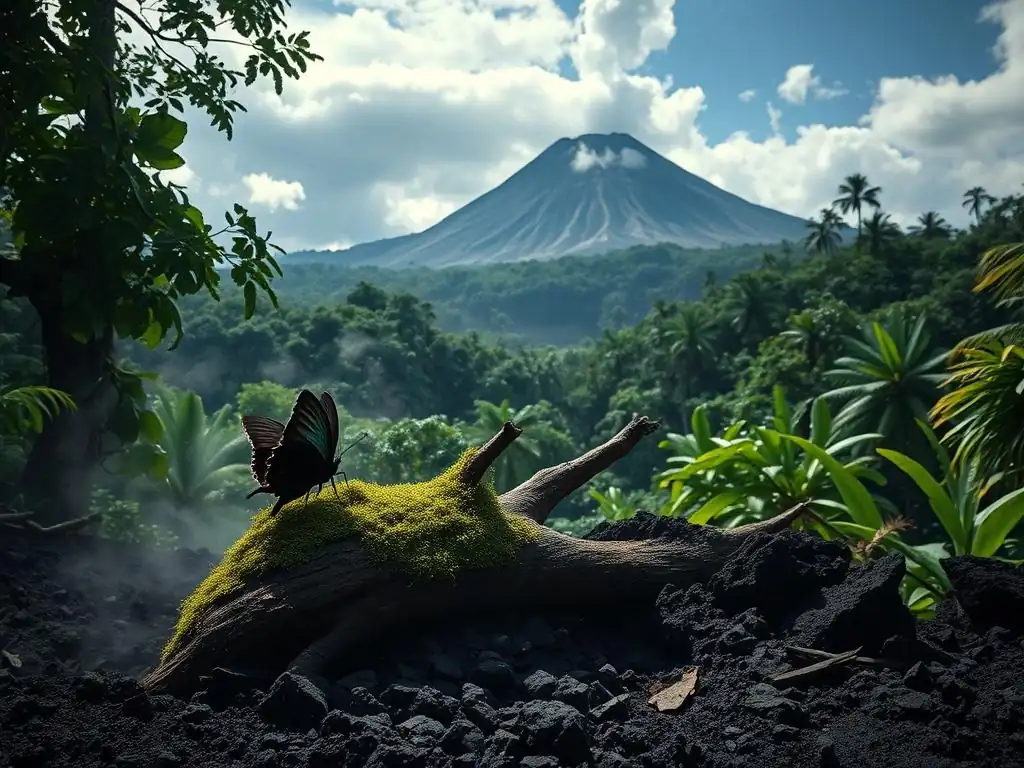
Welcome to Volcano Explorers!
Ever wondered how a fiery eruption can trigger a chain reaction affecting everything from the smallest insects to the largest predators? Prepare to uncover the surprising story of volcanic impacts on ecosystems. Delve into a world where destruction breeds renewal, and discover how the ashes of catastrophe can give rise to vibrant new life. What secrets lie buried beneath the volcanic soil, and how do they shape the world above? Read on and find out...
- Introduction: Understanding Volcanic Impacts on Ecosystems
- Direct Impacts of Volcanic Eruptions on Forests
- Secondary Effects: The Ripple Effect on Forest Food Webs
- Case Studies: Examples of Volcanic Impacts on Forest Food Webs
- Long-Term Ecological Consequences of Volcanic Disturbances
- Forest Management and Conservation Strategies in Volcanic Regions
- Conclusion: The Resilience of Forest Ecosystems in the Face of Volcanic Impacts
-
Frequently Asked Questions
- How do volcanic eruptions directly impact forests, the foundation of many ecosystems?
- Besides immediate destruction, what are some longer-term effects of volcanic activity on forest soil?
- How does the destruction of forests by volcanoes influence animal populations within an ecosystem?
- Can volcanic activity ever be beneficial to ecosystems in the long run?
- What can volcanologists and ecologists learn by studying volcanic impacts on ecosystems?
- Final Reflection: Embracing the Interconnected Web
- Delve Deeper: Become a Forest Guardian!
Introduction: Understanding Volcanic Impacts on Ecosystems
Volcanoes as Agents of Ecological Change
Volcanoes, often perceived as purely destructive forces, are in fact potent agents of ecological change, playing a crucial role in shaping landscapes and influencing ecosystems over geological timescales. Volcanic eruptions are catastrophic events that can instantly reshape environments, but they also initiate processes of renewal and ecological succession. The immediate aftermath of an eruption can seem bleak, with landscapes buried under ash or scorched by lava flows.
However, these disturbances create opportunities for new life to emerge and for ecosystems to reorganize in profound ways. Understanding volcanoes' role in ecological dynamics is key to appreciating the resilience and adaptability of nature.
Volcanic activity is a natural disturbance regime that has influenced ecosystems for millions of years. Many ecosystems, particularly those in volcanically active regions, have evolved with and adapted to these periodic disruptions. The disturbances caused by volcanoes can range from minor ashfalls to massive pyroclastic flows and lahars, each with varying degrees of impact on the surrounding environment. These events can reset ecological clocks, creating conditions for new species colonization, altering nutrient cycles, and ultimately, driving long-term ecosystem evolution. Therefore, studying volcanic impacts on ecosystems provides valuable insights into ecological resilience and the processes of recovery and adaptation.
The Interconnectedness of Forest Ecosystems
Forest ecosystems are intricate webs of life, where every organism, from the smallest microbe to the largest tree, plays a vital role. These complex systems are characterized by a high degree of interconnectedness, with energy and nutrients flowing through various trophic levels, forming a delicate balance. Trees form the foundation of forest ecosystems, providing habitat, food, and influencing microclimates.
Herbivores rely on trees and other vegetation for sustenance, while predators depend on herbivores. Decomposers break down organic matter, returning essential nutrients to the soil, which in turn supports plant growth. This interconnectedness means that any significant disturbance, such as a volcanic eruption, can have cascading effects throughout the entire food web.
The health and stability of a forest ecosystem depend on these intricate relationships. Changes at one level of the food web can ripple through the system, impacting other levels in unpredictable ways. For example, a decline in tree health due to volcanic gas emissions can lead to a decrease in herbivore populations, which in turn can affect predator populations.
Similarly, changes in soil nutrient availability following ashfall can alter plant community composition, impacting the entire structure of the forest and the food web it supports. Understanding these interconnectedness is crucial for predicting and managing the ecological consequences of volcanic disturbances, especially concerning the volcanic impacts on ecosystems.
Direct Impacts of Volcanic Eruptions on Forests
Ashfall and its Immediate Effects on Forest Vegetation
Volcanic ashfall is one of the most widespread and immediate impacts of volcanic eruptions on forests. Ash, composed of fine particles of rock, mineral, and volcanic glass, can blanket vast areas downwind from an eruption. The immediate effects of ashfall on forest vegetation are multifaceted and depend on the ash thickness, particle size, and chemical composition.
Heavy ashfall can physically smother plants, blocking sunlight and hindering photosynthesis. The weight of the ash can also cause branches to break and trees to topple, particularly in areas with dense canopies or during wet ashfall events. For instance, during the 1980 eruption of Mount St. Helens, ashfall in areas tens of kilometers away caused significant defoliation and branch breakage in forests.
Beyond the physical damage, volcanic ash can also have physiological effects on forest vegetation. Ash particles can clog stomata, the pores on leaves through which plants exchange gases, reducing photosynthetic rates and transpiration. The abrasive nature of ash can also damage leaf surfaces, further impairing plant function.
However, depending on its composition, volcanic ash can also contain essential nutrients like phosphorus, potassium, and calcium, which, in the long term, can enrich soils. The immediate impact, though, is often stress and reduced growth for forest vegetation, directly impacting the base of the forest food web. The severity of these volcanic impacts on ecosystems is directly related to the intensity and characteristics of the ashfall event.
Pyroclastic Flows and the Devastation of Forest Habitats
Pyroclastic flows represent one of the most destructive forces associated with volcanic eruptions. These fast-moving currents of hot gas and volcanic debris, reaching temperatures of hundreds of degrees Celsius and speeds exceeding highway speeds, can utterly obliterate forest habitats in their path. When a pyroclastic flow sweeps through a forest, it instantly incinerates vegetation, leaving behind a barren landscape of ash and scorched earth.
The intense heat and force of these flows are so devastating that they can strip away topsoil and even alter the topography of the land. Areas directly affected by pyroclastic flows experience near-total ecosystem destruction, with little to no immediate survival of forest organisms.
The 1991 eruption of Mount Pinatubo in the Philippines produced pyroclastic flows that devastated vast tracts of surrounding forest. These flows not only destroyed the existing forest cover but also significantly altered the landscape, impacting drainage patterns and soil structure. In such areas, ecological recovery is a long and arduous process, requiring the re-establishment of soil fertility and the slow colonization by pioneer species.
Pyroclastic flows represent a high-intensity, low-frequency disturbance that drastically resets ecological succession in affected forest areas, demonstrating the profound volcanic impacts on ecosystems. The complete destruction of habitat underscores the severity of this type of volcanic event.
The Impact of Volcanic Gases on Forest Health
Volcanic eruptions release significant quantities of gases into the atmosphere, including sulfur dioxide (SO2), hydrogen fluoride (HF), and carbon dioxide (CO2). While CO2 is a greenhouse gas with long-term climate implications, the more immediate and direct impacts on forest health often stem from SO2 and HF. Sulfur dioxide, when released into the atmosphere, can react with water vapor to form acid rain. Acid rain can damage forest vegetation by leaching nutrients from leaves, damaging leaf cuticles, and acidifying soils. Chronic exposure to acid rain can weaken trees, making them more susceptible to disease and insect infestations.
Hydrogen fluoride, though typically released in smaller quantities than SO2, is highly toxic to plants, even at low concentrations. HF can accumulate in plant tissues, particularly in leaves, causing fluorosis. Fluorosis can disrupt plant metabolism, inhibit growth, and lead to leaf necrosis and defoliation. Coniferous trees, such as pines and firs, are particularly sensitive to HF.
The long-range transport of volcanic gases can also extend the impact zone far beyond the immediate vicinity of the volcano, affecting forest health over broad regions. For instance, volcanic gas emissions from Icelandic volcanoes have been shown to impact forest health in Scandinavia. These volcanic impacts on ecosystems through gas emissions highlight a less visible, but nonetheless significant, pathway of disturbance.
Secondary Effects: The Ripple Effect on Forest Food Webs
Changes in Primary Productivity Following Volcanic Events
Volcanic eruptions, while initially destructive, can trigger a cascade of secondary effects that ultimately reshape forest food webs. One of the most fundamental secondary effects is the alteration of primary productivity, the rate at which plants convert sunlight into energy. In the immediate aftermath of an eruption, primary productivity in forests can plummet due to ashfall, defoliation, and damage to vegetation. However, in the longer term, volcanic ash can enrich soils with nutrients, potentially leading to increased primary productivity. The balance between these negative and positive effects dictates the trajectory of ecosystem recovery.
The initial reduction in primary productivity has ripple effects throughout the food web. Herbivores, which rely on plants as their primary food source, face reduced food availability. This can lead to declines in herbivore populations, impacting predators that depend on them. Conversely, if volcanic ash leads to a subsequent surge in plant growth due to nutrient enrichment, herbivore populations may rebound and even increase, creating a bottom-up effect in the food web. Changes in primary productivity are a key driver of the secondary volcanic impacts on ecosystems, influencing the abundance and distribution of organisms at all trophic levels.
How Volcanic Eruptions Alter Forest Structure and Composition
Volcanic eruptions are powerful agents of ecological succession, drastically altering forest structure and composition. The immediate destruction caused by pyroclastic flows or lava flows can completely remove existing forest stands, setting the stage for primary succession – the establishment of vegetation on previously barren land. Ashfall, while less destructive, can still significantly alter forest composition by favoring certain plant species over others. Species that are more tolerant of ash burial or have efficient seed dispersal mechanisms may have a competitive advantage in the post-eruption environment.
The long-term effects of volcanic eruptions on forest structure can be profound. Eruptions can create new habitats, such as lava fields and pumice plains, which are colonized by specialized plant communities. Changes in soil properties, drainage patterns, and light availability can further influence forest composition and structure.
For example, areas with thick ash deposits may develop into open woodlands or grasslands, while areas with thinner ash layers may revert to forests with altered species composition. These shifts in forest structure and composition have cascading effects on the animal communities that depend on these habitats, demonstrating how volcanic impacts on ecosystems extend beyond immediate destruction to long-term ecosystem reorganization.
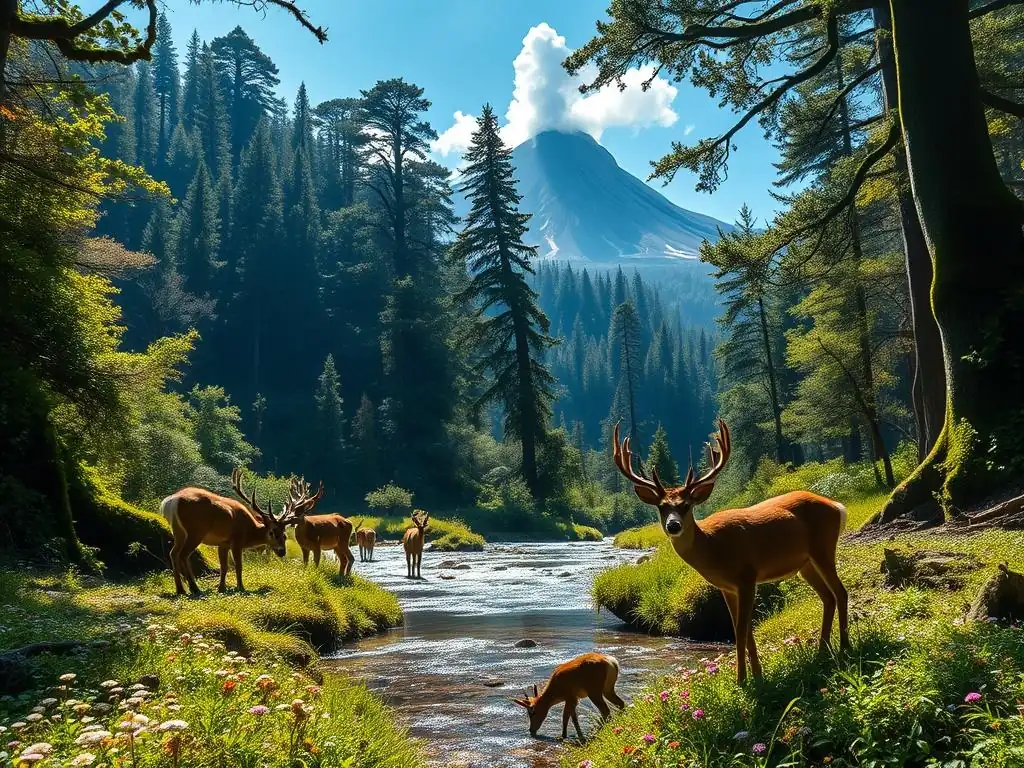
The Impact on Herbivores: Elk, Deer, and Mountain Beavers
Herbivores, the primary consumers in forest ecosystems, are directly affected by volcanic eruptions through habitat destruction, reduced food availability, and changes in vegetation composition. Large herbivores like elk and deer, which are common in many volcanic regions, can experience significant population declines in the immediate aftermath of an eruption. Pyroclastic flows and lava flows can directly kill animals and destroy their habitats. Ashfall can bury forage plants, making them inaccessible, and reduce the nutritional quality of available vegetation. The disruption of water sources due to ashfall or altered drainage patterns can also negatively impact herbivore populations.
However, herbivores can also exhibit remarkable resilience and adaptability to volcanic disturbances. Some herbivores, like mountain beavers, which are fossorial rodents, may find refuge underground during eruptions. Following an eruption, as vegetation begins to recover, herbivores can play a crucial role in shaping plant community composition through selective grazing.
Changes in vegetation palatability and nutrient content in post-eruption environments can favor certain herbivore species over others, leading to shifts in herbivore community structure. The recovery of herbivore populations is a critical step in the overall ecological recovery process, reflecting the complex volcanic impacts on ecosystems and the adaptive responses of animal communities.
Predators and Scavengers: Adapting to a Changed Food Source
Predators and scavengers, occupying higher trophic levels in forest food webs, are indirectly impacted by volcanic eruptions through changes in herbivore populations and the availability of carrion. The initial decline in herbivore populations following an eruption can reduce food availability for predators, potentially leading to population declines or shifts in prey selection. However, volcanic eruptions also create a temporary pulse of carrion in the form of animals killed by the eruption, which can benefit scavengers. The long-term dynamics of predator and scavenger populations are closely linked to the recovery of herbivore populations and the overall trajectory of ecosystem recovery.
Some predators, like coyotes and bears, are opportunistic and adaptable to changes in food availability. They may shift their diet to alternative prey sources or increase scavenging behavior in the post-eruption environment. Scavengers, such as vultures and ravens, can benefit from the increased availability of carrion in the immediate aftermath of an eruption.
The long-term impact on predator and scavenger populations depends on the resilience of herbivore populations and the overall recovery of the forest ecosystem. The interplay between predator-prey dynamics and scavenging opportunities highlights the intricate ways in which volcanic impacts on ecosystems cascade through food webs, affecting even top trophic levels.
Case Studies: Examples of Volcanic Impacts on Forest Food Webs
Mount St. Helens: A Classic Example of Ecological Succession
The 1980 eruption of Mount St. Helens in Washington State provides a classic case study of ecological succession following a major volcanic disturbance. The eruption, which included a massive lateral blast and pyroclastic flows, devastated a vast area of forest surrounding the volcano. In the blast zone, forests were completely obliterated, leaving behind a barren landscape. However, within years, the area began to show remarkable signs of ecological recovery, demonstrating the resilience of nature and the processes of ecological succession.
The Return of Life: Monitoring Plant and Animal Recovery
The recovery of plant and animal life at Mount St. Helens has been extensively studied by ecologists, providing valuable insights into the mechanisms of ecological succession. Pioneer species, such as fireweed and pearly everlasting, were among the first plants to colonize the devastated landscape, arriving as seeds dispersed by wind or carried by animals. These early colonizers helped stabilize the soil and create conditions for other plants to establish. Animals also played a crucial role in the recovery process.
Pocket gophers, which survived underground, churned the soil, aiding in seed germination and nutrient cycling. Elk and deer, returning to the area, grazed on emerging vegetation and contributed to nutrient transport. The Mount St. Helens case study vividly illustrates the stages of ecological succession following volcanic impacts on ecosystems, from initial colonization to the development of more complex plant and animal communities.
Mount Pinatubo: The Impact on Philippine Cloud Forests
The 1991 eruption of Mount Pinatubo in the Philippines had significant impacts on the surrounding cloud forests, which are biodiversity hotspots. The eruption caused widespread defoliation, ashfall, and pyroclastic flows, affecting large areas of forest. Cloud forests, characterized by high humidity and unique plant and animal communities, are particularly vulnerable to disturbances. The eruption of Mount Pinatubo provided an opportunity to study the long-term effects of volcanic eruptions on these fragile ecosystems.
The Long-Term Effects on the Forest Ecosystem
Studies following the Mount Pinatubo eruption have revealed the long-term impacts on the cloud forest ecosystem. While some areas experienced rapid vegetation recovery, other areas, particularly those affected by heavy ashfall and pyroclastic flows, exhibited slower recovery rates. Changes in forest structure and species composition were observed, with some tree species showing greater resilience than others.
The eruption also impacted animal communities, with changes in bird and insect populations documented. The long-term monitoring of the Mount Pinatubo cloud forests continues to provide valuable insights into the resilience and vulnerability of tropical ecosystems to volcanic impacts on ecosystems, and the extended timeframes required for full ecological recovery in some environments.
Long-Term Ecological Consequences of Volcanic Disturbances
Soil Composition and Nutrient Cycling after Volcanic Events
Volcanic eruptions have profound and long-lasting effects on soil composition and nutrient cycling in forest ecosystems. While the initial impact of ashfall can be physically damaging, volcanic ash can also be a source of essential nutrients for plant growth in the long term. Fresh volcanic ash contains minerals like phosphorus, potassium, calcium, and magnesium, which are crucial for plant nutrition. Weathering of volcanic ash over time releases these nutrients into the soil, enriching soil fertility. However, the initial deposition of large quantities of ash can also alter soil physical properties, such as texture, water holding capacity, and drainage.
The long-term effects of volcanic eruptions on nutrient cycling are complex. The input of new nutrients from volcanic ash can stimulate plant growth and increase primary productivity. However, volcanic eruptions can also disrupt nutrient cycles in the short term. For example, ashfall can bury organic matter, slowing down decomposition rates and nutrient release.
Changes in soil pH and microbial communities can also affect nutrient cycling processes. Over time, however, volcanic soils, derived from weathered volcanic materials, are often highly fertile, supporting productive forest ecosystems. This long-term soil enrichment is a significant positive aspect of volcanic impacts on ecosystems, contributing to ecosystem resilience and productivity over geological timescales.
The Role of Pioneer Species in Forest Regeneration
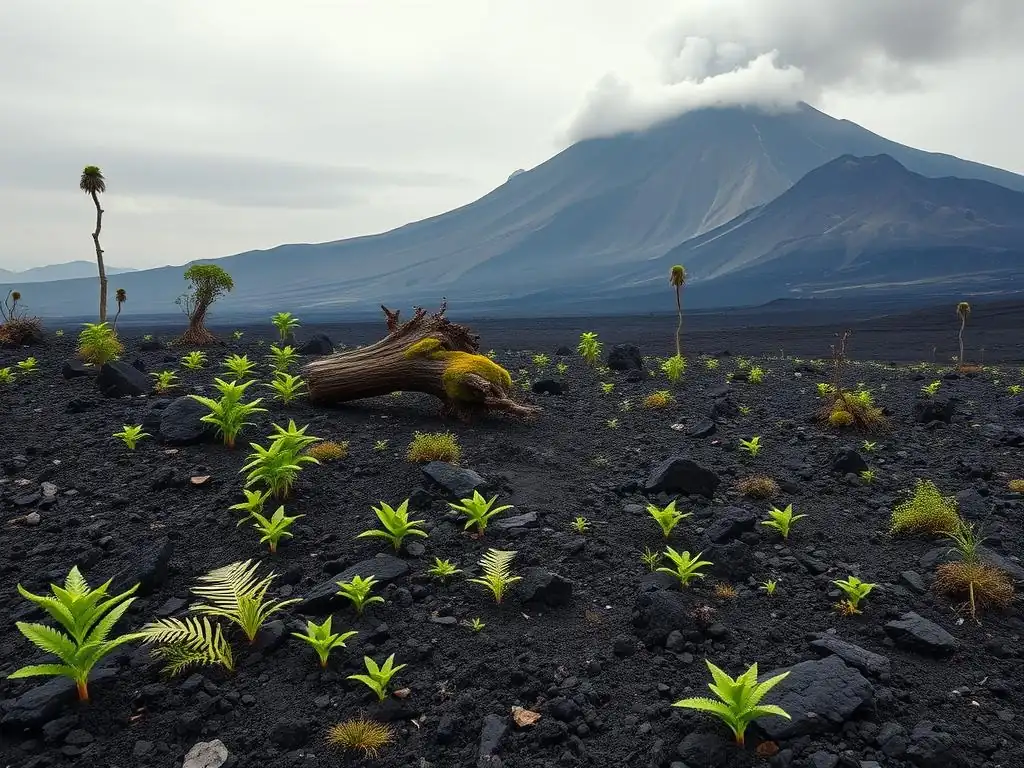
Pioneer species play a critical role in the regeneration of forests following volcanic disturbances. These are hardy plant species that are adapted to colonizing disturbed and nutrient-poor environments. Pioneer species are typically fast-growing, have efficient seed dispersal mechanisms, and can tolerate harsh conditions, such as full sunlight and nutrient-limited soils. In volcanic landscapes, pioneer species often include herbaceous plants, shrubs, and early-successional trees, such as willows and alders.
Pioneer species facilitate the establishment of later-successional species and the overall process of forest regeneration. They help stabilize the soil, prevent erosion, and begin to build up organic matter in the soil. Some pioneer species, like nitrogen-fixing plants, can also improve soil fertility by adding nitrogen to the soil. The presence of pioneer species creates a more favorable environment for other plant species to colonize, leading to increased biodiversity and ecosystem complexity over time. The ability of pioneer species to initiate ecological succession is fundamental to the long-term recovery of forests after volcanic impacts on ecosystems.
Changes in Biodiversity and Species Distribution
Volcanic eruptions can lead to both short-term decreases and long-term changes in biodiversity and species distribution in forest ecosystems. The immediate destruction caused by eruptions can result in local extinctions of some species, particularly those with limited mobility or specialized habitat requirements. However, volcanic disturbances also create opportunities for new species to colonize and for ecosystem diversity to increase over time.
Volcanic landscapes are often characterized by a mosaic of habitats, ranging from recently disturbed areas to older, more mature forests. This habitat heterogeneity can promote biodiversity by providing niches for a variety of species. Volcanic eruptions can also act as evolutionary drivers, creating selective pressures that favor species with adaptations to disturbed environments. Over geological timescales, volcanic activity has contributed to the diversification of plant and animal life in many regions of the world. While initially disruptive, volcanic impacts on ecosystems can ultimately lead to increased biodiversity and altered species distributions, shaping the evolutionary trajectory of ecosystems.
Forest Management and Conservation Strategies in Volcanic Regions
Reforestation Efforts and their Impact on Food Webs
In areas severely impacted by volcanic eruptions, reforestation efforts can play a crucial role in accelerating ecosystem recovery and restoring forest food webs. Reforestation involves planting trees and other vegetation in areas where natural regeneration is slow or limited. Carefully planned reforestation efforts can help to re-establish forest cover, stabilize soils, and provide habitat for wildlife. However, it is important to consider the potential impacts of reforestation on the existing ecological processes and food web dynamics.
Reforestation can directly influence food webs by increasing primary productivity and providing food and shelter for herbivores. The choice of tree species used in reforestation can also affect food web structure. Planting native tree species that are adapted to the local environment is generally preferred to ensure the long-term sustainability of reforestation efforts and to support native wildlife.
Monitoring the success of reforestation efforts and their impact on food web recovery is essential to optimize management strategies and enhance the resilience of forest ecosystems in volcanic regions. Effective reforestation is a vital tool in mitigating negative volcanic impacts on ecosystems and accelerating recovery.
Protecting Vulnerable Species in Volcanic Landscapes
Volcanic eruptions can pose significant threats to vulnerable species, particularly those that are endemic to volcanic regions or have limited populations. Conservation strategies in volcanic landscapes need to consider the specific needs of these vulnerable species and implement measures to protect them from volcanic hazards and habitat loss. This may involve establishing protected areas, managing habitat to enhance resilience, and implementing species-specific conservation actions.
Protecting vulnerable species in volcanic regions requires a comprehensive approach that integrates ecological monitoring, risk assessment, and adaptive management. Understanding the distribution and habitat requirements of vulnerable species is crucial for identifying areas that are most at risk from volcanic eruptions. Developing evacuation plans for vulnerable animal populations and establishing refugia areas can help to minimize the impact of eruptions. Long-term monitoring of vulnerable species populations is essential to track their recovery and assess the effectiveness of conservation efforts in the face of ongoing volcanic impacts on ecosystems.
Monitoring and Research: Tracking Ecosystem Recovery
Long-term monitoring and research are essential for understanding the complex and long-lasting effects of volcanic eruptions on forest ecosystems and food webs. Monitoring programs can track the recovery of vegetation, animal populations, soil properties, and nutrient cycling processes. Research studies can investigate the mechanisms of ecological succession, the resilience of different species and ecosystems, and the effectiveness of management and conservation strategies.
Data from long-term monitoring and research provide valuable insights for informing ecosystem management and conservation decisions in volcanic regions. This information can be used to assess the vulnerability of different ecosystems to volcanic hazards, predict the trajectory of ecosystem recovery, and develop strategies to enhance ecosystem resilience. Continued investment in monitoring and research is crucial for improving our understanding of volcanic impacts on ecosystems and for promoting the long-term health and sustainability of forest ecosystems in volcanically active areas.
Conclusion: The Resilience of Forest Ecosystems in the Face of Volcanic Impacts
The Importance of Understanding Volcanic Ecology
Understanding volcanic ecology is of paramount importance for appreciating the dynamic nature of ecosystems and the role of natural disturbances in shaping landscapes and biodiversity. Volcanic eruptions, while seemingly destructive, are integral components of many ecosystems, influencing nutrient cycling, creating habitat heterogeneity, and driving ecological succession. Studying the ecological effects of volcanoes provides valuable insights into ecosystem resilience, adaptation, and the long-term interactions between geological processes and biological communities.
The knowledge gained from volcanic ecology is not only academically significant but also has practical implications for ecosystem management and conservation in volcanically active regions. Understanding how ecosystems respond to volcanic disturbances can inform strategies for mitigating negative impacts, promoting ecosystem recovery, and protecting vulnerable species. In a world facing increasing environmental challenges, including climate change and habitat loss, the study of volcanic impacts on ecosystems offers valuable lessons in ecological resilience and the capacity of nature to recover from disturbance.
Future Research Directions: Modeling Long-Term Food Web Dynamics
Future research in volcanic ecology should focus on developing sophisticated models to predict the long-term dynamics of forest food webs following volcanic eruptions. These models should incorporate factors such as volcanic disturbance regimes, climate change, species interactions, and nutrient cycling processes. Developing predictive models will enhance our ability to forecast the long-term consequences of volcanic eruptions on ecosystem structure and function, and to inform adaptive management and conservation strategies.
Further research is also needed to investigate the genetic adaptations of species to volcanic environments and the role of evolutionary processes in shaping ecosystem resilience. Understanding the genetic basis of adaptation to volcanic disturbances can provide insights into the long-term evolutionary responses of ecosystems to these powerful natural forces. Integrating ecological, geological, and evolutionary perspectives is crucial for a comprehensive understanding of volcanic impacts on ecosystems and for guiding future research directions in this fascinating and ecologically important field.
Frequently Asked Questions
How do volcanic eruptions directly impact forests, the foundation of many ecosystems?
Volcanic eruptions directly impact forests through physical destruction from lava flows, ashfall, and pyroclastic surges. These events can flatten entire forests, stripping away vegetation. This initial devastation radically alters the habitat for countless species.
Besides immediate destruction, what are some longer-term effects of volcanic activity on forest soil?
Volcanic ash, while destructive initially, can eventually enrich soil with essential nutrients like phosphorus and potassium. However, excessively thick ash deposits can also sterilize the soil, hindering plant growth for extended periods. The resulting soil chemistry changes have a lasting impact.
How does the destruction of forests by volcanoes influence animal populations within an ecosystem?
The loss of forest habitat forces animals to relocate or face starvation, leading to population declines. The disruption of food sources also affects predator-prey relationships, causing imbalances within the food web. Some species may benefit from the altered landscape.
Can volcanic activity ever be beneficial to ecosystems in the long run?
Yes, volcanic activity can be beneficial in the long run. The new volcanic rock and ash weather over time, releasing nutrients that enrich the soil and promote plant growth. This can lead to the creation of new habitats and increased biodiversity, fostering ecological succession.
What can volcanologists and ecologists learn by studying volcanic impacts on ecosystems?
Studying these impacts helps us understand ecosystem resilience and how life recovers after extreme disturbances. This knowledge is crucial for predicting future ecological changes and developing effective conservation strategies. It also provides insight into the long-term effects of natural disasters.
Final Reflection: Embracing the Interconnected Web
The exploration of volcanic impacts on ecosystems, as we've seen, is far more than a scientific curiosity; it's a crucial lens through which we understand the fragility and resilience of life on Earth. The ripple effect, initially triggered by volcanic eruptions, dramatically illustrates how seemingly isolated events can cascade through entire food webs, reshaping landscapes and impacting countless species. Understanding these interconnected systems is paramount, especially as we face increasing environmental pressures.
The profound influence of volcanic events on ecosystems serves as a stark reminder of our own interconnectedness with the natural world. Witnessing the devastation and subsequent recovery of forests underscores the delicate balance that sustains us all. The earth has music for those who listen.
This quote, often attributed to Shakespeare, resonates deeply when considering the complex symphony of life that even a volcanic eruption cannot silence, but profoundly alters. It's a testament to the enduring power of nature and the importance of listening to its signals.
Now, consider the lessons learned from the volcanic landscapes. How can we apply this understanding of interconnectedness to our own lives and communities? Let us strive to be mindful of our actions, recognizing that even the smallest choices can create ripples that extend far beyond our immediate surroundings. Let us embrace our role as stewards of this planet, working to protect the delicate web of life that sustains us all, and ensuring a future where resilience and harmony prevail.
Okay, I'm ready to craft a compelling Call to Action for the end of a web article titled "The Ripple Effect: How Volcanic Impacts on Forests Affect Entire Food Webs" for Volcano Explorers (volcanoexplorers.org). Here it is:
Delve Deeper: Become a Forest Guardian!
Thanks for exploring the intricate dance between volcanic landscapes and forest ecosystems with us. Now that you understand how volcanic events reshape entire food webs, let's channel that knowledge into action!
Here's how you can contribute to a deeper understanding and protection of these vital environments:
- Become a Citizen Scientist: Report signs of forest regrowth or ecological disruption following a volcanic event in your area and share your observations with local conservation groups.: (Primary Action)
- Share this article with your network to raise awareness about the long-term ecological consequences of volcanic activity. Every share helps!
- Research local conservation groups focused on post-volcanic ecosystem recovery and consider volunteering your time or donating to support their efforts.
What unexpected forest adaptation after a volcanic event has sparked your curiosity, and how can we further research these resilient ecosystems together?