
Geothermal Whispers: Volcanoes' Hidden Hand in Hot Spring Formation

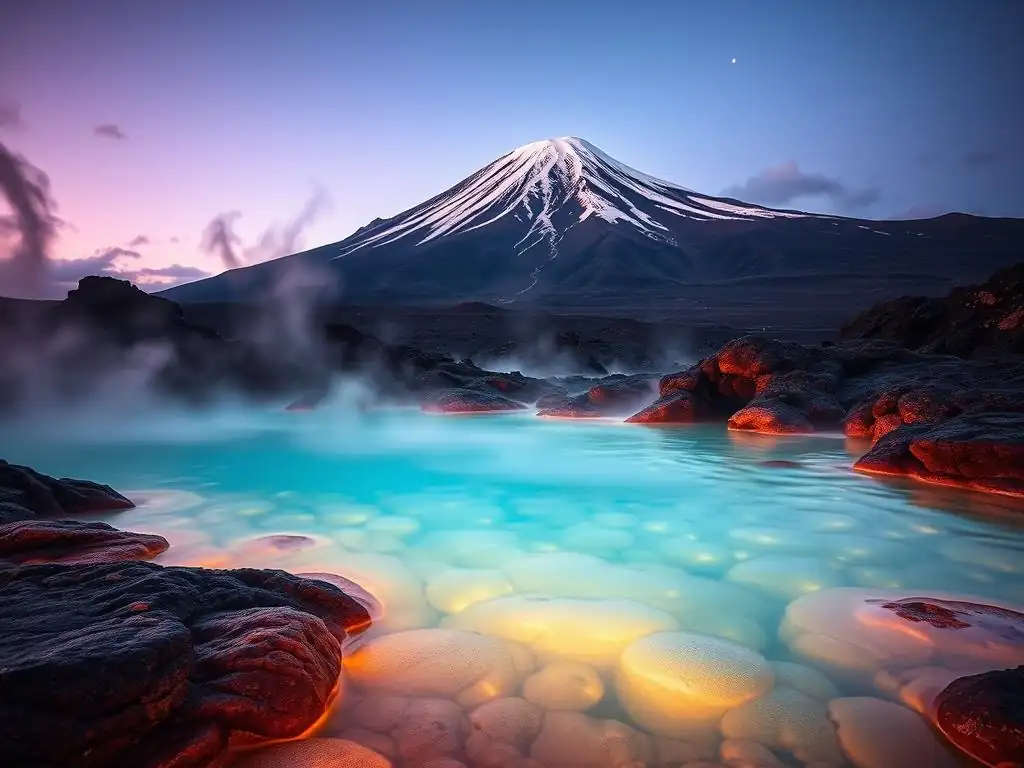
Welcome to Volcano Explorers, where the Earth's fiery secrets are unveiled. Ever wondered how volcanoes, those majestic symbols of destruction and creation, whisper secrets through the Earth's crust to create the soothing oasis of hot springs? Prepare to journey beneath the surface as we explore the fascinating connection between volcanoes and hot spring formation. Discover the hidden hand of geothermal activity and unlock the science behind this captivating phenomenon. The Earth has stories to tell – are you ready to listen?
- Understanding the Connection: Volcanoes and Hot Springs
- The Science Behind Hot Spring Formation Near Volcanoes
- Types of Volcanic Hot Springs and Their Formation
- Case Studies: Volcanoes and Hot Springs Around the World
- The Environmental Impact of Volcanic Hot Springs
- Exploring Volcanic Hot Springs Responsibly
- Volcanoes' Influence: More Than Just Eruptions – The Gift of Hot Springs
- Frequently Asked Questions
- Final Reflection: Unearthing Earth's Fiery Embrace
- Unearth Your Inner Explorer: Dive Deeper into Geothermal Wonders!
Understanding the Connection: Volcanoes and Hot Springs
The Geothermal Gradient: Earth's Internal Heat Engine
The Earth is not just a solid, cold rock; it possesses a fiery heart, and this internal heat plays a crucial role in many geological phenomena, including the formation of hot springs. The geothermal gradient refers to the rate at which the Earth's temperature increases with depth. On average, this gradient is approximately 25 degrees Celsius per kilometer of depth in the upper crust.
This means that for every kilometer you descend into the Earth, the temperature rises by about 25°C (77°F). This heat originates from two primary sources: the primordial heat left over from the Earth's formation and the heat generated by the radioactive decay of elements like uranium, thorium, and potassium within the Earth's mantle and crust.
This gradual increase in temperature with depth is not uniform across the globe. In tectonically active regions, particularly near volcanoes, the geothermal gradient can be significantly higher. Areas with thinner crust or where magma is closer to the surface exhibit a much steeper temperature increase. This enhanced geothermal gradient is the fundamental driving force behind the creation of hot springs, as it provides the necessary heat to warm groundwater circulating beneath the surface. Without this internal heat engine, hot springs as we know them would not exist, highlighting the profound influence of Earth's inherent thermal energy on surface hydrology.
Volcanic Activity as a Heat Source for Hot Springs
While the geothermal gradient provides the baseline heat, volcanic activity acts as a concentrated and often dramatic amplifier, significantly boosting the temperature and influencing the formation of hot springs. Volcanoes are essentially surface expressions of the Earth's internal heat, conduits through which molten rock, or magma, and associated gases rise from deep within the planet. This magma, residing in magma chambers beneath volcanoes, is at extremely high temperatures, often ranging from 700°C to 1300°C (1300°F to 2400°F). The proximity of this intense heat source to the surface is a key factor in the development of volcanic hot springs.
The heat from magma chambers doesn't just radiate outwards; it also conducts through the surrounding rocks and heats up groundwater that percolates downwards from the surface. Furthermore, volcanic activity often involves the release of hot volcanic gases, such as steam and sulfur dioxide, which can directly contribute heat and chemically alter groundwater.
Regions with active or recently active volcanoes are therefore prime locations for hot spring formation because the volcanic heat source is substantially more potent and localized compared to the general geothermal gradient alone. This direct link between volcanic heat and groundwater heating is what distinguishes volcanic hot springs from other types of geothermal features.
The Role of Magma Chambers in Hot Spring Formation
Magma chambers are large reservoirs of molten rock located beneath the Earth's surface, typically in the crust or upper mantle. They serve as the primary heat source for many volcanic hot springs. The size and depth of these chambers, as well as the temperature and composition of the magma within them, directly influence the characteristics of the hot springs that form above. Larger magma chambers, containing vast quantities of molten rock, can sustain heat output for extended periods, leading to the development of extensive and long-lasting hot spring systems.
The heat transfer from magma chambers to the surrounding rocks and groundwater occurs through conduction and convection. Conduction is the direct transfer of heat through a material, while convection involves the movement of heated fluids. Groundwater circulating near a magma chamber is heated by these processes and rises to the surface, often emerging as hot springs.
The depth of the magma chamber also plays a role; shallower chambers exert a more direct and intense heating effect on overlying groundwater systems, potentially leading to hotter and more vigorous hot springs. The longevity of a hot spring system is often tied to the lifespan and sustained heat output of the underlying magma chamber.
The Science Behind Hot Spring Formation Near Volcanoes
Hydrothermal Systems: The Plumbing of Volcanic Hot Springs
Volcanic hot springs are part of larger hydrothermal systems, intricate networks of underground water circulation driven by heat and geological structures. These systems act as the "plumbing" that transports heated water from depth to the surface. A typical hydrothermal system associated with volcanic hot springs includes several key components: a heat source (magma chamber), a source of water (precipitation that infiltrates the ground), pathways for water flow (fractures and faults in rocks), and an outlet (the hot spring itself).
Water from rain and snow percolates downwards through permeable rocks until it reaches a depth where it encounters heated rocks near a magma chamber. This heated water becomes less dense and begins to rise, often along fractures, faults, and porous rock layers. These geological features act as conduits, guiding the hot water towards the surface. As the hot water ascends, it can dissolve minerals from the surrounding rocks, enriching its chemical composition. The nature and intensity of the hydrothermal system dictate the flow rate, temperature, and chemistry of the resulting hot springs.
Groundwater Interaction with Volcanic Heat
The interaction between groundwater and volcanic heat is the fundamental process that creates volcanic hot springs. As groundwater circulates through the subsurface in volcanic regions, it comes into contact with rocks heated by magma chambers or volcanic intrusions. This interaction is not just about simple heating; it's a complex process involving heat transfer, fluid dynamics, and chemical reactions. The temperature of the groundwater increases significantly as it absorbs heat from the hot rocks.
The extent of heating depends on factors like the temperature of the heat source, the residence time of water in the heated zone, and the thermal conductivity of the rocks. In areas with highly permeable and fractured rocks, groundwater can circulate more freely and efficiently extract heat from a larger volume of hot rock. Conversely, in areas with less permeable rocks, the interaction may be more localized and less efficient. The depth of groundwater circulation also influences the temperature; deeper circulating water generally encounters hotter rocks and thus can reach higher temperatures before surfacing as a hot spring.
Chemical Composition of Volcanic Hot Springs: Silica, Sulfur, Carbon Dioxide
Volcanic hot springs are renowned for their diverse and often unique chemical compositions, which are directly influenced by volcanic activity and the rocks they interact with. Three common chemical components often found in volcanic hot springs are silica, sulfur, and carbon dioxide. Silica, derived from the dissolution of silicate minerals in rocks at high temperatures, is frequently present in significant concentrations. As the hot spring water cools near the surface, silica can precipitate out, forming sinter or geyserite deposits around the spring vents, contributing to the distinctive landscapes often associated with these features.
Sulfur is another hallmark element, originating from volcanic gases like sulfur dioxide and hydrogen sulfide. These gases dissolve in groundwater and can contribute to the characteristic sulfuric odor often associated with volcanic hot springs. Sulfur can also precipitate as elemental sulfur or form various sulfide minerals. Carbon dioxide is also a common volcanic gas that dissolves in groundwater, increasing its acidity and influencing the dissolution of minerals. The specific chemical "fingerprint" of a volcanic hot spring, determined by the relative concentrations of these and other elements, provides valuable clues about the underlying geological and volcanic processes at play.
Types of Volcanic Hot Springs and Their Formation
Fumaroles: Steam Vents and Their Relationship to Hot Springs
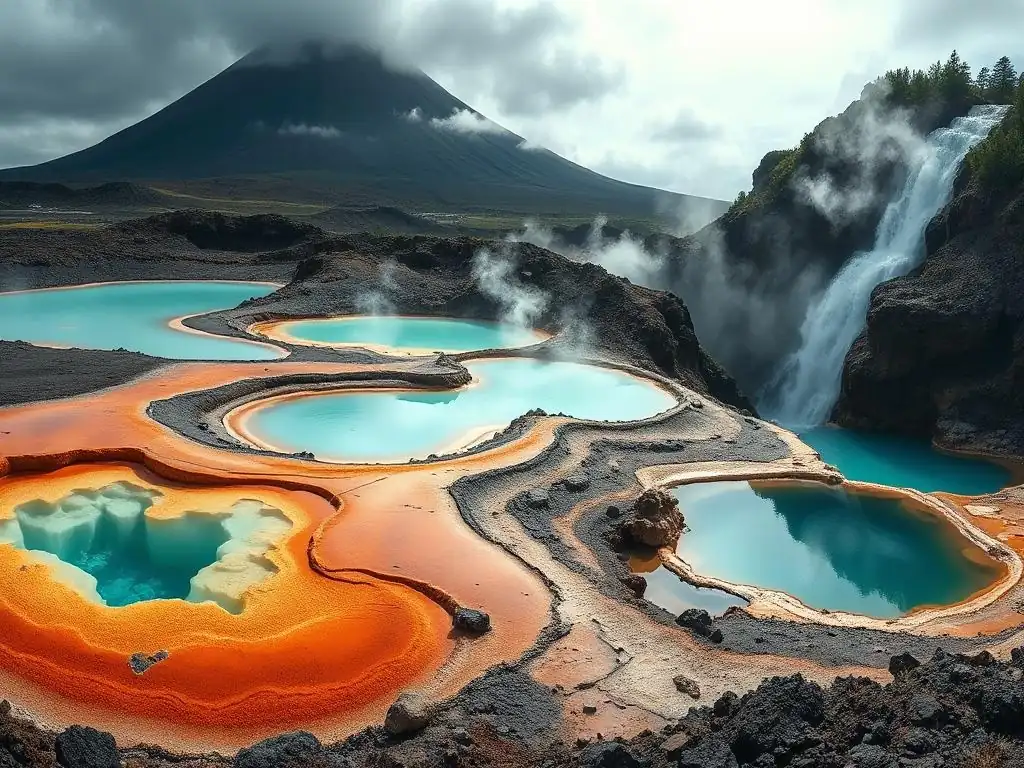
Fumaroles are vents in the Earth's surface that emit steam and volcanic gases, and they are intimately related to hot springs. Often found in volcanic regions, fumaroles represent a direct release of geothermal energy and volcanic volatiles. They form when groundwater is heated to boiling point by underground magma or hot rocks, and the resulting steam escapes to the surface along fractures and fissures. While fumaroles primarily release steam and gases, they can be considered as the gaseous expression of the same hydrothermal systems that produce hot springs.
The steam emitted from fumaroles is typically superheated and can reach temperatures of several hundred degrees Celsius. The composition of fumarole gases varies depending on the volcanic source, but commonly includes water vapor, carbon dioxide, sulfur dioxide, hydrogen sulfide, and other trace gases. In areas where groundwater supply is limited, fumaroles may be the dominant surface manifestation of geothermal activity, while in wetter areas, the same hydrothermal system may give rise to both fumaroles and hot springs. Fumaroles can also influence the chemistry of nearby hot springs by contributing volcanic gases to the groundwater system.
Geysers: Eruptive Hot Springs Driven by Volcanic Heat
Geysers are a spectacular type of hot spring characterized by their periodic eruption of hot water and steam. These dramatic displays are a direct consequence of specific geological conditions and the intense heat provided by volcanic activity. Geysers require a unique combination of factors to form: a heat source (volcanic), a water supply, an underground plumbing system with constrictions, and a mechanism to build up pressure.
The plumbing system of a geyser typically consists of a narrow conduit or chamber deep underground that fills with groundwater. The heat from surrounding hot rocks, heated by a volcanic source, raises the temperature of the water at the bottom of the conduit. As the water heats, it expands and eventually boils, but the pressure from the overlying column of water prevents immediate eruption. Steam bubbles form and rise, heating the water column further and reducing the pressure at the bottom.
Eventually, the pressure becomes insufficient to contain the boiling water, leading to a sudden and explosive eruption of steam and hot water. The cycle then repeats as the conduit refills and the heating process begins anew. Old Faithful in Yellowstone National Park is perhaps the most famous example of a geyser, erupting every 44 to 125 minutes.
Mud Pots: Acidic Hot Springs Formed by Volcanic Gases
Mud pots are another fascinating type of volcanic hot spring, distinguished by their bubbling pools of hot, often colorful mud. They form in areas where hot, acidic volcanic gases, particularly hydrogen sulfide (H₂S), rise to the surface and interact with groundwater and surrounding rocks. The hydrogen sulfide oxidizes to sulfuric acid (H₂SO₄), which is highly corrosive and breaks down the surrounding rocks and soil into clay and mud.
The acidic water in mud pots dissolves minerals and creates a soupy mixture of clay, water, and volcanic gases. The bubbling action observed in mud pots is caused by the release of steam and other volcanic gases through the thick mud. The colors of mud pots are often vibrant, ranging from grays and browns to pinks and yellows, due to the presence of various minerals and iron oxides.
Mud pots are often found in volcanic areas alongside other geothermal features like hot springs and fumaroles, representing a different manifestation of the same underlying volcanic heat and gas emissions. They are particularly common in areas with sulfur-rich volcanic activity.
Case Studies: Volcanoes and Hot Springs Around the World
Yellowstone National Park: A Volcanic Hot Spring Paradise
Yellowstone National Park in the United States is a globally renowned example of a volcanic hot spring paradise. Located atop a massive caldera, a remnant of ancient supervolcanic eruptions, Yellowstone boasts over 10,000 geothermal features, including more than 500 geysers and countless hot springs, fumaroles, and mud pots. The park's geothermal activity is fueled by a large magma chamber beneath the surface, a potent heat source that drives the extensive hydrothermal systems.
The iconic Old Faithful geyser, Grand Prismatic Spring (the largest hot spring in the US), and Mammoth Hot Springs (terraced travertine formations) are just a few of Yellowstone's geothermal wonders. The park's diverse hot springs vary in temperature, pH, and chemical composition, supporting unique microbial ecosystems adapted to these extreme environments. Yellowstone's hot springs are a testament to the powerful and long-lasting influence of volcanic activity on surface hydrology and biodiversity. The park attracts millions of visitors annually, drawn to the spectacular displays of geothermal energy.
Iceland's Geothermal Wonders: Powered by Volcanoes
Iceland, the "Land of Fire and Ice," is a volcanic island nation where geothermal energy is deeply intertwined with the landscape and culture. The island's location on the Mid-Atlantic Ridge, a major tectonic plate boundary, results in intense volcanic and geothermal activity. Volcanoes beneath Iceland's ice caps and across the island provide the heat source for countless hot springs, fumaroles, and geothermal areas. Geothermal energy is so abundant that it is harnessed extensively for heating homes, generating electricity, and powering industries.
The Blue Lagoon, a milky blue geothermal spa, is one of Iceland's most famous attractions, drawing visitors from around the world. Areas like Hverir and Landmannalaugar showcase vibrant geothermal landscapes with steaming vents, bubbling mud pools, and colorful mineral deposits. Iceland's hot springs are not just tourist attractions; they are an integral part of daily life, with numerous natural hot springs and public geothermal pools enjoyed by locals and visitors alike. The reliance on geothermal energy in Iceland exemplifies the practical benefits of volcanic hot spring formation.
New Zealand's Volcanic Hot Springs: A Māori Cultural Connection
New Zealand, particularly the North Island's Taupo Volcanic Zone, is another region richly endowed with volcanic hot springs. The country's location along the Pacific Ring of Fire ensures ongoing volcanic and geothermal activity. Rotorua, a city in the Taupo Volcanic Zone, is particularly famous for its geothermal landscapes, with geysers, mud pools, and hot springs readily accessible. The Māori, the indigenous people of New Zealand, have a deep cultural connection to these geothermal areas, utilizing hot springs for cooking, bathing, and medicinal purposes for centuries.
Whakarewarewa and Te Puia are prominent geothermal parks in Rotorua where visitors can witness geysers erupting, mud pools bubbling, and learn about Māori traditions associated with these natural wonders. The Polynesian Spa in Rotorua offers a relaxing experience in geothermal waters with therapeutic mineral properties. The Māori understanding of and respect for geothermal resources highlight the long-standing human interaction with volcanic hot springs and their cultural significance beyond just geological phenomena.
The Environmental Impact of Volcanic Hot Springs
Unique Ecosystems Supported by Volcanic Hot Springs
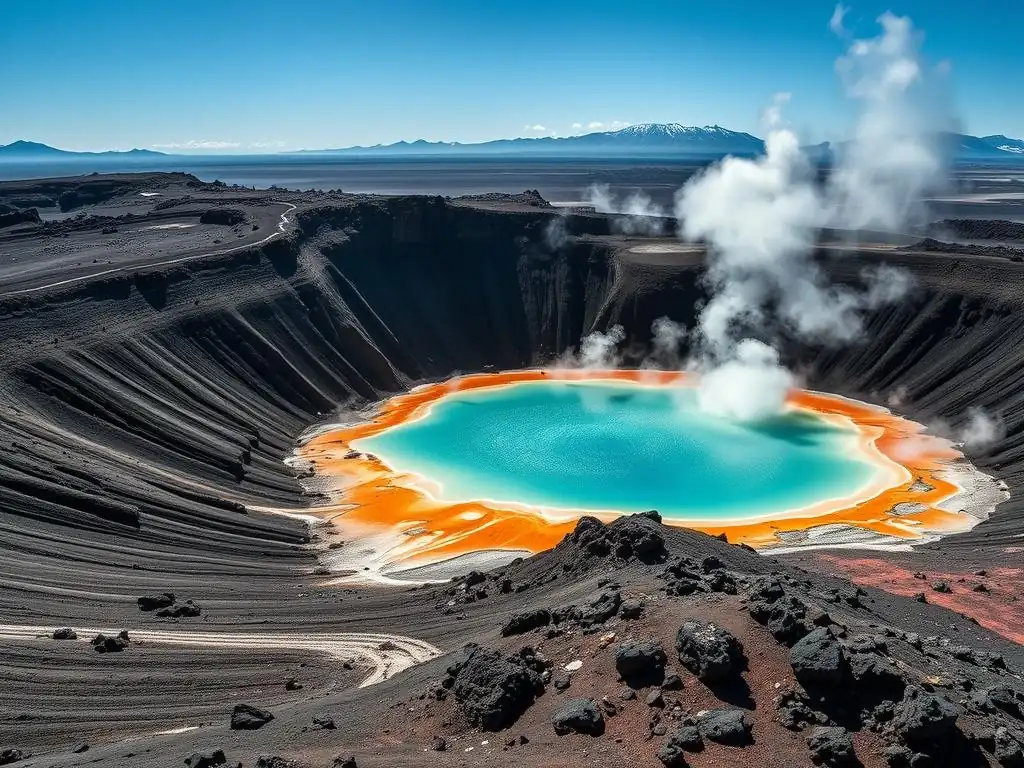
Volcanic hot springs, despite their extreme conditions of high temperatures and often unusual chemical compositions, support surprisingly diverse and unique ecosystems. These environments are home to specialized microorganisms, known as extremophiles, that thrive in conditions that would be lethal to most other forms of life. These microorganisms, including thermophilic bacteria and archaea, are adapted to high temperatures, acidic or alkaline conditions, and high concentrations of minerals.
These extremophiles form the base of food webs in hot spring ecosystems, often through chemosynthesis, where they derive energy from chemical compounds in the hot spring water rather than sunlight. Some hot springs also support specialized algae and invertebrates adapted to the warm waters. Studying these ecosystems is crucial for understanding the limits of life and the potential for life in other extreme environments, including potentially on other planets. The unique biodiversity found in volcanic hot springs highlights their ecological significance beyond their geological interest.
The Use of Geothermal Energy from Volcanic Regions
Volcanic hot springs are not only natural wonders but also a valuable source of geothermal energy. The heat from volcanic activity, which drives hot spring formation, can be harnessed to generate electricity and provide direct heat for various applications. Geothermal power plants utilize steam or hot water from underground geothermal reservoirs, often associated with volcanic regions, to drive turbines and produce electricity. Countries like Iceland, New Zealand, and the Philippines, with significant volcanic activity, are leaders in geothermal energy production.
Direct use of geothermal energy includes heating buildings, greenhouses, and aquaculture facilities. Hot spring water can also be used for industrial processes and spas and recreational bathing. Geothermal energy is a renewable and relatively clean energy source, offering a sustainable alternative to fossil fuels. The utilization of geothermal energy from volcanic regions not only reduces reliance on fossil fuels but also provides economic benefits and enhances energy security for these areas. The connection between volcanoes and hot springs thus extends to practical energy applications with significant environmental advantages.
Potential Hazards: Scalding Water, Toxic Gas Emissions, Ground Instability
While volcanic hot springs offer numerous benefits and are fascinating natural features, they also present potential hazards. The most immediate danger is scalding water. Hot spring water can reach temperatures near or above boiling point, posing a serious risk of severe burns. Visitors to hot spring areas must exercise extreme caution and adhere to safety guidelines, staying on marked trails and avoiding contact with the water.
Volcanic gases, such as hydrogen sulfide, carbon dioxide, and sulfur dioxide, can be emitted from hot springs and fumaroles. Hydrogen sulfide, even in low concentrations, can be toxic and has a characteristic rotten egg smell. Carbon dioxide, being heavier than air, can accumulate in low-lying areas and displace oxygen, creating a suffocation hazard. Sulfur dioxide is a respiratory irritant.
Ground instability is another potential hazard in volcanic and geothermal areas. Hydrothermal activity can alter rock strength, and areas around hot springs may be prone to ground collapse or landslides. Awareness of these potential hazards and adherence to safety precautions are crucial when exploring volcanic hot spring regions.
Exploring Volcanic Hot Springs Responsibly
Safety Guidelines for Visiting Volcanic Hot Springs
Visiting volcanic hot springs can be an incredible experience, but it's essential to prioritize safety. Always stay on designated trails and boardwalks. These paths are designed to guide visitors safely through geothermal areas, avoiding unstable ground and direct contact with hot water. Never venture off marked paths, as ground conditions can be unpredictable and dangerous. Supervise children closely and keep them within arm's reach in geothermal areas.
Do not touch or enter hot spring water. The water can be scalding hot, even if it doesn't appear to be boiling. Heed all warning signs and instructions from park authorities or guides. Be aware of the potential for toxic gases, especially in areas with fumaroles or strong sulfur odors.
If you notice a strong smell of sulfur, or feel any respiratory irritation, move to a well-ventilated area. Wear appropriate footwear, such as sturdy closed-toe shoes, to protect your feet from hot ground and potential hazards. Carry water and stay hydrated, especially in hot and dry geothermal environments. Inform someone of your hiking plans and expected return time, particularly when exploring less frequented areas.
Conservation Efforts to Protect Volcanic Hot Spring Ecosystems
Volcanic hot spring ecosystems, with their unique biodiversity and geological significance, require active conservation efforts. Protection of these areas involves various strategies, including designating them as protected areas like national parks or reserves. Regulations within these areas often restrict activities that could damage hot springs or their surrounding environments, such as off-trail hiking, water pollution, and resource extraction.
Monitoring water quality and temperature is crucial for detecting any changes that could indicate environmental stress or human impact. Research into the unique microbial life in hot springs is essential for understanding these ecosystems and their vulnerability. Public education and awareness campaigns play a vital role in promoting responsible visitation and minimizing human impact. Sustainable tourism practices, such as controlled access and waste management, help to balance visitor enjoyment with ecosystem preservation. Collaborative efforts between scientists, park managers, local communities, and tourists are necessary for the long-term conservation of volcanic hot spring ecosystems.
The Future of Volcanic Hot Spring Research and Exploration
The study of volcanic hot springs continues to be a vibrant and evolving field of scientific research. Ongoing research focuses on understanding the complex geological processes that control hot spring formation, the diversity and adaptation of extremophile microorganisms, and the potential applications of geothermal energy and biomolecules discovered in hot springs. Advances in technology, such as remote sensing, geochemical analysis, and molecular biology, are providing new tools for exploring and studying these systems.
Exploration of previously inaccessible or less studied volcanic regions may reveal new types of hot springs and unique microbial communities. Research into the potential of extremophiles for biotechnology, such as enzyme production and bioremediation, is a growing area of interest. Understanding the long-term impact of climate change on volcanic hot spring ecosystems is also becoming increasingly important. The future of volcanic hot spring research promises exciting discoveries that will deepen our understanding of Earth's geological and biological processes and potentially lead to innovative applications in various fields.
Volcanoes' Influence: More Than Just Eruptions – The Gift of Hot Springs
Frequently Asked Questions
Volcanoes provide the heat source needed for hot spring formation. Magma chambers deep underground warm the surrounding groundwater, which then rises to the surface as hot springs.
What geological features are essential for creating a hot spring near a volcano?
Permeable rocks are crucial to allow groundwater to circulate and be heated. Also, faults and fractures in the earth's crust provide pathways for the heated water to reach the surface.
Do all volcanoes create hot springs?
No, not all volcanoes create hot springs. The presence of sufficient groundwater and the right geological conditions, such as permeable rocks and pathways to the surface, are necessary for hot spring formation.
Can hot springs provide any indication of a volcano's activity?
Changes in the temperature, chemical composition, or flow rate of hot springs can sometimes indicate changes in a volcano's activity, potentially signaling an impending eruption.
Are hot springs only found near active volcanoes?
While often associated with active volcanoes, hot springs can also be found near dormant or even extinct volcanoes, as long as there is a residual heat source still present underground.
Final Reflection: Unearthing Earth's Fiery Embrace
The journey through the geothermal whispers, from the fiery heart of volcanoes to the soothing embrace of hot springs, reveals a profound connection that remains deeply relevant in our understanding of Earth's dynamic processes. The intricate dance between volcanic activity and hot spring formation is not just a geological curiosity; it's a testament to the planet's constant evolution and its ability to provide both immense power and gentle comfort.
This exploration has underscored how these natural phenomena shape not only landscapes but also cultures and economies. The enduring allure of hot springs, as places of healing and relaxation, speaks to a primal connection with the Earth's energy. In every walk with nature, one receives far more than he seeks.
- John Muir. This quote encapsulates the profound benefits, both physical and spiritual, that we derive from these geothermal wonders, reminding us of the importance of preserving these fragile ecosystems.
Now, as you reflect on the hidden hand of volcanoes in hot spring formation, consider your own relationship with the natural world. How can you become a more conscious steward of these geothermal treasures? Let the warmth of the Earth inspire you to seek a deeper understanding of our planet and to advocate for its protection, ensuring that future generations can also experience the magic of these geothermal whispers.
Unearth Your Inner Explorer: Dive Deeper into Geothermal Wonders!
Thanks for joining us on this fascinating journey into the world of geothermal energy and hot spring formation! We hope you’ve discovered a newfound appreciation for the power and beauty hidden beneath our feet. Now it's time to turn that knowledge into action.
Here's how you can continue your exploration:
- Plan your next adventure: Seek out a local hot spring: and experience firsthand the magic we've discussed. Research its geological origins – you might be surprised by what you find!
- Share your newfound knowledge: Spread the word about the fascinating relationship between volcanoes and geothermal activity by sharing this article with friends and family.
- Contribute to our Explorer's community: Do you have a story about a geothermal experience or unique hot spring encounter? We invite you to share your stories on our website forum to help the Volcano Explorers community grow.
Which awe-inspiring geothermal wonder will you explore first?