
The Fiery Symbol: Are Volcanoes National Icons of Power?

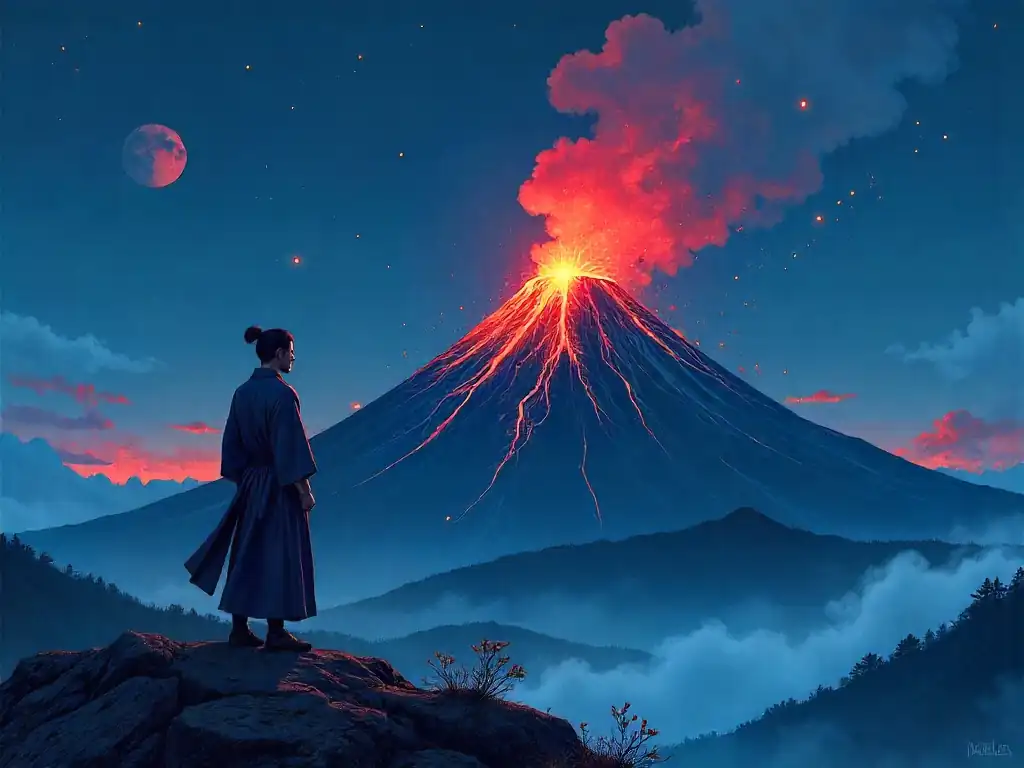
Welcome to Volcano Explorers!
Prepare to journey into the heart of the Earth's fiery soul. Have you ever considered how a mountain of molten rock can embody the spirit of an entire nation? Dive into our latest exploration of Volcanoes as National Symbols, and discover how these majestic giants have shaped cultures, inspired legends, and become potent emblems of power. What secrets lie beneath the surface? Begin your descent…
- Volcanoes and National Identity: Exploring the Cultural Significance
- The Allure of Volcanoes: More Than Just Geological Formations
- Volcanoes as National Symbols: A Global Perspective
- Power and Majesty: Why Volcanoes Resonate with National Ideals
- Volcanic Eruptions: Testing the Resilience of a Nation
- Volcano Tourism: Capitalizing on the National Icon
- The Future of Volcanoes as National Symbols
-
Frequently Asked Questions
- How can a volcano become a national symbol?
- Why would a country choose a volcano as a national symbol?
- What are some examples of countries that feature volcanoes as national symbols?
- Does choosing a volcano as a national symbol have any drawbacks?
- How does VolcanoExplorers.org help people understand the cultural significance of volcanoes?
- Final Reflection: Embracing the Earth's Raw Power
- Ignite Your Inner Explorer: Embrace the Volcano's Power!
Volcanoes and National Identity: Exploring the Cultural Significance
Volcanoes, majestic geological phenomena, often transcend their scientific definition to become powerful symbols deeply embedded in national identity. Across the globe, from the snow-capped peaks of Japan's Mount Fuji to the fiery heart of Italy's Mount Vesuvius, volcanoes are not merely landforms; they are cultural icons, imbued with layers of meaning that reflect a nation's history, spirit, and relationship with nature. This exploration delves into the fascinating intersection of volcanology and national identity, examining how these formidable natural features are embraced, interpreted, and celebrated as symbols of national pride and power.
The relationship between volcanoes and national identity is a complex tapestry woven with threads of geological reality, historical experiences, and cultural narratives. For many nations, volcanoes represent a tangible link to their land, shaping landscapes, influencing climate, and providing resources. Beyond their physical presence, volcanoes often become metaphors for national characteristics, embodying strength, resilience, and even the nation's fiery spirit. Understanding this symbolic significance requires us to look beyond the scientific study of volcanoes and explore their profound cultural impact on societies around the world.
The Allure of Volcanoes: More Than Just Geological Formations
Volcanoes possess an undeniable allure that extends far beyond their scientific intrigue. Their dramatic eruptions, the raw power they unleash, and the starkly beautiful landscapes they create capture the human imagination in a way few other natural phenomena can. This inherent fascination contributes significantly to their potential as potent national symbols. The allure of volcanoes stems from a complex interplay of awe, fear, and respect, emotions that resonate deeply within the collective consciousness of a nation.
This fascination is not a modern phenomenon. Throughout history, civilizations living in volcanic regions have been profoundly influenced by these geological giants. Ancient myths and legends often depict volcanoes as dwelling places of gods or manifestations of divine power. Even in contemporary society, the sight of a volcanic eruption evokes a sense of primal wonder, reminding us of the immense forces that shape our planet. This enduring allure transforms volcanoes from mere geological formations into captivating symbols that can be readily adopted to represent broader national ideals.
Volcanoes: A Source of Awe and Inspiration
The sheer scale and power of volcanoes naturally inspire awe. A towering volcanic peak, often shrouded in mist or capped with snow, commands attention and respect. The dramatic spectacle of an eruption, with its plumes of ash and lava flows, is both terrifying and mesmerizing. This awe-inspiring quality makes volcanoes potent symbols of natural grandeur and power, attributes that nations often seek to associate with themselves.
Beyond awe, volcanoes also serve as a source of inspiration. Artists, writers, and poets have long been captivated by volcanic landscapes, finding in them a muse for their creative endeavors. The dramatic scenery, the dynamic geological processes, and the sheer energy emanating from volcanoes have fueled artistic expression across cultures and centuries.
For example, the iconic silhouette of Mount Fuji has been a recurring motif in Japanese art for centuries, inspiring countless paintings, poems, and literary works, solidifying its role as a national symbol of beauty and artistic inspiration. This artistic and cultural output further reinforces the volcano's symbolic importance within the national consciousness.
From Destruction to Creation: The Dual Nature of Volcanic Landscapes
Volcanoes embody a unique duality: they are agents of both destruction and creation. Eruptions can devastate communities, destroy infrastructure, and alter landscapes dramatically. However, volcanic activity is also responsible for creating fertile soils, shaping coastlines, and forming unique geological features. This dual nature, the capacity for both destruction and renewal, resonates deeply and contributes to the symbolic power of volcanoes.
The fertile volcanic soils, rich in minerals, are crucial for agriculture in many regions. Countries like Indonesia and the Philippines owe their agricultural productivity in part to the volcanic activity that has enriched their lands over millennia. Moreover, volcanic eruptions create new land, as seen in the formation of volcanic islands like Iceland and Hawaii.
This process of destruction and creation mirrors cycles of national history – periods of upheaval and renewal, challenges overcome and new beginnings forged. This inherent duality makes volcanoes powerful metaphors for national resilience and the ability to rebuild and prosper even after facing significant challenges, further cementing their role as national symbols.
Volcanoes as National Symbols: A Global Perspective
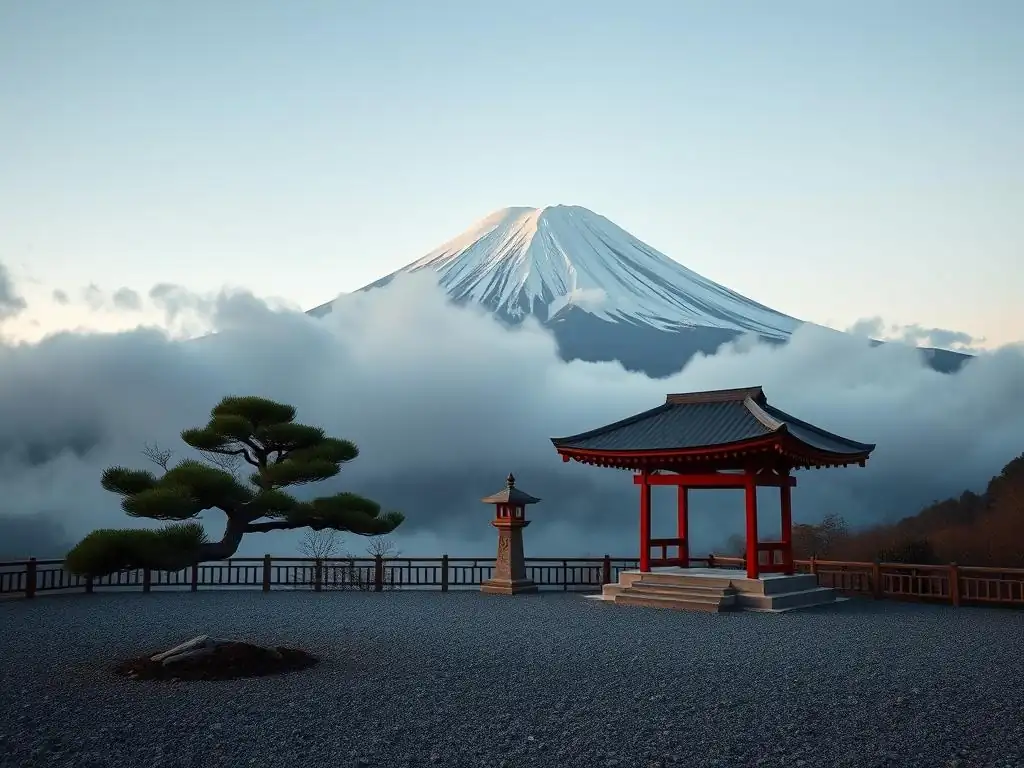
The phenomenon of volcanoes serving as national symbols is not limited to a single region or culture; it's a global phenomenon observed across diverse nations. From the Americas to Asia, and Europe to Oceania, volcanoes are embraced as emblems of national identity in various ways, reflecting unique historical, cultural, and geographical contexts. Examining these diverse examples provides a broader understanding of how and why volcanoes become national symbols.
The way a nation embraces a volcano as a symbol varies greatly. In some cases, it's a single, iconic volcanic peak that dominates the national landscape and imagination, like Mount Fuji in Japan. In other instances, it might be a volcanic region or a chain of volcanoes that collectively represents national identity, such as the volcanic landscapes of Iceland or the Andes Mountains in South America. Regardless of the specific manifestation, the underlying theme is the same: volcanoes become potent symbols that encapsulate a nation's spirit, history, and relationship with its land.
Case Study: Mount Fuji and Japan's National Pride
Mount Fuji, or Fuji-san as it's respectfully known in Japan, stands as perhaps the most iconic example of a volcano serving as a national symbol. Its perfectly symmetrical cone, often snow-capped and shrouded in mist, is instantly recognizable and deeply ingrained in the Japanese national consciousness. Mount Fuji is far more than just a mountain; it is a cultural icon, a source of spiritual inspiration, and a powerful emblem of Japanese national pride.
For centuries, Mount Fuji has been revered as a sacred mountain in Shinto and Buddhist traditions. Pilgrims have climbed its slopes for spiritual purification, and it features prominently in Japanese art, literature, and folklore. Ukiyo-e woodblock prints, particularly those by Hokusai and Hiroshige, immortalized Mount Fuji in the 19th century, further solidifying its image as a national icon.
Today, it remains a potent symbol of Japan, appearing on everything from currency to company logos, representing the nation's beauty, resilience, and cultural heritage. Mount Fuji exemplifies how a volcano can become inextricably linked to national identity through a long history of cultural and spiritual significance.
Volcanic Landscapes: Defining National Borders and Identity
In some cases, volcanic landscapes themselves play a role in defining national borders and contributing to a sense of national identity. Volcanic mountain ranges can serve as natural boundaries, demarcating territories and shaping the geographical identity of a nation. The Andes Mountains, with their numerous active volcanoes, form a significant part of the national identities of countries like Chile, Ecuador, and Peru.
The presence of volcanoes along national borders can also influence geopolitical dynamics and contribute to a shared sense of place among the nations inhabiting these regions. For instance, the volcanic arc of Central America spans multiple countries, creating a shared volcanic landscape that, while not explicitly defining national borders, contributes to a regional identity linked to volcanic activity. Furthermore, volcanic landscapes often possess unique geological features, ecosystems, and resources that become integral parts of a nation's natural heritage and contribute to a distinctive national identity rooted in the land itself.
Power and Majesty: Why Volcanoes Resonate with National Ideals
The inherent characteristics of volcanoes – their immense power, majestic presence, and enduring nature – resonate deeply with national ideals and aspirations. Nations often seek to project an image of strength, resilience, and permanence, and volcanoes, in their geological grandeur, embody these very qualities. This resonance makes volcanoes particularly well-suited to serve as symbols of national power and majesty.
The connection between volcanoes and national ideals is not arbitrary; it stems from the intrinsic nature of these geological forces. Volcanoes are a visible manifestation of the Earth's internal power, capable of reshaping landscapes and influencing global climate patterns. Their eruptions, while potentially destructive, are also awe-inspiring displays of natural strength. This association with power and resilience makes volcanoes compelling symbols for nations seeking to project an image of dominance, stability, and enduring strength, both internally and on the global stage.
Volcanoes: Representing Strength, Resilience, and National Spirit
Volcanoes, in their raw power and geological longevity, are readily interpreted as symbols of strength and resilience. Their ability to withstand millennia of geological processes and their capacity to unleash immense energy during eruptions project an image of unwavering strength. This symbolic strength resonates with national narratives of perseverance, independence, and the ability to overcome adversity.
Furthermore, the volcanic process itself, involving the build-up of pressure and eventual eruption, can be seen as a metaphor for national spirit and determination. Just as a volcano gathers energy deep within, eventually releasing it in a powerful display, a nation's spirit can be seen as a wellspring of strength that emerges in times of challenge or national endeavor. This metaphorical link between volcanic activity and national spirit further strengthens the symbolic association of volcanoes with national identity, particularly the ideals of strength and resilience.
The Role of Volcanoes in National Myths and Legends
Volcanoes frequently feature prominently in national myths, legends, and folklore, further solidifying their cultural significance and contributing to their status as national symbols. These narratives often imbue volcanoes with spiritual or mythical qualities, linking them to the nation's origins, deities, or cultural heroes. These stories passed down through generations, shape the collective understanding and emotional connection to volcanoes within a nation.
In many cultures, volcanoes are depicted as sacred mountains, dwelling places of gods, or gateways to the underworld. Native American legends in the Pacific Northwest of the United States, for example, feature volcanoes as characters in creation myths and stories of natural forces. Similarly, Polynesian mythology often attributes volcanic activity to the actions of deities, explaining eruptions as expressions of divine will. These myths and legends, deeply woven into the fabric of national culture, elevate volcanoes beyond mere geological features, transforming them into potent symbols imbued with spiritual and historical significance.
Volcanic Eruptions: Testing the Resilience of a Nation
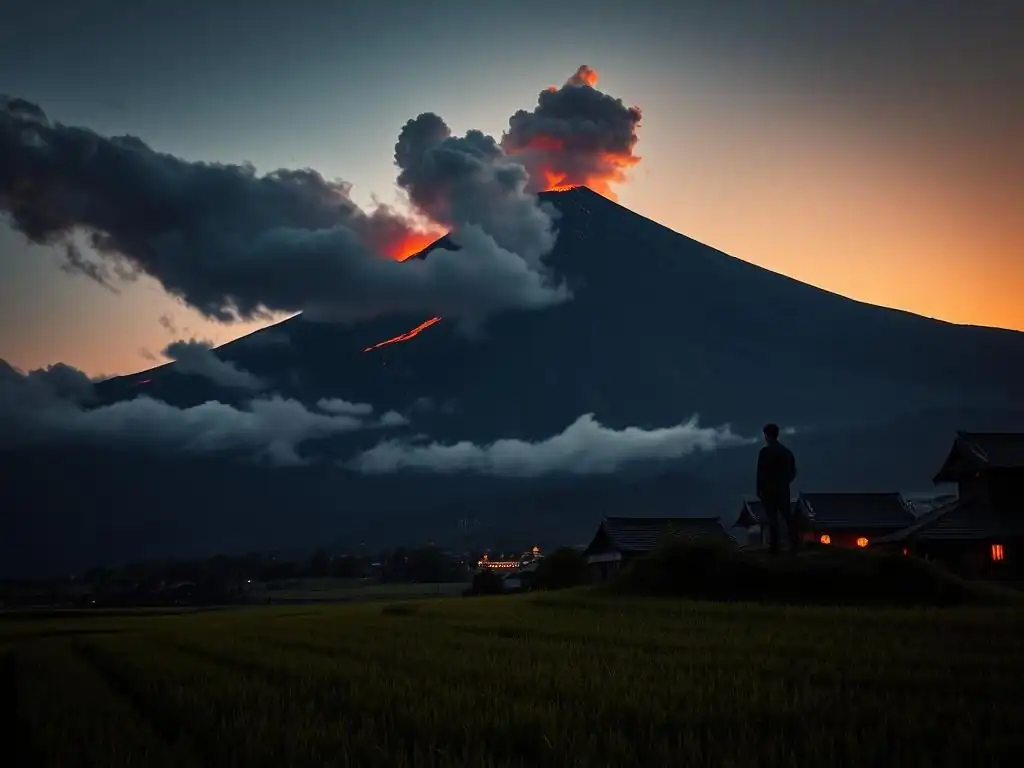
While volcanoes often symbolize strength and stability, volcanic eruptions are stark reminders of their potential for destruction. However, even in the face of volcanic disasters, nations can demonstrate resilience, unity, and a capacity for recovery. Volcanic eruptions, paradoxically, can become defining moments that test and ultimately strengthen national identity.
The way a nation responds to a volcanic eruption – from immediate disaster relief to long-term recovery efforts – reflects its social cohesion, governance structures, and national character. Eruptions can expose vulnerabilities and weaknesses, but they also provide opportunities for communities and nations to come together, support one another, and rebuild. The narrative of national recovery from volcanic disaster can become a powerful testament to national resilience and further contribute to the volcano's symbolic role in national identity.
How Volcanic Disasters Shape National Unity and Recovery
Volcanic disasters, despite their destructive nature, can foster a sense of national unity and purpose. In the immediate aftermath of an eruption, communities and the nation as a whole often rally together to provide aid, support victims, and begin the process of recovery. This collective response can strengthen social bonds and reinforce a sense of shared national identity.
Examples of national unity in the face of volcanic disasters are numerous. Following the eruption of Mount Pinatubo in the Philippines in 1991, the national response involved massive evacuation efforts, international aid, and long-term reconstruction projects. This experience, while devastating, also highlighted the resilience and solidarity of the Filipino people. Similarly, the eruptions of volcanoes in Iceland, such as Eyjafjallajökull in 2010, while causing international disruption, also showcased Iceland's preparedness and the unity of its small nation in responding to a natural crisis. These events demonstrate how volcanic disasters can become catalysts for national unity and collective action.
Volcanoes and National Preparedness: Lessons Learned from Past Eruptions
Past volcanic eruptions have served as crucial learning experiences for nations living in volcanic regions. These events have highlighted the importance of volcanic monitoring, early warning systems, evacuation plans, and community preparedness. Nations that have experienced significant volcanic eruptions often develop sophisticated systems and protocols to mitigate future risks and protect their populations.
Japan, with its numerous active volcanoes and history of devastating eruptions, is a prime example of a nation that has prioritized volcanic preparedness. The country has invested heavily in volcano monitoring technology, public education campaigns, and emergency response infrastructure. The lessons learned from past eruptions, such as the eruption of Mount Unzen in 1991, have continuously refined Japan's approach to volcanic risk management. This emphasis on preparedness, driven by the ever-present threat of volcanic activity, becomes another facet of national identity for nations living in volcanic regions, reflecting a proactive and resilient approach to natural hazards.
Volcano Tourism: Capitalizing on the National Icon
The symbolic power of volcanoes as national icons can be leveraged for economic benefit through tourism. Volcano tourism, or geotourism focused on volcanic landscapes, has become a significant industry in many countries, attracting visitors eager to witness the awe-inspiring beauty and geological wonders of volcanoes. This form of tourism not only generates revenue but also further reinforces the volcano's role as a national asset and icon.
However, volcano tourism also presents challenges. Balancing economic benefits with environmental conservation and the safety of visitors and local communities is crucial. Sustainable volcano tourism practices are essential to ensure that these natural and cultural treasures are preserved for future generations while continuing to contribute to national economies and identities.
Promoting Volcanoes as National Tourist Attractions
Many nations actively promote their volcanoes as key tourist attractions, highlighting their natural beauty, geological significance, and cultural importance. National tourism boards often feature volcanoes in promotional materials, showcasing them as must-see destinations that embody the unique character of the country. Volcano National Parks and protected areas are established to facilitate tourism while conserving volcanic landscapes.
For example, Volcanoes National Park in Hawaii is a major tourist draw, attracting millions of visitors annually to witness the active Kilauea and Mauna Loa volcanoes. In Costa Rica, Arenal Volcano National Park is another popular destination, known for its conical volcano, hot springs, and diverse ecosystems. These examples demonstrate how nations actively market their volcanoes as national tourist attractions, leveraging their iconic status to boost tourism revenue and enhance national branding.
Balancing Tourism and Conservation around Volcanic Sites
While volcano tourism offers economic benefits, it's crucial to manage it sustainably to minimize environmental impact and ensure the long-term preservation of volcanic landscapes. Uncontrolled tourism can lead to habitat degradation, pollution, and damage to fragile volcanic features. Balancing tourism with conservation requires careful planning, responsible tourism practices, and investment in infrastructure that minimizes environmental footprint.
Sustainable tourism initiatives around volcanoes often involve promoting eco-friendly accommodations, regulating visitor numbers, implementing waste management systems, and educating tourists about responsible behavior in volcanic environments. Collaborative efforts between tourism operators, conservation organizations, and local communities are essential to ensure that volcano tourism benefits both the economy and the environment, safeguarding these national icons for future generations.
The Future of Volcanoes as National Symbols
The role of volcanoes as national symbols is likely to endure and evolve in the future. As global awareness of climate change and environmental issues grows, the symbolic significance of volcanoes may shift to encompass new dimensions, reflecting concerns about environmental sustainability and the impact of climate change on volcanic landscapes. Preserving the cultural heritage associated with volcanoes will also become increasingly important in a rapidly changing world.
Looking ahead, the challenges and opportunities associated with volcanoes as national symbols will continue to shape national identities and policies. Adapting to the impacts of climate change on volcanic regions and ensuring the sustainable management of volcanic landscapes will be crucial for maintaining their symbolic and practical value for nations around the world.
Climate Change and its Impact on Volcanic Landscapes
Climate change poses a significant threat to volcanic landscapes and may impact their symbolic representation. Changes in temperature and precipitation patterns can alter volcanic ecosystems, melt glaciers on volcanic peaks, and increase the risk of volcanic hazards such as lahars (volcanic mudflows). These environmental changes can affect the aesthetic appeal and perceived stability of volcanic landscapes, potentially influencing their symbolic meaning.
For example, the melting glaciers on iconic volcanic peaks like Mount Kilimanjaro in Tanzania, while not directly related to volcanic activity, are visually altering the mountain's appearance and raising concerns about the long-term impact of climate change on national symbols. Understanding and mitigating the effects of climate change on volcanic landscapes is crucial for preserving both their ecological integrity and their cultural significance as national symbols.
Preserving the Cultural Heritage Associated with Volcanoes
Preserving the cultural heritage associated with volcanoes is essential for maintaining their symbolic value and ensuring that future generations understand and appreciate their significance. This includes protecting archaeological sites, traditional practices, myths, legends, and artistic expressions related to volcanoes. Cultural heritage preservation efforts can involve documenting oral histories, conserving historical sites, and supporting cultural institutions that promote volcanic heritage.
In Japan, efforts to preserve the cultural landscape surrounding Mount Fuji, including traditional villages and pilgrimage routes, are ongoing. These initiatives aim to protect not only the natural beauty of Mount Fuji but also the rich cultural heritage that has developed around it over centuries. Preserving the cultural heritage associated with volcanoes ensures that their symbolic power remains relevant and meaningful for future generations, reinforcing their enduring role as national icons.
Frequently Asked Questions
How can a volcano become a national symbol?
Volcanoes often become national symbols due to their prominent geographical presence, association with national identity and mythology, and role in shaping the landscape and culture.
Why would a country choose a volcano as a national symbol?
Countries might choose a volcano as a national symbol to represent strength and resilience, showcase unique geological features, and reflect a connection to natural power and creation.
What are some examples of countries that feature volcanoes as national symbols?
Examples include Japan with Mount Fuji, the Philippines with Mount Mayon, and Italy with Mount Vesuvius, all of which are strongly associated with their respective national identities.
Does choosing a volcano as a national symbol have any drawbacks?
Potential drawbacks include highlighting the risk of volcanic eruptions, creating anxiety among the population, and potentially impacting tourism and investment due to safety concerns.
How does VolcanoExplorers.org help people understand the cultural significance of volcanoes?
VolcanoExplorers.org offers sections dedicated to photography, travel, and the cultural significance of volcanoes, showcasing their role in shaping beliefs and traditions around the world.
Final Reflection: Embracing the Earth's Raw Power
The exploration of volcanoes as national symbols reveals more than just geological formations; it uncovers a profound connection between a nation's identity and the untamed forces of nature. The fiery heart of a volcano, once feared, is now often celebrated, representing resilience, power, and the constant potential for renewal. This transformation in perception speaks volumes about our evolving relationship with the natural world.
The enduring allure of volcanoes extends beyond scientific curiosity; they resonate deeply within our collective consciousness. The sheer scale and dramatic power of these geological giants have shaped landscapes and cultures for millennia, constantly reminding us of our place within a larger, dynamic system. The mountains are calling and I must go.
- John Muir. This quote encapsulates the irresistible pull of nature's grandeur, a sentiment that resonates particularly strongly when contemplating the majestic presence of a volcano.
As we conclude this exploration of volcanoes as national symbols, let us consider the lessons they offer. They remind us that even in the face of immense power, there is beauty, resilience, and the potential for growth. Let us embrace the fiery spirit of these natural icons, channeling their energy into our own lives, striving for strength, adaptability, and a deeper appreciation for the planet we call home.
Ignite Your Inner Explorer: Embrace the Volcano's Power!
Thank you for exploring the captivating connection between volcanoes and national identity with us. We hope you’ve gained a deeper appreciation for these fiery symbols and their cultural significance. Now, it's time to channel that knowledge into action!
Here's how you can further connect with the power of volcanoes:
- Plan Your Own Volcanic Adventure! Discover fascinating volcanoes near you using our interactive map at volcanoexplorers.org, and start researching your visit today. Remember to prioritize safety and respect for the environment.
- Share your perspective: What volcano best embodies power and national spirit for you? Join the discussion in our comments section and tell us why.
- Unleash Your Creativity! Create a painting, poem, or song inspired by the power and beauty of volcanoes, and share it with the world using #VolcanoPower on social media.
What small step will you take today to honor the Earth's fiery giants?